
REVIEW · OBSERVATORY VISITS
Lake Tekapo: Stargazing Experience at Cowan’s Observatory
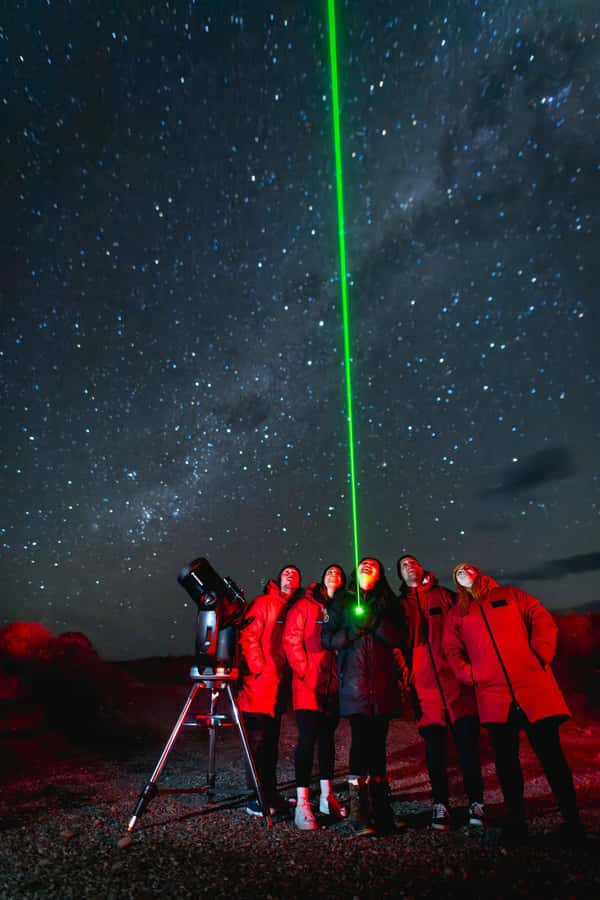
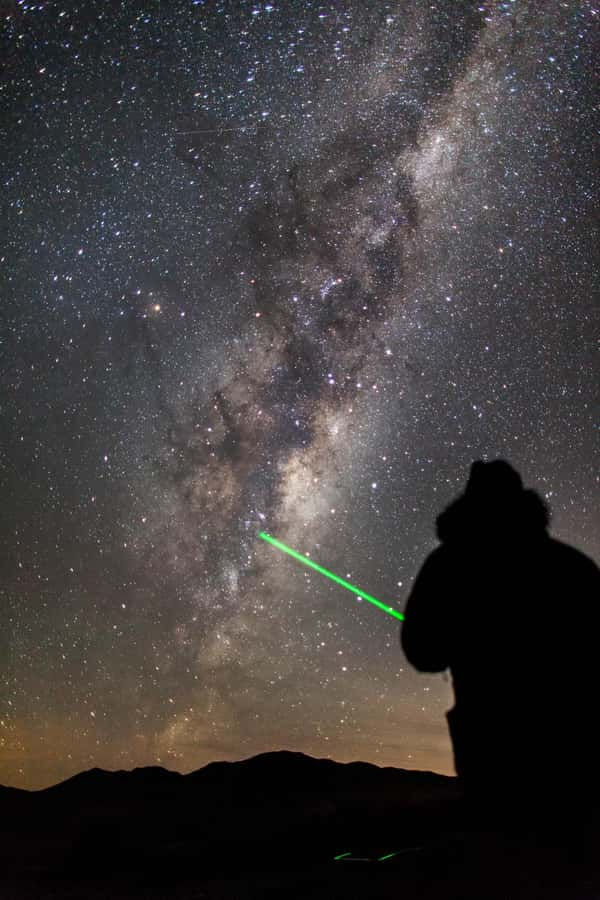
Lake Tekapo gives you a rare chance to see the southern night sky with little artificial light getting in the way. At Cowan’s Private Observatory, you move beyond a quick look upward: an astronomy guide helps you read the Milky Way, spot galaxies, and use powerful telescopes from sheltered observation craters. I especially like the return transport from Tekapo and the way guides can adjust the session to what is visible that night.
I also like that this is built for first-time stargazers, not only serious astronomy fans. Guides such as Vickey explain things clearly and repeat key points when needed. The main drawback is value: at $77 per person, the experience may feel costly if you already know the sky and have used telescopes before. One recent guest felt it offered less for experienced stargazers, even while praising the guide.
Key points to know before you book
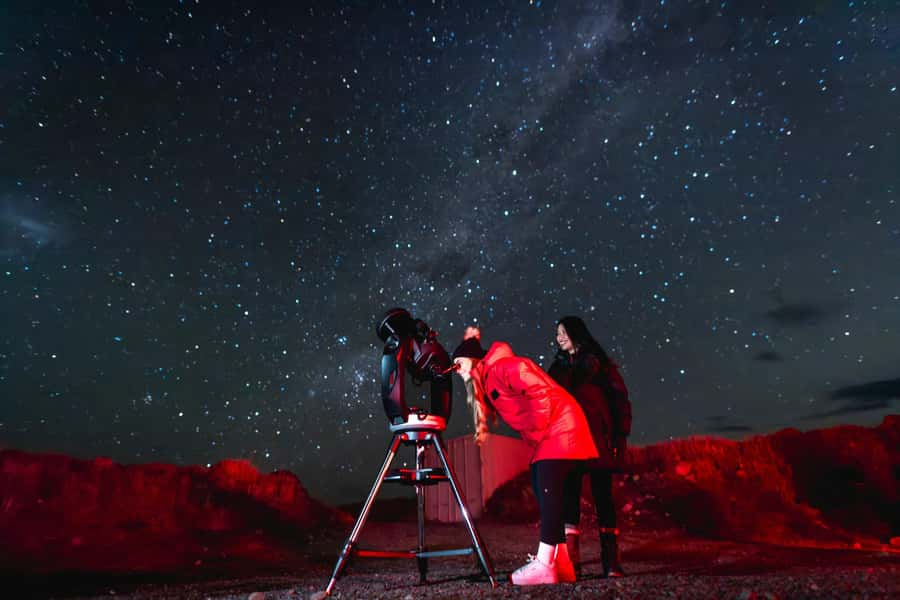
- Sheltered observation craters give you a steadier viewing spot away from wind and much of the local light.
- The 75-minute session combines naked-eye stargazing, astronomy instruction, and telescope viewing.
- Cowan’s Private Observatory sits inside the world’s largest Gold Standard International Dark Sky Reserve.
- Guide Vickey has been praised for clear explanations and repeating details so everyone can keep up.
- Return transport begins and ends at the Dark Sky Project Booking Office in central Lake Tekapo.
- Warm clothes are essential, even in summer, and flash photography is not allowed.
Why Cowan’s Observatory is a good place to see the southern sky
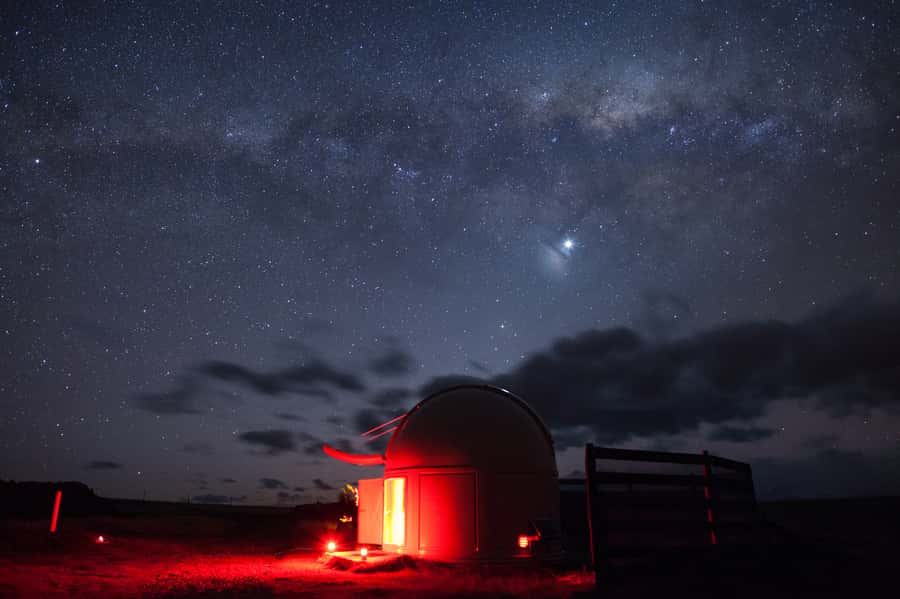
Cowan’s Private Observatory is part of the appeal here, but the bigger draw is the setting around Lake Tekapo. The area is recognized as the world’s largest Gold Standard International Dark Sky Reserve. That status matters because dark skies are not simply a nice backdrop. Less artificial light means the Milky Way can appear more clearly, and faint stars and distant objects have a better chance of being visible.
You still need the right conditions. Clouds, wind, and poor weather can change what you see on any given night. The guide will work with the sky that is available, rather than follow a rigid script. That is a useful feature for a stargazing session, since the best plan depends on what is above you at the time.
The observation craters add another practical touch. They are designed to shelter you from wind and reduce the effect of surrounding lights. You are not simply standing in an open field hoping for a clear view. You have a defined place to sit or stand while the guide points out features overhead and manages the telescopes.
More Observatory Visits in Lake Tekapo:
- Mount John Observatory Stargazing Experience, Tekapo
★ 4.5 · 160 reviews - Stargazing Experience at Cowan’s Private Observatory
★ 4.0 · 85 reviews - Royal Observatory Greenwich & Prime Meridian Entrance Ticket
★ 4.5 · 1,095 reviews
Starting at the Dark Sky Project office in Tekapo
You meet at the Dark Sky Project Booking Office at 1 Motuariki Lane, Lake Tekapo. This is the starting point for the return transport to Cowan’s Private Observatory, so allow enough time to arrive before your scheduled start.
The transport is included in the $77 price, which makes the experience easier than arranging your own way to the observatory. You do not need to work out where to go in the dark or worry about finding a suitable viewing spot after reaching Tekapo. Your driver guide handles the transfer there and back.
Pay close attention to the date if you book a start time after midnight. A late-night session can technically fall on the following calendar date, so check the booking details carefully before you confirm.
The total activity lasts 75 minutes. That is long enough for a proper introduction without turning the evening into an exhausting lecture. Still, the session is not an all-night astronomy program. If you want hours of private sky watching, this is not designed for that. It is a guided introduction with transport, instruction, and telescope use included.
Finding your place in the observation craters
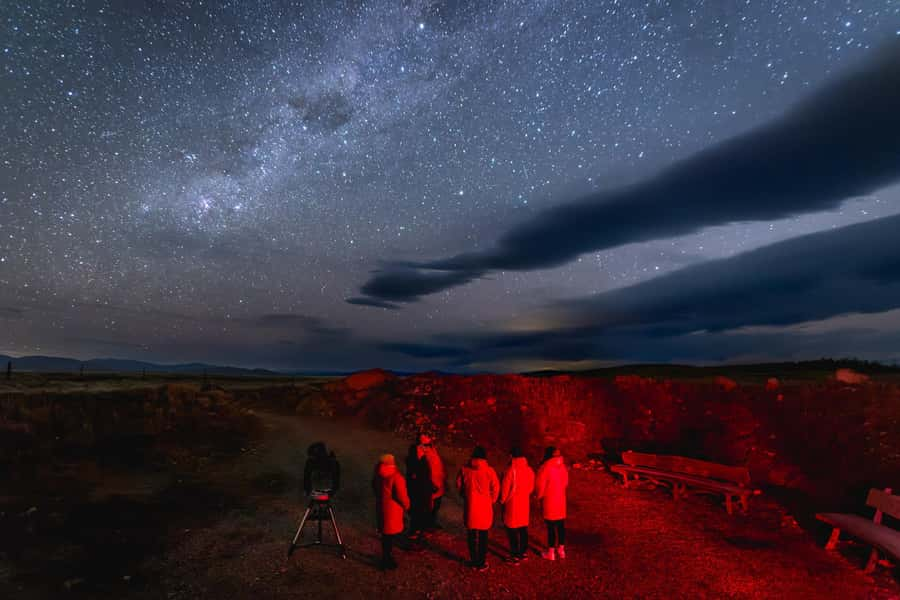
Once you reach the private observatory, the focus shifts from transport to the sky. The secluded observation craters provide shelter from wind and help limit the effect of light pollution. For you, that means less time fighting the weather and more time looking upward.
The craters are especially useful because night air can feel cold and uncomfortable even when the daytime temperature was mild. Bring a warm jacket, hat, and scarf. Warm clothing is required throughout the year, not just in winter. If you forget something, the experience has provided jackets for use when needed, but you should still arrive prepared rather than rely on that possibility.
The setting is kept simple. There is no food or drink included, so this is not a dinner outing or a social evening built around refreshments. It is better to eat beforehand and treat the session as a focused period of outdoor viewing.
Flash photography is not allowed. That rule protects everyone’s night vision. A bright flash can spoil the view for people nearby and make it harder for your eyes to adjust to the dark. Bring a camera if you wish, but expect the experience to focus on watching and listening rather than taking bright snapshots.
Learning the sky before using the telescopes
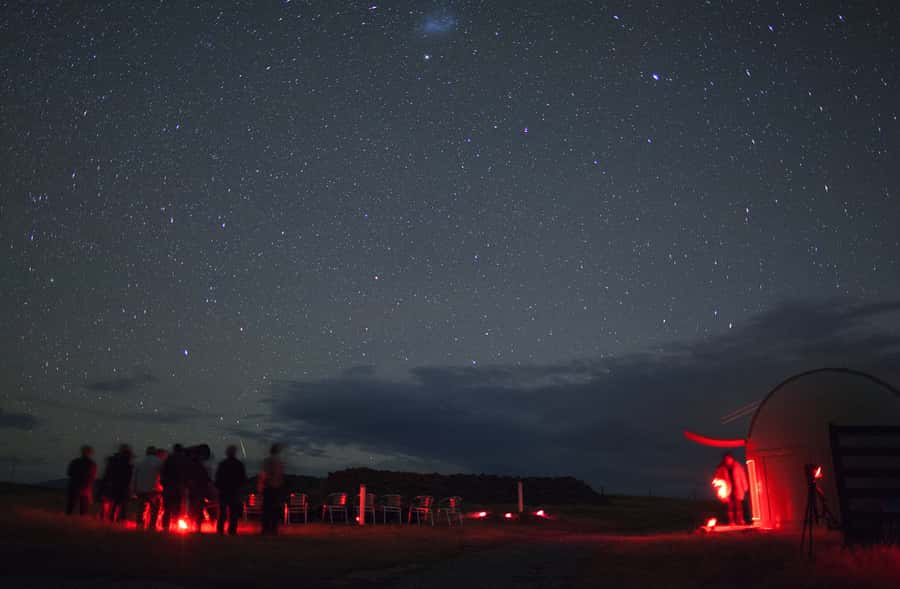
The session includes naked-eye stargazing, which is important. Telescopes are exciting, but they can make the sky feel like a collection of isolated targets. Starting without equipment helps you understand the broad view first, including the Milky Way and the main features of the southern sky.
Your astronomy guide explains what you are seeing and places it in context. The exact sights depend on the season, time, and weather. That is why the guide customizes the session rather than promising the same list of objects every night.
This approach suits beginners well. You do not need to arrive knowing star names or having used a telescope. The guide can explain the basics in an accessible way, then add more detail if the group is ready for it. The activity is also suitable for families with children aged five and older, though young children need to be comfortable outside in the cold and darkness.
The language options are Chinese, English, and Japanese. That can make a real difference when the subject involves unfamiliar terms and fine details. Clear interpretation helps you follow the explanation instead of simply waiting for your turn at the telescope.
One of the strongest details from the experience is the quality of the spoken guidance. Vickey, one of the astronomy guides, has been praised for explaining clearly and repeating points often enough for the whole group to follow. That is exactly what you want in a short astronomy session. A quick explanation can easily be lost when you are cold, looking into an eyepiece, and trying to remember which part of the sky the guide just mentioned.
More Stargazing Tours in Lake Tekapo:
- Lake Tekapo: Alpine Stargazing Experience with a Guide
★ 4.5 · 626 reviews - Lake Tekapo: Stargazing Experience
★ 4.9 · 607 reviews - Chameleon Stargazing Shared Tour
★ 5.0 · 181 reviews - Lake Tekapo: Mountaintop Stargazing at Mount John Summit
★ 4.5 · 176 reviews
What the powerful telescopes add
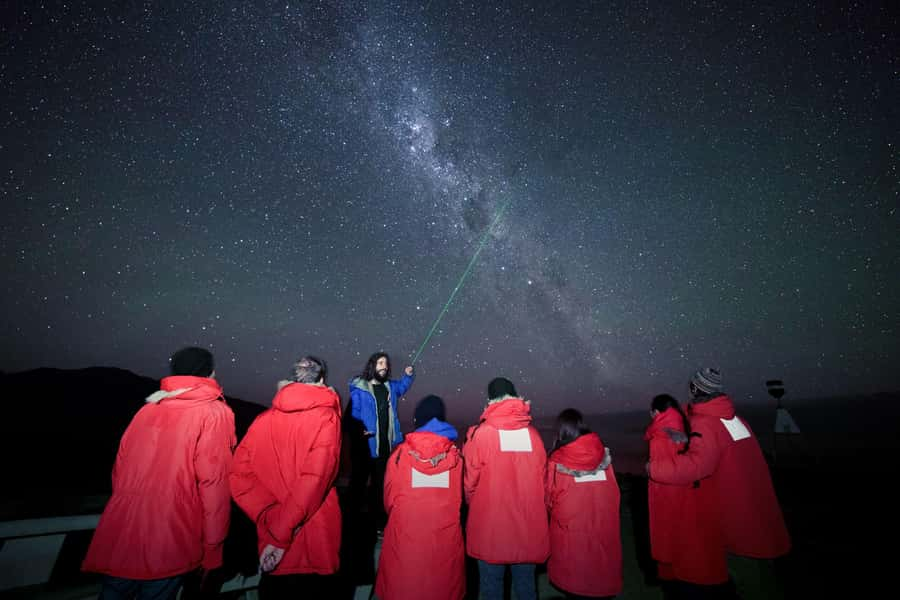
The telescopes let you look more closely at objects that are difficult or impossible to see in the same way with the naked eye. They give the session a sense of progression: first you learn to look at the sky as a whole, then you examine selected objects in greater detail.
The experience does not promise a fixed set of planets, galaxies, or star clusters, and that is a good thing. Visibility changes. A guide who works with the conditions can spend more time on what is actually clear instead of forcing the group through a checklist.
For a first-time stargazer, this combination is likely to feel rewarding. You receive enough explanation to understand why the object matters, then get a chance to see it through the equipment. Families and casual visitors can enjoy the sense of discovery without needing specialist knowledge.
For an experienced amateur astronomer, the value is less certain. One guest rated the experience highly for the guide but felt the price was hard to justify after already seeing Jupiter’s moons. That is a fair warning. If you have your own telescope, know the major southern constellations, and regularly observe from dark locations, the instruction may feel introductory.
The activity works best when you view it as a guided introduction in a famous dark-sky setting, not as a private observatory night with unlimited telescope time.
How the $77 price measures up
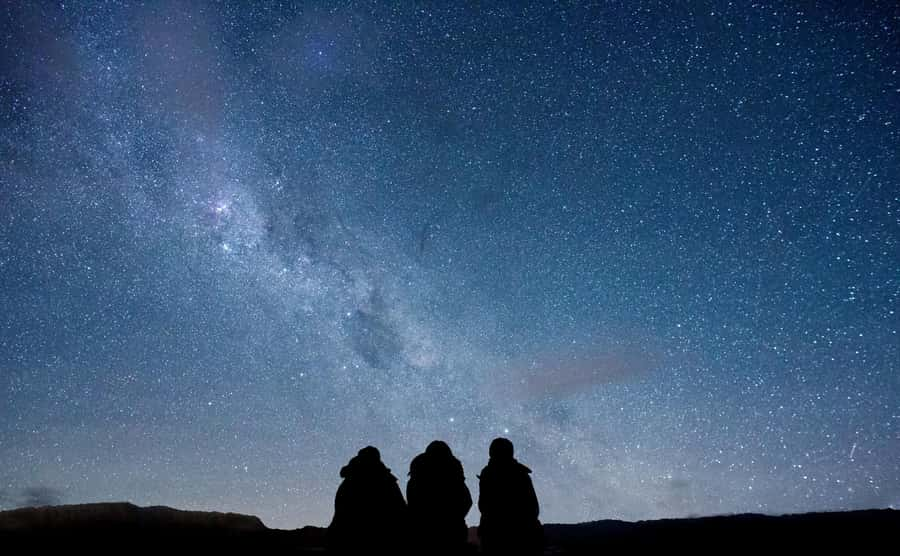
At $77 per person, this is not the cheapest way to spend an evening in Tekapo. The price pays for more than a place to look at stars. It includes return transport from the Dark Sky Project office, a 75-minute guided session, an astronomy guide, access to the private observatory, and use of powerful telescopes.
That package is easier to justify if you are new to stargazing. You do not need to buy equipment, learn where to drive, or spend the evening guessing what you are looking at. The guide turns a dark sky into something understandable, and the sheltered craters make the outdoor part more comfortable.
The value drops if you are already confident with astronomy. You may recognize many of the basic explanations or prefer to observe at your own pace. In that case, compare the price with your expectations before booking. You are paying for access, structure, and guidance, not a guaranteed list of celestial sights.
Weather also affects the value. Tours can be cancelled in bad weather. When that happens, an indoor alternative is offered, or you can receive a full refund. The alternate arrangement means a poor forecast does not automatically leave you with nothing, but it may not match the outdoor experience you originally wanted.
Free cancellation up to 24 hours before the activity and the option to reserve now and pay later make the booking less rigid. Those policies are useful when your South Island plans depend on changing weather.
Who will get the most from this evening
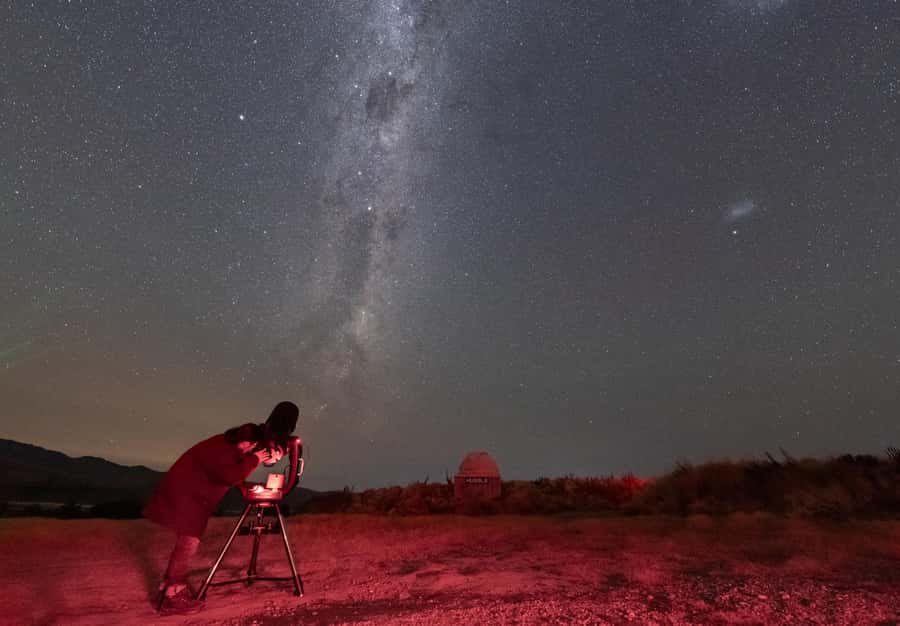
I would recommend Cowan’s Observatory most strongly to first-time stargazers, families with children aged five and older, and visitors who want an organized introduction to the southern sky. You get clear instruction, equipment, and transport without needing to prepare in advance.
It also suits people who enjoy learning while they look. The guide does more than point toward a bright object. The session is meant to explain the southern skies, galaxies, and the Milky Way in a way that newcomers can follow.
The multilingual guiding is helpful for groups who prefer Chinese, English, or Japanese. It is also worth considering if someone in your party is interested but not confident with technical English.
You may want to skip it if you have extensive telescope experience or mainly want quiet, independent observation. The 75-minute format is structured, and the content is designed to welcome beginners. A seasoned stargazer may find the educational side familiar.
Children under five cannot join. For older children, bring extra layers and set expectations that this is a night activity in the cold. The lack of food and drink also means you should plan those needs before or after the session.
Practical tips for a better night
Arrive in warm layers, with a hat and scarf ready. A coat alone may not be enough once you are standing still outside. The supplied information makes clear that warm clothing is essential in every season.
Eat before you meet the group, since food and drink are not included. Keep your hands free enough to manage clothing and follow the guide around the observation area.
Do not use flash photography. Protecting everyone’s night vision is more important than getting a quick picture. Your best memory may come from the explanation and the view through the telescope rather than from a photograph.
Check the weather before you go, but do not assume a cloudy forecast means the booking has no value. The operator may offer an indoor alternative or a full refund if conditions force cancellation. The final decision depends on the weather at the time.
If you are booking after midnight, double-check the date. This small detail can prevent a very avoidable mistake.
Should you book Cowan’s Private Observatory?
Book this experience if you want a clear, friendly introduction to stargazing and would rather have an expert guide than figure out the southern sky alone. The sheltered craters, dark-sky setting, return transport, and telescope access give the evening a practical structure.
I would be more cautious if you already know your way around a telescope. At $77, the experience may feel expensive for a session aimed at beginners, especially if you have already seen common sights such as Jupiter’s moons.
For most first-time visitors to Lake Tekapo, though, it is a sensible way to make the most of the area’s exceptional darkness. Bring warm clothing, arrive ready to listen, and think of the price as paying for guidance and access rather than a guaranteed celestial show.
FAQ
Where does the stargazing experience meet?
You meet at the Dark Sky Project Booking Office, 1 Motuariki Lane, Lake Tekapo 7999.
How long does the activity last?
The stargazing experience lasts 75 minutes.
Is transport included?
Yes. Return transport from the Dark Sky Project base building in Tekapo to Cowan’s Private Observatory is included.
What languages are available?
The live tour guide may provide the experience in Chinese, English, or Japanese.
Is the activity suitable for young children?
Children under five years old are not allowed to join. The experience is suitable for families with older children, provided they are prepared for a cold outdoor activity.
What should I bring?
Bring warm clothing, a hat, and a scarf. Warm clothing is essential in every season.
What happens if the weather is bad?
The tour can be cancelled in bad weather. An indoor alternative may be offered, or you can receive a full refund.
Fresh listings near Lake Tekapo
- Twizel Stargazing Experience with a Guide (Carbon Positive)★ 4.7 · 26 reviews
- Lake Tekapo Ultimate Stargazing Experience★ 5.0 · 3 reviews
- Virtual Stargazing & Astronomy Experience in Lake Tekapo★ 3.0 · 2 reviews
- Lake Tekapo: Indoor Māori Cultural Astronomy Experience★ 4.5 · 43 reviews
- Mount Cook, Lake Pukaki: Billion Star Dining★ 4.8 · 6 reviews
- Lake Tekapo: Virtual Stargazing and Astronomy Experience★ 4.5 · 8 reviews
- Lake Tekapo: 1.5-Hour Hot Pools & Stargazing Experience★ 4.0 · 45 reviews
- Lake Tekapo: Ultimate Stargazing Experience★ 4.3 · 12 reviews
Observatory Visits, side by side.
Royal Observatory Greenwich & Prime Meridian Entrance Ticket
Read our review →
Griffith Observatory Hike: Guided Tour through Griffith Park
Read our review →
Royal Observatory Greenwich & Prime Meridian Entry Ticket London
Read our review →
Private Getty Center to Griffith Observatory Guided Tour
Read our review →
Mount John Observatory Stargazing Experience, Tekapo
Read our review →Lists this night appears in