
REVIEW · LAKE TEKAPO STARGAZING
Lake Tekapo: Mountaintop Stargazing at Mount John Summit
At 1,029 meters above Lake Tekapo, Mount John Summit gives you a rare chance to study the Southern Hemisphere sky from beside a working university research centre. Guides use handheld lasers to show you how to find the Southern Celestial Pole, Alpha Centauri, Jupiter, and other sights before turning the telescopes toward the night.
I like two things right away: the ride from the Dark Sky Project base gets you above the lights, and the guide-led naked-eye session teaches you skills you can use for the rest of your trip. The supplied extreme-cold jacket is also a real help. The catch is simple: cloud, wind, and moonlight matter, so even a well-run tour cannot promise a perfect sky.
Key points at a glance
- Mount John at 1,029 meters: Reach the summit by return transport from the Dark Sky Project base beside Lake Tekapo.
- Southern sky lessons: Use laser pointers and your own eyes to locate stars and features before looking through telescopes.
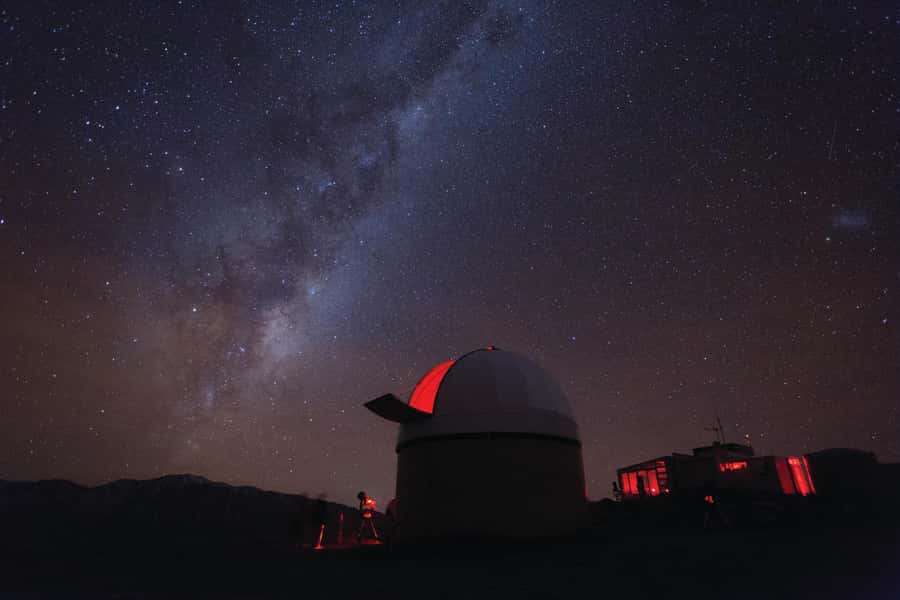
- University setting: Stargaze beside the University of Canterbury research centre, in one of the world’s leading dark-sky areas.
- Warmth is part of the plan: Extreme cold weather jackets are provided, but you still need warm clothing year-round.
- A weather-sensitive outing: Poor conditions can cancel the summit visit, with an indoor alternative or full refund offered.
- Best for ages 10 and up: You need to walk 100 meters up a gravel incline and manage a couple of steps in the dark.
Why Mount John is the right place to look up
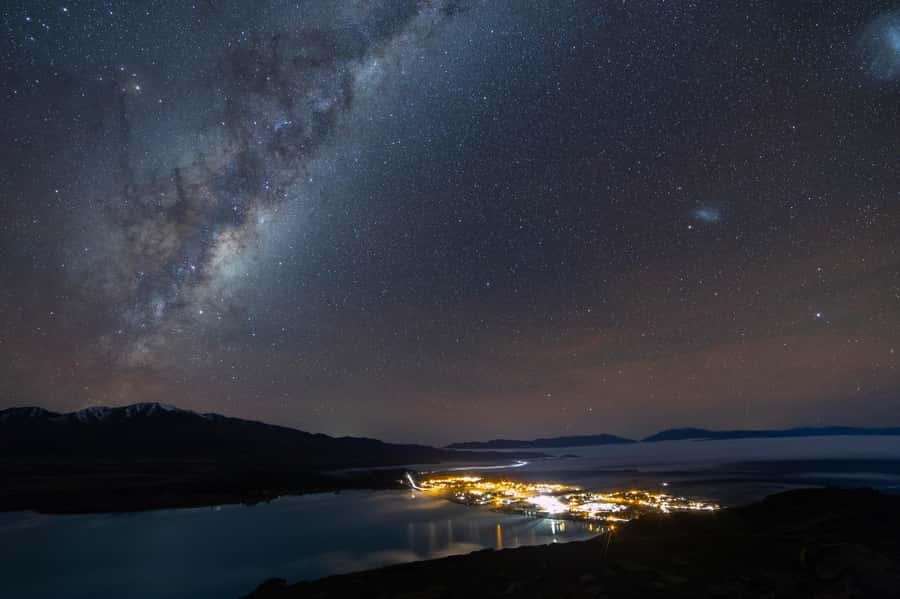
Lake Tekapo sits within the Aoraki Mackenzie International Dark Sky Reserve, described here as the world’s largest Gold Standard International Dark Sky Reserve. That designation matters because artificial light is kept low, giving your eyes a better chance to see faint stars and the Milky Way.
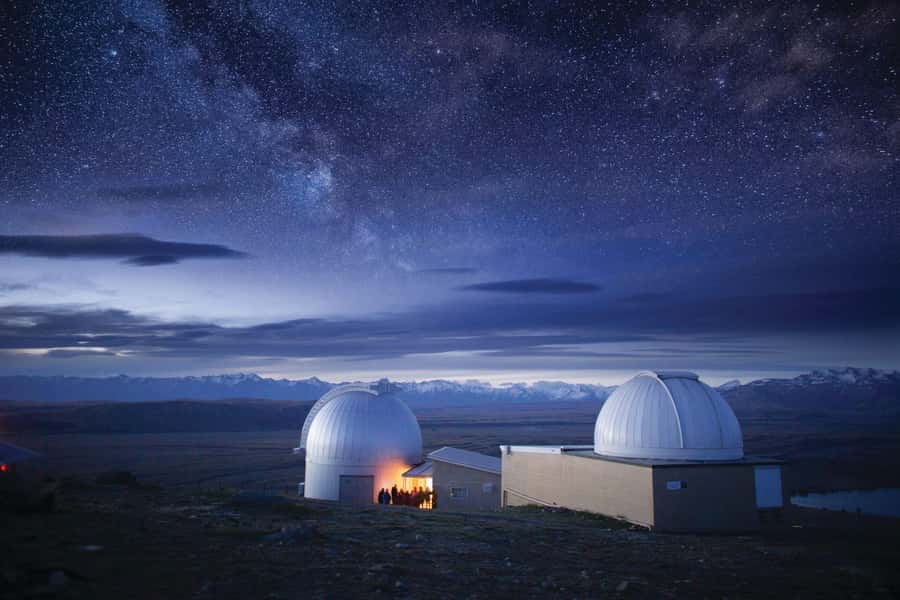
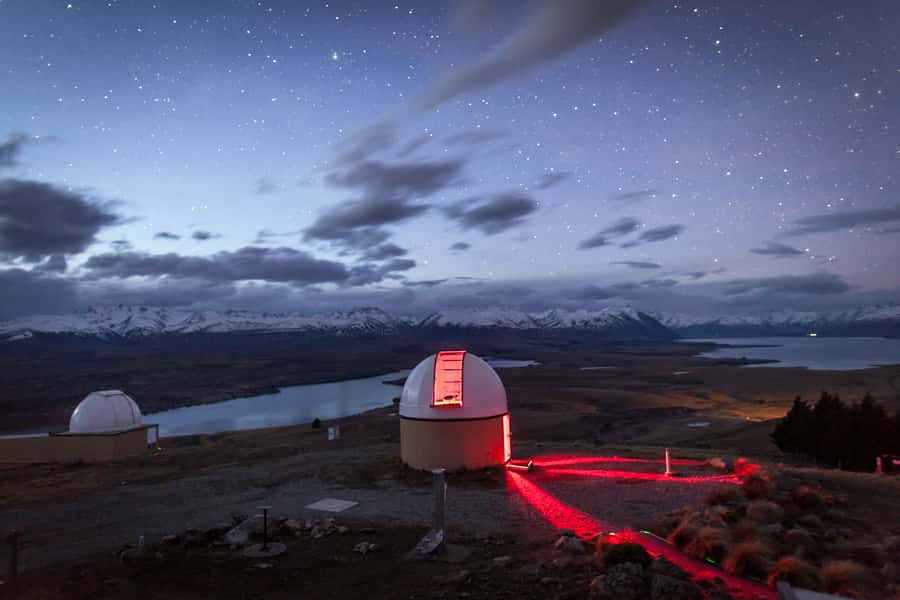
The summit adds another advantage. You are not simply watching the sky from the lakefront. You are taken up Mount John, away from the town’s lights, and placed beside the University of Canterbury research centre. The setting gives the outing a genuine astronomy connection rather than making it only a scenic nighttime stop.
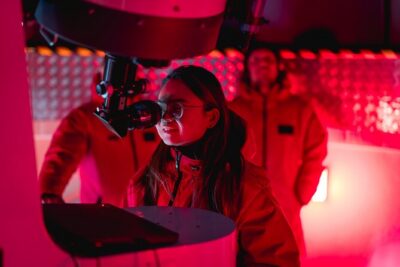
The mountain is 1,029 meters high, so expect a colder and more exposed evening than you might have beside the lake. The operator supplies an extreme cold weather jacket at check-in, but I would still arrive in warm layers, long trousers, and sturdy shoes. The jacket helps, yet it is not a substitute for clothing suited to a mountain after dark.
More Stargazing Tours in the world:
- Dubai Red Dunes ATV, Camels, Stargazing & 5* BBQ Al Khayma Camp
★ 5.0 · 21,620 reviews - Sharm El-Sheikh: Ultimate ATV Quad, Stargazing & BBQ Dinner
★ 4.7 · 4,084 reviews - Tenerife: Teide National Park Sunset & Stargazing Tour
★ 4.2 · 3,812 reviews
Checking in beside Lake Tekapo
You meet at the Dark Sky Project base on the Takapō, also called Tekapo, lakefront. Check in at least 20 minutes before departure. This extra time is useful because the team needs to prepare you for the ride and issue the cold-weather jacket.
There is plenty of parking near the base, which helps if you are driving around the South Island. Hotel pickup and drop-off are not included, so plan your own way to the lakefront and allow time to park or walk over.
The departure time deserves close attention. Some sessions begin after midnight, and those should be checked carefully against the date you select. A late-night start can be ideal for darker skies, but it is easy to book the wrong calendar date if you are moving between accommodations or planning a long driving day.
The trip up Mount John Summit
The return transport from the base to the summit is included. One guide described the vehicle as Tekapo’s only nightclub, a playful touch that gives the short mountain ride some character. The important point is practical: you do not need to drive the summit road yourself after dark.
The trip takes you from the lakefront to the mountaintop, where the air can feel much colder. Once there, you will walk about 100 meters on a gravel incline and climb a couple of steps in the dark. This is not a strenuous hike, but it is not fully step-free either.
You should be confident walking on uneven ground with limited light. The tour is not suitable for people with mobility impairments, and children must be at least 10 years old. A small torch is supplied on a lanyard, according to the experience details and visitor feedback, but you should still follow the guide carefully and avoid rushing.
Learning the Southern Hemisphere sky without a telescope
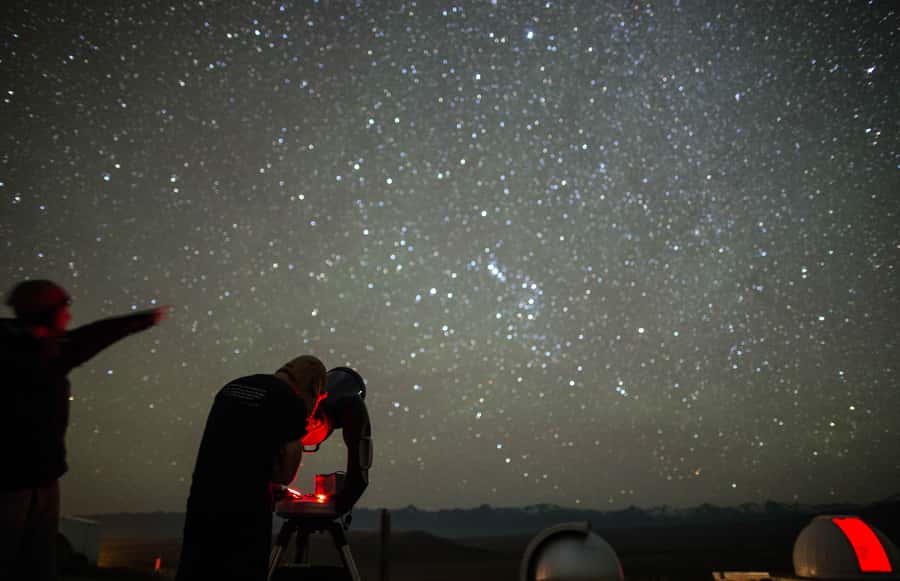
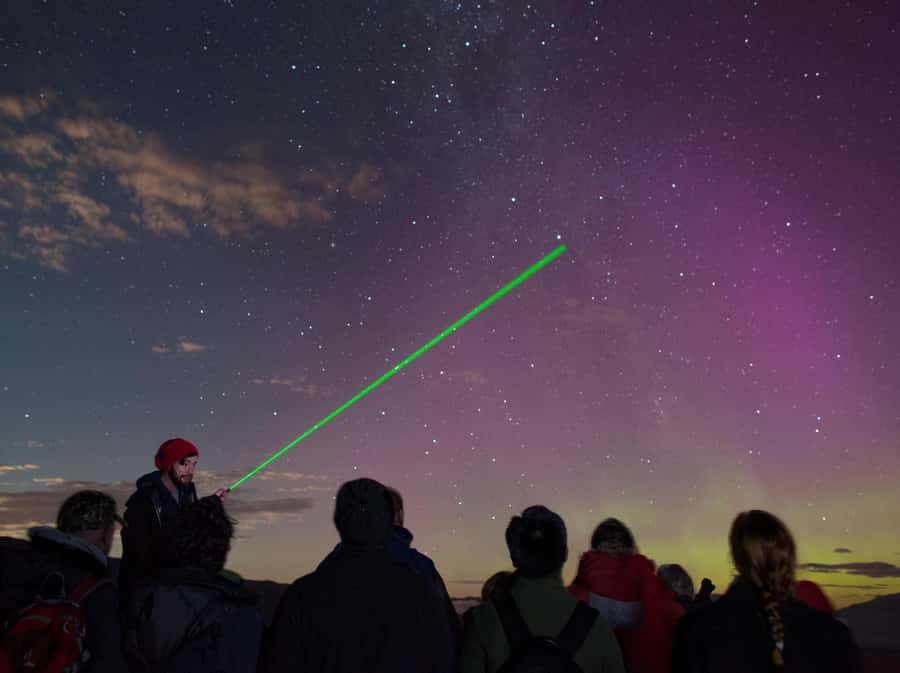
The first major part of the evening uses your naked eye. Guides point handheld lasers toward stars and constellations, explaining what you are seeing and how to find it again later.
This is one of the strongest parts of the experience because it turns the sky from a mass of bright points into something you can read. You may learn how to locate the Southern Celestial Pole, identify Alpha Centauri, and understand which star groups are visible from New Zealand. The exact objects depend on the season, time, weather, and moon phase.
I especially like that this section comes before the telescopes. You get a sense of scale and direction first. When you later look through a telescope, you have some idea of where the object sits in the wider sky rather than seeing it as an isolated target.
The guides are a major reason this works. Oscar, named in one especially positive account, was praised for his enthusiasm and clear explanations. Other guides have been described as passionate and engaging, with strong astronomy backgrounds linked to the university setting. The tour is offered in English, Japanese, and Chinese, but you must speak the chosen tour language for safety reasons.
Same sky over the world, a different way to watch it:
- Tenerife: Sunset and Stargazing at Teide National Park
★ 4.7 · 2,826 reviews - Teide National Park Sunset & Stargazing with Dinner (Star Safari)
★ 5.0 · 2,601 reviews - Dubai: Sunset Camel Trek, Al Khayma Camp, Stargazing & BBQ
★ 4.8 · 2,588 reviews - Dubai: Overnight Safari, Dinner, Stargazing & Al Khayma Camp
★ 4.8 · 2,562 reviews
What the telescopes can and cannot show you
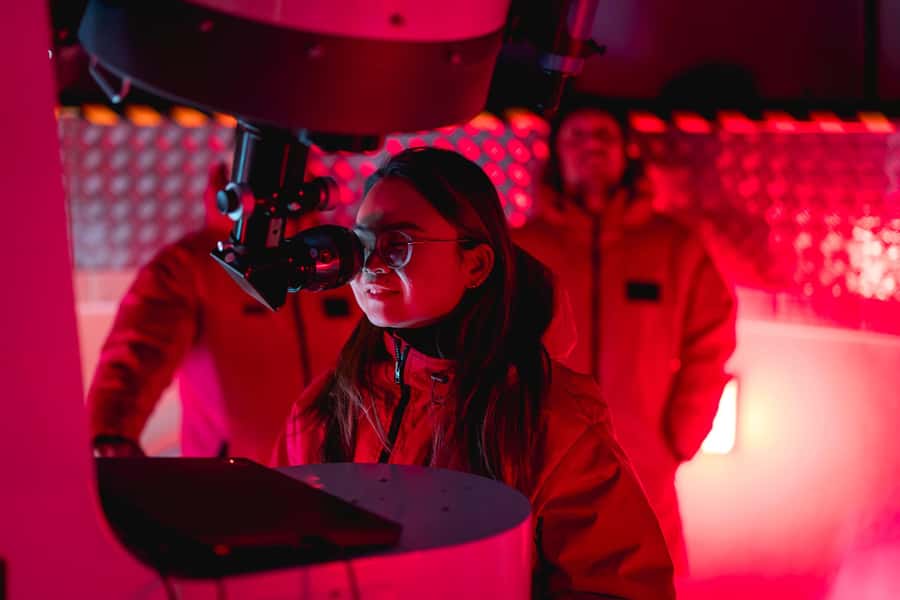
After the naked-eye lesson, the guides set up high-powered telescopes for closer views. Depending on the night, you might see planets, star groups, or other objects that are difficult to appreciate with unaided vision. One clear evening included Mercury, Jupiter, Alpha Centauri, and several star groups.
The telescope portion can be thrilling, but it is worth setting your expectations sensibly. A telescope does not make every object look like a colorful space photograph. One person found the stars only slightly larger than they appeared to the naked eye and felt the price was high for that result.
That concern is fair. The telescope view depends on the object available, the equipment, atmospheric conditions, and the timing of the session. If Saturn, Venus, or the Moon is not visible, you may not get the dramatic planetary view you imagined. The guide can explain the sky well, but cannot place a chosen planet above the horizon.
For me, the value is strongest when you treat the telescope as one part of the session, not the whole show. The naked-eye teaching, the remote summit, and the chance to understand the Southern sky add much of the substance. If your only goal is a huge close-up of a planet, you may find the experience less satisfying.
Moon phase, clouds, and the luck factor
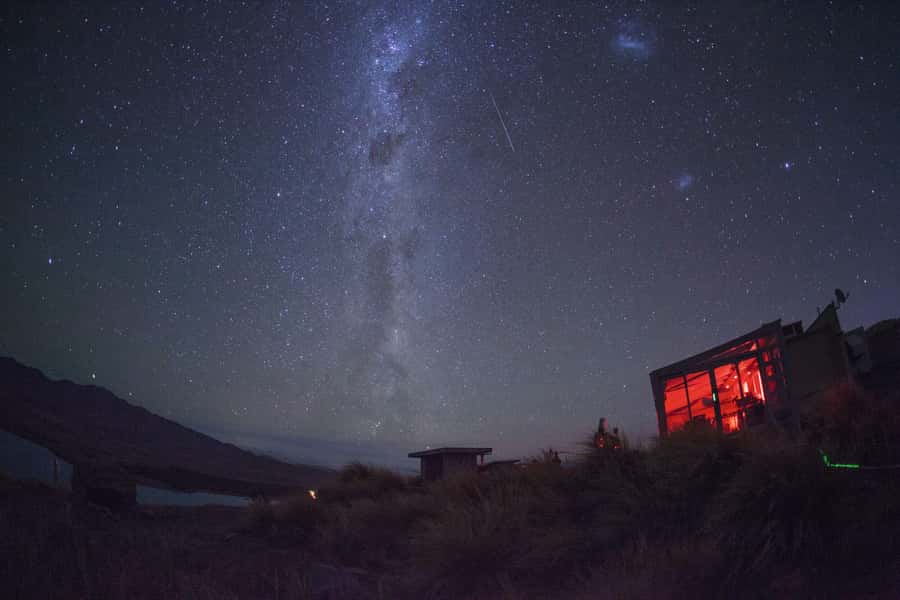
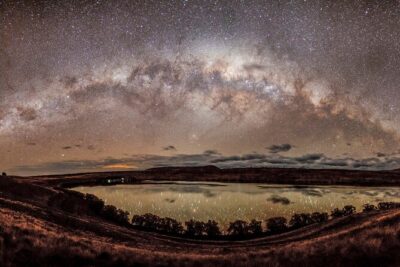
This is an outdoor astronomy activity, so conditions shape the night. A clear, calm evening can produce a startling view of the Milky Way and countless stars. With no moon, the sky can be so bright with stars that you can find your way around, although a small torch is still provided.
The moon is not always bad news. A waxing moon can look beautiful through a telescope and add another object to study. But moonlight can wash out the Milky Way and reduce the number of faint stars visible to your eyes. If seeing the Milky Way is your top priority, check the lunar phase and consider aiming for a new moon.
Cloud and wind create a different problem. If conditions make the summit tour unsafe or prevent useful viewing, the experience can be cancelled. The operator offers an indoor alternative or a full refund in bad weather. If your schedule allows, keeping a spare evening in Tekapo gives you a better chance of moving to a clearer night.
The practical lesson is to avoid treating this as a guaranteed show. Pick the best forecast you can, but accept that astronomy always includes some luck. A rescheduled outing on a clear night can be far better than forcing the original booking under poor conditions.
Cold-weather planning at the summit
The supplied extreme-cold jacket is one of the most useful inclusions. You are outside on a high summit after dark, and even a mild evening at the lake can feel raw above town.
Still, bring weather-appropriate clothing. Wear warm layers rather than relying on the borrowed jacket alone. A hat and gloves are sensible, and shoes with a steady grip will help on the gravel incline and steps. These are practical choices, not fashion advice. Cold hands make it harder to handle a phone, camera, or notebook, and discomfort can distract you from the sky.
Flash photography is not allowed. That protects everyone’s night vision, which takes time to adjust to darkness. You can try a long-exposure image or a short time-lapse with suitable equipment, but do not expect easy results from a phone. One attempt at a 30-minute time-lapse produced only four seconds of usable video, a good reminder that night photography takes patience and the right settings.
Is NZD 130 a fair price?
The stated price is $130 per person, for 105 minutes. That includes the ride to and from the summit, exclusive summit access for stargazing, the guide, the telescope session, and the cold-weather jacket.
At that price, I see solid value if you care about astronomy and want more than a casual look at the stars from town. The summit location is the key. You are paying for access, transport, specialist guiding, and a controlled viewing session in a major dark-sky area.
Value becomes less certain if the weather is poor or the moon is bright. Even with expert guides, a cloudy sky can limit what you see, while a bright moon can reduce the Milky Way. You should also consider that a telescope may show a small, sharp view rather than the large, colorful image you have seen in books or documentaries.
The experience received an overall rating of 4.5 from 176 reviews, with especially strong praise for organization, guide enthusiasm, clear skies, and the beauty of the view. I would read that as a sign of consistent delivery, not a promise of perfect conditions every night.
Who will enjoy this most
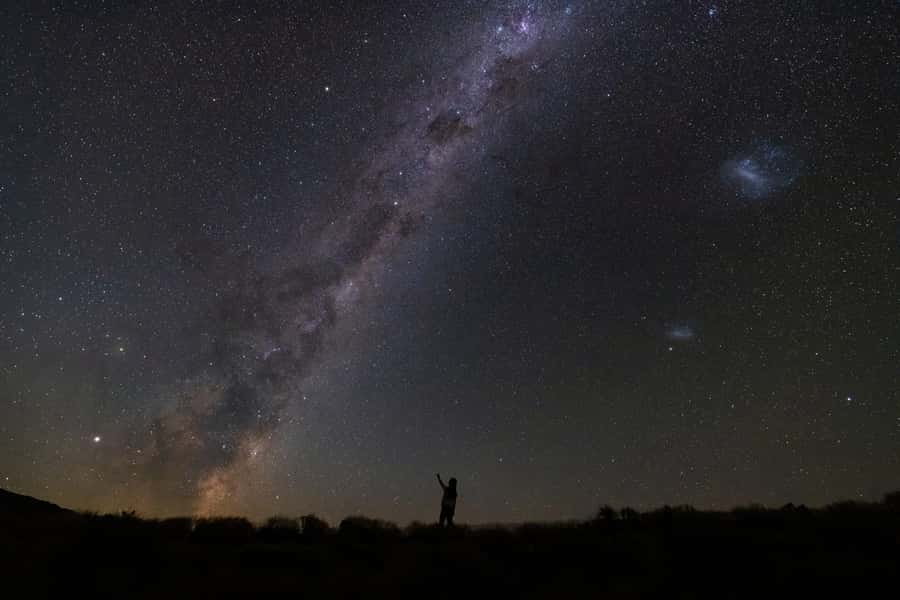
This is a good choice for adults and children aged 10 or older who are curious about stars, planets, and the way the Southern sky differs from what they know at home. It also suits anyone who wants a special evening during a South Island road trip without committing to a full night at an observatory.
You will get the most from it if you enjoy listening, asking questions, and learning how to find stars with your own eyes. The guides welcome questions, and the explanations are a central part of the evening rather than filler between telescope turns.
It is less suitable if you dislike cold, cannot manage a short gravel incline, or need step-free access. It may also disappoint you if you want guaranteed views of a named planet or a long period for personal photography. The scheduled 105 minutes moves at the pace of a guided group, not a private photo session.
Booking advice for the best possible night
Check the forecast close to your date, and keep your plans flexible if you can. If the weather is poor, the operator may cancel the summit outing and provide an indoor alternative or full refund. You can cancel up to 24 hours ahead for a full refund, and the reserve-now, pay-later option can help if you are still arranging your South Island route.
For the darkest sky, look at the moon phase before choosing your date. A new moon is useful for Milky Way viewing, while a waxing moon may give you a pleasant lunar sight but a less dramatic star field.
Arrive early, bring warm clothes, and remember that the jacket is supplied at check-in. Do not use flash photography. If you are booking after midnight, double-check the calendar date before paying.
Should you book the Mount John Summit stargazing tour?
I would book it if you want a guided introduction to the Southern Hemisphere sky in a memorable setting. The strongest parts are the mountaintop access, the clear explanations, the laser-guided naked-eye lesson, and the chance to see objects such as Jupiter, Mercury, Alpha Centauri, and star groups through telescopes when conditions cooperate.
I would hesitate only if your budget is tight, your priority is a guaranteed close-up of a particular planet, or your schedule cannot handle a weather change. For everyone else, choose a clear, moonless night if possible, dress warmly, and think of the telescope as part of a broader astronomy lesson. That is where the $130 price makes the most sense.
FAQ
How long does the Mount John Summit stargazing experience last?
The experience lasts 105 minutes, or 1 hour and 45 minutes.
Where do I meet the tour?
You meet at the Dark Sky Project base on the Takapō, or Tekapo, lakefront. Check in at least 20 minutes before departure.
Is transport to Mount John included?
Yes. Return transport from the Dark Sky Project base to the Mount John Summit is included.
Are warm clothes provided?
An extreme cold weather jacket is provided at check-in. You should still bring weather-appropriate warm clothing because the summit can be very cold year-round.
What languages are available?
The live guide is available in English, Japanese, and Chinese. You must speak the language of the tour for health and safety reasons.
Can children join the experience?
Children must be at least 10 years old.
Is the tour suitable for people with mobility impairments?
No. You need to walk 100 meters on a gravel incline and climb a couple of steps in the dark, so the experience is not suitable for people with mobility impairments.
What happens if the weather is bad?
The summit tour can be cancelled in poor weather. An indoor alternative may be offered, or you can receive a full refund.
Fresh listings near the world
- Cabo de Gata: Guided Night Walk with Stargazing★ 4.7 · 36 reviews
- Brisbane: Glow Worms, Sunset, Star Gazing & BBQ★ 4.4 · 26 reviews
- Cabo de Gata: Stargazing Experience★ 4.5 · 7 reviews
- Antofagasta: Astronomical Tour with a Guide★ 3.7 · 4 reviews
- Boulder: Guided Astronomy Tour★ 4.7 · 11 reviews
- 1-Day Grand Canyon Tour from Las Vegas: Stargazing & Sunrise★ 3.6 · 3 reviews
- Astronomical Tour: San Pedro de Atacama – Chile★ 4.5 · 3 reviews
- Perth: Pinnacles Stargazing, Sandboarding & Beach Kangaroos★ 5.0 · 3 reviews
Lake Tekapo Stargazing, side by side.
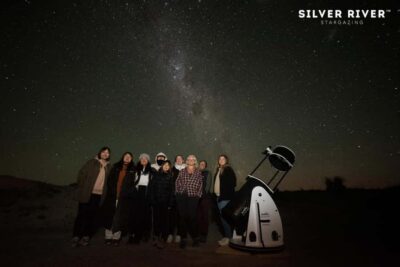
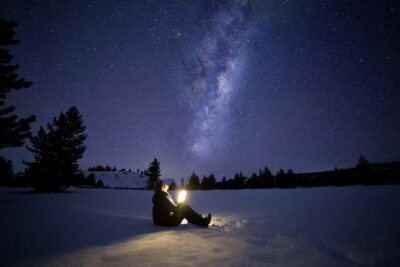
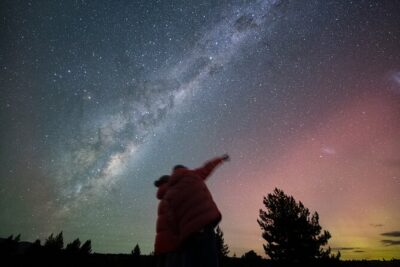
Mount John Observatory Stargazing Experience, Tekapo
Read our review →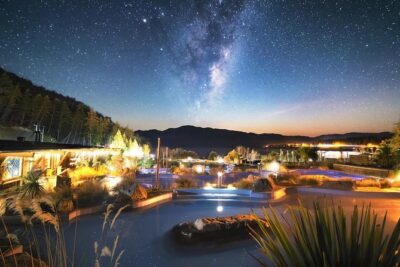
Silver River Stargazing Experience in Lake Tekapo
Read our review →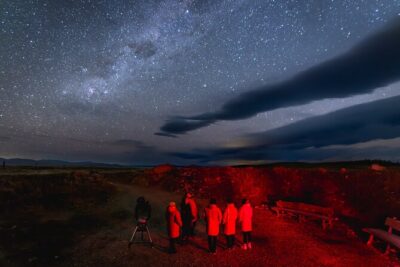
Stargazing Experience at Cowan’s Private Observatory
Read our review →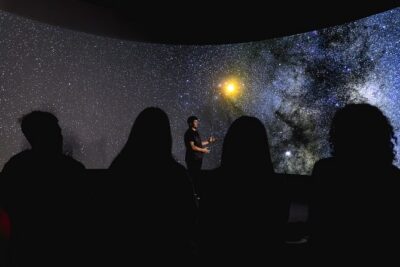
Dark Sky Indoor Maori Cultural Astronomy Experience
Read our review →Lists this night appears in