
REVIEW · DARK SKY TOURS
Dark Sky Indoor Maori Cultural Astronomy Experience
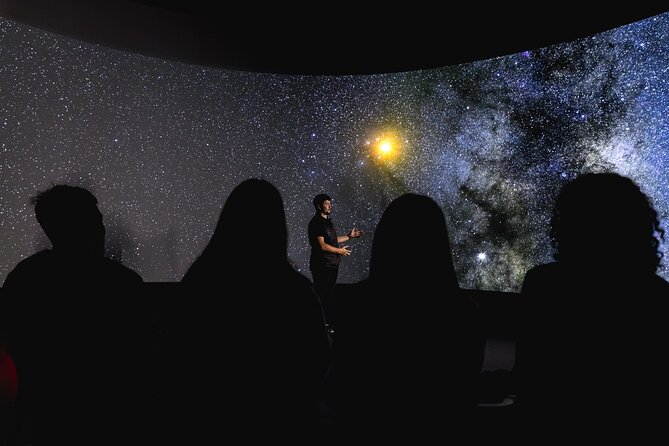
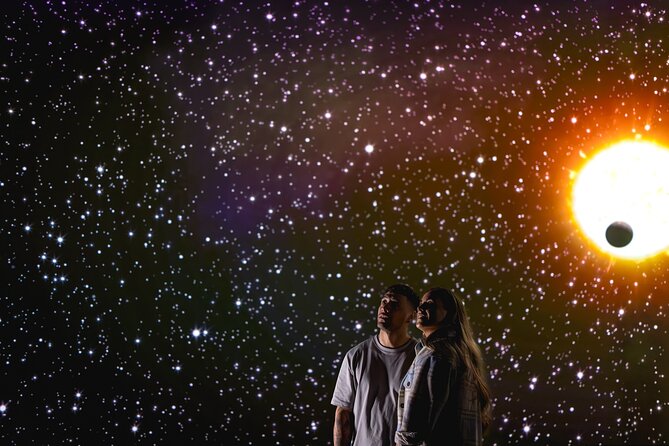
Lake Tekapo’s Dark Sky Experience brings the southern sky indoors, using four interactive zones to explain Māori astronomy, navigation, star clusters, and modern science. You get the story of the heavens without waiting for nightfall or hoping clouds will clear.
I like two things especially: the Māori perspective gives the subject a strong sense of place, and the guides make complex ideas easy to follow. The main drawback is simple: this is an indoor presentation, not an evening under the real stars, so serious stargazers may want to pair it with a night tour.
Key points
- Four interactive zones: Follow Māori ideas about constellations, ocean currents, star clusters, and the stories held in the sky.
- A reliable rainy-day plan: The experience operates year-round and does not depend on clear skies.
- Māori and Western science together: The presentation connects indigenous knowledge with scientific discoveries rather than treating them as separate subjects.
- A 45-minute guided visit: The compact format works well for families, mixed-interest groups, and a busy Lake Tekapo schedule.
- The Brashear Telescope: See a restored 125-year-old telescope rising nine metres inside the Dark Sky Project.
- Small-group setting: The maximum group size is 26 people, allowing the guide to keep the presentation personal.
Why this indoor astronomy experience earns a place in your Tekapo plans
Lake Tekapo is one of New Zealand’s best-known places for looking up at night, but clear skies are never guaranteed. Clouds, rain, and wind can turn an evening astronomy plan into a cold wait with little to see. This indoor experience solves that problem neatly.
You spend about 45 minutes with a guide, moving through four zones that explain the sky from a Māori cultural viewpoint and through Western scientific ideas. The subject is not limited to naming stars. It reaches into navigation, farming, origin stories, ocean travel, and the way people have used the heavens to understand their place in the world.
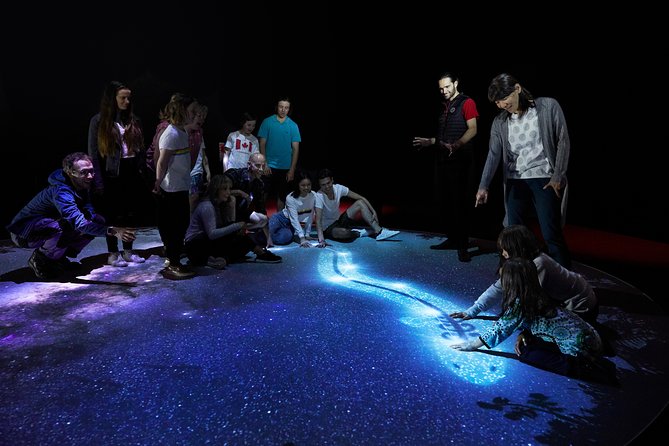
I like that the experience is not aimed only at astronomy experts. The activities are designed for all ages, and the presentation uses multimedia displays and hands-on elements to keep children involved. Adults still get plenty to think about, especially if you have already seen the stars at Lake Tekapo and want to understand the cultural meaning behind them.
The setting also matters. The Dark Sky Project sits within the Aoraki Mackenzie International Dark Sky Reserve, so the indoor displays have a clear connection to the place outside. You are not simply entering a general science museum. You are learning about the particular sky above this part of New Zealand.
More Dark Sky Tours in the world:
- East Zion Dark Sky Stargazing Tour
★ 4.5 · 94 reviews - Sedona Dark Sky Sunset & Night Hike With a Private Guide
★ 5.0 · 86 reviews - Stargazing in Zion National Park’s International Dark Sky
★ 5.0 · 73 reviews
Four zones that connect stars, sea, and daily life
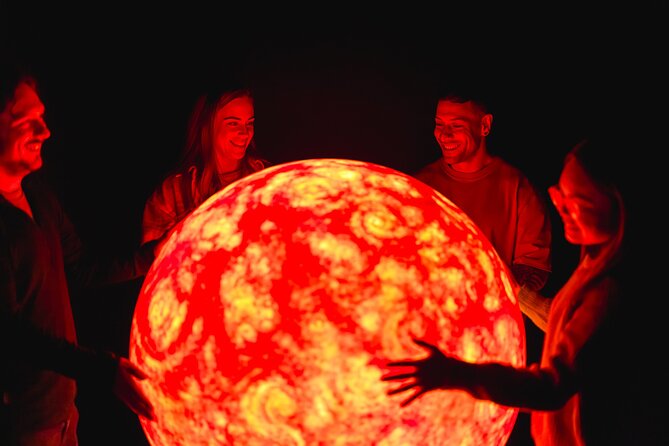
The visit moves through four interactive areas. The exact order and delivery may vary with the guide, but you can expect the presentation to cover several linked themes rather than one long lecture.
One section looks at how Māori used constellations and ocean currents to navigate. This is one of the most useful parts for understanding astronomy as a practical tool. The stars were not just pretty points overhead. They helped people read direction, timing, and movement across the Pacific.
The connection between stars and water makes the subject feel grounded. Instead of treating navigation as an abstract skill, the experience shows how the sky and sea worked together. You begin to see astronomy as part of travel and survival, not merely a hobby for people with telescopes.
Another zone explains the importance of star clusters. Here, the guide links groups of stars with observation, seasonal change, and cultural meaning. The Southern Hemisphere sky has features unfamiliar to many visitors from the Northern Hemisphere, so this section helps you get your bearings.
Mythology also has a clear place in the presentation. Māori stories give names, relationships, and meaning to objects in the sky. The stories are not tacked on as decoration. They are part of a wider way of understanding the universe, and the guide places them alongside scientific explanations.
The final impression is a layered one. You are not asked to choose between folklore and science. You see how different knowledge systems can describe the same sky while answering different questions.
The Māori viewpoint gives this visit its real character
Many astronomy attractions focus on planets, rockets, and technical discoveries. This experience takes a different route. It puts Māori understanding of the universe at the center, then connects it with Western science.
That distinction is important in New Zealand. A visit here should tell you something about Aotearoa, not just repeat astronomy facts you could hear anywhere. The presentation covers the Māori relationship with the sky and explains its role in navigation, agriculture, and life.
The farming connection is particularly useful. The sky was a guide to seasonal patterns, and the movement of stars could help people understand the year. This gives the displays a practical edge. You are looking at astronomy as a calendar and a guide for living, not only as a study of distant objects.
The cultural stories also help younger children stay with the subject. Facts about star clusters can be hard to hold onto, but a story gives them a shape. Parents may find that children remember the characters and meanings long after they forget the technical terms.
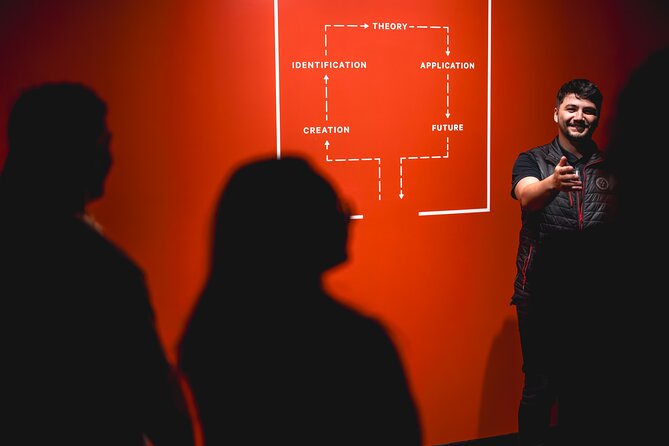
The guide is central to how well this works. One especially engaging guide was happy to be called To, or simply bro, and used an informal, interactive style. The experience depends partly on the person leading it, but the presentation is built to make the information clear. Several parts are designed to keep the whole group involved rather than leaving children watching silently from the back.
What the science adds to the stories
The Western science section gives the experience balance. The presentation includes a science-based explanation of how living beings came to be, along with recent discoveries about the sky. This keeps the visit from becoming only a collection of legends.
I appreciate the way the two viewpoints are placed beside each other. Māori astronomy explains relationships, meaning, and practical knowledge. Western science offers models, evidence, and observations of how the universe works. Both help you see more than you would from one viewpoint alone.
You should not expect a full technical astronomy course in 45 minutes. The format is introductory and family-friendly. The reward is clarity, not specialist detail. If you already know a great deal about astrophysics, you may find the scientific material familiar. The cultural context is likely to offer more new material.
For most people, that balance is a strength. The guide can explain a difficult idea in plain language, then link it to something human and familiar. The result is easier to follow than a dense lecture, especially when children and adults with different interests are sharing the same visit.
More Stargazing Tours in the world:
- Dubai Red Dunes ATV, Camels, Stargazing & 5* BBQ Al Khayma Camp
★ 5.0 · 21,620 reviews - Sharm El-Sheikh: Ultimate ATV Quad, Stargazing & BBQ Dinner
★ 4.7 · 4,084 reviews - Tenerife: Teide National Park Sunset & Stargazing Tour
★ 4.2 · 3,812 reviews - Tenerife: Sunset and Stargazing at Teide National Park
★ 4.7 · 2,826 reviews
The nine-metre Brashear Telescope adds a fine physical focus
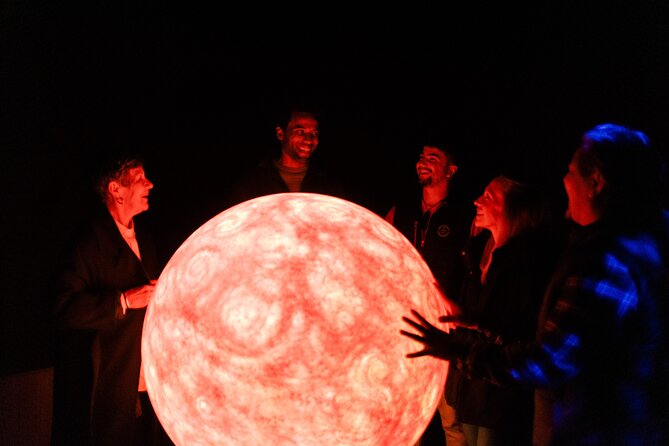
The restored 125-year-old Brashear Telescope is one of the most memorable objects in the experience. At nine metres tall, it gives the visit a striking physical feature after the more screen-based and interactive displays.
You do not visit this attraction mainly to operate the telescope or look through it at night. Instead, it helps show how astronomy was once carried out with large mechanical instruments. Its age also connects the story of observation across time, from traditional Māori readings of the sky to Victorian-era equipment and current scientific work.
For children, the telescope gives scale to an otherwise invisible subject. Stars may be far away and hard to picture. A tall, historic instrument makes the act of studying them feel real.
For adults, it adds a little atmosphere without turning the visit into a museum of old machinery. The telescope is part of a larger story about how people have tried to understand the heavens.
A good choice when the weather turns sour

The strongest practical reason to book this experience is its reliability. It operates year-round, and you do not need clear skies. If rain has cancelled your outdoor plan, this gives you a useful replacement rather than a consolation prize.
The indoor setting is also helpful for families. You do not need to keep children warm in the dark or ask them to wait patiently for stars to appear. The short running time makes it easier to fit around meals, driving, and other stops in the Lake Tekapo area.
At about one hour in total, including the guided portion, it is long enough to feel worthwhile but short enough for children with limited patience. The group maximum is 26 people, which should keep the presentation more manageable than a large hall-style talk.
The trade-off is that the visit cannot show you the actual night sky above Tekapo. Screens, stories, and displays explain what you might see, but they do not replace standing outside under stars. I would treat this as a companion to outdoor stargazing, or as your main astronomy activity when clouds make outdoor viewing unlikely.
Price, timing, and who gets the best value
The price is listed at $37.56 per person. That is not the cheapest indoor stop in a New Zealand holiday, but the value depends on how you use it.
For a family, the attraction offers a structured activity that works for adults and children at the same time. You get a guided presentation, four themed areas, cultural storytelling, science content, interactive displays, and access to see the Brashear Telescope. It also protects part of your day from poor weather, which matters in a destination where outdoor plans often depend on conditions.
For a solo visitor or an adult mainly interested in advanced astronomy, the value is less automatic. The presentation is made for a broad audience, not for people seeking detailed technical instruction. You will likely get the most from it if Māori culture, storytelling, and the history of observing the sky interest you.
The one-hour format is a plus if you are driving through the region. You can fit it into a morning or afternoon without giving up a full day. Booking ahead also makes sense during busy periods, since the group is capped at 26 people and the attraction is a popular family stop.
The mobile ticket makes arrival simpler. The meeting point is at 1 Motuariki Lane in Lake Tekapo, and the activity finishes at the same place. It is near public transportation, and service animals are allowed. Most people can participate.
How to get the most from the 45-minute visit
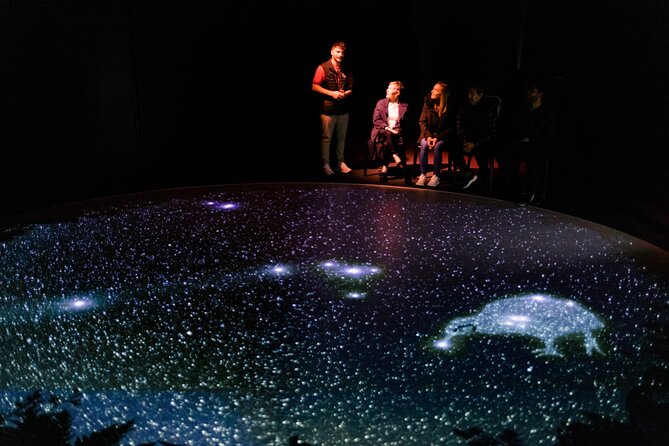
Go in ready to listen, not just look. The displays help, but the guide supplies the links between the zones. If you rush from screen to screen without following the explanations, you will miss the way navigation, seasons, mythology, and science fit together.
Families should give children permission to ask questions. The format is interactive, and the guide can make the material more approachable when the group joins in. Younger children may be most interested in the stories and hands-on sections, while older children can follow the navigation and science topics.
If you are hoping for an outdoor stargazing session, keep your expectations clear. This is a daytime experience that explains the night sky. It does not promise a clear view of stars, and it does not replace a telescope viewing session under open skies.
I would also allow a little extra time around the start rather than arriving at the last moment. The experience begins at a specific address, and a calm arrival helps you settle into the presentation. Snacks, coffee, and tea are not included, so plan those separately if your group needs refreshments.
Cancellation and practical booking notes
Free cancellation is available if you cancel at least 24 hours before the start time. Cancellations made inside that window are not refunded, and changes are not accepted less than 24 hours before the experience.
The activity requires a minimum number of participants. If that minimum is not reached and the experience is cancelled, you will be offered another date or experience, or receive a full refund.
Confirmation is provided at booking. The experience is suitable for most people, and service animals are permitted. Since the group maximum is 26, advance booking is sensible if this is your planned rainy-day activity.
Should you book the Dark Sky Experience?
Book it if you want a clear, local introduction to Māori astronomy, especially if you are visiting with children or facing poor weather. The guides bring energy to the presentation, and the mix of stories, science, navigation, and hands-on displays gives the hour a good sense of purpose.
I would be less eager to book it as a replacement for seeing the actual stars. If the sky is clear and your main goal is telescope viewing, an outdoor night experience may suit you better. If clouds are closing in, though, this is one of the smarter ways to keep astronomy in your Lake Tekapo plans.
For most families and curious adults, the price is fair because the visit offers more than a standard museum display. You leave with a better understanding of how Māori people read the sky, how Western science studies it, and why the heavens have mattered to human life for so long.
FAQ
Where does the Dark Sky Experience take place?
It takes place at the Dark Sky Project, 1 Motuariki Lane, Lake Tekapo 7999, New Zealand.
How long does the experience last?
The activity lasts about one hour, with a guided tour running for approximately 45 minutes.
Does the experience take place outdoors?
No. It is an indoor astronomy experience, so it can operate regardless of rain, clouds, or other weather conditions.
What does the tour cover?
It covers Māori astronomy, Western science, constellations, ocean currents, navigation, star clusters, mythology, agriculture, and the Māori understanding of the universe.
Is the experience suitable for children?
Yes. The presentation includes multimedia exhibits and hands-on activities and is designed for all ages.
How many people can join the group?
The activity has a maximum group size of 26 participants.
Can I see a telescope during the visit?
Yes. You can view the restored 125-year-old Brashear Telescope, which is nine metres tall.
Are refreshments included?
No. Snacks, coffee, and tea are not included.
Can I cancel for a full refund?
Yes, if you cancel at least 24 hours before the experience start time. Cancellations made less than 24 hours in advance are not refunded.
Fresh listings near the world
- Star Gazing Victoria Falls★ 5.0 · 3 reviews
- Sunset, Candle Light Dinner & Star Gazing from Hurghada★ 5.0 · 30 reviews
- Magic Stargazing & Sunset in Teide with Dinner + Telescopes★ 3.5 · 20 reviews
- Stargazing and Moonlight Experience★ 4.0 · 14 reviews
- 2 Hour Stargazing Tour in Victoria Falls NP Area in 4×4★ 5.0 · 3 reviews
- Victoria Falls: Bush Experience and Stargazing D-F-ES-GB★ 4.3 · 3 reviews
- Stargazing in the Desert from Riyadh with Dinner★ 5.0 · 2 reviews
- Private Stargazing – Sequoia National Park★ 4.5 · 14 reviews
Dark Sky Tours, side by side.
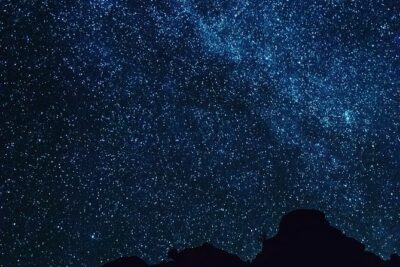
Sedona Dark Sky Sunset & Night Hike With a Private Guide
Read our review →Stargazing in Zion National Park’s International Dark Sky
Read our review →
Small-Group River Murray Dark Sky and Sunset Tour with Dinner
Read our review →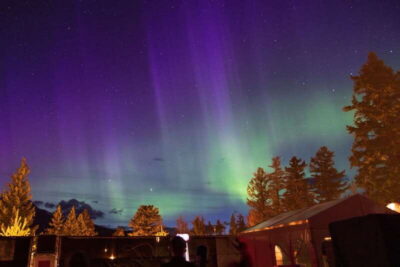
Lists this night appears in