
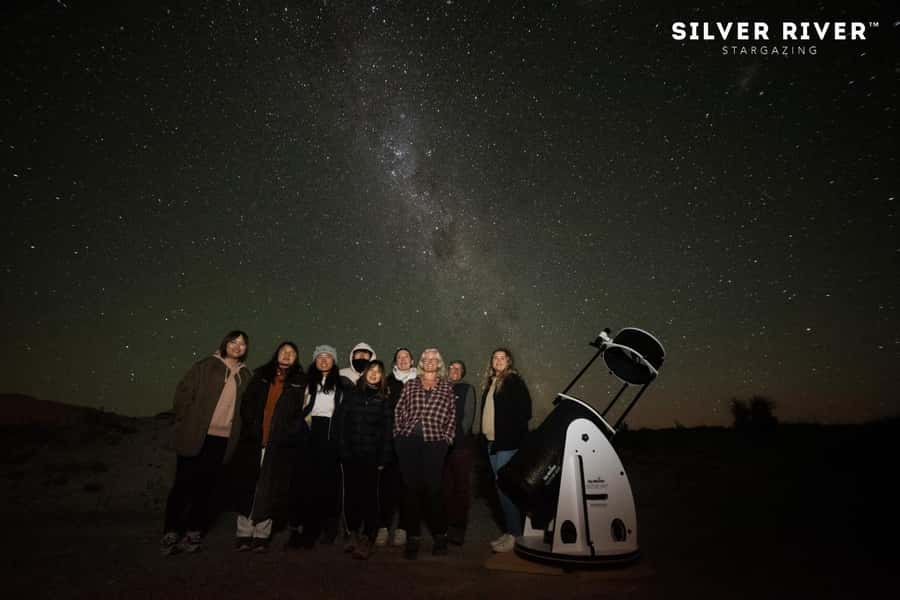
REVIEW · LAKE TEKAPO STARGAZING
Lake Tekapo: Alpine Stargazing Experience with a Guide
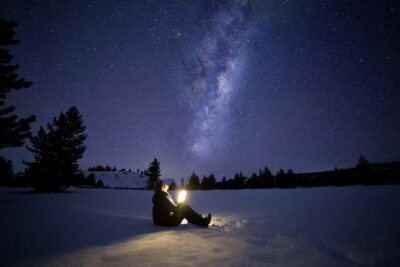
Lake Tekapo’s best show begins after the village lights fade. On this 75-minute stargazing tour, you leave town for a private 50,000-acre farm inside the Aoraki Mackenzie International Dark Sky Reserve, where the Milky Way can be visible without a telescope. The setting does much of the work, but the guide gives the sky a story and a shape.
I like two things especially: the small groups of up to 10 give you a fair chance at the telescope, and the 14-inch instrument can bring planets, star clusters, nebulae, and other deep-sky objects into view. I also like the practical warm jackets, since a clear night in the open country can be bitterly cold.
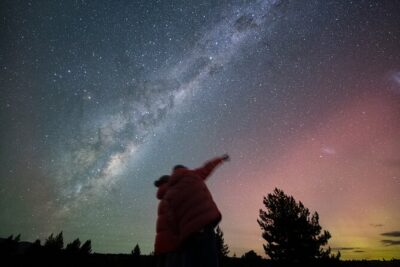
The main drawback is simple: astronomy depends on clouds, wind, moonlight, and luck. Some nights offer the Milky Way, Jupiter, Saturn, or even the Aurora Australis. Other nights may limit telescope views, so book with realistic expectations and dress warmly.
Key points to know before booking
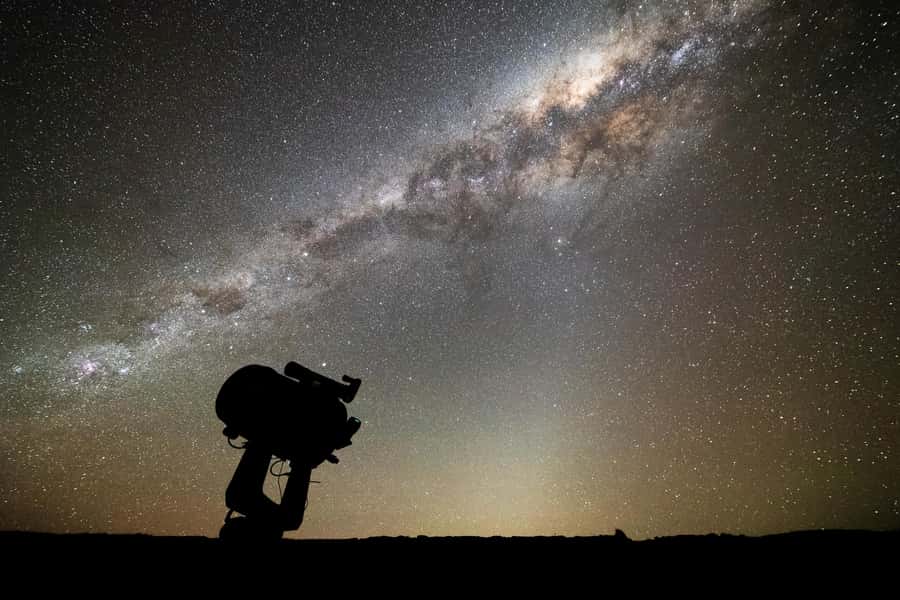
- A private 50,000-acre farm: The viewing site sits away from Lake Tekapo’s stray light, with wide views across the Aoraki Mackenzie International Dark Sky Reserve.
- A 14-inch telescope: You may view the moon, planets, star clusters, galaxies, or nebulae, depending on the season and conditions.
- A guide-led southern sky lesson: Guides including Sam, Tara, JoJo, Nicole, Marcus, and Sakurasan explain constellations with astro-lasers and clear stories.
- Small groups matter: With a maximum of 10 people, you get a better chance at telescope time and questions.
- Warm clothing is provided: Long down jackets help, but you should still bring warm layers for standing outside.
- A free night-sky photo: The group photo is taken when weather allows and sent by digital link within 48 hours.
Why Tekapo is such a fine place to study the stars
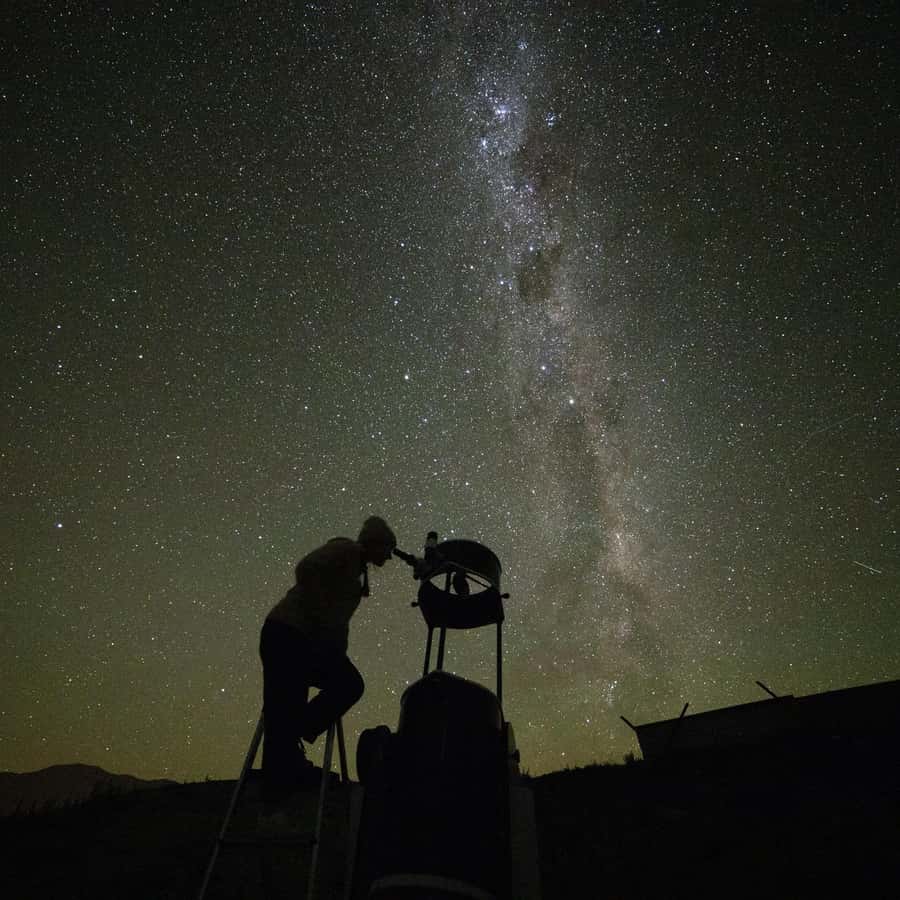
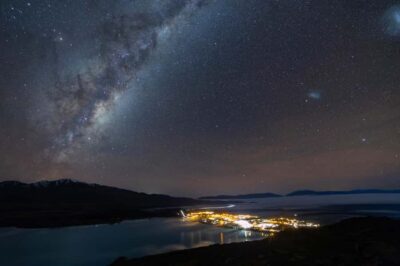
Lake Tekapo sits within the Aoraki Mackenzie International Dark Sky Reserve, a protected region known for very low artificial light. That is not just a badge for brochures. It changes what you can see with your own eyes.
In a bright city, the Milky Way is often reduced to a faint smear, if it appears at all. At Tekapo, the sky can fill with stars and pale bands of galactic light. You may notice the difference before the guide points out a single constellation. That direct, naked-eye view is often the strongest part of the evening.
The tour goes to private farmland rather than simply asking you to look up from town. The short transfer removes much of the glow from Lake Tekapo and gives the group a broad 360-degree view. You are not peering between buildings or standing beside a bright road.
I appreciate that the experience combines two kinds of stargazing. First, you learn to read the sky with your own eyes. Then you look through a powerful telescope and see selected objects in much greater detail. The two views work together: the first gives you scale, and the second gives you focus.
More Guided Nights Out in the world:
- Teide: Guided Sunset & Stargazing Tour by Night with Dinner
★ 4.7 · 1,339 reviews - Griffith Observatory Hike: Guided Tour through Griffith Park
★ 5.0 · 1,020 reviews - Tenerife: Mount Teide Observatory Guided Tour
★ 4.6 · 818 reviews
Meeting at the Kiwi Treasure post office
Your starting point is the Silver River Stargazing office inside Kiwi Treasure, which also serves as Lake Tekapo’s post office. That detail matters because the meeting point may not look like a conventional astronomy center. If you are unsure, ask for the post office.
Allow time to find the office and check in before departure. The staff provide warm down jackets for the outdoor portion, and the group receives a short safety briefing lasting about five minutes. The tour is wheelchair accessible, and live guiding is available in English and Japanese.
There is a limit of one infant per tour, and that infant must be booked on the earliest departure of the night. Families should also think about the late timing. The sky may be wonderful for children, but a young child who cannot stay awake will get little from the experience.
The short ride to the dark-sky farm
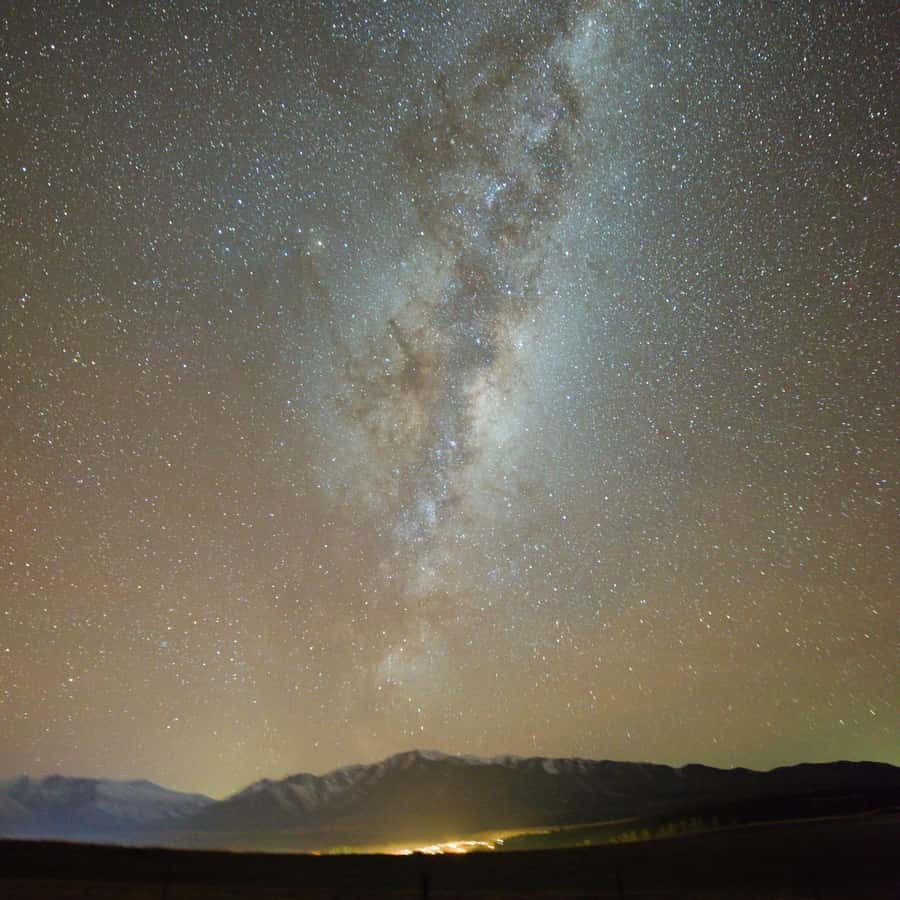
After the briefing, you ride from the office to the stargazing site. The listed transfer takes about five minutes each way, though the exact journey can vary slightly with conditions and the vehicle used.
That short ride is useful rather than decorative. It gets you away from the brighter parts of Lake Tekapo and onto private farmland with less stray light. A few minutes in a vehicle can make a noticeable difference when your goal is to see faint stars.
The viewing area is prepared before the group arrives. Experiences described by participants include chairs and a telescope already set up on arrival. One account described an old bus making its way over the fields, while another mentioned an RV-style vehicle, so the transport may not always look exactly the same.
Do not expect a long scenic drive. This is a transfer to a dark viewing site, not a countryside tour. The value comes from where you end up, not from the length of the ride.
One hour beneath the southern sky
The main guided session lasts about an hour. Your guide uses a special astro-laser to trace stars and constellations in the sky. This is far easier to follow than a hand gesture in the dark, especially when several stars look similar.
The guide’s role makes a big difference. Sam is praised for clear astronomy explanations and stories about different names and traditions attached to the stars. Tara has been especially good at answering children’s questions. JoJo has been noted for a friendly, humorous approach and for explaining how Tekapo protects its dark skies.
Other named guides include Nicole, Marcus, Evan, Keira, Estelle, Wilson, Roselyn, Simon, and Sakurasan. The guide roster changes, but the central format stays the same: point out the stars, explain what you are seeing, then give you time to look through the telescope.
A strong guide does not just name constellations. You learn how to find them again later, how the southern sky differs from the northern sky, and why certain stars or patterns have different names in different cultures. That makes the experience useful after the tour, when you are back outside on your own.
Some sessions have included the moon, Jupiter with its four moons, Saturn, star clusters, nebulae, and even another galaxy. What you see depends on the date, the position of the objects, cloud cover, wind, and the moon’s brightness. The tour cannot promise a particular planet or galaxy on a particular night.
More Stargazing Tours in the world:
- Dubai Red Dunes ATV, Camels, Stargazing & 5* BBQ Al Khayma Camp
★ 5.0 · 21,620 reviews - Sharm El-Sheikh: Ultimate ATV Quad, Stargazing & BBQ Dinner
★ 4.7 · 4,084 reviews - Tenerife: Teide National Park Sunset & Stargazing Tour
★ 4.2 · 3,812 reviews - Tenerife: Sunset and Stargazing at Teide National Park
★ 4.7 · 2,826 reviews
What the 14-inch telescope adds
A large telescope gives this short tour a clear purpose. You can see plenty with the naked eye at Tekapo, but the telescope lets you examine selected objects rather than simply taking in the whole sky.
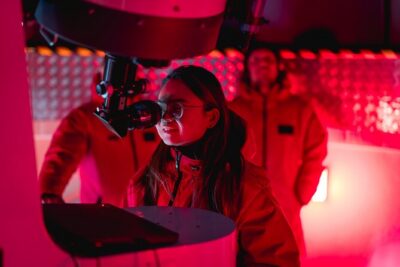
The 14-inch instrument is designed for deep-sky viewing. Guides may direct you to a planet, cluster, nebula, galaxy, or the moon. The view will not look like a glossy space-agency photograph, and you should not expect a giant, colorful image at the eyepiece. The reward is seeing a real celestial object with your own eyes, guided by someone who can explain what makes it special.
Telescope time is shared among the group. A maximum of 10 people is a reasonable size, but it still means you may need to wait while others take their turn. The small group helps, though it does not turn the telescope into a private instrument.
Wind can also affect the view. One clear night still produced a less steady telescope image because of gusts. Cloud can block the view entirely. These are limits of outdoor astronomy, not signs that the equipment is poor.
Weather, moonlight, and the question of luck
The most important thing to understand is that this is a weather-dependent activity. One night may be almost completely clear, another may have patches of cloud, and a third may offer very little through the telescope.
Even a cloudy evening can provide some value if gaps open in the sky. One session with clouds still produced good views of many stars. On another night, a nearly full moon did not prevent a worthwhile experience, though moonlight can make faint stars and deep-sky objects harder to see.
A new moon is generally helpful for seeing the faintest stars, and an unexpected meteor or Aurora Australis can turn an already good night into a memorable one. But these are possibilities, not promises. The tour may be postponed slightly if conditions are changing, as happened with a 15-minute delay.
Bring a warm base layer, hat, and gloves even when the daytime weather feels mild. The loan jackets are a generous and useful inclusion, but they do not replace proper clothing. You will spend time outside in an exposed rural setting, often sitting or standing still.
A useful tour for families, couples, and curious beginners
You do not need an astronomy background. The guide starts with the basics and uses a laser to make the sky easier to follow. That makes the tour a good fit if you can recognize the moon but not much else.
Families can get a lot from it. Children can ask direct questions, see a planet through the telescope, and learn how to locate patterns in the sky. The only concern is bedtime. The infant rule is limited to one child on the earliest departure, and all families should check that the schedule suits their children.
It also works well for couples and solo visitors. The dark farm setting is quiet, the group is small, and the complimentary photo gives you a keepsake without an added photography fee. A participant with visual impairment found the laser pointer useful for following the guide’s explanation, and the guide made extra effort to help with the telescope.
Japanese-speaking visitors can request the Japanese-language option when available. Sakurasan has been praised for making star explanations easy to understand, while English-speaking guides cover the standard sessions.
The complimentary photo at the end
Near the end of the experience, the guide takes a group photo under the stars, weather permitting. The image is sent by digital link within 48 hours, so you do not need to bring a tripod or attempt a night portrait with a phone.
This is more useful than a quick snapshot. Night photography is difficult, especially when you want both people and stars to appear clearly. The photo provides a record of the setting that most phones cannot easily produce.
The photo is not guaranteed in poor conditions. If clouds or weather prevent a suitable image, the main stargazing session remains the core of the booking. Some guides also provide a postcard, though that is not listed as a standard inclusion, so treat it as a pleasant extra rather than something to expect.
Is $59 a fair price?
At $59 per person, this is a fair price for a short, guided astronomy experience, especially because the fee includes transport to private farmland, warm down jackets, the 14-inch telescopes, the guide, and the digital photo.
The value depends on what you want. If you are happy to stand outside Lake Tekapo and look up by yourself, you can see the broadest spectacle without paying for a tour. But you will miss the telescope, the laser-guided explanation, the private viewing site, and the chance to ask questions.
The one-hour field session is not long enough for an elaborate astronomy course. Telescope time is shared, and bad weather can reduce what you see. Still, the small group and prepared equipment make the price reasonable for first-time stargazers who want more than a quick look at the sky.
I would consider it particularly good value for families, visitors who have never seen the southern Milky Way, and anyone who wants help understanding what is overhead. The experience gives you both the setting and the explanation.
Practical details that affect your evening
The full experience lasts 75 minutes: about five minutes for the safety briefing, five minutes to reach the site, one hour at the viewing area, and five minutes to return. Check the available departure times when booking because the exact start varies.
You can cancel up to 24 hours before departure for a full refund, and a reserve-now, pay-later option is available. The tour is offered as a small group, with wheelchair access noted in the booking information.
Wear shoes suitable for a farm setting and bring more warm clothing than you think you need. The supplied down jackets are long and warm, but outdoor comfort still depends on your own layers.
If the sky is cloudy, listen closely rather than judging the evening too soon. Conditions can change, and a short break in the cloud may reveal far more than expected. If strong wind affects the telescope, the naked-eye view may still be the highlight.
Should you book the Lake Tekapo stargazing tour?
Book it if you want the southern sky explained rather than simply photographed. The best parts are the private dark-sky setting, the small group, the patient guides, and the chance to see planets or deep-sky objects through a serious telescope.
Skip it if you need a guaranteed clear sky or dislike standing outside in the cold. No astronomy tour can control cloud, wind, moonlight, or the appearance of the Aurora Australis.
For most visitors staying in Lake Tekapo, I would book this as one of the area’s most distinctive evening activities. Choose a night with the best forecast you can find, bring warm layers, and let the guide show you where to look.
FAQ
Where does the Lake Tekapo stargazing tour meet?
Meet at the Silver River Stargazing office inside Kiwi Treasure, which is also the Lake Tekapo post office.
How long does the experience last?
The complete experience lasts 75 minutes, including the safety briefing, transfers, and approximately one hour of guided stargazing.
How far is the stargazing site from the meeting point?
The listed transfer takes about five minutes each way. The site is on private farmland away from much of Lake Tekapo’s stray light.
How large is the group?
The small-group experience is capped at 10 people.
What telescope is used?
The tour provides access to modern 14-inch telescopes for viewing planets and deep-sky objects.
Are warm clothes provided?
Warm down jackets are included. You should still bring your own warm layers because the viewing takes place outdoors.
Is the tour offered in Japanese?
Yes. Live guides are available in English and Japanese.
Is the experience wheelchair accessible?
Yes, the activity is listed as wheelchair accessible.
What happens if the weather is cloudy?
Cloud, wind, and moonlight can limit what you see. The tour may still offer some views through breaks in the cloud, but clear telescope views and the complimentary photo depend on conditions.
Fresh listings near the world
- Cabo de Gata: Guided Night Walk with Stargazing★ 4.7 · 36 reviews
- Brisbane: Glow Worms, Sunset, Star Gazing & BBQ★ 4.4 · 26 reviews
- Cabo de Gata: Stargazing Experience★ 4.5 · 7 reviews
- Antofagasta: Astronomical Tour with a Guide★ 3.7 · 4 reviews
- Boulder: Guided Astronomy Tour★ 4.7 · 11 reviews
- 1-Day Grand Canyon Tour from Las Vegas: Stargazing & Sunrise★ 3.6 · 3 reviews
- Astronomical Tour: San Pedro de Atacama – Chile★ 4.5 · 3 reviews
- Perth: Pinnacles Stargazing, Sandboarding & Beach Kangaroos★ 5.0 · 3 reviews
Lake Tekapo Stargazing, side by side.
Mount John Observatory Stargazing Experience, Tekapo
Read our review →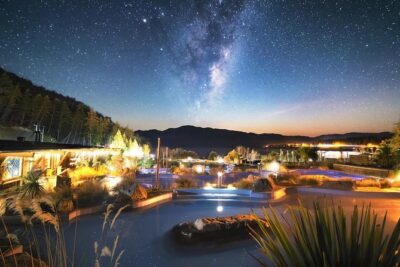
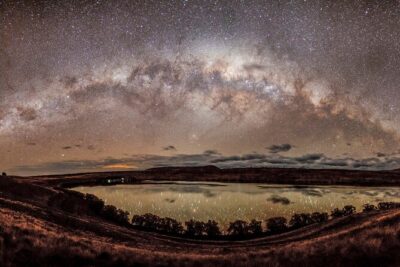
Silver River Stargazing Experience in Lake Tekapo
Read our review →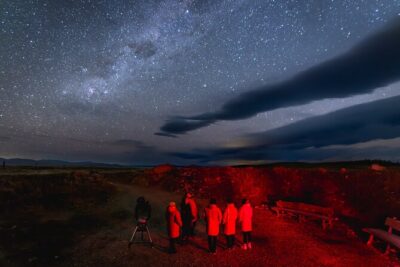
Stargazing Experience at Cowan’s Private Observatory
Read our review →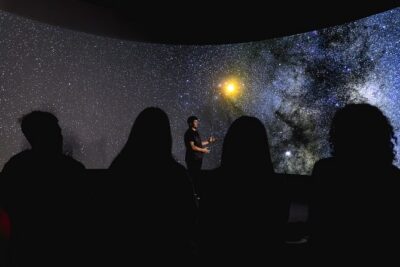
Dark Sky Indoor Maori Cultural Astronomy Experience
Read our review →Lists this night appears in