
REVIEW · LAKE TEKAPO STARGAZING
Chameleon Stargazing Shared Tour
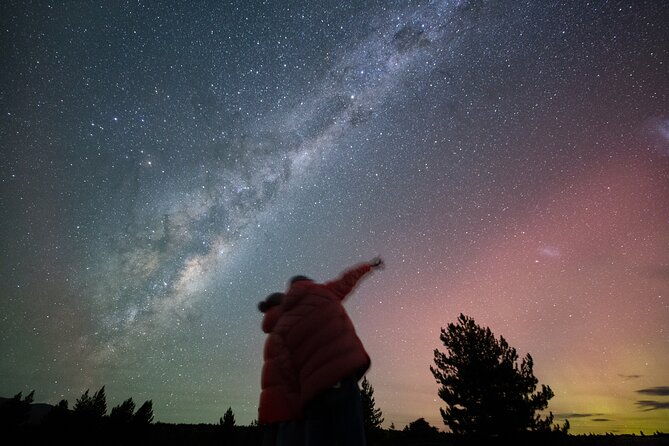
Lake Tekapo’s darkness is the real star here. Over about 90 minutes, you’ll use a powerful telescope, follow constellations with a laser pointer, and hear the stories and science behind the southern sky. On a clear night, the Milky Way, Southern Cross, planets, nebulae, and even an aurora may appear.
I like the small group of no more than 14 people, which gives you room to ask questions. I also like the thoughtful comforts: reclining seats, thick blankets, hot chocolate, a fire bowl, and marshmallows. Guides such as George, Guthrie, Mok, and Estella bring warmth and personality to the astronomy.
The main drawback is simple: the sky controls the schedule. Clouds, a full moon, or poor weather can limit what you see, and a session may be shortened or canceled. Bring realistic expectations, warm clothing, and a flexible evening.
Key points to know before you book
- A true dark-sky setting: Lake Tekapo gives the telescope and naked-eye viewing a strong chance to reveal stars that city skies hide.
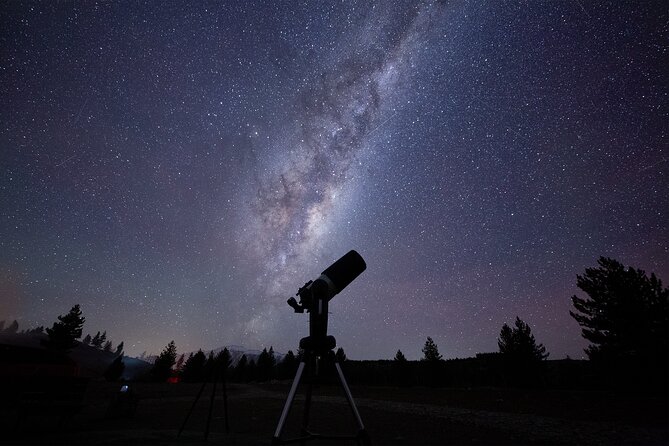
- Telescope viewing matters: You are not only looking upward. The guide can point out planets, nebulae, galaxies, and other deep-sky objects through the telescope.
- A small, friendly format: The group is capped at 14, so the guide can answer questions and keep the session interactive.
- Cold-weather comforts are included: Reclining seats, blankets, hot chocolate, tea or coffee, and marshmallows make the wait between sightings easier.
- Your night changes with nature: Moon phase, clouds, aurora activity, and the rotation of the sky affect what appears.
- A useful memory to take home: Complimentary photos of you beneath the stars are sent after the session.
Why Lake Tekapo is the right place for stargazing
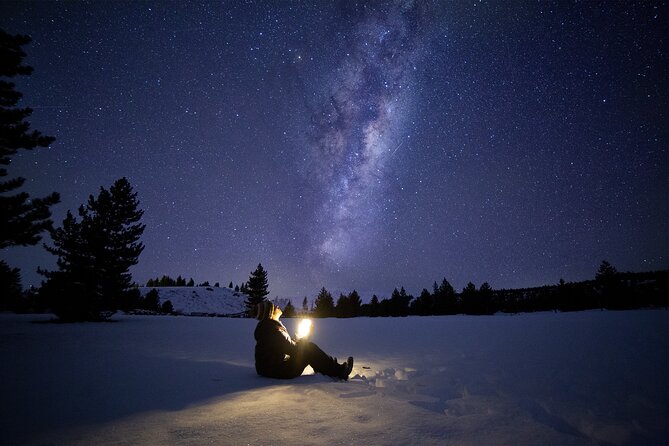
Lake Tekapo sits on New Zealand’s South Island, in an area prized for its dark night sky. That matters more than a fancy telescope. When there are fewer artificial lights, you can see far more stars with your own eyes, and the guide’s explanations begin with the sky above you rather than a screen or indoor display.
You may notice the difference as soon as the session begins. The Southern Cross, the Milky Way, and familiar constellations can look sharper and more numerous than they do from a city. On especially clear nights, the sky can feel almost crowded with stars.
The night is not identical from one booking to the next. The moon can brighten the sky, clouds can block part of it, and aurora activity may add an unexpected show. The natural rotation of the sky also means that different stars and planets appear at different times of year.
That unpredictability is part of the appeal, but it also keeps the tour from being a guaranteed checklist. If you need to see a particular object, you may be disappointed. If you enjoy learning what the sky offers on the night you arrive, the format works much better.
More Stargazing Tours in the world:
- Dubai Red Dunes ATV, Camels, Stargazing & 5* BBQ Al Khayma Camp
★ 5.0 · 21,620 reviews - Sharm El-Sheikh: Ultimate ATV Quad, Stargazing & BBQ Dinner
★ 4.7 · 4,084 reviews - Tenerife: Teide National Park Sunset & Stargazing Tour
★ 4.2 · 3,812 reviews
What happens at 70 Andrew Don Drive
You meet at 70 Andrew Don Drive in Lake Tekapo, and the experience ends at the same place. There is no shuttle to or from your accommodation, so plan your own way to the meeting point and allow enough time to arrive before the start.
The tour lasts about 1 hour and 30 minutes. That is long enough to cover the visible constellations, telescope viewing, questions, photography, and the fire-side finish without turning into a late-night lecture.
The group size is limited to 14. I see this as an important part of the value. Astronomy can become frustrating when several dozen people are waiting for one telescope, but a smaller group gives you a better chance to see through the eyepiece and speak directly with the guide.
The precise order can change with the sky. If clouds are moving in, the guide may bring the telescope viewing forward. If the sky clears later, the group may spend more time outside. The staff also send weather updates, so check your email before setting out.
Starting with the naked-eye sky
The guide begins by helping you get oriented. Using a laser pointer, the guide identifies stars and constellations that you can see without equipment, then explains the science and the stories connected with them.
This is where guides such as Guthrie, George, Mok, and Estella add real value. Their role is not just to operate the telescope. They explain what you are seeing, answer questions, and connect astronomy with the cultural meaning of the stars, including Māori perspectives mentioned during the sessions.
You do not need prior astronomy knowledge. The explanations are designed for curious beginners, but there is enough room for detailed questions if you already know the basics. One useful strength of the format is that it moves between large ideas and direct observation: the guide can discuss a constellation, then point to it above you.
On a clear night, you might see the Southern Cross and the Milky Way with the naked eye. You might also catch a shooting star or, if conditions line up, an aurora australis. Those moments cannot be promised, but the guide can explain what is happening if they occur.
The telescope turns the sky into a closer experience
The telescope is the technical heart of the evening. Naked-eye viewing gives you scale and wonder, but the telescope lets you examine particular objects in more detail.
Past sessions have included views of Saturn, nebulae, galaxies, and other deep-sky objects. Exactly what you see depends on the season, the moon, cloud cover, and the equipment’s view on that night. The important point is that the telescope is used as part of a guided explanation, not left for you to operate without context.
A good session may move from a broad view of the constellations to a close look at one object, then back to the sky as a whole. This helps you understand both the size of the universe and your place within it.
The telescope also makes the experience suitable for people who find ordinary stargazing too passive. You are given something specific to look for, and the guide can explain why it matters. Children and adults can both take part, although very young children may find the late hour or cold conditions tiring.
Same sky over the world, a different way to watch it:
- Tenerife: Sunset and Stargazing at Teide National Park
★ 4.7 · 2,826 reviews - Teide National Park Sunset & Stargazing with Dinner (Star Safari)
★ 5.0 · 2,601 reviews - Dubai: Sunset Camel Trek, Al Khayma Camp, Stargazing & BBQ
★ 4.8 · 2,588 reviews - Dubai: Overnight Safari, Dinner, Stargazing & Al Khayma Camp
★ 4.8 · 2,562 reviews
Reclining chairs, blankets, and a warm drink
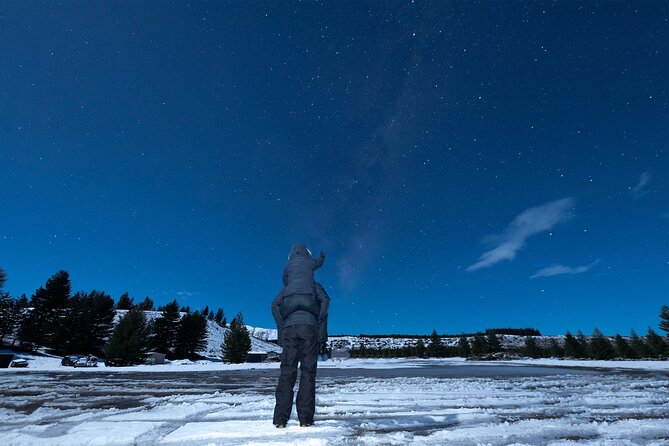
The outdoor setting can be cold, especially in winter. The tour provides cozy reclining seats and blankets, and you can lean back while looking upward. That small detail makes a real difference. Standing still in the dark for 90 minutes is not comfortable for most people, even when the sky is excellent.
Hot chocolate is served during the session, with coffee or tea also included. It is a modest touch, but it gives you a warm break while the guide changes telescope targets or answers questions.
You should still dress for the conditions. Wear warm layers, a proper jacket, and shoes suited to being outside. Do not assume that a supplied blanket replaces cold-weather clothing. Several sessions have been described as chilly, and clear nights can feel particularly cold.
The comfort setup also helps make the experience social. You are not simply queuing at a telescope. You can sit back, listen, look up, and talk with the people around you.
Finishing beside the fire bowl
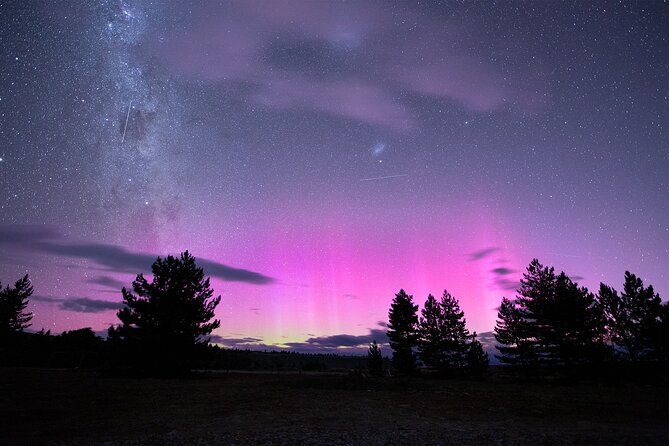
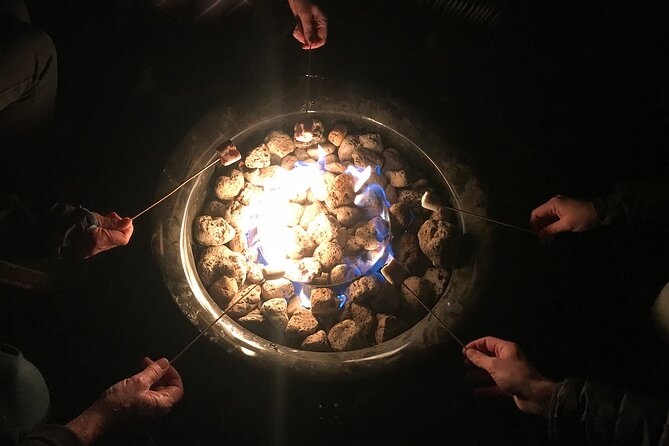
The evening ends with marshmallow roasting around a fire bowl. It is a simple finish, but it gives the group a chance to warm up and talk after the focused telescope viewing.
This part will not appeal to everyone. If you are booking only for serious astronomy, marshmallows may feel like an add-on. I see them differently: the fire keeps the experience relaxed and gives children something familiar to enjoy while adults continue discussing what they have seen.
The fire also makes the night feel less like a technical demonstration. You have spent time learning about planets, stars, and galaxies, then finish with a warm drink and a small snack under the same sky.
The included night-sky photograph
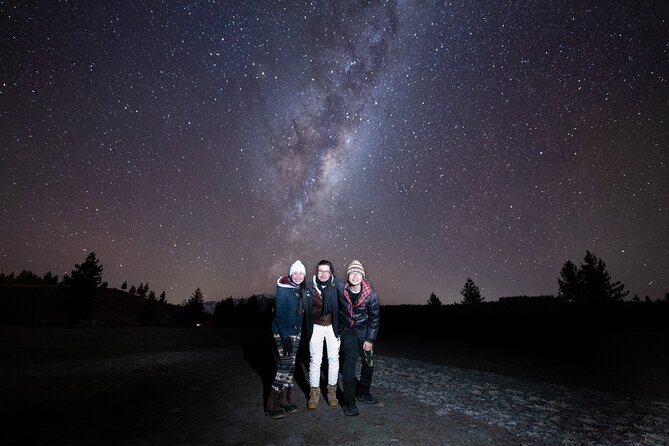
The team takes photographs of you beneath the stars, and the photos are provided after the session. This is a useful extra because night photography is difficult without the right camera settings and equipment.
The photograph is not a replacement for your own viewing. It is best treated as a souvenir of the evening rather than a promise that the image will show every star you hoped to see. The final result depends on clouds, moonlight, and the night’s conditions.
If taking your own photos matters to you, ask the guide what is practical during the session. The supplied information confirms that the tour captures images for you, but it does not promise a personal photography lesson or unlimited individual shots.
Weather is the biggest factor
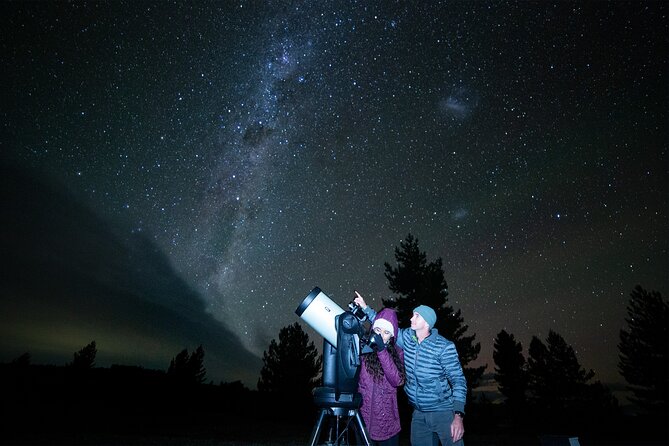
This is an outdoor astronomy tour, not a fixed indoor show. The company monitors conditions and sends updates by email. If bad weather makes the experience impossible, you are offered another date or a full refund.
That policy is reassuring, but you should still build some flexibility into your Lake Tekapo plans. A cloud bank can arrive after a promising afternoon, or a partly cloudy evening can clear just in time. On one occasion, the sky reportedly opened enough for a worthwhile session after an uncertain start. On another, a tour was canceled after conditions changed, with a full refund issued.
A full moon does not make the tour useless. It can wash out some faint stars and reduce the Milky Way’s impact, but planets, brighter stars, constellations, and some deep-sky objects may still be visible. If you want the darkest possible sky, aim for dates near the new moon, while remembering that weather still matters more than any calendar promise.
Is the $74.47 price fair?
At $74.47 per person, this is not the cheapest way to look at stars. You could step outside in Lake Tekapo for free and see plenty on a clear night.
The tour earns its price through the equipment, guidance, comfort, and organization. You receive access to a powerful telescope, an experienced astronomy guide, reclining seating, blankets, hot drinks, marshmallows, and a night-sky photograph. The smaller group also has practical value because you are less likely to spend the evening waiting behind a large crowd.
I think the price is fair if you want to understand what you are seeing. It is less compelling if you are content to sit by the lake and look up without instruction. The tour is especially useful for first-time stargazers, families, couples, and anyone visiting from a bright city where the stars are hard to see.
The value also depends on your timing. A clear, moonless night can make the price feel very reasonable. A cloudy session may offer only limited viewing, though the refund and rescheduling policy reduces the financial risk if the company cancels.
Who should book this experience?
I would choose this tour if you want a gentle introduction to astronomy with real equipment and a personable guide. You do not need to know constellation names, and you can ask basic questions without feeling out of place.
It also suits families because the evening includes seats, blankets, warm drinks, and marshmallows. The fire bowl gives children a break from listening, although parents should prepare them for cold weather and a late outdoor session.
Couples may like the quiet setting and included photograph. Solo visitors can also fit easily into the small group, especially if they enjoy asking questions and meeting other curious people.
Serious amateur astronomers may want a longer or more technical observatory program. This is a friendly 90-minute introduction, not a full night of advanced observing. Its strength is the mix of science, storytelling, comfort, and atmosphere.
Service animals are allowed, and most people can participate. The available information does not provide detailed mobility guidance for the outdoor site, so contact the provider directly if you have specific access needs.
Book at least 24 hours before the start if you need the option of a full refund for your own cancellation. Cancellations made less than 24 hours before the start are not refunded, and changes inside that period are not accepted. Be careful with bookings after midnight: a 12:30 am start on January 1 takes place during the night of December 31, so you need to be in Lake Tekapo on December 31.
Should you book Chameleon Stargazing?
Yes, if you want more than a pretty view of the night sky. The telescope, clear explanations, Māori star stories, small group, reclining seats, hot chocolate, fire, and photographs create a well-rounded evening for $74.47.
I would skip it only if you dislike cold outdoor activities, have no flexibility around weather, or prefer to stargaze privately without a guide. For most people spending a night in Lake Tekapo, this is a practical way to make sense of the stars and leave with a stronger memory than a quick look from the hotel doorway.
FAQ
Where does the Chameleon Stargazing tour start?
The tour starts at 70 Andrew Don Drive, Lake Tekapo 7999, New Zealand.
Where does the tour finish?
The experience ends back at the meeting point at 70 Andrew Don Drive.
How long does the stargazing tour last?
The tour lasts approximately 1 hour and 30 minutes.
How many people can join the tour?
The group has a maximum of 14 participants.
What is included in the tour?
The price includes telescope use, marshmallows, coffee or tea, hot chocolate, and all fees and taxes. Complimentary photos taken during the session are also provided.
Is transportation from my accommodation included?
No. Shuttle service to and from your accommodation is not included.
What happens if the weather is poor?
Because the experience requires suitable weather, the company may cancel it. You will then be offered a different date or a full refund.
What should I know about a tour starting after midnight?
Check the date carefully. A tour starting at 12:30 am on January 1 takes place during the night between December 31 and January 1, so you need to be in Lake Tekapo on December 31.
Fresh listings near the world
- Cabo de Gata: Guided Night Walk with Stargazing★ 4.7 · 36 reviews
- Brisbane: Glow Worms, Sunset, Star Gazing & BBQ★ 4.4 · 26 reviews
- Cabo de Gata: Stargazing Experience★ 4.5 · 7 reviews
- 1-Day Grand Canyon Tour from Las Vegas: Stargazing & Sunrise★ 3.6 · 3 reviews
- Antofagasta: Astronomical Tour with a Guide★ 3.7 · 4 reviews
- Boulder: Guided Astronomy Tour★ 4.7 · 11 reviews
- Astronomical Tour: San Pedro de Atacama – Chile★ 4.5 · 3 reviews
- Perth: Pinnacles Stargazing, Sandboarding & Beach Kangaroos★ 5.0 · 3 reviews
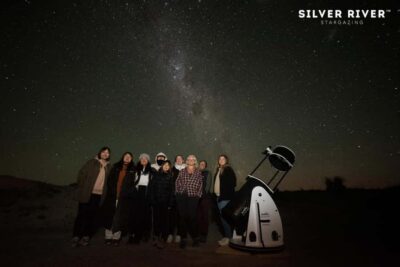
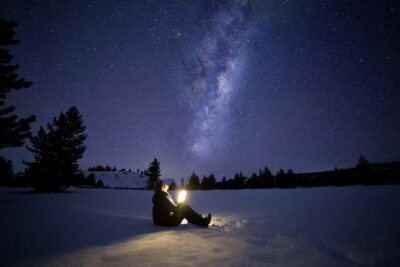
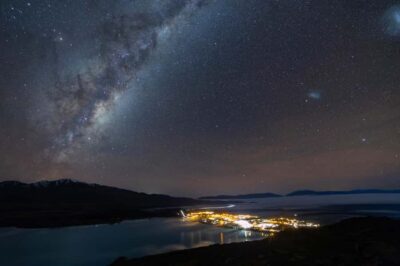
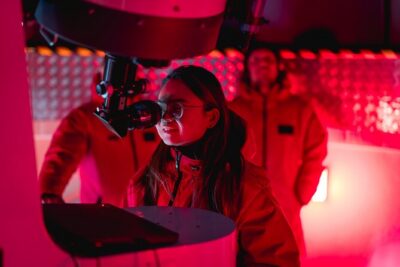
Lake Tekapo Stargazing, side by side.
Mount John Observatory Stargazing Experience, Tekapo
Read our review →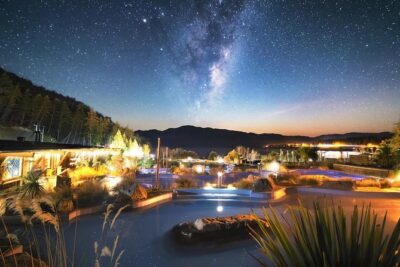
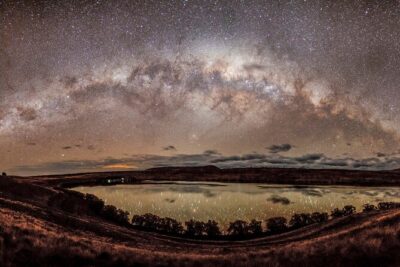
Silver River Stargazing Experience in Lake Tekapo
Read our review →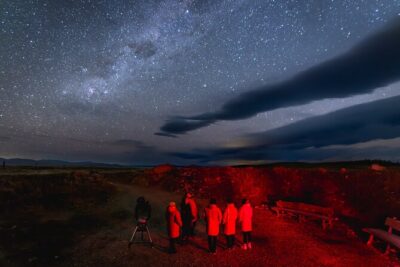
Stargazing Experience at Cowan’s Private Observatory
Read our review →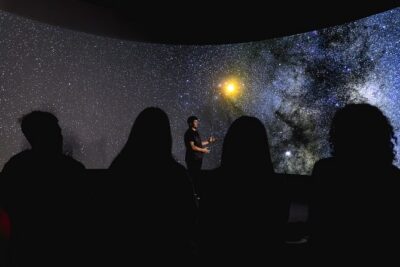
Dark Sky Indoor Maori Cultural Astronomy Experience
Read our review →Lists this night appears in