
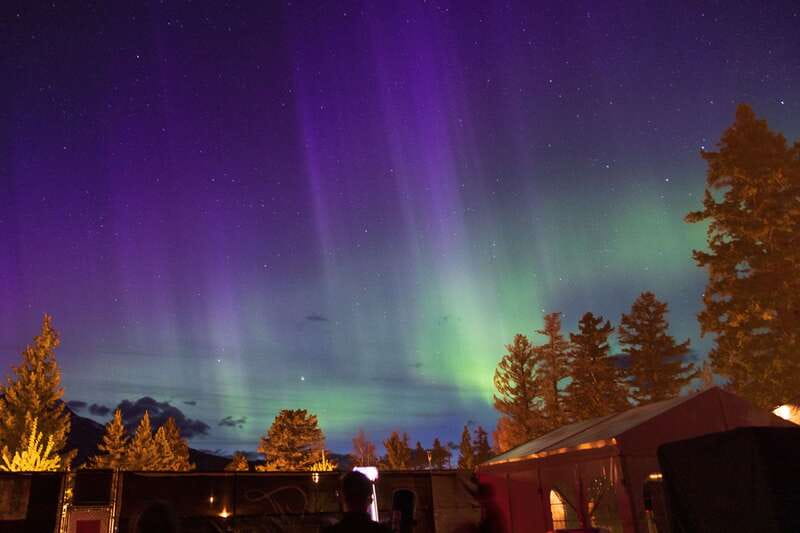
REVIEW · DARK SKY TOURS
Jasper: Jasper Planetarium Dark Sky Experience
Jasper’s big night-sky experience combines a dome planetarium, optical telescopes, binocular viewing, and a short walk to a dark-sky site. The evening moves from guided explanation to hands-on sky watching, so you get more than a talk followed by a quick look through one telescope.
I like the chance to learn local Indigenous constellations alongside familiar star patterns, and I like that binoculars are supplied for the final sky session. The catch is simple: cloud cover can limit the main event, and the advertised three-hour program may feel less satisfying if you want detailed telescope views.
Key points
- Three distinct astronomy sessions: A dome-theatre presentation, telescope viewing, and a guided constellation and binocular walk.
- A 480-metre move outdoors: You follow your dark-sky guide from Jasper Park Lodge to a selected viewing site.
- Binoculars are supplied: You can study the Milky Way and deep-space objects without bringing your own equipment.
- Weather matters: Cloud can prevent the telescope and naked-eye portions, though a two-year rain check is provided.
- The price is $102 per person: That is fair for a full three-hour program, but value depends heavily on clear skies.
- Strict timing applies: Check in 15 minutes early at the Planetarium Retail Desk inside the Main Lodge.
Start inside Jasper Park Lodge
Your evening begins at the Jasper Planetarium Retail Desk inside the Main Lodge at Jasper Park Lodge. Walk straight past the front desk after entering, then look for the retail desk in the southwest corner of the lobby, directly across from the Emerald Lounge.
You need to check in 15 minutes before departure. This is not a casual arrive-when-you-can activity. Late arrivals are not admitted because they interrupt the program, and you may be moved to the next available tour, even if that means returning on another day.
If you drive, use one of the available Jasper Park Lodge lots: P2, P3, or P4. P2 is closest to the planetarium. Build in time to park and walk inside, especially if you do not know the lodge grounds.
The activity is conducted in English and is open to most ages. Children under four are not permitted in the dome theatre, and unaccompanied minors are not allowed. The experience is also not suitable for people with mobility impairments, since it includes moving between venues and walking about 480 metres to the outdoor site.
More Dark Sky Tours in the world:
- East Zion Dark Sky Stargazing Tour
★ 4.5 · 94 reviews - Sedona Dark Sky Sunset & Night Hike With a Private Guide
★ 5.0 · 86 reviews - Stargazing in Zion National Park’s International Dark Sky
★ 5.0 · 73 reviews
The dome theatre gives you your bearings
The first major section is the Planetarium Dome Theatre. This is the most controlled part of the evening, since it does not depend on clear skies in the same way as the outdoor viewing.
Inside, the presentation introduces planets, nebulas, constellations, and other deep-space objects. The dome format helps you understand the shape and scale of the sky before you step outside. If you know only a few bright stars, this portion can give you a useful map for the rest of the night.
The program is aimed at a broad audience. An adult with a strong astronomy background may find some material familiar, while a family or first-time sky watcher will likely get more from the clear explanations and questions. The guides make the subject approachable and invite questions throughout the evening.
Photography is not allowed inside, and audio recording is also prohibited. Treat the dome as a place to listen and watch rather than document every image.
One practical point matters here: the planetarium may operate in a tent or temporary structure, depending on the setup. That means the name Planetarium does not necessarily promise a grand, permanent museum-style building. The value comes from the presentation and guidance, not from the architecture.
The telescope session is the equipment test
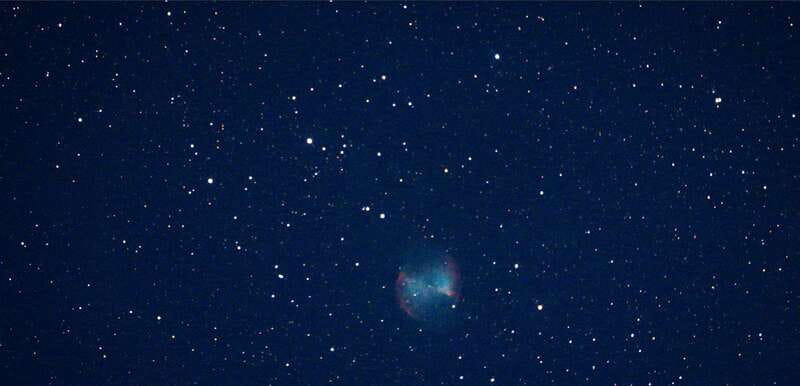
After the dome presentation, the program turns to telescopes. You receive access to optical telescopes, and the staff demonstrate a range of optical and video equipment. This part can be especially useful if you have never looked through a telescope before or are unsure how astronomers use different types of equipment.
The telescopes are intended to bring selected objects closer. On a clear night, this may give you a more focused look at the sky than you can get with your unaided eyes. The guides also answer questions, explain what you are seeing, and help connect the equipment to the larger ideas introduced in the dome.
Keep your expectations measured. A large telescope does not guarantee a dramatic, colorful image like the photographs produced by major observatories. The view through a smaller optical telescope can be subtle, and clouds or haze can reduce definition. One disappointing evening involved only a small telescope view with little detail, while another evening produced a more satisfying demonstration of several optical and video scopes.
That contrast tells you how much conditions matter. The telescope portion is not a fixed attraction with a guaranteed target. It is a guided observation session, and the object, clarity, and equipment available can affect what you see.
A short walk leads to the dark-sky site
The outdoor portion begins when your guide makes an announcement and leads the group to a specially selected site about 480 metres away. You follow on foot from the lodge area, so wear shoes and clothing suitable for the weather.
This short transfer is part of the design. You leave the indoor setting and reach a darker location with a better chance of seeing the night sky. The walk is not long, but it is worth knowing about before you book, particularly if you have limited mobility or dislike standing outdoors at night.
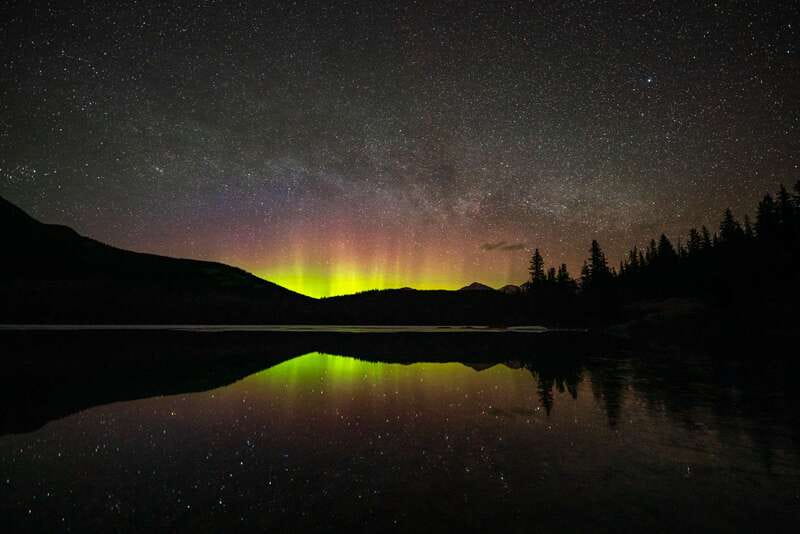
At the site, the guide uses a laser to point out naked-eye constellations. This is often the most satisfying way to learn the sky, because you begin to recognize patterns using only your own eyes. The laser gives the guide a clear way to connect individual stars with the larger shapes overhead.
The program also includes local Indigenous constellations. That adds an important local dimension. You are not simply being shown a standard list of Western star patterns. You also learn how the night sky has been understood through Indigenous knowledge connected to the Jasper area.
Because the tour is live and interactive, the pace can respond to questions. You can ask about a bright object, a constellation, or something you noticed during the dome presentation. The guides are described as friendly and strong on the subject, while keeping the learning accessible for children and adults.
More Planetarium Visits in the world:
- Miami: Frost Museum of Science and Planetarium Entry Ticket
★ 4.5 · 429 reviews - Planetarium and Telescope Combo Tour
★ 4.0 · 144 reviews - Houston Museum of Natural Sciences: Planetarium Ticket
★ 4.5 · 139 reviews - Jasper: Jasper Planetarium and Telescope Combo Tour Tickets
★ 3.8 · 118 reviews
Supplied binoculars make the final session hands-on
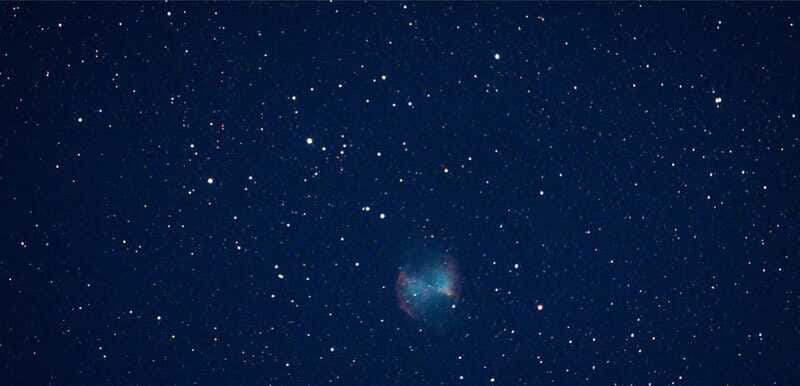
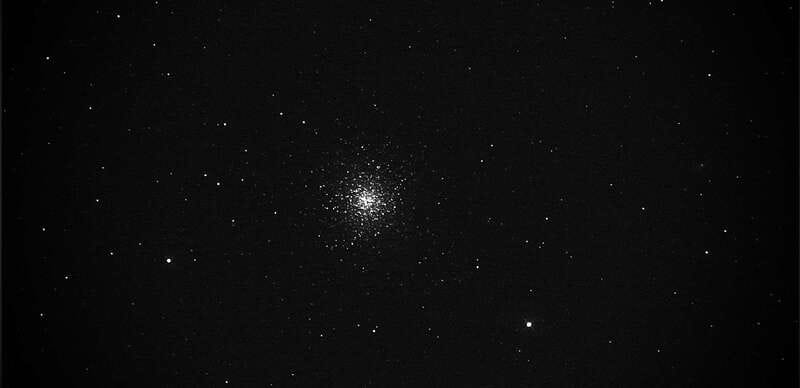
The binocular tour is a useful middle ground between naked-eye stargazing and telescope viewing. You receive binoculars to use during the constellation session, then learn together as the guide directs you toward the Milky Way and selected deep-space objects.
Binoculars are easier for many people to use than a telescope. You can hold them yourself, move them slightly, and compare what you see with the guide’s instructions. They also give a wider view than a telescope, which can help you understand how stars relate to one another.
This is one of the strongest practical features of the experience. You do not need to own astronomy equipment, know how to locate objects, or bring a large pair of binoculars from home. The guide supplies the tools and provides the targets.
Clouds can stop this portion from working properly. If the sky is overcast, you may still receive explanations and indoor content, but the Milky Way and faint deep-space objects cannot be shown as intended. The program includes a two-year rain check for any parts that are not clear on the night you attend, with no additional charge for returning.
That policy softens the weather risk, but it does not remove the inconvenience. You must return to Jasper within two years to use it, and a second visit may not fit your plans. If seeing stars is your main reason for booking, check the forecast and keep your schedule flexible.
How the $102 price holds up
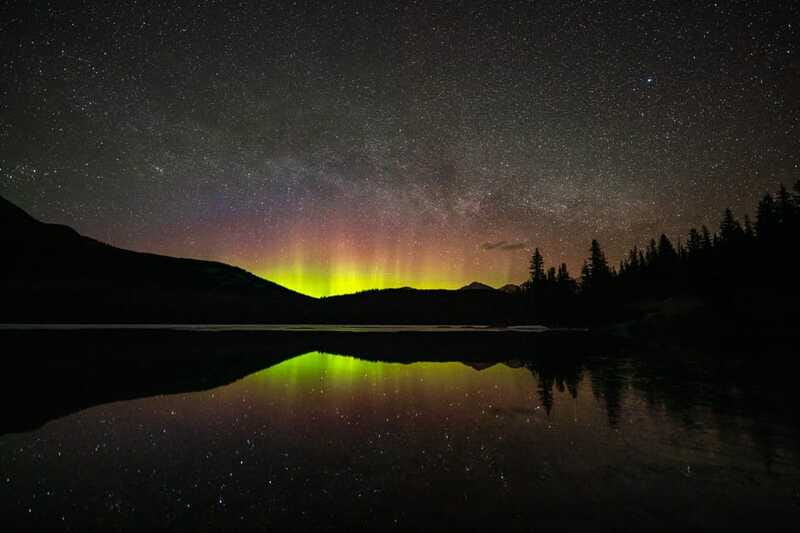
At $102 per person, this is not a quick evening attraction. You are paying for roughly three hours of guided programming, the dome presentation, telescope access, supplied binoculars, guide-led explanations, parking, and the chance to return under the rain-check policy.
I consider the price reasonable when the sky is clear and you take part in every section. The experience gives you several ways to learn: projected images indoors, optical equipment, naked-eye observation, and binocular work. That variety is more useful than a single short telescope viewing.
The value is less certain if clouds cover the sky. You still receive the dome program, talks, and some equipment demonstrations, but the two outdoor highlights may be reduced or unavailable. The rain check is a meaningful safeguard, yet it works best for someone staying in the Jasper area or returning within the next two years.
Food and drinks are not included. Smoking, vaping, alcohol, drugs, intoxication, and food or beverages are not allowed during the activity. Plan to eat before you arrive and bring only what the operator permits.
Weather can change the whole evening
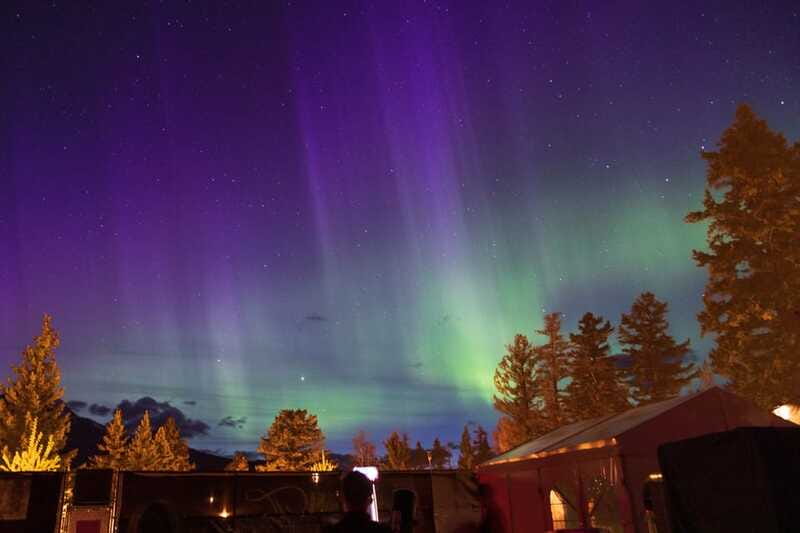
The Jasper area is known for dark skies, but darkness alone does not produce a good stargazing night. Clouds can block the stars, and the telescope portion may not provide useful views. The operator may continue with the indoor program rather than cancel the entire evening, so you should not assume that a scheduled departure means clear skies.
The most useful approach is to book when you have some flexibility. If the forecast looks poor, contact the operator about changing to another available time. The stated cancellation policy allows a full refund when you cancel at least 24 hours before the activity. Within 24 hours, a refund is not offered, but you may change to another time.
The rain check is the better option if you have already attended and only part of the sky program was possible. It covers unclear portions for two years at no extra cost.
Bring warm, weather-appropriate clothing even in summer. The outdoor session takes place at night, and you may spend time standing still while looking upward. A warm layer is more useful than relying on the daytime temperature.
Who will get the most from it
I would recommend this for families with children old enough to stay engaged through a three-hour evening, couples who want a structured night activity, and adults who are curious about astronomy but do not own equipment. The guides make the material approachable, and the binocular portion gives you something active to do rather than simply listen.
It also suits anyone interested in the cultural side of the night sky. The inclusion of local Indigenous constellations adds context that a basic telescope session may not provide.
You may want to skip it if you need guaranteed clear-sky viewing, dislike group instruction, or already have a strong astronomy background and want advanced observation. The dome material may cover subjects you know, and the telescope views may not match professional observatory images.
It is also a poor fit if walking 480 metres or standing outdoors is difficult. The activity is not designed for people with mobility impairments, and late arrival creates a real risk of missing the tour.
What to bring and how to plan
Wear warm clothing and shoes suited to a short outdoor walk. You do not need to bring binoculars or a telescope, since both are provided during the relevant sessions.
Arrive early at the Main Lodge, not at an outdoor tent or telescope location. Check in at the Planetarium Retail Desk, which is in the southwest corner of the lobby across from the Emerald Lounge.
Do not plan to eat during the activity. Food and drinks are not included or allowed. Also leave cameras and recording equipment out of the dome, since photography and audio recording are prohibited inside.
Parking is free, with P2, P3, and P4 available for people driving to Jasper Park Lodge. P2 is the closest option to the planetarium.
Should you book the Jasper Planetarium Dark Sky Experience?
Book it if you want a full evening of guided astronomy, not just a quick look through a telescope. The mix of dome theatre, equipment demonstrations, laser-guided constellations, binocular viewing, and Indigenous sky knowledge gives you a well-rounded introduction.
Book with caution if your only goal is sharp telescope detail. That part depends on the equipment available and the sky conditions, and a cloudy night can leave you with a much smaller portion of the promised experience.
For the best value, choose a night with a favorable forecast, arrive early, dress warmly, and keep enough time in your itinerary to use the two-year rain check if needed. For families and beginners, this is likely the strongest match. For serious astronomy hobbyists, it is better viewed as an accessible introduction than an advanced observing session.
FAQ
How long does the Jasper Planetarium Dark Sky Experience last?
The experience lasts three hours.
How much does the experience cost?
The listed price is $102 per person.
Where do I check in?
Check in at the Planetarium Retail Desk inside the Main Lodge at Jasper Park Lodge. Walk past the front desk to the southwest corner of the lobby, directly across from the Emerald Lounge.
How early should I arrive?
You must check in 15 minutes before the tour departure time.
Is parking available?
Yes. People who drive to Jasper Park Lodge can use available parking in lots P2, P3, or P4. P2 is closest to the Jasper Planetarium.
What happens if the sky is cloudy?
If parts of the tour are not clear, you receive a two-year rain check at no additional charge for those portions.
Are binoculars provided?
Yes. Binoculars are supplied for the constellation and binocular tour.
Are children allowed?
The experience is open to all ages except children under four, who are not permitted in the Planetarium Dome Theatre. Unaccompanied minors are not allowed.
Can I cancel the booking?
You can cancel at least 24 hours before the activity for a full refund. Within 24 hours, a refund is not available, but you can change the booking to another time.
Fresh listings near the world
- Star Gazing Victoria Falls★ 5.0 · 3 reviews
- Sunset, Candle Light Dinner & Star Gazing from Hurghada★ 5.0 · 30 reviews
- Magic Stargazing & Sunset in Teide with Dinner + Telescopes★ 3.5 · 20 reviews
- Stargazing and Moonlight Experience★ 4.0 · 14 reviews
- 2 Hour Stargazing Tour in Victoria Falls NP Area in 4×4★ 5.0 · 3 reviews
- Victoria Falls: Bush Experience and Stargazing D-F-ES-GB★ 4.3 · 3 reviews
- Exclusive visit to the Astronomical Observatory of Gaia★ 5.0 · 4 reviews
- From Riyadh: Desert Trail Hike with Dinner and Stargazing★ 4.5 · 2 reviews
Dark Sky Tours, side by side.
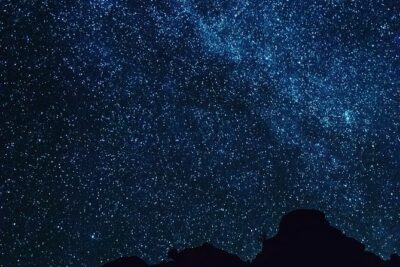
Sedona Dark Sky Sunset & Night Hike With a Private Guide
Read our review →Stargazing in Zion National Park’s International Dark Sky
Read our review →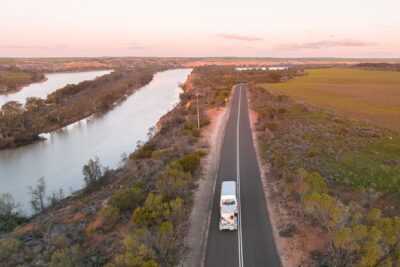
Small-Group River Murray Dark Sky and Sunset Tour with Dinner
Read our review →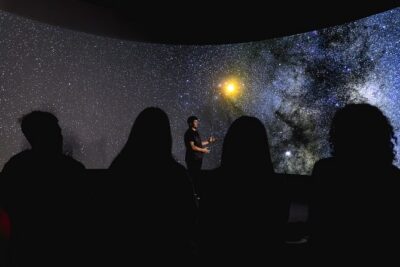
Dark Sky Indoor Maori Cultural Astronomy Experience
Read our review →Lists this night appears in