
REVIEW · DARK SKY TOURS
Stargazing in Zion National Park’s International Dark Sky
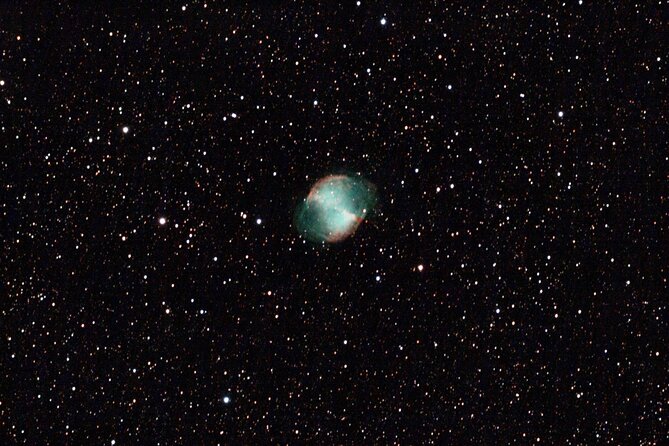
Seeing the Milky Way clearly is the main event here. You walk about 10 minutes from the meeting point to a dark-sky field beside Zion National Park, settle into a body-hugging Yogibo pod, and let the night sky take over. Powerful telescopes bring galaxies, nebulae, star clusters, and planets close enough to study.
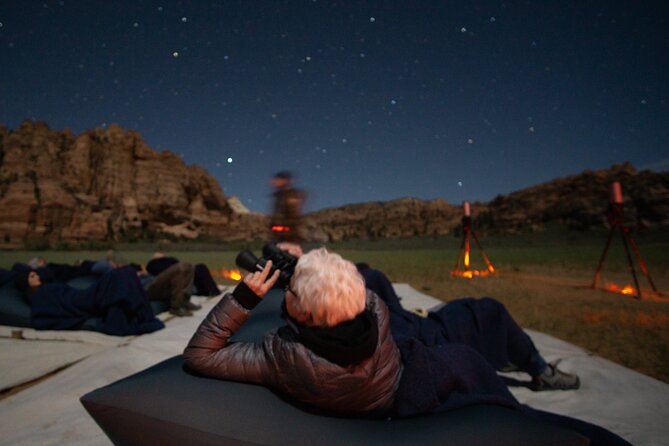
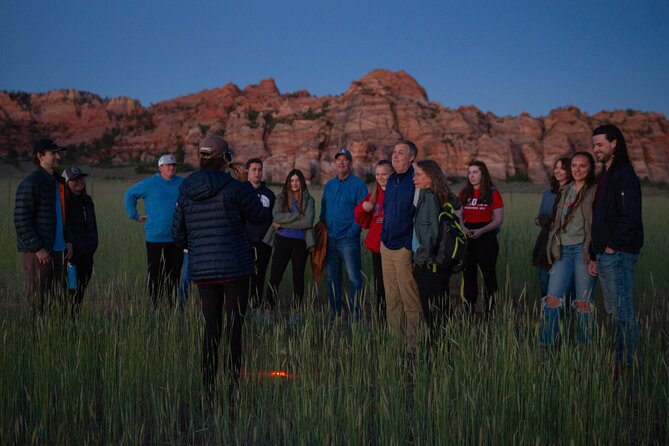
I like the relaxed setup. You get your own pod, blanket, and pair of astro-binoculars, so you are not standing around craning your neck. I also like the small maximum group of 18, which gives you a fair chance at the telescopes and room to ask questions. The main drawback is simple: this is an outdoor night activity, and September can still feel cold, windy, or cloudy after a warm day.
Key points to know before booking
- A gentle 10-minute walk leads to the viewing field: No transportation is provided, so you make your own way to the La Verkin meeting point and walk from there.
- Every participant gets a Yogibo lounger: The soft, zero-gravity-style pods reduce pressure on your back and neck while you look overhead.
- Telescopes reveal more than the naked eye: You may view planets, galaxies, nebulae, and clusters through powerful equipment.
- The guides make the sky easier to understand: Laser pointers connect constellations and celestial objects with clear explanations.
- Small groups improve telescope access: The maximum group size is 18, a useful limit for an activity built around shared viewing equipment.
- Hot drinks and blankets are included: Coffee, tea, and hot chocolate help, but you should still dress for a cold night.
Why Zion’s night sky is worth your evening
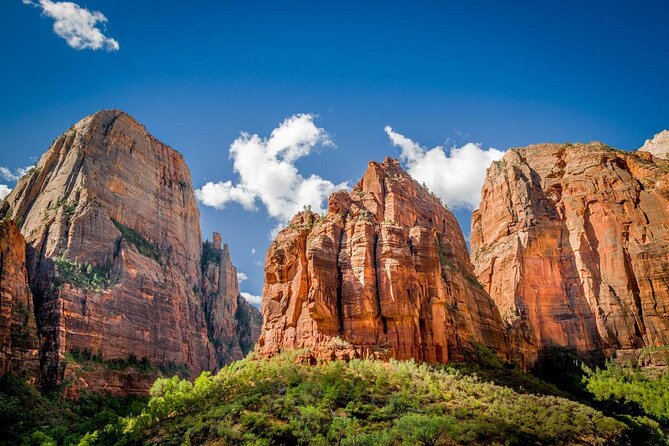
Zion is famous for its cliffs and canyon trails, but the park’s dark sky offers a second show after sunset. Away from city lights, the sky can look startlingly full. One of the most memorable sights is often the Milky Way, a band many people rarely see clearly from home.
This experience gives you more than a patch of dark sky. A guide points out what you are seeing and explains how galaxies, planets, and constellations fit together. That matters because the night sky can be beautiful but confusing. Without help, you may see thousands of stars and still have no idea where to begin.
The program begins as astronomical twilight fades. That timing lets you watch the sky change from daylight blue to a darker field of stars. The full program lasts about two hours, long enough to cover several constellations and celestial objects without making the evening feel like a lecture.
The strongest part of the experience is the blend of comfort and real equipment. You can lie back in a Yogibo with binoculars in hand, then take your turn at a telescope for a closer look. I especially like that combination because the binoculars keep you involved between telescope views.
More National Park Stargazing in the USA
- Astro-Photo, Hiking and Stargazing Tour in Arches National Park
★ 5.0 · 63 reviews - Private Stargazing – Sequoia National Park
★ 4.5 · 14 reviews - Milky Way Photography in Arches National Park
★ 4.0 · 4 reviews
The 10-minute walk to the dark-sky site
You meet at the listed location in La Verkin, Utah, at the plus code 8V7R+CJ. The activity ends back at this same meeting point. The operator does not provide transportation, so plan your own way to the starting point and expect to walk about 10 minutes to the viewing area.
The walk is described as mellow, but it is still an outdoor path at night. Wear shoes you can walk in and bring a layer even if the afternoon has been warm. Several sessions have been comfortable and easygoing, while others have faced strong wind or chilly air.
The setting is a field next to the newly dedicated International Dark Sky Park area of Zion National Park. That location is important. The experience is not just a telescope presentation indoors or in a bright resort area. You are placed where the surrounding darkness can do much of the work.
The lack of a shuttle is a minor inconvenience, but it also keeps the arrangement straightforward. You arrive at the meeting point, join the group, walk to the site, and return the same way. Directions to the exact site are supplied through the booking message center after you provide an email address, so check your messages before the activity.
Settling into a Yogibo under the stars
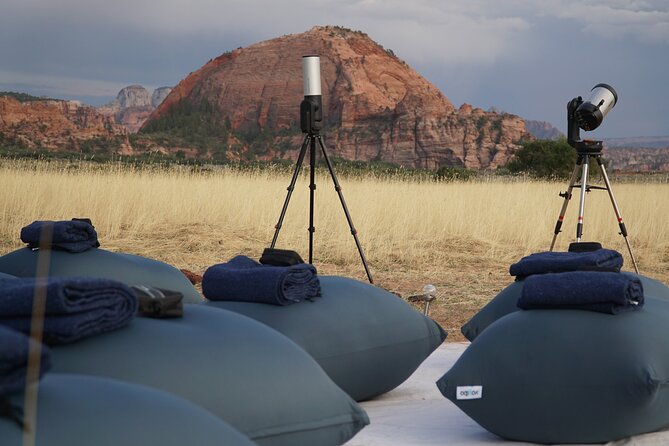
At the viewing area, each person gets a Yogibo lounger. These soft pods conform to your body and reduce pressure points, which is useful during a long period of looking upward. A normal chair can leave you bending your neck for two hours. The pod lets you recline and keep more of the sky in view.
You also receive a blanket and a pair of Celestron Outland X binoculars. The binoculars are not a replacement for the larger telescopes, but they give you something to use throughout the program. You can scan the sky, follow the guide’s directions, and get a closer look at brighter objects from your own lounger.
This setup makes the activity feel calm rather than rushed. You are not constantly moving from one viewing station to another. The guides use the open sky above you, the binoculars in your hands, and the telescopes in front of the group to build the evening in layers.
Cold weather is the one comfort issue to take seriously. A warm afternoon does not guarantee a warm night. One September session had a daytime high of 89 degrees but still felt cold after dark. Wind can make the temperature feel lower, so pack an extra layer rather than trusting the forecast from midday.
Hot chocolate, coffee, and tea are provided. They are a welcome touch, especially during a breezy session, but they should supplement warm clothing, not replace it.
What the astronomy program covers
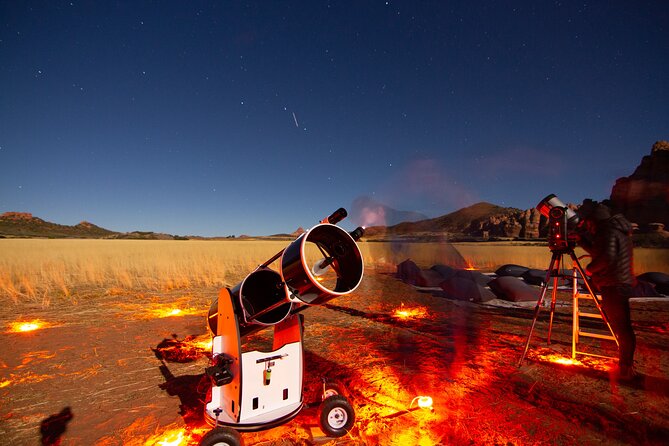
The guides begin by helping you get your bearings as darkness arrives. Laser pointers trace constellations and direct your attention to objects you might miss on your own. The explanations cover galaxies, constellations, planets, and the way astronomers interpret what they see.
The teaching style appears to be one of the experience’s strongest features. Devin has led sessions with an especially lively interest in astronomy, while Macie has been praised for storytelling. Other sessions have included Matt, Justice or Justin, Chris, Deon, and Hannah. The exact guide team can vary, but the format stays focused on clear explanations, questions, and a friendly tone.
You do not need a background in astronomy to enjoy the program. The guides explain the sky in ordinary language, then use the equipment to show you the objects they are discussing. If you already enjoy astronomy, you can use the question time to go further. A past group even stayed longer so the guides could finish answering questions.
The program is educational without needing to feel like school. You may learn why a constellation has its name, how astronomers think about planets, or how far away a galaxy appears through the telescope. The best moments come when an abstract explanation becomes a visible object in the eyepiece.
More Dark Sky Tours in the USA:
- East Zion Dark Sky Stargazing Tour
★ 4.5 · 94 reviews - Sedona Dark Sky Sunset & Night Hike With a Private Guide
★ 5.0 · 86 reviews - Small-Group River Murray Dark Sky and Sunset Tour with Dinner
★ 5.0 · 70 reviews - Dark Sky Indoor Maori Cultural Astronomy Experience
★ 4.5 · 70 reviews
Looking through the powerful telescopes
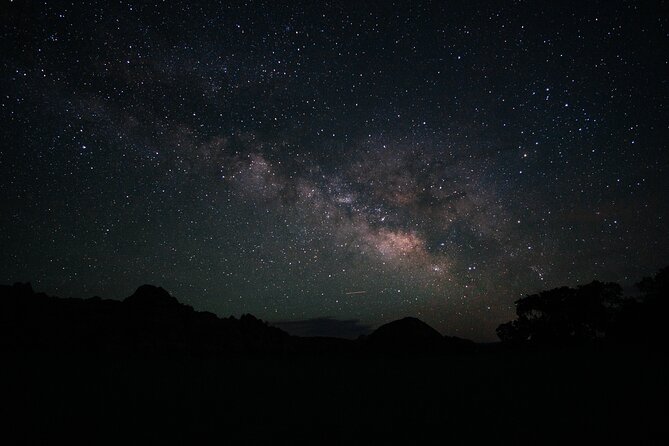
The telescopes are the centerpiece for many people. They are used for close views of celestial objects, including galaxies, nebulae, clusters, and planets. Saturn and its rings have been a memorable sight during a past session, though the exact objects available will depend on the date, season, sky conditions, and equipment setup.
This is where the group limit of 18 matters. With a larger crowd, telescope time can become a long wait. A maximum of 18 gives the guides a better chance to bring everyone through the viewing sequence and respond to questions along the way.
The view through a telescope is not always a bright, full-color photograph. Some objects appear as soft shapes or faint patches. That is normal. The guide’s explanation helps you understand what you are seeing and why a small, pale smudge can be an entire galaxy.
The night sky itself remains just as important as the equipment. A telescope gives you detail, but the unaided view shows the scale of the sky. The binoculars sit between those two experiences, offering a broader view with more reach than your eyes alone.
Photos, memories, and the human touch
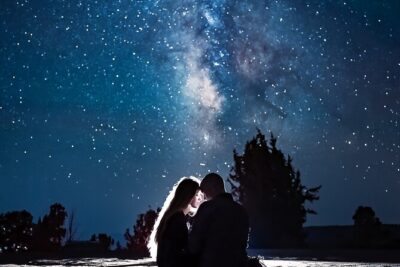
A photographer may take pictures of you with the Milky Way behind you, and the resulting images are emailed at no extra charge. Telescope photos may also be included. This is a useful extra because ordinary phone cameras usually struggle with dark skies, bright stars, and people in the same frame.
Photography is not the reason to book the activity, and the exact result will depend on conditions. Clouds, wind, and the visibility of the Milky Way all matter. Still, the photo gives you something concrete to keep after the trip, especially if you are combining this evening with several days of hiking.
The staff also help make the experience feel personal. Guides have been praised for welcoming different kinds of groups, taking questions, and adjusting when clouds appear. That flexibility is important in astronomy. The sky cannot be controlled, so a good guide needs to make the evening worthwhile even when one planned object disappears.
Clouds, wind, and the limits of outdoor astronomy
This is a weather-dependent experience. If poor weather forces a cancellation, you are offered another date or a full refund. The same applies if the minimum number of participants is not reached.
Clouds do not always ruin the evening. A flexible guide can shift attention to other parts of the sky, explain how astronomers work, or use the time for questions. Still, you should book this with realistic expectations. A cloudy night may offer a good astronomy lesson but fewer telescope views.
Wind is another concern. One particularly windy session still delivered clear skies, but the cold became part of the challenge. Bring layers, and think of comfort as part of the planning rather than an afterthought.
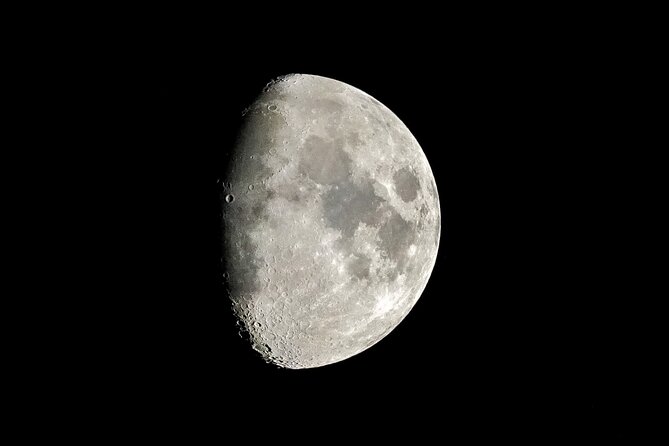
A nearly full moon can also change the feel of the evening. Moonlight may reduce the visibility of some faint stars, but it can make the moon itself a striking object to study. The sky is never exactly the same from one date to another, which is part of the appeal and part of the uncertainty.
Is $199 a fair price?
At $199 per person, this is not a cheap add-on. The value depends on how much you want guided access to serious astronomy equipment rather than simply stepping outside your accommodation and looking up.
The price includes the guides, telescopes, astro-binoculars, Yogibo loungers, blankets, hot drinks, and the roughly two-hour program. You are also paying for the location, the planning, the equipment setup, and the chance to ask questions throughout the session. The free night-sky photo adds a little more value.
I would consider it worthwhile for someone who has already scheduled Zion’s main hikes and wants a different kind of evening. It is also a strong choice if you live in a city and rarely see the Milky Way. For someone who only wants a quick look at the stars, the price may feel high.
The small group helps justify the cost. You are not simply joining a large crowd for a short talk. The guides have time to point, explain, and move people through the telescopes. The value is strongest when you take part fully, ask questions, use the binoculars, and stay engaged with the changing sky.
Who will enjoy this most
I would recommend this for couples, families, solo visitors, and friends who enjoy learning together. The relaxed pods make it a good recovery activity after a day of strenuous Zion hiking. You can spend the evening seated or reclined rather than adding another demanding trail.
It also suits people who want a clear introduction to astronomy. You do not need to know the constellations in advance. The guides provide the structure, and the equipment gives you something memorable to see.
Families should consider the two-hour length and the late-night setting. Most people can participate, but children who struggle with waiting, darkness, or cool weather may not get as much from it. The program is a better fit for anyone willing to sit quietly, listen, and look upward for a while.
Photography fans may like the Milky Way portrait, but this is not primarily a photo tour. The heart of the evening is the astronomy presentation and telescope viewing.
Booking is flexible with free cancellation up to 24 hours before the start time. Changes or cancellations inside that 24-hour window are not accepted for a refund. The experience is offered in English, and mobile tickets are available.
Should you book Stargazing Zion?
Book it if you want more than a pretty sunset and a casual look at the stars. The combination of a dark location, reclining pods, binoculars, powerful telescopes, hot drinks, and friendly astronomy instruction creates a thoughtful evening outside the usual Zion schedule.
I would skip it only if your trip is already packed with nighttime plans, if $199 feels too steep for a weather-dependent activity, or if you dislike cold outdoor settings. For everyone else, especially city residents and curious first-time stargazers, this is one of the better ways to understand what you are seeing above Zion.
FAQ
Where does the stargazing experience meet?
The listed meeting point is 8V7R+CJ, La Verkin, Utah, USA. The activity ends back at this meeting point.
How long does the activity last?
The experience lasts approximately two hours, in addition to the brief walk to the dark-sky viewing location.
How far is the walk to the viewing area?
You walk about 10 minutes from the meeting point to the dark-sky location.
Is transportation included?
No. Transportation services are not provided.
What equipment is included?
The experience includes telescopes, Celestron Outland X astro-binoculars, Yogibo loungers, blankets, and hot beverages.
Are drinks provided?
Yes. Hot chocolate, coffee, and tea are provided.
How many people can join the experience?
The maximum group size is 18 people.
Is the activity offered in English?
Yes. The experience is offered in English.
What happens if the weather is poor?
If poor weather causes a cancellation, you are offered a different date or a full refund.
Can I cancel for a full refund?
Yes. You can cancel at least 24 hours before the experience start time for a full refund. Cancellations made less than 24 hours before the start time are not refunded.
Fresh listings near the USA
- Boulder: Guided Astronomy Tour★ 4.7 · 11 reviews
- 1-Day Grand Canyon Tour from Las Vegas: Stargazing & Sunrise★ 3.6 · 3 reviews
- Milky Way Photography in Arches National Park★ 4.0 · 4 reviews
- Professional Stargazing in Moab★ 3.5 · 3 reviews
- Private Stargazing – Sequoia National Park★ 4.5 · 14 reviews
- Private Tour of Griffith Observatory★ 4.5 · 58 reviews
- Astro-Photo, Hiking and Stargazing Tour in Arches National Park★ 5.0 · 63 reviews
- Haleakala Sunset and Astronomy Tour★ 5.0 · 33 reviews
Dark Sky Tours, side by side.
Sedona Dark Sky Sunset & Night Hike With a Private Guide
Read our review →
Small-Group River Murray Dark Sky and Sunset Tour with Dinner
Read our review →
Dark Sky Indoor Maori Cultural Astronomy Experience
Read our review →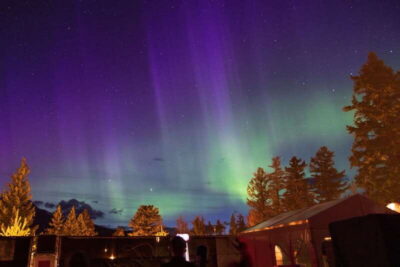
Lists this night appears in