
REVIEW · TELESCOPE STARGAZING
Jasper: Jasper Planetarium and Telescope Combo Tour Tickets
The most memorable part of this Jasper experience may be the chance to look at Saturn, star clusters, planets, and nebulae through a serious telescope in the Rockies. You begin inside the Planetarium Dome Theatre, then head outdoors to the telescope area, where the guides explain what you are seeing and answer questions.
I like the mix of First Nations sky stories and modern astronomy, and I like that you can handle real meteorites, a Moon rock, and a Mars rock. The catch is simple: Jasper weather can spoil live viewing, and the outdoor portion can feel cold, especially in winter. Clouds do not mean an empty evening, but they can make the telescope portion less impressive.
Key points to know before booking
- Two-part format: A dome presentation comes first, followed by an outdoor telescope session.
- Hands-on space exhibits: You can touch meteorites, a Moon rock, and a Mars rock.
- Cloud backup: The cloudy-weather program uses Aurora displays, space exhibits, and 4K captures from the facility’s video telescope.
- Best timing: Choose a departure after sunset for the strongest chance of seeing a dark sky.
- Weather protection: A two-year rain check lets you return for the telescope tour on a clearer night.
- Good for families and beginners: The tour welcomes all ages except children under four, with English-speaking guides and wheelchair access.
A 90-minute introduction to Jasper’s night sky
At $61 per person, this is not a quick look through a backyard telescope. You are paying for a structured 90-minute program that combines a planetarium presentation, live guiding, telescope access, and hands-on objects from space.
That package makes the price easier to justify if you want a first introduction to astronomy rather than a specialist observing session. You get context before looking upward, which matters. A bright point in the sky means more when you understand whether you are seeing a planet, a star cluster, or something much farther away.
The tour is also useful for a mixed group. One person may come for the Northern Lights, another for planets, and someone else simply wants to see what a large telescope can do. The program gives each of you a reason to pay attention.
Still, your value depends heavily on the sky. A clear night can bring views of planets, nebulae, and star clusters. A cloudy night shifts the experience toward explanation and recorded images. Since the provider does not refund for clouds, you should book this as a weather-dependent astronomy program, not as a guaranteed stargazing show.
More Planetarium Visits in the world:
- Miami: Frost Museum of Science and Planetarium Entry Ticket
★ 4.5 · 429 reviews - Planetarium and Telescope Combo Tour
★ 4.0 · 144 reviews - Houston Museum of Natural Sciences: Planetarium Ticket
★ 4.5 · 139 reviews
Starting inside the Planetarium Dome Theatre
Check in 15 minutes before departure at the Planetarium Retail Desk inside the Main Lodge at Jasper Park Lodge. Enter through the doors opposite the P1 parking lot, marked Shops and Spa. The desk is near the front of the lobby, in the southwest corner, directly across from the Emerald Lounge.
Late arrival is a real concern. You will not be admitted once the tour has started because it interrupts the program, and you may be moved to the next available departure. That could mean another day, so allow time to find the lodge, park, and walk to the desk.
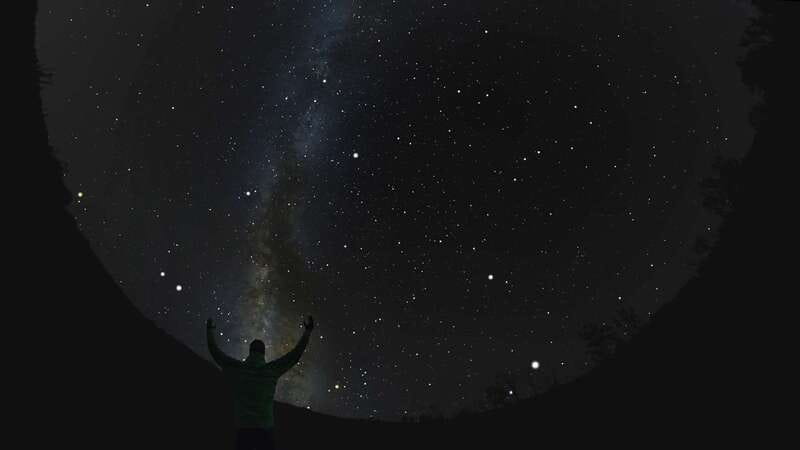
The first section takes place under the planetarium dome. You will travel from local First Nations constellations to the Milky Way and then outward toward the edge of the known universe. This gives the evening a useful sense of scale, beginning with the sky as people in the region have understood it and moving toward modern scientific ideas.
The planetarium is also the safer part of the experience if the weather turns bad. You are indoors, warm, and able to follow a planned presentation rather than waiting for a break in the clouds.
One point to watch is sound. Music accompanies the dome show, and it can sometimes make the speaker difficult to hear. If the narration is important to you, sit where you have a clear view of the presenter or ask a guide for help before the show begins.
Some people find the dome presentation the strongest section of the tour. It is organized, visual, and easier to follow than a cold telescope platform under a cloudy sky. If you have limited astronomy background, this opening makes the later telescope session much easier to understand.
From First Nations constellations to the Milky Way
The planetarium portion is more than a list of star names. It places the sky in a cultural and scientific setting, which is especially useful in a place as dark and remote as Jasper.
The inclusion of local First Nations constellations gives the show a regional connection. You are not simply watching a generic space presentation that could take place anywhere. The Rockies and the sky above them become part of the subject.
From there, the show moves through the Milky Way and toward the edge of the universe. That broad sweep helps you understand why the telescope session may focus on only one or two objects. Astronomy is not just about seeing more stars. It is about knowing what those points of light represent and how far away they are.
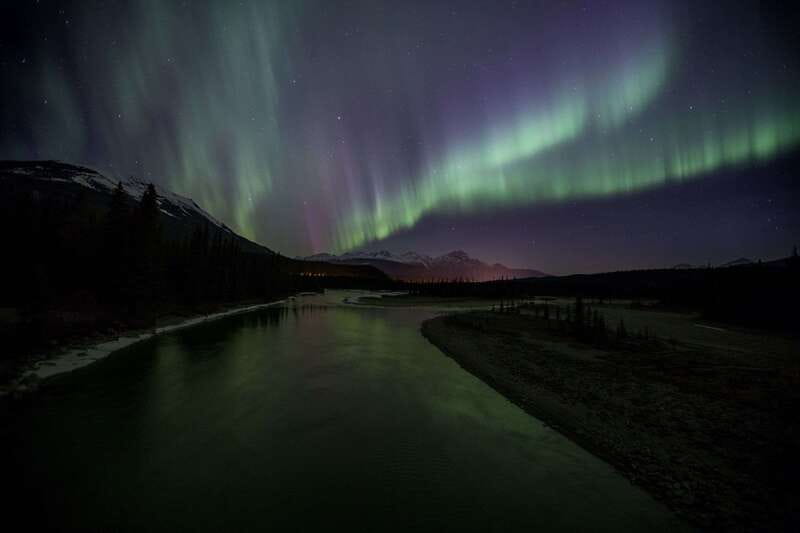
The planetarium also introduces the Aurora Borealis. The guides explain the science behind the Northern Lights and discuss how to photograph auroras. This is valuable even if no aurora appears during your visit, since the advice can help you plan future nights in Jasper.
Do not expect a dedicated aurora chase. This is an astronomy and telescope program, not a transportation-based Northern Lights hunt. The aurora material is part of the educational content, along with the sky show and telescope work.
Handling rocks that came from space
The hands-on objects are among the most unusual features of the evening. You can touch real meteorites, plus a Moon rock and a Mars rock.
That short encounter gives the subject a physical anchor. Most astronomy is viewed from a distance. Here, you can place your hand on material connected to the Moon, Mars, or a meteorite fall, then look up at the objects discussed in the presentation.
The meteorites are especially useful for children and for anyone who finds abstract space science hard to picture. A real rock from beyond Earth makes the subject immediate. It also gives the cloudy-weather program something worthwhile to offer instead of simply canceling the outdoor portion.
The material is presented in two outdoor pavilions when the sky is too cloudy. You learn about the science of auroras, handle the space rocks, and then may see screen captures of deep-space objects recorded by the facility’s own video telescope.
That program cannot fully replace a live view through an optical telescope. It does, however, mean that a cloudy evening still has a clear structure and a few memorable elements.
More Telescope Stargazing in the world:
- Teide by Night: Sunset & Stargazing with Telescopes Experience
★ 4.5 · 1,492 reviews - Uluru: National Park Astronomy Tour with Telescope and Photo
★ 4.4 · 357 reviews - Teide National Park: Guided Large Telescope Stargazing Tour
★ 4.9 · 319 reviews - Levi: Northern Lights Tour and Stargazing by Telescope
★ 4.6 · 183 reviews
The outdoor telescope session
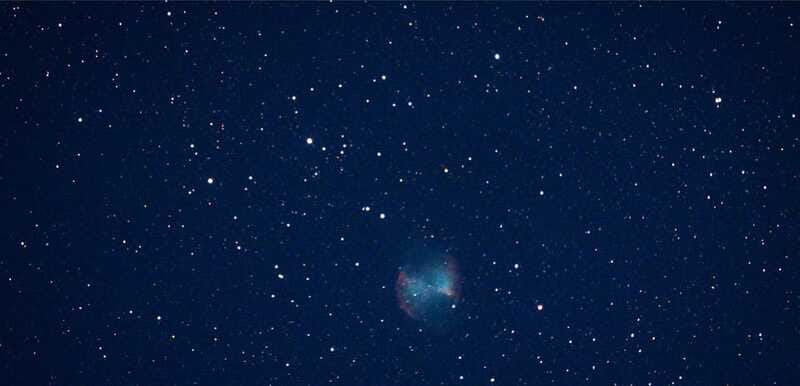
After leaving the planetarium, you head outside for a guided look at the telescopes. The facility presents these as the largest and most powerful telescopes in the Rockies, and as North America’s most powerful telescope experience.
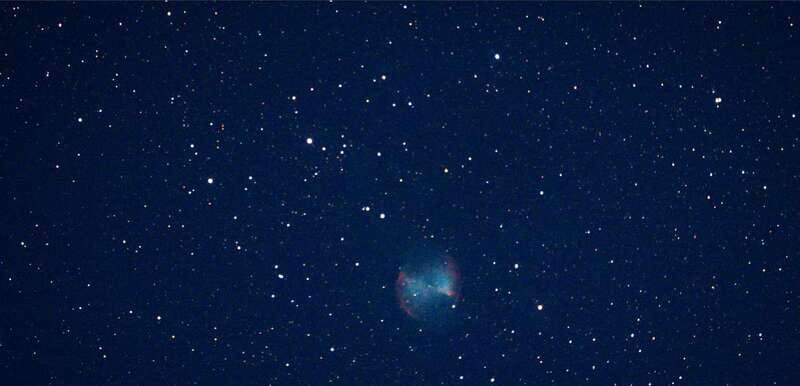
The exact quality of this section depends on weather, darkness, and the objects available that night. On a clear evening, you may look through optical telescopes at planets, nebulae, star clusters, and other deep-space objects.
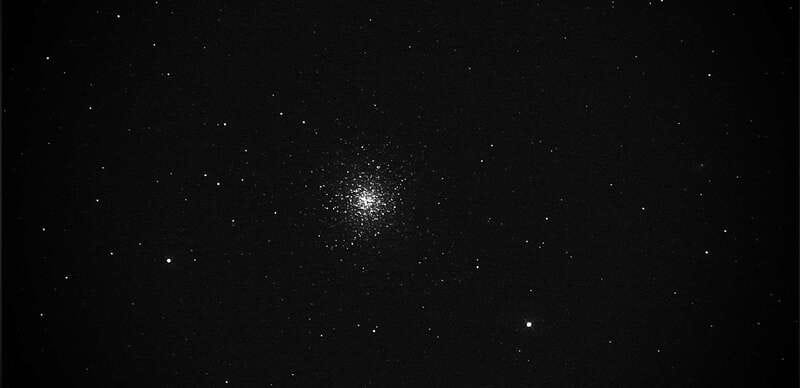
Some of the strongest experiences reported from the program include views of Saturn and star clusters. Seeing Saturn through a large telescope can be a powerful first astronomy experience, but it is important to keep expectations sensible. Telescope viewing is not like watching a large, colorful space photograph fill a screen. The object may appear small, dim, or fleeting.
That is part of the appeal. You are looking through an optical instrument at light that has crossed space, rather than only seeing a polished image. The guides help you understand what you are seeing and why the view may change from one night to the next.
The live viewing is interactive, with time for questions. The guides explain the equipment, identify objects, and respond to questions from the group. Their energy and clear explanations are a major part of the experience, particularly when the sky itself is uncooperative.
If you visit during poor weather, the guides may use 4K instant replays from earlier live views. These screen captures show what the facility has seen through its video telescope. You lose the thrill of seeing the object at that exact moment, but you gain a sharper and more reliable view than the clouds might allow.
Cloud, rain, and winter cold
Jasper weather can change quickly. A clear forecast is helpful, but it is not a promise. Clouds may limit the number of stars, prevent a view of Jupiter, or turn the telescope session into a guided explanation with recorded images.
The tour does not offer refunds simply because the sky is cloudy. That policy is softened by a two-year rain check for the telescope tour. If the conditions block the live views, you can return and attend the telescope portion again on a clearer night at no additional charge.
The rain check is useful only if you expect to return to Jasper or can plan another visit within two years. If this is a one-night stop before leaving Alberta, treat the backup as a pleasant option rather than guaranteed compensation.
Cold is another practical issue. The telescope portion takes place outside, and winter visitors may need thermal layers. Even a mild evening can feel colder when you are standing still and waiting for your turn at an eyepiece.
Wear weather-ready clothing, not just the outfit that feels comfortable inside the lodge. A warm jacket, proper layers, and sensible footwear will make a real difference. You may also spend time moving between the pavilions and telescope area, so comfort matters more than looking dressed for dinner.
Choosing the right start time
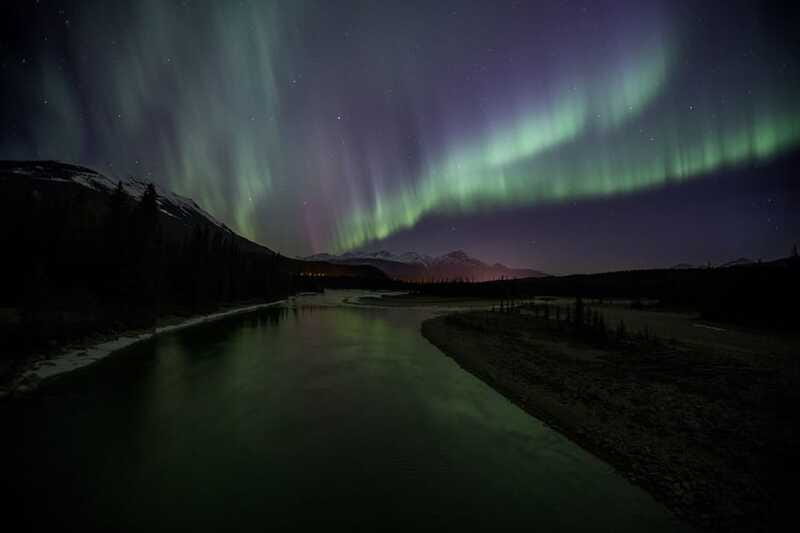
When booking, check the sunset time in Jasper for your date. A start after sunset generally gives you a better chance of seeing nighttime objects.
This advice matters most during late spring and early summer, when evening darkness arrives slowly. A tour scheduled too early may still offer a full planetarium program, but the outdoor sky may not be dark enough for the best telescope views.
In autumn and winter, darkness arrives earlier, which gives you more flexibility. The tradeoff is colder weather, so bring more clothing than you think you need.
The 90-minute length is long enough to feel substantial without taking over the whole evening. You can fit dinner before or after, but food and drinks are not included. Plan accordingly, especially if you are visiting with children.
Who will get the most from this experience
I would recommend this tour to first-time stargazers, families with children over four, couples looking for an evening activity, and anyone curious about the Northern Lights or space science.
It suits you particularly well if you enjoy having a guide explain what you are seeing. You do not need to know constellations beforehand, and the question period gives beginners a chance to ask basic questions without feeling out of place.
It is also a good choice for a mixed-age group because the experience changes pace. The dome show is visual, the rock displays are hands-on, and the outdoor section adds a real-world element. Children under four cannot enter the Planetarium Dome Theatre, so families with toddlers should make other plans.
This is less suitable if you want a private observing session, a guaranteed view of a particular planet, or an all-night astronomy event. The schedule is fixed, the telescope time is shared, and weather can change the result.
The program is wheelchair accessible. Smoking, vaping, alcohol, drugs, and intoxication are not allowed. Flash photography, photography inside, and audio recording are also prohibited, so plan to experience the show without trying to document every moment.
Parking, cancellation, and practical value
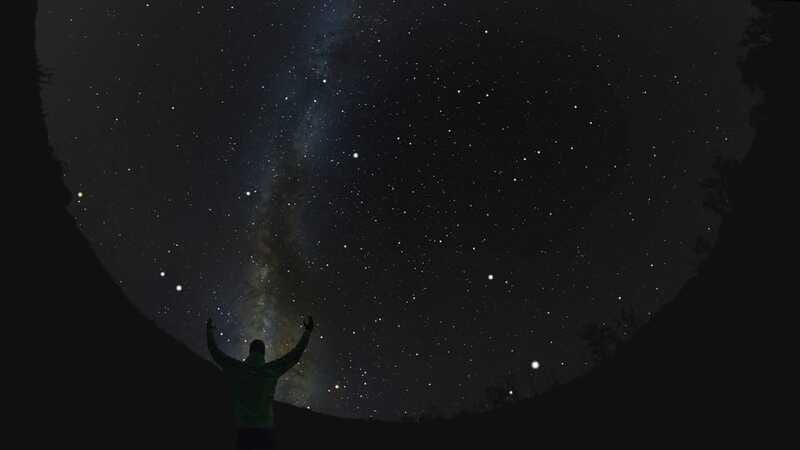
Free parking is available in the Jasper Park Lodge lots P2, P3, and P4. P2 is closest to the Planetarium. Even with free parking, I would arrive early because you must check in 15 minutes before the departure time.
The tour is conducted in English. You can cancel up to 24 hours before the scheduled time for a full refund. Within 24 hours, a refund is not available, but you may change to another time. The weather policy is separate: cloudy skies do not trigger a refund, though the two-year telescope rain check may help.
At $61, the experience offers fair value if you use both halves of the program. The price is harder to justify if you mainly want a quick telescope look and already know the basics of astronomy.
I would think of the ticket as payment for the guides, the dome production, the telescope equipment, the indoor backup program, and the chance to handle rare space rocks. That is a reasonable bundle for a short evening, especially in a place where clear skies can turn an ordinary holiday night into a memorable one.
Should you book the Jasper Planetarium combo?
Book it if you want an accessible introduction to astronomy with real guides, a planetarium show, and a chance to see space through large telescopes. The combination of First Nations constellations, Aurora Borealis science, meteorites, Moon and Mars rocks, and live telescope work gives the evening more range than a simple stargazing stop.
Book with realistic expectations. Clouds may block Jupiter or reduce the telescope portion to recorded 4K views and indoor exhibits. Choose a time after sunset, arrive early, dress for the weather, and use the rain check if you can return to Jasper.
If your schedule allows only one night in town and your main goal is a specific planet, the weather risk may be too high. If you want a friendly, structured space experience that still has something to offer when the sky turns gray, this is a sensible choice.
FAQ
How long does the Jasper Planetarium and Telescope Combo Tour last?
The experience lasts 90 minutes, or one and a half hours.
What does the tour include?
It includes admission to the Planetarium and Telescope Combo Tour, access to optical telescopes, free parking, and questions with the tour guides.
Where do I check in?
Check in at the Planetarium Retail Desk inside the Main Lodge at Jasper Park Lodge. The desk is in the southwest corner of the lobby, across from the Emerald Lounge. You must arrive 15 minutes before departure.
Can children join the tour?
The tour is open to all ages except children under four. Children under four are not permitted in the Planetarium Dome Theatre. Unaccompanied minors are not allowed.
What happens if it is cloudy?
The cloudy-weather program includes two pavilions with information about auroras, access to real Moon and Mars rocks, and screen captures of deep-space objects taken with the facility’s video telescope. The telescope tour also includes a two-year rain check for a clearer day.
What should I wear?
Wear clothing suited to the weather. Thermal layers may be needed during winter because part of the experience takes place outdoors.
Can I cancel my booking?
You can cancel up to 24 hours before the tour for a full refund. Within 24 hours, you will not receive a refund, but you may change your booking to another available time.
Fresh listings near the world
- Cabo de Gata: Guided Night Walk with Stargazing★ 4.7 · 36 reviews
- Brisbane: Glow Worms, Sunset, Star Gazing & BBQ★ 4.4 · 26 reviews
- Cabo de Gata: Stargazing Experience★ 4.5 · 7 reviews
- Antofagasta: Astronomical Tour with a Guide★ 3.7 · 4 reviews
- Boulder: Guided Astronomy Tour★ 4.7 · 11 reviews
- 1-Day Grand Canyon Tour from Las Vegas: Stargazing & Sunrise★ 3.6 · 3 reviews
- Astronomical Tour: San Pedro de Atacama – Chile★ 4.5 · 3 reviews
- Perth: Pinnacles Stargazing, Sandboarding & Beach Kangaroos★ 5.0 · 3 reviews
Telescope Stargazing, side by side.
Teide by Night: Sunset & Stargazing with Telescopes Experience
Read our review →
National Park Astronomy Tour with Telescope and Photo
Read our review →
Teide National Park: Guided Large Telescope Stargazing Tour
Read our review →
Northern Lights Tour and Stargazing by Telescope
Read our review →
Cavalleria: Guided Stargazing at the Beach with Telescope
Read our review →
Magic Stargazing & Sunset in Teide with Dinner + Telescopes
Read our review →
Akaroa: Stargazing Tour with 2 Telescopes & Souvenir Photos
Read our review →Lists this night appears in