
REVIEW · TELESCOPE STARGAZING
Planetarium and Telescope Combo Tour
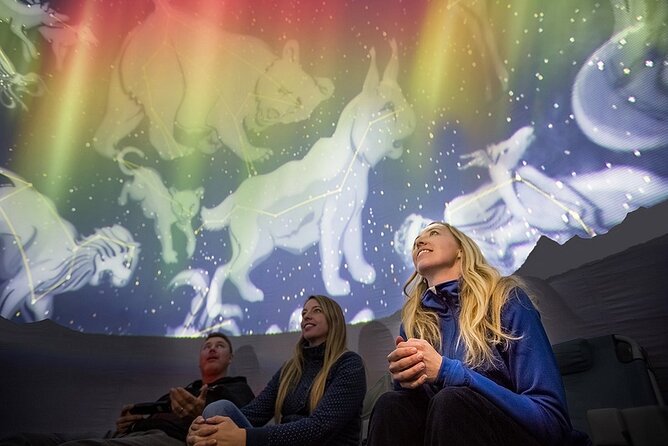
Jasper’s planetarium and telescope combo makes the night sky easier to understand before you step outside to see it. Inside, you’ll travel from Indigenous constellations and Rocky Mountain glaciers to the edge of the universe. Outside, guides explain the Aurora Borealis, point powerful telescopes toward the sky, and pass around Moon and Mars rocks.
I like the mix of science and real sky watching, especially the chance to see Saturn and its rings when conditions cooperate. I also like the practical Aurora photography advice and the fact that parking and a two-year rain check are included. The catch is simple: this is a weather-dependent outing, and some evenings offer videos instead of live telescope views.
Key points to know before booking
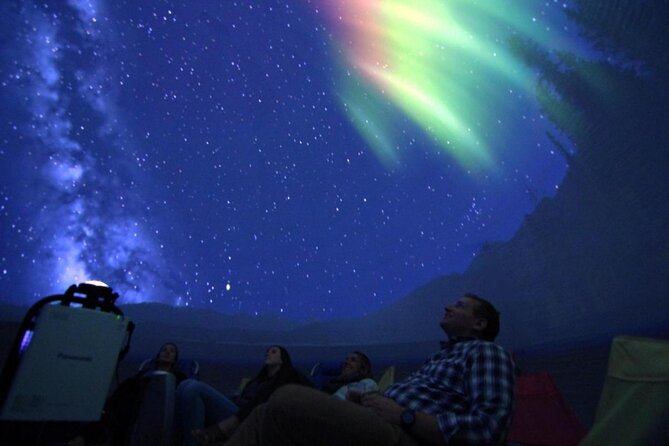
- The indoor show lasts about 35 minutes inside a 38-seat dome theatre at Fairmont Jasper Park Lodge.
- The outdoor portion lasts about 45 minutes, with telescope viewing when skies are clear.
- Aurora sightings are never guaranteed, even in Jasper’s Dark Sky Preserve.
- Cloudy nights bring a two-year rain check, but that may have little value if you are visiting only once.
- Guides add real personality, with presenters such as Tyler, Emma, Kaitlyn, Connor, Luke, Georgia, Ollie, and Alley praised for clear explanations and enthusiasm.
- You may stand outside for long periods, so wear warm layers, gloves, and sturdy shoes.
The indoor sky show at Fairmont Jasper Park Lodge
Your evening begins at the Main Lodge of Fairmont Jasper Park Lodge, at 1 Old Lodge Road. The meeting point is convenient if you are already staying at the resort, and free parking is included if you are driving.
The indoor presentation takes place in a small dome theatre with 38 seats. The stated format is a climate-controlled planetarium, not a giant city museum auditorium. That matters. You should expect a compact, focused show rather than the scale of a major observatory.
The program moves through several subjects. You’ll learn about Indigenous constellations and stories, the Aurora Borealis above the Rocky Mountains, glaciers seen from space, planets, stars, and the outer edge of the universe. The guide then brings you back to Earth and answers questions.
I like this structure because it gives you some context before the telescope session. Instead of staring at bright points without knowing what you are seeing, you get a basic map of the sky and a sense of the science behind it.
The presentation can also work well for children and first-time stargazers. It is educational without requiring a background in astronomy. Still, some adults may find parts of it aimed at younger viewers. One recent experience described the show as fairly technical, while another found it too child-focused. Your reaction may depend on the presenter and your own interest in astronomy.
One point needs careful attention. The experience is described as a dome theatre, but some visitors encountered a pop-up tent with a projector and expected a permanent building. The setup may vary, so if the physical venue matters to you, confirm the current arrangement with the provider before paying. The content can still be useful, but your expectations should match the scale of the show.
More Planetarium Visits in the world:
- Miami: Frost Museum of Science and Planetarium Entry Ticket
★ 4.5 · 429 reviews - Houston Museum of Natural Sciences: Planetarium Ticket
★ 4.5 · 139 reviews - Jasper: Jasper Planetarium and Telescope Combo Tour Tickets
★ 3.8 · 118 reviews
Indigenous sky stories and Aurora science
The strongest part of the indoor session is its range. You are not getting only a list of planets and star names. The presentation also connects the night sky with First Nations information and stories, then explains the science behind the Northern Lights.
That combination gives the evening more depth. You hear how people have interpreted the sky, then learn what causes the Aurora and why it appears in shifting colors and shapes. You also see how Jasper’s location and dark skies help with night-sky viewing.
The Aurora section is especially useful if you hope to photograph the lights. Guides explain basic photography tips, which can help you prepare your camera or phone before heading outside. The tour does not promise an Aurora display, and you should not book it as a guaranteed Northern Lights excursion. It is better understood as an astronomy program that may include an excellent natural show.
Several visitors had exceptional Aurora sightings, while others saw little because of clouds or timing. Even on a clear night, solar activity and visibility can change. If seeing the lights is your main goal, give yourself several nights in Jasper rather than placing all your hopes on this one 90-minute session.
The outdoor telescope session lasts 45 minutes
After the dome presentation, you go outside for the telescope portion. This is where the weather matters most.
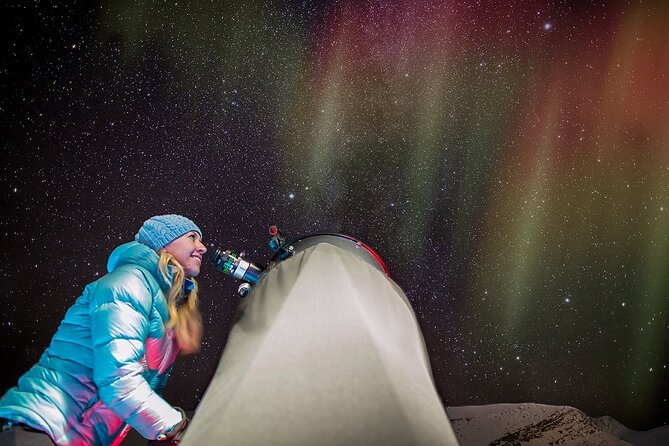
On a clear evening, guides offer views through some of the most powerful telescopes in the Rocky Mountains. The exact objects depend on the sky and timing, but the experience can include planets, stars, and other distant objects. Seeing Saturn and its rings was a particular highlight for one family, and that kind of sight is far more memorable than a standard slideshow.
The outdoor session also includes discussion of the Aurora, advice on photographing it, and the chance to handle a Moon rock and a Mars rock. Those samples give the program a hands-on touch. You are not just looking upward. You are also connecting the discussion to physical pieces of the solar system.
If clouds block the sky, the guides show 4K replays captured on clearer nights. This keeps the session from becoming completely empty, but it is not the same as looking through a telescope yourself. The distinction matters if you are paying mainly for live stargazing.
The outdoor setup can feel less orderly than the indoor portion. In complete darkness, several groups may gather around the telescopes, and you may be asked to follow a guide from one viewing point to another. Keep close to your group and listen carefully for instructions. A small flashlight could help you move around, but use it sparingly so you do not spoil other people’s night vision.
Jasper’s dark skies are the real attraction
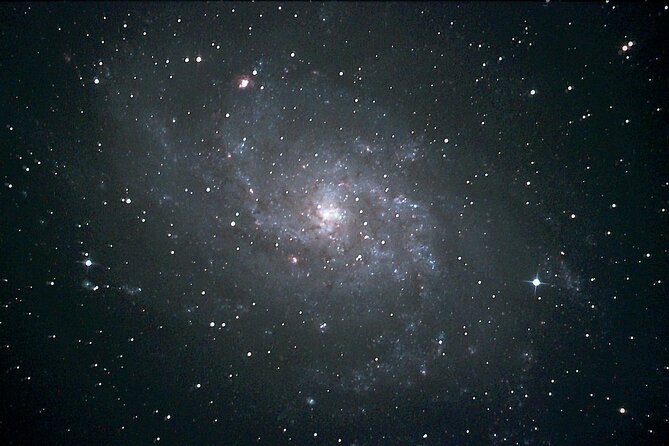
Jasper is promoted as the world’s largest accessible Dark Sky Preserve, and this setting gives the activity its purpose. You are not simply watching a generic planetarium program in a city. You are learning about the stars in a mountain park where darkness is part of the appeal.
That does not mean every night will be perfect. Clouds, smoke, moonlight, haze, and changing conditions can affect what you see. One session took place during wildfire conditions, when smoke and evacuation issues made the outing unsuitable. Check local conditions and any park or town advisories before setting out.
The location at Fairmont Jasper Park Lodge is practical, but it can also create some light interference. A few visitors found that resort lighting made telescope viewing harder. On other nights, the same setting offered a clear view of the Aurora.
I would treat the Jasper location as a strong advantage, not a guarantee. The dark skies give the tour a good chance, but nature still controls the result.
More Telescope Stargazing in the world:
- Teide by Night: Sunset & Stargazing with Telescopes Experience
★ 4.5 · 1,492 reviews - Uluru: National Park Astronomy Tour with Telescope and Photo
★ 4.4 · 357 reviews - Teide National Park: Guided Large Telescope Stargazing Tour
★ 4.9 · 319 reviews - Levi: Northern Lights Tour and Stargazing by Telescope
★ 4.6 · 183 reviews
What the guides add to the evening
The guide makes a major difference here. The most praised presenters have been warm, clear, and genuinely excited by astronomy. Names attached to especially well-received sessions include Tyler, Emma, and Kaitlyn, while Connor, Luke, Georgia, Ollie, and Alley were also singled out for friendly, energetic work.
Kaitlyn was praised for a strong narration voice and an ability to keep the audience engaged. Tyler and Emma were described as personable and professional. Other sessions featured student guides who were friendly and well prepared.
The tone is usually accessible. You can ask questions after the indoor descent back to Earth, and the Q&A is included. If you are curious about the Aurora, planets, constellations, or telescope equipment, use that time. The evening is much better when you take part rather than sit back silently.
The quality may not be identical at every start time. This is a small operation with several evening sessions, and different guides bring different styles. That helps explain why one person may find the program technical and another may find it aimed at children.
Timing, cold weather, and physical demands
The total duration is about 1 hour and 30 minutes: roughly 35 minutes indoors and 45 minutes outside. Several evening start times are available, which helps you fit the activity around dinner or another Jasper outing.
Pay close attention to your confirmation time. One family arrived after being delayed by elk and highway traffic, then faced confusion about the scheduled start. The meeting instructions were not clear to them, and they were directed away from a session that had already begun. I would arrive at least 15 minutes early and go directly to the planetarium check-in point rather than relying on general lodge staff to direct you.
Bring your warmest clothing. Even on a mild summer evening, standing still beside a telescope can feel cold. Wear gloves, a hat, and layers you can adjust. You may be outside for much of the second half, and seating is not guaranteed.
The activity is not recommended for people who cannot stand for long periods. Most people can take part, and service animals are allowed, but the outdoor portion is not designed as a seated program. Anyone needing regular rest should ask the provider about current seating arrangements before booking.
Is the 68.61 dollar price good value?
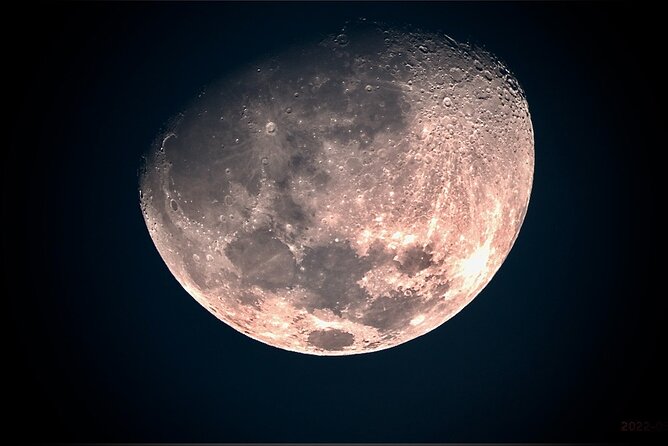
At $68.61 per person, the tour is not a bargain attraction. The price covers both the indoor dome presentation and outdoor telescope session, plus parking, the Q&A, and the rain-check option.
I think the value depends on what you want. If you enjoy astronomy, appreciate clear explanations, and have a good chance of getting a clear night, the package can feel worthwhile. The chance to see Saturn, use mountain telescopes, handle Mars and Moon rocks, and learn Aurora photography gives the evening more substance than a basic planetarium film.
For a family, the price can add up quickly. One family paid $279 for four people and felt the setup did not match expectations, especially after finding a tent rather than a permanent planetarium. If you are booking for several people, decide how much live telescope viewing matters before you commit.
The rain check improves the deal for people living nearby or returning to Jasper. It is less useful for a once-in-a-lifetime holiday. You may not come back within two years, and a second visit could be cloudy as well. Ask about the current weather policy if skies look poor before your start time. The stated cancellation terms allow a full refund when you cancel at least 24 hours ahead, and if the provider cancels for poor weather, you are offered another date or a full refund.
Who will enjoy this Jasper activity most?
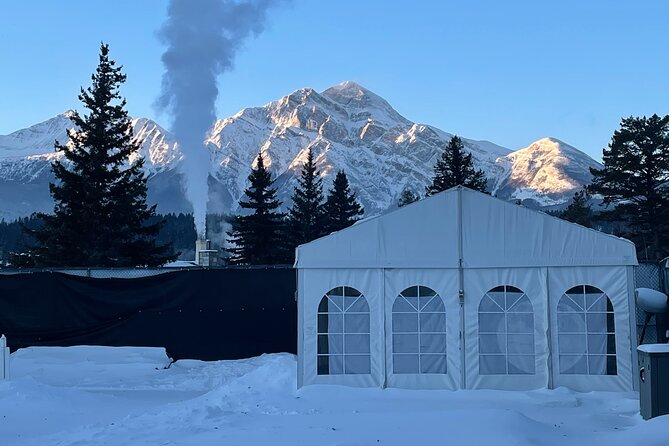
I would recommend it to first-time stargazers, families with older children, couples looking for a calm evening activity, and anyone curious about the science behind the Northern Lights. You do not need to know the constellations in advance.
It is also a good choice when you want an educational activity close to your accommodation. The lodge setting means you do not need to organize a separate night drive, and free parking keeps the logistics simple.
I would be more cautious if your only goal is to see the Aurora. No guide can control cloud cover or solar activity. I would also hesitate if you dislike standing outside in the cold, expect a large museum-quality planetarium, or cannot return to Jasper if the weather cancels the live viewing.
Book an evening when you have flexibility. If the sky clears, you may see a planet through the telescope and perhaps the Aurora over the mountains. If clouds arrive, you will still receive the indoor presentation and recorded telescope views, but the central thrill becomes a lesson rather than a live sky show.
Should you book the Planetarium and Telescope Combo Tour?
Book it if you want a friendly introduction to astronomy with a real chance of live telescope viewing. The guides are often the best part, and the combination of Indigenous sky stories, Aurora science, hands-on meteorites, and mountain stargazing gives the evening a useful range.
Skip it if you need a guaranteed Northern Lights sighting or a full refund whenever clouds block the telescopes. Before booking, confirm the current planetarium setup, check the forecast, and wear more clothing than you think you need. With realistic expectations, this can be a memorable Jasper night. Without them, the price may feel high for a small indoor presentation and replayed sky footage.
FAQ
Where does the tour start?
The tour starts at 1 Old Lodge Road, Jasper, Alberta T0E 0A8, at the Main Lodge of Fairmont Jasper Park Lodge.
Where does the tour end?
The activity ends back at the meeting point at Fairmont Jasper Park Lodge.
How long does the combo tour last?
The full experience lasts approximately 1 hour and 30 minutes. The indoor planetarium portion takes about 35 minutes, followed by about 45 minutes outside with the telescopes.
Is parking included?
Yes. Free parking is included with the experience.
Is the tour offered in English?
Yes. The tour is offered in English.
Can I see the Northern Lights?
You might see the Aurora Borealis, but sightings are not guaranteed. Cloud cover and other weather conditions can prevent live viewing.
What happens if it is cloudy?
On cloudy nights, the guides may show 4K replays recorded during clear conditions. A two-year rain check is also included.
Can I cancel for a full refund?
You can cancel for a full refund if you cancel at least 24 hours before the scheduled start time. Cancellations within 24 hours are not refunded.
Is the tour suitable for people who cannot stand for long periods?
The activity is not recommended for people who cannot stand for long periods, especially during the outdoor telescope portion.
How many people can join the tour?
The maximum group size is 34 people.
Fresh listings near the world
- Cabo de Gata: Guided Night Walk with Stargazing★ 4.7 · 36 reviews
- Brisbane: Glow Worms, Sunset, Star Gazing & BBQ★ 4.4 · 26 reviews
- Cabo de Gata: Stargazing Experience★ 4.5 · 7 reviews
- Antofagasta: Astronomical Tour with a Guide★ 3.7 · 4 reviews
- Boulder: Guided Astronomy Tour★ 4.7 · 11 reviews
- 1-Day Grand Canyon Tour from Las Vegas: Stargazing & Sunrise★ 3.6 · 3 reviews
- Astronomical Tour: San Pedro de Atacama – Chile★ 4.5 · 3 reviews
- Perth: Pinnacles Stargazing, Sandboarding & Beach Kangaroos★ 5.0 · 3 reviews
Telescope Stargazing, side by side.
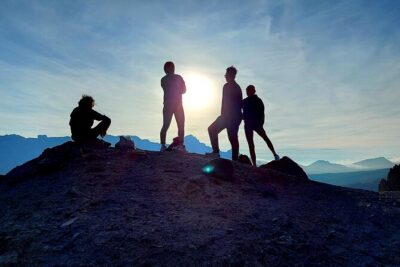
Teide by Night: Sunset & Stargazing with Telescopes Experience
Read our review →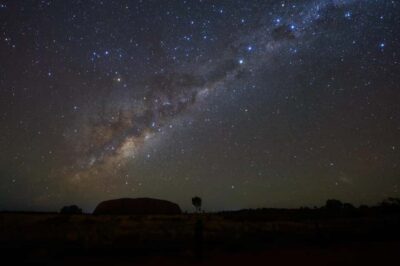
National Park Astronomy Tour with Telescope and Photo
Read our review →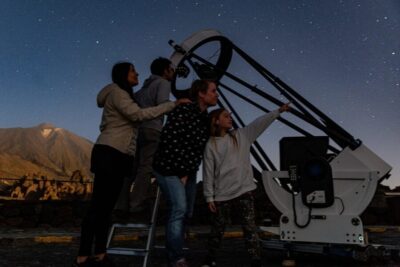
Teide National Park: Guided Large Telescope Stargazing Tour
Read our review →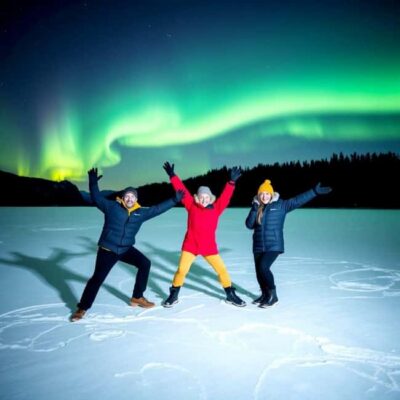
Northern Lights Tour and Stargazing by Telescope
Read our review →
Jasper Planetarium and Telescope Combo Tour Tickets
Read our review →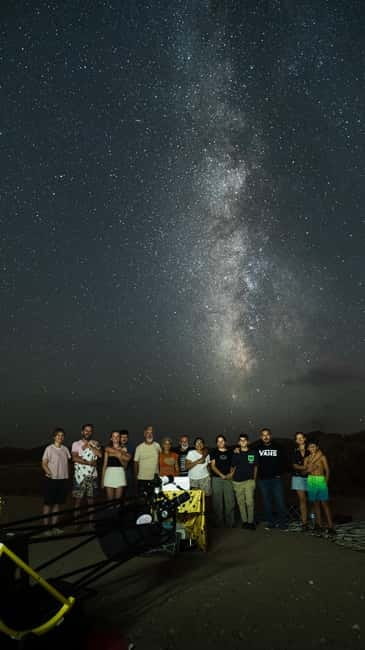
Cavalleria: Guided Stargazing at the Beach with Telescope
Read our review →
Magic Stargazing & Sunset in Teide with Dinner + Telescopes
Read our review →
Akaroa: Stargazing Tour with 2 Telescopes & Souvenir Photos
Read our review →Lists this night appears in