
REVIEW · OBSERVATORY VISITS
Tenerife: Mount Teide Observatory Guided Tour
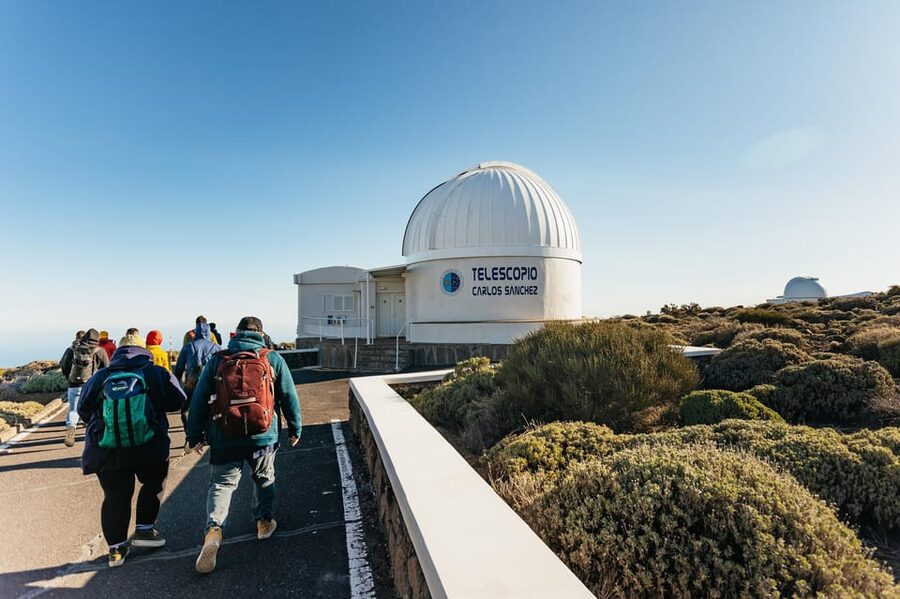
The most surprising part of Mount Teide Observatory is that the daytime tour focuses on the sun. At 2,400 meters above sea level, you can safely view sunspots and solar flares through two specialist solar telescopes, then step inside the world of night astronomy at one of the observatory’s professional telescopes.
I like the mix of hands-on viewing and plain-speaking science. I also like the setting: volcanic ground, huge island views, and a working research facility rather than a museum display. The main drawback is that the tour is partly outdoors, and the high-altitude sun, wind, cold, and gravel paths can make it tiring.
Key points
- See the sun safely: Use two solar telescopes, one set up to show sunspots and another for solar flares.
- Visit a working observatory: Learn how large night telescopes operate and what astronomers study there.
- Expect a 1.5-hour tour: The visit includes an introduction, a short sky video, guided explanations, and telescope viewing.
- Prepare for altitude: The observatory sits at about 2,400 meters, where the air is thinner and the sun is strong.
- Bring practical gear: Warm clothing, sunglasses, sunscreen, and comfortable clothes matter here.
- Pay about $25: For a live, small-scale science experience with direct telescope access, the price is fair.
Why the daytime observatory tour is worth your time
Mount Teide is best known for its volcano, cable car, and clear night skies. The observatory adds another layer to the visit. Instead of simply looking at the mountain, you get to see how scientists use it to study the sky.
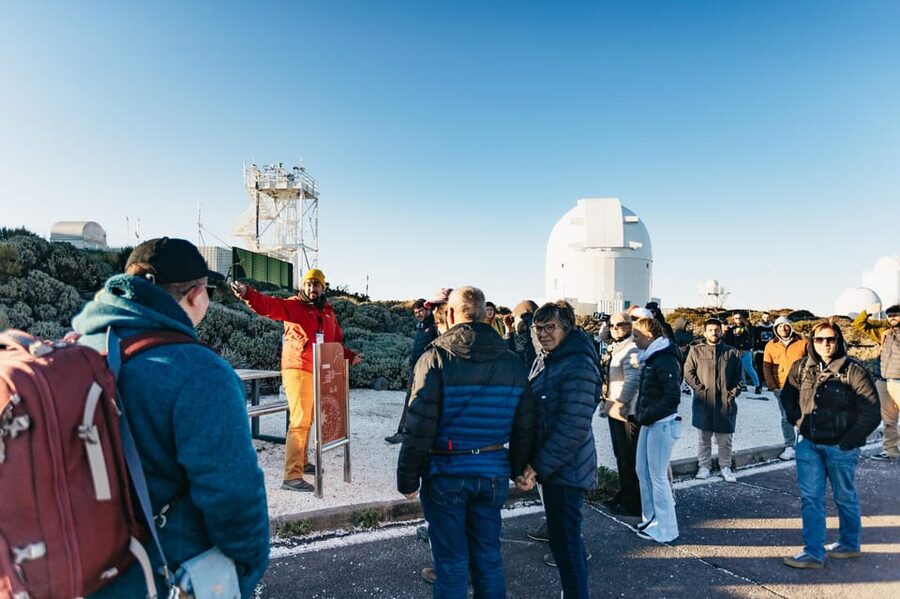
This is not a tour where you only peer through a telescope for a few seconds and leave. The guide explains the observatory’s role, the history of the facility, the special conditions in the Canary Islands, and the difference between solar and night observation. The science is technical, but the presentation uses explanations and visual material aimed at ordinary visitors, not trained astronomers.
I especially like the fact that the tour connects the equipment to actual research. A giant telescope can look impressive, but it means more when you understand what it measures and why the observatory is placed high on Teide. The tour gives you that context without requiring an astronomy background.
The experience has earned a rating of 4.6 from 818 bookings, and the praise is remarkably consistent about the guides. Guides have included Raquel, Jesus, Rachel, Steffi, and others, with English, Spanish, German, and French tours available. The strongest part of the experience is usually the guide’s ability to make astrophysics understandable, answer questions, and keep the group interested.
More Observatory Visits in Tenerife:
- Tenerife: Mount Teide Observatory Astronomical Tour
★ 4.4 · 126 reviews - Royal Observatory Greenwich & Prime Meridian Entrance Ticket
★ 4.5 · 1,095 reviews - Griffith Observatory Hike: Guided Tour through Griffith Park
★ 5.0 · 1,020 reviews
Starting with the Canary Islands sky
The visit begins with an introduction to the different areas of the observatory. You learn what the buildings and instruments do before walking around the site. This opening is useful because it gives you a map of the facility and explains why the mountain is suited to astronomy.
A short video follows, covering the Canary Islands’ sky and the way telescopes work at night. This portion helps you understand what happens after sunset, when the observatory changes from a place of solar observation into a center for studying distant objects.
The video and introductory talk are important for visitors who are new to astronomy. Without them, a large telescope can be little more than an enormous piece of machinery. With them, you start to see the difference between gathering light, filtering it, and recording information for scientific work.
Some people will find the introductory material more interesting than others. If you already know a great deal about astrophysics, parts of the explanation may feel basic. For most families and curious adults, though, the guide’s job is to build a clear foundation before the more memorable telescope viewing.
Viewing sunspots and solar flares
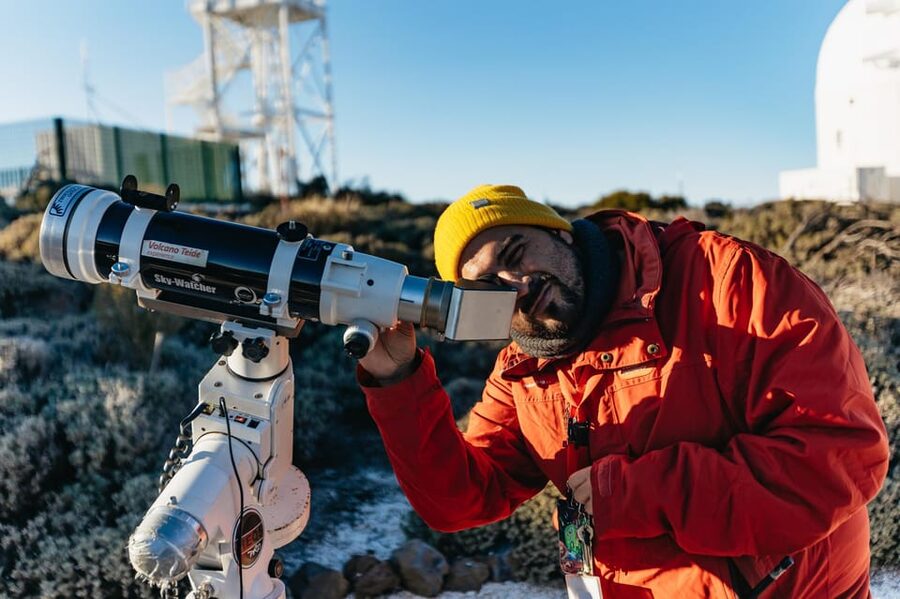
The most hands-on part of the tour is the use of two solar telescopes. You do not look directly at the sun. The equipment uses proper solar filters and is designed for safe observation.
One telescope shows sunspots. These dark areas are cooler than the surrounding surface, though they remain extremely hot by ordinary standards. The other is used to view solar flares and related activity. The exact view depends on the sun’s activity on the day of your visit, so the experience is not identical every time.
This is worth stressing: you are not guaranteed a dramatic explosion or a giant cinematic image. The view can be subtle, and some people may see a reddish disk or small details rather than a spectacular display. Still, observing the sun with professional equipment gives you a direct connection to the science being explained.
The guides usually add scale to what you see. A sunspot may look small through the telescope, but it can be many times larger than Earth. That comparison turns a small dark mark into something much easier to grasp.
The solar viewing area is also where the mountain conditions matter most. Much of the tour takes place outside, and the sun is strong at altitude. Use the sunscreen you brought, wear sunglasses, and take the guide’s advice about skin protection seriously. Umbrellas may be provided during some tours, but you should not rely on that.
Walking among professional night telescopes
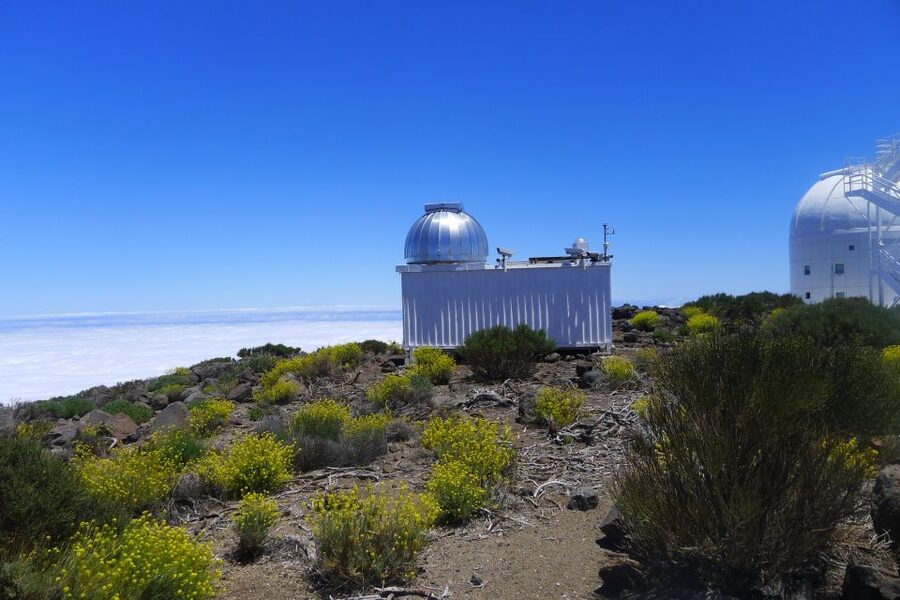
After the solar viewing, the group visits one of the nocturnal telescopes. This is not a nighttime stargazing session, but it gives you a useful look at the kind of equipment used to observe the night sky.
The size and structure of the telescope can be impressive. You may see the massive housing and learn how the instrument is positioned and protected. Some visits have allowed people to go inside a telescope building, while the standard tour may offer a more limited view of the equipment. Do not assume you will enter every dome or see every telescope close up.
This is one area where expectations matter. The observatory is a working research site, not an entertainment park. Access is guided, and some instruments or interior areas may not be open to the public. The value comes from learning how the facility functions and seeing professional equipment in its real setting.
The night telescope section also balances the earlier sun observation. You see that solar astronomy and night astronomy require different tools, filters, and methods. Even if you are more interested in stars than the sun, this part gives the visit a broader scope.
More Guided Nights Out in Tenerife:
- Teide: Guided Sunset & Stargazing Tour by Night with Dinner
★ 4.7 · 1,339 reviews - Teide National Park: Guided Large Telescope Stargazing Tour
★ 4.9 · 319 reviews - Lake Tekapo: Alpine Stargazing Experience with a Guide
★ 4.5 · 626 reviews - Fuerteventura: Guided Stargazing Calderón Hondo Volcano Tour
★ 4.7 · 594 reviews
A guide can make or break the science
The guide is central to this experience. A dry explanation of astrophysics can lose a group quickly, but a good guide can make the subject approachable without watering it down.
Guides such as Raquel, Jesus, Rachel, and Steffi have led tours at different times. The best guides explain unfamiliar ideas with humor, diagrams, and comparisons that work for both adults and children over eight. They also leave room for questions instead of rushing through a fixed speech.
I like that the tour is suitable for people with very different levels of interest. You can come with a strong interest in astronomy and ask detailed questions, or arrive with only a general curiosity about telescopes. The guide can explain how the instruments work, who uses them, and why the observatory studies the sun.
The live format also makes the visit more flexible than a self-guided display. If several people are unsure about what they are seeing through the telescope, the guide can stop and explain it again. That matters because solar features can be hard to identify at first glance.
The setting at 2,400 meters
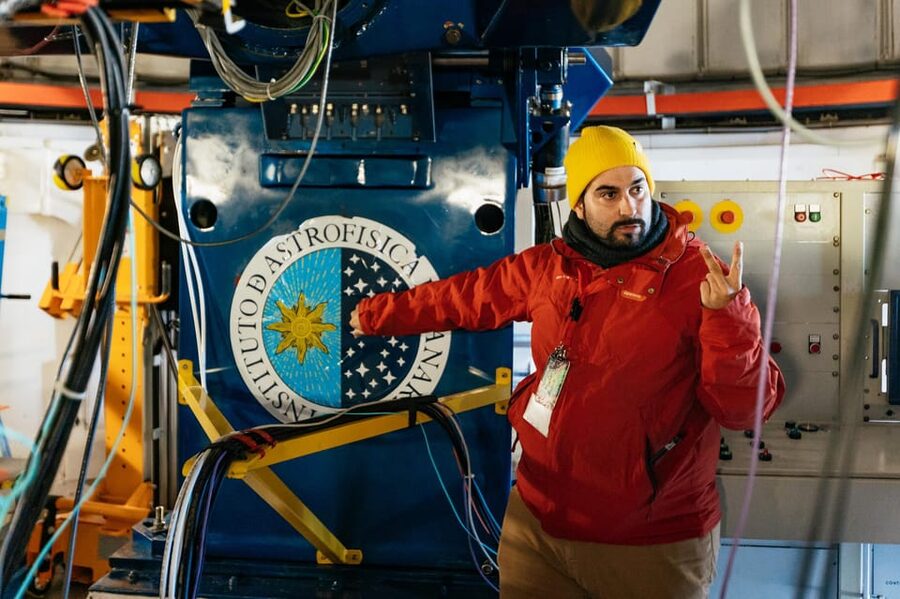
The observatory’s location is part of the experience, but it is also the main practical challenge. At roughly 2,400 meters, oxygen levels are lower than at the coast. You may notice the altitude when walking along gravel paths, particularly if you have general health concerns.
The tour is not recommended for people with respiratory problems, anemia, heart conditions, or other general physical health issues. It is also unsuitable for people with mobility impairments because the group moves along uneven gravel paths. Children must be at least eight years old, and their age must be confirmed with a passport or ID card.
Even visitors without health concerns should take the setting seriously. Wear comfortable shoes and move at a steady pace. The weather can feel cold and windy in the shade, while direct sun can be intense. The same visit may require a warm layer and sunscreen.
The mountain views add a lot. On clear days, you can see far across Tenerife and toward other islands. The volcanic surroundings feel stark and unusual, which helps make the observatory feel separate from ordinary sightseeing. The view is a bonus, not the main purpose of the tour, but it makes the walk between buildings more memorable.
What to bring and what to expect on site
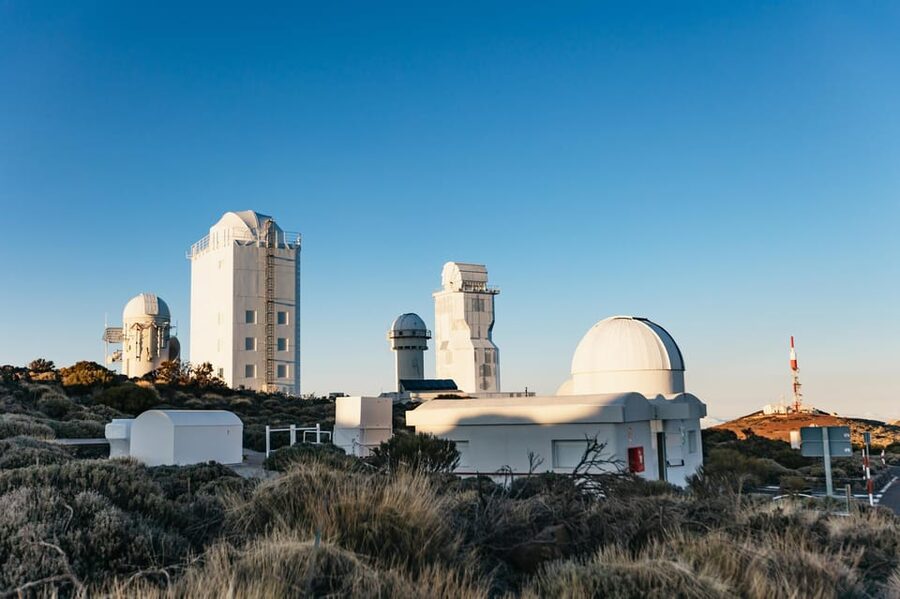
Pack for changing conditions rather than for a beach day. Your basic kit should include:
- A warm jacket or sweater
- Sunglasses
- Sunscreen
- Comfortable clothing and walking shoes
- A passport or ID card for children
There is no food or drink included. If you arrive early, you may find somewhere to sit and buy water, but you should not treat that as guaranteed. Bring water with you and plan any meal before or after the 1.5-hour visit.
Toilets may not be frequent during the tour, so use facilities before you start if possible. The guide may keep the group moving between indoor and outdoor areas, and stopping points are determined by the observatory rather than by individual preference.
Transportation is not included. Your meeting point depends on the option booked, so check the exact arrangements before setting out. You will need to organize your own way to the observatory, and the mountain drive can be demanding for anyone unused to steep, winding roads. A car is one possible solution, but the activity price does not cover fuel, transfers, or other transport costs.
Is $25 good value?
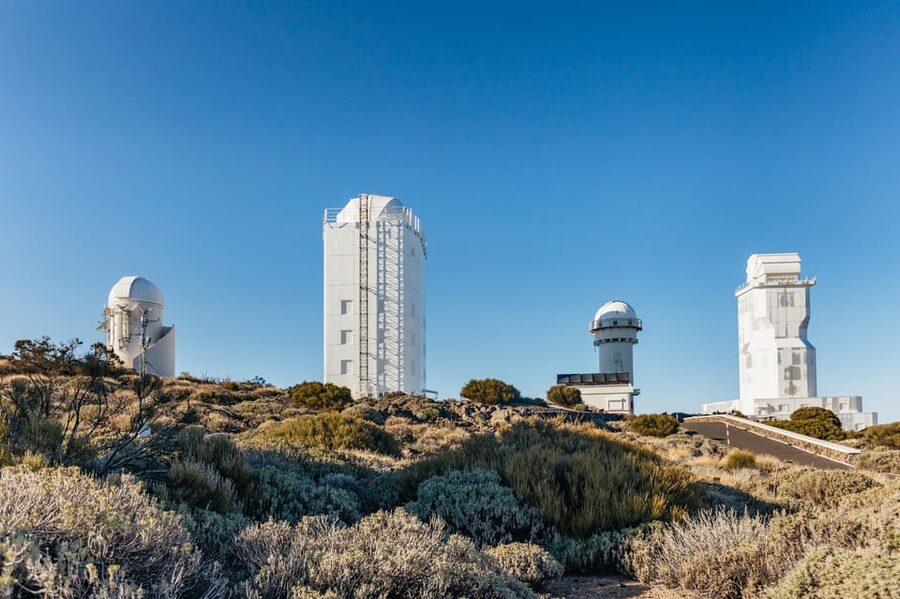
At about $25 per person, this is a reasonably priced add-on to a Mount Teide day. You are paying for entry, a live guide, two solar telescope sessions, and access to a professional night telescope. You are not paying for transportation, food, or a full-day excursion.
The value depends on what you want. If your main goal is a spectacular view through a giant telescope, you may be disappointed because the public solar telescopes can be smaller tripod-mounted instruments. The view may also depend on current solar activity and weather.
If you want a clear introduction to astronomy, the price works well. You get more than a photo stop: the guide explains the facility, you see the sun through filtered equipment, and you learn how night telescopes are used. For a family, science-minded adult, or visitor already planning to see Mount Teide, it is a practical way to add substance to the day.
Free cancellation up to 24 hours before the tour and a reserve-now, pay-later option also reduce the risk of fitting it into a changeable Tenerife schedule.
Who should book this experience?
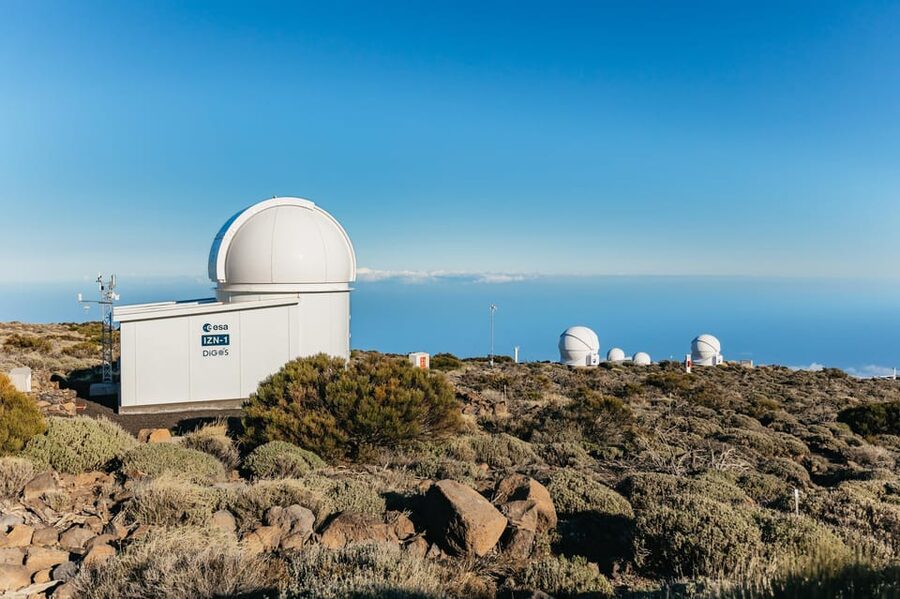
I would recommend it to anyone who has at least a passing interest in astronomy. You do not need to know the difference between a solar flare and a sunspot before arriving. The guide builds the subject from the basics.
It is also a good choice for families with children eight and older, provided everyone is comfortable walking on gravel at altitude. The telescope viewing gives children something concrete to look at, while the scale of the sun and the universe provides plenty of material for questions.
The tour is less suitable if you dislike outdoor activities, struggle with thin air, or want a relaxed indoor museum visit. It is also not the right pick for someone expecting an evening stargazing program. This is a daytime observatory tour centered on solar observation, with a visit to a night telescope.
Language is another useful point. Tours are available in English, Spanish, German, and French. Check the language and starting time when booking, since the meeting point can vary by option.
Final verdict: book it if you want more than a volcano view
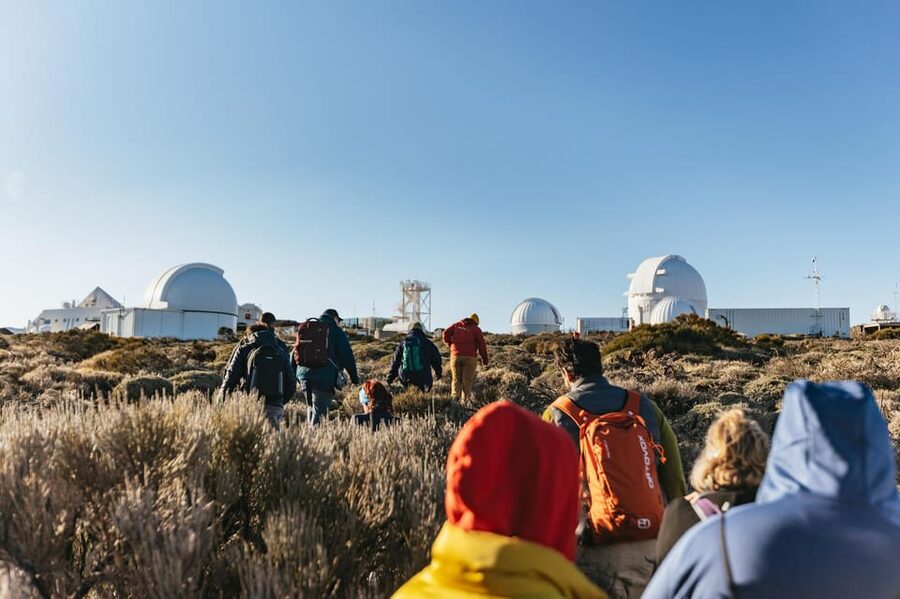
Book this tour if you want to understand what happens inside Mount Teide Observatory, not simply photograph the buildings. The strongest reasons are the excellent guide-led explanations, the chance to view sunspots and solar activity through two solar telescopes, and the unusual setting high above Tenerife.
Go with realistic expectations. You may not see a huge solar explosion, enter every telescope dome, or spend the whole visit indoors. Bring warm clothes and sun protection, allow for the altitude, and organize your own transport.
For about $25, this is one of the better-value science experiences on Tenerife. It turns a visit to the mountain into a closer look at the people, instruments, and questions behind modern astronomy.
FAQ
How long does the Mount Teide Observatory tour last?
The guided tour lasts 1.5 hours.
What can I see through the solar telescopes?
You use two solar telescopes. One is intended to show sunspots, while the other is used to observe solar flares and related solar activity.
Is the tour held during the day or at night?
This is a daytime tour. It includes solar observation and a visit to one of the professional telescopes used for night-sky observation.
Is transportation included?
No. Transportation is not included, and the meeting point may vary according to the option booked.
What languages are available?
The live tour guide may conduct the tour in English, Spanish, German, or French.
What should I wear and bring?
Bring warm clothing, sunglasses, sunscreen, and comfortable clothes suitable for walking on gravel paths. Children must bring a passport or ID card to confirm their age.
Is the tour suitable for children?
Children under eight are not permitted. Children who attend must confirm their age with a passport or ID card.
Is the observatory suitable for people with mobility or breathing problems?
The tour is not suitable for people with mobility impairments or respiratory issues. The observatory is at about 2,400 meters, and the route includes gravel paths. It is also not recommended for people with anemia, heart conditions, or other general physical health issues.
Fresh listings near Tenerife
- Magic Stargazing & Sunset in Teide with Dinner + Telescopes★ 3.5 · 20 reviews
- Private astronomy tour with sunset toast, picnic, and astrophotography★ 4.8 · 83 reviews
- Tenerife: Stargazing at Mt. Teide★ 4.2 · 72 reviews
- Mount Teide Night Tour: Stargazing, Dinner and Hotel Pick up★ 3.5 · 86 reviews
- Tenerife: Teide Stargazing with an Astrophysicist★ 4.9 · 74 reviews
- Tenerife: Teide National Park Sunset Picnic and Stargazing★ 4.6 · 117 reviews
- Teide National Park: Stargazing Experience★ 5.0 · 118 reviews
- Tenerife: Mount Teide Observatory Astronomical Tour★ 4.4 · 126 reviews
Observatory Visits, side by side.
Royal Observatory Greenwich & Prime Meridian Entrance Ticket
Read our review →
Griffith Observatory Hike: Guided Tour through Griffith Park
Read our review →
Royal Observatory Greenwich & Prime Meridian Entry Ticket London
Read our review →
Private Getty Center to Griffith Observatory Guided Tour
Read our review →
Mount John Observatory Stargazing Experience, Tekapo
Read our review →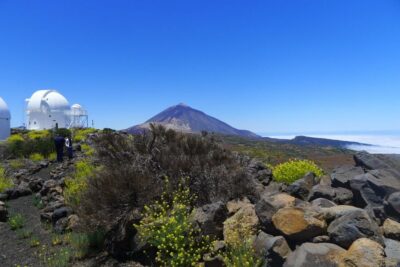
Lists this night appears in