
REVIEW · OBSERVATORY VISITS
Royal Observatory Greenwich & Prime Meridian Entrance Ticket
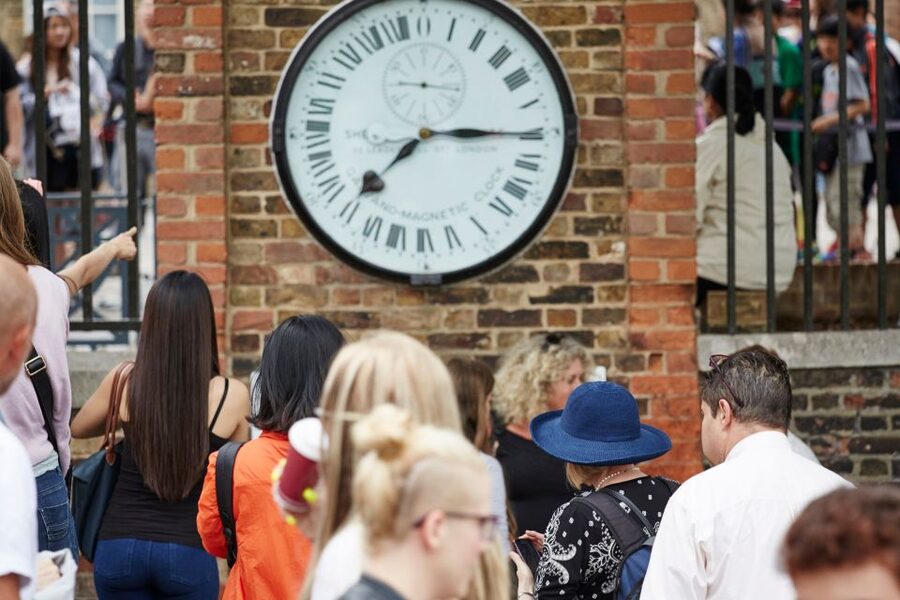
The best moment comes when you place one foot on either side of the Prime Meridian, with east and west beneath you at once. It is a simple photo opportunity, but it also gives real meaning to the time and longitude systems that helped ships cross the world.
I like the excellent London view from the hilltop and the chance to see historic rooms linked with astronomers such as Newton, Halley, Harrison, Bradley, and Airy. The main drawback is the steep walk through Greenwich Park, which can be tiring if you have mobility concerns.
Key points to know before you go
- Stand at longitude zero: Put one foot in the eastern hemisphere and one in the western hemisphere on the famous Meridian Line.
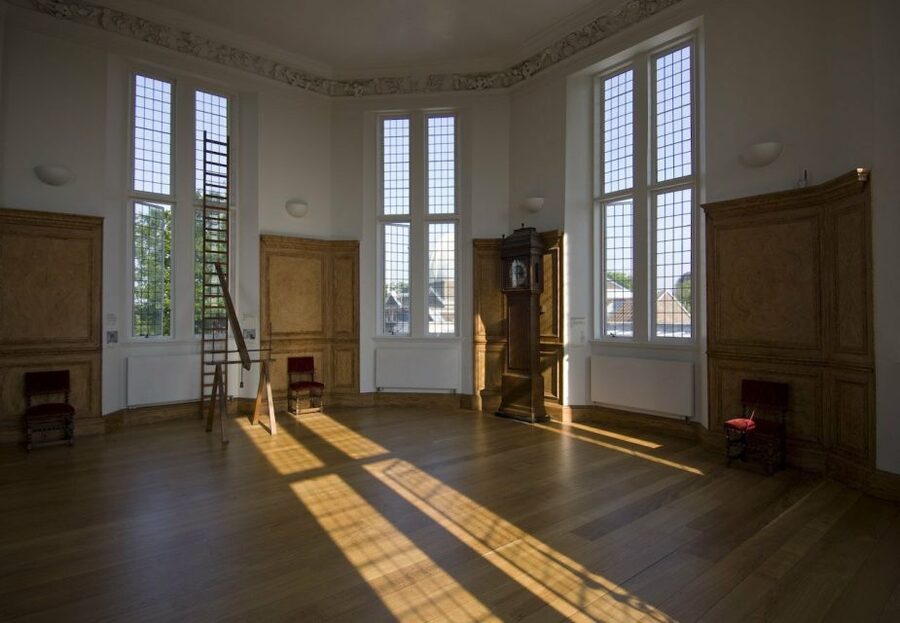
- See Flamsteed House: Sir Christopher Wren designed the Octagon Room, one of his best-preserved interiors in London.
- Follow the story of navigation: Displays explain how astronomers and John Harrison’s marine clocks helped solve the problem of finding longitude at sea.
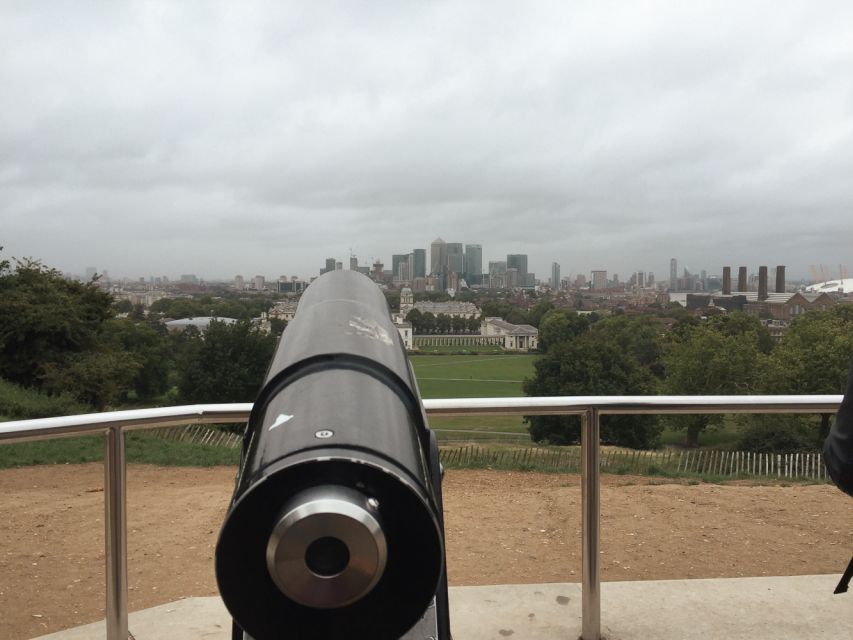
- Allow time for the view: Greenwich Park, the River Thames, Canary Wharf, and the City of London spread out below the observatory.
- Use the downloadable guide: Audio is available in English, Spanish, Chinese, French, German, Italian, Korean, and Portuguese.
- Budget for extras: The Peter Harrison Planetarium and its shows are not part of this ticket.
Why Greenwich matters to time and navigation
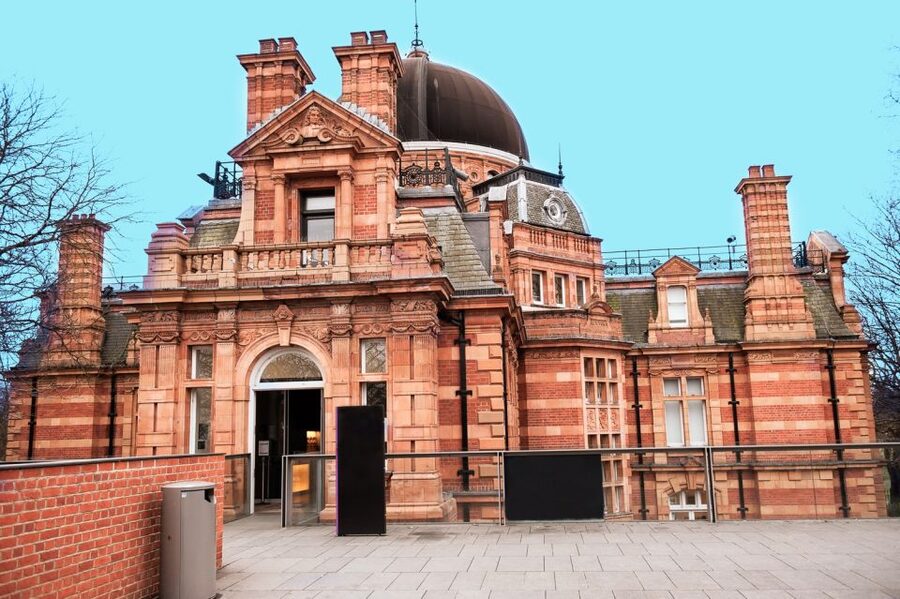
The Royal Observatory is not just a place to take a picture with a brass line on the pavement. Its importance comes from a practical problem: sailors could measure latitude fairly well, but finding longitude at sea was much harder.
The observatory was established in the 17th century so British astronomers could chart the stars with great precision. Those observations helped ships navigate, set clocks, and build more accurate maps. The Meridian Line later became the reference point for longitude around the world when Greenwich was chosen as the Prime Meridian in 1884.
That story gives the visit more weight than a standard astronomy display. You are seeing the place where time, maps, astronomy, and ocean travel meet. If you arrive expecting a large modern space museum, you may find the focus more historical than cosmic. If you like the practical side of science, the visit is much more rewarding.
More Observatory Visits in the world:
- Griffith Observatory Hike: Guided Tour through Griffith Park
★ 5.0 · 1,020 reviews - Tenerife: Mount Teide Observatory Guided Tour
★ 4.6 · 818 reviews - Royal Observatory Greenwich & Prime Meridian Entry Ticket London
★ 4.0 · 367 reviews
Entering Flamsteed House and the Octagon Room
The historic heart of the visit is Flamsteed House, the original observatory building. Sir Christopher Wren designed it, and the Octagon Room remains its most memorable interior.
The room has the feel of a working scientific space rather than a grand royal hall. That is part of its appeal. This was where astronomers watched the sky, recorded observations, and worked on measurements that had consequences far beyond Greenwich.
You can also learn about the astronomers connected with the observatory, including Isaac Newton, Edmond Halley, James Bradley, George Airy, and John Harrison. Their work was not all about distant stars. It was tied to calendars, clocks, navigation, and the daily business of moving across the globe.
The historic rooms are not large, so take your time. A quick walk through can make the observatory seem smaller than expected. Read the displays and use the downloadable guide, and the rooms begin to explain why this hilltop site mattered.
The Prime Meridian photo and the real story behind it
The Meridian Line is the most famous part of the visit, and it is also the easiest to misunderstand. The line marks longitude zero, the starting point for measuring east and west around the Earth.
Stand astride it and you can place one foot in each hemisphere. It is a playful moment, especially for families and teenagers, but it also works as a quick lesson in geography. Time zones and world maps make more sense once you see the starting line in front of you.
Expect this area to be popular. If you want a clear photograph, patience helps. The exact photo spot is only one part of the visit, so do not rush away after taking the picture. The surrounding displays explain why Greenwich became the world reference point and how longitude was calculated.
The Prime Meridian also makes this attraction useful for mixed-age groups. Younger visitors get a memorable picture and a physical geography lesson. Adults can spend more time with the scientific and political story behind the line.
John Harrison’s clocks and the problem of longitude
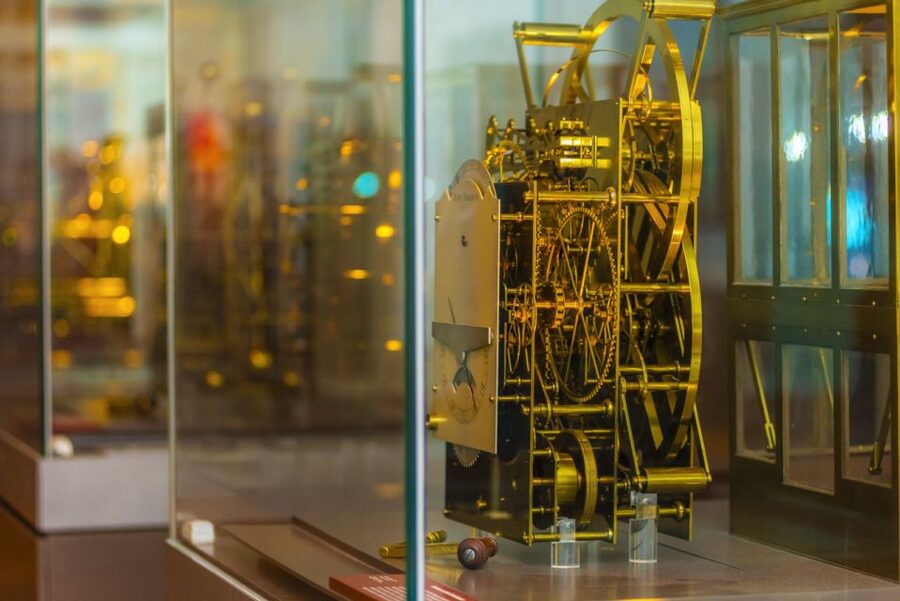
For many people, the strongest exhibit is the story of John Harrison and his marine clocks. Harrison worked on a reliable timekeeper that could keep accurate time during long sea voyages.
Why did a clock matter? A sailor could compare local noon with the time at a fixed reference point. The difference helped reveal how far east or west the ship had traveled. A small error in the clock could create a large error on a long voyage, so precision was essential.
The displays about Harrison connect mechanical invention with astronomy in a way that is easy to follow. You are not simply looking at old instruments. You are seeing tools that helped change sea travel and world mapping.
The presentation can vary depending on how you explore the site. The downloadable audio guide gives you information at your own pace, while staff may also provide help or explanations during your visit. Bring headphones and make sure your phone is charged if you plan to use the online audio material.
More Entry Tickets in the world:
- Miami: Frost Museum of Science and Planetarium Entry Ticket
★ 4.5 · 429 reviews - Houston Museum of Natural Sciences: Planetarium Ticket
★ 4.5 · 139 reviews - Jasper: Jasper Planetarium and Telescope Combo Tour Tickets
★ 3.8 · 118 reviews - London: Royal Observatory Planetarium Show Entry Ticket
★ 3.9 · 89 reviews
The Astronomy Centre and the planetarium choice
The modern Astronomy Centre gives the visit a more direct connection to space. You can see displays about astronomy and touch a meteorite said to be 4.5 billion years old.
That meteorite is a small but effective exhibit. It turns a huge idea into something physical. Instead of only hearing about the age of the solar system, you can place your hand on a piece of material that has been in space for an extraordinary length of time.
The Royal Observatory also has the Peter Harrison Planetarium, where you can watch a guided journey through space. Planetarium admission is not included in this ticket, so check the cost and availability separately if that is important to you.
This extra can be worthwhile if you want a more visual and theatrical astronomy experience. If your main interests are longitude, time, and the historic rooms, the standard entry gives you enough to fill a good visit without adding the planetarium.
The view from Greenwich Park
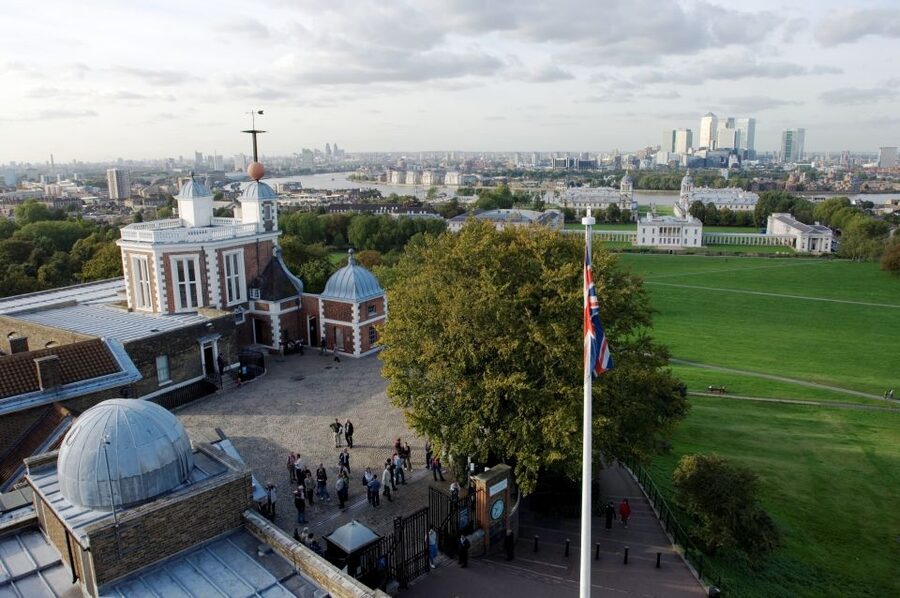
The observatory sits on a hill in Greenwich Park, and the view is one of the best reasons to come. From the top, you can look across the park toward the River Thames, the City of London, and Canary Wharf.
The view changes the mood of the visit. Inside, you are thinking about clocks and star charts. Outside, you can see the modern city those systems helped people map and navigate. On a clear day, it is worth pausing here rather than treating the outdoor area as a passage between rooms.
The park itself adds breathing space. You can combine the observatory with nearby Greenwich attractions, including the National Maritime Museum, the Cutty Sark area, and local shops. The observatory is close enough to make a full day in Greenwich practical, but you should plan your energy if you intend to see several sites.
Getting up the hill
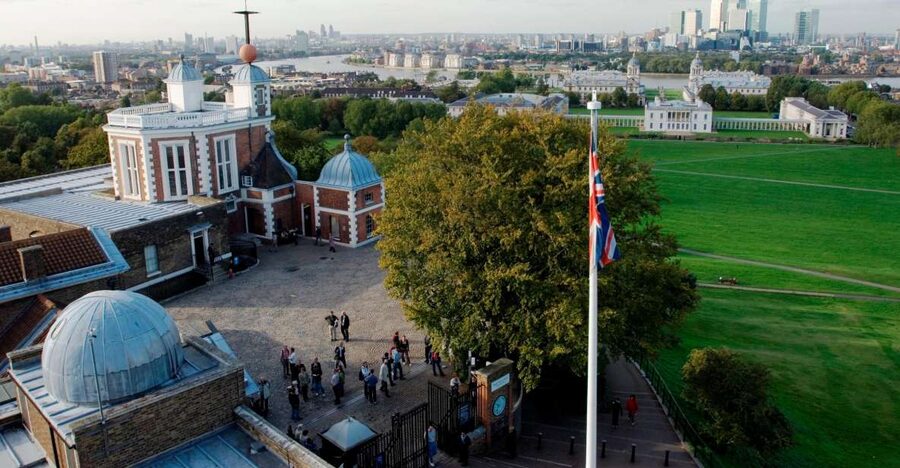
The approach matters. The Royal Observatory is in Greenwich Park, above the surrounding attractions. Reaching it can mean a long, steep walk, especially if you come from the river, the nearby station area, or the lower parts of Greenwich.
The walk has a pleasant setting, and some people consider it part of the experience. Still, do not underestimate the slope. If you have mobility concerns, plan carefully and check the access details before booking. The attraction is wheelchair accessible, but the route across the park can be the difficult part.
Signs from Cutty Sark Station can be confusing, and the station is not right beside the entrance. It is worth allowing extra time rather than arriving at the last minute. A mainline station may be more convenient for some routes, but the best choice depends on where you are coming from.
A river cruise can also bring you to Greenwich, but the walk from the pier to the observatory includes a steep climb. If you arrive by boat, give yourself time and avoid treating the uphill walk as a quick transfer.
How long to spend and how to pace the visit
The ticket is valid for one day, and this flexible format suits Greenwich well. You can visit the observatory, take a break in the park, and continue to another nearby attraction without forcing everything into a short guided schedule.
For the observatory alone, your time depends on how closely you use the exhibits. A fast visit focused on the Meridian Line, the historic rooms, and the view will feel quite different from a slower visit with audio commentary and the Astronomy Centre.
I would avoid arriving with only a few minutes to spare. The hill takes time, the historic displays reward attention, and the view deserves more than a rushed photograph. A half-day in Greenwich gives you room to enjoy the observatory and add another local sight.
The visit is self-guided. That is useful if you like setting your own pace, but it also means you need to read, listen, and make your way through the site without a dedicated guide. The multilingual downloadable guide helps, with options in eight languages.
Is the $32.33 ticket good value?

At $32.33 per person, this is not a bargain if you only want to step on the Meridian Line and take a quick photograph. The ticket becomes better value when you use it as a history and science visit, not just a landmark stop.
You are paying for access to the historic observatory, Flamsteed House, the Octagon Room, the Meridian Line, the Astronomy Centre, and the hilltop view. The location also makes it easy to combine the visit with Greenwich Park and nearby attractions.
The price does not include a planetarium show or a personal guide. That matters if you want a fully directed experience. On the other hand, a self-guided visit lets you spend more time on Harrison’s clocks or the Meridian displays and less time on subjects that do not interest you.
The ticket also includes free cancellation up to 24 hours before the visit and a reserve-now, pay-later option. Those terms are helpful if your London plans are still changing, but the main value comes from allowing enough time to use the entry properly.
Who will enjoy this most
I would recommend the Royal Observatory to anyone interested in geography, clocks, astronomy, navigation, or the history of scientific problem-solving. Teenagers often get more from it than expected because the Meridian Line gives the subject a physical hook.
It also works well for adults who want a London sight with a clear connection to world history. The observatory is more focused than a general museum, and the visit has a strong sense of place.
Families should like the hands-on geography of standing in two hemispheres, though younger children may not stay engaged with every display. The nearby park helps break up the indoor sections.
You may want to choose another attraction if you are looking mainly for a large collection of space hardware, a fully guided tour, or an easy entrance with no uphill walking. The observatory is historic and thoughtful rather than big and flashy.
Practical tips for a smoother visit
- Wear comfortable shoes: The approach through Greenwich Park can be steep.
- Charge your phone: The downloadable audio guide is useful, and electronic tickets make entry simple.
- Check the planetarium separately: Shows are not included with the observatory ticket.
- Allow time for the view: The hilltop outlook is a major part of the experience.
- Read the Harrison displays: They explain the practical problem behind accurate longitude.
- Do not rush the historic rooms: Flamsteed House is compact, but its details give the visit meaning.
- Build in flexibility: The one-day ticket lets you pause for the park, food, or nearby Greenwich sights.
FAQ
Where does the Royal Observatory experience start and end?
It starts at the Royal Observatory Greenwich and ends back at the same meeting point.
How long is the ticket valid?
The ticket is valid for one day. You should check availability for the possible starting times.
Is the visit guided?
No. This is a self-guided visit. A downloadable multilingual guide is included, but a personal guide is not.
Which languages are available for the audio guide?
The downloadable guide is available in Spanish, Chinese, English, French, German, Italian, Korean, and Portuguese.
Is the planetarium included?
No. A show at the Peter Harrison Planetarium is not included in this entry ticket.
Is the Royal Observatory wheelchair accessible?
Yes, the activity is listed as wheelchair accessible. However, the hill and some walking routes through Greenwich Park can be steep, so check the route and access details before visiting.
Can I cancel the booking?
Yes. You can cancel up to 24 hours in advance for a full refund. A reserve-now, pay-later option is also available.
Should you book the Royal Observatory Greenwich ticket?
Book it if you want more than a quick Meridian Line photograph. The combination of historic astronomy rooms, Harrison’s clocks, the Astronomy Centre, and the London view gives you a thoughtful half-day in Greenwich, especially if you enjoy seeing how science solved real problems.
Think twice if the steep walk will be difficult or if you expect a large, modern space centre with a planetarium included. For most visitors interested in time, maps, navigation, or London history, the $32.33 price is fair when you slow down and use the full visit.
Fresh listings near the world
- Cabo de Gata: Guided Night Walk with Stargazing★ 4.7 · 36 reviews
- Brisbane: Glow Worms, Sunset, Star Gazing & BBQ★ 4.4 · 26 reviews
- Cabo de Gata: Stargazing Experience★ 4.5 · 7 reviews
- Antofagasta: Astronomical Tour with a Guide★ 3.7 · 4 reviews
- Boulder: Guided Astronomy Tour★ 4.7 · 11 reviews
- 1-Day Grand Canyon Tour from Las Vegas: Stargazing & Sunrise★ 3.6 · 3 reviews
- Astronomical Tour: San Pedro de Atacama – Chile★ 4.5 · 3 reviews
- Perth: Pinnacles Stargazing, Sandboarding & Beach Kangaroos★ 5.0 · 3 reviews
Observatory Visits, side by side.

Griffith Observatory Hike: Guided Tour through Griffith Park
Read our review →
Royal Observatory Greenwich & Prime Meridian Entry Ticket London
Read our review →


Private Getty Center to Griffith Observatory Guided Tour
Read our review →
Mount John Observatory Stargazing Experience, Tekapo
Read our review →
Lists this night appears in