
REVIEW · PLANETARIUM VISITS
Houston Museum of Natural Sciences: Planetarium Ticket
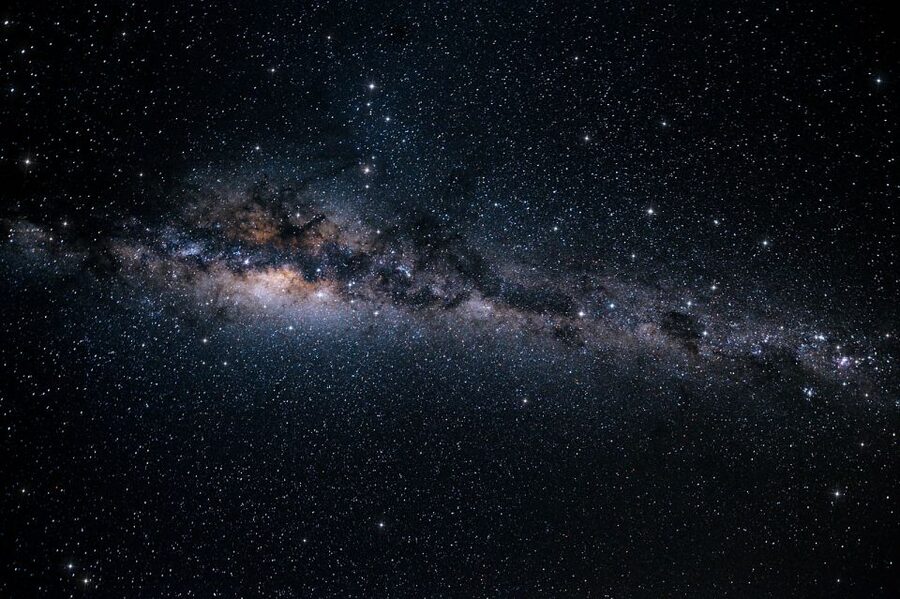
Houston’s Burke Baker Planetarium takes you from Earth to the far reaches of space in about 20 minutes. Its high-resolution dome projections show planets, stars, galaxies, and asteroid fields on a scale that makes a short visit feel much larger.
I like the choice of shows, since you can pick from subjects such as Black Holes, Passport to the Universe, and Are We Really Alone? I also like the low $12 price for a focused, family-friendly look at space. The catch is simple: one show is brief, and the ticket does not include the museum’s other exhibits or attractions.
Key points to know before you go
- One 20-minute show: Your ticket covers a single Burke Baker Planetarium presentation.
- Show titles change by date: Check the current schedule before choosing your visit time.
- Space arrives through digital projection: Expect stars, planets, galaxies, planetary surfaces, and asteroid fields across the dome.
- The last show begins at 5:00 pm: Late entry is not allowed, so give yourself time to reach the planetarium.
- Good value for a short stop: At $12 per person, it works well as one part of a museum day, but less so as a stand-alone half-day outing.
- Wheelchair accessible: Flash photography is not permitted during the experience.
What the Burke Baker Planetarium actually offers
The Burke Baker Planetarium is a focused stop inside the Houston Museum of Natural Science. You are not booking a guided tour of the full museum. You are buying admission to one dome show, usually lasting about 20 minutes.
That distinction matters. The experience is built around the ceiling-sized projection system, not hands-on displays, live demonstrations, or a long presentation by a guide. You enter, take your seat, and watch a programmed journey through space.
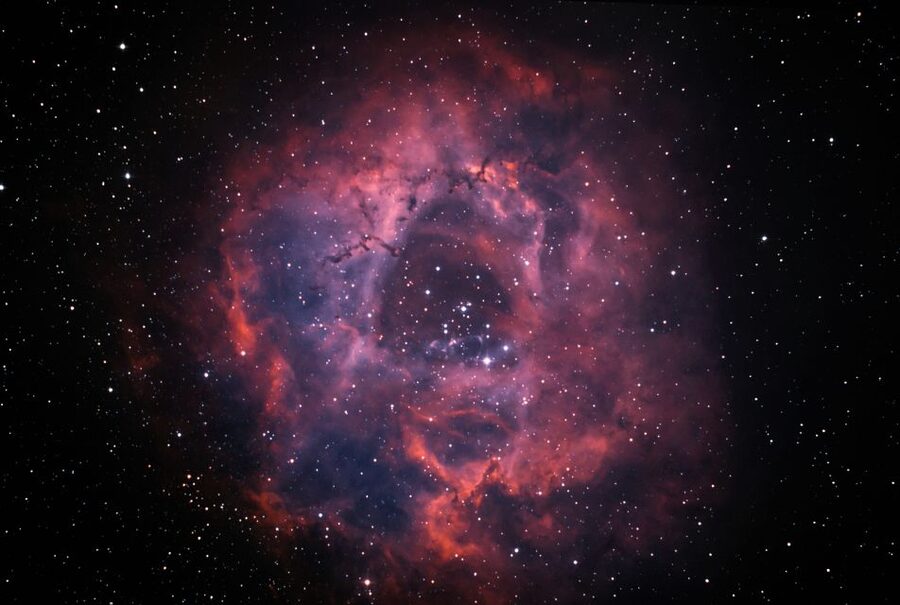
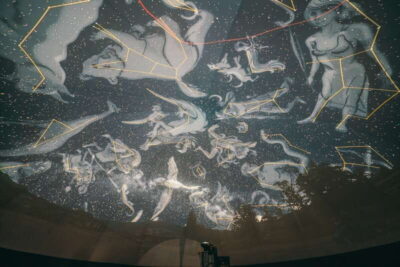
The digital system can project individual planets, star fields, entire galaxies, and asteroid fields. It can also place you near planetary surfaces or carry you through the wider universe. The appeal is visual scale. Instead of looking at a small image of Saturn or a diagram of a black hole, you see the subject spread over the dome above you.
I would treat the planetarium as a short, high-impact part of a visit to the museum. If you are already planning to see the museum’s other exhibits, the $12 ticket is an easy addition. If you are coming only for this show, check the title and length first so your expectations match the price.
More Planetarium Visits in the USA:
- Miami: Frost Museum of Science and Planetarium Entry Ticket
★ 4.5 · 429 reviews - Planetarium and Telescope Combo Tour
★ 4.0 · 144 reviews - Jasper: Jasper Planetarium and Telescope Combo Tour Tickets
★ 3.8 · 118 reviews
Choosing between Black Holes, Atlantis, and the night sky
The available program changes with the date and time, so you do not always get every title listed. The possible shows include:
- Black Holes
- Lamps of Atlantis
- Are We Really Alone?
- Starry Night Express
- Dark Side of the Moon
- Passport to the Universe
These titles suggest different styles of presentation. Black Holes and Are We Really Alone? appeal to you if you like big questions about the universe. Passport to the Universe is a broad trip through space, and it earned especially warm praise from one visitor who wanted to return for more shows.
Lamps of Atlantis has a more story-driven feel from its title, while Starry Night Express and Dark Side of the Moon offer different routes through the planetarium’s visual and musical possibilities. The available information does not provide full descriptions of every program, so do not choose based on the title alone. Check the Burke Baker Planetarium website for the exact schedule and current show details.
One useful point: a show about the night sky on a particular date may be slower and less exciting than a sweeping space presentation. If you want dramatic images and a strong sense of motion, a broad universe show may suit you better. If you prefer a calmer educational program, the slower option could be a better fit.
How the 20-minute show unfolds
The experience begins at the Burke Baker Planetarium, where you attend the presentation listed for your selected time. The ticket includes one show, not admission to the museum’s general exhibits or other films.
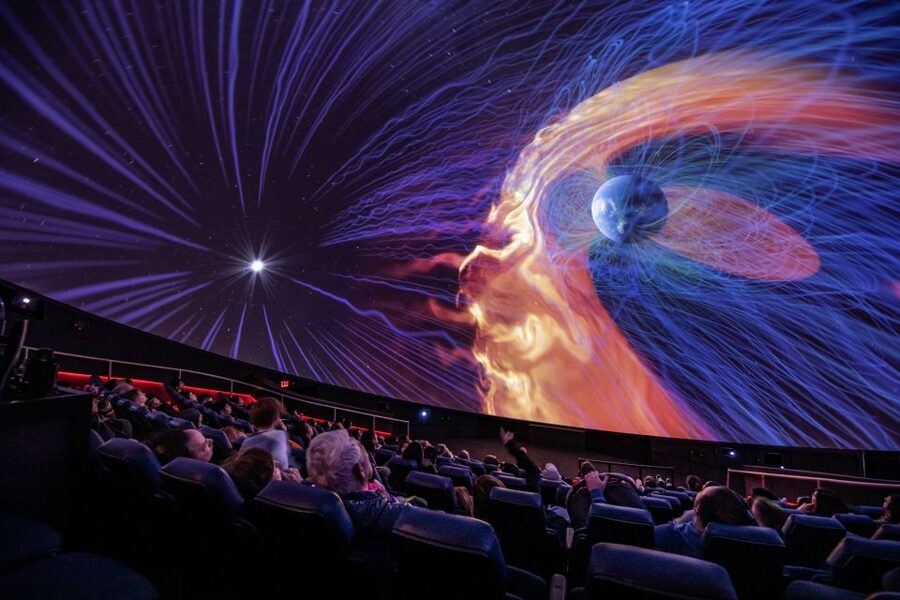
Once the program starts, the dome becomes the screen. The projection system can move your view away from Earth and toward planets, stars, galaxies, and asteroid fields. You might see a planetary surface fill the ceiling, then shift toward a larger view of the solar system or the wider cosmos.
The short running time keeps the visit easy to fit into a busy Houston day. You can add it before or after other museum displays without giving up hours. It also makes the planetarium suitable for children who may not want to sit through a long film.
There is a tradeoff. Twenty minutes goes quickly. The show can introduce a subject, illustrate it, and leave you wanting more, but it does not have room for a long explanation of every idea. If you already know a lot about astronomy, the experience may feel more like a visual trip than a detailed science lecture.
The program is designed for a general audience. One particularly useful strength is the way difficult ideas can be shown rather than simply explained. A subject such as black holes can be hard to picture from words alone. A full-dome image gives you a more direct sense of scale and motion.
The projection system is the main attraction
The planetarium’s upgraded digital system is the reason to buy this ticket. It uses high-resolution video, digital planetarium software, and a projection setup described as one of the leading systems of its kind.
You should not expect a small classroom projector or a flat theater screen. The dome changes the way you watch. The image reaches above and around your field of vision, helping you feel as if you are looking outward from inside the universe rather than at a picture on a wall.
The system can show more than familiar stars. It can carry you across planetary surfaces, through asteroid fields, and past large collections of stars and galaxies. That range gives the show a useful mix of familiar objects and enormous cosmic scale.
Still, the technology cannot guarantee that every program will suit every person. The content matters just as much as the projection. A visually striking subject such as black holes may feel more exciting than a slower program focused on what appears in the sky on a particular evening.
Same sky over the USA, a different way to watch it:
- Small Group Big Island Twilight Volcano and Stargazing Tour
★ 5.0 · 1,619 reviews - Griffith Observatory Hike: Guided Tour through Griffith Park
★ 5.0 · 1,020 reviews - Sedona Stargazing Tours LLC
★ 4.5 · 881 reviews - Griffith Observatory Insider Tour
★ 4.5 · 306 reviews
Seating and comfort under the dome
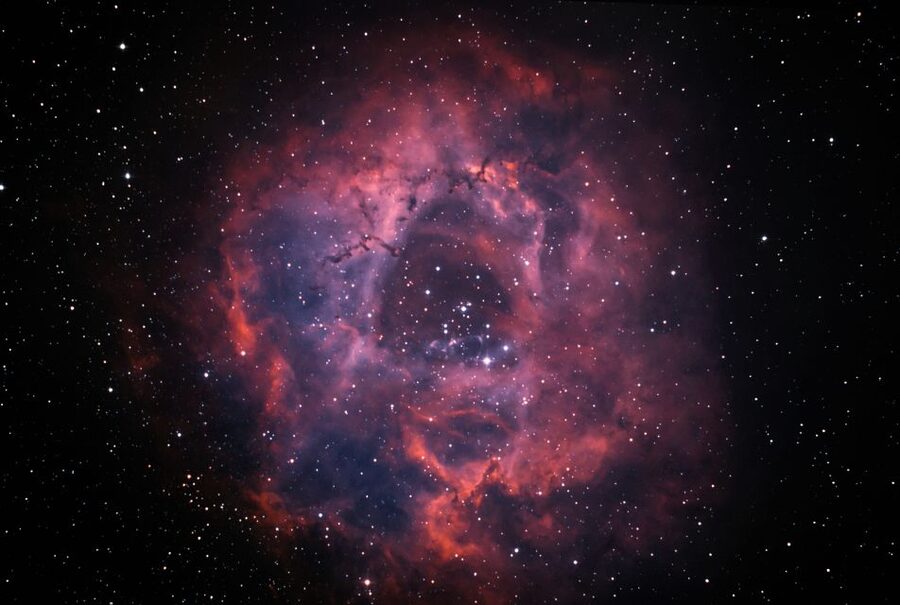
Your view depends partly on where you sit and how the seats are arranged. One visitor found the seating less generous than ideal and wished it allowed a fuller view of the dome without turning the head from side to side.
That is worth keeping in mind if you are sensitive to neck strain or want a completely effortless view. The dome is meant to be watched from a seated position, but not every seat will give you the same visual angle. You may find yourself adjusting your head during parts of the show.
The experience is wheelchair accessible. The provided information does not specify exact seat locations or transfer arrangements, so contact the museum if you need details beyond general accessibility.
Flash photography is not allowed. That rule protects the viewing experience and prevents bright flashes from distracting people during the presentation.
Is $12 a fair price?
At $12 per person, the ticket is reasonably priced for a specialized attraction, especially if you already plan to spend time at the Houston Museum of Natural Science. The cost buys a short show with advanced projection technology, rather than a full museum admission.
The value depends on how you use it. If you add one show to a larger museum visit, the planetarium gives your day a strong change of pace. After walking through exhibits, sitting beneath a dome and looking outward can be a welcome reset.
If you travel to the museum only for the planetarium, the math is less favorable. A 20-minute show at $12 can feel expensive if you expect a long program or a full afternoon of activities. One visitor specifically felt that a single short film was costly for the time involved.
You also need to budget separately for the museum’s additional exhibits, other shows, food, and drinks. None of those are included with this ticket. A broader admission option may make more sense if you want to see much more than the planetarium.
Some people have received a discount when adding a second show through their booking arrangement, but you should not assume that offer will always apply. Check the current terms before planning around it.
Timing your visit at the Houston museum
The last show begins at 5:00 pm, and late entry is not allowed. This is the most important timing detail. Do not arrive at the planetarium at 5:00 and expect to walk in after the program has started.
Give yourself enough time to reach the Burke Baker Planetarium and get settled. The available information does not state how early you must arrive, so your safest plan is to avoid scheduling the show at the very edge of your museum visit.
Crowds can also affect your timing. During spring break, the museum was described as very crowded, although staff were helpful and available. That is a good reason to allow extra time on busy school holiday dates.
The short show length makes planning easier, but the fixed start time still controls your day. If you want to see other exhibits, place the planetarium in the middle of your schedule rather than treating it as a casual stop you can enter whenever you like.
Who will enjoy this most
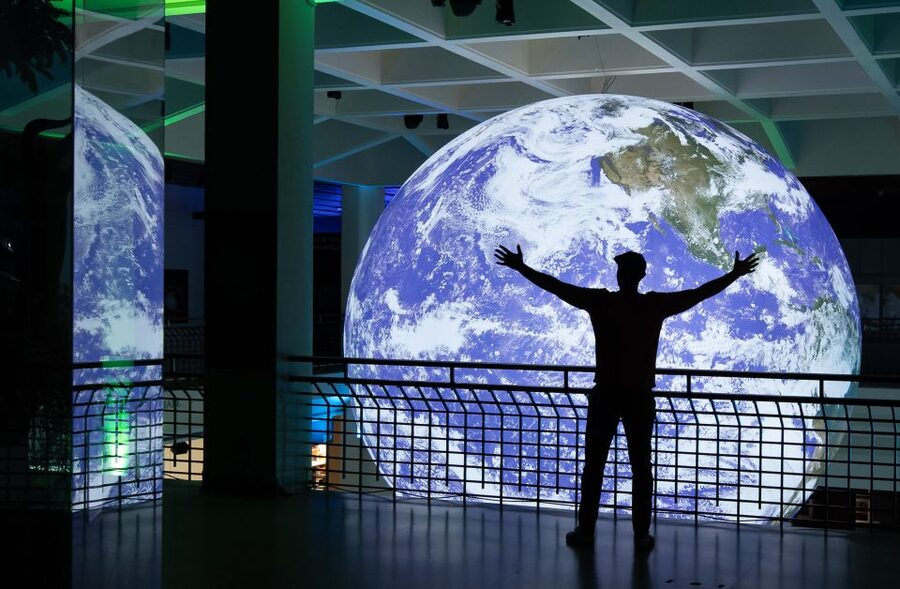
This is a strong choice for families, school-age children, and adults who want an accessible introduction to astronomy. The visual format helps explain the universe without requiring advanced science knowledge.
It also suits you if you enjoy one clear subject at a time. You can choose a show about black holes, the possibility of life beyond Earth, the night sky, or a wider trip through the cosmos.
The 20-minute length is helpful for children with short attention spans. It also works for anyone fitting several Houston attractions into one day. You get a compact program without committing to a long film.
You may want to skip it if you strongly dislike dome seating, prefer detailed lectures, or are looking for a full-day attraction by itself. The planetarium is one piece of the museum experience, not a replacement for the museum’s complete collection.
How it fits with other Houston attractions
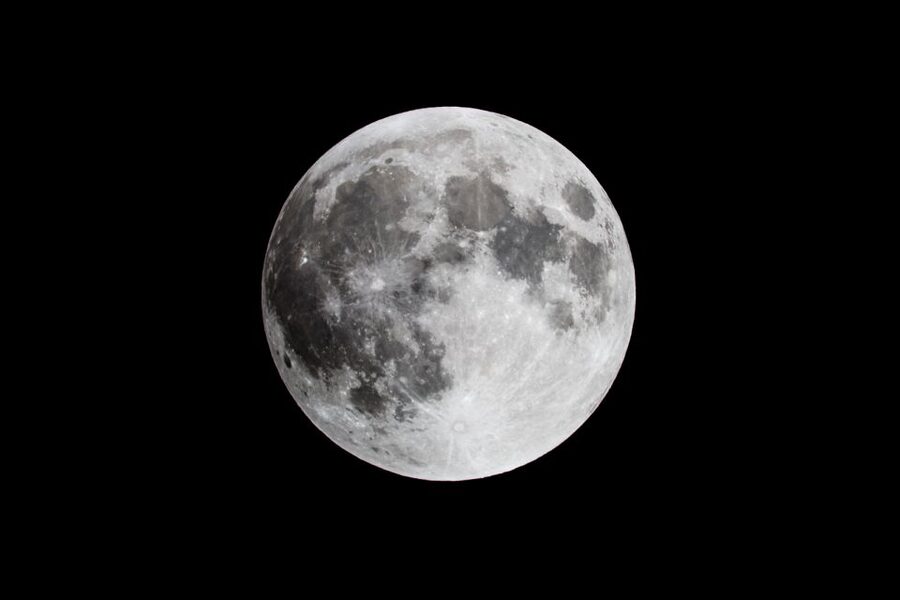
The Houston Museum of Natural Science offers more than the planetarium, but this ticket covers only the Burke Baker show. You will need separate admission for additional exhibits or shows unless you purchase a different museum ticket or pass that includes them.
That makes the planetarium easy to combine with a broader Houston plan. You can compare it with general museum admission, the Cockrell Butterfly Center, or a city attraction pass when deciding how much of the museum you want to see.
For a first visit to the museum, I would not make the planetarium your only activity unless space is your main interest. The show is short, and the $12 price is easiest to justify when paired with other exhibits.
For a repeat visit, the planetarium can be more appealing. You may choose a different program from the one you saw before. One returning visitor especially enjoyed Passport to the Universe and wanted to come back for more shows, which is a good sign for anyone who likes comparing the programs.
Practical booking advice
Check the current show schedule before buying or selecting a time. Programs vary by date and time, and the title you want may not be showing during your visit.
Reserve a time that leaves room around the show. Since late entry is not permitted, avoid cutting things close. This is especially important during busy periods such as spring break.
The activity permits free cancellation up to 24 hours before the scheduled experience, according to the stated booking terms. A reserve-now, pay-later option is also available, which can help if your Houston plans are still changing.
The ticket is wheelchair accessible. Do not bring flash photography equipment for use during the show. Food and drinks are not included, so plan those separately if you are spending several hours at the museum.
Should you book the Burke Baker Planetarium?
I would book it if you want a polished, visually powerful introduction to space and you are already visiting the Houston Museum of Natural Science. At $12, one 20-minute show gives you a clear, manageable way to see planets, galaxies, and asteroid fields through a sophisticated dome system.
I would also book it for children or mixed-age groups. The subject matter is educational, but the images carry much of the experience, so everyone does not need the same level of science knowledge to follow along.
I would pause if you are making a special trip only for this one show. Twenty minutes may feel too short for the price, and the quality of your experience will depend on the program available that day. Check the title, schedule, and seating expectations first.
For the best value, pair the planetarium with general museum admission or another Houston attraction. Pick the show that matches your interests, arrive well before the start time, and treat the dome as a sharp burst of space exploration rather than a full day out.
FAQ
How long is the Burke Baker Planetarium experience?
Most shows last about 20 minutes. Your ticket covers one planetarium show.
How much does the planetarium ticket cost?
The listed price is $12 per person.
What shows can I see?
Possible programs include Lamps of Atlantis, Are We Really Alone?, Black Holes, Starry Night Express, Dark Side of the Moon, and Passport to the Universe. Shows vary by date and time.
What is the last show of the day?
The last show begins at 5:00 pm. Late entry is not allowed.
Does the ticket include the Houston Museum of Natural Science exhibits?
No. The ticket includes one Burke Baker Planetarium show only. Additional exhibits and shows require separate admission or a ticket that specifically includes them.
Is the planetarium wheelchair accessible?
Yes, the activity is listed as wheelchair accessible.
Can I take flash photographs?
No. Flash photography is not allowed.
Can I cancel the booking for a refund?
Yes. You can cancel up to 24 hours in advance for a full refund, according to the stated booking terms.
Fresh listings near the USA
- Private Stargazing – Sequoia National Park★ 4.5 · 14 reviews
- Private Tour of Griffith Observatory★ 4.5 · 58 reviews
- Milky Way Photography in Arches National Park★ 4.0 · 4 reviews
- Professional Stargazing in Moab★ 3.5 · 3 reviews
- Haleakala Sunset and Astronomy Tour★ 5.0 · 33 reviews
- Haleakala Sunset and Stargazing Audio Tour★ 4.0 · 10 reviews
- Stargazing Tour in Kapalua★ 5.0 · 31 reviews
- S’mores and Stargazing on Hidden Beach★ 5.0 · 4 reviews
Planetarium Visits, side by side.
Frost Museum of Science and Planetarium Entry Ticket
Read our review →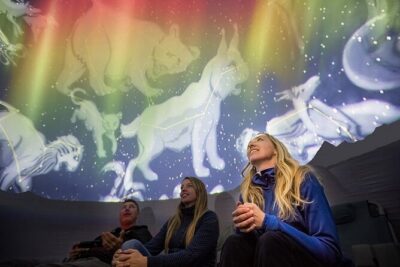
Jasper Planetarium and Telescope Combo Tour Tickets
Read our review →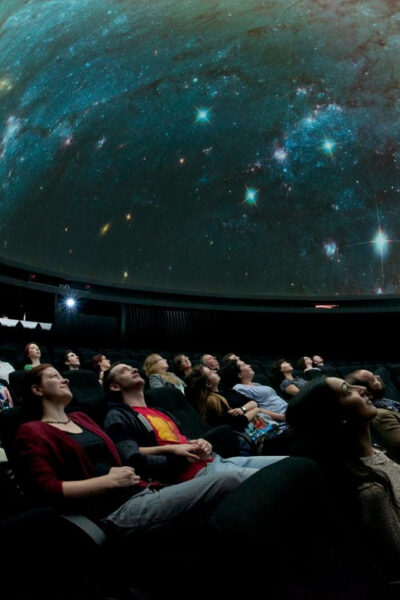

Cusco by Night: Planetarium Cusco, Dinner, and Pisco Sour
Read our review →
Planetarium Cusco OFFICIAL SITE: Andean Astronomy experience
Read our review →
Lists this night appears in