
REVIEW · PLANETARIUM VISITS
Planetarium Cusco OFFICIAL SITE: Andean Astronomy experience
The most memorable part of Planetarium Cusco is the change in viewpoint: you learn to read the night sky through Inca ideas, not only through modern Western constellations. Inside the dome, stars become part of a larger Andean way of understanding time, animals, farming, and the world.
I like the clear mix of history and science, and I like the small-group format, which gives the guides room to answer questions. The transport from Regocijo Square also keeps the evening simple. The main drawback is weather. Clouds can cancel telescope viewing, and visitors already familiar with basic astronomy may find the presentation introductory.
Key points at a glance
- Inca constellations in the southern sky: Learn how Andean communities understood star patterns and the dark spaces between them.
- A 10 to 15 minute ride from central Cusco: Meet in the middle of Regocijo Square, next to the fountain, then travel to the planetarium.
- Dome presentation at about 18:40: A virtual projection brings the southern sky and Inca astronomy into focus.
- Outdoor telescope viewing: You may see stars, planets, or even Saturn’s rings, but only when the weather cooperates.
- Small-group, bilingual service: Tours operate in English or Spanish, and the group size helps create a friendly, personal setting.
- Warm clothing matters: Cusco nights can feel cold, and blankets are available inside the planetarium.
Why Andean astronomy feels different
At Planetarium Cusco, the sky is not treated as a simple collection of bright stars. The presentation introduces the way the Inca connected the heavens with life on earth. That shift makes the experience more than a standard planetarium show.
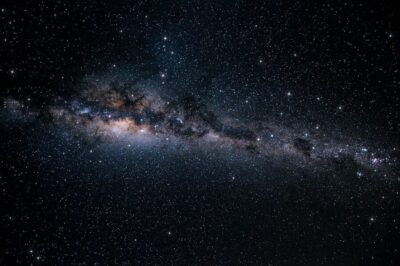
Modern astronomy usually asks you to trace lines between stars and picture familiar figures. Andean astronomy also pays attention to the dark shapes formed by gaps in the Milky Way. This gives the southern sky a different cast of characters and meanings.
I find that approach valuable because it helps you see Cusco through local ideas rather than using only familiar European references. You are not simply learning where a constellation sits. You are considering how people in the Andes watched the sky, organized time, and made sense of their surroundings.
The experience also works well early in a Cusco visit. After walking through the city’s Inca walls, churches, and narrow lanes, you get a chance to understand one of the ideas behind that civilization. The planetarium provides context that a daytime city tour may not cover.
More Planetarium Visits in the world:
- Miami: Frost Museum of Science and Planetarium Entry Ticket
★ 4.5 · 429 reviews - Planetarium and Telescope Combo Tour
★ 4.0 · 144 reviews - Houston Museum of Natural Sciences: Planetarium Ticket
★ 4.5 · 139 reviews
Meeting at Regocijo Square at 17:30
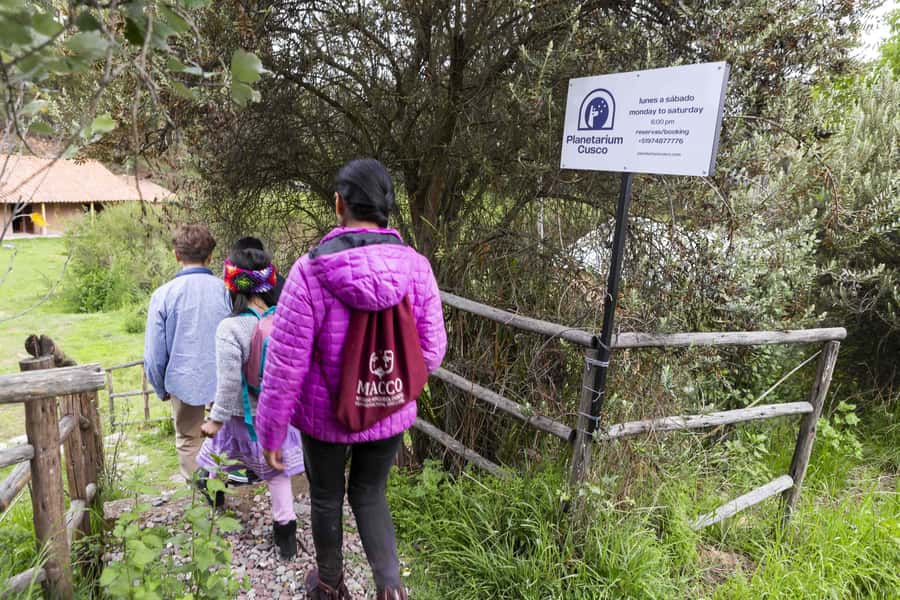
Your evening begins in the middle of Plaza Regocijo, next to the fountain. This is very close to Cusco’s main Plaza de Armas, but it is a smaller and easier place to identify. Arrive before 17:30 so you are not searching for the guide as the group leaves.
From the square, you walk a short distance to the waiting transport. The ride to Planetarium Cusco takes about 10 to 15 minutes. That transfer matters because the experience is not in the historic center itself. You can leave the navigation to the guide instead of trying to arrange a taxi after dark.
The timing also gives you a useful transition. At 17:30, Cusco is moving from afternoon toward evening. By the time you reach the planetarium at about 18:05, the sky is darkening and the subject feels immediate rather than abstract.
The group service is shared, not private. If you want a visit designed only for your own party, you need to contact the provider about a private option. For most people, the shared format is a good tradeoff at $28, especially when the group remains small enough for questions and conversation.
Inside the interpretation rooms
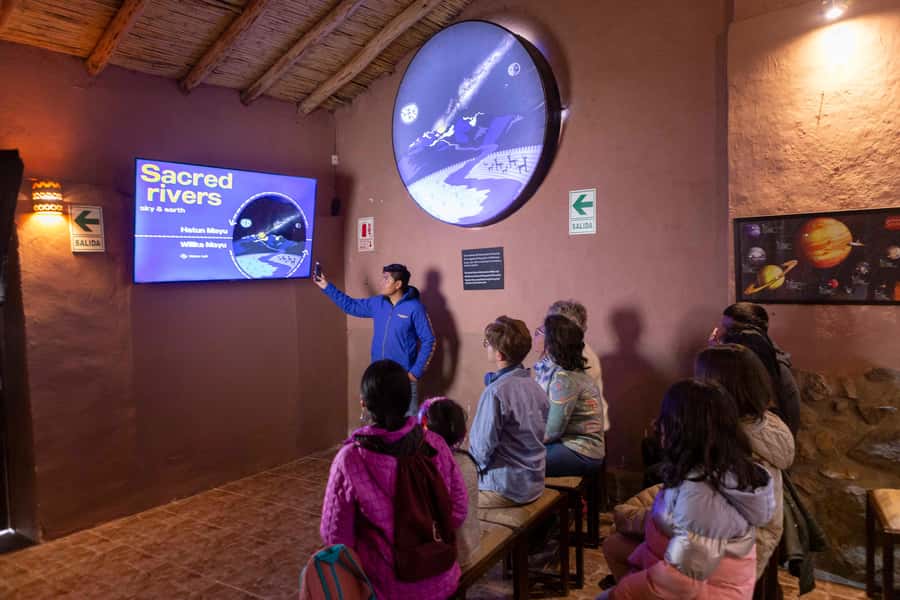
The first part takes place in interpretation rooms rather than under the main dome. This introduction sets up the ideas you will need later, including the role of astronomy in Inca culture and the way Andean communities understood the sky.
Do not expect a university-level astronomy class. The material is aimed at curious visitors who want a clear cultural introduction. The guides explain the basic ideas through storytelling, which keeps the subject approachable for families with older children and adults who have not studied astronomy.
The tone is friendly and informal. One of the pleasing details of the experience is the sense that the staff genuinely enjoy talking about stars, the universe, and the Inca. The atmosphere can feel warm and lightly humorous rather than stiff or overly formal.
English is available, as is Spanish. The English explanations are suitable for visitors who want to follow the historical and scientific points without needing specialist vocabulary. You should still ask questions if a term or idea moves too quickly.
A practical tip: blankets are available at the entrance, and sitting on one of the chairs there can help if you feel cold. The planetarium is designed for a comfortable evening visit, but Cusco’s elevation and nighttime temperatures make warm layers a wise choice.
The dome and the southern sky at about 18:40
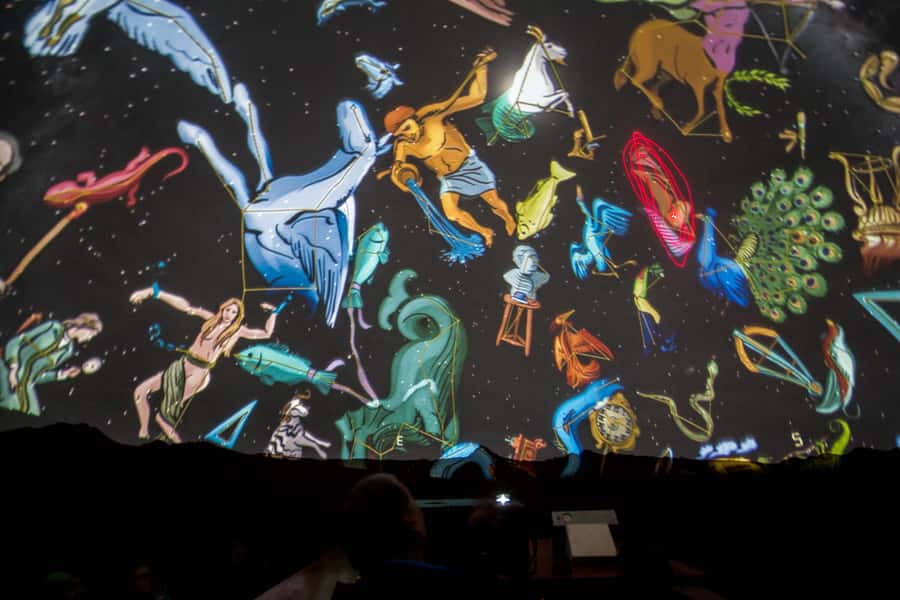
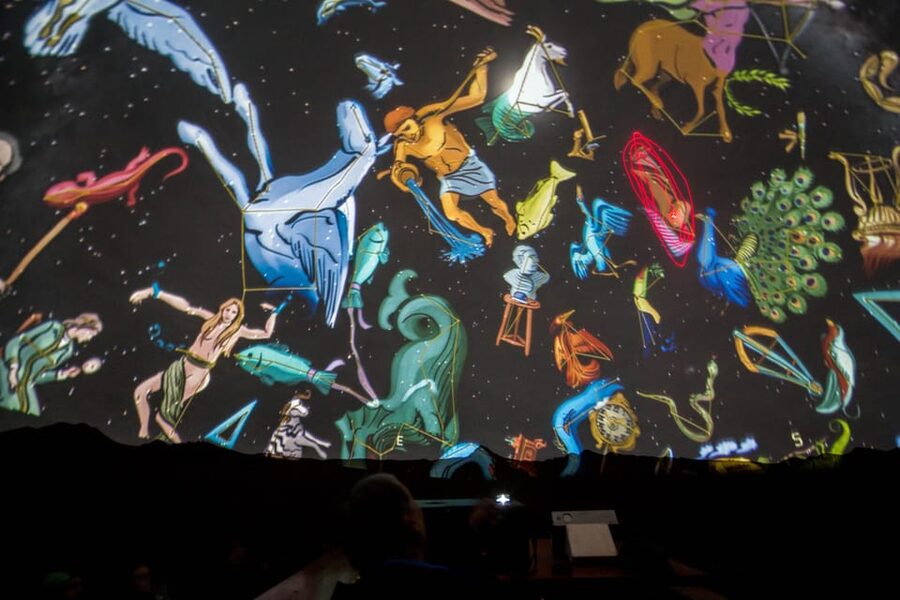
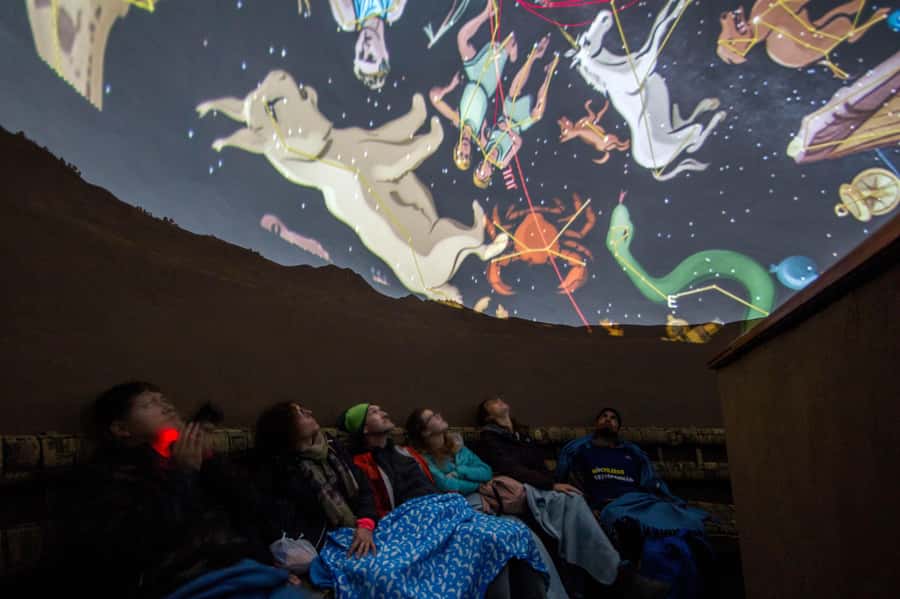
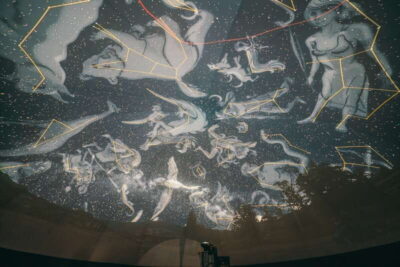
At roughly 18:40, the program moves to the dome. A virtual projection recreates the southern sky and presents the Inca constellations in a setting that is easier to follow than simply looking upward.
This is the heart of the visit. The dome gives you a broad view of the sky while the guide explains what you are seeing. Instead of trying to identify stars in real time, you can focus on the stories and patterns.
The projection is especially useful when clouds threaten the outdoor session. Even if the telescope viewing later fails, the dome still provides a complete presentation of the southern sky. That makes the $28 price less dependent on perfect weather than a simple stargazing outing would be.
The visual effect is also helpful after several busy days in Cusco. Museum displays and walking tours can give you facts in small pieces. Here, the dome gathers the information into one shared scene. You can watch the sky change and understand how different star groups relate to one another.
If you already spend a lot of time studying astronomy, the material may feel basic. The focus is on introduction, cultural meaning, and clear explanation rather than advanced astrophysics. I would choose a specialist observatory program instead if your main goal is technical detail or extended telescope time.
For most visitors, though, the dome is a strong middle ground. It gives you something visual, explains the cultural setting, and avoids making the evening depend entirely on the clouds.
More Stargazing Tours in the world:
- Dubai Red Dunes ATV, Camels, Stargazing & 5* BBQ Al Khayma Camp
★ 5.0 · 21,620 reviews - Sharm El-Sheikh: Ultimate ATV Quad, Stargazing & BBQ Dinner
★ 4.7 · 4,084 reviews - Tenerife: Teide National Park Sunset & Stargazing Tour
★ 4.2 · 3,812 reviews - Tenerife: Sunset and Stargazing at Teide National Park
★ 4.7 · 2,826 reviews
Telescope viewing when the clouds cooperate
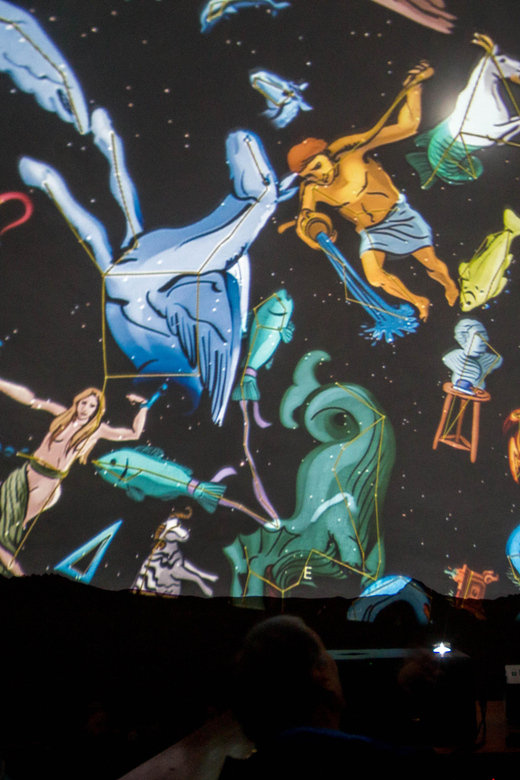
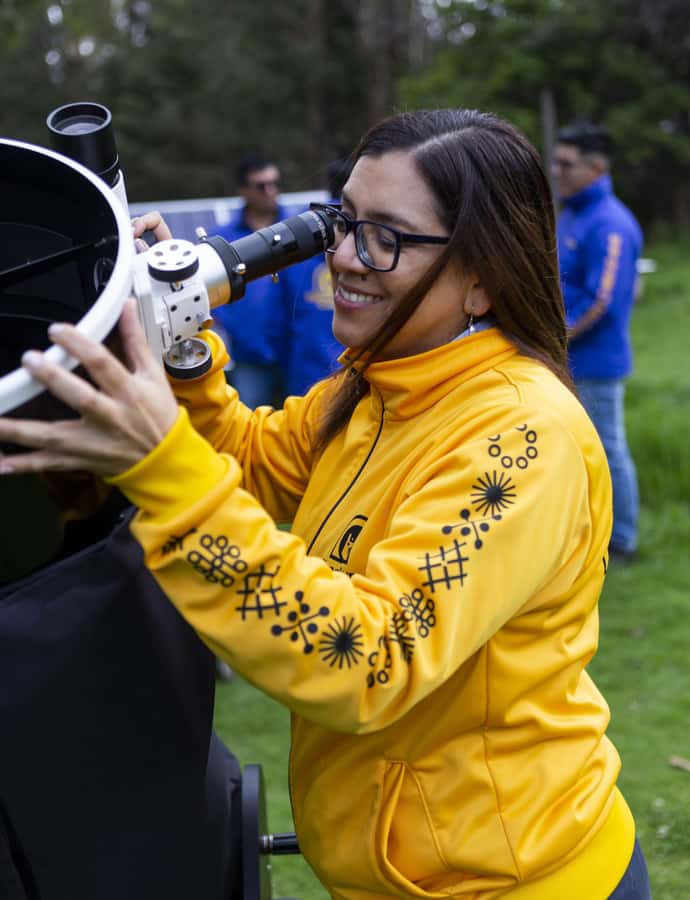
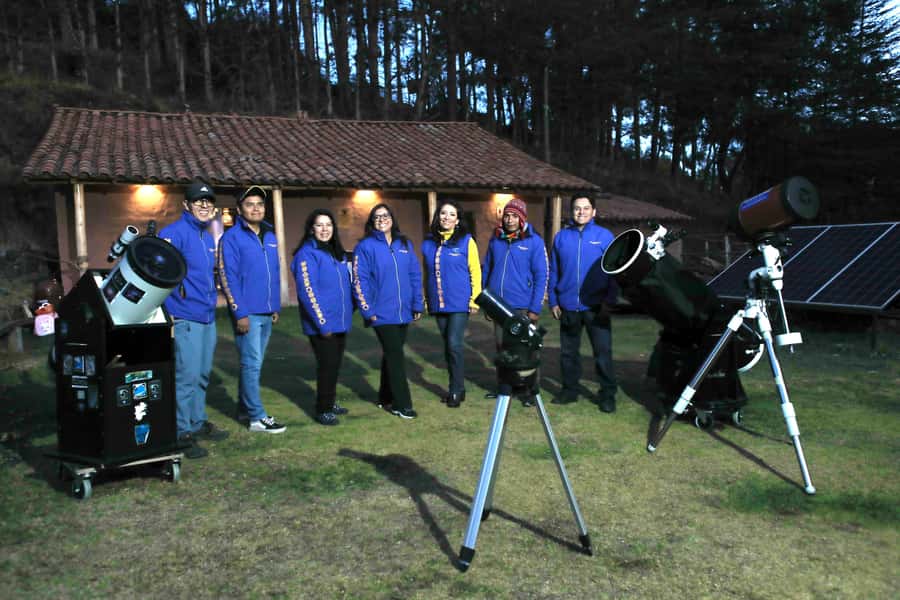
After the indoor program, you go outside for telescope viewing, weather permitting. This is the least predictable part of the evening and also the part that can create the biggest thrill.
The Andean setting offers a natural reason to look upward, but no tour can guarantee clear skies. Cloud cover may prevent you from seeing stars through the telescope. The schedule can also change so the staff can make the best use of any opening in the weather.
That flexibility is sensible. If the sky clears later, the team may adjust the order or timing to give you a better chance. You should treat outdoor viewing as a valuable possibility, not a promise.
When conditions cooperate, the telescope can turn a general astronomy lesson into something personal. Seeing a planet as a real object rather than a point in a projection changes the mood of the evening. On one especially successful night, visitors could make out Saturn’s rings, even though the sky had been partly cloudy.
That example also shows why you should not give up too quickly if the weather looks poor. The staff may still find a gap in the clouds. At the same time, you should keep expectations realistic. Some evenings will offer a rich view of stars and planets, while others will end with the dome as the main event.
Bring warm clothing and comfortable shoes. You do not need food for the scheduled program, and no meal is included. A light snack before meeting the group may be sensible if you usually eat early, but the activity itself is focused on astronomy rather than dining.
What the $28 price really buys you
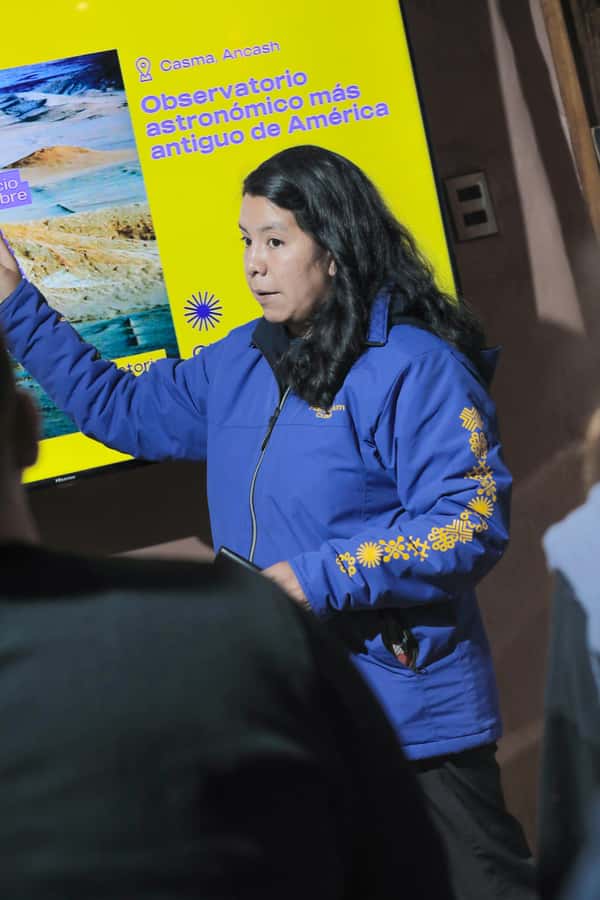
At $28 per person, this is not the cheapest way to spend an evening in Cusco, but it is a fair price for a two-hour activity with round-trip transport. You are paying for the guide, the interpretation rooms, the dome presentation, and access to telescope viewing when conditions allow.
The transport adds practical value. You do not need to find the planetarium on your own or arrange a return ride after the session. Meeting at Regocijo Square also keeps the starting point central and easy to combine with dinner or an afternoon in the historic center.
The small-group format improves the value. A large audience can make cultural explanations feel distant. A smaller group gives you a better chance to hear the guide, ask a question, and feel part of the discussion. It also suits people who enjoy a more personal setting without paying private-tour prices.
The weather policy is the key value question. If you are buying this only for telescope viewing, the price may feel high on a cloudy night. If you see it as a combined cultural presentation, dome show, and possible stargazing session, the cost is easier to justify.
Free cancellation up to 24 hours before the activity and the option to reserve now and pay later also help if your Cusco schedule is uncertain. You can place the experience on an evening when the forecast looks promising, while keeping some flexibility.
Who will enjoy Planetarium Cusco most
I would recommend this experience to you if you want a cultural activity that is different from another church, museum, or cooking class. It gives you a fresh way to think about Inca society and works well after daytime sightseeing.
It is also a good fit for couples, solo visitors, and small groups who enjoy guided explanation without a full-day commitment. The two-hour length leaves room for dinner afterward, and the meeting point is central enough to fit into a normal Cusco itinerary.
Families should note the age rule. Children under seven are not suitable for this activity, and unaccompanied minors are not allowed. Older children who can sit through a presentation and stay engaged with the night sky may enjoy it, especially if the telescope session is clear.
English and Spanish speakers can both take part. If you are traveling with friends who have different language needs, confirm the available language when booking.
The experience is less suited to an astronomy specialist looking for advanced material. The presentation aims to explain the main ideas in a lively, accessible way. You may want a more technical observatory program if you already know the major constellations, planets, and basic astronomy.
Practical details for a comfortable evening
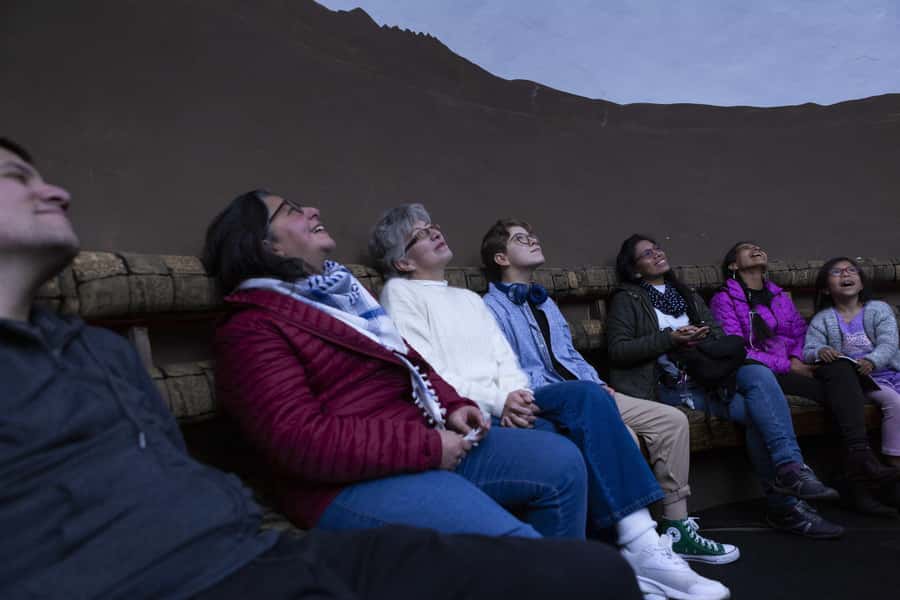
Wear warm layers, even if the afternoon feels mild. Cusco’s evening air can be cold, and you may spend part of the program outdoors waiting for telescope viewing.
Comfortable shoes are enough. You will walk from Regocijo Square to the transport and move between the planetarium’s indoor and outdoor areas, but this is not a demanding hike.
Leave pets at home, except for assistance dogs. Alcohol and drugs are not allowed, and audio recording is prohibited. These rules keep the presentation focused and protect the experience for the entire group.
The planned schedule is straightforward:
- Meet at Regocijo Square at 17:30.
- Walk to the transport and ride for about 10 to 15 minutes.
- Arrive at the planetarium around 18:05.
- Attend the introduction in the interpretation rooms.
- Watch the dome presentation at about 18:40.
- Try telescope viewing outdoors if conditions permit.
- Return toward Cusco at about 19:40.
The exact order may change to improve your chance of seeing the stars. I would keep dinner plans flexible after the activity rather than booking a restaurant at a very tight time.
Should you book this evening experience?
Book Planetarium Cusco if you want Inca culture explained through the night sky, a comfortable two-hour outing, and a real chance to see planets through a telescope. The dome presentation gives the evening structure, so the experience still has value when clouds block the stars.
Think twice if you already have advanced astronomy training or want a long, technical observing session. You may find the introduction too simple, and outdoor viewing is never guaranteed.
For most visitors, I would call it a worthwhile addition to a Cusco itinerary. The small group, friendly bilingual guides, easy transport, and mix of cultural history with modern projection technology make the $28 price reasonable. Just bring a warm jacket, arrive at the Regocijo fountain on time, and treat clear skies as a bonus rather than a guarantee.
FAQ
Where do I meet for Planetarium Cusco?
Meet in the middle of Plaza Regocijo, next to the fountain. The meeting time is 17:30.
How long does the activity last?
The experience lasts about two hours. The planned return toward Cusco is around 19:40, though the schedule may change to improve stargazing conditions.
Is transportation included?
Yes. Round-trip transportation from Regocijo Square is included. The ride to the planetarium takes about 10 to 15 minutes.
Is telescope stargazing guaranteed?
No. Telescope viewing depends on weather conditions. The team may adjust the schedule to make the best use of clear periods.
Which languages are available?
The live guides operate in English and Spanish.
What should I bring?
Bring comfortable shoes and warm clothing. Blankets are available at the planetarium if you feel cold. Food is not included.
Fresh listings near the world
- Cabo de Gata: Guided Night Walk with Stargazing★ 4.7 · 36 reviews
- Brisbane: Glow Worms, Sunset, Star Gazing & BBQ★ 4.4 · 26 reviews
- Cabo de Gata: Stargazing Experience★ 4.5 · 7 reviews
- Antofagasta: Astronomical Tour with a Guide★ 3.7 · 4 reviews
- Boulder: Guided Astronomy Tour★ 4.7 · 11 reviews
- 1-Day Grand Canyon Tour from Las Vegas: Stargazing & Sunrise★ 3.6 · 3 reviews
- Astronomical Tour: San Pedro de Atacama – Chile★ 4.5 · 3 reviews
- Perth: Pinnacles Stargazing, Sandboarding & Beach Kangaroos★ 5.0 · 3 reviews
Planetarium Visits, side by side.
Frost Museum of Science and Planetarium Entry Ticket
Read our review →
Houston Museum of Natural Sciences: Planetarium Ticket
Read our review →
Jasper Planetarium and Telescope Combo Tour Tickets
Read our review →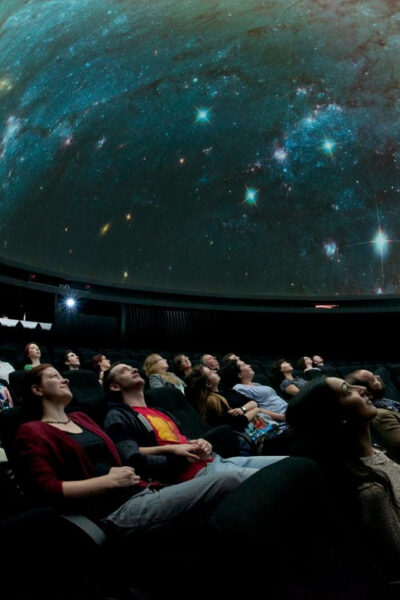
Cusco by Night: Planetarium Cusco, Dinner, and Pisco Sour
Read our review →
Lists this night appears in