REVIEW · NATIONAL PARK STARGAZING
Tenerife: Sunset and Stargazing at Teide National Park
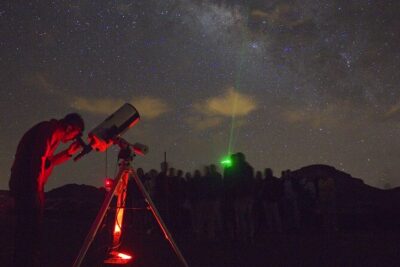
Teide’s night sky is the main event here. You rise above the clouds, watch the sun sink toward La Gomera, La Palma, and El Hierro, then turn your attention to planets, galaxies, and star clusters through a 12-inch Dobsonian telescope. The shift from glowing sunset to black sky is wonderfully dramatic.
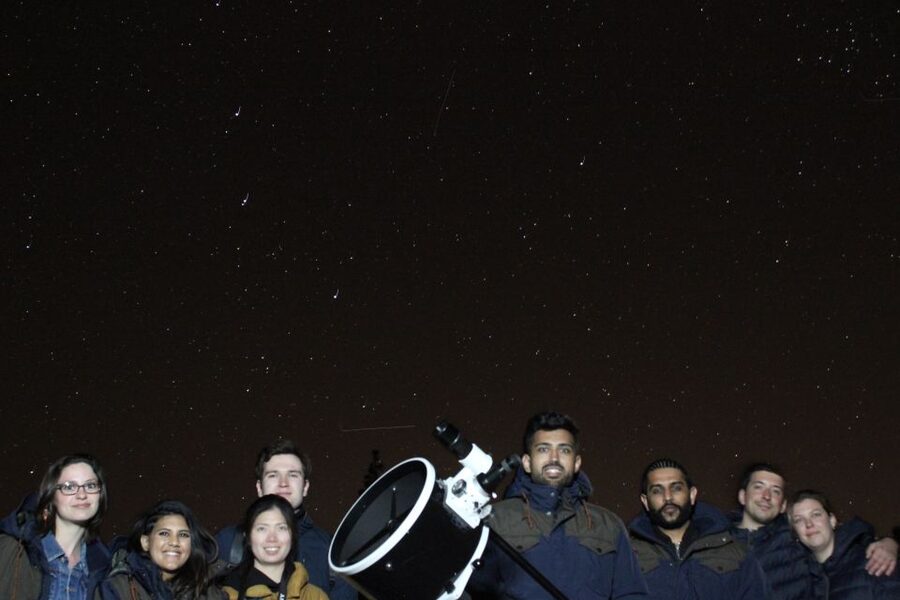
I like the small-group format, which gives you more time at the telescope than a big coach tour. I also like the free portrait taken beneath the stars, a thoughtful souvenir rather than another sunset snapshot. The main catch is the cold: at night, the mountain can feel close to freezing, and there are no toilet facilities at the viewing sites.
Key points to know before booking
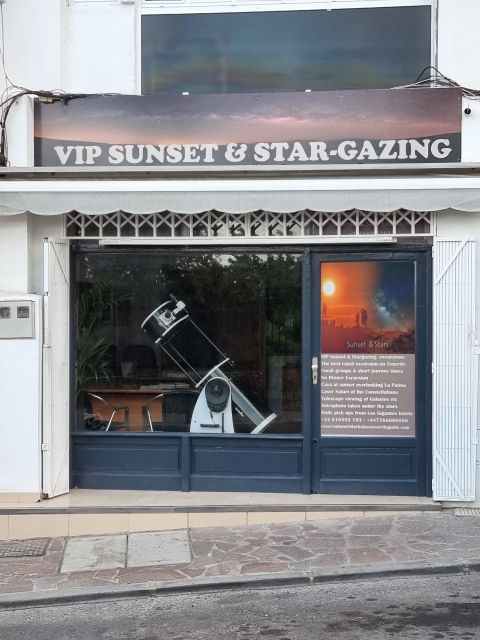
- Sunset above the clouds: Watch the sky change color from a viewpoint around 1,400 meters, with Teide and the neighboring islands in view.
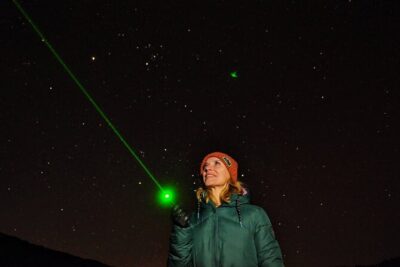
- Real astronomy, not just a pretty sky: Guides use lasers, mythology, and a large Dobsonian telescope to explain constellations, planets, nebulae, and galaxies.
- Small groups matter: Groups are often arranged with about eight people per guide, so telescope time is not swallowed by a crowd.
- The cold is serious: Pack winter layers, long trousers, warm shoes, and a proper jacket. VIP guests may receive warm jackets.
- Two booking styles: Choose pickup and drop-off in southern Tenerife, or drive your rental car to the meeting point and follow the guides afterward.
- A useful keepsake: You receive an individual astrophotography portrait at no extra charge.
From volcanic lava to a sunset over three islands
The outing begins with a drive of roughly 45 minutes, depending on your pickup point. The route takes you from the southern resorts toward Teide National Park and its volcanic scenery. This is not a hike to the summit, and it does not include the cable car or Teide Observatory. You are visiting public viewpoints beside the road.
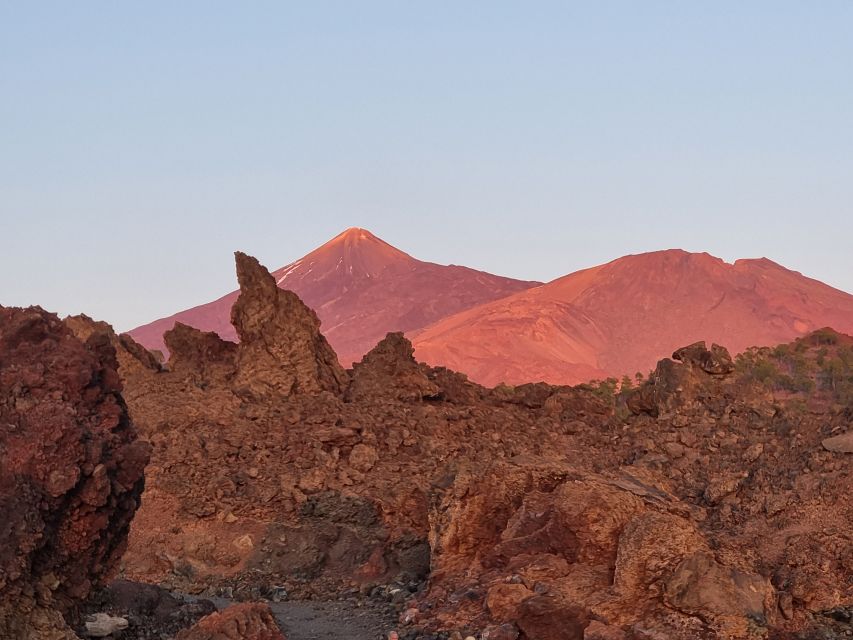
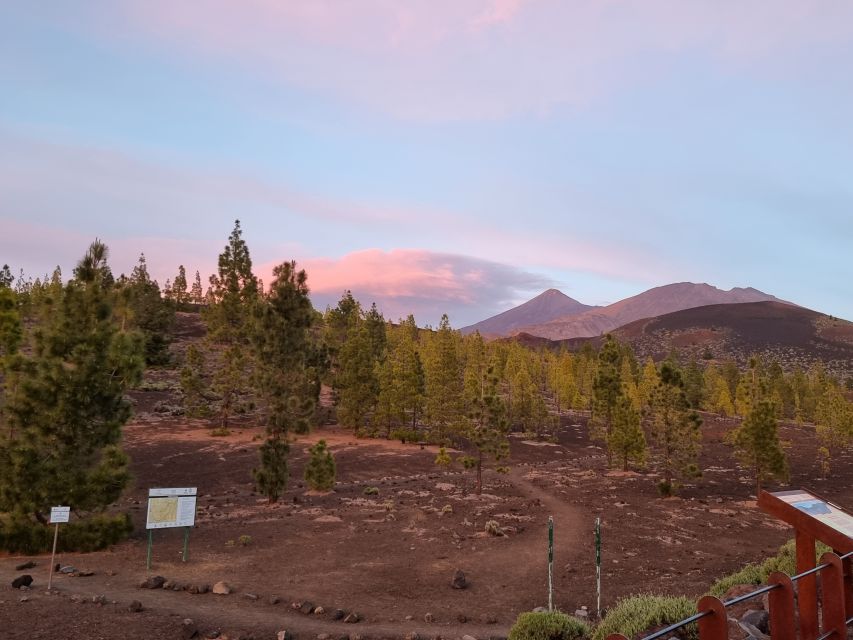
The sunset stop is around 1,400 meters above sea level, near a lava flow linked to a volcanic eruption recorded in Christopher Columbus’s ship log in 1492. That detail gives the stop some character, but the real draw is the view. On a clear evening, La Gomera, La Palma, and El Hierro appear across the horizon as the sun drops behind them.
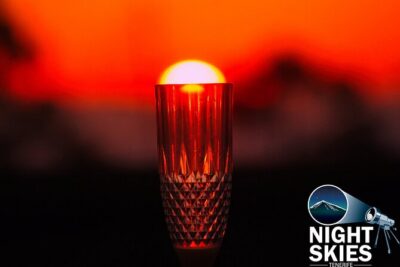
You receive a glass of Cava, or a non-alcoholic drink, while the sky changes color. I like this small touch because it gives you something pleasant to do while waiting for the best light, and it feels more fitting than handing out a standard bottled drink. Bring your camera, but do not spend the whole stop staring at a screen. Teide’s volcanic slopes and the cloud sea are better enjoyed with your own eyes.
Every sunset depends on wind, cloud, and visibility. That means the view will not be identical from one evening to the next. Cloud can be a nuisance, but from above it may also form a soft white layer below the sunset, with the mountain rising through it. If you are self-driving, arrive early enough to find the meeting point and parking without a rush. The first viewpoint has limited parking, and arriving 15 to 20 minutes early is sensible.
More National Park Stargazing in Spain
- Tenerife: Teide National Park Sunset & Stargazing Tour
★ 4.2 · 3,812 reviews - Teide National Park Sunset & Stargazing with Dinner (Star Safari)
★ 5.0 · 2,601 reviews - Teide National Park: Sunset & Stargazing Safari with Dinner
★ 4.6 · 2,115 reviews
A short transfer to the darker viewing site
After sunset, the group usually moves only a few minutes by van or by following the guides in your own car. The second viewpoint is chosen for night-sky viewing, and the guides may adjust the plan if wind, clouds, or low temperatures make a higher location unpleasant.
The tour does not promise perfect skies. That is important. If conditions are poor, the guides may remain at the lower viewpoint, which can still work well for stargazing. This is a sensible safety decision, not a failed tour, but you should book with the understanding that astronomy depends on weather.
The activity lasts about three to four hours in total. Around two hours and fifteen minutes are set aside for the guided astronomy session, though the exact pace depends on the season and conditions. You are outside for much of the evening, so the cold is not a minor detail. Several people found winter temperatures much lower than expected on an otherwise warm Tenerife holiday.
Pack a proper jacket, warm shoes, long trousers, a long-sleeved shirt, and several layers. Sports shoes are suitable for the viewpoint, but sandals and light holiday clothing are poor choices. VIP participants may receive warm jackets, and hot chocolate has sometimes been served as an extra comfort, but do not rely on a drink or supplied clothing to replace your own warm gear.
Learning the sky with lasers and stories
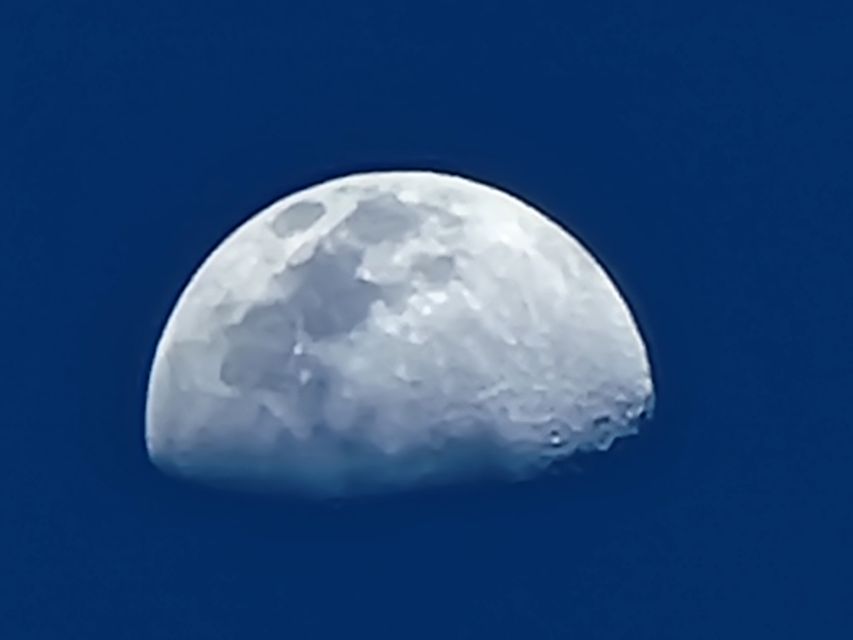
The astronomy session is more than a quick look through a telescope. Guides use a laser pointer to trace constellations and explain how to find them for yourself. You learn to locate Polaris, the North Star, by following the stars of the Big Dipper, or Ursa Major, and to find the Andromeda Galaxy using the Great Square of Pegasus.
Greek mythology is part of the storytelling, but the explanations remain practical. You are not simply told the name of a constellation and sent along. The guide shows you how to recognize patterns, which helps you repeat the exercise later from another dark location.
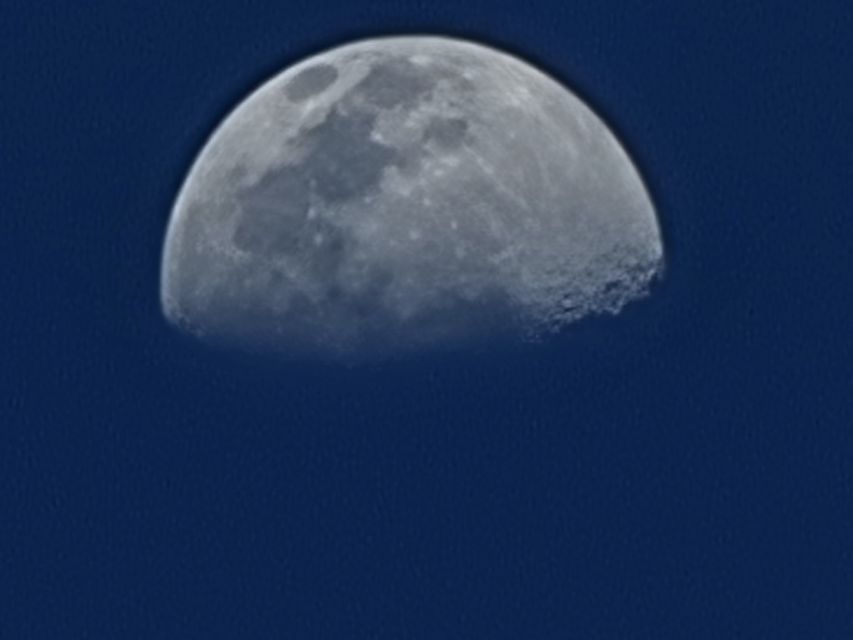
The exact objects depend on the time of year. Near a full moon, the Moon becomes the star of the evening, with its craters and bright surface showing clearly through the telescope. When visible in summer and autumn, Saturn may reveal its rings and Jupiter its Galilean moons. In winter, the Pleiades, also called the Seven Sisters, can appear among other star clusters and deep-sky objects.
The guide team changes by date. Peter, Phil, Roland, Dani, Jamie, Andrew, and other guides have led recent departures. Peter is often praised for his astronomy knowledge and humor, while Phil is known for friendly guiding and confident driving. The key point for you is that the experience depends heavily on the guide’s ability to explain what you are seeing. This team’s approach is conversational and lively rather than stiff or overly technical.
Clouds can interrupt the program. A good guide will keep explaining the sky and the science rather than panic while waiting for a gap. If stars appear later, the session can continue with a stronger sense of discovery. That patience is useful in mountain weather.
What the 12-inch Dobsonian telescope adds
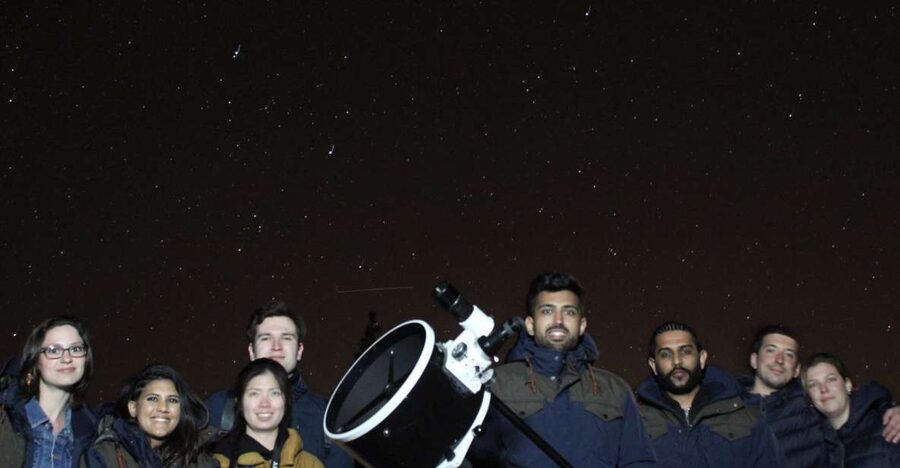
The telescope is a major reason to choose this outing instead of simply driving to Teide for sunset. A 12-inch Dobsonian gathers enough light to show more than the bright points you see with the naked eye. You might view planets, star clusters, nebulae, or galaxies, depending on the date and visibility.
Do not expect every object to look like a colorful space photograph. Through a telescope, some objects appear as small, sharp forms, while faint galaxies and nebulae may look subtle. The guide’s explanation matters as much as the image itself. You learn what you are seeing, how far away it is, and why it looks different from a planet or a cluster.
The small-group arrangement helps here. Groups are often organized with about eight people per guide, and that size allows each person a fair chance at the eyepiece. You are less likely to spend the whole session waiting behind a large queue. It also makes it easier to ask questions, though the total group size can vary by departure.
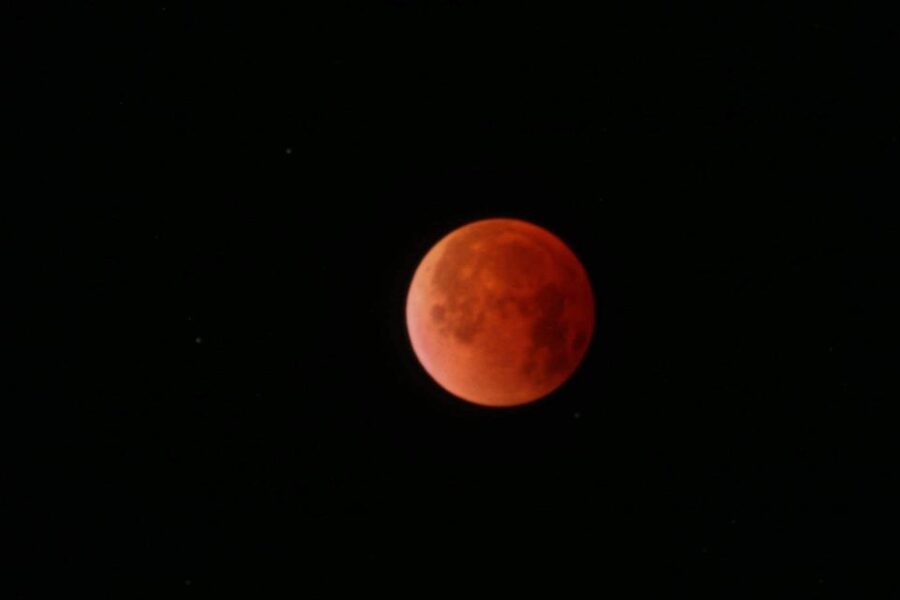
If the Moon is bright, it can wash out some faint stars and galaxies. That is not necessarily a bad thing because the Moon itself becomes an excellent subject. If you want the darkest possible sky, consider a date near the new moon, when the moonlight has less effect. The tour’s information does not promise a specific moon phase, so check the lunar calendar before booking if this matters to you.
More National Park Stargazing in Tenerife
- Teide National Park: Guided Large Telescope Stargazing Tour
★ 4.9 · 319 reviews - Tenerife. Stargazing in Teide National Park
★ 4.9 · 319 reviews - Teide National Park: Stargazing Experience
★ 4.7 · 220 reviews - Self Drive Sunset & Stargazing in Teide National Park – No Dinner
★ 5.0 · 151 reviews
A portrait beneath the stars
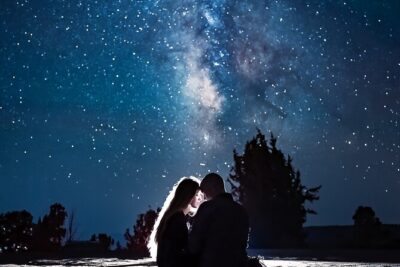
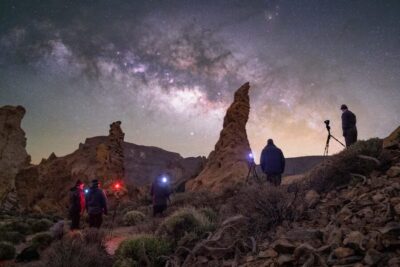
The free astrophotography portrait is one of the tour’s best practical extras. The guides photograph each person individually against the night sky, using a technique that captures both you and the stars overhead. It gives you a clear memory of the evening without requiring you to understand manual camera settings.
This is different from taking a dark selfie on your phone. The final image is intended to show the blanket of stars above you, so it can become the most useful souvenir from the tour. Ask how and when the image will be delivered if that detail matters to you, since the supplied information confirms the photograph is included but does not specify the delivery method.
Cava at sunset is included, with a non-alcoholic alternative. Food is not included, so eat before leaving or arrange dinner afterward. The timing is usually late enough that families and couples may appreciate having a plan for food once they return to the coast.
VIP pickup or self-drive: choose carefully
The VIP option includes pickup and drop-off at accommodation, or at a nearby point within walking distance, in southern Tenerife. The service covers the coast roughly between El Médano and Los Gigantes, with some exceptions. You must provide the exact address in advance, and children under five are not allowed on the VIP option.
The exact pickup time arrives by WhatsApp on the day of the tour and can differ by as much as two hours from the generic time on your booking confirmation. Keep your phone available and make sure the number is correct. If the operator cannot reach you through WhatsApp or email, the booking may be treated as a no-show.
The self-drive option requires a rental car. Public transport and taxis do not meet the stated requirement. You drive to the meeting point, normally Mirador de los Poleos, then follow the guides in your own vehicle to the stargazing site after sunset.
The self-drive choice can save money and gives you more control, but mountain driving requires confidence. The roads can be challenging for young or inexperienced drivers, and parking at the first sunset point is limited. The meeting time changes with sunset, so rely on the same-day WhatsApp message rather than the generic time printed on the ticket.
Pickup is not offered from northern Tenerife. If you are staying in Puerto de la Cruz or another northern base, you would need to arrange your own transport to the southern pickup area or choose self-drive if practical.
Is $47 good value?
At about $47 per person, the base price is reasonable for a three-to-four-hour outing that combines transportation options, a sunset stop, a guide-led astronomy session, telescope viewing, a drink, and an individual photograph. You are not paying for a meal, cable car ride, or access to the observatory, so compare it with those expectations before booking.
I see the best value in the quality of the night-sky session. A casual sunset viewpoint costs little, but arranging a suitable telescope, guide, dark-sky location, and astrophotography portrait on your own is harder. The small group also matters because it reduces waiting time at the telescope.
The VIP option may cost more than the base rate, but the extra convenience can be worthwhile if you are staying in the southern resort area and do not want to drive mountain roads after dark. For a group of friends or family, the self-drive option may make more sense if everyone is comfortable with the route.
The trade-offs are clear. You spend much of the evening outdoors, there are no toilets at or near the viewing sites, and bad weather can limit what you see. You also need to make your own dinner plans. This is good value for someone who wants astronomy, not for someone seeking a relaxed dinner excursion with indoor comfort.
Who will enjoy this Tenerife night tour?
I would choose this tour if you want to understand the night sky instead of merely photographing it. It suits couples, families with older children, and curious adults who enjoy a guide with a sense of humor. A 14-year-old, for example, is likely to find the telescope and planet viewing more engaging than a long lecture.
It is also a good choice for photographers who want a sunset, volcanic scenery, and a star portrait in one evening. The free astrophotography image saves you from bringing special equipment, though you should still bring a camera for the sunset.
I would hesitate if you dislike cold weather, have altitude-sickness concerns, or need regular toilet access. The activity is not suitable for people with altitude sickness, and it is not a hiking tour. Anyone using a wheelchair should contact the operator in advance, since the experience takes place at public viewpoints and the supplied information does not describe full access details.
The tour is conducted in English. If you need another language, this is not the right choice based on the information available.
My booking advice
Book this sunset and stargazing tour if the idea of seeing Saturn’s rings, Jupiter’s moons, the Milky Way, or a dark mountain sky excites you more than a standard island excursion. I especially like the mix of sunset, simple astronomy lessons, serious telescope time, and the free portrait.
Choose your date with care. A new moon or a night before moonrise may give you darker conditions for faint objects, while a bright Moon can provide the best close-up lunar view. In every season, pack as if you are going somewhere much colder than the Tenerife coast.
For the most relaxed evening, choose VIP pickup if you are staying within the southern service area. Choose self-drive only if you have a rental car, can handle the mountain road, and are ready to follow the same-day meeting instructions. At $47, the standard experience offers strong value, provided you understand that weather, darkness, and mountain temperatures are part of the deal.
FAQ
How long does the Tenerife sunset and stargazing tour last?
The activity lasts about three to four hours. The itinerary includes roughly 45 minutes of driving to the sunset area, about 45 minutes at the first viewpoint, a short transfer, and around two hours and 15 minutes of guided stargazing.
What can I see through the telescope?
Depending on the season and visibility, you might see the Moon, planets, galaxies, nebulae, and star clusters. Saturn’s rings and Jupiter’s Galilean moons are visible when those planets are in the sky. The Pleiades may be visible in winter.
Is the sunset viewed from Mount Teide?
The sunset is viewed from a public viewpoint around 1,400 meters above sea level, near Teide National Park. The activity does not include hiking to Mount Teide, the cable car, or a visit to Teide Observatory.
Do I need to bring warm clothing?
Yes. Bring a jacket, long-sleeved shirt, long trousers, warm shoes, and weather-appropriate layers. The mountain can become very cold and windy at night. Warm jackets are listed for the VIP option only.
Are toilets available during the tour?
There are no toilet facilities at or near the sunset and stargazing locations. Plan accordingly before the tour begins.
Can I join without a rental car?
Only if you select an option with pickup, and that service is limited to southern Tenerife within the stated pickup area. The self-drive option requires a rental car. Public transport and taxis cannot be used for the self-drive arrangement.
Is a photograph included?
Yes. The guides take an individual photograph using astrophotography techniques to show you beneath the stars, and it is included at no extra charge.
What happens if the weather is poor?
If wind, clouds, or low temperatures make the higher viewpoint unsuitable, the guides may stay at the lower viewpoint. The guides decide based on conditions, and the lower location can still be used for stargazing.
More Sunset and Stargazing Tours in Tenerife
- Teide: Small Group Sunset Adventure with Picnic & Stargazing
★ 4.6 · 231 reviews - Tenerife: Teide National Park Sunset Picnic and Stargazing
★ 4.6 · 117 reviews - Private astronomy tour with sunset toast, picnic, and astrophotography
★ 4.8 · 83 reviews - Magic Stargazing & Sunset in Teide with Dinner + Telescopes
★ 3.5 · 20 reviews
More Sunset and Stargazing Tours in Spain
- Teide by Night: Sunset & Stargazing with Telescopes Experience
★ 4.5 · 1,492 reviews - Teide: Guided Sunset & Stargazing Tour by Night with Dinner
★ 4.7 · 1,339 reviews - Sunset & Stargazing Experience From Teide
★ 4.5 · 1,129 reviews - Tenerife: Sunset Night Tour and Stargazing at Teide + Dinner
★ 3.8 · 316 reviews
Fresh listings near Tenerife
- Magic Stargazing & Sunset in Teide with Dinner + Telescopes★ 3.5 · 20 reviews
- Private astronomy tour with sunset toast, picnic, and astrophotography★ 4.8 · 83 reviews
- Mount Teide Night Tour: Stargazing, Dinner and Hotel Pick up★ 3.5 · 86 reviews
- Tenerife: Teide Stargazing with an Astrophysicist★ 4.9 · 74 reviews
- Tenerife: Stargazing at Mt. Teide★ 4.2 · 72 reviews
- Tenerife: Teide National Park Sunset Picnic and Stargazing★ 4.6 · 117 reviews
- Teide National Park: Stargazing Experience★ 5.0 · 118 reviews
- Tenerife: Mount Teide Observatory Astronomical Tour★ 4.4 · 126 reviews
National Park Stargazing, side by side.
Teide National Park Sunset & Stargazing with Dinner (Star Safari)
Read our review →
National Park Astronomy Tour with Telescope and Photo
Read our review →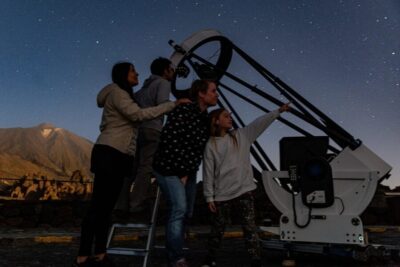
Teide National Park: Guided Large Telescope Stargazing Tour
Read our review →
Self Drive Sunset & Stargazing in Teide National Park – No Dinner
Read our review →