REVIEW · NATIONAL PARK STARGAZING
Tenerife. Stargazing in Teide National Park
Teide’s high, dark skies turn a simple look upward into a proper astronomy lesson. Guide Roberto uses a powerful telescope, laser explanations, and clear stories about stars, planets, constellations, and mythology, all at a calm pace. I especially like the small group format and the fact that everyone gets time at the telescope rather than watching from the sidelines. The free photos, including playful lightsaber shots, are a fun bonus.
There are two things to plan for: the cold and the drive up. Night temperatures have reached about 3 C with strong wind, and even milder forecasts can feel much colder at altitude. You also need to arrange your own transport to Ermita de las Nieves, but the activity is priced at a reasonable $41 for a full two-hour session with quality equipment and no extra charge for the photos.
Key points to know before you book
- Roberto leads in English and Spanish, making complex space topics easy to follow for mixed-language groups.
- The telescope is the main event, with sights that can include Saturn, the Moon, star clusters, nebulae, double stars, and galaxies.
- You meet 40 minutes after sunset beside Ermita de las Nieves in Teide National Park.
- Small groups keep the session personal, with time for questions and repeated turns at the telescope.
- Warm clothing is essential, and blankets, water, and chocolate may be available to help with the mountain cold.
- Free night-sky photos give you a useful souvenir instead of leaving you with only a memory.
Why Teide is such a good place to see the stars
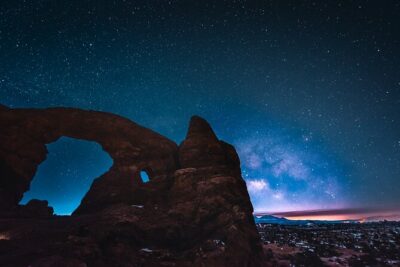
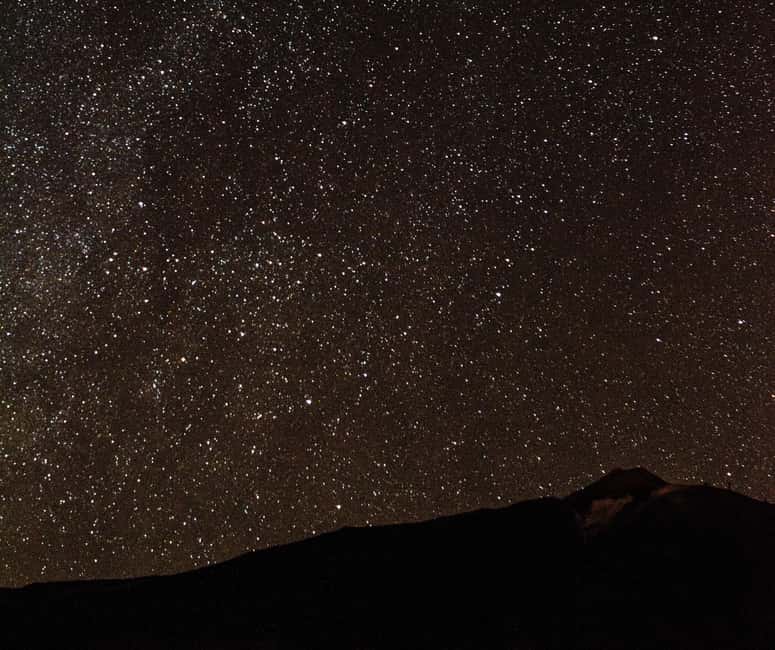
Mount Teide gives this experience its real sense of place. You are not simply standing in a town and pointing at a few bright stars. The meeting point is in Teide National Park, high above much of Tenerife’s coastal development and its artificial light.
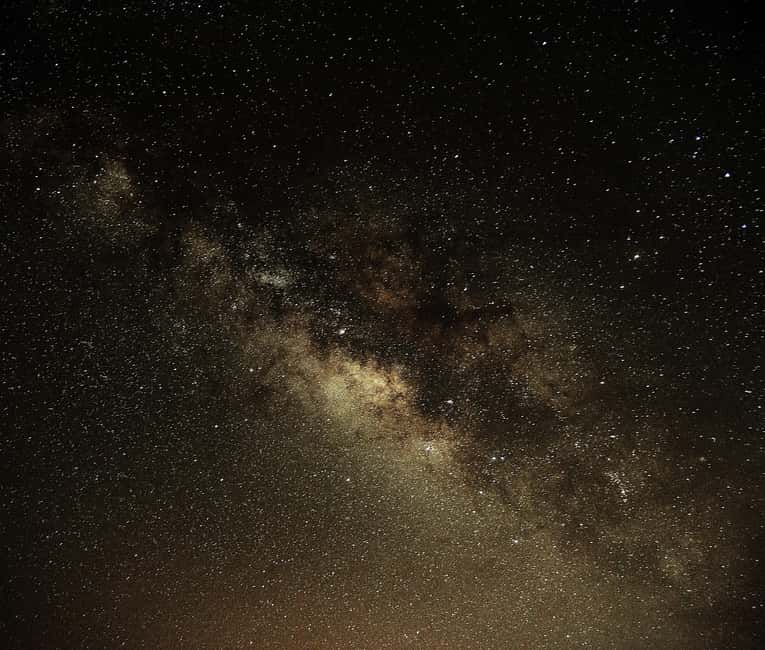
That dark setting matters. It lets you see far more than the brightest stars, and it gives the telescope a better backdrop for faint objects such as clusters, nebulae, and distant galaxies. The Milky Way may be visible when conditions cooperate, and the exact selection of objects changes with the season and the position of the Moon.
You should still keep expectations sensible. Astronomy depends on clouds, wind, visibility, and the night sky itself. A clear evening can be spectacular, but no guide can promise every planet or galaxy on every date. The activity is strongest when you enjoy learning how the sky works, not only checking off a list of famous objects.
The mountain setting also brings a tradeoff. You gain darker skies, but you lose warmth. At roughly 2,000 meters, Tenerife’s mild coastal climate no longer applies. Bring more clothing than you think you need.
More National Park Stargazing in Spain
- Tenerife: Teide National Park Sunset & Stargazing Tour
★ 4.2 · 3,812 reviews - Tenerife: Sunset and Stargazing at Teide National Park
★ 4.7 · 2,826 reviews - Teide National Park Sunset & Stargazing with Dinner (Star Safari)
★ 5.0 · 2,601 reviews
Meeting Roberto after sunset
The session starts 40 minutes after sunset, and the guide waits beside Ermita de las Nieves. That timing gives the sky a chance to darken before the main viewing begins. It also means you should allow plenty of time for the drive through the national park.
The roads can be busy around sunset, especially with people stopping for sunset views and other astronomy groups heading uphill. If you are driving, leave early enough to avoid turning the start of the evening into a race. Several people found the meeting point easy to reach by car, with parking available nearby, but you are responsible for getting there because transfers are not included.
Before the session, check the weather forecast for the park rather than relying on the temperature at your hotel. Tenerife can be warm by the sea and cold on Teide the same night. Wear long trousers, sturdy shoes or trainers, a fleece, and a proper coat. A hat and gloves are sensible additions when wind is expected.
Roberto’s communication before the activity is one of the practical strengths here. He provides advance information about timing and the cold, helping you arrive prepared. That matters more than it may sound. A poorly dressed person spends the whole session thinking about frozen fingers instead of Saturn.
Learning to read the night sky
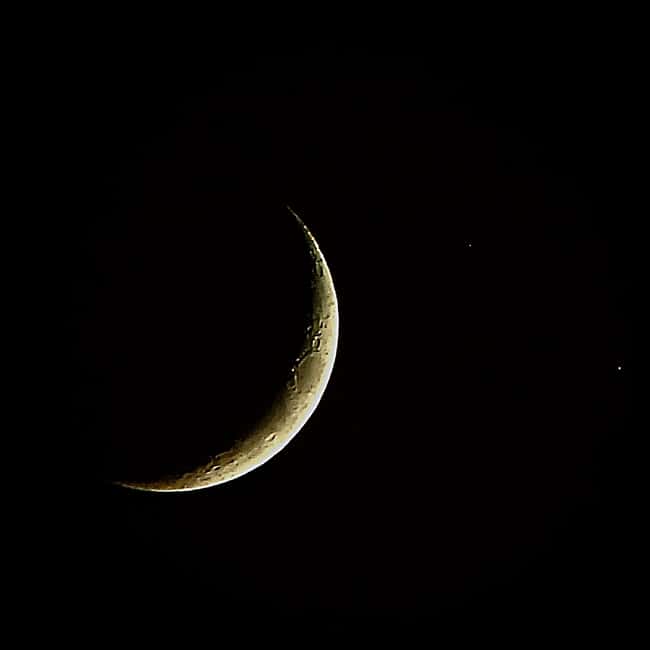
The first part of the experience is not simply a queue for the telescope. Roberto explains the basic structure of the sky, including how the celestial sphere appears to move and how you can find important stars and constellations.
This gives the evening a useful shape. Instead of seeing isolated points of light, you begin to understand how the sky is organized. You learn to distinguish major stars, identify constellation patterns, and use them for orientation. The explanations cover science, history, and mythology, so the session works for a first-time stargazer as well as someone who already owns binoculars or a telescope.
Roberto’s style is especially helpful for families and mixed-age groups. He assumes no prior knowledge and breaks difficult subjects into plain language. Children can ask basic questions without feeling out of place, while adults who want more detail can ask about planets, galaxies, or the movement of the sky.
The bilingual format is another advantage. Roberto speaks English and Spanish, and he has been praised for keeping both language groups involved rather than treating one as an afterthought. If your Spanish is limited, you can still follow the main explanations in English. If you are visiting from a Spanish-speaking country, the same session remains accessible in Spanish.
The mythology adds personality to the science. Constellations are not only shapes in the sky. They carry old stories and cultural meanings, and hearing those tales helps you remember what you are looking at. Just be aware that this is an astronomy experience first. The emphasis is on understanding the cosmos, with mythology and astrology-related material used as part of the wider discussion.
Taking turns at the high-end telescope
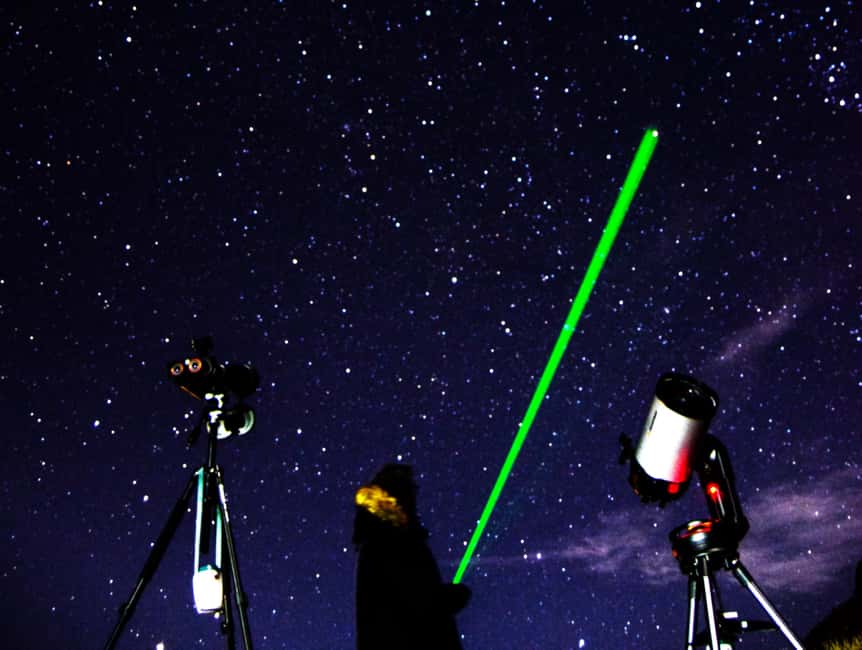
The telescope is the heart of the evening. The equipment has been described as an impressive 8-inch Go-To scope, supported by astronomy binoculars on a tripod. That gives you more than a casual naked-eye stargazing session.
The exact sights vary by date, but previous sessions have included planets, the Moon, double stars, star clusters, nebulae, and galaxies. Saturn and its rings have been visible on suitable evenings, while the Andromeda Galaxy, Neptune, comets, and the Milky Way have also appeared in different conditions. You might see only some of these on your night, depending on the season and weather.
The important point is the way the viewing is handled. Roberto takes the group through one object at a time, explains what you are seeing, and makes sure each person gets a turn. The small group helps here. Groups have generally been around 10 to 12 people, and the format leaves room for questions without making the telescope feel like a rushed amusement-park attraction.
You should not expect every object to look like a colorful space photograph. A telescope shows you real light arriving from very far away, and some galaxies or nebulae may appear as faint shapes rather than bright, detailed images. That is part of the lesson. The guide helps you understand what you are seeing and why it matters.
The telescope also makes the activity rewarding for experienced amateurs. One participant who already owned good scopes appreciated the dark sky, the 8-inch equipment, and the range of targets. At the same time, the session is not built only for hobbyists. You do not need to know the difference between a cluster and a galaxy before arriving.
More National Park Stargazing in Tenerife
- Teide National Park: Sunset & Stargazing Safari with Dinner
★ 4.6 · 2,115 reviews - Teide National Park: Guided Large Telescope Stargazing Tour
★ 4.9 · 319 reviews - Teide National Park: Stargazing Experience
★ 4.7 · 220 reviews - Self Drive Sunset & Stargazing in Teide National Park – No Dinner
★ 5.0 · 151 reviews
Small groups make a real difference
A group of about 10 or 11 people is large enough to create a friendly atmosphere but small enough for direct attention. You can ask questions, move between naked-eye viewing and the telescope, and get help when you are trying to locate a constellation.
This format also suits families. Children have been included in the explanations, and Roberto takes their questions seriously. A nine-year-old can enjoy the session, while older children and teenagers can follow more detailed explanations about planets, galaxies, and the scale of the Universe.
The two-hour length feels well judged. A shorter activity would risk becoming a quick look through the telescope with little context. A much longer session could be hard on children and uncomfortable in the cold. Here, you get enough time for explanation, observation, questions, and photos without committing to a whole night outdoors.
Still, two hours in mountain darkness is not effortless for everyone. Babies under one year are not suitable for the activity, and very young children may struggle with the cold even if they are interested in space. Families should bring serious winter clothing and be ready for a slow, quiet evening rather than a fast-moving attraction.
The cold, blankets, and small comforts
The cold is the biggest practical drawback. Reports from different evenings range from about 3 C with strong winds to milder temperatures around 10 to 12 C, but the exposed mountain air can feel colder than the forecast suggests.
Roberto has supplied blankets, extra fleece layers, or jackets when needed. Water and chocolate have also been offered during sessions. These touches are useful, but they should not replace your own preparation. Bring your own warm layers, because comfort depends on the conditions and available supplies on the night.
Wear shoes that keep your feet secure and dry. You may spend some time standing outdoors while looking through the telescope or listening to an explanation. High heels, thin sandals, and light holiday clothing are poor choices.
The calm pace is part of the appeal. Astronomy works better when you are not being rushed from one point to another. You get time to let your eyes adjust, listen, and look again. But that same calm pace means you should not expect constant activity. If you need a lively attraction with lots of movement, this may feel too quiet.
Free photos under the Teide sky
At the end of the session, Roberto takes photos of participants beneath the night sky. These can include the stars and Teide in the background, and some sessions have included playful lightsaber images.
This is a genuinely useful extra. Night-sky photography is difficult with a phone, especially when you also want people in the frame. The guide’s camera and experience give you a better chance of taking home a clear memory of the evening.
You may also receive help with your own astrophotography. Roberto has shown people how to take better photos and allowed them to share images afterward. Do not treat this as a dedicated photography workshop, though. The main focus remains the telescope and the explanations.
The photos also help solve a common problem with stargazing experiences: the event can feel hard to prove later. A dark sky often looks black in an ordinary phone photo. A properly made portrait with stars behind you gives the evening a clear visual souvenir without charging an added photo fee.
Is $41 a fair price?
At $41 per person, this is good value if you want a guided astronomy session rather than only a scenic stop in Teide National Park. The price covers the two-hour experience, telescope use, laser-based explanations, bilingual guiding, and free photos.
You do need to add the cost of getting to the park. Transfers, food, and drinks are not included, so this works best if you already have a rental car or another reliable way to reach the meeting point. Plan to eat before or after the activity rather than expecting a meal during it.
The value is strongest for people who would not know where to start on their own. You get access to equipment that is more serious than basic tourist binoculars, plus someone who can explain what you are seeing. If you already own advanced equipment and have a strong grasp of astronomy, the dark sky and guided selection of objects can still justify the price, but your expectations will be higher.
Free cancellation up to 24 hours before the start gives you some protection if the weather forecast turns poor. You can also reserve now and pay later, which helps if you are planning several Tenerife activities. Check the available start time when booking, since the exact schedule changes with sunset.
Who will enjoy this Teide stargazing session?
I would choose this for families with school-age children, couples looking for a quiet evening, and anyone curious about space but unsure how to begin. It is also a good fit for adults who want a little science with their holiday rather than another beach or restaurant night.
You will get the most from it if you:
- Enjoy asking questions and learning the basics.
- Can spend two hours outdoors in cold mountain air.
- Have your own transport to Teide National Park.
- Want to see real celestial objects through a telescope.
- Like a small, friendly group rather than a large coach outing.
- Appreciate photos as part of the experience.
I would hesitate if you dislike cold weather, cannot arrange transport, or want a guaranteed view of one specific planet. The sky changes, and the experience depends on conditions. It is also not a replacement for a full professional observatory visit, since the setting is an outdoor guided session rather than an indoor museum or research facility.
The activity is listed as wheelchair accessible, though you may want to confirm the practical details of the exact meeting surface and telescope setup before booking if you have specific mobility needs.
Should you book it?
Yes, if you want a personal introduction to the Teide night sky and are willing to dress for the mountain. Roberto’s clear English and Spanish explanations, patient telescope work, and friendly humor give the session more substance than a simple star-spotting stop.
The best reason to book is the combination of dark skies, serious equipment, and a small group. The biggest warning is just as clear: do not arrive in beach clothes. Bring a coat, allow extra driving time, and keep your plans flexible enough for mountain weather.
If you do that, $41 buys an unusual Tenerife evening, one that changes the way you look at the sky long after you leave Teide.
FAQ
Where does the stargazing activity meet?
The guide waits beside Ermita de las Nieves in Teide National Park. The session begins 40 minutes after sunset.
How long does the activity last?
The stargazing session lasts two hours.
What languages does Roberto speak?
The live tour is available in English and Spanish.
Is transport to Teide National Park included?
No. You need to arrange your own transport to the meeting point. Transfer, lunch, and drinks are not included.
What equipment is provided?
The activity includes a high-end telescope, astronomy binoculars on a tripod, and laser technology explanations.
What should I bring?
Bring weather-appropriate clothing, with extra warm layers strongly recommended because the mountain can be very cold and windy at night.
Are photos included?
Yes. Free photos of the experience are included, and the guide may take portraits beneath the stars and Teide.
Fresh listings near Tenerife
- Magic Stargazing & Sunset in Teide with Dinner + Telescopes★ 3.5 · 20 reviews
- Private astronomy tour with sunset toast, picnic, and astrophotography★ 4.8 · 83 reviews
- Tenerife: Stargazing at Mt. Teide★ 4.2 · 72 reviews
- Mount Teide Night Tour: Stargazing, Dinner and Hotel Pick up★ 3.5 · 86 reviews
- Tenerife: Teide Stargazing with an Astrophysicist★ 4.9 · 74 reviews
- Tenerife: Teide National Park Sunset Picnic and Stargazing★ 4.6 · 117 reviews
- Teide National Park: Stargazing Experience★ 5.0 · 118 reviews
- Tenerife: Mount Teide Observatory Astronomical Tour★ 4.4 · 126 reviews
National Park Stargazing, side by side.
Teide National Park Sunset & Stargazing with Dinner (Star Safari)
Read our review →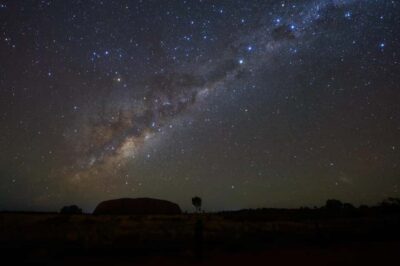
National Park Astronomy Tour with Telescope and Photo
Read our review →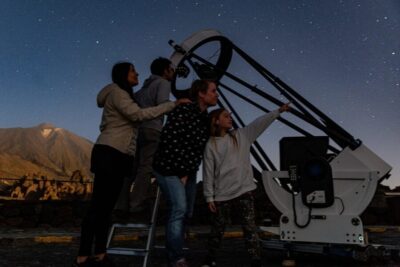
Teide National Park: Guided Large Telescope Stargazing Tour
Read our review →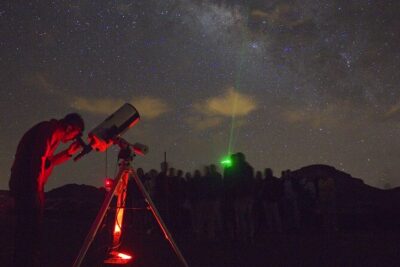
Self Drive Sunset & Stargazing in Teide National Park – No Dinner
Read our review →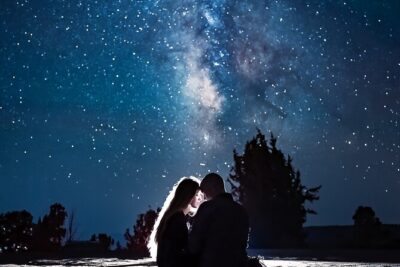
Stargazing in Zion National Park’s International Dark Sky
Read our review →