
REVIEW · PLANETARIUM VISITS
Excursion to the Planetarium of Cusco | New experience
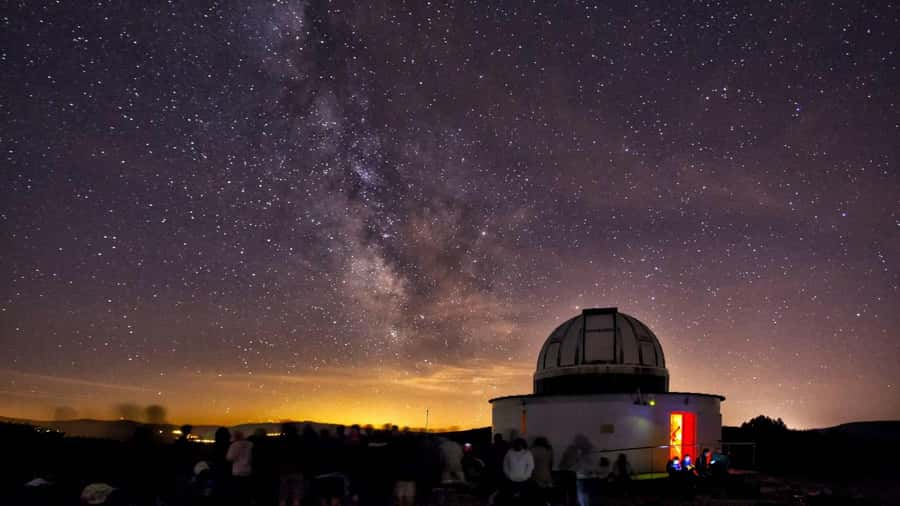
Cusco’s night sky is more than a pretty backdrop. At the planetarium, you learn how the Inca read stars, dark patches, and seasonal movements to understand time, farming, and the world around them. The dome presentation gives the evening structure, while outdoor telescope viewing can add a memorable close to the visit.
I like two things here: the focus on Inca astronomy, which gives the stars a local meaning, and the small group limit of 10 people. The main caution is timing. The excursion is sold as four hours, but some departures have returned to central Cusco in less than two hours, making the $39 price feel high if the visit is brief.
Key points before you book
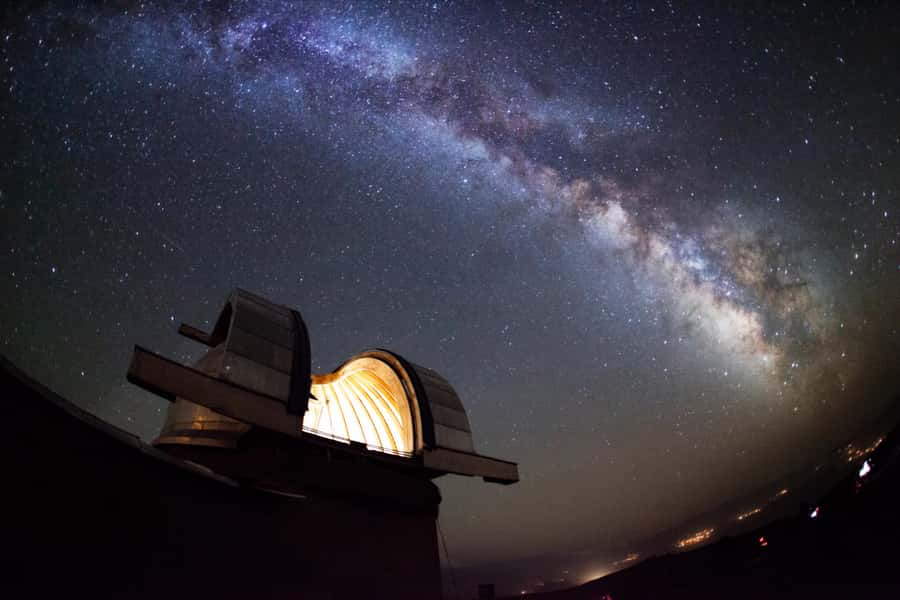
- Inca constellations take center stage: The visit explains the sky from an Andean point of view, not only through standard Western star maps.
- A short ride leaves central Cusco: Pickup is listed for Plaza Regocijo between 5:30 and 6:00 PM, with the planetarium less than 20 minutes away.
- Outdoor telescope viewing depends on weather: Cloud cover can affect the final part of the experience.
- The group is capped at 10 people: That should make questions and telescope viewing easier than on a large coach tour.
- The advertised four hours may not reflect time on site: Plan for a potentially short visit and confirm the evening schedule before paying.
- Bring your own food and cover: Meals, travel insurance, and personal expenses are not included.
What this Cusco astronomy outing is really about
The Cusco Planetarium offers a different kind of evening from the city’s churches, markets, and archaeological sites. Its subject is the sky, but the real lesson is how the Inca connected the sky to daily life.
Inside the interpretation rooms, your guide introduces Inca astronomy before the visual presentation begins. You learn about the constellations recognized in the Andes and how the Inca viewed the heavens as part of an organized world. That local focus is the reason to choose this outing instead of simply walking outside with a stargazing app.
I like that the program begins with context. Looking through a telescope can be fun, but without some explanation, you are only seeing bright points of light. The introduction helps you understand why certain stars and patterns mattered to the Inca.
The activity is offered in English or Spanish. Since no individual guide names are provided, you should select your language when booking or confirm it before departure. The small group limit of 10 people is useful here, since astronomy talks work better when you can hear clearly and ask a question without competing with a busload of people.
More Planetarium Visits in the world:
- Miami: Frost Museum of Science and Planetarium Entry Ticket
★ 4.5 · 429 reviews - Planetarium and Telescope Combo Tour
★ 4.0 · 144 reviews - Houston Museum of Natural Sciences: Planetarium Ticket
★ 4.5 · 139 reviews
Meeting in central Cusco between 5:30 and 6:00 PM
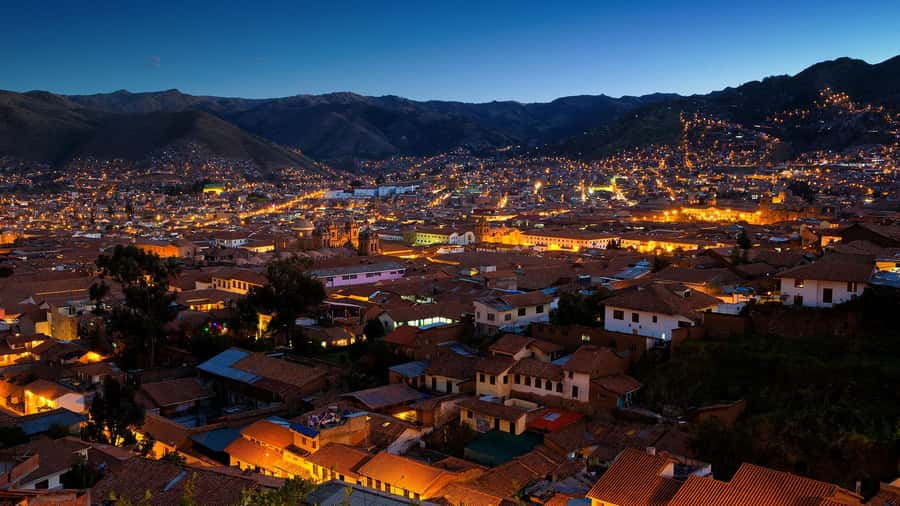
The stated meeting point is Plaza Regocijo, near the center of Cusco. Pickup is scheduled between 5:30 and 6:00 PM, followed by tourist transportation to the planetarium.
The short ride is part of the appeal. The observatory is listed as less than 20 minutes from the city, so you do not lose much of your evening in transit. You can visit the planetarium after a day of sightseeing without committing to a full-night excursion far outside Cusco.
There is one practical point to clear up. The activity information says hotel pickup is included, but the operating details specify pickup at Plaza Regocijo. One previous booking also reported no hotel pickup, even though the higher-priced option suggested it. I would treat Plaza Regocijo as the dependable meeting point and confirm any hotel collection directly before booking.
The timing also deserves attention. The planned return is around 8:00 PM at Cusco’s Plaza de Armas. That makes this easy to pair with dinner, but the actual length can vary. Some departures have spent only about an hour and a half at the planetarium, with roughly two hours including transportation. If your evening schedule depends on a four-hour activity, ask for the exact departure and return times.
The interpretation rooms and Inca astronomy lesson
At the observatory, the first formal part of the program takes place in the interpretation rooms. Here, the guide explains the ideas behind Inca astronomy before the group moves to the planetarium dome.
This is the part that gives the visit its identity. A standard astronomy show may teach you about planets, star formation, or the modern scientific view of the universe. This excursion instead connects the sky to Inca culture. You get an introduction to the constellations used in the Andes and the way pre-Inca and Inca societies watched the heavens.
The supplied information does not give a full list of the topics covered, so do not expect a detailed academic course. The quality of the evening depends in part on how much time the guide spends explaining the cultural side rather than simply pointing out stars. If Inca astronomy is your main reason for booking, ask questions during the talk. A small group gives you a better chance to do that.
One especially useful detail is that the lesson comes before the telescope viewing. That order makes sense. You first learn what to look for, then move to the sky itself. It turns the evening from a quick look at stars into a basic introduction to how the Inca understood their surroundings.
The dome projection brings the constellations indoors
The virtual sky projection takes place beneath the planetarium dome. This indoor presentation shows the Inca constellations in a controlled setting, so clouds and city light do not interfere with the explanation.
For many people, this will be the most reliable part of the excursion. Outdoor stargazing always depends on conditions, but a projected sky can still show the patterns and stories even when the real sky is uncooperative. The dome also gives the guide a clear way to point out the constellations without asking you to search through darkness.
The projection is not the same as seeing the real stars. It is a teaching tool, and its value depends on how clearly the guide explains the connection between the images and Inca beliefs. I would see it as the core lesson of the outing, with the telescope session as the possible bonus.
The planetarium is described as one of the most unusual observatories in the world. That is a broad claim, and the activity does not provide enough detail to measure it against other observatories. Still, its combination of a virtual sky, Inca astronomy, and a close location in Cusco makes it different from a standard city attraction.
More Stargazing Tours in the world:
- Dubai Red Dunes ATV, Camels, Stargazing & 5* BBQ Al Khayma Camp
★ 5.0 · 21,620 reviews - Sharm El-Sheikh: Ultimate ATV Quad, Stargazing & BBQ Dinner
★ 4.7 · 4,084 reviews - Tenerife: Teide National Park Sunset & Stargazing Tour
★ 4.2 · 3,812 reviews - Tenerife: Sunset and Stargazing at Teide National Park
★ 4.7 · 2,826 reviews
Outdoor viewing through professional telescopes
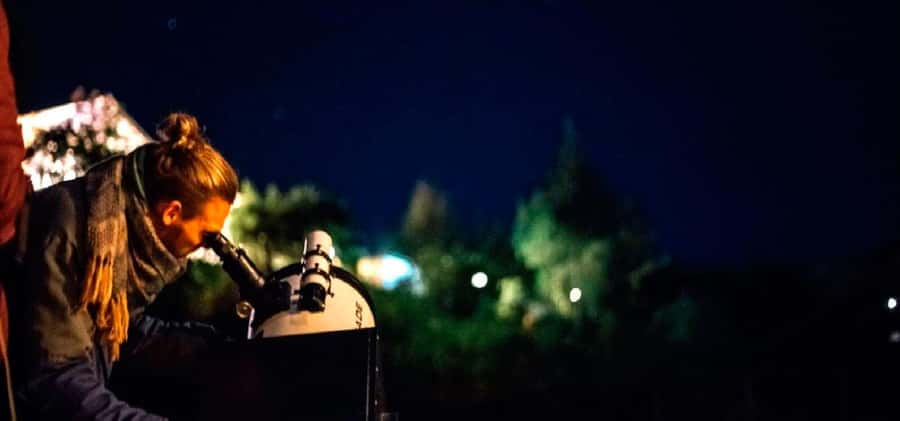
After the indoor program, you may go outside to view the night sky through professional telescopes. This is the most exciting part for many people, especially if you have never looked at the sky through a serious telescope.
The key phrase is subject to weather conditions. Clouds can block the view, and poor conditions may limit or cancel this portion. You should book this experience for the astronomy lesson as a whole, not as a guarantee of seeing a particular planet or constellation.
One booking specifically praised the outdoor stargazing and noted that blankets were provided. That is a useful detail for Cusco evenings, when temperatures can drop after sunset. Still, I would bring a warm layer rather than rely entirely on supplied blankets.
The telescope session may be brief. The available information does not promise a set number of objects, a specific telescope model, or a fixed outdoor viewing time. You might see planets and constellations clearly, or you might get a shorter look because of clouds or scheduling. The experience is best for curious beginners who want an introduction, not for serious amateur astronomers expecting a long observing session.
Why the four-hour label needs a closer look
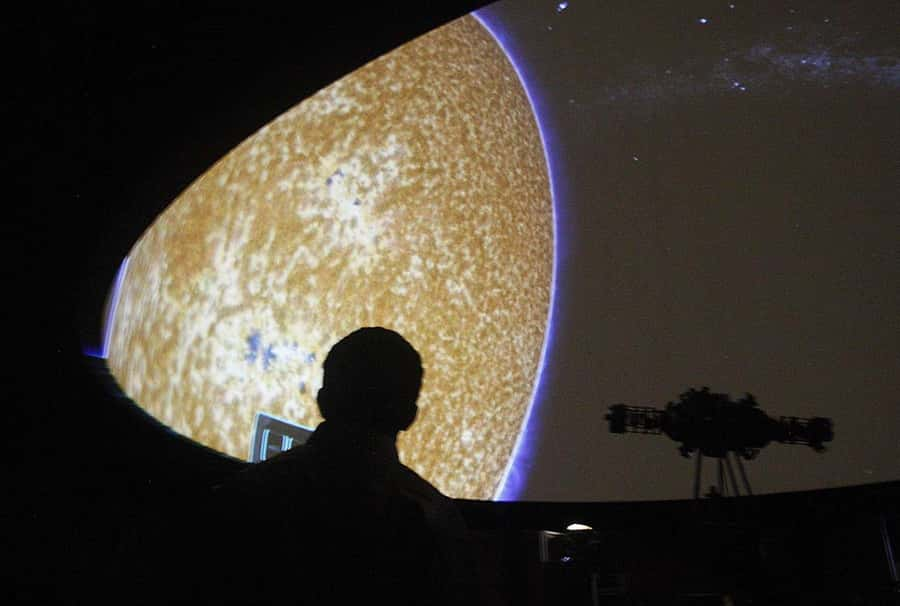
The listed duration is four hours, but the practical timing appears less consistent. The stated plan runs from pickup around 5:30 or 6:00 PM to return at about 8:00 PM. That is already closer to two and a half hours than four, and some departures have returned even sooner.
This matters because the price is $39 per person. That is not an enormous sum for a guided evening in Cusco, transportation, entrance, and a bilingual guide. It can be fair value if the talk is well presented, the group stays small, and the weather allows telescope viewing.
The value weakens if you spend little more than an hour at the planetarium. One person found the visit enjoyable but shorter than expected. Another felt the cost was too high because the activity offered limited explanation of how the Inca used astronomy. Those reactions point to the same decision: book this for its subject and setting, but do not assume you are buying a full four-hour astronomy program.
Before paying, I would ask two direct questions: How long will the group spend at the observatory, and is hotel pickup actually available from my address? The answers will tell you more about value than the headline duration.
What is and is not included in the $39 price
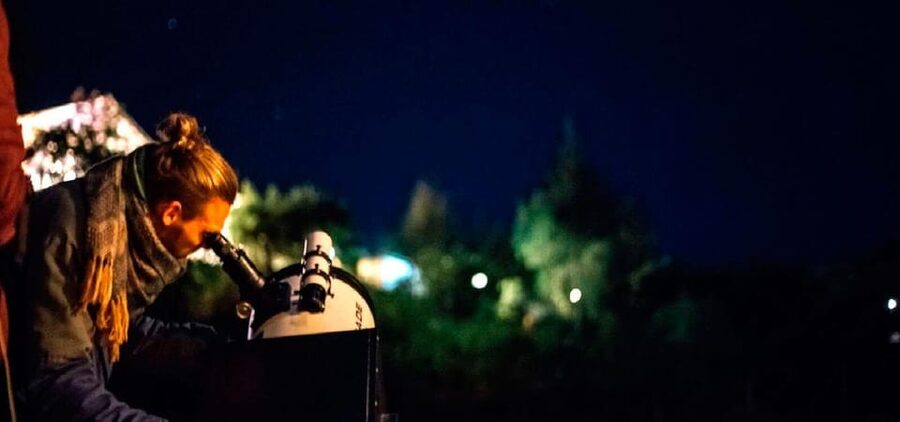
The price includes tourist transportation, admission to the Cusco Planetarium, and a live guide in English or Spanish. Hotel pickup is listed as included, but the central meeting point should be considered the safer assumption until confirmed.
Meals are not included. Since the outing ends around 8:00 PM, plan to eat before departure or arrange dinner afterward. You also pay for personal extras, and travel insurance is not part of the package.
The small group limit is an important part of the price. With no more than 10 participants, you should have a better chance to hear the guide and take a turn at the telescope. That does not guarantee a long visit, but it does make the format more personal than a large evening bus trip.
Free cancellation up to 24 hours before the activity gives you some protection if the weather forecast looks poor or your Cusco plans change. You can also reserve now and pay later, which helps if you are still arranging several excursions. Alcohol and drugs are not allowed.
Who will enjoy this evening most
I would recommend the planetarium to anyone who wants an easy evening activity with a cultural angle. It suits families, couples, and visitors who have already seen Cusco’s main daytime sights and want something different after sunset.
It is also a good choice if you are curious about how the Inca understood the sky. The combination of interpretation rooms and dome projection provides more context than simply joining an outdoor star watch.
The experience may not suit you if you want a long, technical astronomy session. It may also disappoint if your main goal is guaranteed telescope viewing, since weather controls that part. People who dislike vague schedules should pay close attention to the actual duration and pickup instructions.
For children, the dome and telescope can make the subject easier to follow, but the activity information does not provide a minimum age or a special children’s format. Parents should judge it based on their child’s interest in a guided evening presentation.
Practical ways to make the most of it
Wear warm clothing, even if the afternoon in Cusco feels mild. Outdoor viewing takes place after dark, and a warm layer will make the telescope portion more comfortable.
Arrive ready for a short walk and an evening outside. The highlights include a night walk, but no detailed route or length is specified. Comfortable shoes are sensible.
Keep your schedule flexible. The listed return is around 8:00 PM, but the actual duration may be shorter or vary by departure. Do not book a restaurant reservation that depends on an exact return time unless you have confirmed the schedule.
Bring questions about Inca constellations. Ask how the sky was connected to farming, seasons, or daily life, since the cultural meaning is the feature that makes this outing different.
Finally, check the weather before you go. Clear skies can make the telescope viewing the high point of the evening. Cloudy skies do not erase the indoor presentation, but they can reduce what you see outside.
Should you book the Cusco Planetarium excursion?
Book it if you want a compact, guided introduction to Inca astronomy, prefer a small group, and like the idea of combining a dome presentation with possible telescope viewing. At $39, the price can be reasonable when transportation, admission, a bilingual guide, and clear skies all come together.
Think twice if you expect four full hours of programming or detailed instruction about Inca astronomy. The most serious drawback is the gap between the advertised duration and the shorter visits some people experience. Confirm the meeting point, hotel pickup, and expected time on site before booking.
My call: this is a worthwhile evening for curious first-time stargazers, but only if you treat the four-hour figure as flexible. Go for the Inca perspective and the chance to use professional telescopes, not for a guaranteed long astronomy session.
FAQ
Where does the Cusco Planetarium excursion begin?
The stated meeting point is Plaza Regocijo in central Cusco, with pickup scheduled between 5:30 and 6:00 PM. Hotel pickup is also listed as included, so confirm the exact collection point before departure.
How long does the activity last?
The advertised duration is four hours, with a planned return to Cusco’s Plaza de Armas at about 8:00 PM. Actual visits can be shorter, with some departures returning to central Cusco in less than two hours.
What languages are available?
The live guide speaks English or Spanish.
Is telescope viewing guaranteed?
No. Outdoor telescope viewing depends on weather conditions.
Are meals included?
No. Meals, travel insurance, and extra personal expenses are not included.
How many people are in the group?
The activity is limited to 10 participants.
Fresh listings near the world
- Vincentia: Jervis Bay Beach Stargazing with an Expert★ 4.9 · 19 reviews
- Blue Mountains: Stargazing with a Telescope and Astronomer★ 4.4 · 21 reviews
- ( canyon hurghada & stargazing )★ 4.9 · 16 reviews
- Twizel Stargazing Experience with a Guide (Carbon Positive)★ 4.7 · 26 reviews
- Twizel: Stargazing Tour with an Astronomer and Telescope★ 4.9 · 36 reviews
- Private Stargazing at Star Safari near Martinborough★ 5.0 · 3 reviews
- Star Safari Stargazing Experience, Martinborough★ 5.0 · 6 reviews
- Klein Karoo “High 5” Stargazing Experience in Oudtshoorn★ 5.0 · 7 reviews
Planetarium Visits, side by side.
Frost Museum of Science and Planetarium Entry Ticket
Read our review →
Houston Museum of Natural Sciences: Planetarium Ticket
Read our review →
Jasper Planetarium and Telescope Combo Tour Tickets
Read our review →

Cusco by Night: Planetarium Cusco, Dinner, and Pisco Sour
Read our review →
Planetarium Cusco OFFICIAL SITE: Andean Astronomy experience
Read our review →
Lists this night appears in