
REVIEW · TELESCOPE STARGAZING
Twizel: Stargazing Tour with an Astronomer and Telescope
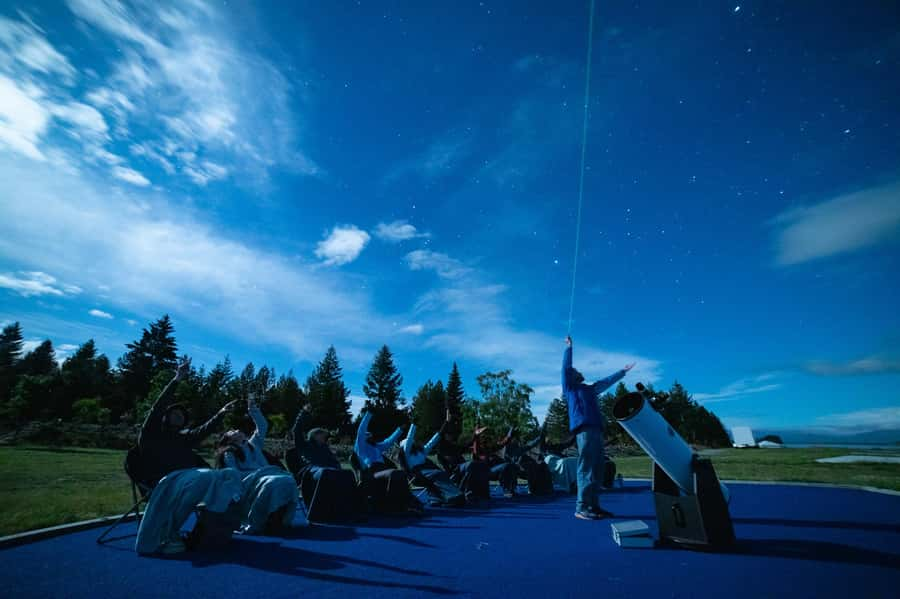
Twizel’s night sky is the star of this experience, but Daniel’s clear, friendly explanations give it real purpose. From a comfortable outdoor seat, you’ll learn to read the southern sky with a laser guide, then look through a powerful telescope at objects that are easy to miss with the naked eye.
I like the small maximum group of 10, which keeps the session personal, and I like that the final personal astrophoto gives you more than a fading memory. The main drawback is simple: this is an outdoor activity in a cold, weather-dependent setting, and cloudy skies can lead to a cancellation.
Key points
- Aoraki Mackenzie International Dark Sky Reserve: Twizel offers exceptionally dark conditions for seeing stars, planets, and the Milky Way.
- Daniel leads the session: The qualified astronomer and astrophotographer explains complex ideas in plain English.
- Two-part format: Start with a laser-guided tour of the sky, then use a powerful telescope for closer views.
- Objects change with the season: You might see Saturn, Jupiter, nebulae, star clusters, galaxies, and southern stars visible that night.
- Small groups matter: With no more than 10 people, everyone has a better chance to ask questions and use the telescope.
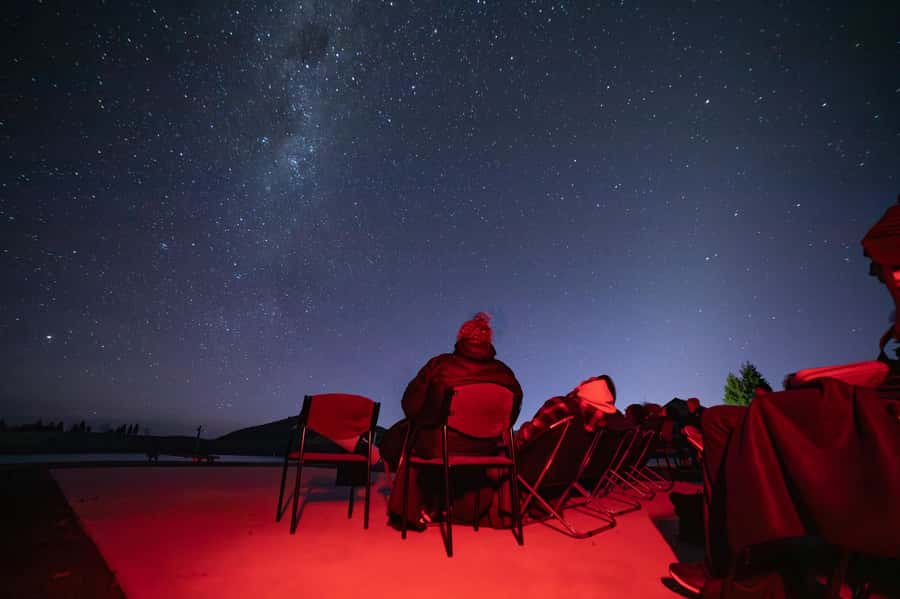
- Come prepared for cold: Outdoor seating and blankets are provided, but you still need warm layers, a hat, and gloves.
Why Twizel is a fine place to look up
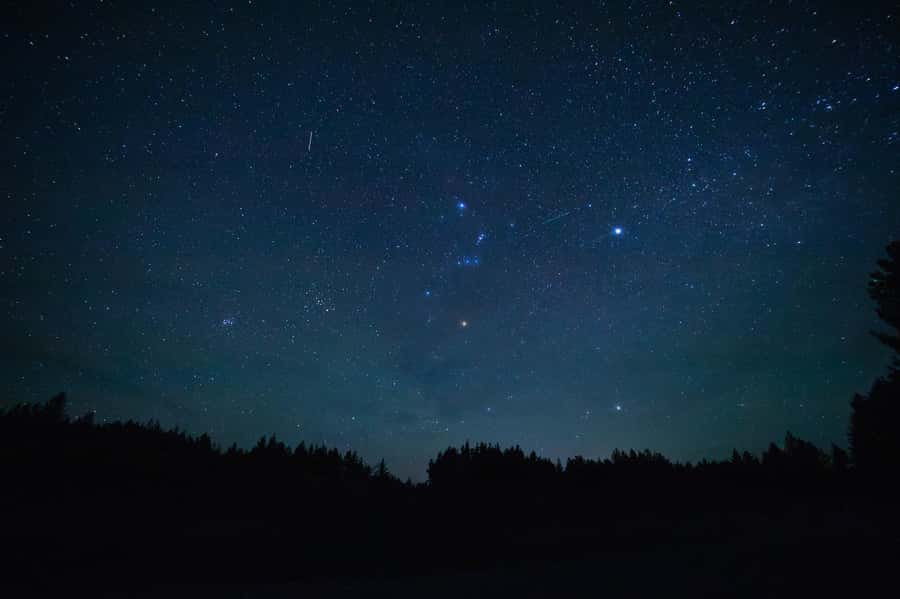
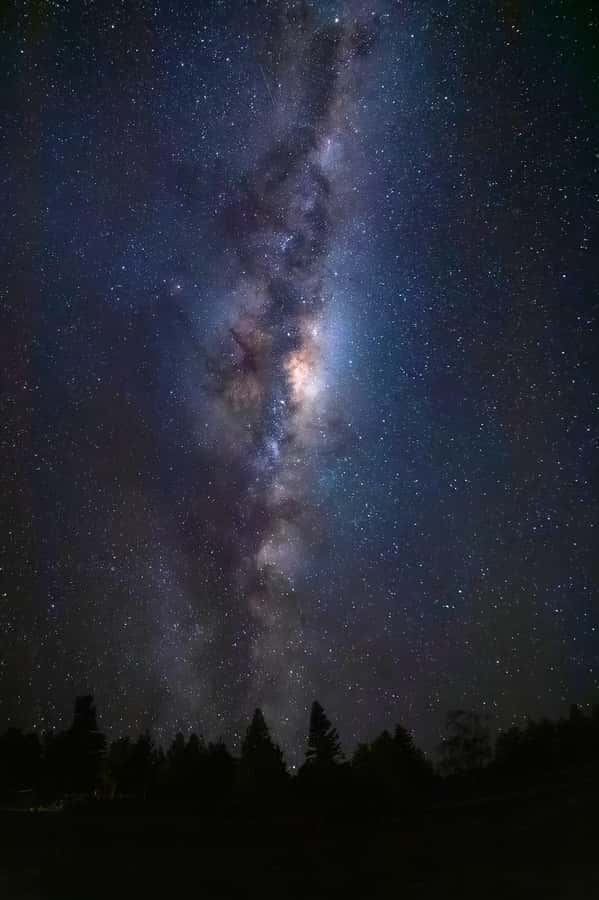
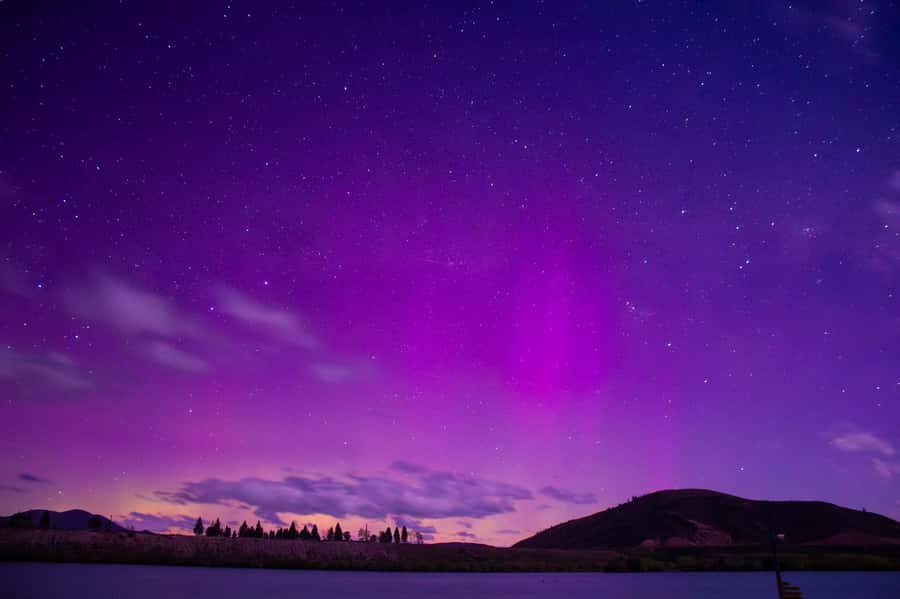
Twizel sits in the Aoraki Mackenzie International Dark Sky Reserve, where controls on artificial light help keep the sky dark. That makes a real difference. You are not simply looking at a few bright stars above a town. On a clear night, the Milky Way can become a broad, obvious band, and familiar planets and constellations gain much more impact.
The setting also gives the tour a calm rhythm. You sit outside, look upward, and let your eyes adjust while Daniel points out what is visible. This is not a fast attraction with one photo stop after another. The pace suits anyone who wants time to think, listen, and look.
The southern hemisphere adds interest for visitors from Europe, North America, or much of Asia. The sky is not arranged the way it appears at home. Daniel can help you identify southern stars and explain why certain objects are easier to see from this part of the world.
More Telescope Stargazing in New Zealand:
- Akaroa: Stargazing Tour with 2 Telescopes & Souvenir Photos
★ 5.0 · 17 reviews - Teide by Night: Sunset & Stargazing with Telescopes Experience
★ 4.5 · 1,492 reviews - Uluru: National Park Astronomy Tour with Telescope and Photo
★ 4.4 · 357 reviews
Meeting Daniel at the Lake Front Road car park
The tour begins at 50 Kate Cameron Drive, with the meeting instructions directing you to the car park on the first left as you enter Lake Front Road. Arrive about five minutes early for check-in. That small buffer is useful because the tour depends on getting everyone seated and ready before the dark-sky session starts.
There are no toilets at the site, so use facilities before you arrive. This is the sort of detail that can easily be overlooked when planning an evening outing, especially with children.
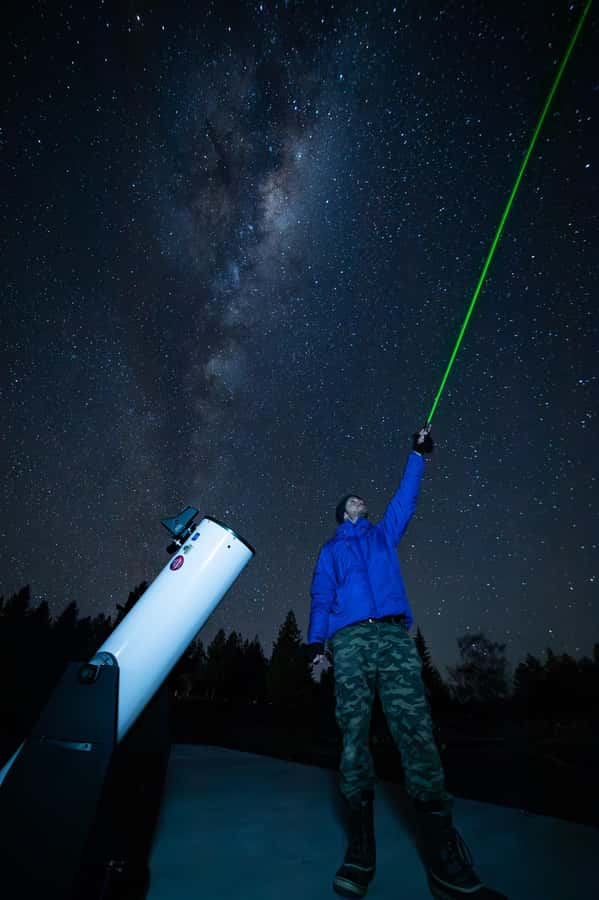
Daniel is both a qualified astronomer and a seasoned astrophotographer. His role is not just to point at objects. He explains the science behind them, making difficult ideas easier to follow. The strongest praise for this experience centers on his enthusiasm, clear teaching, and ability to keep astronomy approachable for people who are not already experts.
The tour is in English. Children must be at least six years old, and the small group limit is 10 people. That size should help the evening feel more like a guided conversation than a large lecture.
The first 35 minutes: reading the sky with a laser
The opening part uses a laser to guide you around the visible sky. Daniel introduces major stars, planets, and constellations, then explains what makes each one worth noticing.
This opening is important because a telescope can otherwise feel like a guessing game. You may see a bright point, but not know what it is or why it matters. The laser gives you a mental map before the closer views begin.
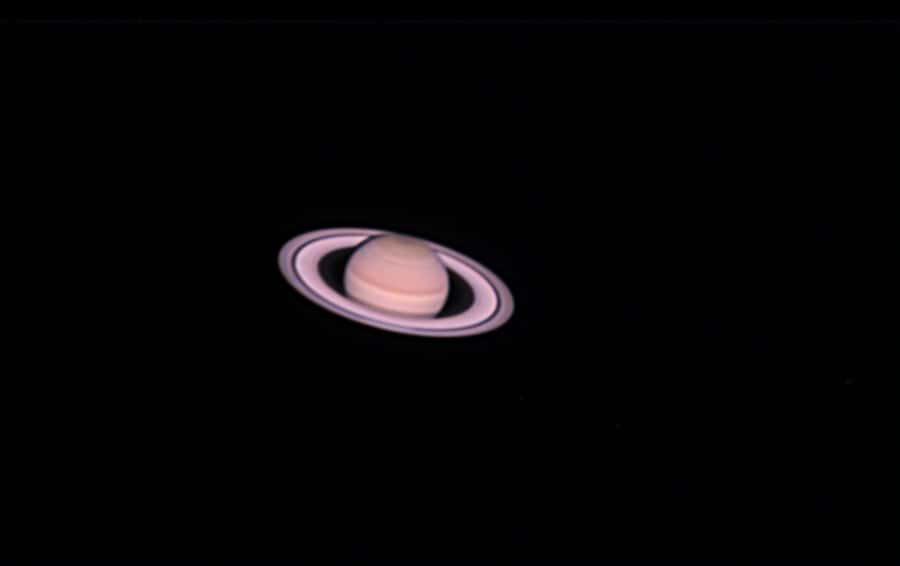
The exact subjects change with the season, time of night, and current conditions. On different dates, people have seen the Milky Way, Orion, Jupiter and its moons, Saturn and its rings, Alpha Centauri, and southern-sky objects such as the Tarantula Nebula. You should not treat any one object as guaranteed, since the program follows what is visible that night.
Daniel also connects the sky with science and with the cultural and environmental values of the Dark Sky Reserve. That gives the session more depth than a simple constellation lesson. You learn not only what you are seeing, but why dark skies are worth protecting.
The laser-guided section works well for first-time stargazers because you can follow the explanation without needing to handle equipment. It also gives experienced sky watchers a chance to ask more specific questions.
The telescope session: planets, nebulae, and galaxies
The second part moves from the broad sky to telescope viewing. Daniel selects objects based on the time of year and what conditions allow, so the program can change from one evening to the next.
A telescope view does not always resemble a bright, polished space photograph. Some objects appear as soft shapes or small points, and your eye needs time to adjust. That is where the guide’s explanations help. Daniel tells you what you are seeing and places it in scientific context.
Planetary views can be especially rewarding. Jupiter’s bands and moons have been visible on suitable nights, while Saturn’s rings and moons have made a strong impression when the planet is in position. Seeing Saturn as a real object through an eyepiece can feel surprisingly direct. You are not just looking at a picture on a screen.
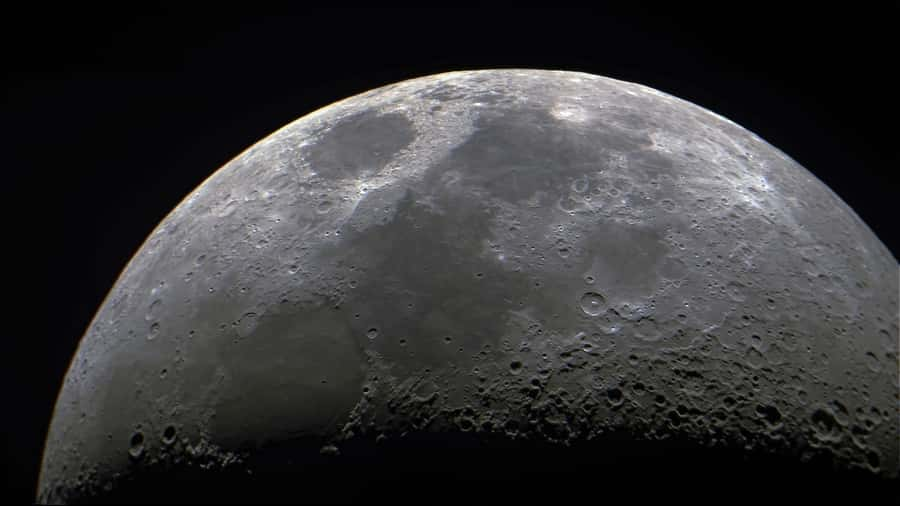
The telescope may also be used for nebulae, star clusters, galaxies, and other deep-sky objects. The exact list is not fixed, and weather can affect visibility. A partly affected evening may still offer plenty to discuss, but you should book this as a weather-dependent experience rather than a guaranteed checklist.
With a maximum of 10 people, the telescope section should be manageable. Everyone needs a turn, and the guide can explain what each person is seeing. The small group also makes it easier to ask a follow-up question without holding up a large crowd.
More Stargazing Tours in New Zealand:
- Lake Tekapo: Alpine Stargazing Experience with a Guide
★ 4.5 · 626 reviews - Lake Tekapo: Stargazing Experience
★ 4.9 · 607 reviews - Chameleon Stargazing Shared Tour
★ 5.0 · 181 reviews - Lake Tekapo: Mountaintop Stargazing at Mount John Summit
★ 4.5 · 176 reviews
A personal astrophoto to finish the evening
The tour ends with a personal astrophoto of you beneath the night sky. This is one of the most useful extras because night photography is difficult to manage on your own. A normal phone snapshot rarely captures both a person and a clearly visible Milky Way.
The image also gives the evening a definite ending. You leave with something you can share, but it still reflects the place and conditions rather than looking like a generic souvenir photo. The color and clarity can be impressive when the sky cooperates.
Do not see the photo as a replacement for the telescope or the teaching. It is a bonus, not the core reason to book. Still, it adds value to a short tour and may help you remember the southern sky long after you leave Twizel.
Warm clothing is not optional
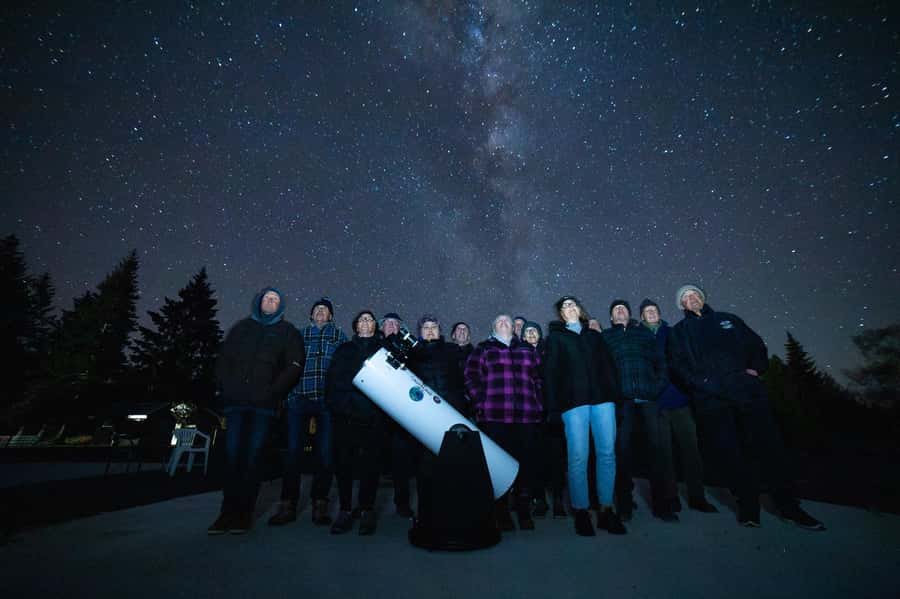
Mackenzie nights can be cold even in summer. Outdoor chairs and blankets are provided, but bring layers, a warm hat, and gloves. The blankets help, yet they do not make light clothing suitable for a long period outside.
You will be sitting rather than walking continuously, which can make you feel the cold sooner. Dress for the night temperature, not the afternoon weather. This is the single most useful preparation tip for the experience.
Flash photography is not allowed. That rule protects night vision for everyone and keeps the sky viewing from being interrupted. Alcohol, drugs, and intoxication are also not allowed. These restrictions are sensible for a dark outdoor setting where the group needs to stay quiet, focused, and safe.
The tour is wheelchair accessible, which makes the seated format useful for people who need a more stable outdoor experience. You should still arrive early and check the meeting point details carefully.
Is 75 minutes enough?
Seventy-five minutes is a good length for an introduction to astronomy. It gives you enough time for a guided sky tour, telescope viewing, questions, and the final photograph without turning the evening into a major commitment.
The format is focused. You will not spend the night moving between multiple sites or waiting through a long presentation. The first section helps you understand the sky, and the second gives you a closer look at selected objects.
That said, astronomy can make time feel short. If Daniel gets into a subject that interests you, you may wish the session lasted longer. The tour is best seen as a well-planned introduction rather than a full night of observation.
Because the program depends on clear skies, keep your wider evening plans flexible. If poor weather cancels the tour, you are offered a refund or the chance to reschedule. Free cancellation is also available up to 24 hours before the start time, and the reserve-now, pay-later option can help if your South Island route is still changing.
The $59 price and what you receive
At $59 per person, the value depends on what you want from a stargazing outing. You are paying for a 75-minute guided session with a qualified astronomer, use of a powerful telescope, outdoor seating, blankets, laser instruction, and a personal astrophoto.
That is stronger value than simply driving to a dark place and hoping to identify a few stars yourself. You get the equipment and the interpretation, which are the two parts many independent attempts lack.
The small group also matters. A 10-person maximum gives the evening a more personal feel and should make telescope access less rushed than it would be in a much larger group.
The price is less attractive if you expect a guaranteed view of a particular planet or galaxy. Weather, season, and visibility control the program. You are buying an informed night-sky experience, not a fixed show.
Who will enjoy this most?
I would recommend this tour to first-time stargazers, amateur astronomy fans, couples, families with children aged six or older, and anyone visiting the Mackenzie region who wants an evening activity with a strong sense of place.
It also suits visitors who prefer learning to passive sightseeing. Daniel explains the science in a way that works for non-specialists, while the telescope and seasonal targets give people with a stronger interest in astronomy something to look forward to.
The experience may be less suitable if you dislike cold outdoor conditions, need guaranteed weather, or want a fast-moving activity. It is quiet and patient. You sit, listen, look, and wait for your eyes and the sky to do their work.
Families should remember the minimum age of six and the absence of toilets at the site. Young children who cannot stay still or quiet for a guided evening may not get as much from it.
Practical advice before you book
Plan to arrive five minutes early at the specified car park. Check your meeting instructions closely, since the location is given as 50 Kate Cameron Drive and the guide meets participants at the first-left car park as you enter Lake Front Road.
Wear more than you think you need. Layers are easier to manage than one heavy item, and a hat and gloves can make a large difference. Bring your patience as well as your warm clothes, since the best viewing depends on darkness and clear conditions.
If you are hoping to see Saturn, Jupiter, Orion, the Milky Way, or a particular nebula, ask about seasonal visibility before booking or accept that the guide will choose from what is available that night. The program is designed around the current sky, not a fixed promise.
The activity is in English and is wheelchair accessible. Keep flashlights and phone screens under control during the viewing, since bright light can affect everyone’s night vision.
Should you book the Twizel stargazing tour?
Book it if you want a small, well-explained introduction to the southern night sky and like the idea of using a real telescope rather than simply looking up on your own. Daniel’s enthusiasm, the clear laser-guided teaching, the changing seasonal targets, and the personal astrophoto make the $59 price reasonable.
Skip it if you need indoor comfort or a guaranteed list of celestial sights. For everyone else, this is a thoughtful way to experience why the Mackenzie region protects its darkness. Bring proper winter clothing, arrive ready for an outdoor evening, and let the exact lineup of stars and planets be part of the adventure.
FAQ
Where does the Twizel stargazing tour start?
The stated starting location is 50 Kate Cameron Drive. The guide meets you at the car park on the first left as you enter Lake Front Road.
How long does the stargazing tour last?
The tour lasts 75 minutes.
How much does the experience cost?
The listed price is $59 per person.
Who leads the tour?
The tour is led by Daniel, a qualified astronomer and seasoned astrophotographer.
What will I see through the telescope?
The telescope program depends on the season and visibility. Possible objects include planets, nebulae, star clusters, galaxies, the Milky Way, Alpha Centauri, Jupiter and its moons, and Saturn with its rings and moons.
Is the tour suitable for children?
Children must be at least six years old. The experience is not suitable for children under six.
Is the tour wheelchair accessible?
Yes, the activity is wheelchair accessible.
What should I wear?
Wear warm layers, along with a hat and gloves. Nights in the Mackenzie region can be cold even during summer. Blankets are provided.
Are there toilets at the viewing site?
No. There are no toilets on-site, so use facilities before arriving.
What happens if the weather is cloudy?
The tour operates in clear conditions. If weather causes a cancellation, you will be notified and offered a refund or a rescheduled tour.
Fresh listings near New Zealand
- Twizel Stargazing Experience with a Guide (Carbon Positive)★ 4.7 · 26 reviews
- Private Stargazing at Star Safari near Martinborough★ 5.0 · 3 reviews
- Star Safari Stargazing Experience, Martinborough★ 5.0 · 6 reviews
- Twizel Stargazing Experience with a Guide (Carbon Positive)★ 4.0 · 2 reviews
- Lake Tekapo Ultimate Stargazing Experience★ 5.0 · 3 reviews
- Virtual Stargazing & Astronomy Experience in Lake Tekapo★ 3.0 · 2 reviews
- Southern Skies Stargazing Tour in Dunedin★ 5.0 · 62 reviews
- Lake Tekapo Stargazing & Mount Cook 2-Day Tour from Christchurch★ 5.0 · 4 reviews
Telescope Stargazing, side by side.
Teide by Night: Sunset & Stargazing with Telescopes Experience
Read our review →
National Park Astronomy Tour with Telescope and Photo
Read our review →
Teide National Park: Guided Large Telescope Stargazing Tour
Read our review →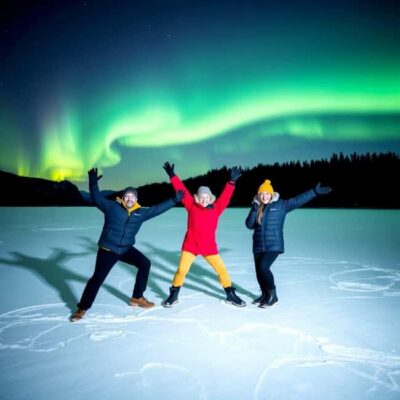
Northern Lights Tour and Stargazing by Telescope
Read our review →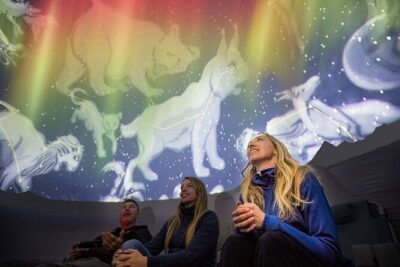
Jasper Planetarium and Telescope Combo Tour Tickets
Read our review →
Cavalleria: Guided Stargazing at the Beach with Telescope
Read our review →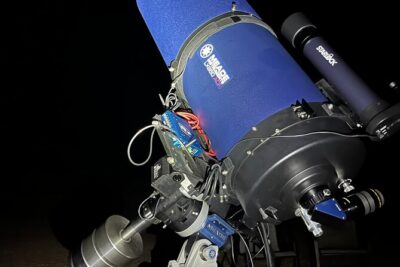
Stargazing Tour with Telescopes and Video Astronomy in Sedona
Read our review →Lists this night appears in