
REVIEW · MILKY WAY TOURS
Milky Way Sanctuary Stargazing Tour at Pangue Observatory
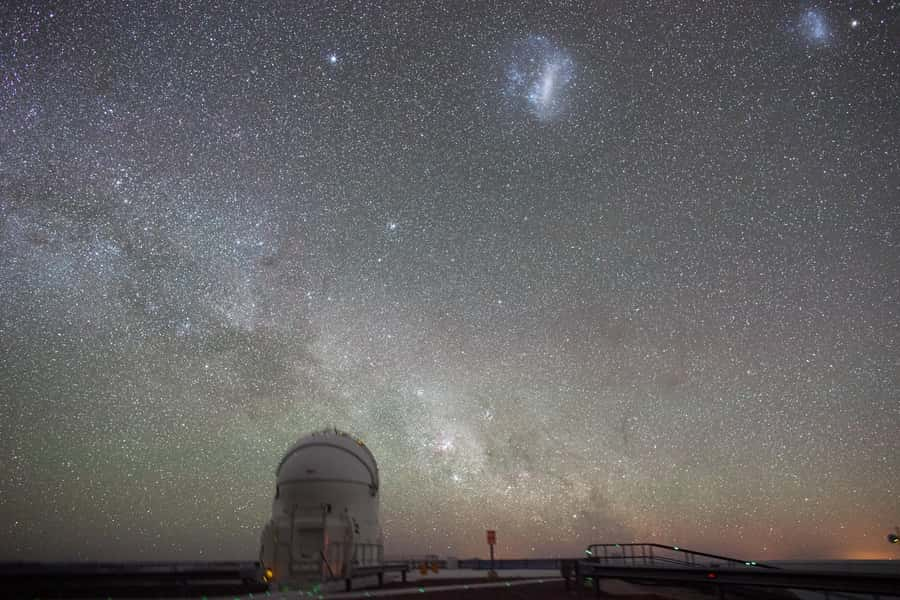
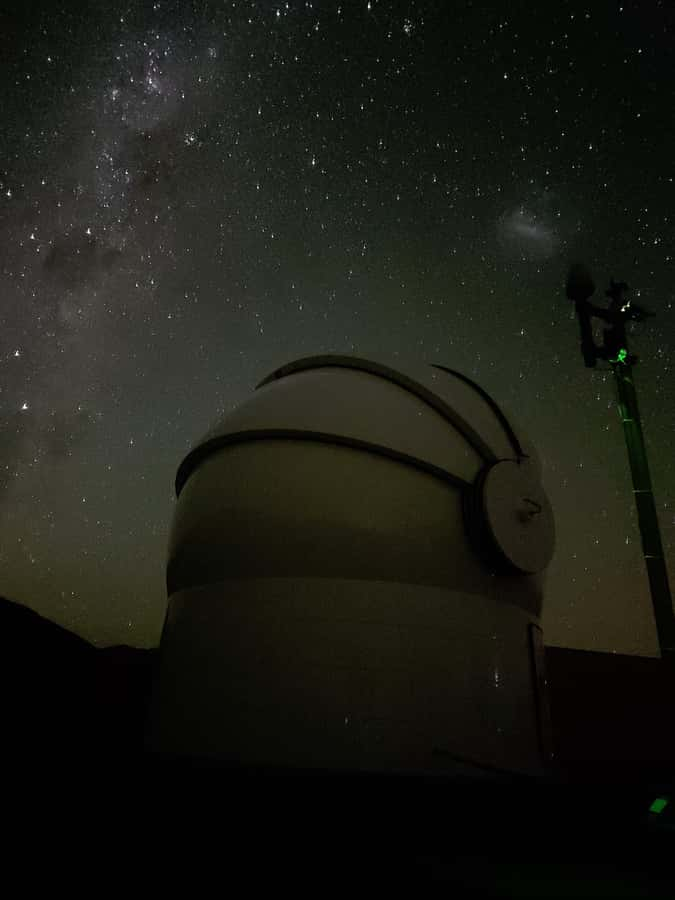
A night at Pangue Observatory is about as close as you can get to a front-row seat for the southern sky. From the Elqui Valley, 1,500 meters above sea level, you’ll use 16-inch or 25-inch telescopes to search for planets, nebulae, star clusters, galaxies, and the Milky Way’s bright center.
I like the small group, capped at eight people, and the chance to ask questions without fighting for eyepiece time. I also like the thoughtful stop in Vicuña and the free coffee, tea, and water at the observatory. The main drawback is timing: the tour avoids nights close to a full moon, so your preferred date may not be available.
Key points to know before booking
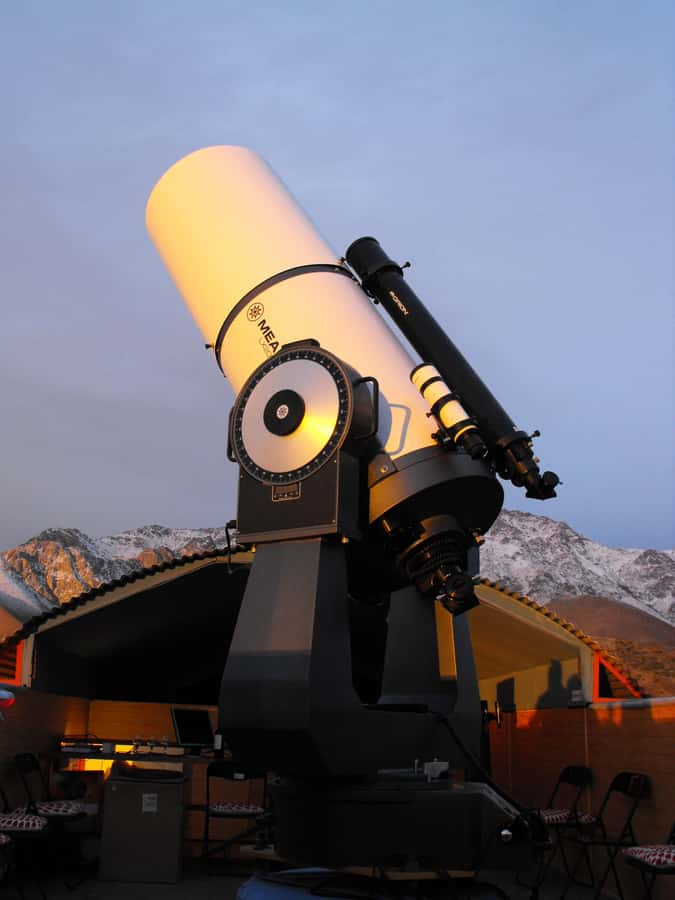
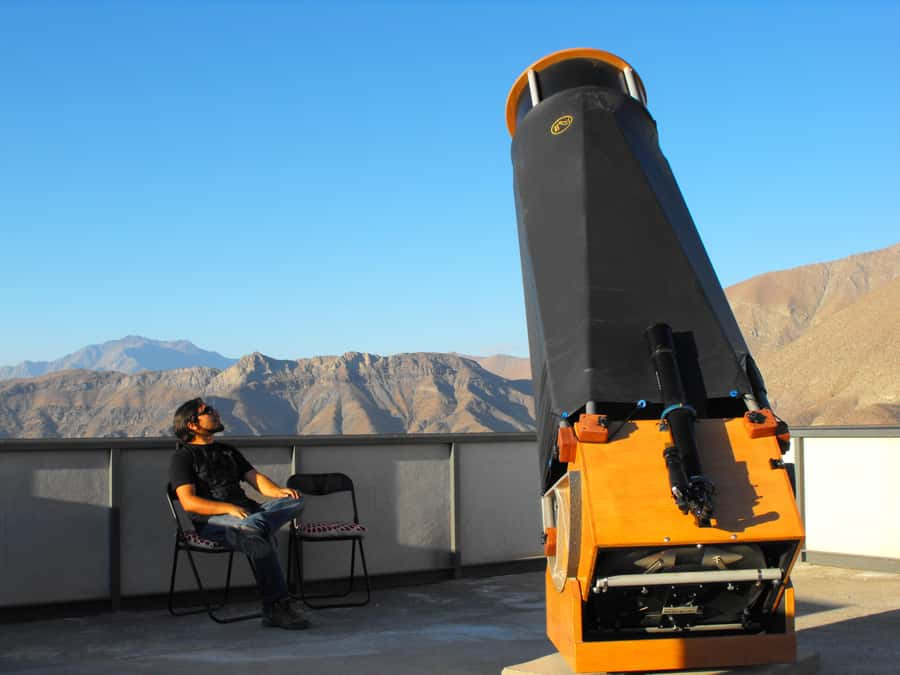
- See the southern sky through serious equipment: Pangue uses 16-inch and 25-inch telescopes with advanced eyepieces.
- Expect more than 10 celestial targets: The program can include planets, nebulae, clusters, galaxies, massive blue stars, red dwarfs, and supernova remnants.
- Keep the group small: No more than eight people makes this a personal experience rather than a crowded telescope queue.
- Start in La Serena and pass through Vicuña: The drive is part of the experience, with about an hour each way and a short town stop.
- Plan around the moon: The tour is not operated on nights near the full moon because moonlight weakens the view of faint objects.
- Bring a warm extra layer: Comfortable clothes and a long-sleeved shirt are specifically recommended for the mountain night.
Why Pangue is such a strong stargazing location
Pangue Observatory sits in the Elqui Valley, about 1,500 meters above sea level in the pre-Andean mountain range. It operates beneath the Gabriela Mistral dark skies sanctuary, an area valued for dry air, clear conditions, and low light pollution.
That location matters. Stargazing is not simply a matter of owning a large telescope. You also need dark skies, transparent air, and a steady atmosphere. Pangue’s position puts you near several major observatories, including Tololo, SOAR, Gemini, and the Vera Rubin Observatory, known for its extremely powerful digital camera.
You are not visiting those large research facilities on this tour. You are looking at them from the surrounding high country, then using Pangue’s own equipment to study the sky. That gives the evening two layers: a sense of the serious science carried out in this part of Chile, and a hands-on session designed for a small number of people.
I especially like the promise of variety. This is not only a hunt for one famous object. Depending on conditions and the night’s plan, you may look at planets, star clusters, nebulae, galaxies, massive blue stars, red dwarfs, and the remains of exploded stars. The exact selection can change, but the goal is more than 10 objects.
More Milky Way Tours in Chile:
- The Night Sky Star Story, Galaxy, and Sedona Story Tour
★ 4.5 · 243 reviews - Stargazing and Milky Way Portrait in Capitol Reef National Park
★ 4.5 · 13 reviews - Milky Way Photography Workshop in Acadia National Park
★ 5.0 · 8 reviews
Leaving La Serena for the Elqui Valley
The tour begins with pickup at your accommodation in La Serena or nearby. You need to wait at reception, which is simple but important. Do not wander off to a café or wait somewhere outside the property unless your pickup instructions say so.
The drive toward Vicuña takes about an hour. This transfer is not dead time. You move from the coastal city toward the valley and mountain setting where the observatory sits, with scenic views along the way. Since the full experience lasts six hours, expect a substantial part of the evening to be spent on the road.
That makes the pickup especially useful. You do not need to arrange a separate rental car or find your way up a mountain road after dark. The transport also lets you focus on the sky instead of driving back to La Serena after a late observation session.
The schedule is better suited to people who enjoy a complete evening than to anyone seeking a quick one-hour telescope visit. You will spend time traveling, stopping in Vicuña, watching sunset, and receiving the guided observation at Pangue.
A 15-minute pause in Vicuña
The itinerary includes about 15 minutes in Vicuña for a break and free time. That is not enough for a full town tour, so set your expectations correctly. Think of it as a chance to stretch your legs, use facilities, and get a short look at one of the Elqui Valley’s main towns.
One particularly useful detail is that Vicuña gives the evening a human scale before the big sky takes over. You are not simply being taken from hotel to observatory and back. The stop breaks up the drive and gives you a brief taste of the valley.
The short duration can also be a limitation. If you want a slow visit with shops, museums, or a long meal, this tour does not provide it. The priority is the observatory, not a broad sightseeing program.
Sunset and mountain views at Pangue
At Pangue, the visit lasts about two and a half hours, including the guided tour, sunset, scenic views, and astronomy session. This is the heart of the experience.
Arriving before full darkness is useful. You can see the setting around the observatory rather than arriving with nothing but black sky around you. The sunset also marks the change from ordinary sightseeing to night observation. As the last daylight fades, the surrounding mountains and valley give way to the southern heavens.
Pangue has a small coffee area with comfortable seats. Coffee, water, and tea are included, which is a modest but welcome touch in a cool mountain setting. It gives you somewhere to sit between telescope observations and makes the evening less tiring, especially if you are not used to standing outside at night.
The observatory is not presented as a luxury facility, and you should not book it expecting a long meal or a full visitor center. Its value is in the location, equipment, and focused instruction. The coffee area is practical support rather than the main attraction.
More Observatory Visits in Chile:
- Royal Observatory Greenwich & Prime Meridian Entrance Ticket
★ 4.5 · 1,095 reviews - Griffith Observatory Hike: Guided Tour through Griffith Park
★ 5.0 · 1,020 reviews - Tenerife: Mount Teide Observatory Guided Tour
★ 4.6 · 818 reviews - Royal Observatory Greenwich & Prime Meridian Entry Ticket London
★ 4.0 · 367 reviews
What you can see through the telescopes
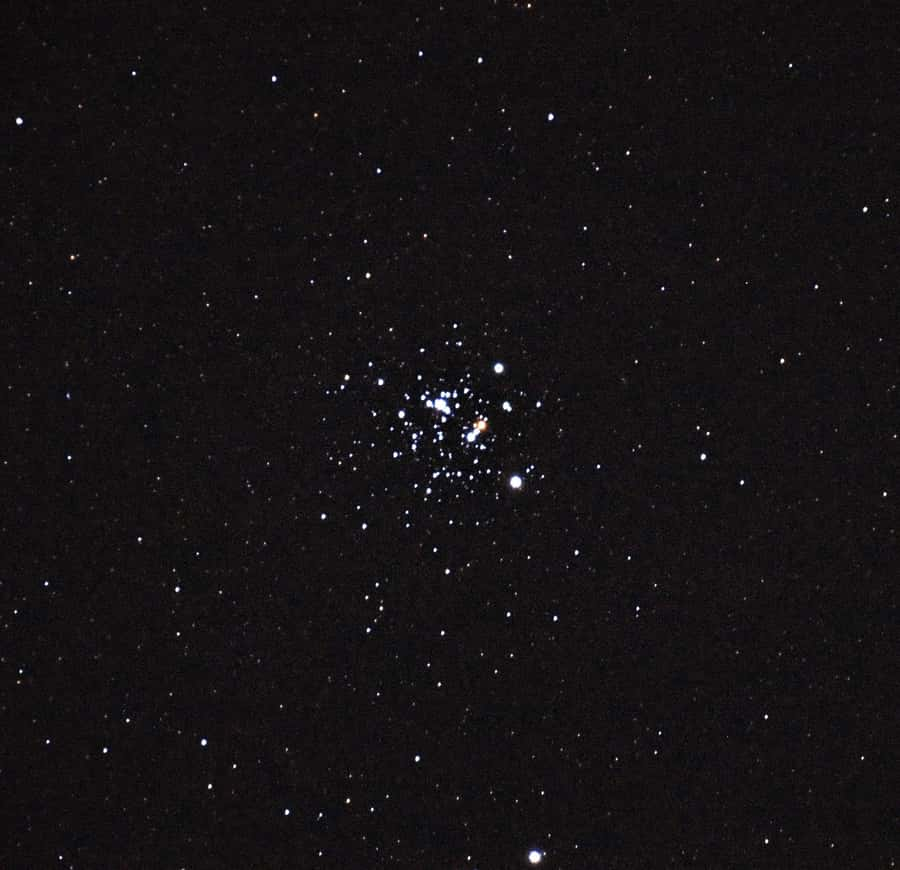
The equipment is the main reason this tour costs more than a casual city stargazing outing. Pangue uses 16-inch and 25-inch telescopes with advanced eyepieces. In plain terms, that gives the guides a strong platform for showing faint and distant objects, though visibility still depends on weather, atmospheric clarity, and the phase of the moon.
Planets are among the easiest targets to appreciate. One participant specifically reported clear views of Mars, Saturn, and Jupiter, along with a supernova and a dying star. Those objects offer different kinds of excitement: planets can show recognizable shapes and features, while stellar remnants connect what you see to the life cycle of stars.
Nebulae and clusters can be especially rewarding under dark skies. A cluster may appear as a concentrated gathering of stars, while a nebula can reveal glowing clouds of gas and dust. Galaxies, blue stars, red dwarfs, and supernova remnants give the session a wider range, from nearby members of our own galaxy to objects far beyond it.
You should keep one expectation in check. A telescope view is not always a bright, colorful photograph. Many objects appear as subtle shapes, points, or pale patches. The guide’s explanation matters because it helps you understand what you are seeing and why it matters.
That is where the small group earns its place. With no more than eight people, you have a better chance to ask questions and take your turn without feeling rushed. A January visit with six people reportedly allowed enough time for everyone to ask questions and observe several objects. That is the kind of group size I would want for a technical activity.
The guide and the value of personal attention
The tour is available in English, French, and Spanish. Cristobal is named as one of the tour guides, and his handling of the driving and guest needs received especially strong praise. The observatory guides provide the specialized explanations once you arrive.
You should value clear instruction as much as the equipment. A large telescope does not automatically make an evening meaningful if you do not know what is in the eyepiece. The guide can put each object into context, explain what you are looking at, and help you move between targets.
The personal format also helps if you are new to astronomy. You do not need to arrive knowing the names of constellations or the difference between a nebula and a cluster. You can ask basic questions without feeling out of place.
For experienced amateur astronomers, the appeal is different. You get access to serious equipment in a region known for its skies, along with the chance to inspect southern objects that may not be familiar from northern locations. Still, this is a guided public observation rather than an independent observing night, so serious photographers should confirm their needs before booking.
Why the moon and weather matter
Pangue does not operate the stargazing tour on nights close to a full moon. This is a sensible rule. A bright moon can wash out faint stars and make it harder to see nebulae, galaxies, and other dim targets.
The restriction creates a planning issue. You may not be able to choose any date that fits your schedule, particularly if you are booking close to departure. Same-day bookings may have few available places, and booking at least 24 hours ahead is strongly recommended.
The moon is only one factor. The experience also depends on the clarity and dryness of the sky, which are key reasons this part of Chile is valued for astronomy. No tour can guarantee that every planned object will look perfect on a given night. The right attitude is to see the session as guided exploration, with the exact targets shaped by conditions.
What the six-hour schedule feels like
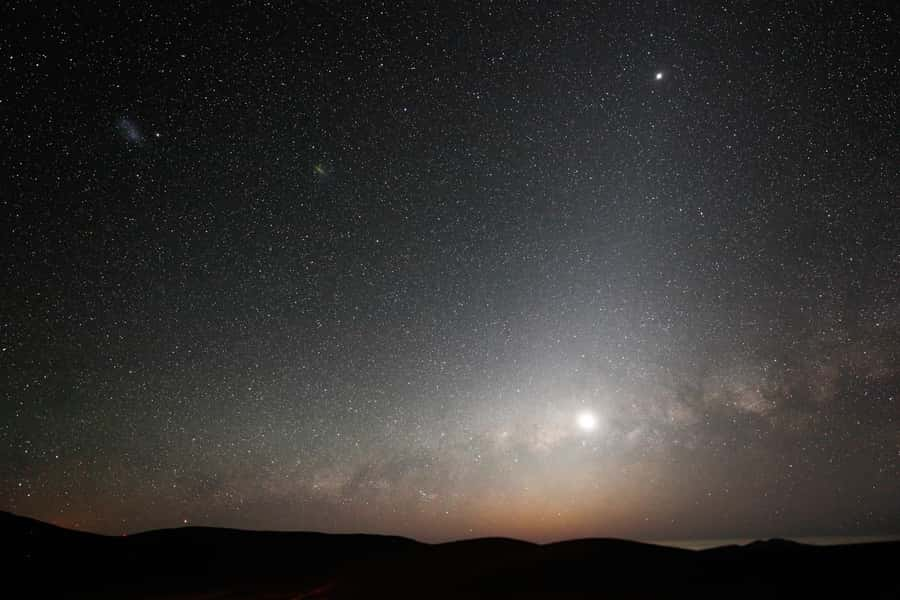
The overall timing is roughly:
- One hour from La Serena to the valley
- Fifteen minutes in Vicuña
- About two and a half hours at Pangue
- Thirty minutes traveling through Vicuña
- One hour back to La Serena
The final return section is listed as a bus tour through Vicuña and then back to La Serena. In practical terms, you should allow the full six hours and avoid scheduling a late dinner, performance, or other fixed activity immediately afterward.
The ride home may be quiet after the observation session. That is not a flaw, but it is worth knowing if you prefer tightly packed sightseeing. This tour gives you one major evening activity, not a series of attractions.
Is the $225 price fair?
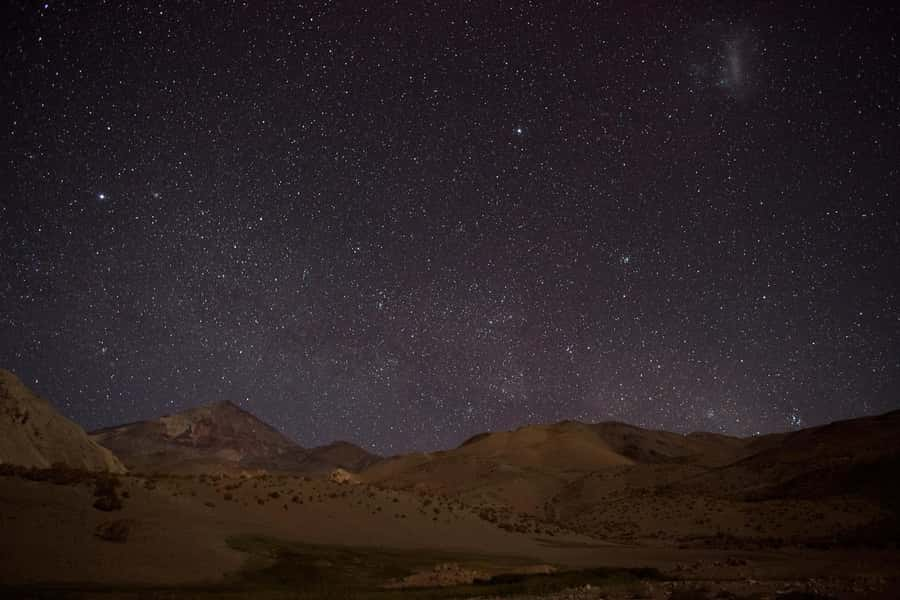
At $225 per person, this is not a budget add-on. The value depends on what you want from a night under the stars.
You are paying for pickup from La Serena, transportation through the valley, a small group limited to eight, multilingual guidance, access to Pangue’s 16-inch or 25-inch telescopes, and a focused session covering more than 10 stellar objects. Coffee, tea, and water are also included.
I think the price makes more sense for someone who sees astronomy as a main trip experience rather than a casual extra. The equipment and location are the strong points. A cheaper activity may offer a pleasant look at the stars, but it may not provide the same combination of dark-sky setting, powerful telescopes, and personal access to the guides.
The cost is harder to justify if you dislike long drives, are mainly interested in visiting Vicuña, or want a broad cultural tour of the valley. The Vicuña stop is brief, and the tour’s purpose is clearly astronomy.
Small details that make the night better
Wear comfortable clothing and bring a long-sleeved shirt. Mountain temperatures can feel different from La Serena, and the observation period involves time outside.
Alcoholic drinks are not allowed in the vehicle. Wheelchair users cannot be accommodated, so accessibility is a serious consideration before booking.
The tour offers free cancellation up to 24 hours before departure and allows you to reserve without paying immediately. These terms help if your plans are still moving, but the limited group size means you should not wait until the last minute if your date matters.
Who should book the Pangue experience?
I would recommend this tour to you if you want a serious, guided look at the southern sky and appreciate a small group. It suits couples, families with older children, solo visitors, and curious beginners who want explanations rather than a silent telescope queue.
It is also a good match for anyone visiting La Serena who does not want to drive into the mountains at night. The pickup and return remove a major practical problem.
I would hesitate if you need wheelchair access, want a full visit to Vicuña, or have only one possible evening near a full moon. I would also be cautious if you expect every telescope view to resemble a vivid space photograph.
Should you book it?
Book the Pangue Stargazing Tour if the sky is a major reason you are visiting northern Chile. The combination of dark, dry conditions, large telescopes, a maximum of eight participants, and more than 10 possible targets gives the evening real substance.
Choose your date early, ask about language if that matters to you, and bring a warm layer. If you can accept the long transfer and the fact that nature controls the final view, this is a strong, specialized experience with far more depth than a quick look at the stars.
FAQ
Where does the Pangue Observatory tour begin?
Pickup is included from your accommodation in La Serena or nearby surroundings. You need to wait at the reception of your accommodation.
How long does the experience last?
The tour lasts about six hours, including transportation between La Serena, Vicuña, and Pangue Observatory.
How many people are in the group?
The group is limited to no more than eight participants.
Which languages are available?
The tour is available in English, French, and Spanish.
What can I see through the telescopes?
The observation may include planets, nebulae, star clusters, galaxies, massive blue stars, red dwarfs, and supernova remnants. More than 10 stellar objects are included in the guided observation.
What should I bring, and are there date restrictions?
Bring comfortable clothing and a long-sleeved shirt. The tour is not operated on nights close to a full moon, and booking at least 24 hours ahead is recommended because same-day availability may be limited.
Fresh listings near Chile
- Stargazing Hiking Valle de Elqui★ 5.0 · 46 reviews
- San Pedro de Atacama: Astronomical Tour★ 3.9 · 3 reviews
- San Pedro de Atacama: Stargazing Tour in the Atacama Desert★ 3.0 · 5 reviews
- San Pedro de Atacama: Stargazing Experience with Transfer★ 3.5 · 8 reviews
- San Pedro de Atacama: Etno-Stargazing Tour with Transfer★ 3.5 · 5 reviews
- San Pedro de Atacama: Astro Tour with big telescopes★ 5.0 · 6 reviews
- SAN PEDRO DE ATACAMA: ASTRONOMICAL TOUR★ 3.6 · 3 reviews
- Pisco Elqui: Mountaintop Stargazing and Night Portrait★ 4.6 · 20 reviews
Milky Way Tours, side by side.
The Night Sky Star Story, Galaxy, and Sedona Story Tour
Read our review →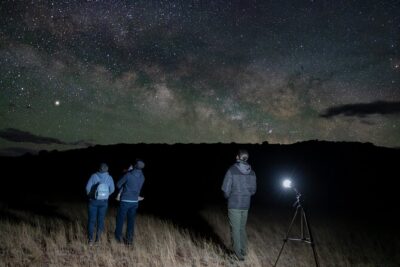
Stargazing and Milky Way Portrait in Capitol Reef National Park
Read our review →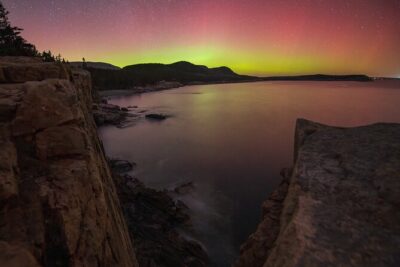
Milky Way Photography Workshop in Acadia National Park
Read our review →
Mount Bromo Milky Way Photography and Sunrise Private Tour (1D1N)
Read our review →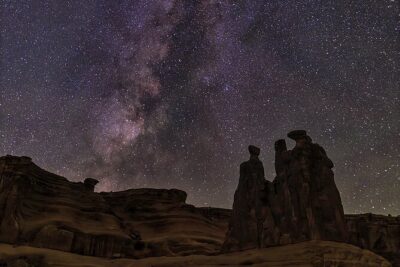
Lists this night appears in