
REVIEW · OBSERVATORY VISITS
Exclusive visit to the Astronomical Observatory of Gaia
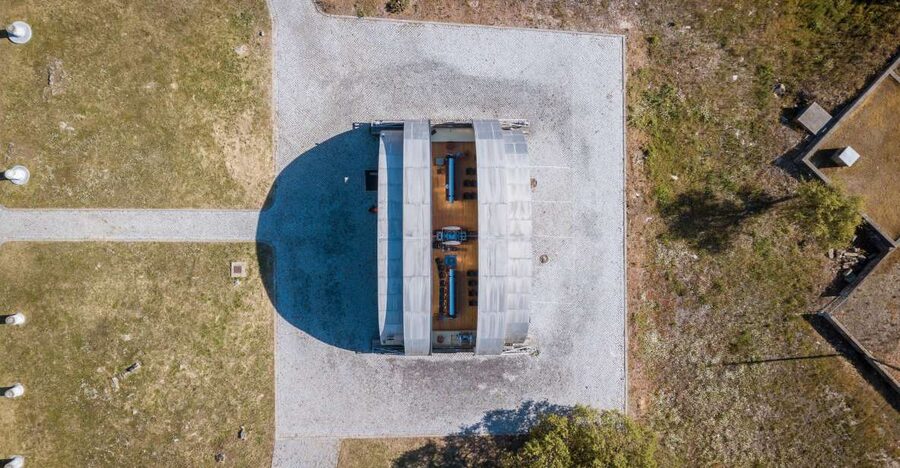
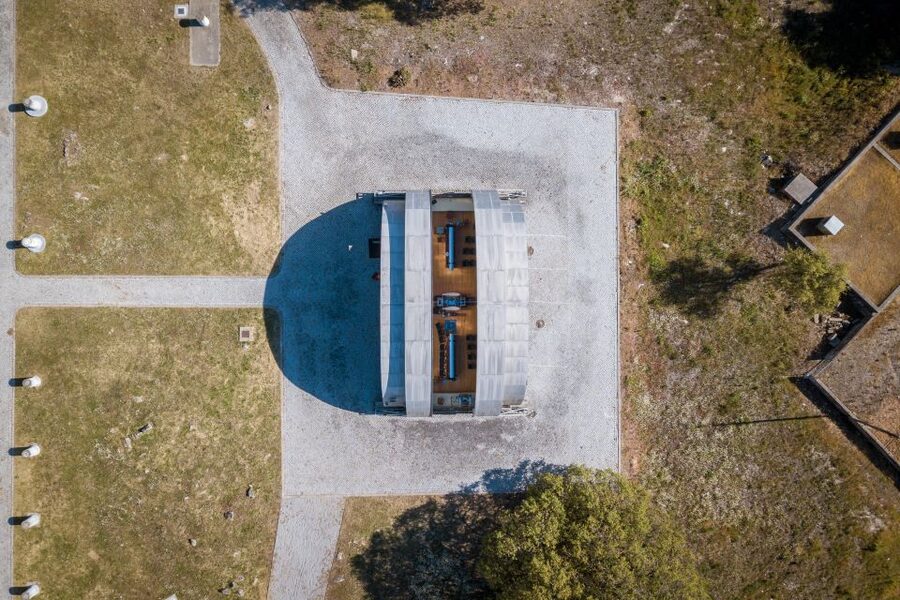
The most unusual part of this visit is the building itself. At Gaia’s Astronomical Observatory, a semi-cylindrical roof slides open to the sky so astronomers could watch stars cross the local meridian. The observatory’s Mirror Meridian Circle is so rare that only two others exist in the world.
I like the close look at a forgotten way of measuring time, and I like that the guides are physics students from the Faculty of Sciences. At $17, the one-hour visit is a fair buy for anyone curious about science, clocks, or old instruments. The main drawback is clear: this is not a nighttime stargazing session, and the equipment is not available for night observations during this visit.
Key points about Gaia’s observatory visit
- A roof that opens to the sky: The unusual semi-cylindrical building was designed for precise viewing of stars.
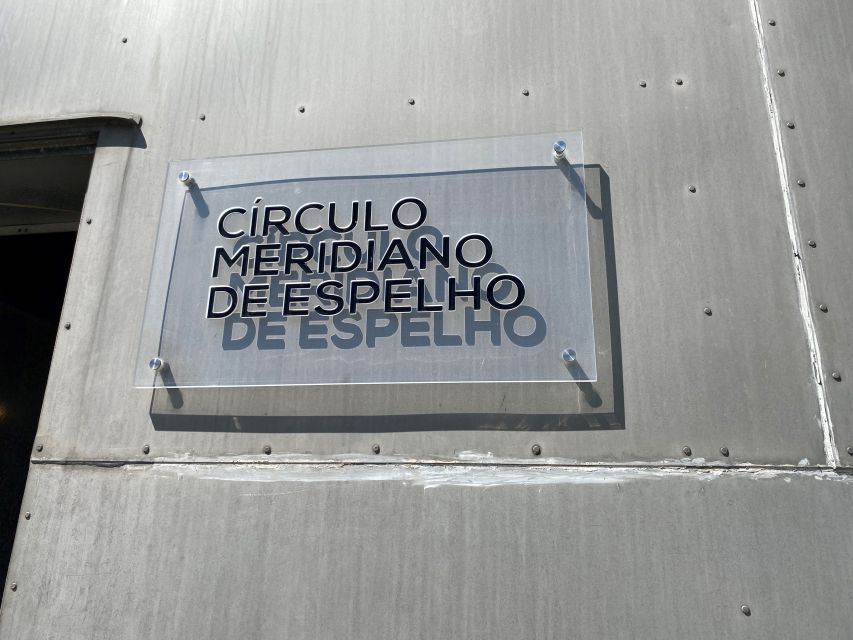
- A rare scientific instrument: The Mirror Meridian Circle is one of only three such instruments in the world.
- Time told by the stars: You learn how astronomers used the passage of stars to help measure time.
- English-language guidance: Physics students from the Faculty of Sciences lead the visit.
- Short and focused format: The experience lasts about one hour, including two five-minute walks and a guided visit of roughly 30 minutes.
- Best for adults and older children: Children under 12 are not permitted.
Why the roof matters at Monte da Virgem
You begin at postal code 4430-146 in Gaia, then walk for about five minutes to the observatory. That short approach keeps the visit simple, but you should allow enough time to arrive at the stated meeting point before the tour begins.
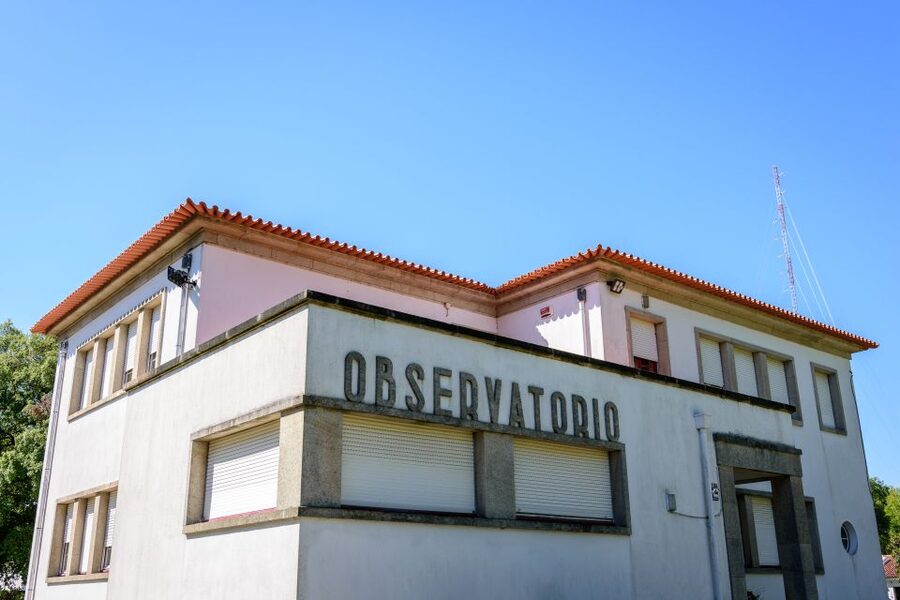
The building is the star of the show, even before you learn about the instruments inside. Its curved form was made for astronomy, not looks. The roof slides away to expose the sky, giving the telescopes a clear view of the stars as they pass over the local meridian.
That detail gives the visit a strong sense of place. You are not just looking at an old telescope in a glass case. You are seeing a building designed around a very specific scientific task. The roof, the telescopes, and the position of the observatory all work together.
I find this kind of attraction more rewarding than a standard museum display because the architecture explains the science. Once you understand why the roof opens, the building stops looking odd and starts making practical sense.
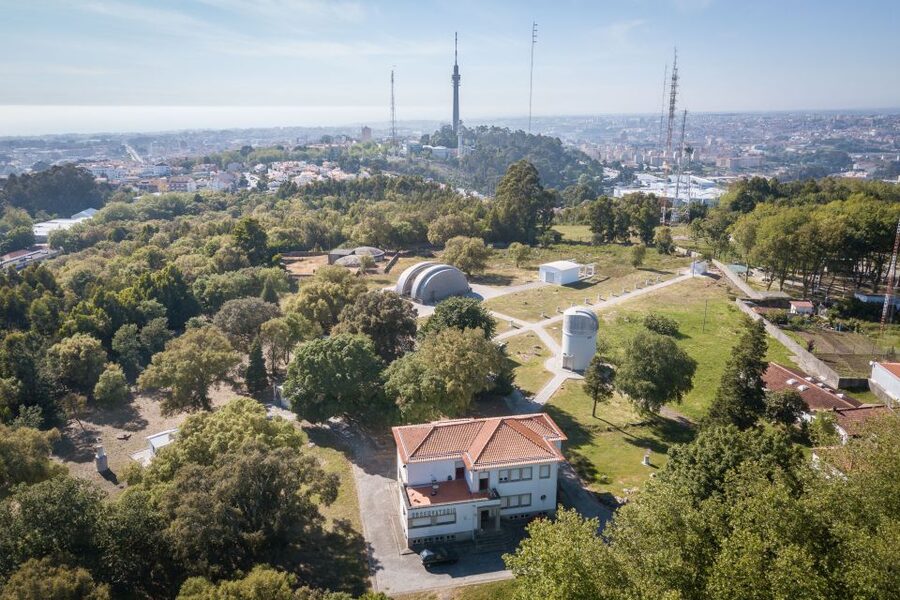
The visit takes place at the top of Monte da Virgem in Gaia. The supplied information does not promise a particular view, so I would come for the observatory itself rather than book it as a viewpoint stop.
More Observatory Visits in the world:
- Royal Observatory Greenwich & Prime Meridian Entrance Ticket
★ 4.5 · 1,095 reviews - Griffith Observatory Hike: Guided Tour through Griffith Park
★ 5.0 · 1,020 reviews - Tenerife: Mount Teide Observatory Guided Tour
★ 4.6 · 818 reviews
From a 1948 school facility to a rare instrument
The observatory was created in 1948 to support astronomy studies at the Faculty of Sciences. Nine years later, in 1957, it opened its most notable instrument, the Mirror Meridian Circle.
That timeline helps put the visit in context. This was a working academic facility built to support careful observation and teaching. Its purpose was not simply to offer a public attraction. It was made to help students and astronomers study the sky with precision.
The Mirror Meridian Circle is especially interesting because it is uncommon on a global scale. Only two more instruments of this type exist elsewhere in the world. You do not need to be an astronomy specialist to appreciate that rarity. It gives the short tour a clear focus and makes the observatory different from a general science museum.
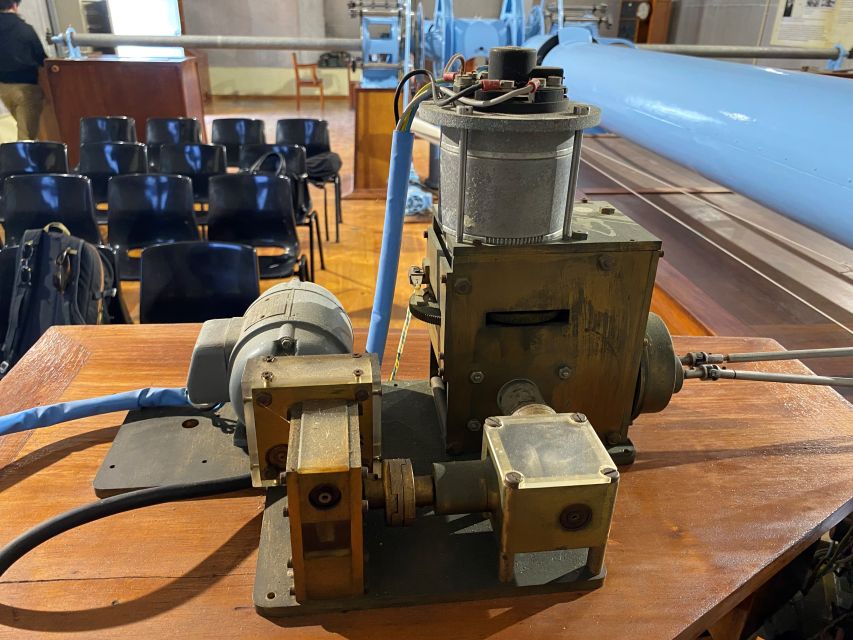
The instrument also connects astronomy with something very ordinary: knowing what time it is. The visit explains the mechanisms that helped people measure time across different periods. That subject can sound dry on paper, but the observatory gives it a physical setting, with a telescope and a roof built around the task.
What the Mirror Meridian Circle actually did
The key idea is the passage of stars through the local meridian. The meridian is the north-south line across the sky used as a reference point. When a star crossed that line, astronomers could make precise observations and use them in the work of measuring time.
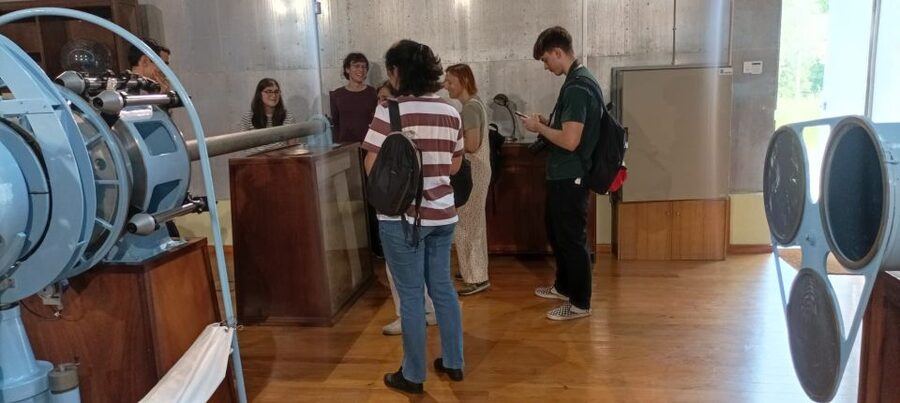
The observatory’s two telescopes were designed for this kind of careful work. The guided visit addresses what these instruments were used for when the observatory opened and what purpose they serve now.
I would pay close attention during this part of the tour. The most valuable lesson is not simply the name of the instrument. It is the connection between the movement of the stars and the clocks on Earth.
This also explains why the observatory is not offering a typical telescope viewing session. The equipment was built for precise observation of stellar passage, not as a casual night-sky attraction. If your main goal is to look through a telescope at planets or stars after dark, this visit may not match what you want.
The 30-minute guided visit
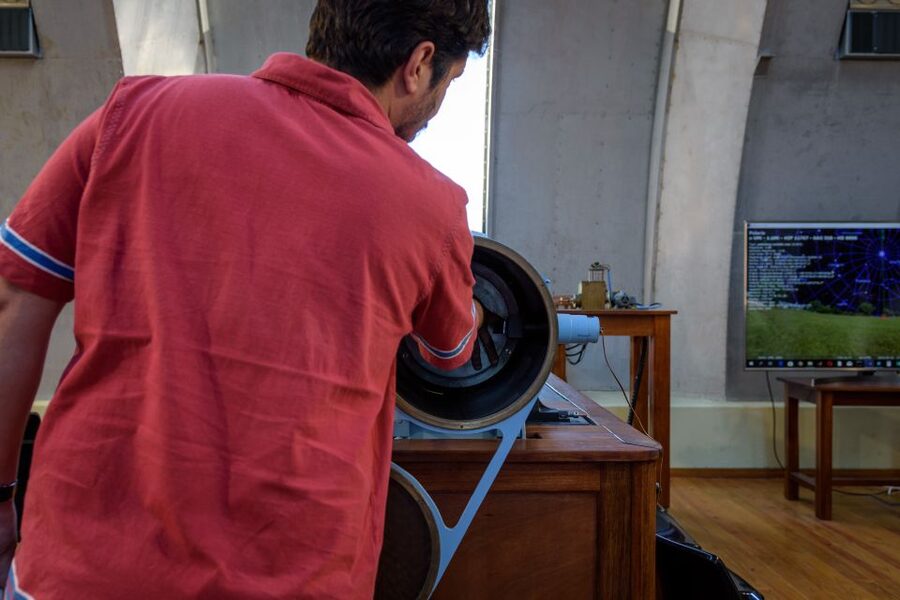
The central guided portion lasts about 30 minutes. That is enough time for a focused explanation without turning the outing into an all-day science lesson.
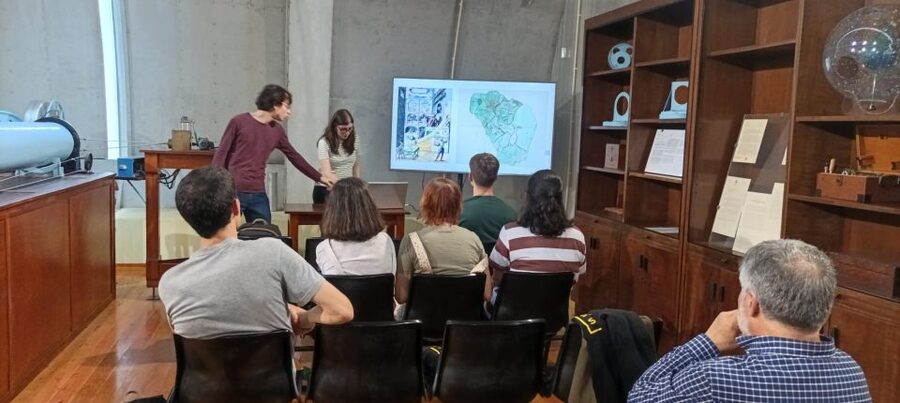
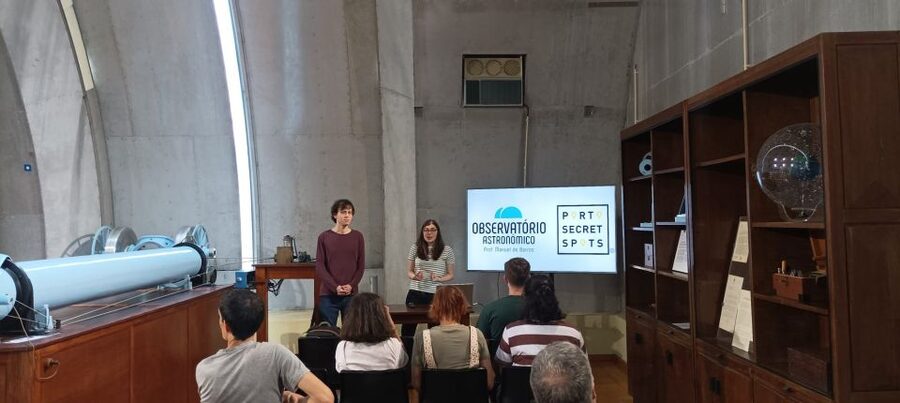
Your English-speaking guide is a physics student from the Faculty of Sciences. The experience depends heavily on the guide’s ability to explain the instruments and their purpose in clear terms. The available feedback points to the passion of the guide as one of the strongest parts of the visit.
No individual guide names are provided, so I cannot tell you to request a particular person. Still, the student-led format is worth noting. You get an explanation from someone connected to physics studies rather than a generic sightseeing host.
I like this arrangement for a specialist attraction. A small observatory can be hard to understand if you only read labels. A live guide can show how the parts relate: the building, the opening roof, the telescopes, the meridian, and the measurement of time.
The short format also suits a day in Porto or Gaia when you want to add something unusual without giving up half the afternoon. You spend roughly 30 minutes on the guided tour, with a five-minute walk to the site and another five-minute walk afterward. The full activity lasts about one hour.
More Stargazing Tours in the world:
- Dubai Red Dunes ATV, Camels, Stargazing & 5* BBQ Al Khayma Camp
★ 5.0 · 21,620 reviews - Sharm El-Sheikh: Ultimate ATV Quad, Stargazing & BBQ Dinner
★ 4.7 · 4,084 reviews - Tenerife: Teide National Park Sunset & Stargazing Tour
★ 4.2 · 3,812 reviews - Tenerife: Sunset and Stargazing at Teide National Park
★ 4.7 · 2,826 reviews
What you will not see at night
Set your expectations before booking. The observatory visit does not include nighttime observations. Two people who praised the tour still wished they could use the telescope at night and see the stars. Another specifically regretted that the equipment was not available for night observations.
That is not a minor detail for astronomy fans. If you are hoping for planets, constellations, or a dark-sky session, choose a different activity. This experience is about the observatory’s history, instruments, and role in measuring time.
The lack of night viewing does not make the visit pointless. In fact, it keeps the focus on the rare building and the Mirror Meridian Circle. You are learning how astronomers used the sky as a reference, not simply looking at stars for a few minutes.
I would describe it as a science and heritage visit with astronomy at its core. It is closer to an intimate technical tour than a public star party.
Is $17 a fair price?
At $17 per person, the price is reasonable if you enjoy unusual places and guided explanation. The visit is short, so the value depends on your interests. You are paying for access to a rare instrument, an English-language guide, and a subject that is difficult to understand from the outside.
For a casual sightseer who only wants a panoramic view or a quick telescope look, $17 may feel less convincing. The observatory is discreet, and the experience is built around one specialized subject. You will get more from it if you are willing to listen closely and ask yourself how people measured time before modern systems made the process invisible.
The price also compares well with the depth of the topic. The observatory links architecture, physics, astronomy, and the history of time in one compact visit. I would consider it good value for science-minded adults, students, and curious visitors who have already seen Gaia’s more familiar sights.
The tour is available in English, which makes the technical subject easier to follow if you do not speak Portuguese. The booking terms add flexibility: you can cancel up to 24 hours in advance for a full refund, and you can reserve now and pay later.
Who should book this experience?
I would recommend it most strongly to:
- People interested in astronomy, clocks, physics, or scientific history
- Adults who enjoy specialist attractions rather than major tourist sights
- Students and older children who can follow a technical explanation
- Visitors looking for an unusual one-hour activity in Gaia
- Anyone curious about how time was measured before modern technology
The experience is not suitable for children under 12. That rule matters because the subject requires patience and attention, and the tour does not appear to be designed as a hands-on children’s activity.
You should also think about your expectations. Book it if the idea of seeing a rare astronomical instrument and learning how stars helped tell time sounds appealing. Skip it if your main goal is an evening under the stars.
A simple hour in the observatory
The itinerary is easy to follow. You start at 4430-146 and walk for about five minutes to the Astronomical Observatory of Gaia. That short walk is part of the transition from the meeting point into a more specialized site.
Once inside, the guided portion lasts around 30 minutes. The guide explains the observatory’s origins, the Mirror Meridian Circle, the two telescopes, and the way astronomers observed stars crossing the local meridian.
After the visit, you walk for another five minutes. The listed schedule totals about one hour. I would treat that as a compact appointment rather than a flexible drop-in visit, so arriving on time is sensible.
The activity is conducted in English. Flash photography and video recording are not allowed, so bring your attention rather than planning to document every part of the tour. You can still appreciate the unusual structure and instrument without turning the visit into a photo session.
Practical expectations before you go
Wear something comfortable for the short walks, though no special equipment is listed. The main practical issue is not physical difficulty. It is deciding if a focused, guided science visit fits your day.
The observatory is discreet, so do not expect the visual impact of a large public museum from the outside. Its appeal grows once you understand what the roof and instrument were built to do.
I would also avoid booking it immediately after an activity that leaves you rushed. The tour is only an hour, but the guide’s explanation is the point. Give yourself enough time to reach the starting location and settle in.
Because flash photography and video recording are prohibited, plan to listen. That may be a benefit here. The instrument is unusual enough that a clear explanation will likely stay with you longer than a quick phone video.
Should you book the Astronomical Observatory of Gaia?
Book this experience if you want a rare, compact look at the history of astronomy and timekeeping. The opening roof, the 1957 Mirror Meridian Circle, and the student physics guides give the visit a clear identity. At $17, it offers solid value for curious adults and older children who enjoy science.
Do not book it expecting nighttime telescope use. The equipment is not available for night observations, and the visit focuses on history and explanation rather than live stargazing.
For the right audience, this is one of Gaia’s more unusual stops: short, specialized, and genuinely different from a standard city tour.
FAQ
Where is the Astronomical Observatory of Gaia?
It is at the top of Monte da Virgem in Gaia, in Portugal’s Norte Region. The starting location provided for the activity is 4430-146.
How long does the visit last?
The full experience lasts about one hour. The schedule includes a five-minute walk to the observatory, a guided visit of about 30 minutes, and another five-minute walk afterward.
What language is the tour conducted in?
The visit is conducted in English and includes a live English-speaking guide.
How much does the activity cost?
The listed price is $17 per person.
What is the Mirror Meridian Circle?
It is the observatory’s notable astronomical instrument, opened in 1957. It was used to observe the passage of stars through the local meridian, helping with the measurement of time.
How many Mirror Meridian Circle instruments exist?
The information provided states that only two more exist in the world, making the Gaia instrument one of three.
Does the experience include nighttime stargazing?
No. The equipment is not available for nighttime observations during this visit.
Are children allowed to join?
Children under 12 are not permitted to take part.
Can I take photographs or record video?
Flash photography and video recording are not allowed.
Fresh listings near the world
- Cabo de Gata: Guided Night Walk with Stargazing★ 4.7 · 36 reviews
- Brisbane: Glow Worms, Sunset, Star Gazing & BBQ★ 4.4 · 26 reviews
- Cabo de Gata: Stargazing Experience★ 4.5 · 7 reviews
- Antofagasta: Astronomical Tour with a Guide★ 3.7 · 4 reviews
- Boulder: Guided Astronomy Tour★ 4.7 · 11 reviews
- 1-Day Grand Canyon Tour from Las Vegas: Stargazing & Sunrise★ 3.6 · 3 reviews
- Astronomical Tour: San Pedro de Atacama – Chile★ 4.5 · 3 reviews
- Perth: Pinnacles Stargazing, Sandboarding & Beach Kangaroos★ 5.0 · 3 reviews
Observatory Visits, side by side.
Royal Observatory Greenwich & Prime Meridian Entrance Ticket
Read our review →
Griffith Observatory Hike: Guided Tour through Griffith Park
Read our review →
Royal Observatory Greenwich & Prime Meridian Entry Ticket London
Read our review →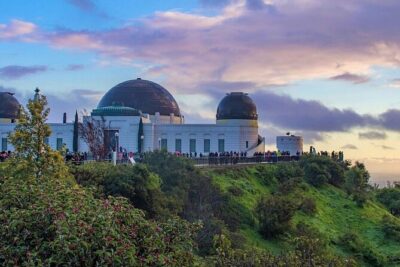


Private Getty Center to Griffith Observatory Guided Tour
Read our review →
Mount John Observatory Stargazing Experience, Tekapo
Read our review →Lists this night appears in