
REVIEW · LAKE TEKAPO STARGAZING
Twizel Stargazing Experience with a Guide (Carbon Positive)
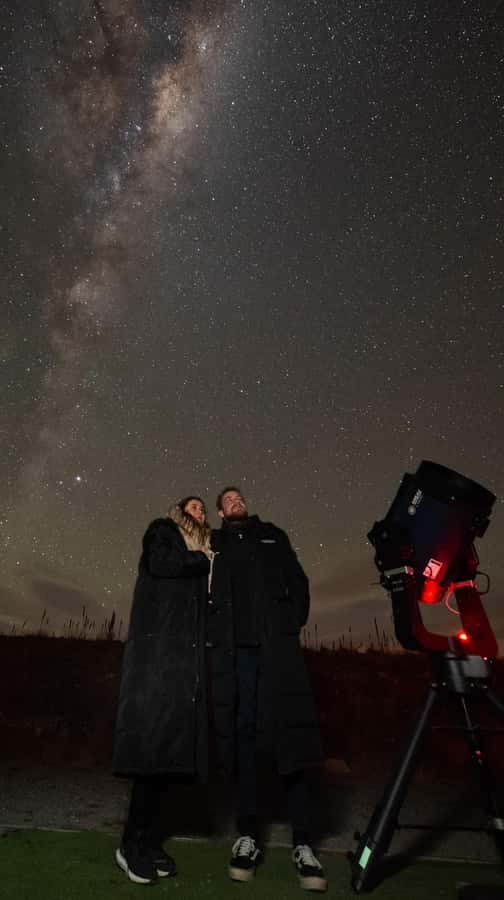
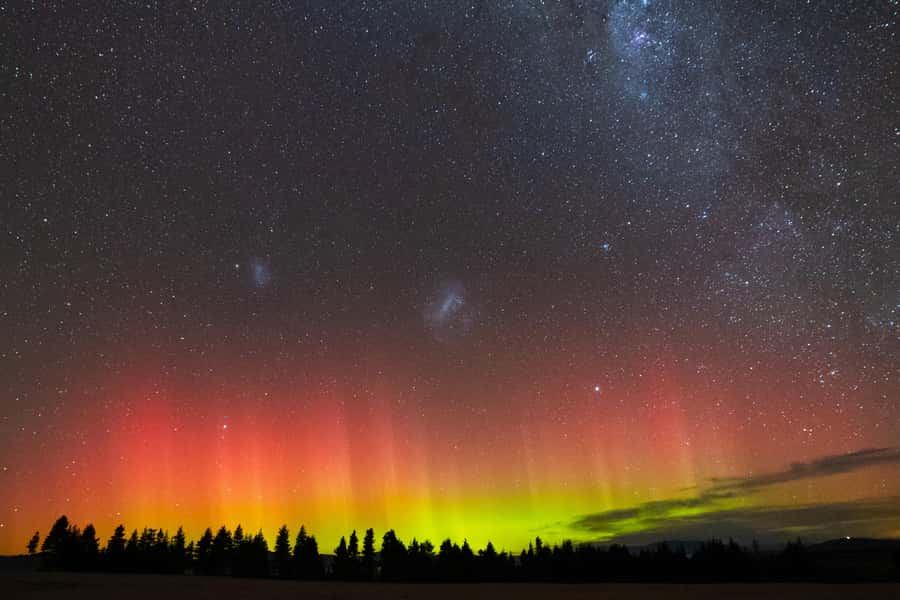
The Aoraki Mackenzie International Dark Sky Reserve gives this Twizel outing its real punch. Away from city lights, you can look through powerful telescopes at the Milky Way, planets, star clusters, and far-off galaxies, with the Southern Alps providing a memorable backdrop.
I like two things right away: the 20-person limit, which helps keep telescope time flowing, and the guides’ friendly way of explaining the sky. Neal, Jamie, and Sam are all singled out for making the science clear and entertaining. You also receive a digital photo of your group beneath the stars.
The main drawback is timing. Some tours may begin after midnight, and clouds can affect what you see. A perfect sky can produce a brilliant show, as one guest found after a fully cloudy night at Lake Tekapo, but astronomy always depends on weather.
Key points to know before booking
- The tour lasts 75 minutes, long enough for guided sky watching without taking over your whole evening.
- Groups are capped at 20 people, with a low guest-to-telescope ratio.
- Twizel sits inside the Aoraki Mackenzie International Dark Sky Reserve, one of the clearest and darkest sky areas in the world.
- You get a complimentary digital photo of your group under the stars.
- A shuttle collects you at the hotel entrance, with a footpath signboard marking the pickup spot.
- Warm clothes and comfortable shoes matter, and flash photography, alcohol in the vehicle, and loud noise are not allowed.
Why Twizel is a strong place for stargazing
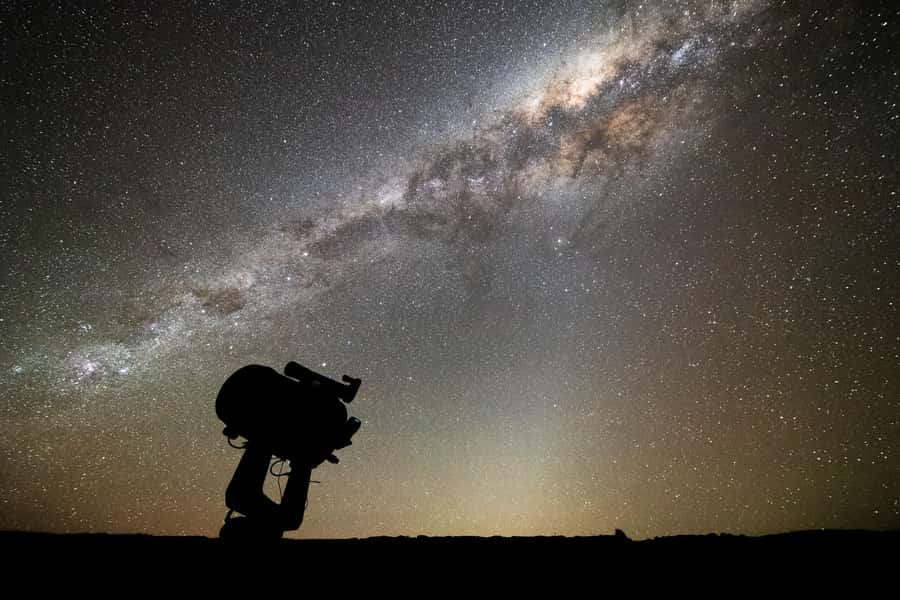
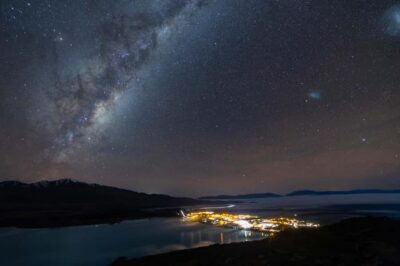
Twizel is in the heart of the Aoraki Mackenzie International Dark Sky Reserve, a large protected area in New Zealand’s South Island. The point of a dark sky reserve is simple: less artificial light means more stars, sharper contrast, and a better chance of seeing the Milky Way clearly.
You do not need to know much about astronomy to appreciate the difference. In a bright town, the sky may show a handful of familiar stars. In Twizel, the darkness lets the Milky Way appear as a broad band rather than a faint smudge. A telescope then takes you beyond what your eyes can pick out alone.
I like that this setting gives the tour a sense of place. You are not simply standing outside a building and looking upward. You are in a quiet part of the South Island, with the Southern Alps nearby and little city glare to compete with the sky.
Still, a dark location cannot control the clouds. The clearest possible site may show very little on a fully overcast night. That is not a flaw in the tour, but it is a fact worth keeping in mind when you plan a sky-based activity.
More Guided Nights Out in Lake Tekapo:
- Lake Tekapo: Alpine Stargazing Experience with a Guide
★ 4.5 · 626 reviews - Teide: Guided Sunset & Stargazing Tour by Night with Dinner
★ 4.7 · 1,339 reviews - Griffith Observatory Hike: Guided Tour through Griffith Park
★ 5.0 · 1,020 reviews
Meeting the shuttle at the hotel entrance
You should arrive 15 minutes before your scheduled start time. The shuttle picks you up at the hotel entrance, and a Twizel Stargazing footpath signboard marks the spot.
There is no office at the hotel, so do not worry if you arrive early and do not immediately see staff. The pickup is timed for 15 minutes before the tour begins. If you drive, you can leave your car in the hotel’s car park zone.
The complimentary shuttle is a useful touch. It means you do not have to find a dark viewing site in an unfamiliar area, and it keeps the evening simple if you have already spent the day driving around the Mackenzie Basin.
The practical catch is that this is not a walk-up activity. You need to be at the correct hotel entrance at the correct time. Check your confirmation carefully, especially if you are staying somewhere other than the hotel used as the pickup point.
A 75-minute route through the night sky
The tour is built around a guided astronomy session rather than a long list of stops. After the shuttle takes you to the stargazing site, your guide introduces the night sky and directs your attention to visible stars and constellations.
The value of a live guide becomes clear here. Looking up at a field of stars can be beautiful, but it is easy to lose track of what you are seeing. Your guide helps connect the points of light with stories, patterns, and basic astronomy.
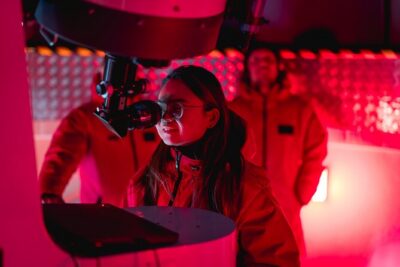
The session then moves to telescope viewing. You can use high-quality telescopes to examine objects that are difficult or impossible to see clearly with the naked eye. The exact sights depend on the season, the time of night, and the cloud cover, but the advertised targets include planets, star clusters, distant galaxies, and the Milky Way.
I would treat the 75 minutes as a guided introduction rather than a full astronomy course. It is enough time to get several good looks through the equipment and ask questions, but not enough to cover every major object in the sky.
The small group helps here. With no more than 20 people, the tour aims to keep waiting time at the telescopes low. You should have repeated chances to look through the equipment and ask the guide about what you see.
Telescopes that make the sky easier to read
A telescope changes the experience from simply admiring the stars to examining them. You might first see a bright point above you, then discover that it has shape, color, or surrounding detail once the guide positions the telescope.
The telescopes are intended for deep-sky observation, including distant galaxies and sparkling star clusters. These objects are not always obvious to a beginner, so the guide’s explanation matters as much as the equipment.
I like this setup for first-time stargazers. You do not need to arrive with a star chart, specialist vocabulary, or a plan to identify constellations on your own. The guide gives you a starting point, then helps you make sense of what the telescope reveals.
People with a strong interest in astronomy should also find value here, especially because the small group allows time for questions. The experience is not limited to a lecture from a distance. You can ask about the object in view and get help understanding the larger story behind it.
The group size is worth considering. Twenty people is small compared with a large coach tour, but it is not a private session. You may share the viewing sequence with other participants, and the pace will be shaped by the group. If you want uninterrupted telescope time, a private booking would be a different kind of outing, but no private option is described here.
More Stargazing Tours in Lake Tekapo:
- Lake Tekapo: Stargazing Experience
★ 4.9 · 607 reviews - Chameleon Stargazing Shared Tour
★ 5.0 · 181 reviews - Lake Tekapo: Mountaintop Stargazing at Mount John Summit
★ 4.5 · 176 reviews - Mount John Observatory Stargazing Experience, Tekapo
★ 4.5 · 160 reviews
Guides who make astronomy easier to enjoy
The guide can make or break a stargazing evening. Names praised for this experience include Neal, Jamie, and Sam. Sam is noted for being both entertaining and well informed, while Neal and Jamie are described as clear and engaging.
That combination is important. Astronomy can become technical very quickly, but a guide who explains without showing off helps everyone stay involved. You can ask questions, listen to stories about constellations, and still keep an eye on the telescope queue.
The strongest sign of the tour’s appeal is how often the guide is part of the praise. The equipment and dark skies draw you in, but a good guide gives the session shape. Without that human link, a telescope can become a machine you look through once and then forget.
You should expect English-language guiding. That makes this a good fit for visitors comfortable following spoken explanations in English, but it may be less suitable if you need another tour language.
Weather, clouds, and the best attitude to bring
Cloud cover is the biggest variable. One visitor had full cloud cover at Lake Tekapo the night before, then found a completely clear sky at Twizel. That contrast shows why conditions can differ from one evening and place to the next.
A clear night can be the highlight of a New Zealand trip. The Milky Way, planets, and star clusters all become more rewarding when the sky is open. A cloudy night, however, may limit the views through the telescopes.
I would book this with realistic expectations. You are paying for access to a dark site, good equipment, a guide, and a planned viewing session. You are not buying a guarantee that every galaxy or planet will be visible on your particular night.
If you have flexibility, check consecutive dates for availability. Some tours may start after midnight, so look carefully at the date and start time when booking. The late schedule can work well after dinner, but it may not suit young children or anyone who needs an early start the next morning.
What to wear and what to leave behind
Bring warm clothing, even if the afternoon in Twizel felt mild. Night air can feel very different when you are standing still and looking through a telescope. Comfortable shoes are also recommended, since the viewing site is reached by shuttle rather than directly from your hotel room.
The rules are practical. Flash photography is not allowed, alcoholic drinks cannot be taken in the vehicle, and you are asked not to make noise.
The ban on flash makes sense because bright light interferes with night vision. After your eyes adjust to the dark, a sudden flash can spoil the view for everyone nearby. Keep your phone on a low-light setting and follow the guide’s instructions around the telescopes.
The quiet rule also protects the experience. Stargazing works best when you can hear the guide and take in the stillness of the site. This is not the right outing if you want a lively, social party atmosphere.
The complimentary photo under the stars
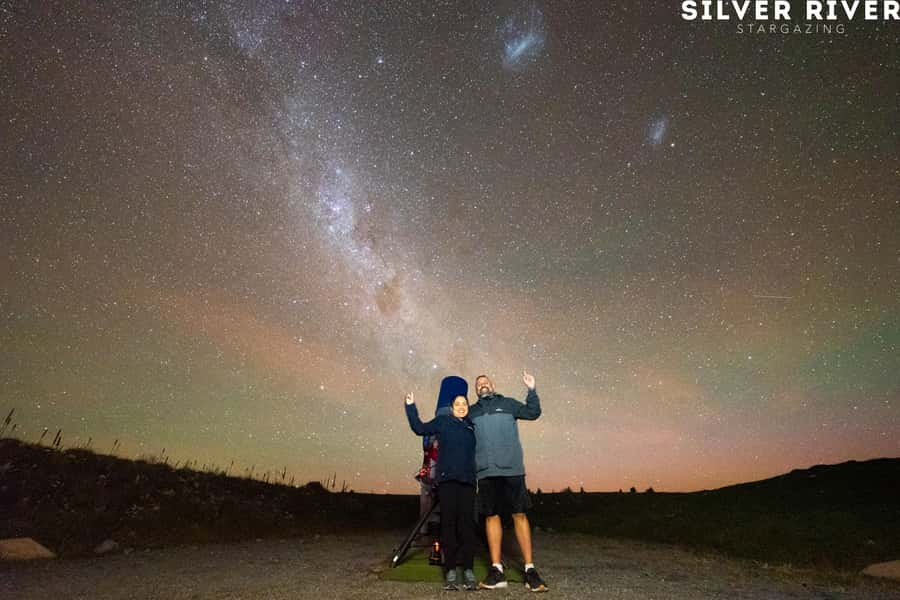
You receive a digital photograph of you and your group beneath the night sky. That gives you a useful souvenir, since ordinary phone cameras often struggle to show both people and stars in the same frame.
The photo is a small but thoughtful part of the package. You can enjoy the telescope session without spending the evening trying to set up your own camera. It also records the setting better than a quick snapshot taken in darkness.
Do not confuse it with a full photography workshop. The included image is a group keepsake, not a promise of individual portraits, multiple edited files, or instruction in night photography. Those details are not specified, so I would book the tour for the astronomy first and treat the photo as a bonus.
Is NZ$59 good value for 75 minutes?
At NZ$59 per person, the price is reasonable if you want a structured introduction to the night sky. The fee includes the guide, telescope access, shuttle transport from the check-in point, and the digital group photo.
The best value comes from the combination. You are not simply paying for a dark location, since you could look at the sky independently. You are paying for the planning, the equipment, the explanations, and the chance to view objects through telescopes without arranging all of that yourself.
The 20-person cap also matters. A cheaper session with a large crowd could leave you waiting much longer for a telescope. Here, the stated low ratio between telescopes and participants is designed to give everyone time at the eyepiece.
The price may feel less worthwhile on a heavily cloudy night, since the main attraction depends on visibility. That risk applies to all stargazing activities. For greater flexibility, you can reserve now and pay later, and free cancellation is available up to 24 hours in advance. Your card is charged in New Zealand dollars, so check the exchange rate and final amount before confirming.
Who will enjoy this most?
I would recommend this tour to first-time stargazers, couples, families with older children, and anyone spending several nights around Twizel or the Mackenzie Basin. The guide-led format removes the guesswork, while the telescope time gives the evening more substance than simply standing outside a hotel.
It also suits people who want a calmer activity after a day of sightseeing. The quiet setting, dark skies, and small group create a slower change of pace.
Astronomy fans should like the chance to ask questions and inspect deep-sky objects. The tour may feel too short for someone hoping for a long technical observing session, however, and a 75-minute visit will not cover every object visible from the Southern Hemisphere.
Young children may struggle with the late timing, especially if the tour starts after midnight. The no-noise rule and the need to stay warm also favor children who can handle a quiet outdoor activity.
My verdict: book it for the setting and the guide
I would book the Twizel Stargazing Experience if you are already in the area and want a well-organized way to see the Southern Hemisphere night sky. The strongest reasons are the Dark Sky Reserve location, the capped group size, the quality telescopes, and guides such as Neal, Jamie, and Sam who make the subject approachable.
Choose it with weather in mind, and do not assume a clear sky is guaranteed. If your schedule allows, keep more than one night open and check the late start time carefully. For NZ$59, the combination of transport, instruction, telescope viewing, and a group photo offers solid value, especially on a clear evening.
FAQ
Where does the Twizel Stargazing Experience take place?
It takes place in Twizel, in the South Island of New Zealand, within the Aoraki Mackenzie International Dark Sky Reserve.
How long does the stargazing tour last?
The tour lasts 75 minutes.
What can I see through the telescopes?
The telescopes are used to observe the Milky Way, distant galaxies, star clusters, and planets. The exact views depend on the night sky and cloud cover.
How large is the tour group?
Tours are capped at 20 people. This is intended to keep the ratio of telescopes to participants low and give everyone time to ask questions and look through the equipment.
Where is the meeting point?
You should meet at the hotel entrance 15 minutes before the scheduled start time. Look for the Twizel Stargazing footpath signboard. The shuttle collects you there, and you may park in the hotel’s car park zone if you are driving.
What should I bring?
Bring warm clothing and comfortable shoes. Flash photography is not allowed, and alcoholic drinks cannot be taken in the vehicle.
Can I cancel or pay later?
You can cancel up to 24 hours in advance for a full refund. The reserve-now, pay-later option lets you book without paying immediately. Your credit card is charged in New Zealand dollars.
Fresh listings near Lake Tekapo
- Lake Tekapo Ultimate Stargazing Experience★ 5.0 · 3 reviews
- Virtual Stargazing & Astronomy Experience in Lake Tekapo★ 3.0 · 2 reviews
- Lake Tekapo: Indoor Māori Cultural Astronomy Experience★ 4.5 · 43 reviews
- Mount Cook, Lake Pukaki: Billion Star Dining★ 4.8 · 6 reviews
- Lake Tekapo: Stargazing Experience at Cowan’s Observatory★ 4.7 · 52 reviews
- Lake Tekapo: Virtual Stargazing and Astronomy Experience★ 4.5 · 8 reviews
- Lake Tekapo: Ultimate Stargazing Experience★ 4.3 · 12 reviews
- Lake Tekapo: 1.5-Hour Hot Pools & Stargazing Experience★ 4.0 · 45 reviews
Lake Tekapo Stargazing, side by side.
Mount John Observatory Stargazing Experience, Tekapo
Read our review →
Silver River Stargazing Experience in Lake Tekapo
Read our review →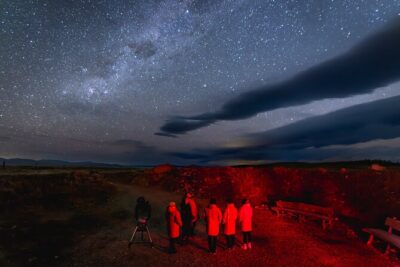
Stargazing Experience at Cowan’s Private Observatory
Read our review →Lists this night appears in