
REVIEW · OBSERVATORY VISITS
Castel Gandolfo: Vatican Observatory experience
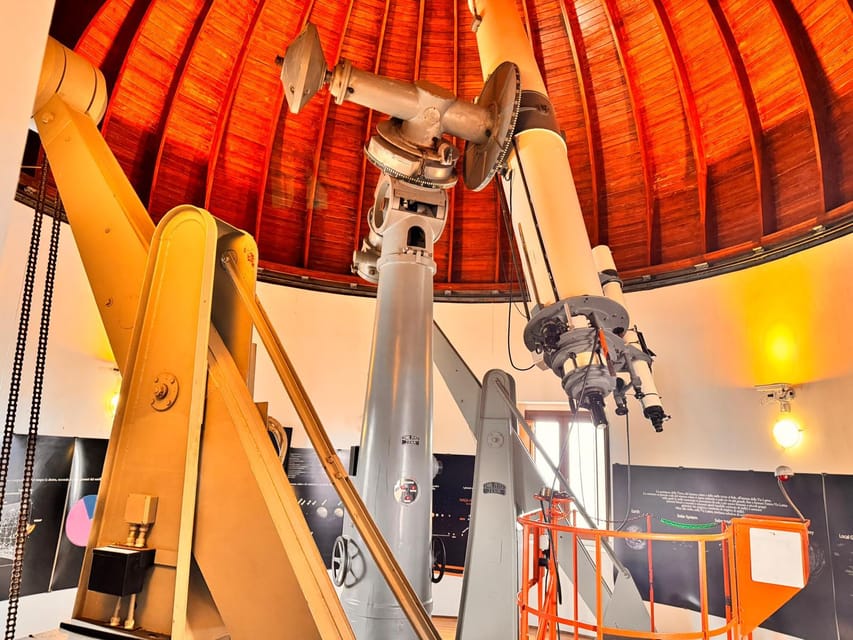
At Castel Gandolfo, the most unusual sight is not the Papal Palace itself, but the two working astronomical domes hidden on its upper levels. After nearly 90 years with restricted access, visitors can now see the visual telescope and Double Astrograph used by the Vatican Observatory.
I like the Lake Albano panorama from the palace terrace, and I like the clear connection between astronomy, papal history, and the Jesuit scientists who ran the observatory. The main drawback is the short one-hour visit, especially since there is no included guided tour or audioguide.
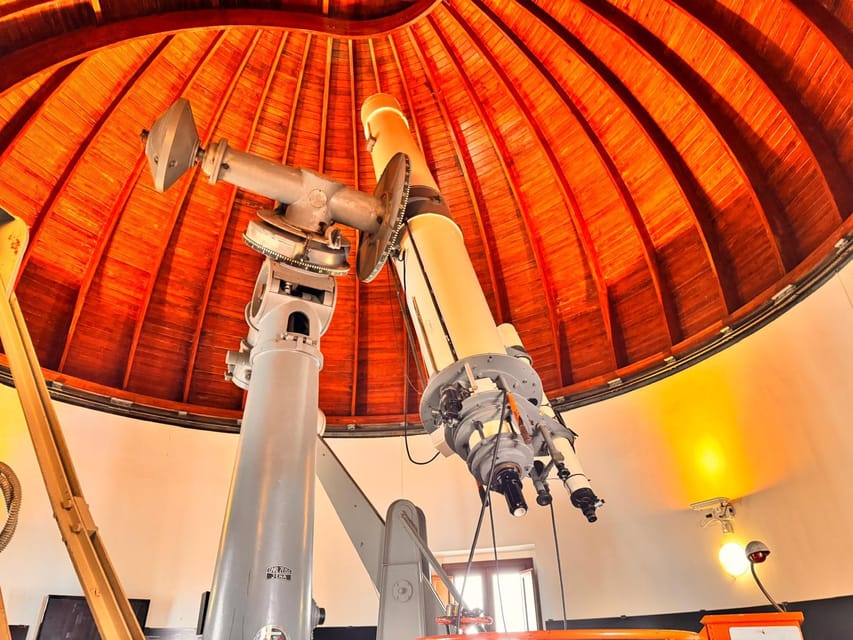
- Two functioning domes: See the major dome with its 8.5-meter diameter and visual telescope, plus the 8-meter minor dome with its Double Astrograph.
- A high viewpoint: Climb the palace’s spiral staircase to a terrace overlooking Lake Albano.
- Jesuit astronomy: Learn how the Vatican Observatory moved from Vatican City to Castel Gandolfo because city lights made observation harder.
- Small price, limited format: At $17, the visit is reasonably priced for access to unusual rooms, but you should not expect a long museum tour.
- Best for curious adults: The visit suits people interested in astronomy, science, architecture, and unusual Vatican sites.
- Plan for stairs: The experience is not suitable for wheelchair users, people with vertigo, or children under seven.
Why Castel Gandolfo’s Observatory Is Worth Seeing
Castel Gandolfo sits about 24 kilometers from Rome in the Alban Hills. The town is best known as the Pope’s summer residence, but above the palace is a scientific facility with a very different purpose.
The Vatican Observatory was moved here because Rome’s growing lights made serious astronomical work difficult. On September 29, 1935, Pope Pius XI opened the new observatory at Castel Gandolfo. The Jesuits were entrusted with its work, and the site received three new telescopes and an astrophysical laboratory for spectrochemical study.
That detail gives the visit more weight than a simple palace viewpoint. You are not just looking at old equipment behind glass. You are entering a place that was built for active scientific research. The telescopes were used to study stars and planets, while other work included research on variable stars.
You will not get a full astronomy course in one hour, and there is no audioguide included. Still, the setting makes the visit memorable. The palace represents papal summer life, while the domes reveal the Vatican’s interest in scientific study. Those two sides of the site sit neatly together.
Arriving at the Papal Palace Entrance
Your meeting point is the main entrance of the Papal Palace in Castel Gandolfo. You should arrive about 20 minutes before your scheduled time and show your reservation voucher to the reception staff.
Transportation is not included, so you need to arrange your own way from Rome or another base. The 24-kilometer distance sounds close, but it is outside central Rome and requires planning. Check your route before booking, particularly if you have a fixed return plan or other timed activities later in the day.
The skip-the-ticket-line access is useful once you arrive. It does not remove the need to reach Castel Gandolfo on your own, but it can make the entrance process quicker and more predictable.
A host or greeter may assist in English, French, Spanish, Italian, or German. This is not the same as a full guided tour. The experience does not include a guide or audioguide, so you should book it for access to the site rather than for a long, narrated program.
More Observatory Visits in the world:
- Royal Observatory Greenwich & Prime Meridian Entrance Ticket
★ 4.5 · 1,095 reviews - Griffith Observatory Hike: Guided Tour through Griffith Park
★ 5.0 · 1,020 reviews - Tenerife: Mount Teide Observatory Guided Tour
★ 4.6 · 818 reviews
The Spiral Staircase to the Palace Terrace
One of the first practical facts to understand is that this visit involves a spiral staircase. The climb leads to the third floor of the Papal Palace, reaching the highest point of the panoramic terrace.
The staircase is part of what makes the visit feel like access to a normally restricted corner of the building. It also limits the experience for some people. Wheelchair users cannot take part, and the activity is not suitable for anyone with vertigo. Children under seven are not allowed for safety reasons.
Wear comfortable shoes. The advice is simple but important, since the visit combines stairs, upper-floor rooms, and time spent moving through an old palace setting. Warm clothing is also recommended. The domes and upper levels may feel cool, and Castel Gandolfo’s height can make the terrace less comfortable than Rome on the same day.
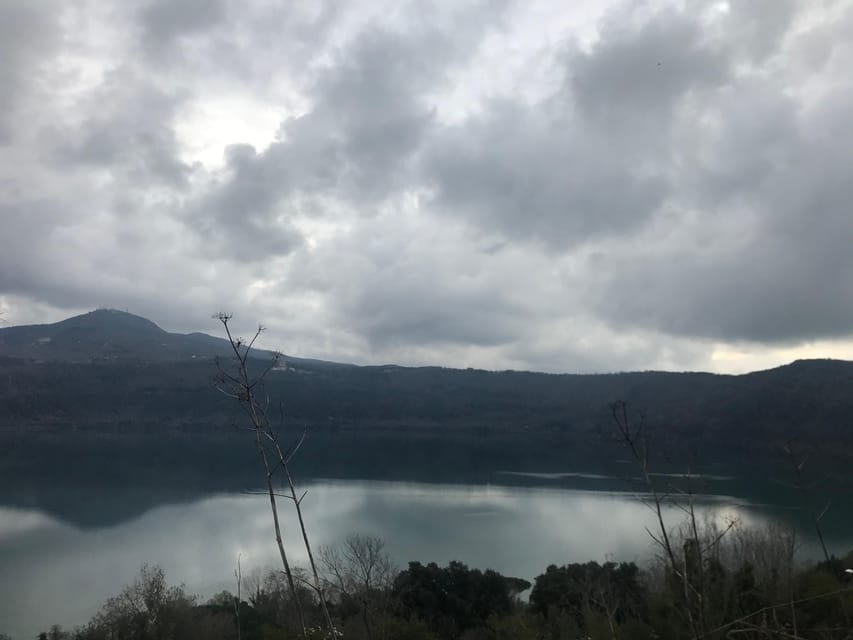
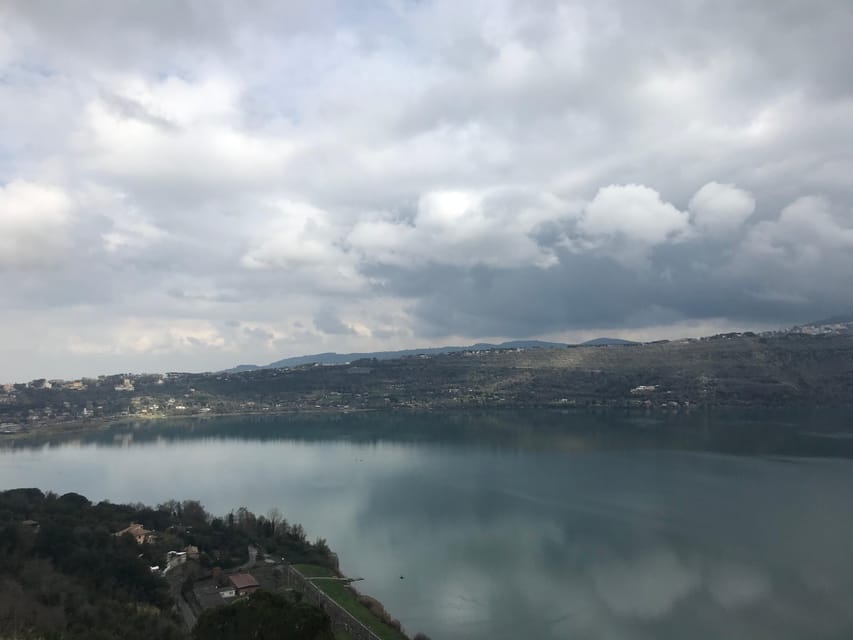
When you reach the terrace, the view is a major part of the value. You can look across Lake Albano from above, with the palace providing a striking setting for the panorama. Bring a camera, but keep your expectations sensible: the visit is about the view and the observatory together, not a long photography session.
The Major Dome and Its Visual Telescope
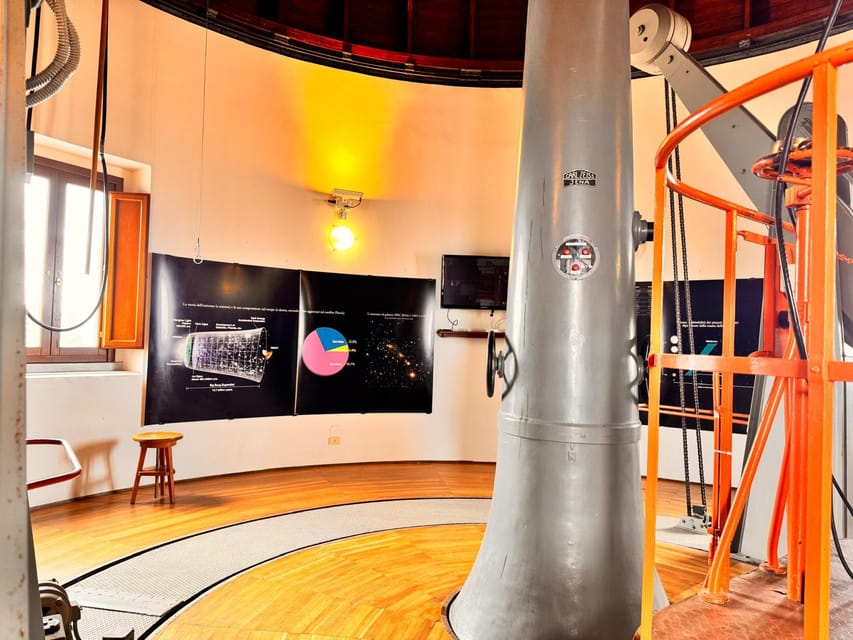
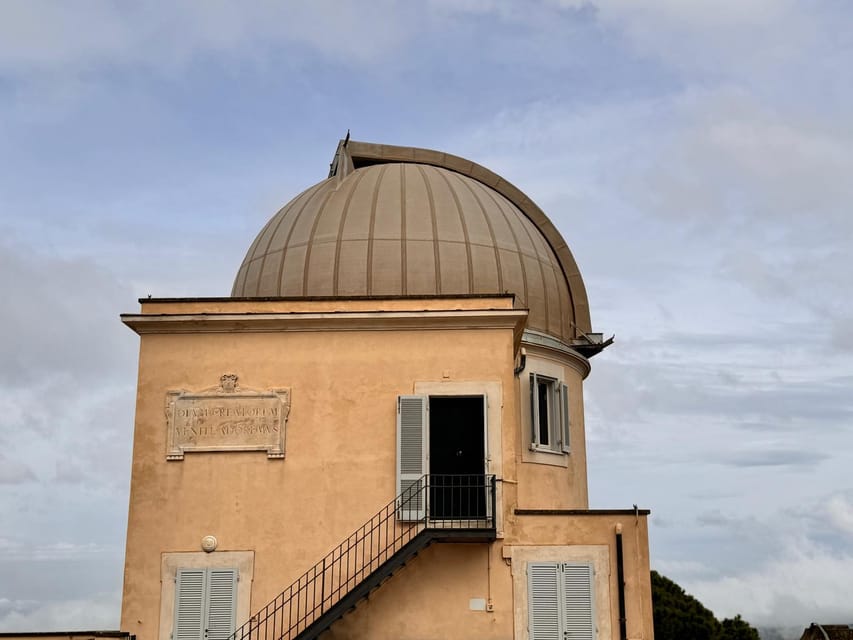
The major dome measures 8.5 meters in diameter and contains a visual telescope designed for observing stars and planets. Its size is impressive even before you consider its purpose. A dome built to house a serious telescope feels very different from a standard palace room or a display in a science museum.
The experience gives you a look at the relationship between the building and the instrument. The dome is not just an architectural feature. It opens toward the sky and supports the telescope’s work. That physical connection helps explain how astronomers once used the site.
The telescope is also a useful reminder that the Vatican Observatory is not simply a symbolic institution. The observatory was equipped for real research, and the major dome remains one of the two key astronomical spaces included in this visit.
You may find the major dome most appealing if you want to see a traditional observatory setup. The supplied information does not promise nighttime viewing or a chance to operate the telescope, so do not book this experience expecting a stargazing session. The value is in seeing the facility and understanding its role.
The Minor Dome and Double Astrograph
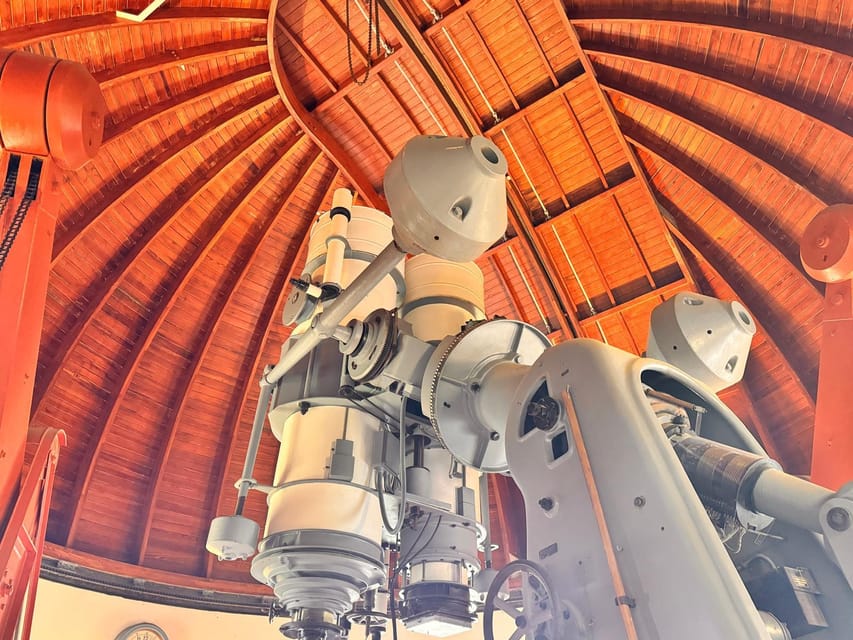
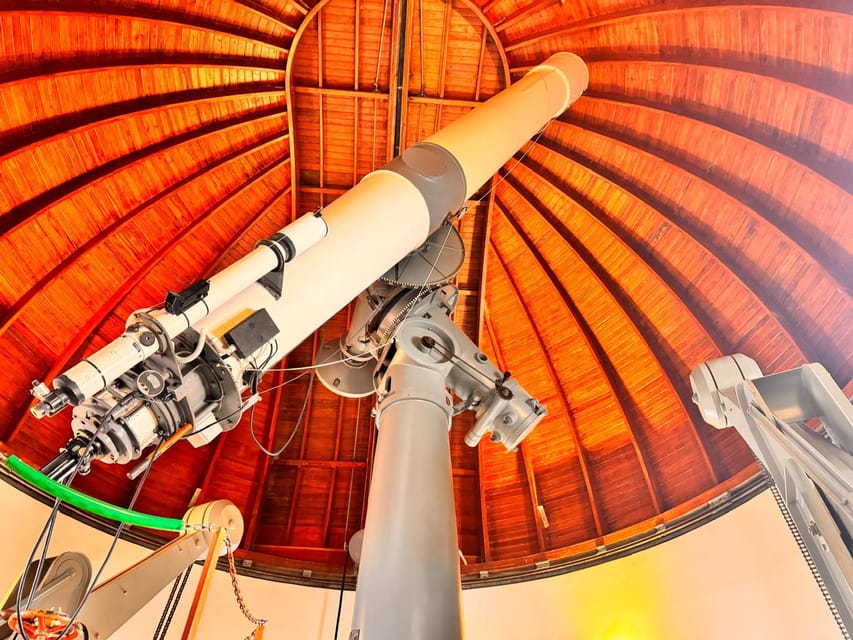
The second dome is slightly smaller, with a diameter of 8 meters. It contains the Double Astrograph, an instrument used for photographic surveys of the sky and for recording the positions of stars.
This makes the minor dome different from the major dome. The first is linked to visual observation of stars and planets. The second reflects the careful, measured work of photographing the sky and charting star positions.
For anyone interested in how astronomy developed before today’s digital equipment, the Double Astrograph is likely to be the most distinctive object on the visit. It shows that astronomy is not only about looking through a telescope. It also depends on recording, comparing, and mapping what appears in the sky.
The two domes work well as a pair. One shows the observational side of astronomy. The other shows the photographic and surveying side. Since both are included in the ticket, you get more than a single unusual room at the top of a palace.
More Stargazing Tours in the world:
- Dubai Red Dunes ATV, Camels, Stargazing & 5* BBQ Al Khayma Camp
★ 5.0 · 21,620 reviews - Sharm El-Sheikh: Ultimate ATV Quad, Stargazing & BBQ Dinner
★ 4.7 · 4,084 reviews - Tenerife: Teide National Park Sunset & Stargazing Tour
★ 4.2 · 3,812 reviews - Tenerife: Sunset and Stargazing at Teide National Park
★ 4.7 · 2,826 reviews
The Jesuits and the Move Away From Rome
The observatory’s location makes more sense once you know why it left the Vatican Gardens. Leo XIII had built an earlier observatory in the Vatican Gardens, but the growing light pollution of Rome eventually made the original site less useful for astronomical work.
The move to Castel Gandolfo allowed the Vatican Observatory to continue its scientific activity in a more suitable setting. Pius XI opened the new headquarters in 1935, and the Jesuits took responsibility for the institution.
That change also explains why the visit has a scientific thread rather than being only about papal rooms. The observatory was equipped with three new telescopes and an astrophysical laboratory for spectrochemical analysis. One important research program at the time focused on variable stars.
You may not receive a detailed lecture on each of these subjects, since a guide and audioguide are not included. Still, knowing this background before you arrive helps you read the rooms more clearly. The domes are evidence of a long-running research program, not decorative additions to the palace.
What One Hour Really Gives You
The stated duration is one hour. That is enough time for a focused visit to the two domes, the upper palace level, and the terrace, but it is not enough for a slow tour of every part of Castel Gandolfo.
The short format can work in your favor. You can fit the observatory into a day trip without giving up half a day. It also leaves room to see more of the town or consider the palace gardens, which require an extra admission and are not part of this experience.
At the same time, the duration affects the price calculation. At $17 per person, the ticket is fair if you are genuinely interested in the telescopes, the view, or the building’s unusual scientific role. It feels less attractive if you expect a full palace tour, detailed historical commentary, or an extended astronomy program.
The experience has received mixed reactions, which makes sense given its format. The strongest response comes from people who value the observatory itself, the scenery, and clear explanations from the staff. One Italian visitor found the setting fascinating and appreciated that the one-hour length left time for the gardens, while also noting that the help provided was friendly and understandable even without a background in astronomy.
Another person described the view as fantastic and the visit as interesting, but felt the price was high for the amount of content. That is a fair warning. The ticket buys access, not a full guided production.
Who Will Enjoy This Experience Most
I would recommend this visit to adults and older children who enjoy science, unusual buildings, and places with more than one story to tell. It works especially well if you have already seen Rome’s major churches and museums and want something less familiar.
You will likely get the most from it if you can appreciate details such as the difference between a visual telescope and a Double Astrograph. You do not need to be an astronomer, but a little curiosity helps. The supplied information indicates that explanations are aimed at people who may not know much about astronomy, so beginners can follow along.
The terrace also broadens the appeal. You can enjoy the lake view even if the technical side of the observatory is not your main interest. The palace setting gives the visit an architectural and cultural layer.
I would think twice if you dislike stairs, feel uneasy in high places, or want a fully narrated tour. The lack of an included audioguide matters more here than it would at a site with many signs and exhibits. You should be comfortable getting the main value from the rooms, equipment, setting, and any help provided by the host.
Practical Details Before You Book
The reservation can be canceled up to 24 hours before the visit for a full refund. You can also reserve now and pay later, which is useful if your Rome schedule is still taking shape.
Bring your reservation voucher and arrive 20 minutes early. Wear comfortable shoes and warm clothing, and bring a camera if the lake view matters to you.
The activity is available with host or greeter support in English, French, Spanish, Italian, and German. It is not a guided tour, so treat the language options as assistance at the meeting point rather than a promise of a detailed commentary in your preferred language.
Remember the limits: transportation, meals, drinks, a guide, and an audioguide are not included. Children under seven cannot participate, and the activity is not suitable for wheelchair users or people with vertigo.
Should You Book the Vatican Observatory Visit?
Book it if you want an unusual Castel Gandolfo experience with real astronomical equipment, a papal setting, and one of the area’s best elevated views. At $17, it is a reasonable add-on for visitors already planning to reach Castel Gandolfo.
Skip it if your main goal is a broad tour of the Papal Palace or a polished, heavily narrated museum visit. The one-hour format is compact, and the observatory’s value depends on your interest in the domes and the story behind them.
My practical advice is to treat this as a focused upper-floor visit, not a complete Castel Gandolfo day. Pair it with time in the town or separately booked gardens, and you will get more from the trip. For curious visitors who enjoy seeing how science operated inside a papal residence, this is a distinctive use of one hour.
FAQ
Where does the Vatican Observatory experience begin?
It begins at the main entrance of the Papal Palace in Castel Gandolfo, about 24 kilometers from Rome.
How early should I arrive?
You should arrive 20 minutes before your scheduled time and show your reservation voucher to the reception staff.
How long does the experience last?
The visit lasts one hour.
What does the ticket include?
The ticket includes access to the major and minor astronomical domes, the third floor of the Papal Palace, and the panoramic view of Lake Albano.
Is transportation from Rome included?
No. Transportation to Castel Gandolfo is not included.
Is the experience guided?
No guided tour or audioguide is included. A host or greeter may assist in English, French, Spanish, Italian, or German.
Can young children or wheelchair users participate?
Children under seven are not permitted. The activity is also not suitable for wheelchair users or people with vertigo.
Fresh listings near the world
- Cabo de Gata: Guided Night Walk with Stargazing★ 4.7 · 36 reviews
- Brisbane: Glow Worms, Sunset, Star Gazing & BBQ★ 4.4 · 26 reviews
- Cabo de Gata: Stargazing Experience★ 4.5 · 7 reviews
- Boulder: Guided Astronomy Tour★ 4.7 · 11 reviews
- 1-Day Grand Canyon Tour from Las Vegas: Stargazing & Sunrise★ 3.6 · 3 reviews
- Antofagasta: Astronomical Tour with a Guide★ 3.7 · 4 reviews
- Astronomical Tour: San Pedro de Atacama – Chile★ 4.5 · 3 reviews
- Perth: Pinnacles Stargazing, Sandboarding & Beach Kangaroos★ 5.0 · 3 reviews
Observatory Visits, side by side.
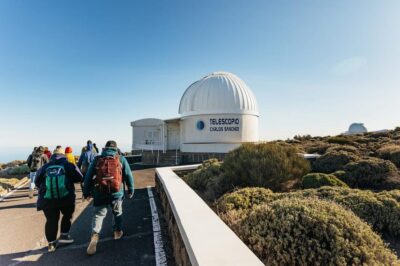
Royal Observatory Greenwich & Prime Meridian Entrance Ticket
Read our review →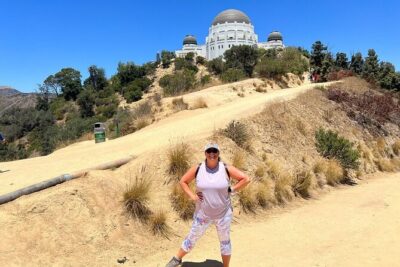
Griffith Observatory Hike: Guided Tour through Griffith Park
Read our review →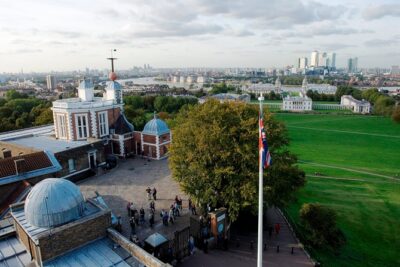
Royal Observatory Greenwich & Prime Meridian Entry Ticket London
Read our review →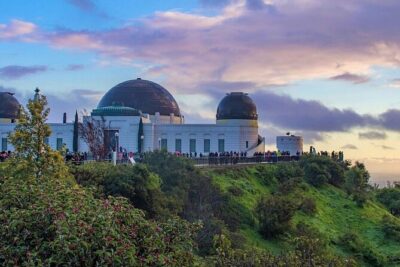
Private Getty Center to Griffith Observatory Guided Tour
Read our review →
Mount John Observatory Stargazing Experience, Tekapo
Read our review →Lists this night appears in