
REVIEW · LAKE TEKAPO STARGAZING
Lake Tekapo: Virtual Stargazing and Astronomy Experience
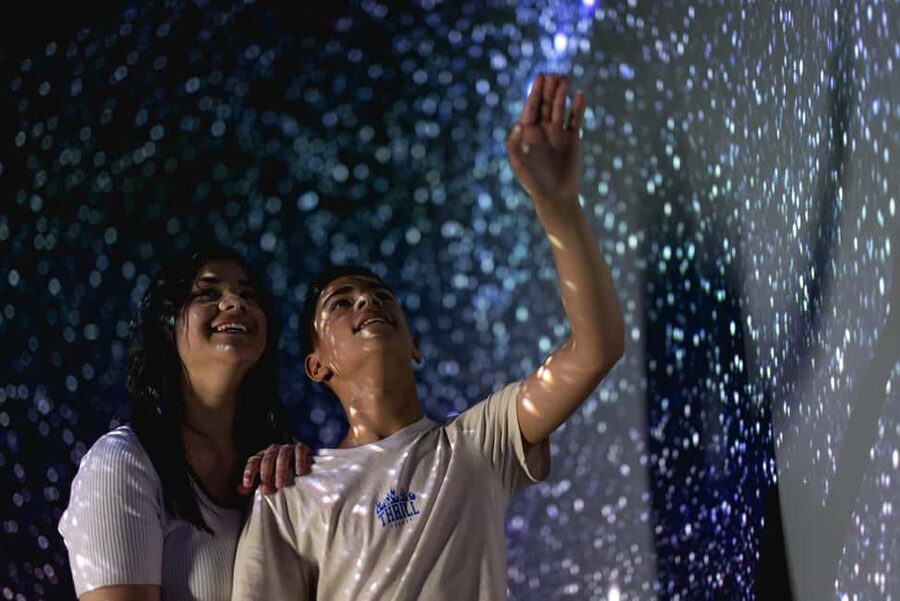
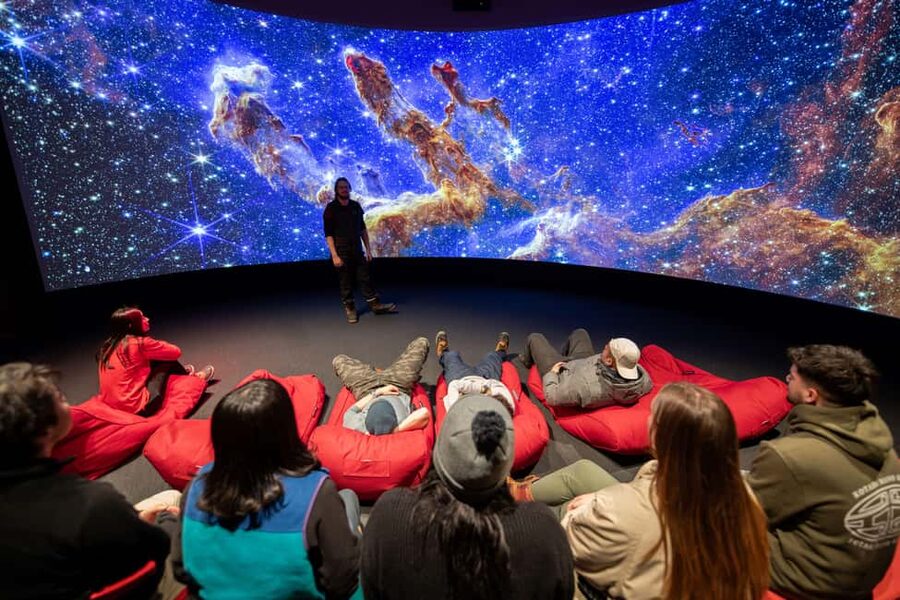
Lake Tekapo’s virtual stargazing experience brings the southern night sky indoors, using a digital system that can recreate what is overhead even when clouds hide the real stars. In 45 minutes, an English-speaking astronomy guide takes you from nearby planets to far-off galaxies, adding stories that make the science easier to follow.
I like two things right away: you can see details that the naked eye cannot pick out, and you do not need to wait until midnight for a proper look at the sky. The warm indoor setting also makes this a smart choice for families, older visitors, and anyone who would rather not stand outside in the cold.
The main consideration is that this is a virtual presentation, not an outdoor telescope session under the actual sky. One guest also found a guide’s fast speech and strong German accent difficult to understand, so clear communication may matter if English is not your first language.
Key points to know before booking
- Tonight’s sky is recreated indoors, so cloud, rain, and cold do not cancel the experience.
- The 45-minute format is easy to fit into an evening, especially for children who may not last through a late outdoor tour.
- The presentation covers the southern sky, solar system, and distant galaxies, not just a quick look at a few stars.
- Virtual technology shows more detail than your eyes alone, making it useful for first-time stargazers.
- The experience is family-friendly and wheelchair accessible, with children aged five to 17 included in the child category and toddlers and young children going free.
- The listed price is $52 per person, though an older booking comment cited $69, so check the final price before paying.
What happens inside the Dark Sky base building
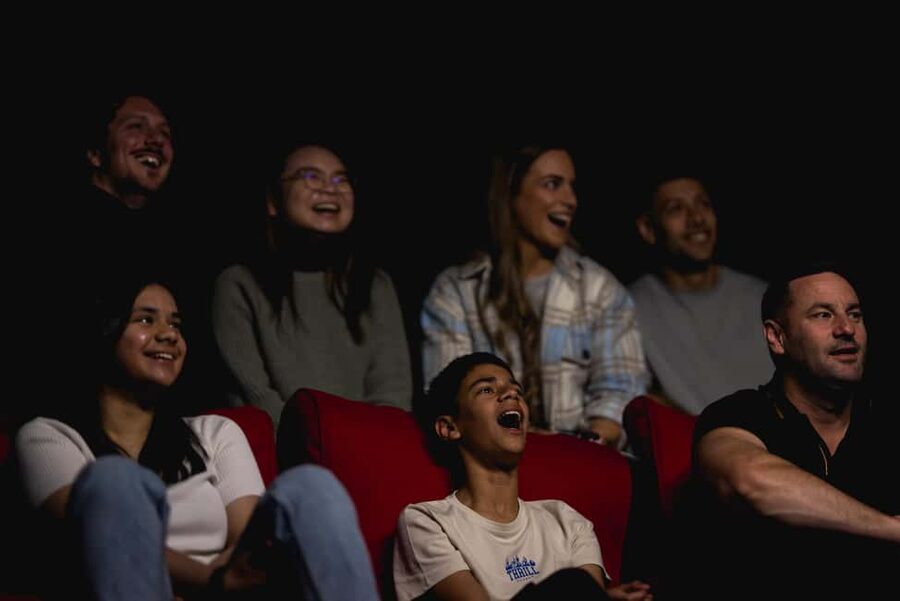
You check in with the Dark Sky Project team inside the base building in Lake Tekapo, arriving 15 minutes before your start time. There is no outdoor transfer or long walk into the hills. That simple meeting point matters, especially on a cold evening or when you are visiting with children.
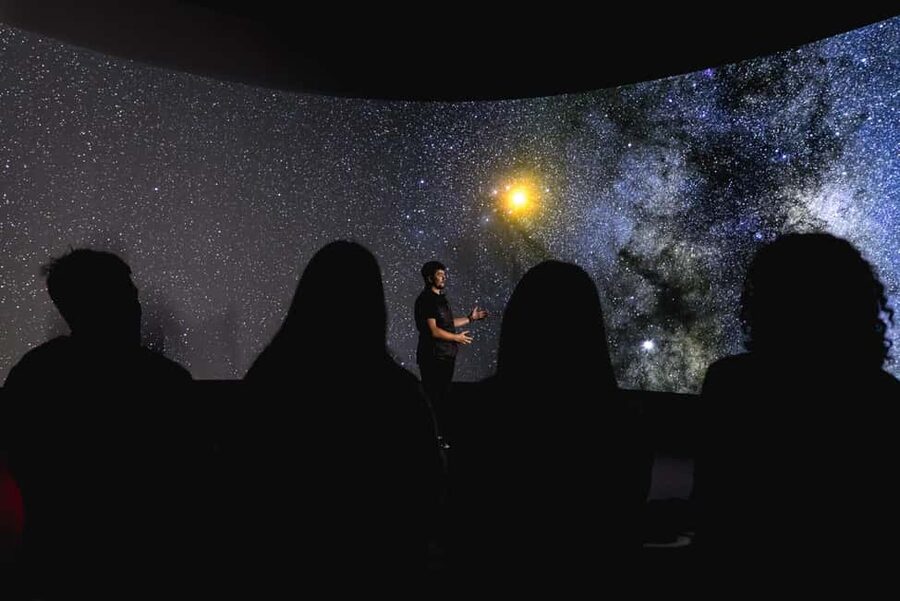
Once the session begins, your guide takes control of the virtual sky. The idea is not simply to show a prerecorded film. The guide replicates the night sky for the evening and explains what you are seeing, giving you a live path through the presentation.
The exact order of the material can depend on the guide and the evening, but you can expect a trip through the southern skies, our solar system, and the wider universe. Stars, planets, and galaxies appear with more detail than you could normally see without optical equipment.
That makes the experience useful before an outdoor stargazing session, but it also works perfectly well on its own. You leave with a better sense of what to look for when you step outside later.
More Stargazing Tours in Lake Tekapo:
- Lake Tekapo: Alpine Stargazing Experience with a Guide
★ 4.5 · 626 reviews - Lake Tekapo: Stargazing Experience
★ 4.9 · 607 reviews - Chameleon Stargazing Shared Tour
★ 5.0 · 181 reviews
Why virtual stargazing works well in Tekapo
Lake Tekapo is within the Aoraki Mackenzie International Dark Sky Reserve, an important setting for astronomy. The region is known for dark conditions, but dark skies do not guarantee a clear view every night. Clouds, wind, rain, and winter temperatures can quickly turn an outdoor activity into a test of patience.
This indoor version removes that gamble. You still learn about the sky above Lake Tekapo, but the equipment lets the guide show it even when the real sky is covered. For a short holiday, that reliability has real value.
I also like the control a virtual system gives the guide. With the naked eye, you might spot a few bright stars or a planet if conditions are good. Here, the presentation can show much finer detail and move from one part of the universe to another without waiting for darkness, clear weather, or your eyes to adjust.
That does not make it the same as standing beneath the real sky. It gives you a guided explanation and a close look at astronomical objects, while an outdoor session gives you the direct feeling of being under the stars. If you want both, this indoor experience can prepare you for a later walk outside.
Following the guide from stars to galaxies
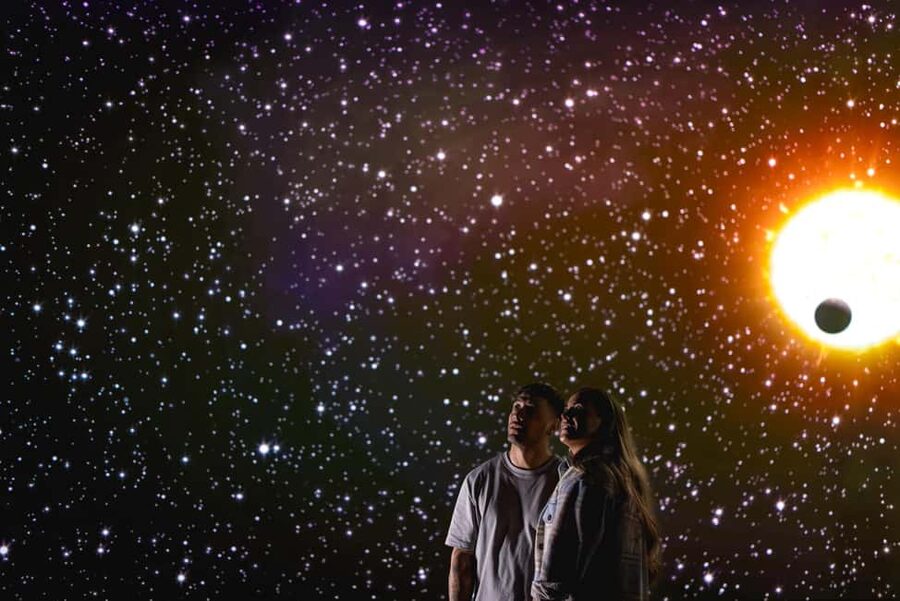
The most valuable part of the session is the explanation. Astronomy can become a list of names and distances very quickly, but a live guide can slow down, point to the important parts, and connect the science with stories about the universe.
You will begin with the southern sky, which is a major reason to do this in New Zealand. The session then reaches across the solar system and beyond. That broad route gives children a clear starting point, while adults who already know basic astronomy can still pick up new facts.
The presentation is designed for all ages rather than for specialists. One January 2025 booking described it as educational, interesting, and a relief compared with staying awake until midnight. That is a useful clue about the pacing and practical appeal: you get a real astronomy session without committing half the night.
Another booking from February 2024 found the presentation comfortable, informative, and engaging. I would expect the guide’s delivery to shape the experience quite a bit. A clear, lively presenter can make the same images memorable, while a rushed delivery may leave you struggling to keep up.
If English is not your first language, keep that in mind. One person had difficulty understanding a guide who spoke quickly with a strong German accent. That appears to be an individual guide issue rather than a stated feature of the program, but it is still a fair consideration when booking an English-language activity.
A warm choice for families and first-time stargazers
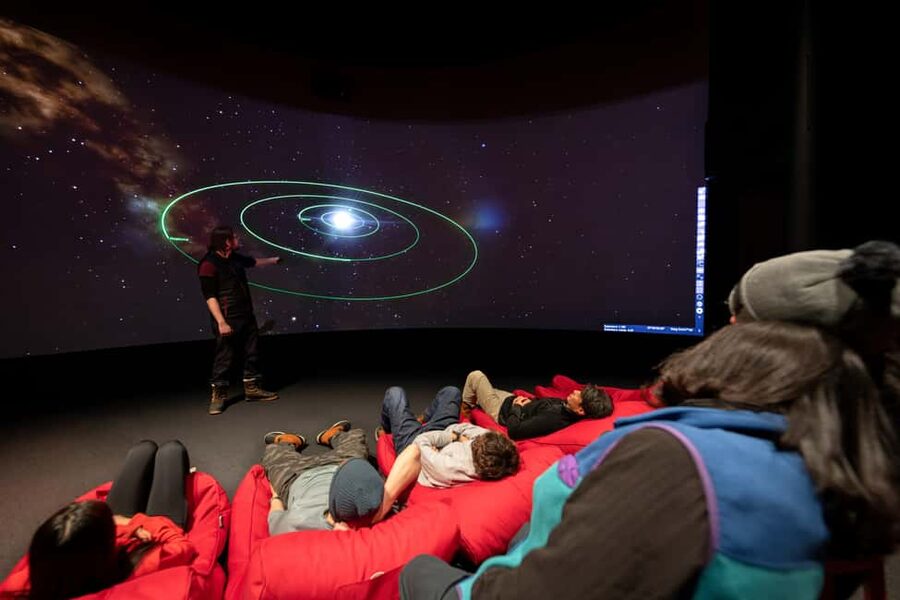
This is a good first step for anyone who has looked up at the stars and wondered what they were seeing. You do not need to bring astronomy knowledge, special clothing, or equipment. The guide supplies the structure and the technology supplies the detail.
Families should find the 45-minute length manageable. Children aged five to 17 are covered by the child category, while toddlers and young children go free. The experience is also wheelchair accessible, which makes the indoor format easier for people who may find uneven outdoor ground or long periods standing uncomfortable.
I would be more cautious about bringing very young children if they are unlikely to sit through a guided presentation. The activity is family-friendly, but it is still an educational session rather than a free-play attraction. The short running time helps, though.
Older children may enjoy the scale of the journey, from nearby planets to far-off galaxies. Adults can appreciate the chance to see detail that ordinary eyesight cannot provide. Even seasoned stargazers may like the southern-sky focus, particularly if they normally observe from the Northern Hemisphere.
Same sky over Lake Tekapo, a different way to watch it:
- Lake Tekapo: Mountaintop Stargazing at Mount John Summit
★ 4.5 · 176 reviews - Mount John Observatory Stargazing Experience, Tekapo
★ 4.5 · 160 reviews - Tekapo Star Gazing Tour – Soak in the Stars
★ 4.5 · 109 reviews - Silver River Stargazing Experience in Lake Tekapo
★ 4.5 · 106 reviews
How the $52 price compares with the experience
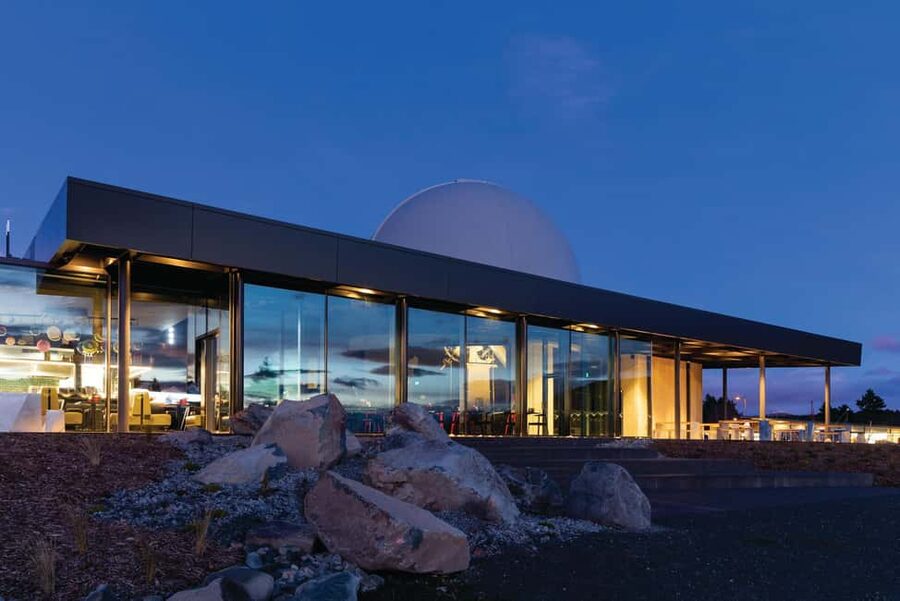
At the stated price of $52 per person, this is not a throwaway activity, but it is also a fairly contained way to add astronomy to a Lake Tekapo visit. The session lasts 45 minutes and includes the guide, the indoor venue, and the virtual technology.
The value is strongest when weather is poor or your schedule is tight. An outdoor stargazing tour may require more time, warmer clothing, and a willingness to wait for suitable conditions. This experience gives you a fixed, relatively short appointment and removes the risk of seeing very little because of clouds.
The price feels less attractive if your main goal is simply to stand outside under the real stars. In that case, you may prefer to walk outdoors on a clear night at no extra cost. You are paying here for the explanation, the controlled presentation, and the ability to see more detail than your eyes can manage alone.
One older booking comment referred to paying $69 per person and felt disappointed after having trouble following the guide. Since the stated price for this experience is $52, prices may differ by booking date or sales channel. Check the amount shown at checkout, and consider the language and guide-delivery point before paying.
Food and drinks are not included. The short duration makes that easy to manage, since you can eat before or after rather than planning a meal around the session.
Timing your visit around the rest of Lake Tekapo
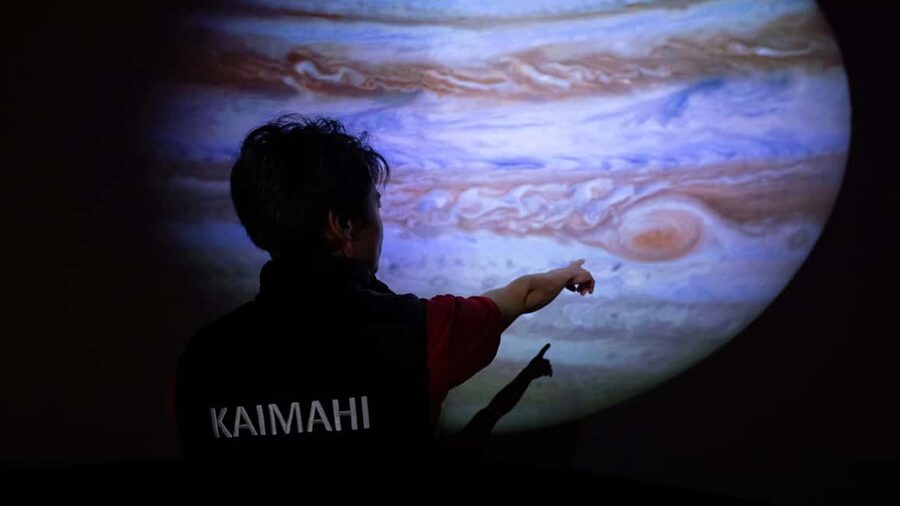
The experience is usually available in the evening, which fits naturally into a day spent around Lake Tekapo. You can schedule it after daytime sightseeing without giving up a full evening.
The 45-minute length is a practical advantage. You are not committing to a late-night expedition, and you can still step outside afterward if the real sky has cleared. One June booking even caught a glimpse of the Milky Way on the walk back to the accommodation, a useful reminder that the indoor session and the real sky can complement each other.
Arrive 15 minutes early at the Dark Sky base building. That gives you time to check in without rushing, particularly if you are bringing children or need the accessible entrance and seating arrangements.
Because the activity is all-weather, it can serve as your reliable astronomy plan. If conditions later improve, treat the outdoor sky as an extra rather than something you needed to make the booking worthwhile.
The main strengths and limits
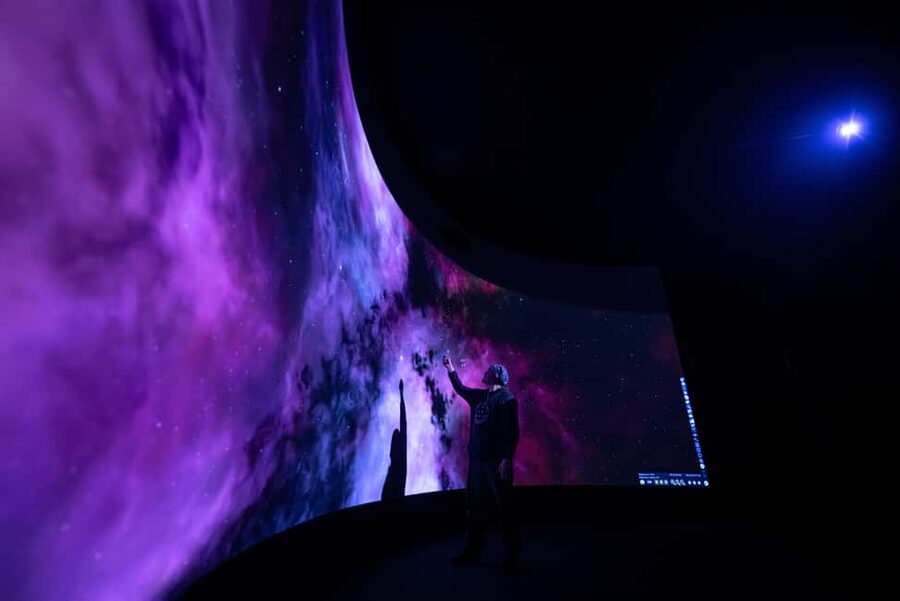
The strongest feature is reliability. You can learn about the southern sky even when the conditions outside are hopeless. That matters in a destination where the stars are a major attraction but the weather remains beyond anyone’s control.
The second strength is clarity of detail. A virtual presentation can bring planets and galaxies close enough for a beginner to understand what makes them different. It gives the guide a clear visual tool, rather than relying on a dark field and a small point of light.
The third is accessibility of the subject. You do not need to know constellations or understand technical terms before arriving. The guide explains the material in a way intended for families, newcomers, and people who already enjoy astronomy.
The limitation is authenticity. You are not lying beneath the actual Tekapo sky, and you are not using a telescope outdoors. If the physical sensation of cold air, darkness, and real stars is the reason you came, this may feel like a supplement rather than the main event.
Guide delivery is another variable. The information is presented in English, and one person found fast speech hard to follow. If you have hearing or language concerns, arrive ready to ask the guide to slow down or repeat a point.
Who should book this experience?
I would recommend it most strongly to families, first-time stargazers, and visitors with only one evening in Lake Tekapo. It is also a sensible choice for anyone who dislikes cold-weather activities or wants a dependable plan when clouds cover the reserve.
You should also consider it if you want context before trying to identify stars on your own. The guide’s route through the southern sky, solar system, and galaxies gives you a useful framework.
I would think twice if you want an outdoor-only astronomy experience or if the price feels high for a 45-minute indoor presentation. In that case, check the weather and your priorities first. A clear night outside may be enough for casual stargazing, while this activity makes more sense when you want instruction and close visual detail.
Should you book the Lake Tekapo virtual stargazing experience?
Book it if you want a warm, short, dependable introduction to the southern sky. The all-weather format, live English-speaking guide, family-friendly length, and detailed virtual views make it especially practical for families and first-time explorers.
Skip it if your priority is the raw experience of standing outdoors beneath real stars. The best way to decide is simple: if you want to understand what you are seeing, this is a good use of 45 minutes and $52. If you only want the outdoor sensation, save the money for a clear evening walk and look up.
FAQ
Where does the virtual stargazing experience meet?
Check in with the team inside the Dark Sky base building in Lake Tekapo. You should arrive 15 minutes before the scheduled tour time.
How long does the experience last?
The guided experience lasts 45 minutes and is usually available in the evening.
Is the activity available in bad weather?
Yes. The experience takes place indoors and uses virtual technology to recreate the night sky, so it can operate in all weather conditions.
What language is the tour in?
The live tour guide speaks English.
Is the experience suitable for children?
Yes. It is family-friendly. Children aged five to 17 are included in the child category, while toddlers and young children go free.
Is the experience wheelchair accessible?
Yes, the activity is wheelchair accessible.
Fresh listings near Lake Tekapo
- Twizel Stargazing Experience with a Guide (Carbon Positive)★ 4.7 · 26 reviews
- Virtual Stargazing & Astronomy Experience in Lake Tekapo★ 3.0 · 2 reviews
- Lake Tekapo Ultimate Stargazing Experience★ 5.0 · 3 reviews
- Lake Tekapo: Indoor Māori Cultural Astronomy Experience★ 4.5 · 43 reviews
- Mount Cook, Lake Pukaki: Billion Star Dining★ 4.8 · 6 reviews
- Lake Tekapo: Stargazing Experience at Cowan’s Observatory★ 4.7 · 52 reviews
- Lake Tekapo: 1.5-Hour Hot Pools & Stargazing Experience★ 4.0 · 45 reviews
- Lake Tekapo: Ultimate Stargazing Experience★ 4.3 · 12 reviews
Lake Tekapo Stargazing, side by side.
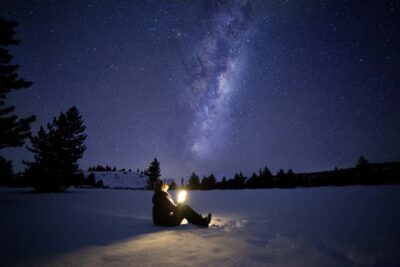
Mount John Observatory Stargazing Experience, Tekapo
Read our review →
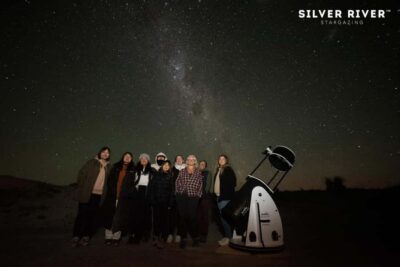
Silver River Stargazing Experience in Lake Tekapo
Read our review →
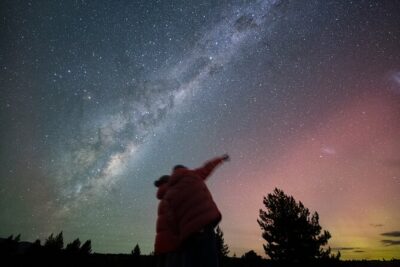
Stargazing Experience at Cowan’s Private Observatory
Read our review →Lists this night appears in