REVIEW · NATIONAL PARK STARGAZING
Teide National Park: Moonlight Tour & Stargazing Experience
The best part of this Teide National Park tour is seeing the moon turn the volcanic scenery into something almost otherworldly. You begin with a naked-eye tour of the sky, then move to high-grade telescopes for close views of the moon, planets, and satellites.
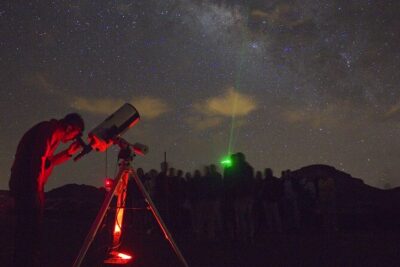
I like the clear mix of astronomy and scenery, and I like that guides such as Miguel, Óscar, and Ozzy bring humor and plain explanations to the subject. The main caution is group size: one recent outing had about 60 people and only six telescopes, so you may need patience at the viewing stations.
Key points to know
- Moonlit Teide after dark: You see the national park under bright moonlight rather than its familiar daytime sun.
- Constellations before telescopes: The guide explains the brightest star patterns, the North Star, visible planets, and zodiac constellations.
- High-grade telescope viewing: The program can include the moon, Mars, Jupiter, satellites, and other visible objects.
- Cold mountain conditions: Warm clothes and warm shoes are essential, even in spring.
- Self-drive meeting point: You meet at the parking area opposite Minas de San José, with no hotel pickup included.
- Good value at $41: The fee includes the guide, astronomy instruction, telescopes, naked-eye stargazing, and tour insurance.
Teide after sunset, when the moon takes over
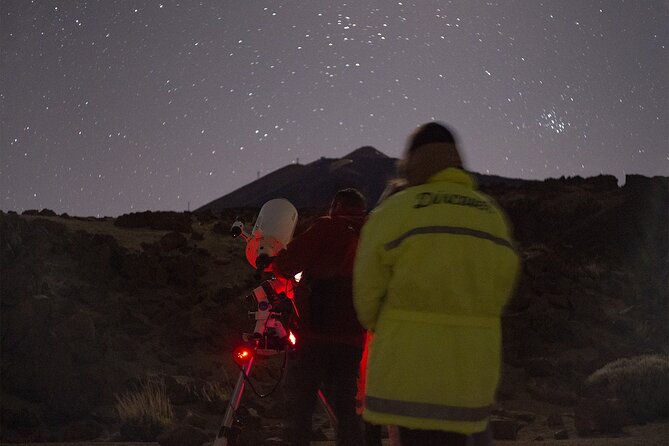
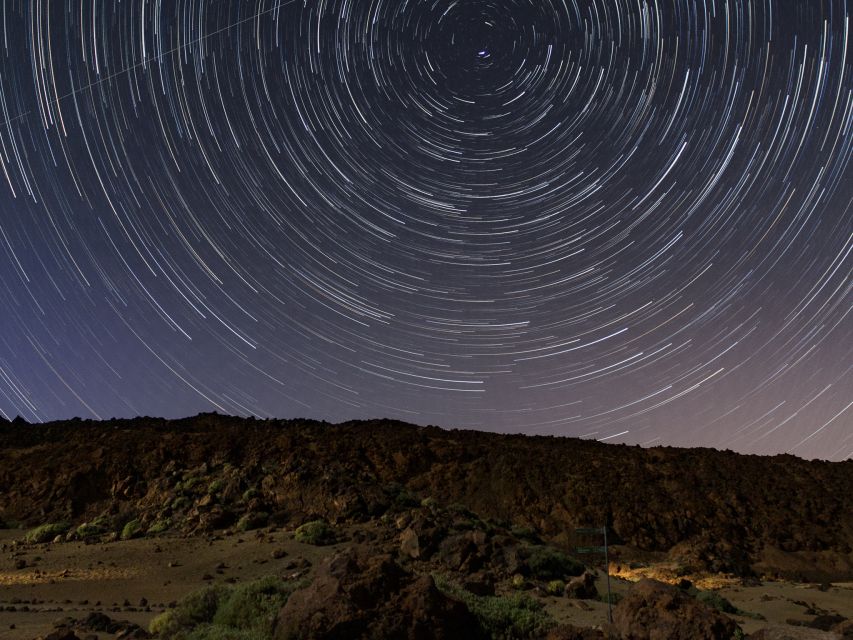
Teide is impressive in daylight, but the park changes character after dark. Moonlight picks out ridges, rocks, and volcanic shapes with strong contrast, giving you a different view of the UNESCO World Heritage Site.
This is not a long night expedition. The experience lasts about 80 minutes, which makes it manageable if you want an evening activity without committing to a full-night astronomy program. The short format also keeps the focus tight: sky orientation first, telescope viewing second.
The tour operates only on nights when the moon is at its brightest. That is important because this is not a standard new-moon stargazing outing designed for the darkest possible sky. The full or near-full moon is part of the attraction, and it lights the park while giving the telescope something striking to show you.
There is one practical wrinkle. A recent outing included a complaint that the moon was not visible, despite the moon-focused theme. Clouds, timing, or changing conditions can affect what you actually see. I would treat the bright moon as the plan rather than a guarantee, and confirm the schedule carefully if you book far ahead.
More National Park Stargazing in Spain
- Tenerife: Teide National Park Sunset & Stargazing Tour
★ 4.2 · 3,812 reviews - Tenerife: Sunset and Stargazing at Teide National Park
★ 4.7 · 2,826 reviews - Teide National Park Sunset & Stargazing with Dinner (Star Safari)
★ 5.0 · 2,601 reviews
Starting at Minas de San José
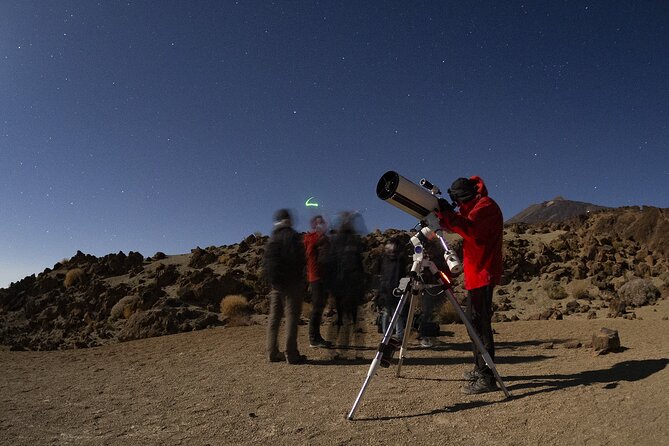
You meet in the parking area directly in front of the natural environment of Minas de San José. If you drive from the south, use the second car park on the right. From the north, it is the first car park on the left.
This is a self-drive activity. Hotel pickup and drop-off are not included, so you need your own transport to the meeting point. The area also works well for arriving a little early, since the setting itself is part of the evening. One booking described the meeting point as a good place to catch the sunset before the night session begins.
Take care with timing. The start time can change when you reserve several months in advance. The provider contacts you by WhatsApp or email after booking to confirm the final schedule, so watch for that message rather than relying only on the original time shown during booking.
You should also check availability for the date you want. Since the tour is limited to bright-moon nights, it is not offered every evening.
The first lesson is done without a telescope
The guide begins with the sky above you, not with a queue for the equipment. This is one of the strongest parts of the experience because it helps you understand what you are looking at before you peer through a lens.
You learn about the brightest constellations and how to locate the North Star. The guide also explains the stories and history connected with those star patterns, along with ways to spot visible planets and zodiac constellations.
This part suits beginners particularly well. You do not need to know the difference between a planet and a constellation before arriving. The guide’s job is to give you a simple map of the sky, and guides such as Óscar have been praised for using clear, concise explanations. Miguel has also been singled out for keeping the group interested with humor.
The naked-eye section matters even if clouds or queues limit your telescope time. You can still leave with a better sense of where to look when you step outside on your own later in the trip.
Telescope time brings the moon close
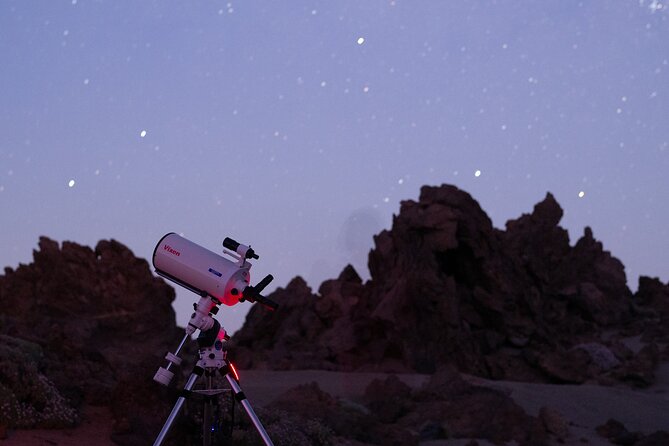
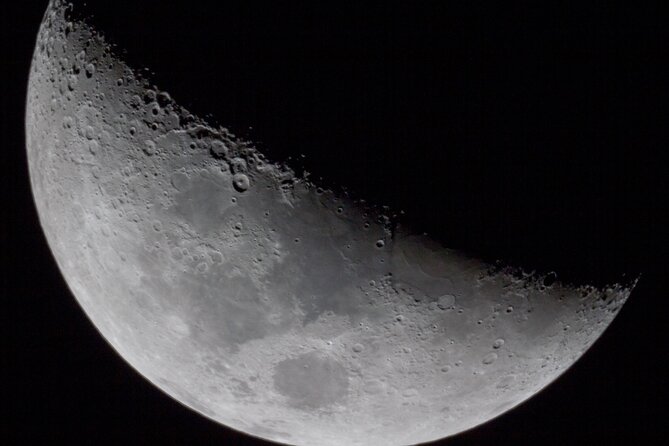
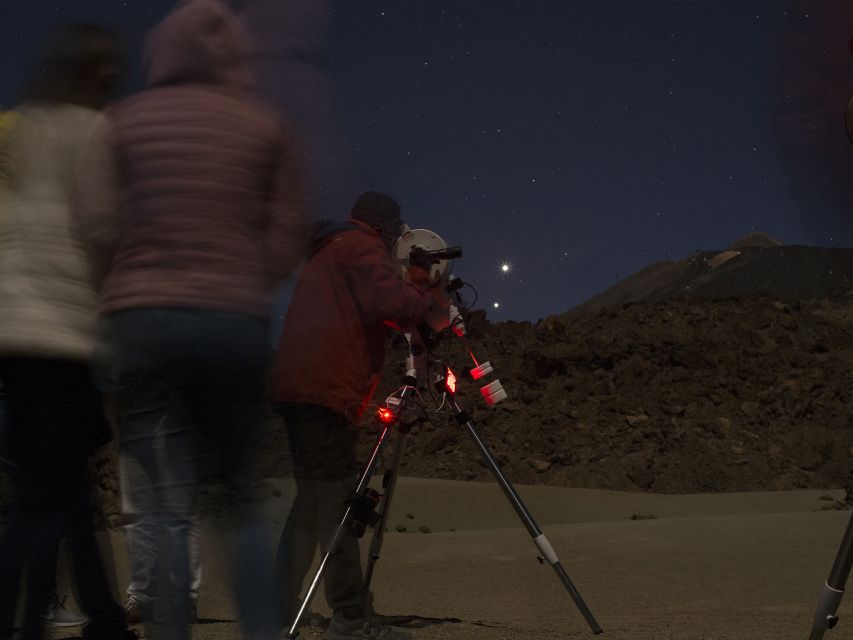
The telescope portion is where the tour becomes more visual. The moon appears with strong contrast and fine detail, rather than as a small bright disc. Its craters and uneven surface are easier to appreciate when the equipment is properly set up and the guide explains what you are seeing.
Depending on what is visible that night, the telescope session can also include planets and satellites. Mars and Jupiter have been seen on recent outings, along with the rising moon. The exact lineup changes with date, visibility, and sky conditions, so you should not book expecting one fixed list of objects.
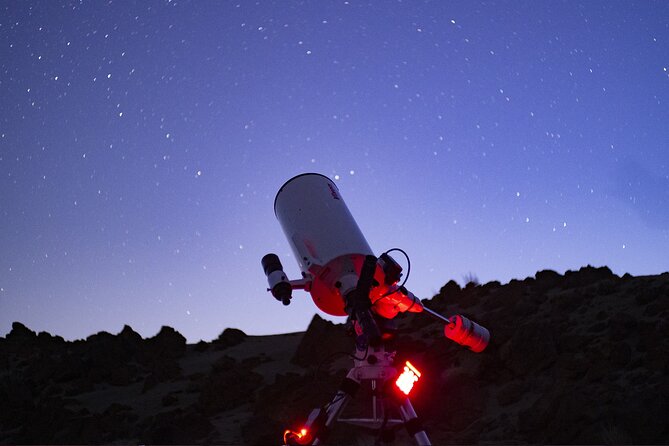
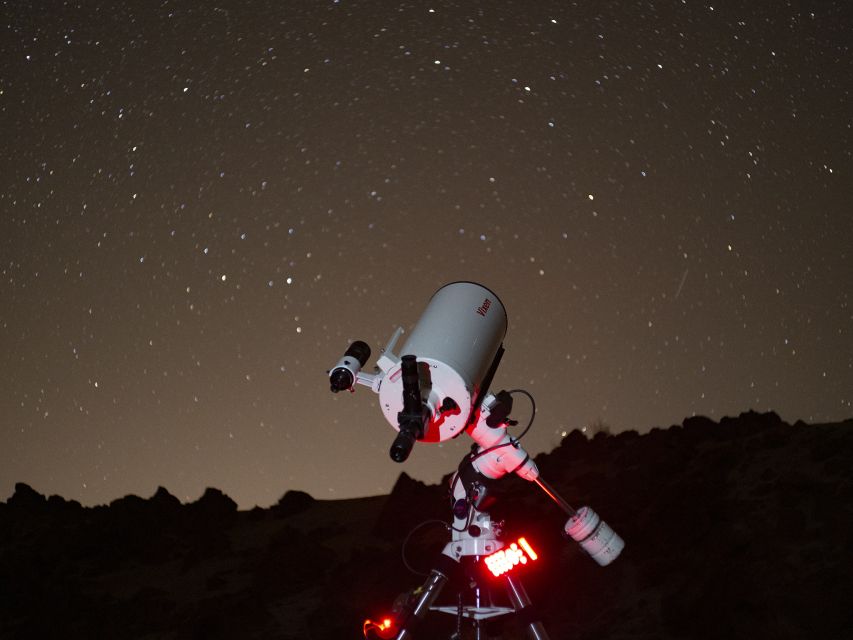
The equipment is described as high grade, and the experience also includes an astrophoto telescope intended to turn telescope views into images. This can add a memorable visual record of the night. However, do not assume you will receive personal photographs through the telescope. One recent participant expected to make individual images and found that this was not possible.
That distinction is worth checking before you arrive. The equipment may show striking space photography or support the guide’s presentation, but the information does not promise that every person can operate the telescope or take home a custom image.
More National Park Stargazing in Tenerife
- Teide National Park: Sunset & Stargazing Safari with Dinner
★ 4.6 · 2,115 reviews - Teide National Park: Guided Large Telescope Stargazing Tour
★ 4.9 · 319 reviews - Tenerife. Stargazing in Teide National Park
★ 4.9 · 319 reviews - Teide National Park: Stargazing Experience
★ 4.7 · 220 reviews
Six telescopes can mean a wait
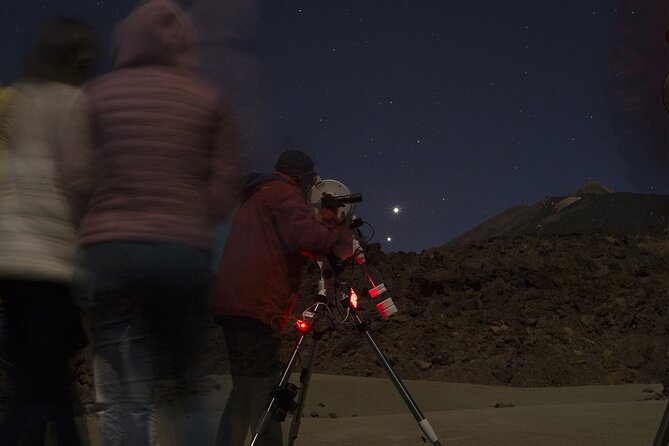
The biggest practical issue is group size. One outing had roughly 60 people sharing six telescopes. That works out to a crowd around each viewing station, and you may need to wait for your turn.
A large group does not cancel out the value of the astronomy lesson, but it changes the pace. You may get only a short look before moving aside for the next person. If you want a quiet, personal session with long telescope time, this format may feel busy.
The guide-led explanation helps keep the group together, and the 80-minute duration prevents the night from dragging. Still, I would arrive with realistic expectations. This is a group introduction to the night sky, not a private observatory visit.
The availability of six telescopes also means that the amount of time you spend looking through a lens may vary. If telescope access is your main reason for booking, ask the provider how many people are expected on your date and how the photo equipment will be used.
Guides make astronomy easier to follow
The guide can make or break an astronomy activity, especially when the subject includes unfamiliar star names, planets, and old sky stories. Here, the strongest comments have centered on guides who explain clearly, keep the mood light, and speak to the group in an approachable way.
Miguel has been described as funny and well informed, while Óscar has earned praise for direct explanations. Ozzy has also been described as friendly, capable, and able to speak several languages. Guide assignments can change, so you should not expect a particular person unless the provider confirms it.
English and Spanish are available. That makes the tour useful for mixed-language groups, though the size of the audience may affect how much individual help you receive.
I like that the tour does not assume you already know the sky. You can arrive with no astronomy background and still follow the basic sequence: identify bright constellations, locate the North Star, check for planets and zodiac patterns, then view selected objects through the telescopes.
Cold weather is not a small detail
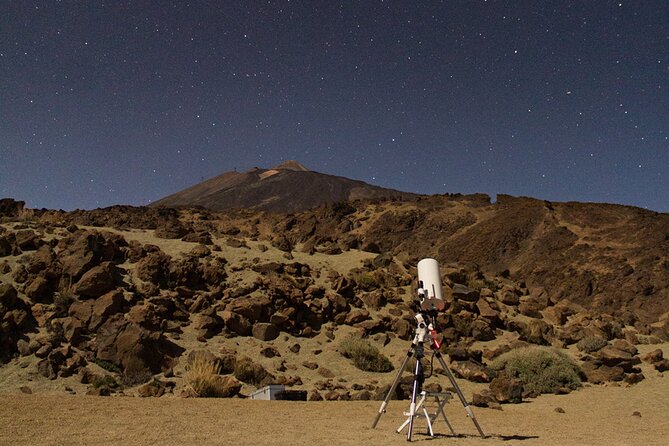
Teide sits high enough that nighttime temperatures can feel severe, even when the coast is mild. The instructions to bring warm clothing and warm shoes should be taken literally.
One person attending in April found the night colder than expected and wished for better layers. Autumn and winter need even more care, but spring is not automatically comfortable. I would bring a thick jacket, warm trousers, covered shoes, and extra layers rather than relying on the temperature at your hotel.
Comfort affects how much you enjoy the sky. Cold hands make telescope viewing awkward, and shivering makes it harder to listen to the guide. This is a simple activity to pack for, but the right clothing makes a real difference.
Comfortable footwear is also requested. You meet in a natural outdoor setting, so sturdy warm shoes are a better choice than thin casual footwear.
What $41 buys you
At $41 per person, this is a reasonably priced introduction to Teide’s night sky. The fee includes naked-eye stargazing, a live astronomy guide, high-grade telescopes, and insurance during the tour.
The value is strongest if you want three things in one short outing: a moonlit view of the park, a beginner-friendly explanation of the sky, and the chance to see celestial objects through proper equipment. Booking a separate private astronomy session would likely offer more personal attention, but this activity keeps the price moderate.
The value is weaker if you expect a long, private telescope session or guaranteed personal astrophotography. A large group can mean waiting, and the photo setup may be for viewing or demonstration rather than individual pictures.
The price also does not include dinner or transport. You need to arrange your own way to Minas de San José, and you should plan food separately if you will be out around mealtime.
Free cancellation is available up to 24 hours before the activity for a full refund. You can also reserve now and pay later, which helps if your mountain plans depend on weather or the final schedule.
Who should book this moonlight tour?
I would recommend it to first-time stargazers, couples, families with older children, and anyone who wants a short evening activity with a clear educational element. It is especially suitable if you like learning the names and patterns behind what you see instead of simply pointing a camera at the sky.
It also suits self-drivers who want to spend a little time in Teide after sunset. Arrive early enough to find the correct car park and prepare for the cold before the guide begins.
I would think twice if you dislike group activities, have difficulty standing outside in low temperatures, or want full control of a telescope. The group can be large, the wait can be noticeable, and the cold is part of the setting.
People with heart problems or respiratory issues should not choose this activity without considering the conditions carefully. It is also not suitable for anyone who has been underwater diving within the previous 24 hours, and unaccompanied minors are not allowed. Pets are not allowed either.
Should you book the Teide moonlight experience?
Book it if you want an affordable, well-structured introduction to astronomy in one of Spain’s most striking mountain settings. The combination of moonlit volcanic scenery, clear constellation lessons, and telescope views of objects such as Jupiter, Mars, and the moon gives the 80 minutes a good sense of purpose.
Go in prepared for a shared experience, not a private observatory visit. Wear genuinely warm clothes, confirm the final meeting time, and ask about expected group size and telescope photography if those details matter to you.
For $41, I think it is a good choice for curious beginners who value the guide’s explanation as much as the telescope. If your priority is silence, personal telescope time, or guaranteed moon photographs, you may want a smaller specialist experience instead.
FAQ
How long does the Teide moonlight and stargazing tour last?
The activity lasts 80 minutes.
Where is the meeting point?
Meet in the parking area directly in front of the natural environment of Minas de San José. From the south, it is the second car park on the right. From the north, it is the first car park on the left.
Is hotel pickup included?
No. Hotel pickup and drop-off are not included, so you must arrange your own transportation to the meeting point.
Which languages are available?
The live guide is available in English and Spanish.
What should I bring?
Bring comfortable shoes, warm clothing, and warm shoes. Temperatures can be low, especially in autumn and winter.
Is the tour available every night?
No. It is offered only on nights when the moon is at its brightest. If you book months in advance, the start time may change, and the provider will confirm the schedule through WhatsApp or email.
Fresh listings near Tenerife
- Small Group Teide Stargazing Tour with Picnic at Sunset★ 5.0 · 3 reviews
- VIP Sunset & Stargazing experience★ 4.5 · 44 reviews
- Sunset and stargazing from Teide★ 3.5 · 51 reviews
- Tenerife Exclusive & Private Gastronomic, Sunset-Stargazing★ 5.0 · 3 reviews
- Skip the Line: Teide Observatory Entrance Ticket★ 3.0 · 33 reviews
- “Stargate” Tenerife stargazing★ 5.0 · 13 reviews
- Stargazing Tour in Tenerife★ 3.0 · 2 reviews
- Sunset & Stargazing Experience from Teide★ 4.0 · 31 reviews
National Park Stargazing, side by side.
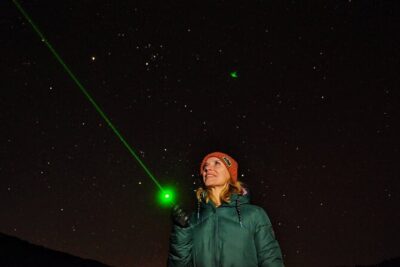
Teide National Park Sunset & Stargazing with Dinner (Star Safari)
Read our review →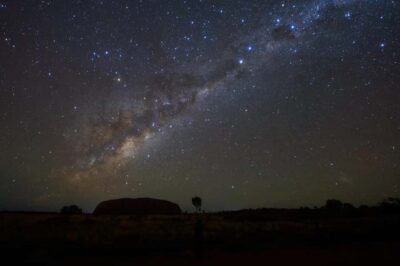
National Park Astronomy Tour with Telescope and Photo
Read our review →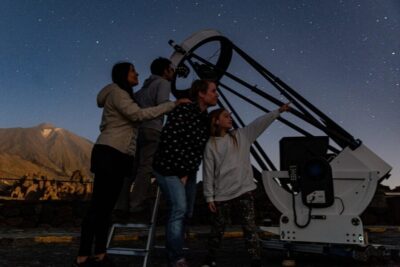
Teide National Park: Guided Large Telescope Stargazing Tour
Read our review →
Self Drive Sunset & Stargazing in Teide National Park – No Dinner
Read our review →