REVIEW · NATIONAL PARK STARGAZING
Teide National Park: Moonlight Tour & Stargazing Experience
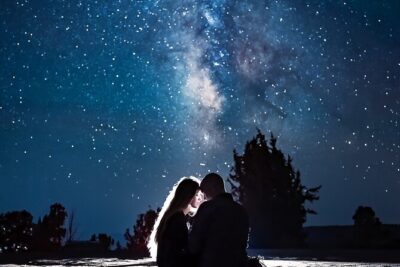
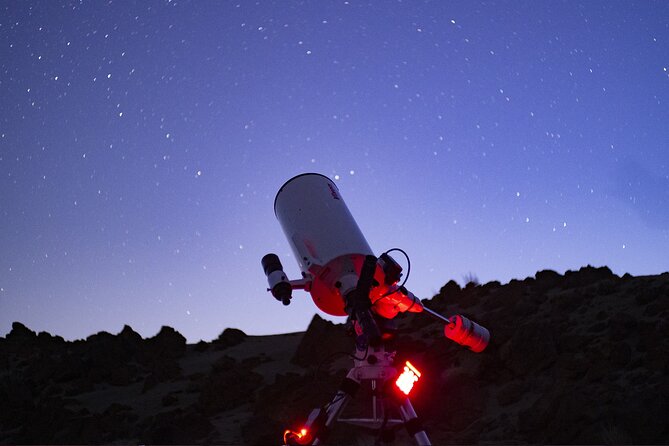
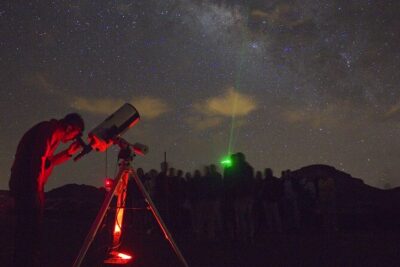
Teide National Park turns this short evening outing into a close look at the night sky. An astronomy guide first helps you identify stars and constellations without equipment, then points high-end telescopes toward the moon and other visible objects. The astrophotographic telescope can also turn the view into images.
I like the clear beginner-friendly explanations and the small maximum group of 20. I also like that the experience focuses on looking at the sky from the park itself, not on a long lecture indoors. The main catch is practical: you must reach the Mines of San Jose yourself, then drive away afterward on dark, sometimes misty mountain roads.
Key points at a glance
- Moon-centered viewing: The session gives the moon special attention, with time for planets, star clusters, and galaxies when conditions allow.
- Naked-eye astronomy first: You learn how to find stars and constellations before using the telescopes.
- Astrophotographic telescope included: The guide can turn what you see into striking astronomical images.
- English-speaking Starlight Guide: The explanations are designed to be clear for beginners.
- Short evening format: The full activity lasts about 1 hour and 20 minutes and returns to the same meeting point.
- Self-drive required: Transport and dinner are not included, and the road down can be dark and misty.
Why Teide at night makes this worthwhile
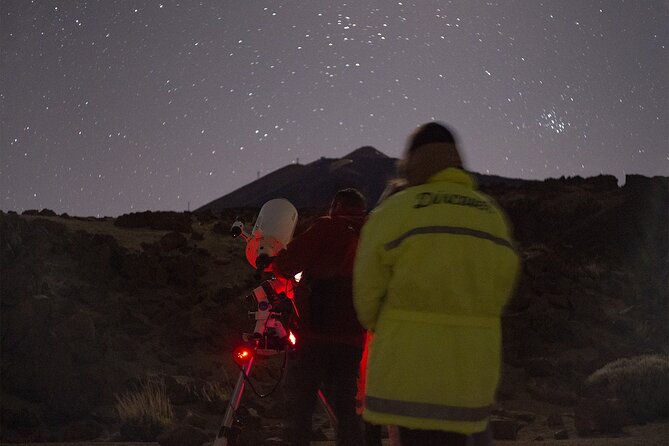
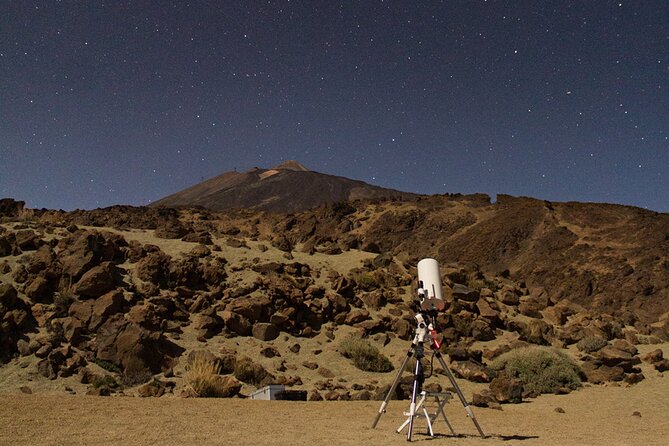
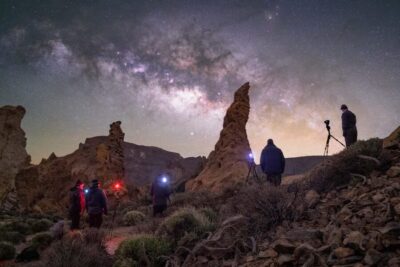
The appeal here is simple: you leave the lights of Tenerife behind and look upward from Teide National Park. The setting gives the guide a natural classroom, with the moon and stars above you instead of a screen or a museum display.
This is not a full-night astronomy course. You get about 80 minutes, so the experience keeps moving. That works well if you want a focused introduction rather than a long session that takes over your entire evening.
The program begins with naked-eye stargazing. That part matters more than it may sound. A telescope can show you a planet or moon detail, but learning where to look helps you understand the sky for yourself. The guide explains stars and constellations first, giving you a way to make sense of what appears overhead.
After that, the group uses telescopes to inspect the most interesting objects visible that night. The stated targets include the moon, planets, star clusters, and galaxies. The exact mix depends on what is above the horizon and on the weather, so you should treat the list as a guide rather than a fixed promise.
More National Park Stargazing in Spain
- Tenerife: Teide National Park Sunset & Stargazing Tour
★ 4.2 · 3,812 reviews - Tenerife: Sunset and Stargazing at Teide National Park
★ 4.7 · 2,826 reviews - Teide National Park Sunset & Stargazing with Dinner (Star Safari)
★ 5.0 · 2,601 reviews
Starting at the Mines of San Jose at 7:30 pm
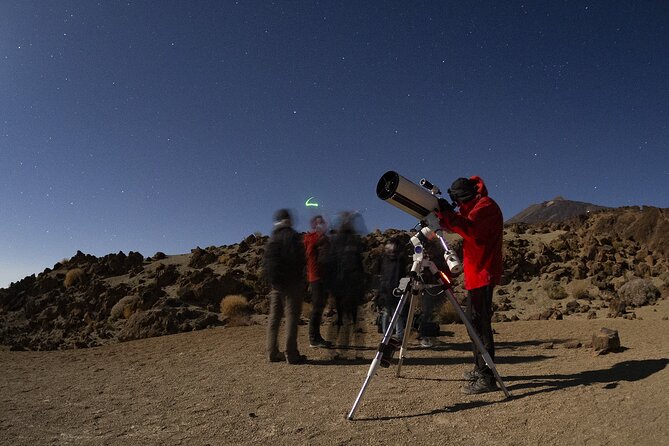
The meeting point is the Mines of San Jose, in the Teide National Park area. You need to arrange your own transport because pickup is not included. The activity ends back at this same point, which makes the basic route easy to understand but leaves the driving to you.
The start time is 7:30 pm. One useful tip is to arrive a little early if your schedule and access allow it. You may be able to enjoy the area before the session begins, including the changing light around sunset. Do not cut it close, though. Mountain roads and unfamiliar park roads can take longer than expected.
The location is part of the experience, but it also brings a few practical concerns. The guide’s work begins once you arrive. Getting there and getting back safely is your responsibility, and you should allow extra time for the return drive.
What happens during the 80-minute astronomy session
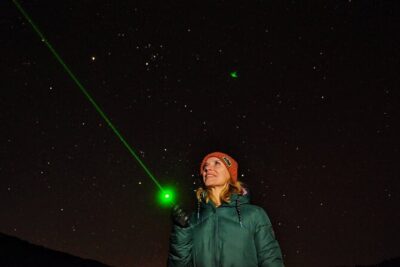
The first stage is an explanation of the night sky without a telescope. The guide points out stars and constellations and helps you understand how to identify them. For a first-time stargazer, this can be the most useful part because it gives the sky some order.
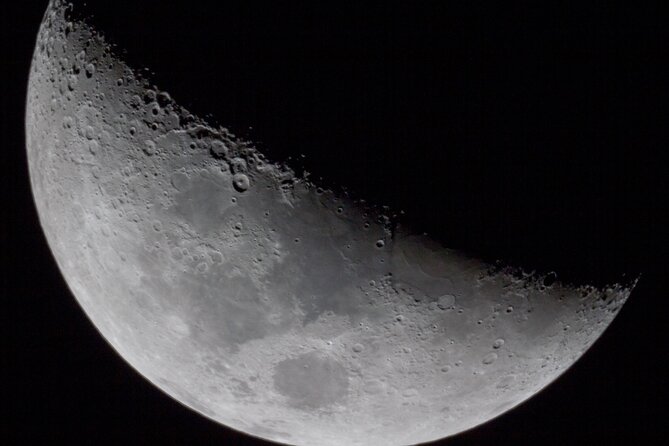
You then move to telescope viewing. The equipment is intended to show details that are difficult or impossible to see clearly with the naked eye. The moon is the main focus, and the bright lunar surface can make the session especially satisfying when conditions are good.
The guide may also direct the telescope toward planets, star clusters, or galaxies. Visibility changes with the date, the weather, and the position of each object. A good approach is to enjoy the objects that are available rather than arriving with one fixed target in mind.
The astrophotographic telescope adds another layer. Instead of only looking through the eyepiece, you can turn the view into images. That gives the activity a memorable finish, especially if you want a visual record of the moon or another object shown during the session.
The group size is capped at 20 people. That is not a private tour, but it is small enough to keep the activity more manageable than a large crowd. You will still share telescope time and explanations, so patience is part of the deal.
The guide’s role and the value of simple explanations
The guide is a professional astronomical guide with Starlight Guide credentials. The strongest part of the format is the way the session combines explanation with direct observation. You are not only told what an object is. You are shown how to find your way around the sky before the telescope comes into play.
The English explanations are intended for an international audience, and the experience suits beginners particularly well. You do not need a background in astronomy to take part. The emphasis is on clear identification, simple context, and a chance to see the objects directly.
The guide also helps preserve the quiet mood of the setting. One of the pleasures of this outing is having time to listen, look up, and notice how different the park feels after dark. The calm can be as important as the technical equipment.
Still, the quality of the session depends partly on weather and visibility. Astronomy is not a stage show with every object available on demand. Clouds or poor conditions can cancel the activity, and even on a clear night the best targets change with the date.
More National Park Stargazing in Tenerife
- Teide National Park: Sunset & Stargazing Safari with Dinner
★ 4.6 · 2,115 reviews - Teide National Park: Guided Large Telescope Stargazing Tour
★ 4.9 · 319 reviews - Tenerife. Stargazing in Teide National Park
★ 4.9 · 319 reviews - Teide National Park: Stargazing Experience
★ 4.7 · 220 reviews
What the moon adds, and what it may limit
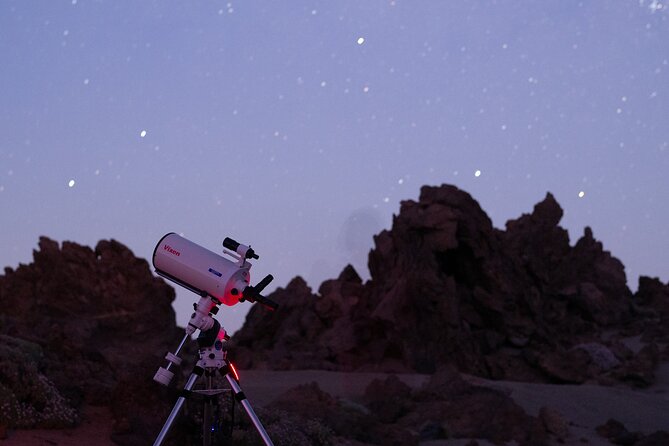
A moon-focused observation gives the evening a clear purpose. The moon is bright, easy to recognize, and full of visible detail through a telescope. It is often a better first target than a faint object because you can see its surface features more readily.
The moon’s brightness can also affect how many faint stars you notice. This is not a flaw in the experience, but it is worth understanding before booking. If your main goal is the darkest possible sky for faint stars and galaxies, check what the moon-centered timing means for your date.
The session still includes an explanation of stars and constellations, along with possible views of planets, clusters, and galaxies. The balance between lunar detail and darker-sky viewing depends on conditions and what the guide can show that night.
Driving back through the mountain darkness
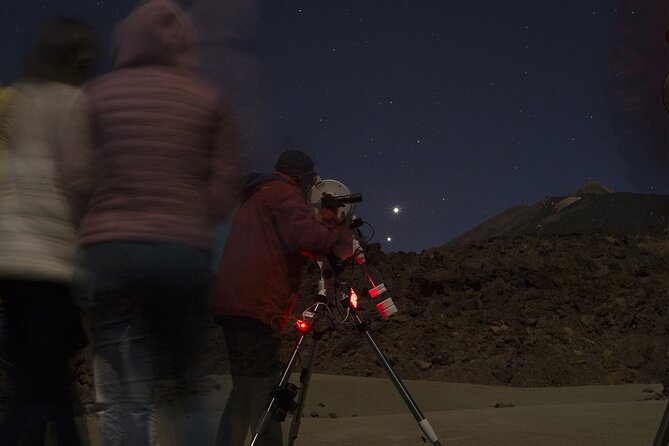
The biggest practical caution comes after the telescope session. You must drive away from the mountain at night, and the route can be dark and misty. If you are not comfortable driving on mountain roads after dark, think carefully before booking.
This is especially important because the experience does not include transport. You will not simply board a return coach at the end. You need your own car or another way to reach the meeting point and leave afterward.
Dress appropriately for the evening. The park setting can feel much cooler than the coast, and you will spend time standing outdoors while looking through telescopes. The supplied instructions specifically ask you to dress for the conditions, so bring more than you would for a warm evening at the beach.
Dinner is also not included. The activity lasts only 80 minutes, but the drive to and from the park can make the outing take up much more of your evening. Plan food before or after the session rather than expecting a meal at the meeting point.
Is $42.10 a fair price?
At $42.10 per person, this is a reasonable price for a short guided astronomy experience, particularly because it includes the professional guide, telescope observation, naked-eye instruction, astrophotographic viewing, and insurance during the activity.
The value depends on what you want. If you only want to stand under the stars, you could do that without booking anything. The fee pays for help identifying what you see, access to specialized equipment, and a structured chance to view objects that would otherwise be hard to locate.
The 80-minute duration keeps the price from feeling excessive, but it also limits how much can happen. You are paying for a compact introduction, not an all-evening observatory program. A group of up to 20 also means you should not expect a private lesson.
For someone who enjoys science, night scenery, or a different kind of evening in Tenerife, the cost is sensible. It is less attractive if you dislike self-driving at night or want a longer event with dinner and transport included.
Who will enjoy this most
This experience suits first-time stargazers. The guide explains the sky from the beginning, and you do not need to know constellation names before arriving. Children can participate, but they must be accompanied by an adult.
It also works well for couples, families with older children, and anyone looking for a quieter evening away from Tenerife’s busy resort areas. The calm setting and moon viewing give it a different pace from the island’s usual sightseeing stops.
You should be comfortable spending time outdoors and following a guide’s explanation in English. The activity is offered in English, and the instructions need to be clear enough for you to follow the group and understand what the guide is showing.
I would be more cautious about booking if you have no plan for transport, dislike mountain driving, or expect guaranteed views of a particular planet or galaxy. The weather requirement is real, and astronomy cannot be separated from the sky conditions on the night.
Weather, cancellation, and what to bring
Good weather is required. If poor weather cancels the activity, you are offered another date or a full refund. You can also cancel for a full refund if you do so at least 24 hours before the start time.
Changes or cancellations made less than 24 hours before the 7:30 pm start are not accepted, and the amount paid is not refunded. The cut-off follows local time in Tenerife.
Bring warm, suitable clothing and shoes that work for standing outdoors. You should also allow time for the drive, arrive with enough fuel and planning for the return route, and avoid scheduling a tight dinner reservation immediately afterward.
If you can reach the area before the start, arriving early may let you enjoy the surroundings before the darkness settles. The pre-session scenery is a useful bonus, but the main event begins at the meeting point at 7:30 pm.
My take: book it if you want a guided first look at the sky
I would book this for a clear, focused introduction to astronomy in Teide National Park. The strongest reasons are the beginner-friendly sky explanation, the professional telescope viewing, and the chance to create astrophotographic images rather than simply glance through an eyepiece.
I would skip it if you need included transport, a meal, or a long evening program. I would also reconsider if driving down dark, misty mountain roads sounds stressful.
For the right visitor, $42.10 is fair value. You get a short but purposeful session, a guide who can make the sky easier to understand, and a setting that gives the moon and stars room to take over the evening.
FAQ
Where does the moonlight and stargazing experience begin?
It begins at the Mines of San Jose, 38300, Santa Cruz de Tenerife, Spain, in the Teide National Park area.
What time does the activity start?
The start time is 7:30 pm.
How long does the experience last?
The activity lasts approximately 1 hour and 20 minutes.
Is transport included?
No. You must arrange your own transport to and from the meeting point. The activity ends back at the Mines of San Jose.
Is the activity offered in English?
Yes. The experience is offered in English and includes a professional astronomical guide with Starlight Guide credentials.
What happens if the weather is poor?
The experience requires good weather. If it is canceled because of poor weather, you are offered a different date or a full refund.
Fresh listings near Tenerife
- Small Group Teide Stargazing Tour with Picnic at Sunset★ 5.0 · 3 reviews
- VIP Sunset & Stargazing experience★ 4.5 · 44 reviews
- Sunset and stargazing from Teide★ 3.5 · 51 reviews
- Tenerife Exclusive & Private Gastronomic, Sunset-Stargazing★ 5.0 · 3 reviews
- “Stargate” Tenerife stargazing★ 5.0 · 13 reviews
- Skip the Line: Teide Observatory Entrance Ticket★ 3.0 · 33 reviews
- TEIDE NIGHT Astronomy Stargazing Bus Tour, Meal & Drinks included!★ 4.0 · 15 reviews
- Stargazing Tour in Tenerife★ 3.0 · 2 reviews
National Park Stargazing, side by side.
Teide National Park Sunset & Stargazing with Dinner (Star Safari)
Read our review →
National Park Astronomy Tour with Telescope and Photo
Read our review →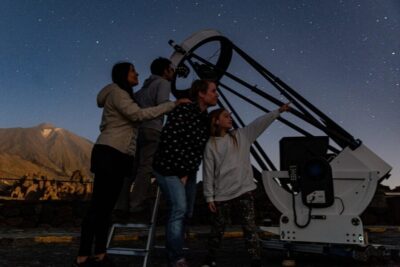
Teide National Park: Guided Large Telescope Stargazing Tour
Read our review →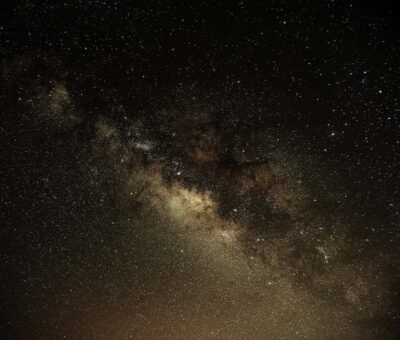
Self Drive Sunset & Stargazing in Teide National Park – No Dinner
Read our review →