
REVIEW · ASTROPHOTOGRAPHY TOURS
Kifissia Stargazing & Astrophotography
The most memorable part of this Kifissia evening is the shift from looking at stars as distant pinpricks to seeing them as part of a story, a map, and a vast cosmic neighborhood. Panos uses Greek mythology, basic astronomy, and a telescope to make the night sky easier to read.
I like the private format, which gives you room to ask questions without keeping pace with a large group. I also like the final photography session, since you leave with more than a few facts: you learn how to create a personal night-sky image.
The main consideration is the weather dependency. Clouds can cancel the experience, and the fee is fairly high for 90 minutes, so this makes the most sense if you want a focused astronomy lesson rather than a casual evening walk.
Key points at a glance
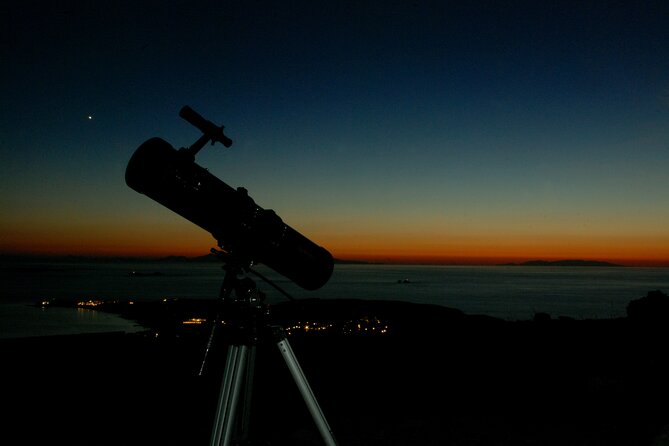
- Greek myths meet real constellations: Learn how officially recognized constellations connect with stories from Greek mythology.
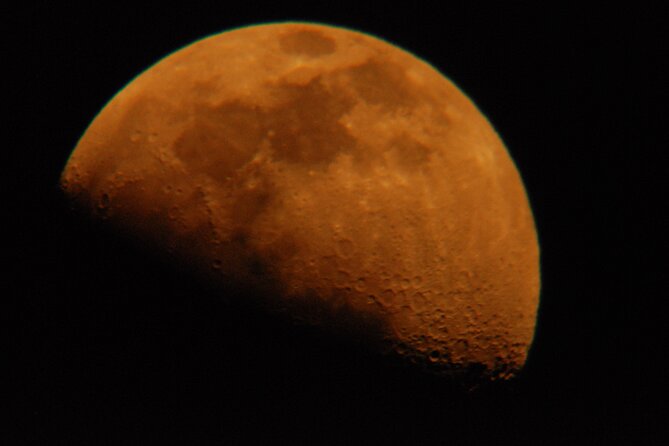
- A telescope brings the sky closer: The session can include views of the Moon and, when conditions allow, Saturn and its rings.
- Three clear sections: The evening moves from observational astronomy to big cosmic questions and then astrophotography.
- Panos leads the session in English: His style combines storytelling, patient explanations, and plenty of time for questions.
- Private for your group: You do not share the activity with other groups.
- A 90-minute night activity: It fits neatly into an evening in the Athens area, though you should allow extra time to reach the meeting point.
Why this Athens stargazing evening is different
Athens is famous for ruins, museums, and late dinners. Its night sky gets less attention. This experience gives you a reason to leave the usual sightseeing rhythm for a while and look upward.
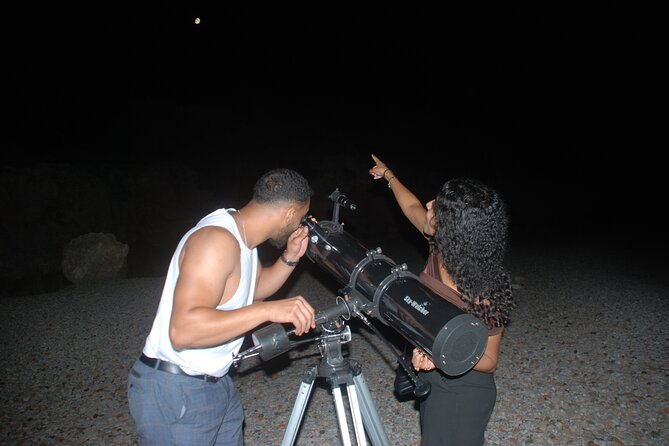
At Alsos Ktimatos Siggrou in Kifissia, you meet at Leof. Kifisias 182 in Marousi. The setting gives the session a change of pace from central Athens. Instead of standing in a busy square or rushing through another historic site, you spend about 90 minutes focused on the sky and the ideas behind it.
The session is divided into three parts, and that structure matters. You begin with things you can see and identify, move into questions that have no easy answer, and finish with practical photography advice. The result is more engaging than a simple telescope viewing, because you get both context and a hands-on element.
Panos is the guide associated with the experience. His approach is especially useful if you enjoy asking questions. He has been praised for patient explanations, enthusiastic storytelling, and the ability to make astronomy approachable without stripping away its wonder.
More Astrophotography Tours in the world:
- Private astronomy tour with sunset toast, picnic, and astrophotography
★ 4.8 · 83 reviews - AuthenticAs Star Gazing -Nightscape Portrait Photography Tour
★ 5.0 · 59 reviews - Moab: The Windows Astro-Photography and Stargazing Hike
★ 4.8 · 36 reviews
Starting with constellations and Greek mythology
The first section introduces observational astronomy. You get a short look at the history of astronomy, including the way ancient civilizations watched and recorded the heavens. This helps explain why the constellations are not random dots connected by modern imagination alone.
Greek mythology plays an important role. You learn how familiar constellation names link to old stories, heroes, gods, and creatures. That gives you a useful way to remember what you are seeing. A constellation becomes more than a shape in the sky. It becomes part of a story that has been told in different forms for centuries.
You also learn about the officially recognized constellations. This is a practical distinction. The night sky contains countless stars, but only certain named patterns are used as formal reference points. Understanding those patterns helps you get your bearings when you look up on your own later.
The guide also discusses orientation by the stars. You should not expect a full navigation course in 90 minutes, but the basic idea is valuable. You begin to understand how people used the sky to find direction before modern navigation tools became common.
The final part of this opening section looks at our cosmic neighborhood. That phrase can cover the Moon, planets, stars, and the wider setting of Earth. The telescope gives the discussion a visual anchor, bringing the lesson back to something you can observe rather than leaving it as an abstract talk.
What the telescope adds to the evening
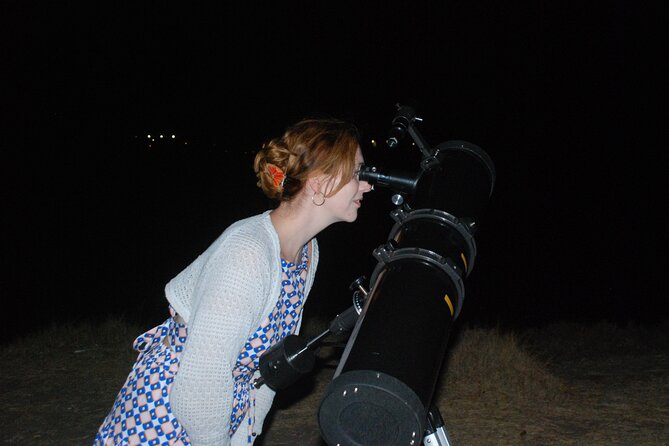
The telescope is used throughout the activity. That makes a difference. You are not simply listening to a talk about astronomy while occasionally glancing upward. You have the chance to examine selected objects through the equipment and connect the explanation with a real view.
Past sessions have included striking views of the Moon and Saturn. Seeing Saturn’s rings through a telescope can be a special moment, especially for a first-time observer. It is one thing to know that the planet has rings. It is another to see their shape with your own eyes.
Still, you should keep your expectations sensible. The exact objects visible depend on the time of year, the weather, and the position of the sky. The description does not promise a particular planet or Moon phase on every date. The telescope improves your view, but it cannot control the clouds or the position of celestial objects.
That uncertainty is part of astronomy, but it also explains the weather policy. If poor conditions make the activity impossible, you are offered another date or a full refund. If you have only one free evening in Athens, keep this in mind before making other firm plans.
The philosophical side of astronomy
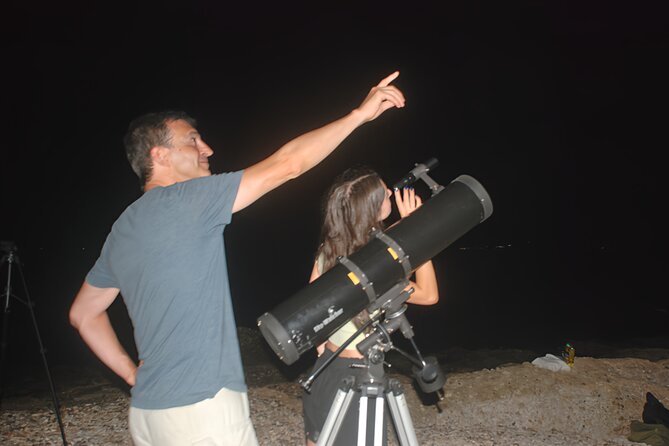
The second section moves away from identifying stars and toward the larger questions they raise. This is where the experience becomes more than a basic introduction to constellations.
You discuss some of astronomy’s most difficult facts and questions. The session asks you to think about the size of the universe, the nature of stars and planets, and the limits of human understanding. The supplied information does not promise a specialist lecture, so you should expect an accessible conversation rather than a university-level course.
That is good news for most people. You do not need a science background to take part. Panos’s patient style suits curious beginners, children old enough to follow the discussion, and adults who want a clearer sense of what they are looking at.
I particularly like this section because it prevents the telescope portion from becoming a quick visual trick. You are encouraged to think about what the light has traveled through space and time before reaching you. The sky becomes both something to observe and something to question.
This part may appeal less if you want a fast succession of telescope targets. The session is not designed as a planet-by-planet show. It gives equal weight to ideas, stories, and conversation. If you prefer a brisk sequence of sights, the philosophical discussion may feel slower.
More Stargazing Tours in the world:
- Dubai Red Dunes ATV, Camels, Stargazing & 5* BBQ Al Khayma Camp
★ 5.0 · 21,620 reviews - Sharm El-Sheikh: Ultimate ATV Quad, Stargazing & BBQ Dinner
★ 4.7 · 4,084 reviews - Tenerife: Teide National Park Sunset & Stargazing Tour
★ 4.2 · 3,812 reviews - Tenerife: Sunset and Stargazing at Teide National Park
★ 4.7 · 2,826 reviews
Learning astrophotography without needing a full camera kit
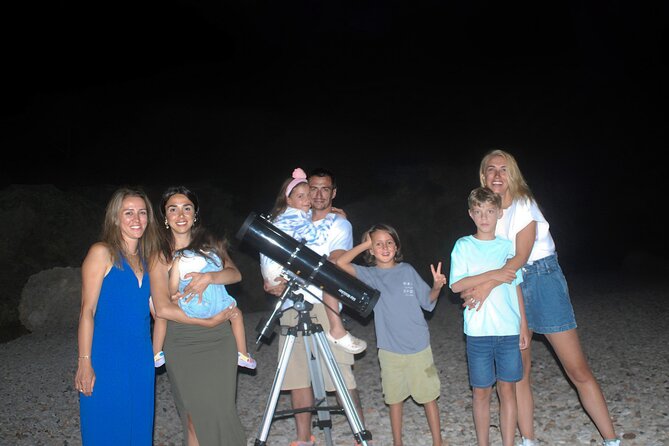
The final section covers tips and techniques for astrophotography. You learn ways to capture images of the night sky and create a personal souvenir from the evening.
The available information does not specify which camera or phone models are supported, so ask the provider about equipment before you arrive if photography is your main reason for booking. The important point is that photography is built into the session rather than treated as an afterthought.
This can be useful even if you are not an experienced photographer. Night-sky images often require more care than a quick phone snapshot. You need to think about light, focus, framing, and stability. A guide can help you avoid the common frustration of taking a dark or blurry image and assuming the stars simply did not show up.
The photography portion also gives you a clear takeaway. You do not just hear stories about Greek gods or look through the telescope for a moment. You work toward an image connected to your own evening.
Do not book this expecting a professional astrophotography workshop. The total experience lasts about 90 minutes, and photography is one of three sections. It is best understood as an introduction with practical tips, not a long technical course.
The value of a private 90-minute session
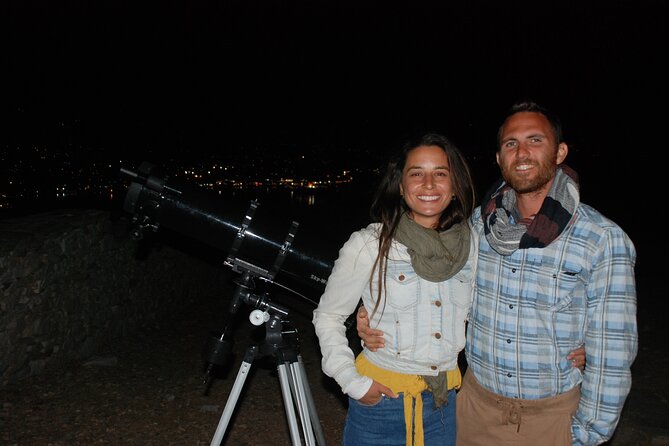
The price is $102.13 per person. That is not a small add-on, especially for a 90-minute activity. The admission ticket to Alsos Ktimatos Siggrou is listed as free, so you are paying for the private guidance, telescope use, astronomy content, photography instruction, and the time devoted to your group.
That price makes more sense for two kinds of visitors. First, it suits people who already care about astronomy and want a personal session rather than a general public talk. Second, it works well as a special occasion activity, such as a birthday surprise or a distinctive date night.
A private group also changes the value calculation. You can ask Panos to explain a constellation again, spend more time on a question, or pause when you see something interesting. In a large group, the guide has to keep moving. Here, the pace can better match your curiosity.
The cost may feel high if you are mainly looking for a cheap evening activity or a guaranteed list of planets. There is no promise of perfect skies or a fixed set of celestial objects. The best value comes from the full combination of storytelling, telescope viewing, conversation, and photography.
The experience is often booked about 33 days in advance. That suggests you should not leave it until the last moment if your dates are fixed. Confirmation is sent within 48 hours of booking, subject to availability.
Who will enjoy this most
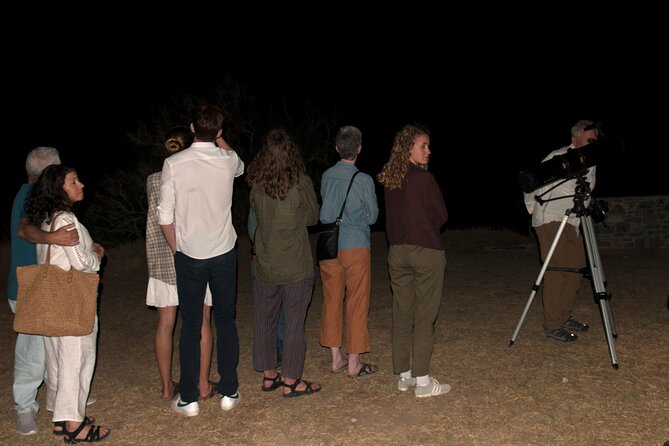
I would recommend this for couples, families, and small private groups who want an evening with a clear theme. It can work as a birthday surprise, especially since a previous session included a birthday celebration and a memorable view of Saturn’s rings.
It is also a good choice for anyone who likes Greek mythology but wants more than another ancient-site lecture. The stories here connect directly with the sky, so mythology becomes a tool for understanding the constellations.
Beginners should feel comfortable. The material covers basic orientation, famous stories, cosmic questions, and simple photography techniques. You do not need to know the names of stars before arriving.
Children may enjoy the telescope and mythology, but the experience also includes philosophical discussion. The supplied information says most people can participate, but it does not give a minimum age or a child-specific format. If you are booking for young children, ask the provider if the tone and timing suit them.
This is less suitable for someone who wants a long astrophotography course, a large observatory complex, or a guaranteed view of a particular planet. It is a short, personal introduction to the sky.
Planning your evening in Kifissia
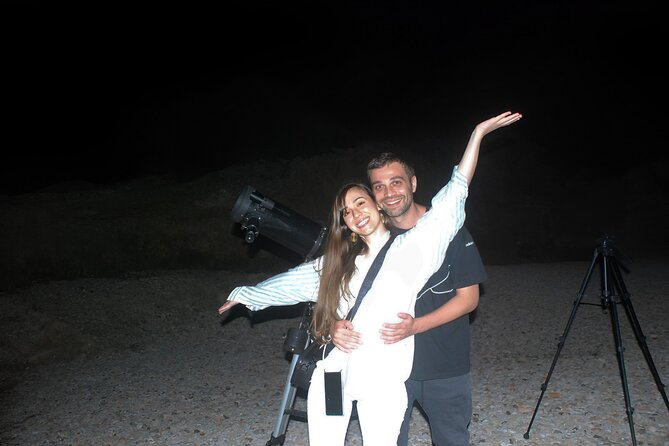
The meeting point is Leof. Kifisias 182, Marousi 145 62, Greece. The activity begins and ends at the same meeting point, so you do not need to arrange a separate return location through the provider.
The activity is offered in English. That matters because the experience depends on stories and discussion, not just silent telescope viewing. You will want to follow the explanations about constellation names, astronomy, and photography.
A mobile ticket is accepted. Confirmation arrives within 48 hours, subject to availability. Service animals are allowed, and most people can participate.
Plan around the weather. The activity requires good conditions, and a poor-weather cancellation gives you the choice of a different date or a full refund. If you are visiting Athens for only a short time, booking early in your stay may give you more flexibility to reschedule.
You can cancel free of charge up to 24 hours before the start time for a full refund. Changes or cancellations made less than 24 hours before the start time are not accepted for a refund. The cut-off follows local time.
Should you book Kifissia Stargazing?
Book it if you want a private, thoughtful night that combines Greek mythology, a telescope, cosmic questions, and basic astrophotography. Panos’s enthusiastic storytelling and patient answers are a strong match for curious beginners and anyone marking a special occasion.
Skip it if your budget is tight, your schedule cannot handle a weather change, or you want a longer technical photography class. At $102.13 per person, the activity asks you to value personal guidance and atmosphere, not just the minutes spent looking through a telescope.
For the right audience, this is a fine way to give Athens a different final chapter after sunset. You leave with a better sense of the sky, a few memorable stories, and possibly your own image of the stars.
FAQ
Where does the stargazing experience take place?
The activity takes place at Alsos Ktimatos Siggrou in the Athens area. The meeting point is Leof. Kifisias 182, Marousi 145 62, Greece.
How long does the experience last?
The activity lasts approximately 1 hour and 30 minutes.
What language is the activity offered in?
The experience is offered in English.
Is the activity private?
Yes. Only your group participates in the private activity.
Does the activity use a telescope?
Yes. The provider’s telescope is used throughout the experience to bring celestial objects closer.
What will I learn during the session?
You will learn about observational astronomy, the history of astronomy, ancient civilizations, recognized constellations, Greek mythology, cosmic questions, and astrophotography techniques.
Can I take photographs?
Yes. The final section covers astrophotography tips and techniques, and you can capture a personal image from the evening.
Is admission to the location included?
Admission to the stop is listed as free. The experience price is $102.13 per person.
What happens if the weather is poor?
The experience requires good weather. If it is canceled because of poor conditions, you will be offered another date or a full refund.
What is the cancellation policy?
You can cancel up to 24 hours before the start time for a full refund. Cancellations or changes made less than 24 hours before the start time are not accepted for a refund.
Fresh listings near the world
- Star Gazing Victoria Falls★ 5.0 · 3 reviews
- Sunset, Candle Light Dinner & Star Gazing from Hurghada★ 5.0 · 30 reviews
- Magic Stargazing & Sunset in Teide with Dinner + Telescopes★ 3.5 · 20 reviews
- Stargazing and Moonlight Experience★ 4.0 · 14 reviews
- 2 Hour Stargazing Tour in Victoria Falls NP Area in 4×4★ 5.0 · 3 reviews
- Victoria Falls: Bush Experience and Stargazing D-F-ES-GB★ 4.3 · 3 reviews
- Heavens Tour: Sunset & Stargazing in Madeira★ 5.0 · 5 reviews
- Milky Way Photography in Arches National Park★ 4.0 · 4 reviews
Astrophotography Tours, side by side.
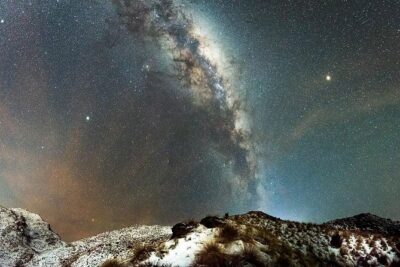
AuthenticAs Star Gazing -Nightscape Portrait Photography Tour
Read our review →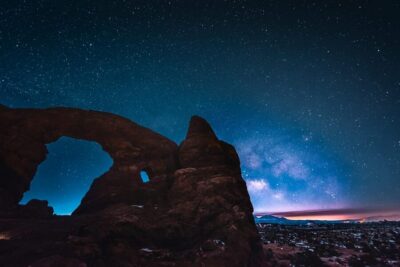
The Windows Astro-Photography and Stargazing Hike
Read our review →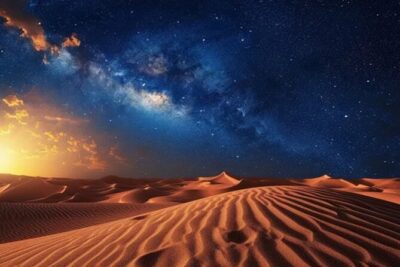
Doha Night Desert Safari, Stargazing, Photography، Relaxation
Read our review →
Lists this night appears in