
REVIEW · OBSERVATORY VISITS
Stargazing Experience at Cowan’s Private Observatory
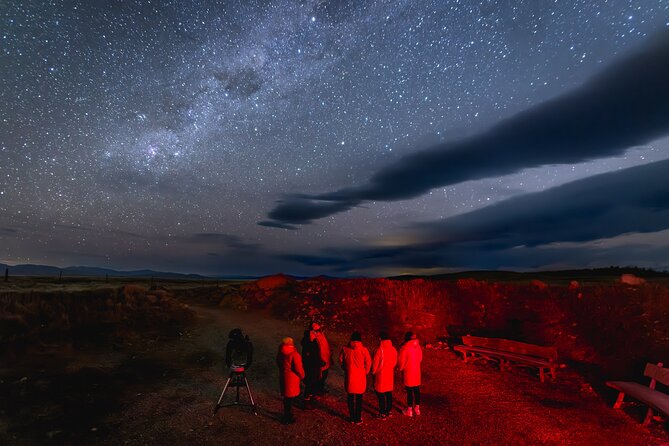
Cowan’s Private Observatory gives you a close look at the southern night sky from inside the Aoraki Mackenzie International Dark Sky Reserve, one of the finest stargazing areas on Earth. On a clear night, you might see the Southern Cross, Jupiter, Saturn, star clusters, and the Milky Way through powerful telescopes. The setting is the real star, but the guide’s explanations turn a sky full of pinpricks into something you can understand.
I like two practical touches here: the sheltered crater viewing areas keep wind and nearby light under control, and the short shuttle from Lake Tekapo makes the observatory easy to reach. The main drawback is simple: clouds can cancel the outdoor viewing, and even a clear evening can be cold. Dress warmly and keep your expectations flexible.
Key points to know before booking
- The shuttle takes about five minutes: Check in at the Dark Sky Project base in Lake Tekapo, then ride to the private observatory.
- The viewing takes place in sheltered craters: You are protected from much of the wind and stray light while using the telescopes.
- Your guide adapts the session to the sky: What you see depends on the season, time, cloud cover, and what is visible that night.
- The telescopes can show major sights: Past sessions have included the Moon, Jupiter, Saturn, the Southern Cross, star clusters, and part of a constellation.
- It works well for families: Children must be at least five years old, and visitors aged 17 and under receive discounted tickets.
- Bad weather has a clear remedy: You may be offered an indoor alternative, another date, or a full refund if the experience cannot operate.
Why Lake Tekapo is such a strong place for stargazing
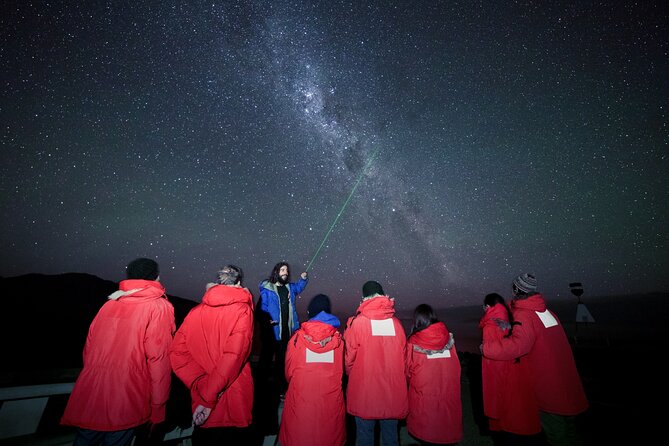
The Aoraki Mackenzie International Dark Sky Reserve covers a huge area of the South Island and has Gold Standard status. That designation matters because it means strict control of artificial light, along with naturally dark and clear conditions that help the stars show more sharply.
You do not need to be an amateur astronomer to enjoy the setting. At first, the sky may look like a mass of scattered lights. A guide helps you pick out patterns, planets, and familiar southern constellations. The Southern Cross is one of the highlights you may see, and the Milky Way can appear as a broad, pale band rather than a faint blur.
The reserve also gives you something that a city observatory cannot: a wide, open sky with very little light interference. The telescopes are useful, but you will spend part of the evening simply looking upward. That balance is important. The experience is not only about waiting for a turn at an eyepiece.
More Observatory Visits in the world:
- Royal Observatory Greenwich & Prime Meridian Entrance Ticket
★ 4.5 · 1,095 reviews - Griffith Observatory Hike: Guided Tour through Griffith Park
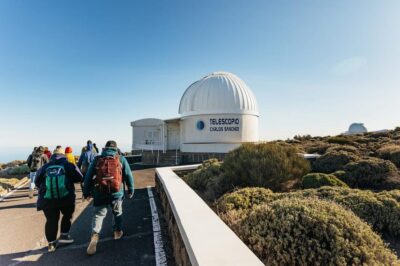
★ 5.0 · 1,020 reviews - Tenerife: Mount Teide Observatory Guided Tour
★ 4.6 · 818 reviews
Check in at the Dark Sky Project in Lake Tekapo
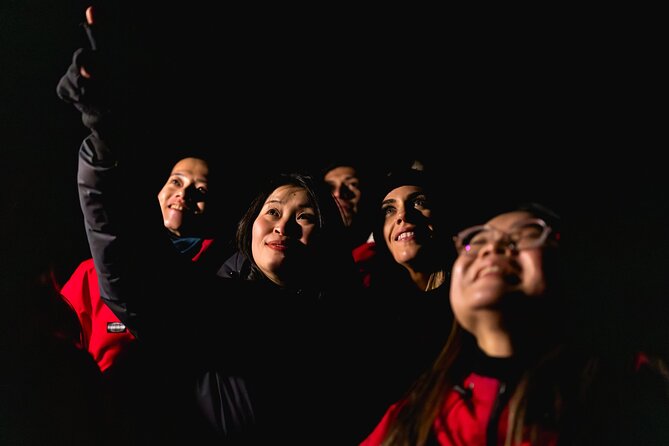
The evening begins at the Dark Sky Project base near Tekapo township. This is the place to check in, show your mobile ticket, and meet the team before heading out.
You do not need to print anything. Downloadable mobile tickets make the arrival process easy, though I would still have your ticket ready before reaching the desk. The location is described as easy to find in Lake Tekapo Park and is near public transportation.
From the base, the group travels by shuttle to Cowan’s Private Observatory. The drive takes about five minutes, so this is not a long transfer or a remote expedition. Hotel pickup and drop-off are not included, so you need to make your own way to the Dark Sky Project base.
The scheduled experience lasts about 90 minutes. The first part includes check-in and transport, while roughly 75 minutes are set aside for the main stargazing session. If you book a time after midnight, check the date carefully. Late-night scheduling can make it surprisingly easy to choose the wrong calendar day.
Inside Cowan’s sheltered crater viewing areas
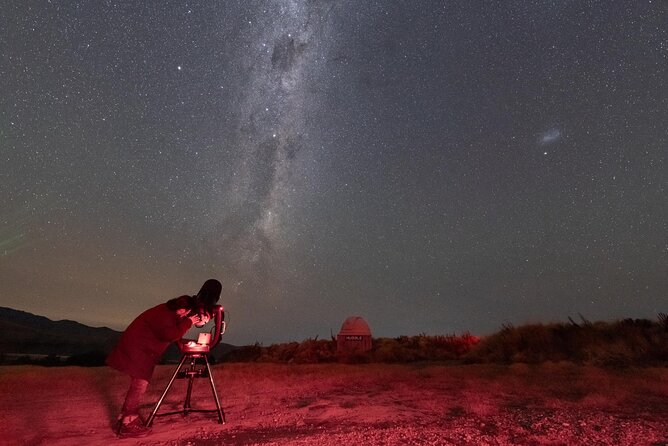
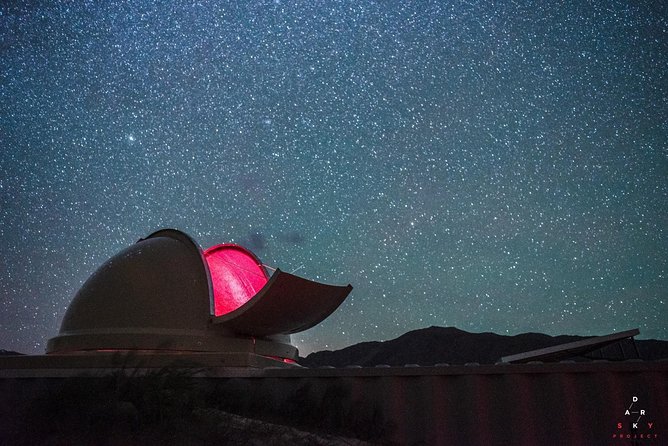
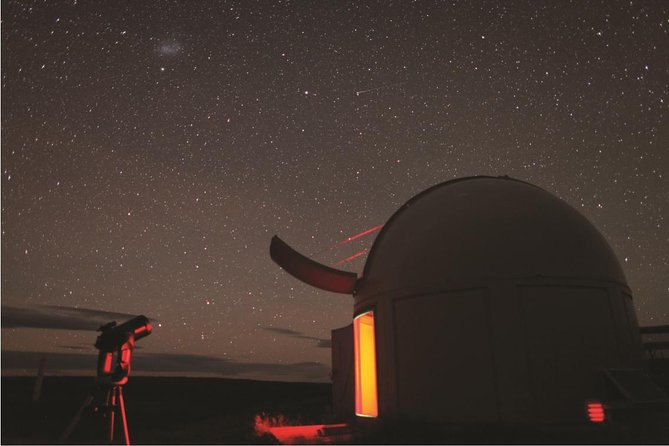
At the observatory, you enter purpose-built crater areas designed to reduce wind and block much of the surrounding light. This is one of the experience’s most useful features. Standing outside beneath a dark sky can be magical, but cold wind can quickly distract you from the stars.
The crater setting also makes the tour more manageable for children and first-time stargazers. You are not expected to know how to use a telescope or identify constellations before arriving. The guide leads the session and explains what is visible that night.
The facility is accessible to wheelchair users, which adds practical value for a wider range of visitors. Most people can take part, but children must be accompanied by an adult, and the minimum age is five.
You should still dress warmly all year. The shelter protects you from much of the wind, but this remains a nighttime outdoor activity in the South Island. One account of an April visit noted that it was very cold and that the group spent more than an hour outside. Warm layers, a hat, and gloves are sensible even when the evening seems mild at dinner.
What you may see through the telescopes
The sky changes with the seasons and the hour. No responsible stargazing tour can promise a fixed list of planets or constellations, and this experience is no different. Your guide tailors the session to the conditions on the night you visit.
Possible sights include:
- The Southern Cross
- The Moon
- Jupiter
- Saturn and its rings
- Star clusters
- Galaxies
- Parts of visible constellations
- The Milky Way
Saturn is an especially memorable target when it is in view. Seeing its rings through a telescope gives you a clear sense that you are looking at a real world far beyond Earth, not just a bright dot in the sky. Jupiter can also be striking, while the Moon offers a more detailed and familiar view.
You may also spend time looking at star clusters and galaxies. These sights can appear less dramatic through a telescope than Saturn, so I find it best to think of the session as a guided tour of the sky rather than a parade of spectacular objects.
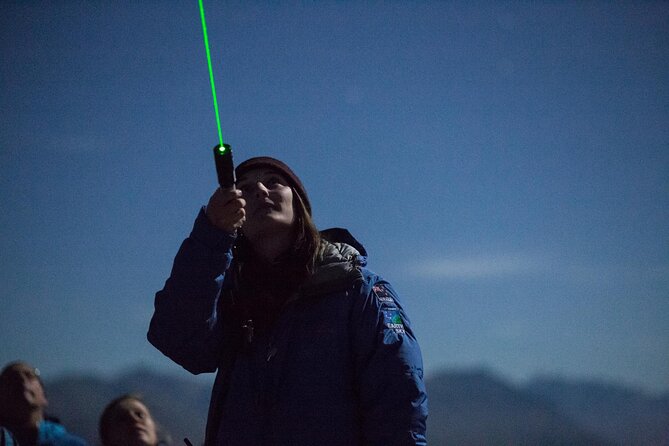
The handheld lasers help the guide point out stars and shapes overhead. That matters because it connects the telescope view to the larger sky. You learn where an object sits and what surrounds it, instead of seeing it as an isolated image at the eyepiece.
More Private Stargazing Tours in the world:
- Private Getty Center to Griffith Observatory Guided Tour
★ 5.0 · 185 reviews - Sedona Dark Sky Sunset & Night Hike With a Private Guide
★ 5.0 · 86 reviews - Private astronomy tour with sunset toast, picnic, and astrophotography
★ 4.8 · 83 reviews - Private Tour of Griffith Observatory
★ 4.5 · 58 reviews
How the guides shape the experience
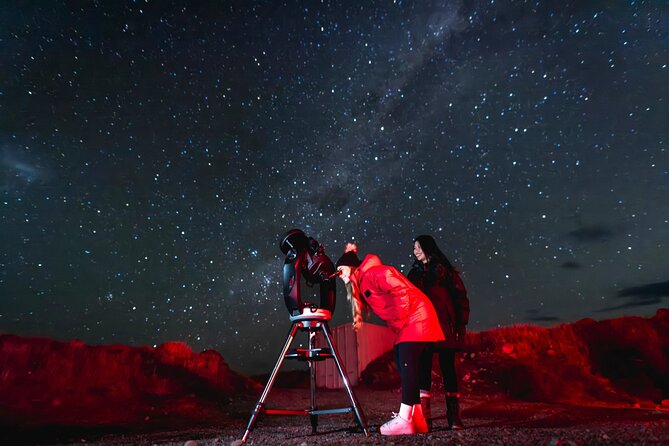
The guides are central to the value of the tour. They explain what you are seeing, answer questions, and adjust the session to the night’s conditions. The experience is designed for first-time stargazers, so you do not need a background in astronomy.
The best part of the guide’s role is the translation. A constellation is not always obvious when you first look at it. A planet may look like a bright star until someone explains how to tell the difference. A guide can give the sky a structure that you would probably miss on your own.
The tone also suits families. Children can enjoy the sense of discovery without sitting through a long technical lecture. The experience is short enough to hold their attention, though the late evening schedule and cold temperatures may still be tiring for younger children.
The language requirement deserves attention. You must speak the language of the tour for health and safety reasons. If you cannot, you will not be allowed to participate. This is worth checking before you pay, especially if you are booking for a mixed-language group.
When weather changes the plan
Cloud is the unavoidable weakness of any stargazing experience. If conditions prevent the tour from operating, the team may offer an indoor alternative. A clear evening after an earlier cancellation can also change the plan, but you should not count on the sky clearing in time.
The indoor option can still provide useful explanations about astronomy, but it is not the same as standing beneath the reserve’s dark sky or looking through a telescope. If the outdoor session is cancelled, you may instead choose another date or receive a full refund, depending on the arrangement offered.
The weather policy is a real advantage because you are not simply left with a disappointing night and no remedy. Still, if you have only one night in Tekapo, weather becomes a serious consideration. I would avoid making this your only must-do activity if your schedule allows no backup plan.
The experience requires good weather and also has a minimum number of participants. If the minimum is not reached, you may be offered another date or experience, or receive a full refund.
Is the $82.11 price good value?
At $82.11 per person, the experience is not a casual after-dinner add-on for every budget. The value comes from the combination of access to the Dark Sky Reserve, return transport from the base, a private facility, a guide-led presentation, and telescope time.
You could look at the stars around Tekapo without booking a tour. That would cost less, but you would miss the explanations, laser pointing, sheltered viewing areas, and chance to see selected objects through powerful telescopes. For a first visit to the region, those extras make the price easier to justify.
The discounted rate for visitors aged 17 and under also helps families. Children from age five can take part, provided an adult accompanies them. If your family is excited by space, the tour can become one of the most memorable activities of a South Island trip.
The value is weaker if you already know the night sky well and mainly want uninterrupted personal observation. The group can include up to 22 people, so you should expect a shared experience rather than a private lesson. For most beginners, though, that group size remains small enough for a structured introduction.
The timing matters more than you might expect
The tour lasts about an hour and a half, but the exact start time can affect what you see. A late evening may bring different planets or constellations than an earlier session. The time of year also changes the sky.
You should plan the rest of your evening with some care. The activity is not a quick 20-minute stop, and the cold can make the time feel longer if you are underdressed. Eat beforehand if needed, since food and drinks are not included.
There is no hotel pickup or drop-off, so leave enough time to reach the Dark Sky Project base. The shuttle to the observatory is included once you check in, but you remain responsible for getting to the meeting point.
A good first astronomy experience for families
I would recommend this tour most strongly to first-time stargazers, families with older children, and visitors who want help making sense of the southern sky. The minimum age is five, but the cold and late hours may suit school-age children better than very young ones.
The sheltered craters are particularly helpful for children because they reduce some of the discomfort that can come with standing outside at night. The guide-led format also gives children something to follow. They can look for a constellation, wait for a telescope view, and learn why a planet looks different from a star.
Adults who already know a little about astronomy can still enjoy the setting and telescope views. If you are hoping for a highly technical observatory session, however, this is better understood as an accessible introduction than a specialist workshop.
Practical details that can make the night better
A few simple choices will improve your experience:
- Wear warm clothing in every season, including a proper outer layer.
- Keep your mobile ticket downloaded and ready at check-in.
- Arrive at the Dark Sky Project base with enough time to check in.
- Confirm the calendar date carefully for any session after midnight.
- Do not assume a particular planet will be visible. The guide works with the actual sky on the night.
- If you have only one evening in Tekapo, keep a backup plan in case clouds cancel the outdoor viewing.
- Remember that children must be with an adult and that the minimum age is five.
The observatory is wheelchair accessible, and the short shuttle transfer keeps the transport portion simple. Since the tour is near public transportation, you may not need a car to reach the meeting point, though hotel transport is not provided.
Should you book Cowan’s Private Observatory?
Book it if you want an easy, guided introduction to the southern sky and value a sheltered setting, telescope access, and clear explanations. The chance to see Saturn, Jupiter, the Southern Cross, or the Milky Way can make the $82.11 worthwhile, especially if you are visiting the Aoraki Mackenzie International Dark Sky Reserve for the first time.
Think twice if your schedule cannot handle a weather cancellation, if you dislike cold late-night activities, or if you want a private, highly technical astronomy lesson. For most families and curious beginners, I would book it, dress warmly, and treat the exact sights as a pleasant surprise rather than a promise.
FAQ
Where does the stargazing experience begin?
You begin at the Dark Sky Project base in Lake Tekapo Park, near Tekapo township. From there, a shuttle takes you to Cowan’s Private Observatory.
How long does the experience last?
The full experience lasts approximately 1 hour and 30 minutes. About 15 minutes covers the initial check-in and transfer, followed by roughly 1 hour and 15 minutes at the observatory.
Is transport to the observatory included?
Yes. Return shuttle transport from the Dark Sky Project base to Cowan’s Private Observatory is included. Hotel pickup and drop-off are not included.
What can I see through the telescopes?
Depending on the season, time, and cloud cover, you may see planets, galaxies, star clusters, the Moon, Jupiter, Saturn, the Southern Cross, and parts of visible constellations.
Is the observatory suitable for children?
Yes. The experience is designed as an introduction to stargazing and offers discounted tickets for visitors aged 17 and under. Children must be at least five years old and accompanied by an adult.
Do I need to print my ticket?
No. Downloadable mobile tickets are provided, so you can show your ticket from your phone.
What happens if bad weather prevents the tour?
An indoor alternative may be offered. If the tour is cancelled because of poor weather, you may choose another date or receive a full refund.
Is the observatory wheelchair accessible?
Yes. The observatory is accessible to wheelchair users.
Can I cancel my booking?
You can cancel for a full refund up to 24 hours before the experience start time. Cancellations or changes made less than 24 hours before the start time are not refunded or accepted.
Fresh listings near the world
- Cabo de Gata: Guided Night Walk with Stargazing★ 4.7 · 36 reviews
- Brisbane: Glow Worms, Sunset, Star Gazing & BBQ★ 4.4 · 26 reviews
- Cabo de Gata: Stargazing Experience★ 4.5 · 7 reviews
- Antofagasta: Astronomical Tour with a Guide★ 3.7 · 4 reviews
- Boulder: Guided Astronomy Tour★ 4.7 · 11 reviews
- 1-Day Grand Canyon Tour from Las Vegas: Stargazing & Sunrise★ 3.6 · 3 reviews
- Balaton: All-Weather Private Stargazing & Planetarium Tour★ 5.0 · 7 reviews
- Astronomical Tour: San Pedro de Atacama – Chile★ 4.5 · 3 reviews
Observatory Visits, side by side.
Royal Observatory Greenwich & Prime Meridian Entrance Ticket
Read our review →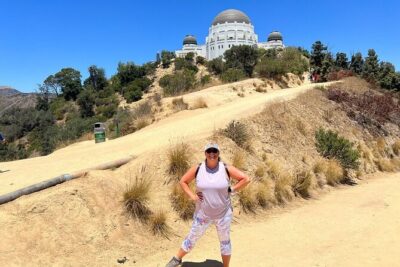
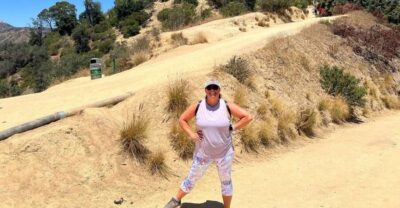
Griffith Observatory Hike: Guided Tour through Griffith Park
Read our review →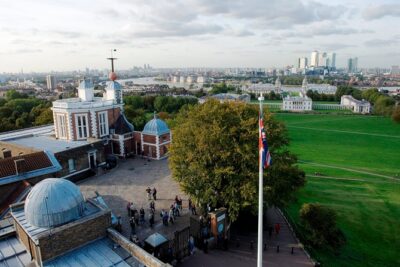
Royal Observatory Greenwich & Prime Meridian Entry Ticket London
Read our review →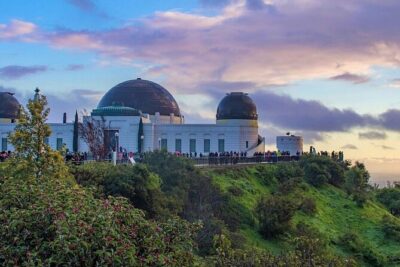
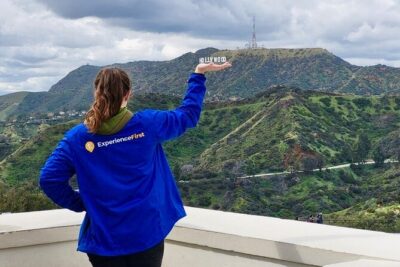
Private Getty Center to Griffith Observatory Guided Tour
Read our review →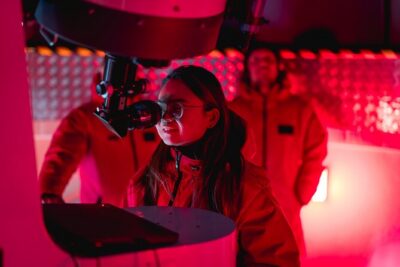
Mount John Observatory Stargazing Experience, Tekapo
Read our review →Lists this night appears in