
REVIEW · NEW ZEALAND STARGAZING
Nocturnal Wonders Tawharanui Kiwi Spotting and Stargazing Tour
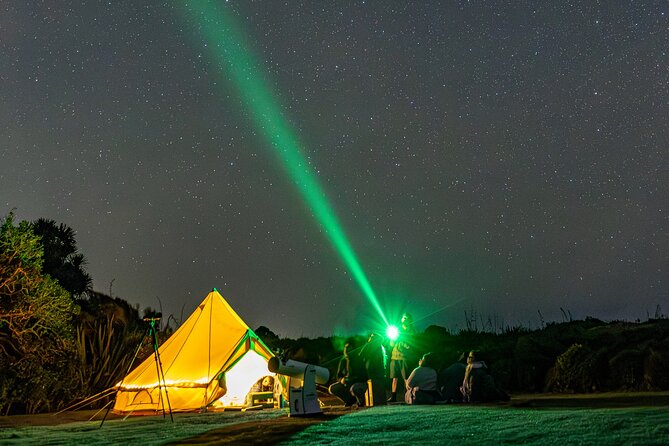
At night, Tawharanui Regional Park becomes a very different place. This three-hour walk takes you into native bush after dark to look for North Island brown kiwis, then out beneath an ink-black sky for stargazing far from Auckland’s city glare. I like the two-part design: you get a close look at nocturnal wildlife, followed by time to study the heavens with a telescope and binoculars. I also like the small group, capped at 10 people, which gives you room to ask questions.
The main consideration is that this is a wildlife search, not a guaranteed kiwi viewing show. One account describes seeing three kiwis, including one at close range, but night animals follow their own schedule. Good weather is required, and optional glamping costs extra.
Key points to know before booking
- Three hours after twilight: The tour combines a guided bush walk with a dedicated stargazing session.
- A real chance to see kiwi activity: You look for signs of North Island brown kiwis in their natural setting, but sightings cannot be promised.
- Small groups matter at night: No more than 10 people join, making it easier to hear the guide and move quietly.
- Telescope and binoculars are supplied: You do not need to bring specialist viewing equipment.
- Camping is optional: Glamping tents can extend the experience, but campsite bookings and fees are separate.
- The park is the meeting point: Start and finish at Tawharanui Regional Park on Takatu Road, with no transport included in the tour details.
Why Tawharanui is worth seeing after dark
Tawharanui Regional Park is often treated as a daytime outing from Auckland. That misses the park’s quieter hours, when nocturnal birds, insects, and reptiles become the main attraction and the sky gains much more attention than it gets in the city.
I like this tour because it does not try to cram too much into a long day. The focus is narrow and sensible: walk through the native bush as evening falls, look for kiwi activity, then move to a darker spot for astronomy. You are not simply taking a daytime nature walk at a late hour.
The setting also changes the pace. After dark, you need to listen, watch your footing, and let your eyes adjust. That makes the experience more about patience than speed. If you enjoy nature but want something less predictable than a standard sightseeing stop, this is a good fit.
Still, you should set your expectations correctly. You may spot a kiwi, hear or notice signs of one, or spend much of the walk searching. The tour’s value does not depend only on a sighting, but anyone booking mainly for a guaranteed close encounter could be disappointed.
More Stargazing Tours in New Zealand:
- Lake Tekapo: Alpine Stargazing Experience with a Guide
★ 4.5 · 626 reviews - Lake Tekapo: Stargazing Experience
★ 4.9 · 607 reviews - Chameleon Stargazing Shared Tour
★ 5.0 · 181 reviews
The twilight kiwi search in native bush
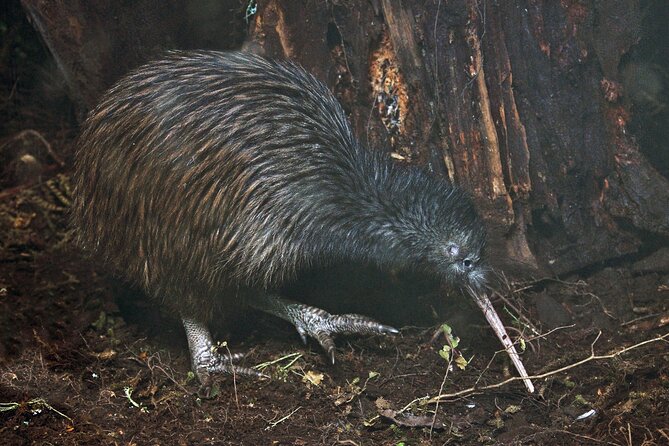
The first part begins as daylight fades. You follow the guide through Tawharanui’s native bush, keeping watch for traces of kiwi activity while the guide explains more about these unusual birds.
The timing is important. Twilight gives you enough remaining light to begin the walk, but the park is already shifting toward its night-time character. The transition helps you understand why this is a separate experience from a daytime park visit.
You should expect a walking tour rather than a vehicle-based safari. The route is designed to bring you into the bush, where you may get closer to signs of wildlife than you would from a road or viewing platform. The supplied details do not state the walking distance or trail difficulty, so ask the operator if you have concerns about the terrain or pace.
The guide’s role matters here. A good wildlife guide helps you notice small clues, explains what kiwi activity means, and keeps the group moving quietly. The tour description identifies the guide as experienced, and the group limit of 10 gives the guide a practical chance to answer questions without addressing a crowd.
One guest account praises a guide called Legends and describes seeing three kiwis, including one at very close range. That is an encouraging example of what can happen, but it should not be treated as a promise. Kiwi are wild animals, and the tour is best approached as a search in their habitat rather than a scheduled performance.
I also appreciate that the emphasis is not only on taking a photograph. Learning about kiwi as you search gives the walk value even if the animals remain out of sight. Their activity, the sound of the bush, and the changing light all become part of the experience.
A quiet night beneath the stars
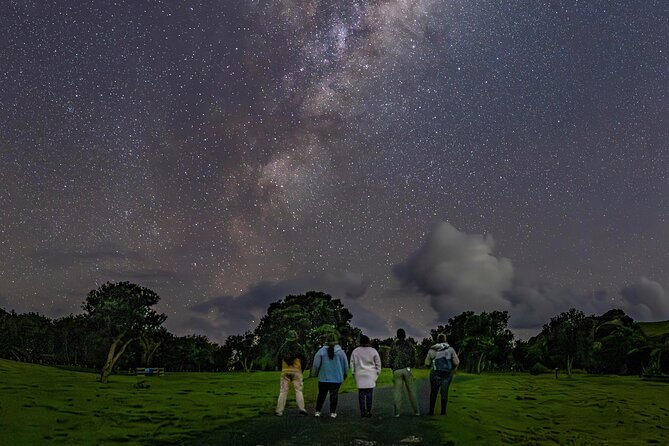
After the wildlife walk, the tour moves to a secluded stargazing site within the park. The lack of city glare is the key feature here. You are given access to a telescope and binoculars, then guided through stars, planets, and constellations.
This second section gives the evening a useful change of subject. The kiwi search asks you to look down and into the bush. Stargazing asks you to look up and take in a much larger scale. The combination makes the three hours feel varied without becoming rushed.
The guide also shares stories connected with Indigenous astronomy. That adds cultural context to the stars instead of treating the sky as a collection of distant objects with technical names. The information provided does not specify which traditions or stories are covered, so you should expect an introduction rather than a full astronomy or cultural course.
The telescope and binoculars are a real value point. You do not have to own equipment or know how to use it before arriving. A guide can help you make better use of a dark sky, especially if you are unsure what you are looking at.
The stargazing portion will depend heavily on cloud cover and general weather. The operator requires good weather and may cancel if conditions are poor. That policy is sensible for an activity built around both outdoor walking and sky visibility, but it means you should keep some flexibility in your Auckland plans.
What the three-hour format gives you
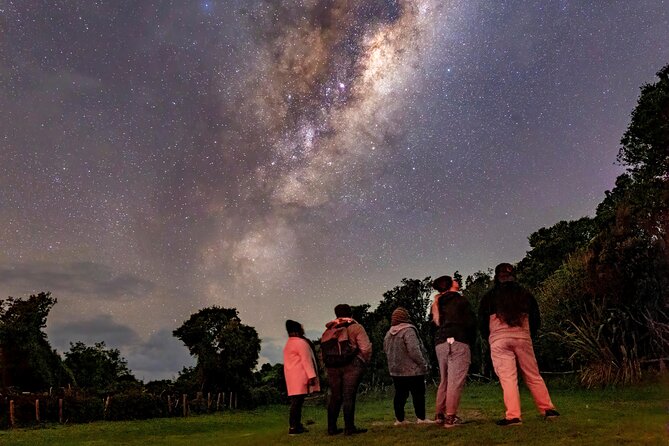
Three hours is long enough to let the evening unfold, but short enough to fit into a wider Auckland itinerary. You can arrive for the twilight portion, spend time searching the bush, and then settle into astronomy without committing an entire day to the park.
The format also reduces the temptation to rush. Wildlife watching works better when you have time to pause, listen, and scan the surroundings. A very short tour might turn the kiwi search into a quick walk with a few explanations. Here, the separate stargazing session gives the guide more room to build a proper night experience.
The tradeoff is that the tour begins and ends at Tawharanui Regional Park. The meeting point is 1181 Takatu Road, Tāwharanui Peninsula 0986, New Zealand. The supplied details do not include transfers from Auckland, so you need to arrange your own way to the park.
That point matters when judging the price. At $93.09 per person, you are paying for a small-group guided activity, specialist viewing equipment, and access to a focused night program. You are not paying for transportation, accommodation, or camping fees.
Same sky over New Zealand, a different way to watch it:
- Lake Tekapo: Mountaintop Stargazing at Mount John Summit
★ 4.5 · 176 reviews - Mount John Observatory Stargazing Experience, Tekapo
★ 4.5 · 160 reviews - Tekapo Star Gazing Tour – Soak in the Stars
★ 4.5 · 109 reviews - Silver River Stargazing Experience in Lake Tekapo
★ 4.5 · 106 reviews
Is $93.09 good value?
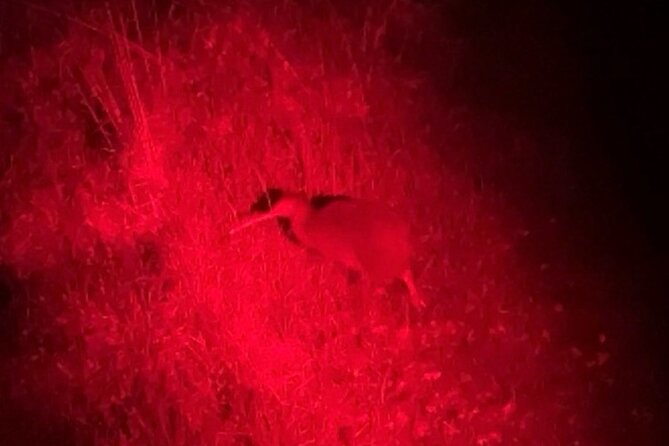
I see the price as reasonable for the right kind of visitor. The group size is limited to 10, and the fee covers the guide, telescope, and binoculars. You also get two linked activities rather than a short walk with a single viewing stop.
The value is strongest if you care about interpretation. Someone who simply wants to enter the park and look at the sky may prefer a self-guided visit, assuming they can arrange access and equipment. But a guide can help you understand what to look for, explain kiwi activity, and point out stars or planets that you might miss alone.
The fee becomes less attractive if you are booking only for a guaranteed kiwi photograph. No wildlife tour can promise that outcome here, and the tour information does not claim a guarantee. The best reason to book is the full night setting, with kiwi searching as one important part of it.
Camping is available through glamping tents if you want to extend the visit. That can make the outing feel like a larger nature break, but campsite bookings and fees are not included. Treat glamping as a separate add-on, not part of the $93.09 tour price.
Who will enjoy this night walk most
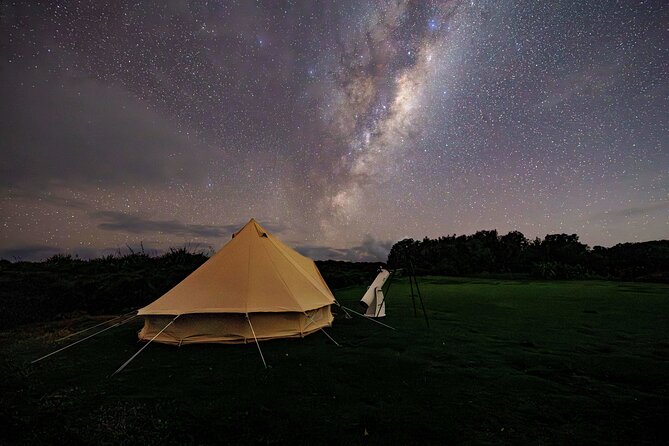
I would recommend this tour to people who enjoy guided nature walks, night skies, and small groups. It suits couples, solo visitors, and families whose children can manage an evening walk and remain quiet during wildlife watching.
It is also a good choice if you have already seen Auckland by day and want a more unusual half-day outing. The park’s night life and dark sky offer a different reason to make the trip to the Tāwharanui Peninsula.
You should think twice if you dislike uncertainty. There is no stated guarantee of seeing a kiwi, and weather may affect the schedule. The tour also relies on walking, darkness, and outdoor conditions, so it is not the best match for someone seeking a fixed indoor presentation.
The maximum group size of 10 is especially useful for solo visitors. You are less likely to feel lost in a large crowd, and there is more opportunity to ask about the birds, night creatures, stars, or Indigenous astronomy.
Practical details for a smoother evening
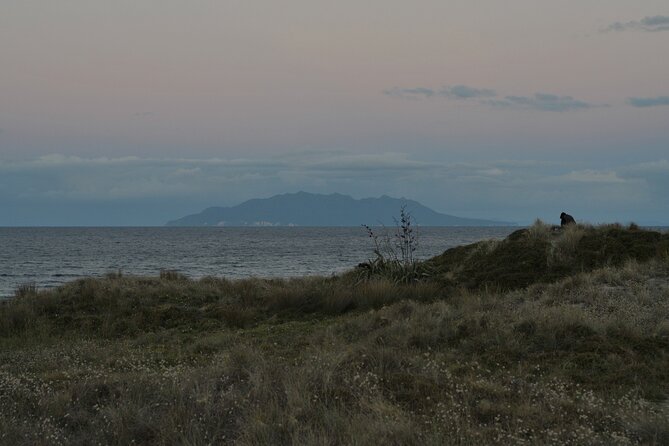
Your mobile ticket is accepted for the activity, and confirmation is provided when you book. The tour starts and ends at the Tawharanui Regional Park meeting point.
Since the experience takes place after dark, plan around the evening timing rather than treating it as a standard daytime park stop. The supplied details do not state the exact start time, walking distance, or clothing requirements, so check those points before setting out.
The guide provides the specialized equipment used for stargazing. You do not need to bring a telescope or binoculars. The most important practical issue is weather, since poor conditions can lead to a different date or a full refund.
Free cancellation is available when you cancel at least 24 hours before the start time. Cancellations or changes made inside that 24-hour window are not refunded or accepted. The operator can also cancel if the weather is unsuitable or if the minimum number of participants is not reached, with a different date, another experience, or a full refund offered.
My take on the kiwi and stargazing combination
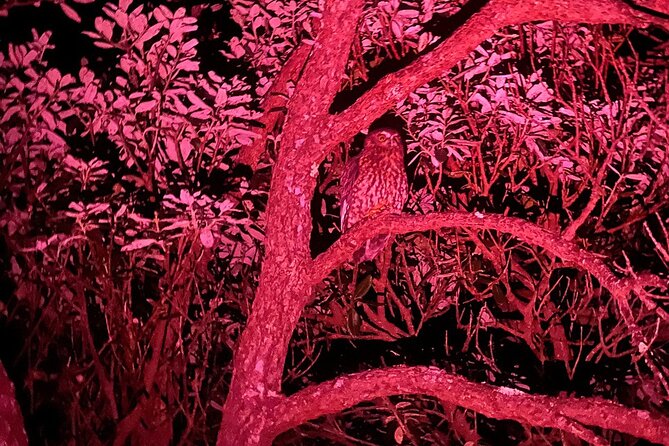
The strongest feature here is the pairing. A kiwi search alone could be brief if the animals stay hidden. Stargazing alone could feel like a simple look at the sky. Put together, the two sections give you a more complete night in the park.
I also like the scale of the experience. Ten people is small enough for questions and quiet movement, yet large enough that you are not depending on a private tour price. The guide and equipment turn the visit into an interpreted experience rather than an ordinary walk after sunset.
The main weakness is not a flaw in the tour so much as the nature of wildlife watching. You cannot schedule a kiwi to appear, and cloudy conditions can reduce the astronomy portion. Book this because you want a carefully led night outdoors, with the chance of a close kiwi sighting, not because you need a guaranteed result.
Should you book the Tawharanui night tour?
Book it if you want a compact, small-group outing from the Auckland area that combines native wildlife with a dark-sky experience. The $93.09 price makes the most sense for you if you value a guide, supplied viewing gear, and the chance to learn rather than simply wander through the park.
I would be especially keen to book it if I had flexibility around the weather and was open to a wildlife search. The account of seeing three kiwis, including one close encounter, shows the potential. Just keep your expectations realistic, arrange your own transport to Takatu Road, and remember that glamping and campsite fees are extra.
FAQ
Where does the tour start?
It starts at Tawharanui Regional Park, 1181 Takatu Road, Tāwharanui Peninsula 0986, New Zealand.
Where does the tour finish?
The activity ends back at the meeting point in Tawharanui Regional Park.
How long does the experience last?
The tour lasts approximately three hours.
How much does the tour cost?
The listed price is $93.09 per person.
How many people can join the tour?
The maximum group size is 10 travelers.
Is camping included?
No. Glamping tents are available as an optional enhancement, but campsite bookings and fees are not included.
Is stargazing equipment provided?
Yes. The guide provides specialized equipment, including telescopes and binoculars for the stargazing session.
Can I cancel for a full refund?
Yes, if you cancel at least 24 hours before the experience starts. Cancellations made less than 24 hours before the start time are not refunded.
What happens if the weather is poor?
The tour may be canceled because of poor weather. You will then be offered a different date or a full refund.
Fresh listings near New Zealand
- Twizel: Stargazing Tour with an Astronomer and Telescope★ 4.9 · 36 reviews
- Twizel Stargazing Experience with a Guide (Carbon Positive)★ 4.7 · 26 reviews
- Private Stargazing at Star Safari near Martinborough★ 5.0 · 3 reviews
- Star Safari Stargazing Experience, Martinborough★ 5.0 · 6 reviews
- Twizel Stargazing Experience with a Guide (Carbon Positive)★ 4.0 · 2 reviews
- Lake Tekapo Ultimate Stargazing Experience★ 5.0 · 3 reviews
- Virtual Stargazing & Astronomy Experience in Lake Tekapo★ 3.0 · 2 reviews
- Southern Skies Stargazing Tour in Dunedin★ 5.0 · 62 reviews
New Zealand Stargazing, side by side.
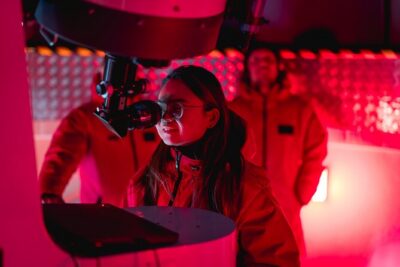
Mount John Observatory Stargazing Experience, Tekapo
Read our review →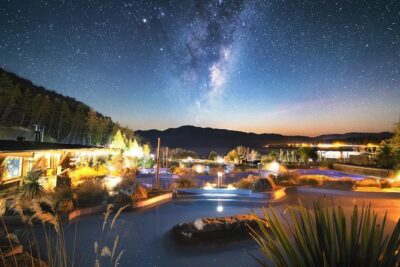
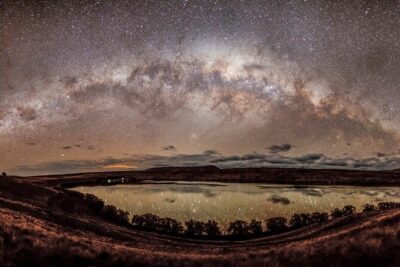
Silver River Stargazing Experience in Lake Tekapo
Read our review →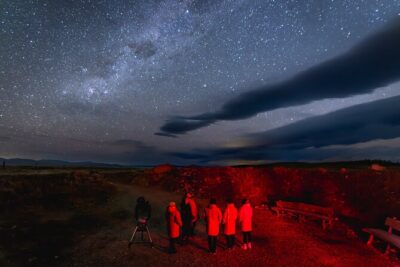
Stargazing Experience at Cowan’s Private Observatory
Read our review →Lists this night appears in