
REVIEW · TELESCOPE STARGAZING
La Palma: VIP Night Sky Tour With Your Own Telescope
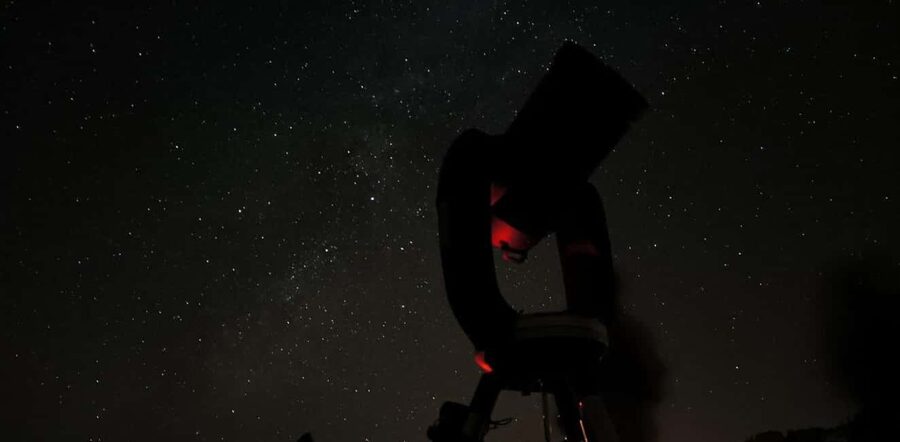
La Palma’s great nighttime attraction is not a monument or a beach. It is the sky itself. This small-group outing gives you a telescope reserved for your booking, so you can take your time with the Moon, planets, stars, and faraway galaxies instead of waiting through a long public viewing line.
I like the personal help from guides María José and Nicolás, and I like the way the evening builds from naked-eye stargazing to binoculars and then telescope viewing. The main catch is simple: this is an outdoor activity at high, cold viewpoints, and clouds, wind, haze, humidity, or official alerts can change the meeting place or cancel the night.
Key points to know before booking
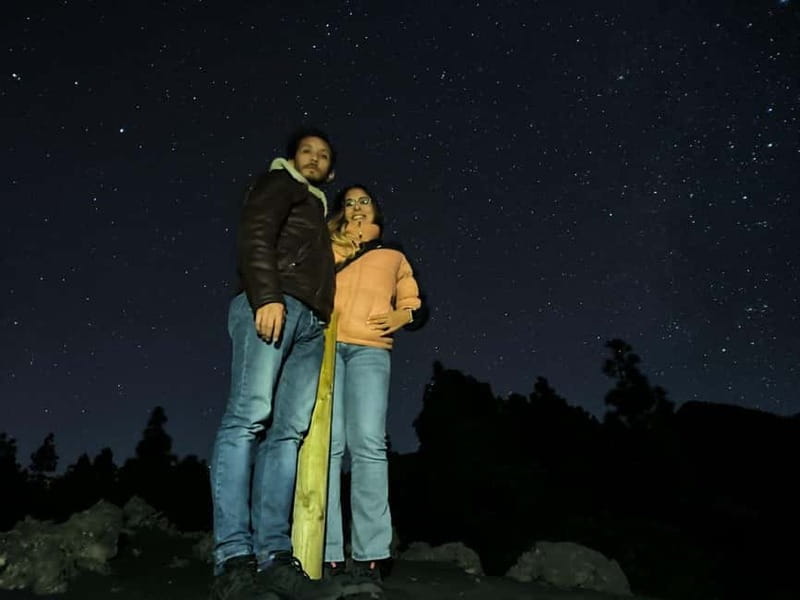
- Your own telescope: Your booking has an advanced telescope reserved exclusively for your group, with help adjusting it for your eyes.
- A real sky lesson: The evening combines constellations, planets, satellites, myths, legends, and practical science.
- Flexible viewing time: The experience runs about 90 to 105 minutes, depending on your questions and interest.
- Small group setting: The total group is limited to 10 people, giving you more space to ask questions.
- Meeting point can move: Llano del Jable, Llano de Las Ventas, or a private site near San Antonio Volcano may be used.
- Cold-weather planning matters: Bring warm clothing and shoes, especially if the activity is held around 1,320 to 1,341 meters above sea level.
Why this La Palma sky tour feels more personal
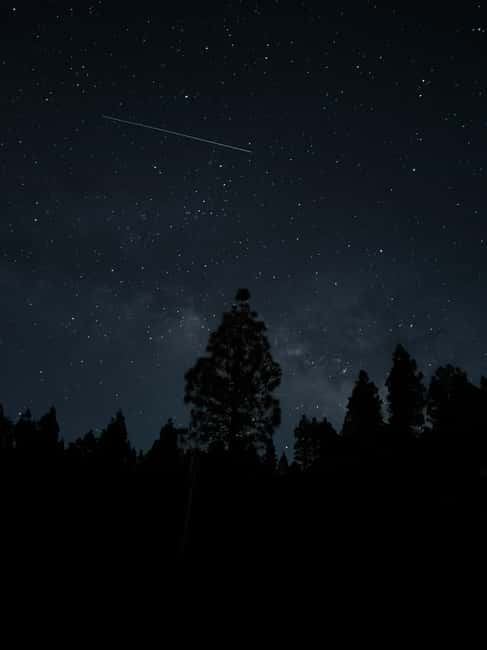
La Palma is one of the Canary Islands’ best places for astronomy, and this outing is designed for people who want more than a quick look through a shared telescope. The important difference is the private telescope assigned to your booking. It lets you spend longer on an object, ask for another look, or request a change in direction without feeling rushed.
You are not simply handed equipment and left to figure it out. A certified astronomy guide helps you adjust the telescope for your eyes and explains what you are seeing. That makes a real difference if you have never used a telescope before.
The group remains small, with a maximum of 10 participants. The word VIP here does not mean an isolated private tour for only your party. It means a more personal setup within a small group, with an exclusive telescope and extra attention from one of the guides.
That distinction is worth understanding before you pay. If you expect a fully private guide and vehicle, this is not that product. If you want a less hurried astronomy session with your own telescope and room for questions, the $58 price is reasonable.
More Telescope Stargazing in Spain
- Teide by Night: Sunset & Stargazing with Telescopes Experience
★ 4.5 · 1,492 reviews - Teide National Park: Guided Large Telescope Stargazing Tour
★ 4.9 · 319 reviews - Cavalleria: Guided Stargazing at the Beach with Telescope
★ 4.9 · 87 reviews
From sunset timing to the first stars
The start time is not fixed in the same way as a museum tour. The team checks sunset, cloud cover, wind, humidity, haze, government alerts, site occupancy, and the position of visible objects before confirming the final details.
You will be contacted on the day of the activity by WhatsApp, email, or SMS. Keep your phone nearby. The exact meeting place and start time can change, and the activity may begin a little later or earlier to match the sky.
Plan to arrive 15 minutes early. At the public viewpoints, park with your car headlights facing the road rather than the observation area. Car lights can ruin night vision in seconds.
Once you walk toward the group, use a red light if you have one. If you only have a white phone light or flashlight, point it at the ground. Ask for María José or Nicolás and give the name on your booking.
These rules may sound fussy, but they protect everyone’s night vision. Astronomy works best when the group treats darkness as part of the equipment.
Starting with the naked eye
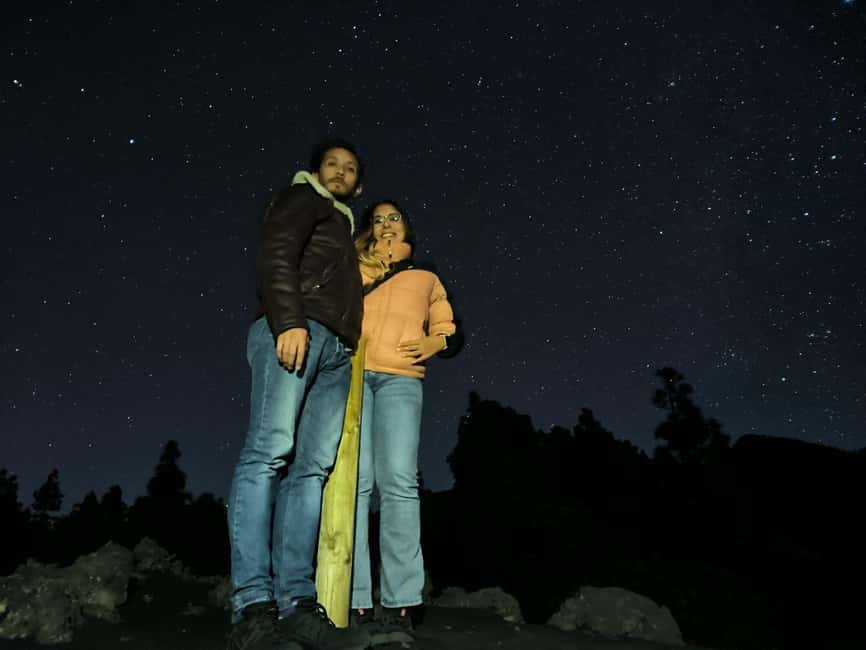
The first stage does not require a telescope. The guide uses an astronomy laser to point out constellations, planets, satellites, and other notable objects overhead.
This is a good way to get your bearings. Instead of looking at a field of unrelated stars, you learn how to recognize patterns and understand where to look next. The guide also adds myths, legends, history, and scientific explanations, giving the sky a human story as well as a technical one.
The exact objects will change with the season, the moon phase, and the time of night. On a clear evening, you may see planets or satellites with the naked eye, but the team cannot promise a fixed list of objects. The sky decides what is available.
This part also suits complete beginners. You do not need previous astronomy study to enjoy the activity, but be ready for some technical terms. One guest found the English explanations occasionally difficult and felt that the evening moved quickly for someone with no astronomy background.
That is useful advice. If your English is limited, or if you prefer very simple explanations, tell the guide early. The tour is offered in English and Spanish, and asking questions should help you get the level of detail you need.
Wide views through binoculars
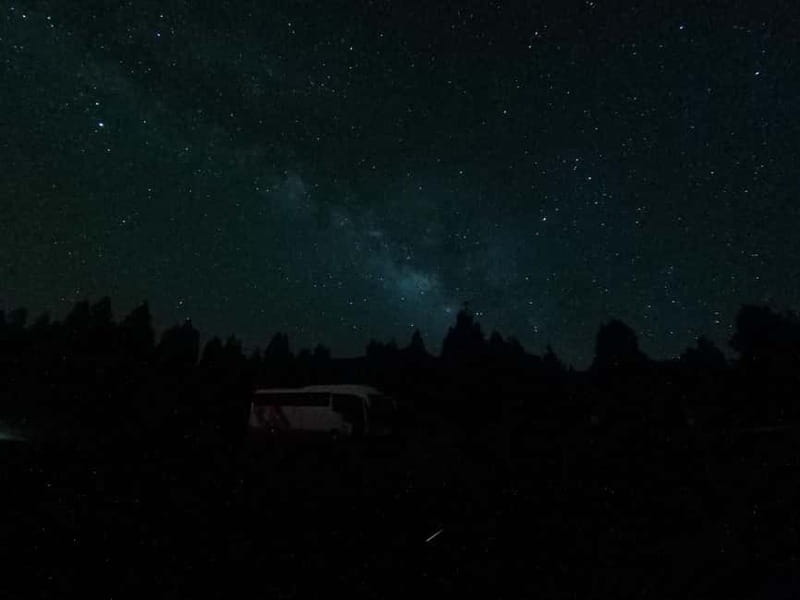
Binoculars provide the bridge between looking up and using the main telescope. They show wider sections of the sky than a telescope, helping you understand how stars and objects relate to one another.
This is especially useful for people who find a telescope view narrow or hard to locate at first. The guide can point out a region with the laser, let you explore it with binoculars, and then move to a more focused view through the telescope.
I like this three-step design because it teaches you how astronomers move from a broad view to a close look. You are not only being shown objects. You are learning how to find them.
The binocular portion is also less formal. You can ask about what you see, connect the story to the science, and get comfortable with the darkness before the equipment becomes more advanced.
Same sky over Spain, a different way to watch it:
- Tenerife: Teide National Park Sunset & Stargazing Tour
★ 4.2 · 3,812 reviews - Tenerife: Sunset and Stargazing at Teide National Park
★ 4.7 · 2,826 reviews - Teide National Park Sunset & Stargazing with Dinner (Star Safari)
★ 5.0 · 2,601 reviews - Teide National Park: Sunset & Stargazing Safari with Dinner
★ 4.6 · 2,115 reviews
Moon and planets through your private telescope
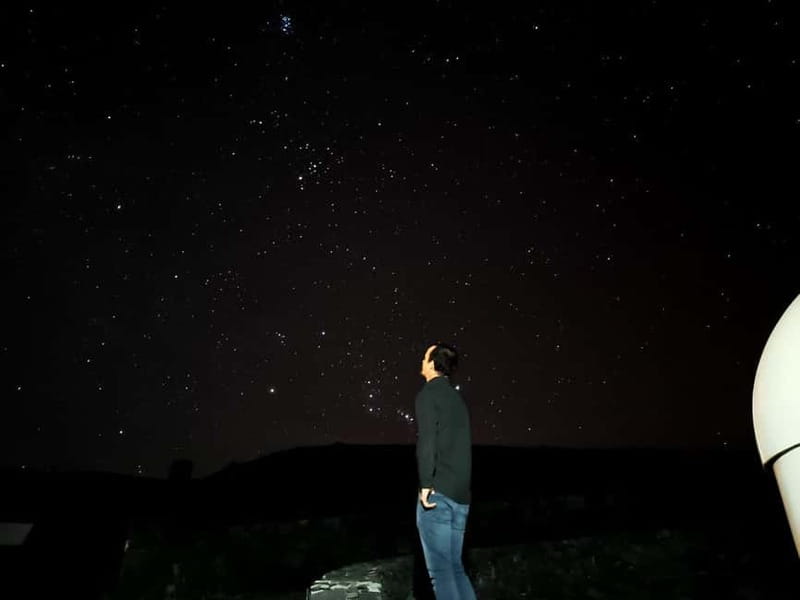
The telescope is the heart of the VIP option. It is reserved for your booking, and the guide can help you adjust it for your eyes. You can then request objects and spend more time observing them at your own pace.
The Moon is often a memorable target because its surface becomes much more detailed through a good telescope. Depending on the conditions and the time of year, the guide may also show planets such as Jupiter or Saturn.
The phrase depending on sky availability matters. Clouds, haze, moonlight, seasonal visibility, and the position of each object can all affect what appears in the eyepiece. A clear evening does not guarantee every planet will be visible.
You should also expect the telescope view to be more scientific than photographic. The Moon and planets will not necessarily look like polished images from a space agency website. The reward is seeing them directly through the equipment, with a guide explaining what you are looking at.
The personal setup gives you time to adjust. If the image is not clear at first, ask for help. If you lose the object, ask the guide to find it again. That patient correction is one of the strongest reasons to choose this option over a basic group stargazing session.
Galaxies, nebulae, and star clusters
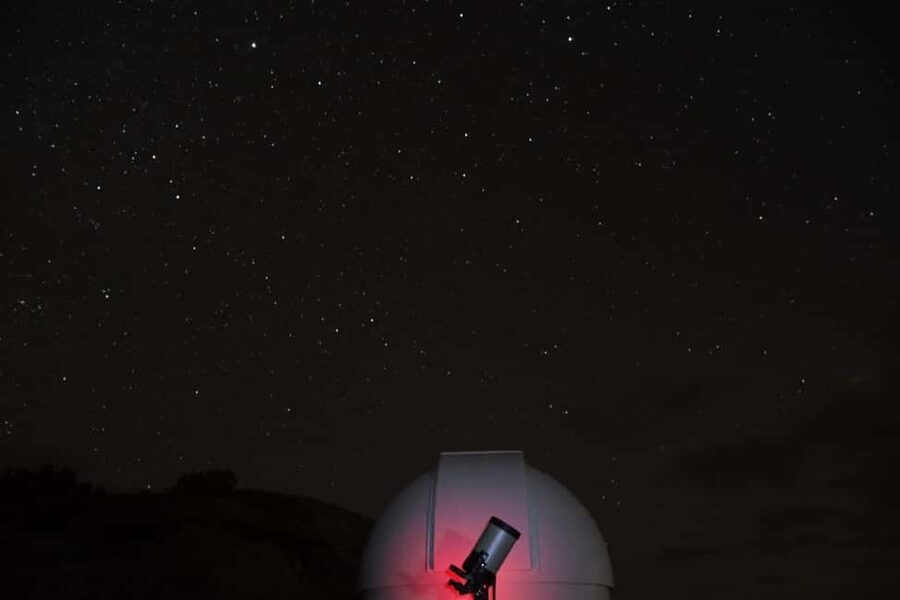
After nearby targets, the guide turns toward more distant objects. Galaxies, nebulae, and star clusters become the focus when the sky allows.
These objects can be faint, and the view depends heavily on darkness and visibility. You might see a soft patch, a cluster of points, or a shape that becomes clearer after your eyes adjust. The experience is about learning to see subtle detail rather than expecting bright, colorful images.
This is where the storytelling helps. Science explains what the object is, while myths and legends give you a cultural connection to the night sky. María José and Nicolás are praised for making the explanations clear, lively, and easy to follow, with enough humor to keep the session moving.
The tour can last from 1.5 to 1.75 hours rather than ending at exactly 90 minutes. The extra time depends on the questions and interest of your group. That flexibility is valuable if everyone wants another look at a particular object.
It also means the experience will not be identical every night. A full moon changes the emphasis toward lunar viewing. A moonless night may offer better conditions for faint distant objects. Each date has its own limits and opportunities.
Choosing among the three possible locations
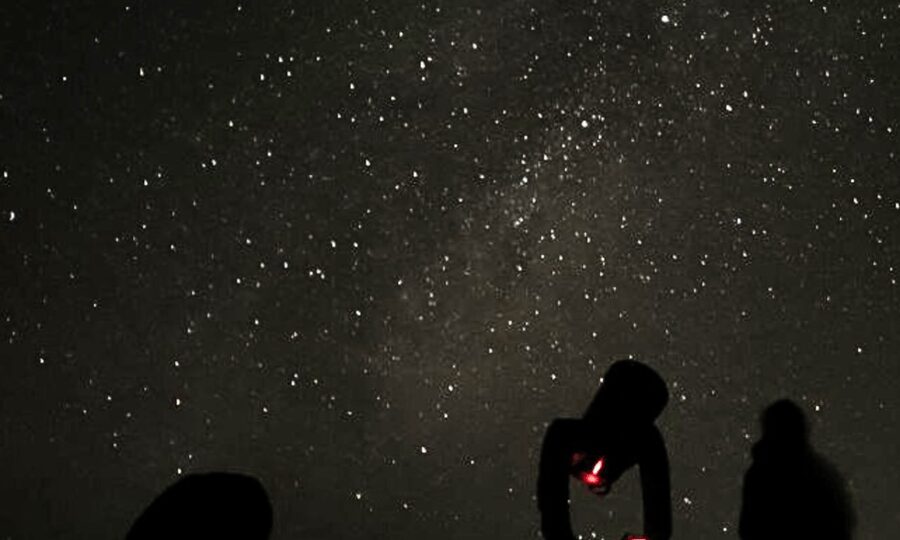
The normal meeting points are Llano del Jable Astronomical Viewpoint and Llano de Las Ventas Astronomical Viewpoint. They are about five minutes apart and sit at approximately 1,341 and 1,320 meters above sea level.
Both have parking, and both are roughly 39 minutes from Santa Cruz, Los Cancajos, and Los Llanos by the supplied estimates. Allow extra time for your own route and road conditions. The tour does not include hotel transfers, so you need to arrange your own transport.
If conditions are poor at the usual sites, the activity may move to San Antonio Volcano in Fuencaliente. This private location sits at about 633 meters and is around 40 minutes from Santa Cruz, Los Cancajos, and Los Llanos. It is also about 15 minutes from the Princess Hotel.
The lower altitude can be useful when wind or clouds affect the higher viewpoints. It is not a backup that makes bad weather disappear, though. The team can postpone, relocate, or cancel if safe observation is not possible.
The tour can also move to a private indoor or sheltered place when one is available. Ask for the confirmed location on the day rather than driving to a usual site without checking your messages.
Cold, darkness, and practical comfort
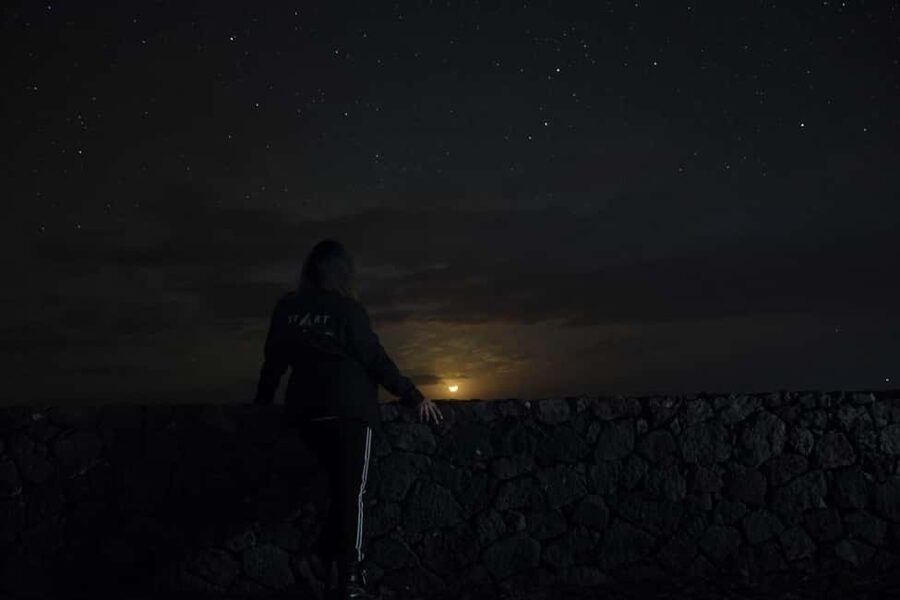
Bring warm clothing, comfortable clothes, and warm shoes. Even if the daytime feels mild, the public viewpoints are high and exposed, and the experience involves standing outdoors at night.
There are no bathrooms included. Keep that in mind before leaving your accommodation, especially because the activity lasts around 90 minutes or longer and the viewpoints are not presented as full visitor facilities.
Accessibility is available for people with reduced mobility, but the exact suitability can depend on the confirmed site. If you need specific assistance, contact the provider before the day of the activity and explain what you require.
The setting is described as comfortable and accessible, but it remains an outdoor astronomy experience rather than a fully equipped observatory visit. You should prepare for darkness, cold, and limited facilities.
What the $58 price gets you
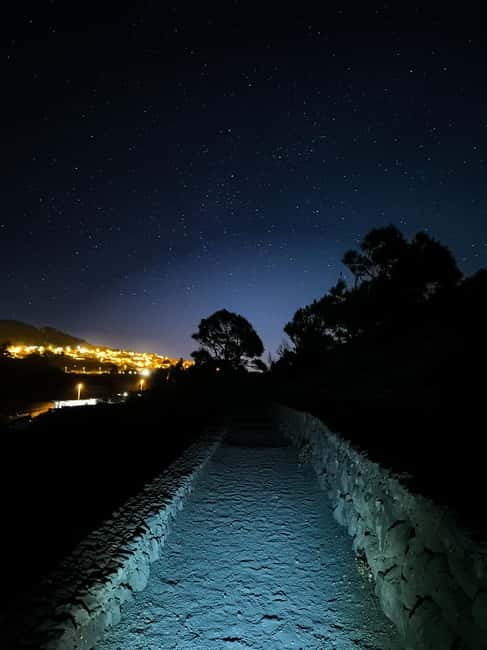
At $58 per person, the value rests on the private telescope and the extra attention. You receive guided naked-eye observation, laser pointing, binocular viewing, a telescope reserved for your booking, storytelling, and three professional night-sky photos.
You are also paying for the guide’s preparation. The team checks conditions and visible objects each day, then adjusts the timing and location. That behind-the-scenes work matters because a fixed schedule would not always match the best available sky.
The cost is easier to justify if you want to ask questions or if you are new to telescopes. The general group setup may be enough for someone who only wants a short look at the Moon. The VIP format is better for someone who wants control over what to view and more time at the eyepiece.
The three professional photos are a pleasant extra, but I would not book this mainly for the pictures. The main value is the live experience of finding and viewing objects yourself. The photos help you remember the evening, but they cannot replace what you see through the telescope.
Free cancellation is available up to 24 hours in advance, and you can reserve now and pay later. Last-minute weather changes are handled separately because the activity depends on safe, usable conditions.
Who should book this experience
I would recommend this tour to curious beginners, couples, families with older children, and anyone who wants an astronomy evening that feels personal without paying for a completely private guide.
It is also a good fit for amateur astronomers who want to choose targets and ask detailed questions. The small group and dedicated telescope make it easier to follow your own interests.
You may want to skip it if you dislike cold outdoor activities, need guaranteed start and end times, or want to visit the Roque de Los Muchachos. Observation at Roque de Los Muchachos is not included.
People who already know a great deal about astronomy should ask about the expected language and level of explanation. The guides are experienced and enthusiastic, but one English-language experience included some difficult technical terms. A quick conversation at the start can help keep the evening at the right level.
Should you book the La Palma VIP night sky tour?
Book it if the idea of having your own telescope, choosing what to observe, and learning directly from María José or Nicolás appeals to you. The combination of naked-eye guidance, binoculars, telescope time, science, myths, and three photos gives the 90-minute session a clear rhythm.
Just accept the rules of the night sky. The location may change, the timing is approximate, and a full moon or poor visibility can alter the focus. Bring serious warm layers, watch your messages, and arrive ready for a quiet outdoor activity rather than a guaranteed list of planets.
For $58, this is a strong choice for a more personal astronomy lesson on La Palma, especially if you value questions and hands-on telescope time more than a fast, standard group presentation.
FAQ
How long does the La Palma VIP night sky tour last?
The stated duration is 90 minutes, but the activity can run from about 1.5 to 1.75 hours depending on the questions and interest of your group.
What languages are available?
The tour is offered in English and Spanish.
Is the telescope private?
A telescope is reserved exclusively for your booking. You can ask the guide to point it toward objects you want to see and receive help adjusting it for your eyes.
Where does the activity meet?
The usual sites are Llano del Jable Astronomical Viewpoint and Llano de Las Ventas Astronomical Viewpoint. Depending on weather and other conditions, the activity may move to San Antonio Volcano in Fuencaliente or another private indoor or sheltered location when available.
Is transport from my hotel included?
No. You must arrange your own transport to the confirmed meeting point.
What should I bring?
Bring warm clothing, comfortable clothes, and warm shoes. Arrive 15 minutes early, and use a red light if possible so you do not disturb night vision.
What happens if the weather is bad?
The team may postpone, relocate, or cancel the activity if clouds, wind, humidity, haze, official alerts, or other conditions prevent safe observation. The exact details are confirmed on the day by WhatsApp, email, or SMS.
Is the tour wheelchair accessible?
The activity is described as wheelchair accessible. Since the meeting point can change, contact the provider if you have specific mobility needs.
Does the tour include photographs?
Yes. Your booking includes three professional photos of the starry sky experience.
Can I cancel for a full refund?
You can cancel up to 24 hours in advance for a full refund.
Fresh listings near Spain
- Small Group Teide Stargazing Tour with Picnic at Sunset★ 5.0 · 3 reviews
- VIP Sunset & Stargazing experience★ 4.5 · 44 reviews
- Sunset and stargazing from Teide★ 3.5 · 51 reviews
- Tenerife Exclusive & Private Gastronomic, Sunset-Stargazing★ 5.0 · 3 reviews
- “Stargate” Tenerife stargazing★ 5.0 · 13 reviews
- Skip the Line: Teide Observatory Entrance Ticket★ 3.0 · 33 reviews
- TEIDE NIGHT Astronomy Stargazing Bus Tour, Meal & Drinks included!★ 4.0 · 15 reviews
- Stargazing Tour in Tenerife★ 3.0 · 2 reviews
Telescope Stargazing, side by side.
Teide by Night: Sunset & Stargazing with Telescopes Experience
Read our review →
National Park Astronomy Tour with Telescope and Photo
Read our review →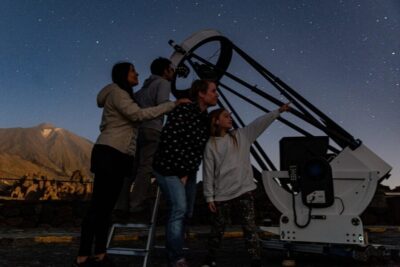
Teide National Park: Guided Large Telescope Stargazing Tour
Read our review →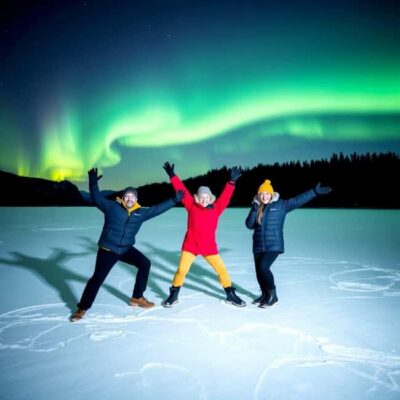
Northern Lights Tour and Stargazing by Telescope
Read our review →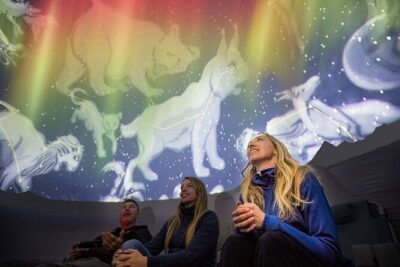
Jasper Planetarium and Telescope Combo Tour Tickets
Read our review →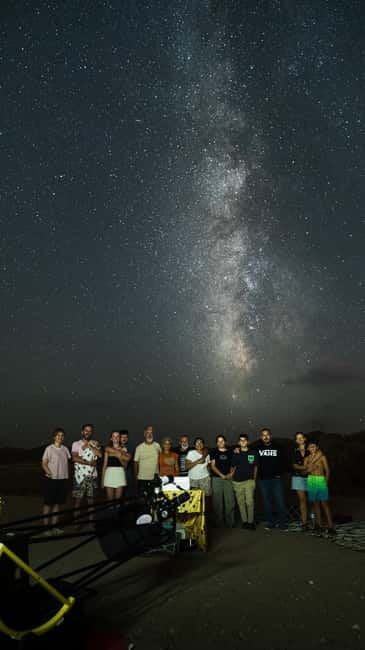
Cavalleria: Guided Stargazing at the Beach with Telescope
Read our review →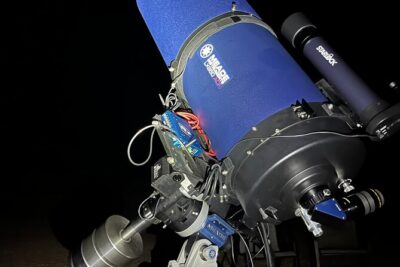
Stargazing Tour with Telescopes and Video Astronomy in Sedona
Read our review →Lists this night appears in