
REVIEW · CANADA STARGAZING
The Banff Stargazing Tour – 2hr Walking Tour
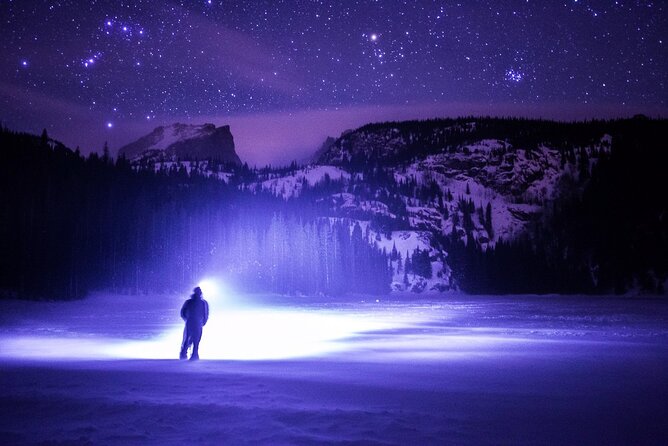
Banff gets a different personality after sunset. On this easy, mostly flat walk from the Cave and Basin National Historic Site, you leave the daytime crowds behind and look up at a sky bright with stars, shooting stars, and, on lucky nights, the Northern Lights. Guides such as Kael, Ewan, Ben, and Isla mix constellation lessons with stories about Banff’s wildlife, ecology, and past.
I like the small-group attention, which makes it easier to ask questions and get help with your phone camera. I also like the honest weather policy: if clouds, smoke, rain, or snow ruin the view, you may be offered a refund or another date. The main catch is simple: the sky controls the show, and a full moon or heavy cloud cover can reduce the stars you see.
Key points at a glance
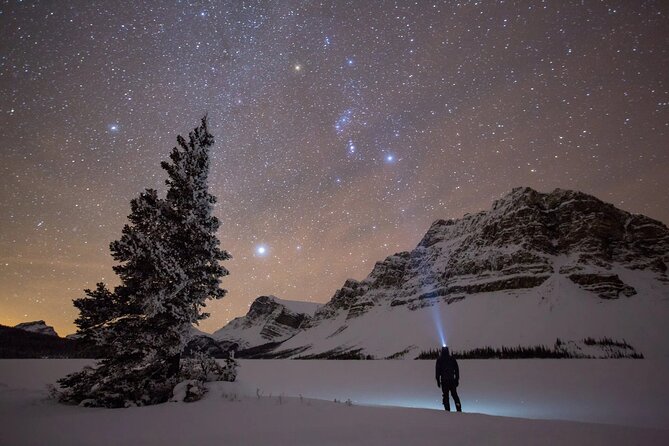
- The walk covers 3.5 miles: Expect about 5 kilometers on mostly flat trails, pavement, and boardwalk.
- The meeting point is easy to find: Start at the parking lot and Welcome Building at the Cave and Basin National Historic Site, with free parking available.
- The tour runs after sunset: Departure changes with the season, and you should arrive 10 minutes early for equipment setup.
- You get more than star names: Guides explain constellations, local ecology, Banff’s past, wildlife, and basic night photography.
- Cold-weather gear matters: Outdoor footwear is required, and ice cleats, headlamps, and other supplies are provided as needed.
- The group can reach 20 people: It is small enough for guide interaction, though not a private walk.
Why Banff after dark feels so different
Banff National Park is known for protecting its dark skies, and that matters the moment you leave the lights behind. The mountains become dark shapes around you, the forest feels quieter, and the sky takes over as the main attraction.
This is not a drive out to a viewing platform. You walk roughly 3.5 miles through the park, stopping at useful viewpoints while your guide explains what you are seeing. That active format makes the evening feel more like a night hike with astronomy added in, rather than a lecture under the stars.
I especially like this for visitors with only a short stay in Banff. You do not need to plan a route, choose a trail, or figure out which direction to face. Your guide handles the pacing and points out constellations, planets, shooting stars, and other details that are easy to miss when you simply look up on your own.
The setting also gives the tour a strong sense of place. You are not viewing the sky from a city park with a mountain photo behind you. You are walking through Banff National Park itself, with local stories and natural details folded into the evening.
More Stargazing Tours in the world:
- Dubai Red Dunes ATV, Camels, Stargazing & 5* BBQ Al Khayma Camp
★ 5.0 · 21,620 reviews - Sharm El-Sheikh: Ultimate ATV Quad, Stargazing & BBQ Dinner
★ 4.7 · 4,084 reviews - Tenerife: Teide National Park Sunset & Stargazing Tour
★ 4.2 · 3,812 reviews
Meeting at Cave and Basin
The tour begins at 309 Cave Avenue, at the parking lot and Welcome Building of the Cave and Basin National Historic Site. Free parking is available here, which is useful if you have a rental car.
You should arrive 10 minutes before departure. Look for the guide with a clipboard, and let them know you have arrived. The early arrival is not wasted time. You may need to get fitted with ice cleats or organize the headlamp and other equipment before the group sets off.
Transportation to the meeting point is not included. The location is near public transportation, but you should check your route carefully, especially for a late return. If you are staying elsewhere in Banff, your accommodation or a local taxi service can help with the final connection.
One practical warning: the bathroom at the site may close early. Use it before the walk begins, since you should not count on having another facility during the two-hour outing.
Setting out after sunset
The departure time changes with the season because the tour begins just after sunset. You receive the final timing 8 to 24 hours before departure if a seasonal adjustment is needed, so keep an eye on your messages.
The timing gives you a little twilight at the start, followed by a darker sky as the walk continues. In some seasons, you may catch the last color of sunset before the stars become the main event. In others, the tour begins in near darkness.
Your guide prepares the group before heading into the park. Headlamps help with the trail, while ice cleats may be useful in winter or on slippery sections. The walk is rated easy and mostly flat, but easy does not mean indoor-comfortable. You still cover 5 kilometers outdoors at night.
Wear sturdy outdoor shoes with good traction. The trail can be muddy, uneven, or slick depending on conditions. One section is paved, and there are boardwalk areas, but you should not expect a perfectly smooth path from start to finish. If you have balance concerns, hiking poles or a cane may be helpful, though the tour is not designed for people with mobility problems.
Learning the sky without a classroom
The best part of a guided stargazing walk is having someone translate the sky for you. A guide can point out a constellation, explain how to find it again, and connect it to a story or piece of local knowledge.
The guides bring plenty of personality to the walk. Kael is praised for humor, astronomy explanations, and help with photography. Ewan is described as especially warm and engaging, with a talent for explaining both the sky and the surrounding park. Ben has been noted for making the group feel safe and comfortable, while Isla is remembered for fun stories and clear explanations.
The exact guide depends on the departure, but the pattern is consistent: expect a friendly leader who talks during the walk, pauses at viewing spots, and leaves room for questions. You are not simply marched from one viewpoint to the next.
The subject matter goes beyond constellation labels. Guides discuss Banff’s ecology, wildlife, local history, and the conditions that affect what you see overhead. One group even heard coyotes howling during the walk, a reminder that the night here is not only about astronomy.
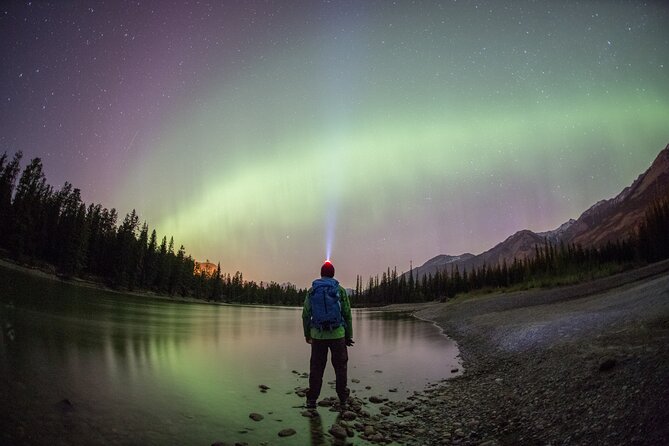
You may also see shooting stars. That is never guaranteed, but several outings have included them. The Northern Lights are possible as well, though they are an extra bit of luck, not a promised part of the tour.
Same sky over the world, a different way to watch it:
- Tenerife: Sunset and Stargazing at Teide National Park
★ 4.7 · 2,826 reviews - Teide National Park Sunset & Stargazing with Dinner (Star Safari)
★ 5.0 · 2,601 reviews - Dubai: Sunset Camel Trek, Al Khayma Camp, Stargazing & BBQ
★ 4.8 · 2,588 reviews - Dubai: Overnight Safari, Dinner, Stargazing & Al Khayma Camp
★ 4.8 · 2,562 reviews
Night photography help for ordinary phones
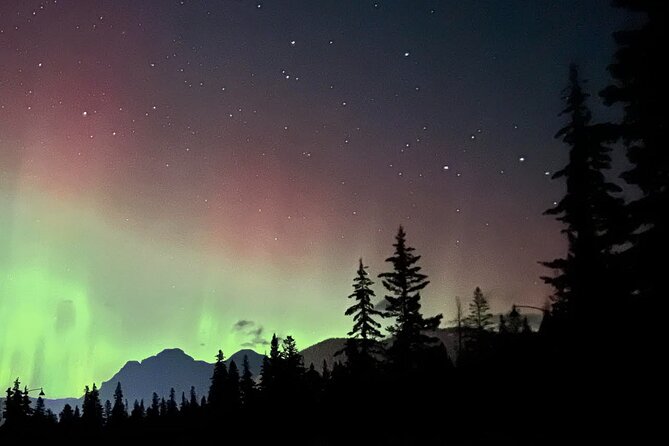
You do not need a professional camera to get something from this experience. Guides have helped visitors adjust phone settings and make better use of night photography features.
It is worth learning where the night mode is on your phone before you arrive. You will have more time to listen and enjoy the walk if you are not searching through menus in the cold. A tripod is not listed as part of the supplied equipment, so do not assume that you will have one available.
Photography conditions change quickly. A full moon can brighten the trail and mountains but wash out some stars. Smoke can also reduce clarity. On the other hand, a bright moon can create striking mountain views, even if the Milky Way is less visible.
This is one reason the guide’s judgment helps. You may arrive expecting a perfect black sky and find some cloud or moonlight instead. A good guide can still show you what is visible and explain why conditions are different from the forecast.
Weather, clouds, and the limits of stargazing
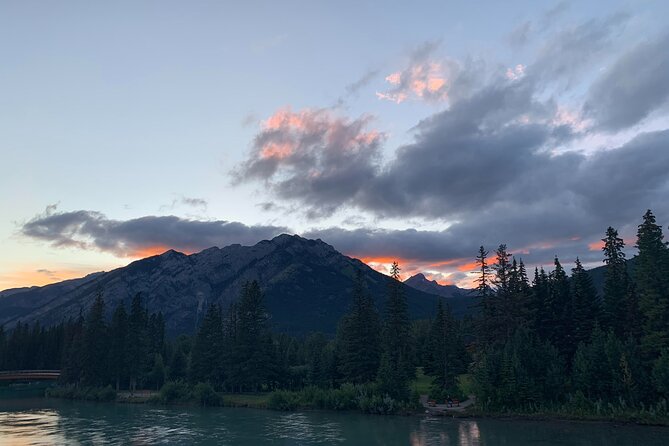
Stargazing is naturally weather-dependent. The tour operates when the forecast calls for 50 percent cloud cover or less, but that does not guarantee a perfectly clear sky.
If conditions are poor because of extreme cold, rain, or snow, the operator offers a different date or a full refund. If the sky looks questionable, the guide may discuss your options before the walk begins. You can sometimes continue, reschedule, or accept a refund when the view is likely to be limited.
That policy is a real benefit because it recognizes the central risk of the activity. You are paying for access to a dark-sky setting and expert guidance, but no company can produce stars through thick cloud.
Check the moon phase before booking if the sky is your main goal. A full moon can make the trail pleasant and the mountains dramatic, but it makes faint stars harder to see. Smoke from a nearby fire can have a similar effect.
Dress for the coldest reasonable conditions, not the temperature you feel in town during the afternoon. Wear warm layers, a hat, gloves, and suitable shoes. The walk is gentle, but standing still at viewing points can feel much colder than walking.
What the two hours really include
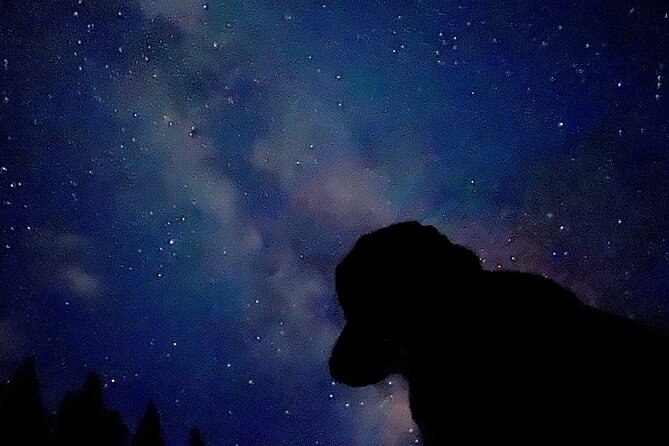
The advertised duration is about two hours, and the walk covers roughly 3.5 miles. That means the evening includes steady movement, but it is not a race.
You stop several times for sky viewing, stories, photography, and questions. The flat route makes it accessible for most people who are comfortable walking 5 kilometers, though uneven ground and nighttime conditions still require care.
The group returns directly to the original meeting point. Your guide helps remove or return equipment before you leave. Since there is no included transportation afterward, think about how you will get back to your accommodation before you book a late departure.
The maximum group size is 20 people. That is not a private tour, but it is manageable for a guided walk. The small-group design is most useful when you want camera help or have specific questions about the stars.
Is the $68.34 price fair?
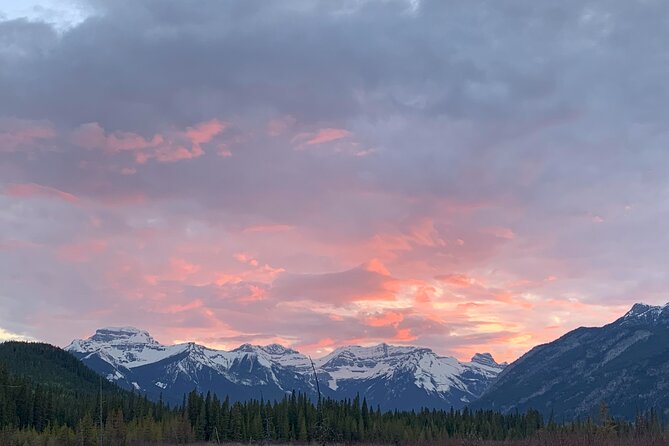
At $68.34 per person, this is not the cheapest way to look at the night sky. You are paying for a guide, equipment support, a planned route through the park, and a structured experience that would be hard to organize on your own after dark.
The value is strongest if you want more than a quick glance at the stars. You get a two-hour walk, interpretation of the sky and park, help with photography, and a clear plan for moving safely through the dark. For a short Banff visit, that convenience can be worth the cost.
The value is weaker if you already know the area, have your own car, and are happy to sit outside and wait for stars without instruction. It is also a riskier purchase if you are visiting during a period of heavy cloud, smoke, or unstable weather, though the refund and rescheduling approach helps reduce that risk.
I would think of the price as paying for a guided night in the park, not simply for a star chart. The walk, local stories, safety support, and chance of unusual sights such as the Northern Lights or shooting stars are part of the package.
Who will enjoy this most
This tour suits couples, friends, and families with children aged 8 and older who want an evening activity that is active but not strenuous. It also works well for people who are curious about astronomy but do not know much about the night sky.
You will probably enjoy it most if you like walking, can handle cold weather, and are willing to accept that nature sets the schedule. It is a good choice for photographers who want help using a phone in low light.
It is not suitable for children under 8, pregnant women, or people with mobility issues, back problems, recent surgeries, or serious medical conditions. Most people can participate, but you should be honest with yourself about a 5-kilometer outdoor walk on uneven ground.
This is also not the best pick if your main goal is a guaranteed Northern Lights display. The aurora may appear, as it has on some nights, but it remains dependent on natural conditions.
Small details that make the night better
A few simple choices can make a large difference:
- Check the moon phase: A bright moon can reduce the number of visible stars.
- Learn your phone’s night mode: You will save time and take better photos.
- Wear real outdoor footwear: Mud, pavement, boardwalk, and uneven sections all appear on the route.
- Arrive early: The 10-minute setup period helps the group leave on time.
- Use the bathroom first: The site’s bathroom may close before the tour ends.
- Keep your plans flexible: Departure times change seasonally, and weather may lead to a refund or new date.
Free cancellation is available up to 24 hours before the start time. Changes or cancellations inside that window are not accepted for a refund, except when the operator cancels because of weather or insufficient participation.
Should you book the Banff Stargazing Tour?
Book it if you want a guided, active night in Banff and like the idea of learning the sky while walking through the park. The strongest reasons are the friendly guides, the useful photography help, the easy route, and the fair response to cloud and bad weather.
Skip it if you dislike cold-weather walking, need guaranteed clear skies, or prefer a quiet viewpoint without group conversation. Also think twice if a 5-kilometer walk is beyond your comfort level.
For most visitors with suitable clothing and realistic expectations, this is a worthwhile Banff evening. You may get a clear sky packed with stars, a shooting star, or even the Northern Lights. Even on a less perfect night, you have a guide, a safe route, and a chance to see the park after dark in a way a daytime visit cannot provide.
FAQ
Where does the Banff Stargazing Tour begin?
The tour begins at the parking lot and Welcome Building of the Cave and Basin National Historic Site, at 309 Cave Avenue in Banff, Alberta.
Is parking available at the meeting point?
Yes. Free parking is available at the Cave and Basin meeting location.
How far do you walk?
The total walking distance is about 3.5 miles, or 5 kilometers. The route is rated easy and is mostly flat, with paved trail and boardwalk sections.
What should I wear?
Outdoor footwear is required. Dress warmly and prepare for nighttime hiking conditions. Ice cleats, headlamps, and other essential supplies are provided as needed.
Does the tour include transportation?
No. Transportation to and from the meeting point is not provided. The location is near public transportation, and you can also contact your accommodation or a local taxi service.
Does the tour run if it is cloudy?
The tour departs with 50 percent cloud cover or less. If extreme cold, rain, or snow leads to cancellation, you are offered another date or a full refund.
Can children join the tour?
Children must be at least 8 years old. The tour is not suitable for people with mobility issues, back problems, recent surgeries, serious medical conditions, or for pregnant women.
Fresh listings near the world
- Cabo de Gata: Guided Night Walk with Stargazing★ 4.7 · 36 reviews
- Brisbane: Glow Worms, Sunset, Star Gazing & BBQ★ 4.4 · 26 reviews
- Cabo de Gata: Stargazing Experience★ 4.5 · 7 reviews
- 1-Day Grand Canyon Tour from Las Vegas: Stargazing & Sunrise★ 3.6 · 3 reviews
- Antofagasta: Astronomical Tour with a Guide★ 3.7 · 4 reviews
- Boulder: Guided Astronomy Tour★ 4.7 · 11 reviews
- Astronomical Tour: San Pedro de Atacama – Chile★ 4.5 · 3 reviews
- Perth: Pinnacles Stargazing, Sandboarding & Beach Kangaroos★ 5.0 · 3 reviews
Canada Stargazing, side by side.
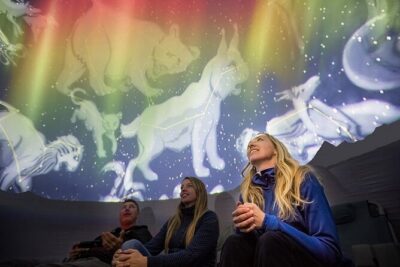
Jasper Planetarium and Telescope Combo Tour Tickets
Read our review →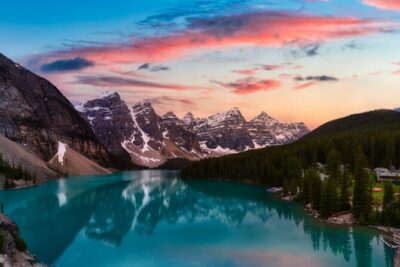
Sunset at Moraine Lake & Stargazing Tour from Canmore/Banff
Read our review →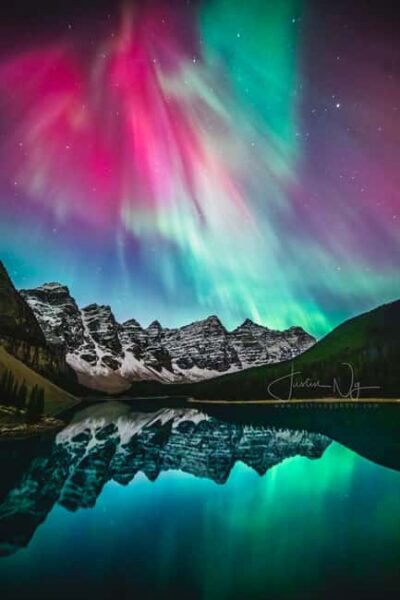
Banff OR Moraine Lake: Night Tour with possible Stargazing
Read our review →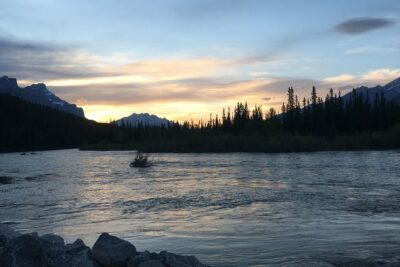
Stargazing and Nature by Nightfall Walking Tour – 2hr
Read our review →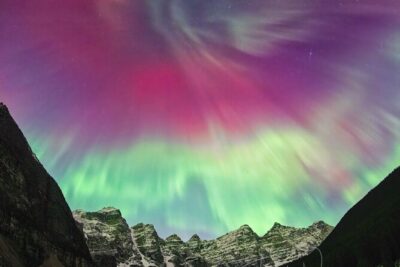
Night Adventure with possible stargazing and Aurora chasing
Read our review →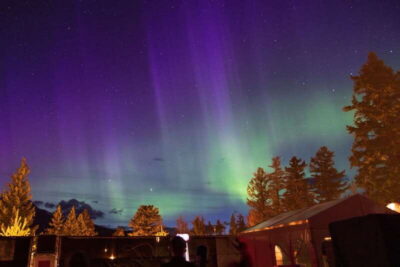
Lists this night appears in