
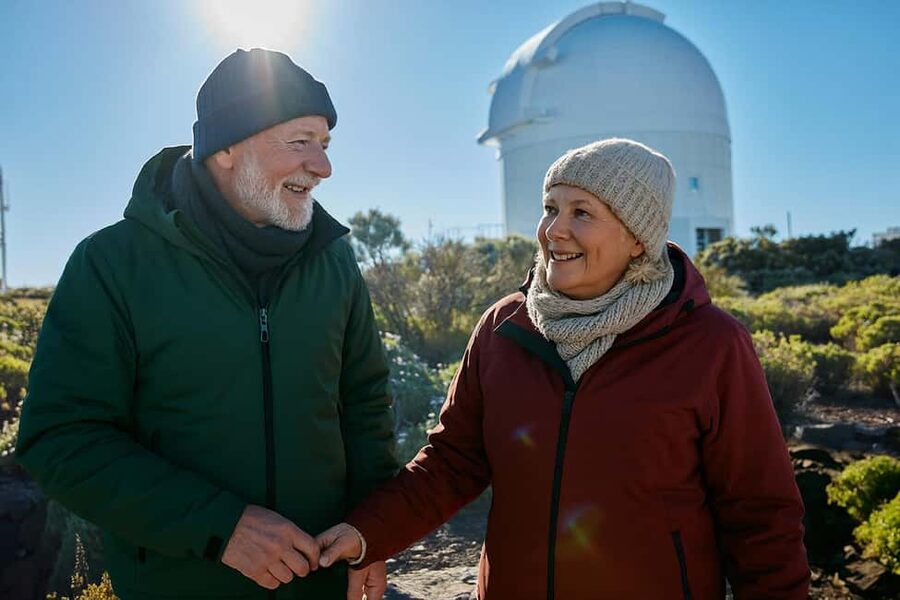
REVIEW · TENERIFE STARGAZING
Tenerife: Stargazing at Mt. Teide
Near Mount Teide’s cable car station, the night sky becomes the main attraction. You’ll use professional telescopes to view planets, galaxies, and other celestial objects, then match what you see with information on nearby monitors. Saturn, Jupiter, the Moon, and bright constellations may all take a turn in the eyepiece.
I like two things here: the equipment gives you a real look at objects that are only points of light at home, and the guides add useful context instead of simply pointing upward. The volcanic setting is another plus. The main catch is that one hour goes quickly, especially if a long explanation leaves less time at the telescopes.
Key points to know
- Saturn and the Moon can be the stars of the show: Past sessions have included striking views of Saturn and an especially clear Moon.
- The telescopes do the heavy lifting: You may see planets, galaxies, and other celestial objects through several instruments.
- Guides speak three languages: English, Spanish, and French are available, with past guides including Maxime and Natasha.
- The setting is high and cold: Bring warm clothes and sturdy footwear, even if Tenerife feels mild by the coast.
- You arrange your own transport: Food and transfers are not included, and the meeting point can vary by booking option.
- This is a focused night activity: At one hour, it works best as part of a Teide evening rather than a full night outing.
Starting near the Teide cable car station
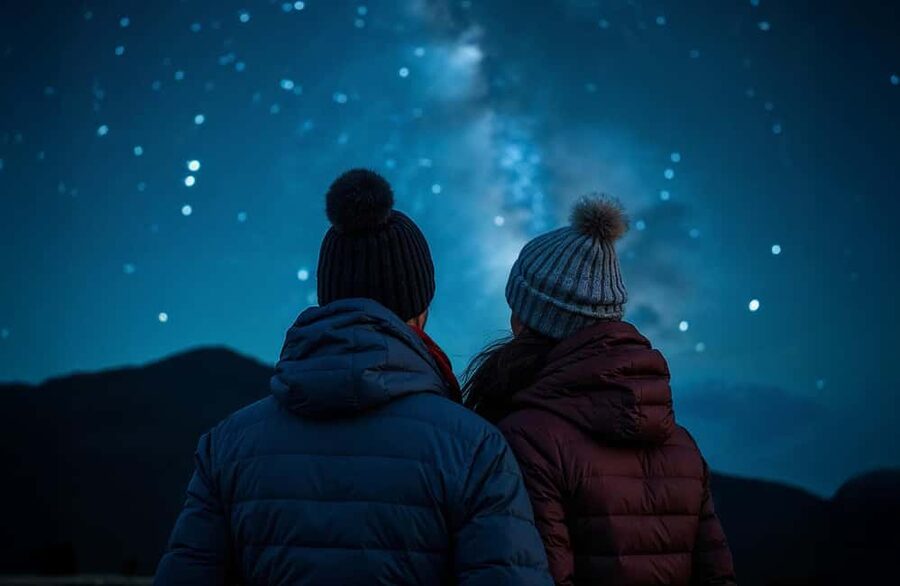
The experience takes place near the cable car base station in Teide National Park. That matters because this is not a city observatory with bright streets and nearby cafés. You are out in a volcanic setting, looking into a darker sky with very little around to distract you.
Your exact meeting point may depend on the option you book, so check the confirmation rather than assuming every session begins at the same spot. One past session began with participants waiting near the closed cable car area until around 10 p.m., when a guide arrived to check tickets and start the activity. That detail is useful: the area can feel quiet and shut down at night, so arrive prepared and do not mistake a dark station for the wrong place.
You need to make your own way there. No transport is included, and food is not provided. If you are planning the drive yourself, allow enough time to find the meeting area and get settled before the start. The information supplied does not give a standard pickup service or fixed meeting point for every booking option.
More Stargazing Tours in Tenerife:
- Tenerife: Teide National Park Sunset & Stargazing Tour
★ 4.2 · 3,812 reviews - Tenerife: Sunset and Stargazing at Teide National Park
★ 4.7 · 2,826 reviews - Teide National Park Sunset & Stargazing with Dinner (Star Safari)
★ 5.0 · 2,601 reviews
What happens during the one-hour session
The evening is short and focused. Your guide introduces the night sky, explains what you are likely to see, and directs you to the telescopes. You then take turns viewing celestial objects through the equipment while the on-site monitors provide extra information.
The monitors are a useful touch. Instead of relying only on a spoken explanation in the dark, you can connect the object in the eyepiece with a clearer visual guide. That helps if you are new to astronomy or need a little help keeping track of what you are seeing.
The exact objects change with the date, the season, and the brightness of the Moon. Past sessions have included Saturn, Jupiter, and the Moon. One particularly strong moment came from Saturn viewed through a telescope, while another session found the Moon exceptionally bright and clear. You should keep your expectations flexible. A telescope can reveal remarkable detail, but planets may still look small, and a bright Moon can make fainter stars harder to see.
The session may also include a look at constellations visible from Teide National Park. This is where the experience can connect the science with the old human habit of reading stories into the sky. Still, the amount of constellation teaching may vary. Some sessions have explained only a few star patterns, so if you want a full astronomy lesson, this is probably too brief.
The telescopes are the real highlight
The professional equipment gives this activity its value. Looking at a photograph of Saturn is one thing. Finding it in a telescope and seeing its shape for yourself is a different kind of experience, even when the view is small.
You may also look at Jupiter, the Moon, galaxies, and other celestial objects. The supplied information does not promise a fixed list, so the guide will work with what is visible that night. This is normal for stargazing. The sky is not a museum display with every object waiting at a marked stop.
The strongest sessions seem to be those where the guide balances explanation with telescope time. One past session was praised for its passionate guide and clear instruction, while another found the talk too long and the telescope portion too short. I would treat that as your main practical question: do you want more astronomy talk, or more time at the eyepiece?
If you are keen to see several objects, listen closely and move efficiently when your turn comes. The total duration is only one hour, and everyone needs a chance to use the equipment. A little patience helps, but so does keeping the explanations moving.
What the guides add
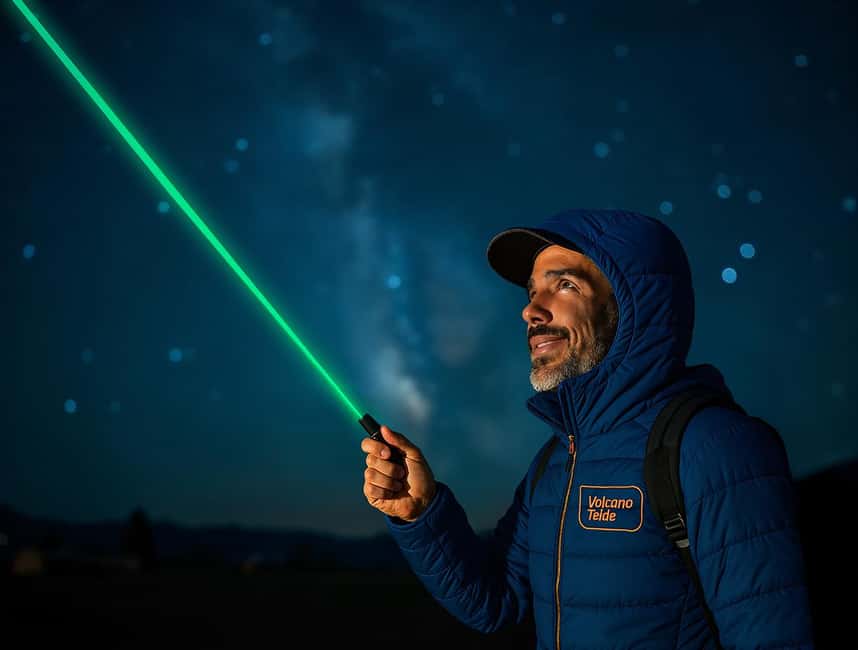
The guides speak English, Spanish, and French. That makes the activity easier to follow for many visitors, especially when the subject includes unfamiliar names, distances, and star patterns.
Maxime led one past session in French and was praised for explaining a great deal during the evening. Natasha and an assistant also received credit for making the astronomy easy to understand. Guide assignments can change, so treat those names as examples rather than a promise for your date.
A good guide makes the difference here. The telescopes are important, but an instrument alone cannot tell you why a point of light matters. The guide gives you the basic map: which planet you are viewing, where a constellation sits, and what you should notice through the lens.
The balance is not always perfect. A few visitors wanted more help identifying constellations and their positions. If that is your priority, ask questions during the session. You may get more from the evening by saying clearly that you want help locating star patterns, not just planets.
Same sky over Tenerife, a different way to watch it:
- Teide National Park: Sunset & Stargazing Safari with Dinner
★ 4.6 · 2,115 reviews - Teide by Night: Sunset & Stargazing with Telescopes Experience
★ 4.5 · 1,492 reviews - Teide: Guided Sunset & Stargazing Tour by Night with Dinner
★ 4.7 · 1,339 reviews - Sunset & Stargazing Experience From Teide
★ 4.5 · 1,129 reviews
The Moon, bright planets, and changing sky conditions
Stargazing is never fully predictable, and this activity does not promise a sky packed with stars every night. The Moon is a major factor. When it is bright, it can be spectacular through the telescope, with sharp detail that makes it one of the best targets of the evening. At the same time, its light can wash out some fainter stars.
That explains why one session produced a less crowded sky than expected. The setting may be far darker than your home, but a bright Moon still affects what you can see. Clouds, visibility, and the seasonal position of objects can also shape the result, although no specific weather guarantee is provided.
I would book this for the telescope views rather than for a promise of stars without end. If the sky is clear, the experience can be memorable. If the Moon is bright, you may get an excellent lunar view but fewer faint stars. That is not a fault with the equipment. It is simply how night skies work.
Cost and value at $47
At $47 per person, the price is reasonable if you value access to proper stargazing equipment and a guide who can explain what you are seeing. You are not paying for a meal, a transfer, or a long evening program. You are paying for a compact astronomy session in a special setting.
The value depends on how you use it. If you are already visiting Teide National Park and can reach the meeting point easily, the price is easier to justify. If you must arrange a difficult late-night drive only for a one-hour activity, the overall cost and effort rise.
The short duration is both a benefit and a limit. It is easy to fit into a larger Teide plan, and you do not have to commit to an entire night. But telescope queues, explanations, and changing targets can make the hour feel tight.
I would consider it good value for someone who has never looked through a serious telescope, or for anyone who wants a guided introduction to the sky above Teide. It is less convincing for a dedicated amateur astronomer seeking a long observing session or detailed constellation work.
Cold weather and getting comfortable
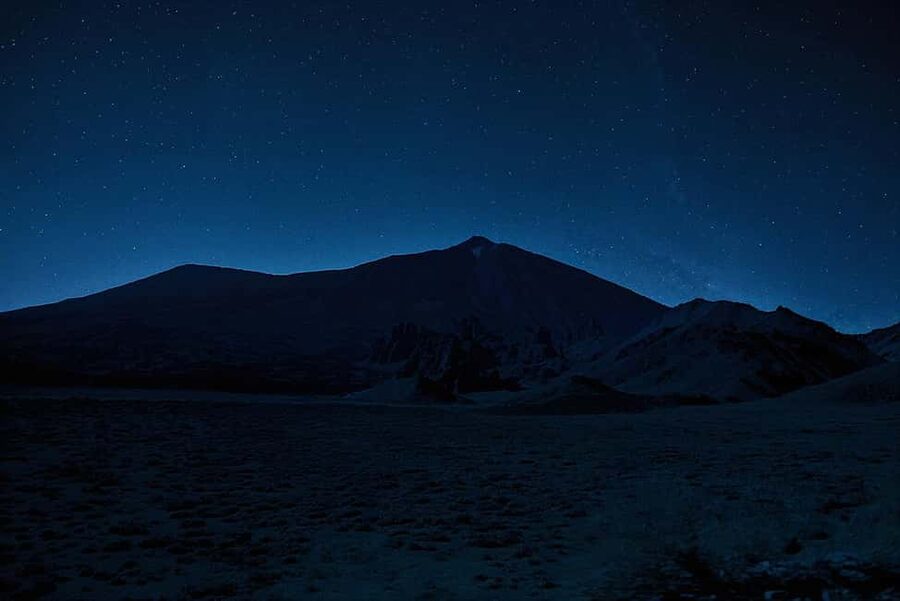
Do not dress for the Tenerife coast. The activity takes place in a high volcanic setting, and the instructions specifically call for warm clothing and sturdy footwear. Wear comfortable clothes that let you stand outside for the session.
The cold is not a minor detail. You may be standing still while waiting for your turn at a telescope, and stillness makes the night air feel colder. Bring extra layers rather than trusting the temperature where you are staying.
Sturdy footwear also matters. The information provided does not describe a long hike, but it does specifically ask for suitable shoes. Follow that advice. This is a practical outdoor activity, not a polished indoor show.
Pets are not allowed. Children must bring a passport or ID card to confirm their age, and the activity is not suitable for children under eight. It is also not suitable for people with mobility impairments, so check the physical requirements carefully before booking.
Who will enjoy this most
I would choose this experience if you want a clear introduction to astronomy without signing up for a long lecture. It suits couples, older children who meet the age requirement, and adults who want a memorable evening in Teide National Park.
It is especially good for people who have never used a telescope. Seeing the Moon or Saturn through the lens gives the evening a clear purpose, and the guide’s explanation helps you make sense of the view.
You may want something else if your main aim is a full constellation course. The session can explain visible star patterns, but the one-hour format may cover only a few. It also may not suit you if you dislike waiting outdoors, need easy access, or expect a guaranteed sky full of stars.
The language choice is a real advantage. Choose an English, Spanish, or French session that lets you follow the guide comfortably. Astronomy is much more enjoyable when you can ask questions and understand the answers.
Booking details worth knowing
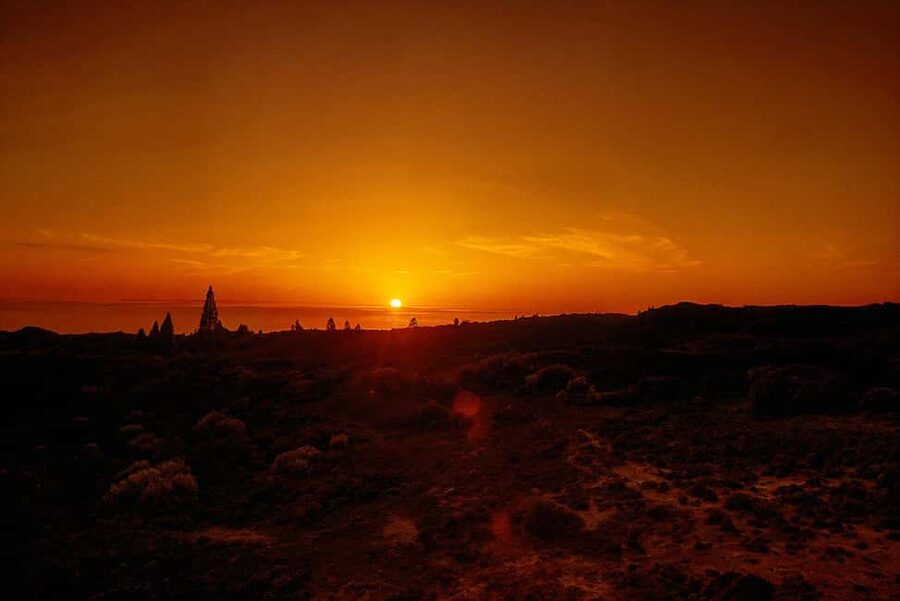
The duration is one hour, and starting times depend on availability. The meeting point can vary by the option booked, so read the booking details closely and confirm where you need to go.
You can cancel up to 24 hours before the activity for a full refund. The reserve-now, pay-later option lets you hold a place without paying at the time of booking, which is useful when your Teide plans depend on weather or changing schedules.
The activity includes the guide and stargazing equipment. It does not include transport or food, so plan both yourself. Bring warm clothing, comfortable clothes, sturdy shoes, and identification for children.
Should you book Mt. Teide stargazing?
Book it if you want a short, guided telescope experience in a memorable volcanic setting. The strongest reason to go is the chance to see objects such as Saturn, Jupiter, or the Moon through professional equipment, with explanations in English, Spanish, or French.
Skip it if you need a long observing session, easy access, or a guaranteed field of faint stars. The Moon can limit star visibility, and one hour leaves only modest time for both teaching and telescope use.
For most first-time stargazers, the combination of the Teide setting, capable guides, and serious equipment makes $47 a fair price. Just arrive warmly dressed, plan your own transport, and think of it as a focused introduction to the night sky rather than a full astronomy course.
FAQ
Where does the stargazing activity take place?
It takes place near the cable car base station on Mount Teide in Teide National Park.
How long does the activity last?
The stargazing session lasts one hour.
What can I see through the telescopes?
You may see planets, galaxies, and other celestial objects. Past sessions included Saturn, Jupiter, and the Moon.
Are guides available in English?
Yes. Guides are available in English, Spanish, and French.
Is transport included?
No. You must arrange your own transport to the meeting point.
Is food included?
No. Food is not included.
What should I wear?
Wear warm clothing, comfortable clothes, and sturdy footwear. The high volcanic setting can feel cold at night.
Can children join the activity?
Children under eight cannot join. Children who meet the age requirement must confirm their age with a passport or ID card.
Are pets allowed?
No. Pets are not allowed.
Can I cancel for a refund?
Yes. You can cancel up to 24 hours in advance for a full refund.
Is the activity suitable for people with mobility impairments?
No. The activity is not suitable for people with mobility impairments.
Fresh listings near Tenerife
- Magic Stargazing & Sunset in Teide with Dinner + Telescopes★ 3.5 · 20 reviews
- Private astronomy tour with sunset toast, picnic, and astrophotography★ 4.8 · 83 reviews
- Mount Teide Night Tour: Stargazing, Dinner and Hotel Pick up★ 3.5 · 86 reviews
- Tenerife: Teide Stargazing with an Astrophysicist★ 4.9 · 74 reviews
- Tenerife: Teide National Park Sunset Picnic and Stargazing★ 4.6 · 117 reviews
- Teide National Park: Stargazing Experience★ 5.0 · 118 reviews
- Tenerife: Mount Teide Observatory Astronomical Tour★ 4.4 · 126 reviews
- Self Drive Sunset & Stargazing in Teide National Park – No Dinner★ 5.0 · 151 reviews
Tenerife Stargazing, side by side.
Teide National Park Sunset & Stargazing with Dinner (Star Safari)
Read our review →
Teide by Night: Sunset & Stargazing with Telescopes Experience
Read our review →
Teide: Guided Sunset & Stargazing Tour by Night with Dinner
Read our review →
Teide Night Experience with Dinner and Stargazing
Read our review →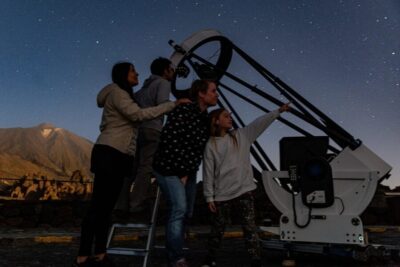
Teide National Park: Guided Large Telescope Stargazing Tour
Read our review →Lists this night appears in