
REVIEW · AUSTRALIA STARGAZING
Vincentia: Jervis Bay Beach Stargazing with an Expert
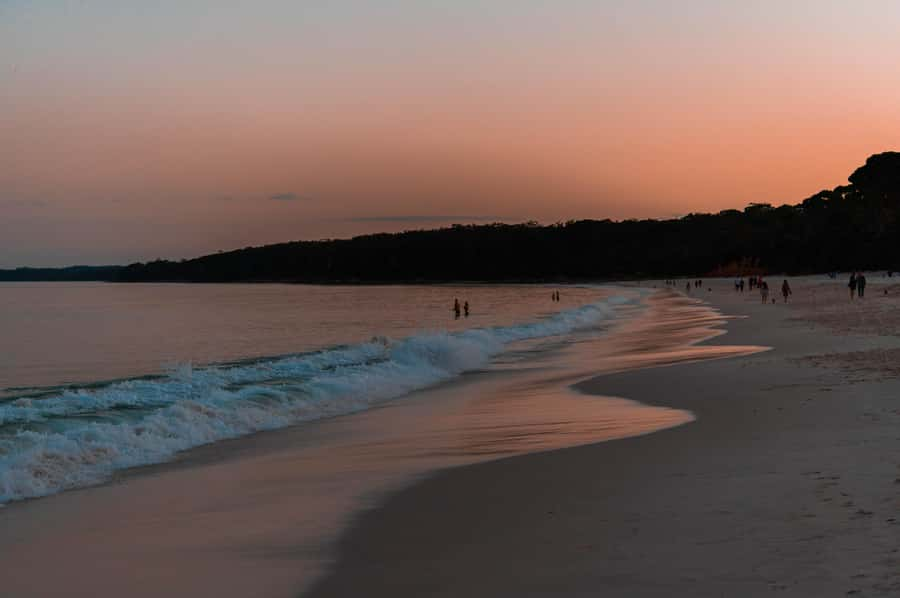
Jervis Bay is a fine place to look up. On this 90-minute Vincentia outing, you leave the city lights behind and listen to the surf while an astrophysicist points out stars, planets, satellites, and old constellation stories. The beach setting gives the session a calm, natural feel, while the equipment adds more than a simple walk beneath the stars.
I especially like the laser-guided explanations, which help you connect bright points of light into recognizable shapes, and the chance to shift between a telescope, astronomy binoculars, and naked-eye viewing. The main catch is weather: clouds can cancel the evening, and the tour needs at least eight participants to run.
Key points before you book
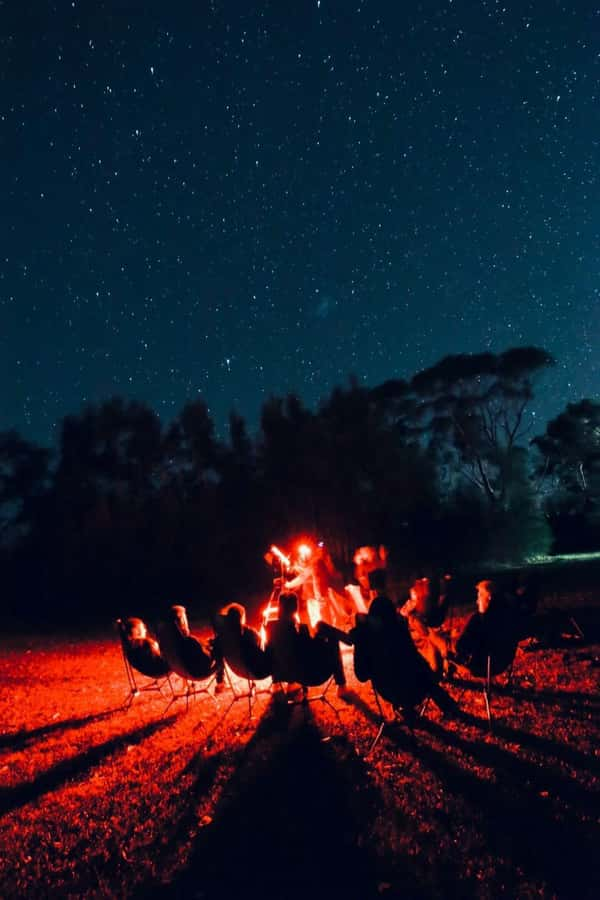
- Beach stargazing in Vincentia: Listen to the waves while viewing the night sky away from city lights.
- Three ways to look up: Use your own eyes, astronomy binoculars, and a state-of-the-art telescope.
- Seasonal sights: The Moon, Saturn, Jupiter, Mars, Venus, star clusters, the Orion Nebula, and the Milky Way may appear at different times of year.
- Stories with a practical purpose: Learn constellation tales, star signs, and simple ways to navigate by the stars.
- Small-to-medium group size: The tour runs with 8 to 20 people, so it should feel more focused than a large coach excursion.
- Weather matters: Overcast skies can cancel the session on the day, with a refund or long-validity credit offered.
Watching the sky meet the sea in Vincentia
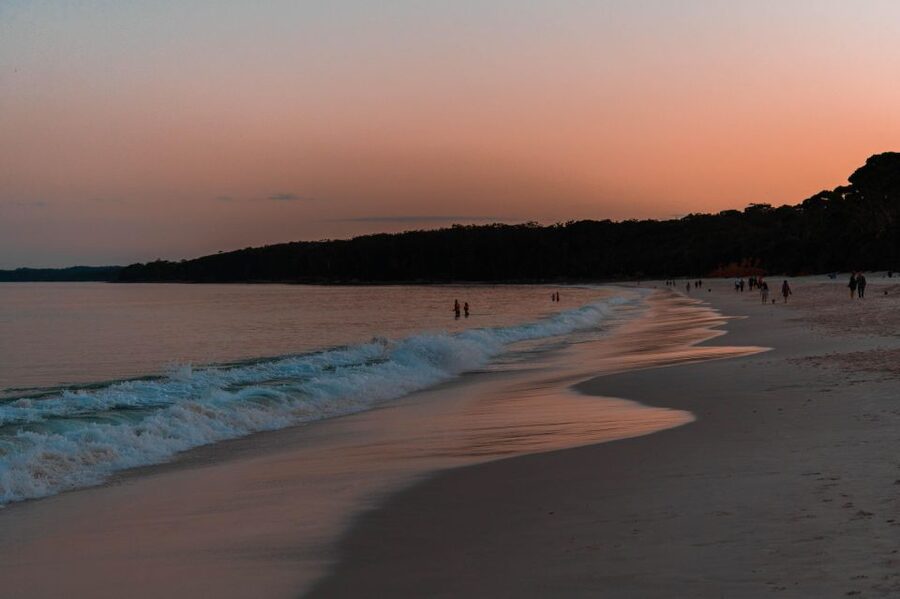
The setting does much of the work here. Your meeting point is a beach in Vincentia, with the exact address sent after booking. That detail is held back until you reserve, so you should not plan around a particular beach access point before receiving the confirmation.
Once darkness settles in, the sound of the waves becomes part of the experience. You are not sitting inside a planetarium with a painted ceiling. You are outside, looking at the actual sky above Jervis Bay, with the coast providing a quiet backdrop.
That makes this a good choice if you want an evening that feels tied to the place you are visiting. The beach is not just a transfer point for an astronomy lesson. It helps you slow down and pay attention. On the other hand, coastal weather can change quickly, and an outdoor activity always asks you to accept a little uncertainty.
The tour lasts 90 minutes. That is long enough for an organized introduction to the night sky without turning into a late-night lecture. You get a clear beginning, a sequence of viewing activities, and time to ask questions before the session ends.
More Stargazing Tours in Australia:
- Pinnacles Desert: Sunset BBQ & Stargazing Tour +Sandboarding
★ 4.8 · 1,555 reviews - Pinnacles Desert Sunset Dinner and Stargazing Tour
★ 5.0 · 1,034 reviews - From Perth: Pinnacles Sunset and Stargazing Tour with Dinner
★ 4.7 · 803 reviews
Starting with the stars you can see without equipment
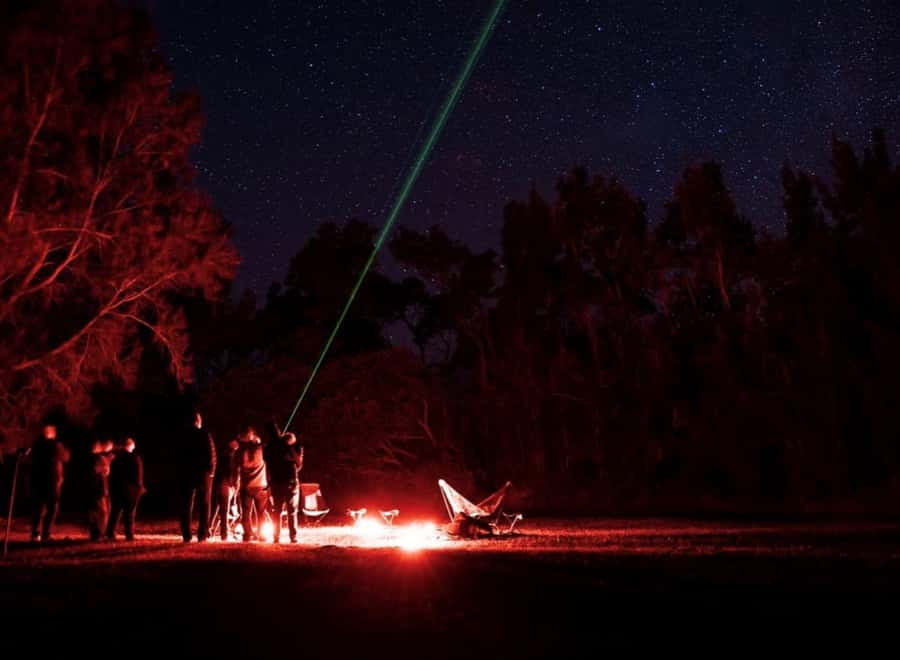
The first layer of the tour is naked-eye astronomy. Your guide uses a laser to point out constellations and explain how the stars appear to form recognizable patterns. This is the part that helps you get your bearings fast, especially if you usually look up and see only a scatter of lights.
You will hear about the history of constellations, antique constellations, star signs, and how other cultures have interpreted the sky. The focus is not only on naming stars. It is also on how people have used the night sky to tell stories, mark seasons, and find direction.
The guide also offers tips for navigation using the stars. You should not expect a full wilderness navigation course in 90 minutes, but the basic ideas can change how you view the sky after the tour. Instead of seeing random lights, you begin looking for patterns and reference points.
The laser pointer is particularly useful in a group setting. Everyone can follow the same line across the sky, and the explanation stays connected to what you are actually seeing. If you are bringing children over six, this visual approach should be easier to follow than a talk based only on technical terms.
Moving from binoculars to a serious telescope
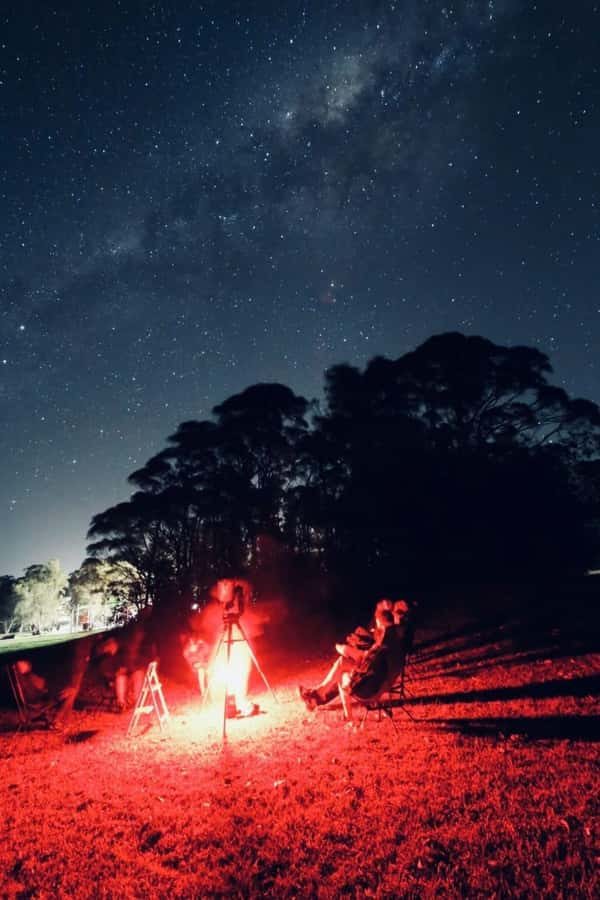
The equipment gives the tour its practical value. Astronomy binoculars offer a wider, more familiar view than a telescope, making them a useful middle step between looking with your own eyes and using magnification.
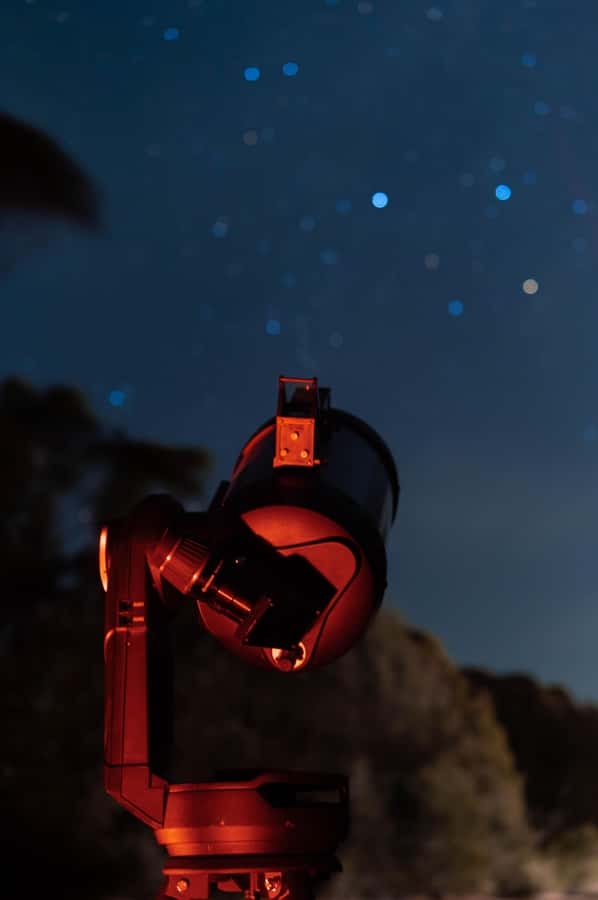
Then comes the state-of-the-art telescope. What appears through it depends on the season and the conditions, but the possible targets include the Moon and its craters and seas, Saturn’s rings, the moons of Jupiter, Mars, Venus, the Orion Nebula, star clusters, double and triple stars, and distant galaxies.
That list is best treated as a menu of possible sights, not a promise for one particular evening. Planets are not visible in the same part of the sky all year, and clouds can make even a bright Moon disappear. Ask your guide what is likely to be available on your date if a particular object matters to you.
The telescope is most valuable for showing detail that your eyes cannot pick out from the beach. The Moon may reveal a surface marked by craters and darker seas. A planet can become a small but meaningful disk. A star cluster can shift from a single hazy patch into a group of separate points.
The experience also includes double and triple stars, along with deep-space objects such as galaxies. These sights can be subtle. You are not visiting a giant observatory with a huge research instrument, so keep your expectations sensible. The reward is the act of seeing a real object in the sky through a telescope, not a polished image like the ones used in astronomy books.
Seasonal sights, from Orion to the Milky Way
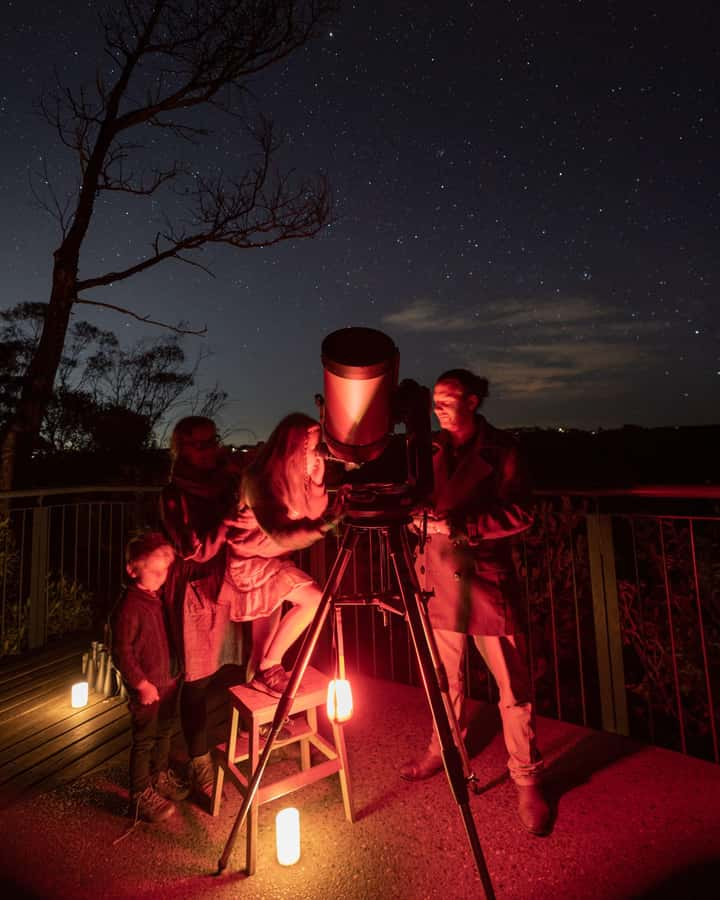
The timing of your booking affects what you may see. Orion is specifically listed as a seasonal possibility, so it will not necessarily be part of every session. The same is true of the Moon, planets, and the Milky Way.
Depending on the time of year, the sky may also reveal satellites, the International Space Station, the Tiangong Space Station, or shooting stars. These are chance-based sights. A guide can help you understand what to watch for, but nobody can schedule a meteor or guarantee that a space station will pass overhead during the 90 minutes.
The Milky Way is another possible highlight. Dark skies make its broad band easier to notice, but visibility depends on clouds, moonlight, light pollution, and the season. If you hope to see it, ask about the best dates and the expected moon phase before booking.
This uncertainty is part of the charm, but it is also the reason to avoid booking with a single fixed image in mind. A clear night with the Moon may offer excellent lunar viewing but reduce the contrast of faint stars. A moonless night may give the Milky Way a better chance while making the beach much darker.
Same sky over Australia, a different way to watch it:
- Pinnacles Sunset Stargazing Dinner Experience Small Group Tour
★ 4.5 · 396 reviews - Uluru: National Park Astronomy Tour with Telescope and Photo
★ 4.4 · 357 reviews - Stargazing with an Astronomer in the Blue Mountains
★ 5.0 · 243 reviews - Perth: Pinnacles Desert Sunset & Stargazing with Dinner
★ 4.3 · 215 reviews
The guide turns facts into stories
The tour is led in English by an astrophysicist. That matters because you can ask questions at the telescope rather than simply wait your turn for a view. The session includes a dedicated question-and-answer period, so you have room to ask about what you are seeing or about astronomy more broadly.
The storytelling covers constellation history and star signs, as well as constellations from other cultures. That wider view keeps the talk from becoming a simple list of Greek names. You are given several ways to understand the same sky.
I also like the blend of practical advice and imagination. One moment you may be learning how to use stars for navigation. The next, you may be hearing how earlier societies connected those stars into figures and stories. That combination makes the activity suitable for adults who want useful information and families who need something more engaging than a technical talk.
The guide’s style is important here. A verified June 2025 booking described the guides as friendly, funny, and well informed, with the beach atmosphere adding to the evening. That matches the format of the session, which leaves room for conversation instead of forcing you through a rigid sequence of exhibits.
Group size and the feel of the evening
The maximum group size is 20 people, and the minimum is eight. You can book fewer than eight, but the operator will tell you up to 24 hours before the tour if the minimum has not been reached. If the session cannot run, you receive a refund.
A group of 8 to 20 is a reasonable range for telescope viewing. It is large enough to create a social atmosphere but smaller than a mass-market sightseeing activity. Still, telescope viewing takes turns, so patience matters. If you want a private tour, the minimum is eight people, rising to 15 on weekends.
For families, the minimum age is six. Children under six and babies under one are not suitable for the activity. The beach setting, darkness, and equipment mean younger children may find the session difficult even if they enjoy looking at stars.
The tour is not wheelchair-accessible and is not dog-friendly. You should also leave alcohol and drugs out of the plan, including alcoholic drinks in any vehicle used for the activity.
What the $65 price includes
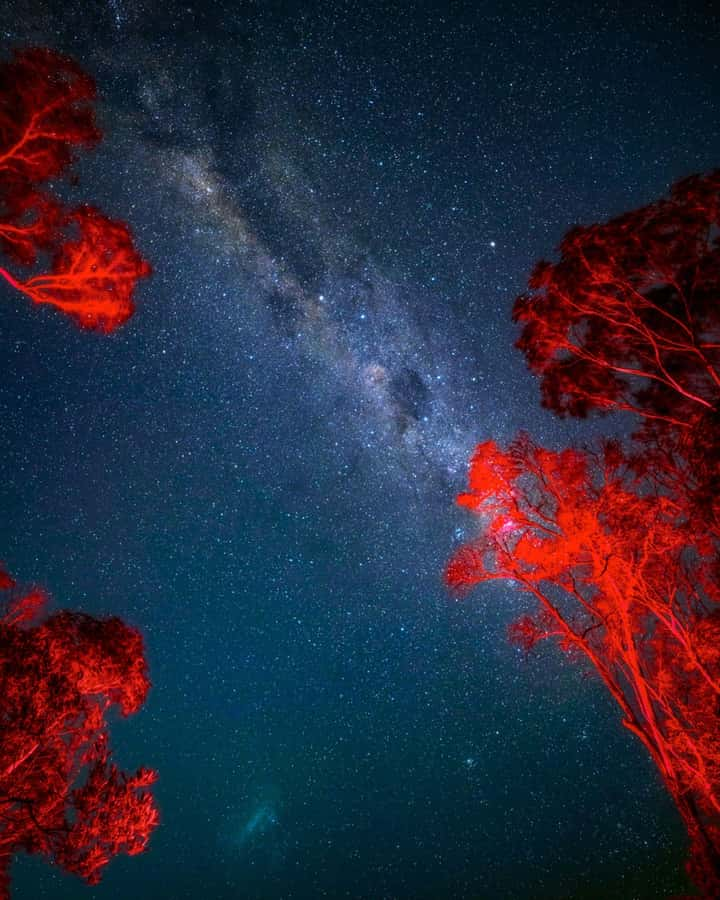
At $65 per person, the price is fair if you value guided interpretation and access to equipment. You are not paying only for 90 minutes of standing on a beach. The fee covers an astrophysicist guide, laser-led constellation explanations, astronomy binoculars, a telescope, questions and answers, and a digital night photography souvenir.
The telescope is the main value question. If you already own a good telescope and know the sky well, the session may feel less essential. For most visitors, though, the cost avoids the need to buy, carry, set up, and learn to use astronomy equipment during a short holiday.
The included digital photo is a pleasant extra. It gives you something to keep after the evening, though it should not be treated as a replacement for your own photographs. Night photography is difficult without the right camera settings, and a prepared souvenir gives you a cleaner record of the experience.
There is also a useful flexibility option: you can reserve now and pay later. That helps if you are arranging a Jervis Bay trip before your schedule is settled.
Weather, cancellations, and the practical details
Cloud is the biggest risk. If the sky is overcast, the operator sends a cancellation email at 3 pm on the day of the tour. You may then choose a refund, with a 5 percent service fee retained, or a credit valid for three years. The credit can be transferred to another person and used for a Jervis Bay or Blue Mountains stargazing experience.
One February booking was cancelled because of cloud, but the customer received a gift card for a later viewing and found the guide understanding about the conditions. That is a useful reminder: a cancellation is disappointing, but it is not evidence that the activity was poorly organized. Astronomy cannot be separated from the weather.
The supplied booking information gives two different cancellation statements. One says you can cancel up to 24 hours in advance for a full refund, while another says guest cancellations are non-refundable. Because of that conflict, check the exact terms shown at checkout before paying. No-shows are non-refundable, and rescheduling is allowed up to 24 hours before the start time.
Wear clothing suitable for an outdoor evening, though the supplied details do not specify a dress code. Arrive ready for darkness, sand, and a session that takes place beside the sea rather than inside a heated venue.
Who will enjoy this Vincentia stargazing tour?
I would recommend it to couples looking for a quiet evening, families with children over six, and anyone curious about astronomy but unsure where to begin. It also suits people who want a local activity that does not depend on a long drive or a packed sightseeing schedule.
It is especially useful for first-time stargazers. The guide gives you a starting point, the equipment lets you see more than you could with your own eyes, and the stories help you remember what you saw.
You may want to skip it if you need a guaranteed list of planets, dislike outdoor activities, require wheelchair access, or find waiting for telescope turns frustrating. It is also not the best choice if your plans cannot cope with a same-day weather cancellation.
Should you book the Vincentia beach stargazing experience?
Book it if you like the idea of a real night sky, a beach setting, and an expert who can explain what you are seeing without making the subject feel too heavy. The best reasons to go are the mix of naked-eye viewing, binoculars, and telescope work, plus the chance to hear constellation stories while the waves roll in.
Just keep the conditions in mind. You need at least eight participants, the exact beach location arrives after booking, and clouds can cancel the night. If you accept those limits, $65 buys a focused, friendly introduction to the sky and a memorable way to spend an evening in Jervis Bay.
FAQ
Where does the stargazing tour meet?
The tour meets at a beach in Vincentia. You receive the exact address after booking.
How long does the experience last?
The stargazing session lasts 90 minutes.
How much does the tour cost?
The listed price is $65 per person.
What equipment is included?
The experience includes a state-of-the-art telescope and astronomy binoculars.
What might I see through the telescope?
Depending on the season and conditions, you might see the Moon, its craters and seas, Saturn’s rings, Jupiter’s moons, Mars, Venus, the Orion Nebula, star clusters, double or triple stars, and distant galaxies.
Can I see the Milky Way or a space station?
Depending on the season and sky conditions, you might see the Milky Way, satellites, the International Space Station, Tiangong Space Station, or shooting stars. None of these sights is guaranteed.
What happens if the sky is cloudy?
For overcast conditions, the operator sends a cancellation notification at 3 pm on the day of the tour. You can choose a refund, with 5 percent service fees non-refundable, or a credit valid for three years.
Is the tour suitable for children?
Children from six years old can attend. Children under six and babies under one are not suitable for this activity.
Is the experience wheelchair-accessible and dog-friendly?
The tour is not wheelchair-accessible and does not allow dogs.
Fresh listings near Australia
- Blue Mountains: Stargazing with a Telescope and Astronomer★ 4.4 · 21 reviews
- Gold Coast: Glow Worms, Sunset & Stargazing with BBQ dinner★ 4.5 · 3 reviews
- Pinnacles Desert Sunset Stargazing Adventure Tour from Perth★ 5.0 · 25 reviews
- Jervis Bay Beach Stargazing Tour with our Astronomer★ 5.0 · 35 reviews
- Brisbane: Glow Worms, Sunset, Telescope Stargazing & Dinner★ 4.0 · 15 reviews
- Exmouth: Summer Sunset Turtle Watching and Stargazing Tour★ 5.0 · 2 reviews
- Esperance: Astronomy Night Experience★ 5.0 · 5 reviews
- Brisbane: Glow Worms, Sunset, Star Gazing & BBQ★ 4.4 · 26 reviews
Australia Stargazing, side by side.
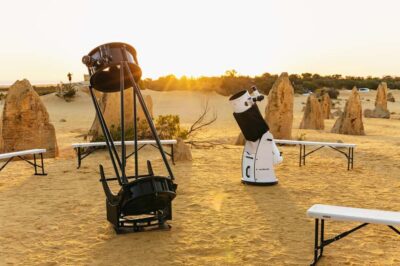
Pinnacles Desert: Sunset BBQ & Stargazing Tour +Sandboarding
Read our review →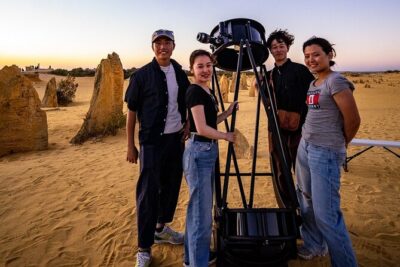
Pinnacles Desert Sunset Dinner and Stargazing Tour
Read our review →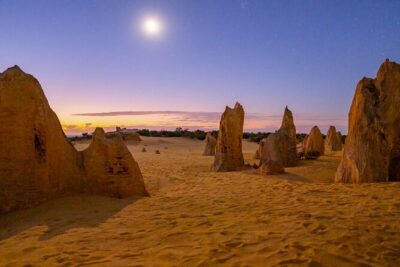
Pinnacles Sunset Stargazing Dinner Experience Small Group Tour
Read our review →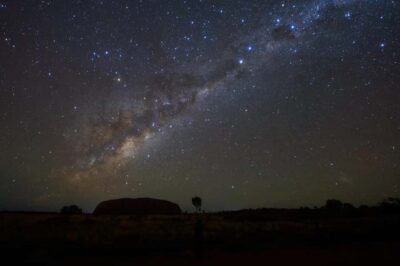
National Park Astronomy Tour with Telescope and Photo
Read our review →
Stargazing with an Astronomer in the Blue Mountains
Read our review →
Pinnacle Desert Sunset and Night-time Stargazing Tour from Perth
Read our review →
Small-Group River Murray Dark Sky and Sunset Tour with Dinner
Read our review →
Jervis Bay Beach Stargazing Tour with our Astronomer
Read our review →Lists this night appears in