
REVIEW · AUSTRALIA STARGAZING
Stargazing with an Astronomer in the Blue Mountains
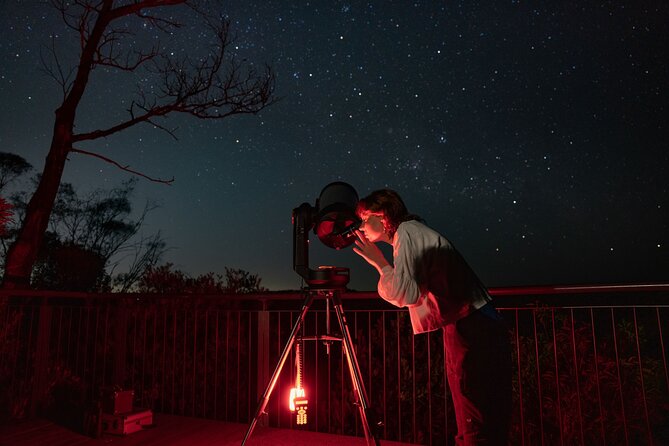
The Southern Cross is the star of this 90-minute night-sky experience. From the Blue Mountains, you can watch it appear as daylight fades, then learn to pick out constellations with your own eyes before turning to a professional telescope. Depending on the season and conditions, the session may bring you views of Saturn’s rings, Jupiter’s moons, the Orion Nebula, star clusters, galaxies, or the Moon’s craters.
I like the mix of serious astronomy and easygoing comforts. You get an astrophysicist with more than ten years of experience, laser-guided storytelling, binoculars, a high-grade telescope, questions and answers, and hot chocolate when conditions allow. The main drawback is weather: wind, cloud, and poor visibility can change the outdoor plan, and the stated bad-weather terms should be checked carefully before you book.
Key points at a glance
- Southern Hemisphere highlights: Learn to identify the Southern Cross and other constellations that are unfamiliar to many visitors from the Northern Hemisphere.
- A proper telescope: The equipment can show far more than a casual look at the sky, including planets, nebulae, double stars, and distant galaxies.
- A 90-minute format: The tour is long enough to cover naked-eye astronomy, telescope viewing, storytelling, and questions without taking up a whole evening.
- Small enough to feel personal: Numbers are capped at 20 people, which helps when it is your turn at the telescope or when you want to ask a question.
- Weather plan: At 1 pm on the day, you may be offered a transferable credit for another date or an indoor planetarium session if the sky is unsuitable.
- Comfort and access: Warm or cold drinks may be provided, the meeting point is near public transportation, and wheelchairs, strollers, and service animals are supported.
Why the Southern Cross makes this Blue Mountains night special
The appeal here is not simply looking at stars. It is learning how to read a sky that may look completely different from the one you know at home.
For many people from North America and Europe, the Southern Cross is the big prize. It is one of the best-known patterns in the southern sky, and it has a useful place in local navigation and culture. You do not need prior astronomy experience to appreciate it. The guide helps you find it without equipment, then explains what you are seeing as twilight fades.
The timing matters. The session moves from sunset into twilight and then into the darker night sky. That gradual change gives you time to get your eyes and attention adjusted. Instead of arriving in total darkness and immediately facing a wall of stars, you watch the sky change in stages.
I also like that the experience does not treat the telescope as a magic box. You first learn some basic sky markers, then use the equipment with a better sense of direction. That makes the telescope views more meaningful. You are not simply shown a bright dot. You have some idea of where it sits and why it matters.
More Stargazing Tours in Australia:
- Pinnacles Desert: Sunset BBQ & Stargazing Tour +Sandboarding
★ 4.8 · 1,555 reviews - Pinnacles Desert Sunset Dinner and Stargazing Tour
★ 5.0 · 1,034 reviews - From Perth: Pinnacles Sunset and Stargazing Tour with Dinner
★ 4.7 · 803 reviews
What happens during the 90-minute session
The meeting point is at Wentworth Falls Lookout Track in New South Wales, and the activity finishes back there. The setting is within the World Heritage-listed Greater Blue Mountains area, giving the evening a strong sense of place even before the astronomy begins.
The exact order can shift with the season, the time of sunset, and the night’s visibility. You should expect a practical, interactive session rather than a fixed parade of objects.
1. Getting oriented under the evening sky
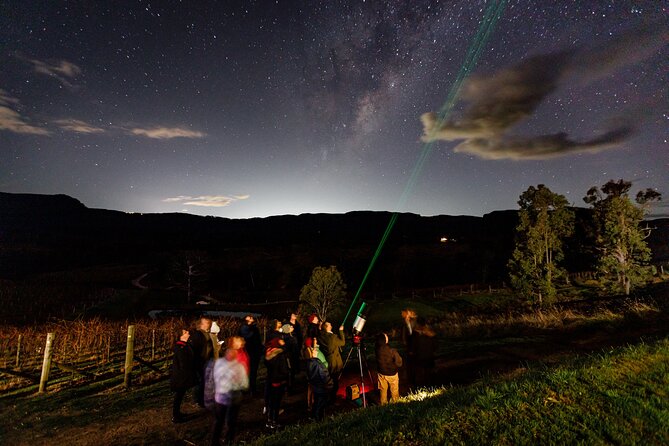
The guide begins by helping you notice the sky with your own eyes. This is the part that can be easy to skip on a telescope-focused outing, but it is useful. You learn how to recognize constellations and major star patterns without relying on an app or a printed chart.
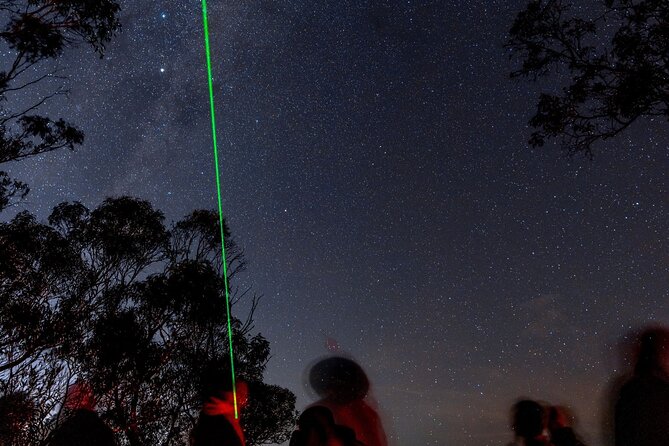
A laser pointer is used for constellation storytelling. That lets the guide connect the stars into shapes and explain the stories or ideas attached to them. The format is designed for questions, so you can ask about something you see rather than wait for a formal lecture to finish.
The guide may be an astrophysicist with more than ten years of experience. Nathan is named in the tour feedback, while Tom and Alka have also led sessions. The common thread is a clear interest in explaining astronomy to ordinary people, not just specialists. That is important because a good night-sky guide needs to explain difficult ideas without making you feel as if you have wandered into a science exam.
2. Using binoculars and the telescope
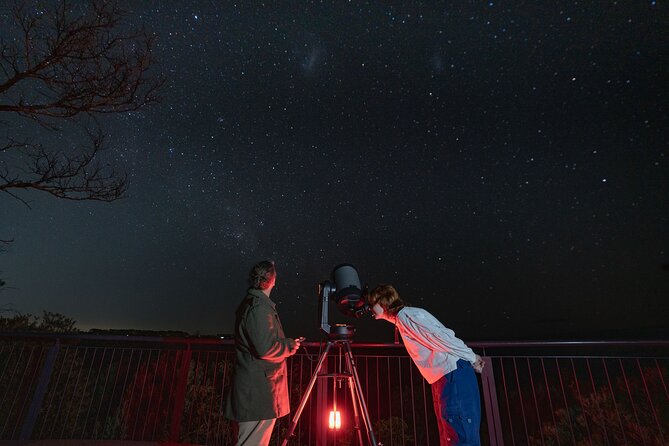
After the naked-eye introduction, the group moves to the equipment. Astronomy binoculars help bridge the gap between looking up and looking through a telescope. They can make star fields easier to explore while you wait for your turn at the main instrument.
The professional-grade telescope is the main attraction. Depending on the sky and calendar, possible targets include the Moon, Mars, Venus, Saturn, Jupiter, the Orion Nebula, star clusters, double and triple stars, galaxies, and parts of the Milky Way.
There is no guarantee that any one object will appear. The Moon may be below the horizon, a planet may not be in a useful position, or clouds may block the view. That is normal for astronomy. The value lies in having a skilled guide choose suitable targets for that particular night.
You should also expect different kinds of views. A planet may appear as a small, sharp disk rather than a huge image. A nebula can look delicate and dim. A star cluster may show as a tight spray of points. The excitement comes from seeing a real celestial object through optical equipment, not from expecting a giant cinema image.
Same sky over Australia, a different way to watch it:
- Pinnacles Sunset Stargazing Dinner Experience Small Group Tour
★ 4.5 · 396 reviews - Uluru: National Park Astronomy Tour with Telescope and Photo
★ 4.4 · 357 reviews - Perth: Pinnacles Desert Sunset & Stargazing with Dinner
★ 4.3 · 215 reviews - Pinnacle Desert Sunset and Night-time Stargazing Tour from Perth
★ 4.5 · 120 reviews
3. Questions, stories, and hot chocolate
The final part is not just filler between telescope turns. The question-and-answer period gives you room to ask about planets, stars, satellites, galaxies, or anything that came to mind during the session.
The guides are praised for making the information easy to follow and for engaging with the group. That is a strong fit for families, first-time stargazers, and adults who are curious but do not want a technical astronomy class.
Hot chocolate is provided as a complimentary drink when conditions allow. Warm blankets have also been part of the experience on some nights, though you should not treat either detail as guaranteed in every situation. The supplied information says warm or cold drinks are weather dependent, while the tour description specifically mentions hot chocolate.
That small comfort matters in the Blue Mountains. Night air can feel chilly, and standing still while waiting for telescope turns makes the cold more noticeable. Dress for the evening rather than for the afternoon you spent sightseeing.
How much does the $60.97 price offer?
At $60.97 per person, this is not a cheap way to spend an hour and a half. It is also more than a simple lookout visit, because you are paying for an astronomy guide, organized equipment, interpretation, and a structured chance to view objects that are difficult to find alone.
I see the value in the guide and telescope combination. A free look at the sky can be wonderful, but finding Saturn, a nebula, or a distant galaxy without help takes time and experience. Here, the guide handles the locating and explains what you are seeing. The maximum group size of 20 is another positive. It is not a private session, but it should be more manageable than a large coach-style group.
The value is strongest if you enjoy learning as well as looking. If all you want is a quick photograph of a starry sky, you may find the price harder to justify. If you want context, equipment, and a chance to ask questions, the cost is more reasonable.
Booking about 24 days ahead is the average pattern, so popular dates may fill before your trip. That does not mean you need to reserve months ahead, but I would not leave this until the final evening of a short Blue Mountains stay.
Weather is the biggest practical risk
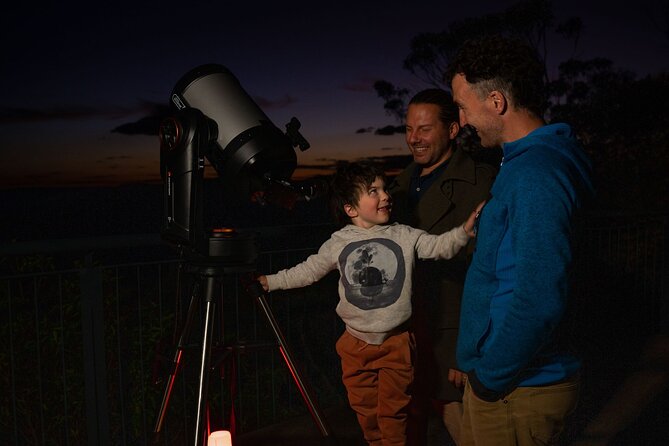
Astronomy depends on clear skies, and this experience cannot control cloud, rain, or wind. One person had the viewing moved from the lookout to a park because it was windy. That is a useful warning: the advertised meeting area may not be the exact place where every telescope session takes place.
At 1 pm on the day of the tour, the operator sends weather information. If you have not received an email by then, the outdoor stargazing session is confirmed. If bad weather affects the plan, you are offered two choices:
- A gift voucher or credit to reschedule, transferable to another person and valid for three years
- An alternative 90-minute indoor planetarium astronomy session, if at least eight people are booked for it
The published information also says no refund is offered in the event of bad weather, while the general cancellation terms refer to a different date or a full refund if the operator cancels for poor weather. Those statements do not fully match. I would contact Blue Mountains Stargazing before booking if weather flexibility is important to you, and I would read the current confirmation terms carefully.
The indoor planetarium option can save the evening, but it is not the same experience. You would be inside a dome with a powerful projector and cinema-style presentation rather than under the real sky. It is a useful fallback, not a substitute if your main goal is telescope viewing.
Who will enjoy this most?
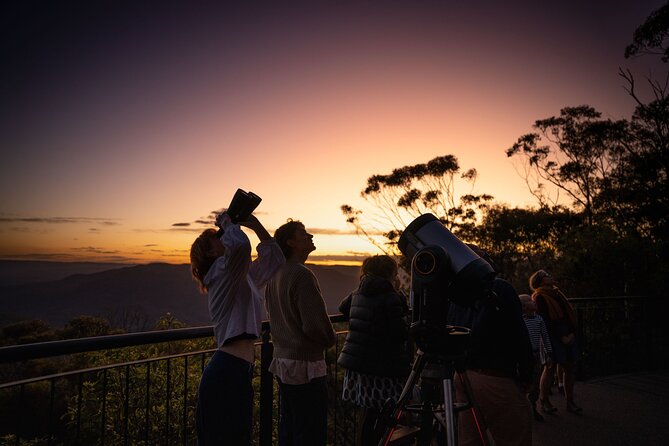
This suits first-time stargazers particularly well. You do not need to know the names of stars or understand astronomy before arriving. The guide starts with simple visual clues and builds from there.
Families can also make good use of the format, provided children are comfortable standing outside at night and listening for 90 minutes. The telescope, laser pointer, and changing sky give younger visitors something concrete to watch. The question period helps keep the session active.
It is also a strong choice for couples and solo visitors who want an evening activity beyond the usual lookout photographs. The Southern Cross gives the outing a clear Australian character, especially for visitors from the Northern Hemisphere.
The experience may be less suitable if you need a guaranteed list of objects. No responsible astronomy tour can promise Saturn, Mars, the Orion Nebula, or any other target on a particular night. The tour description makes clear that the objects depend on the time of year and the conditions.
Accessibility is a positive point. Wheelchair and stroller users can participate, and service animals are allowed. Most people can take part, and the meeting point is near public transportation. Still, because the session is outdoors and may shift from the lookout to a nearby park, I would ask the operator about the surface and exact viewing position if you have specific mobility needs.
English and French guidance
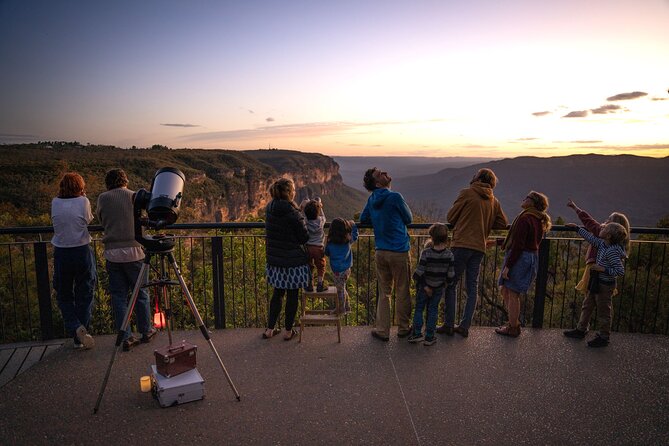
The experience is available in English and French. That makes it easier for more visitors to follow the explanations, especially during the constellation stories and question period.
The language option matters because astronomy depends on small differences in meaning. A guide can point to a star, but the real value comes from explaining what it is, how far away it may be, and why it appears where it does. Choose the language in which you are most comfortable asking questions.
What to bring and how to plan your evening
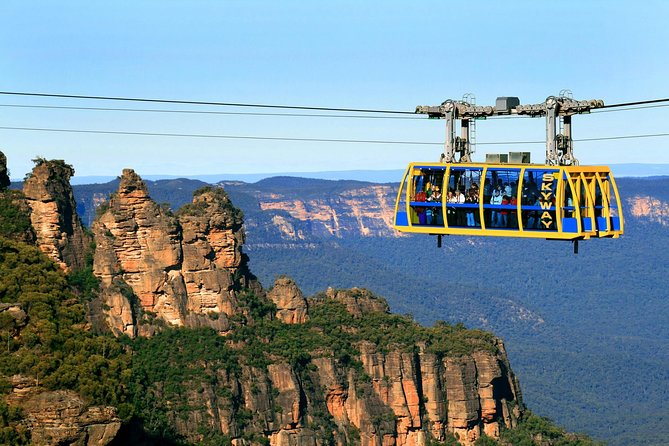
Wear warm layers and comfortable shoes. The supplied information does not give a strict clothing list, but night viewing means standing outside, and warmth becomes more important when you are waiting for your turn at the telescope.
Keep your schedule flexible around the 1 pm weather update. Do not plan a nonrefundable dinner immediately after the session unless you are comfortable with possible changes. The activity lasts about 90 minutes and returns to the meeting point, but the exact flow can depend on conditions.
You may want to pair it with other Blue Mountains sightseeing earlier in the day, then arrive with enough time to find Wentworth Falls Lookout Track. The meeting point is in New South Wales, and the tour ends where it starts, which makes onward planning simpler.
Mobile tickets are accepted. Confirmation is sent within 48 hours of booking, subject to availability. The experience is nonrefundable if you cancel or request an amendment for personal reasons, so choose your date carefully.
My take on the Blue Mountains Stargazing experience
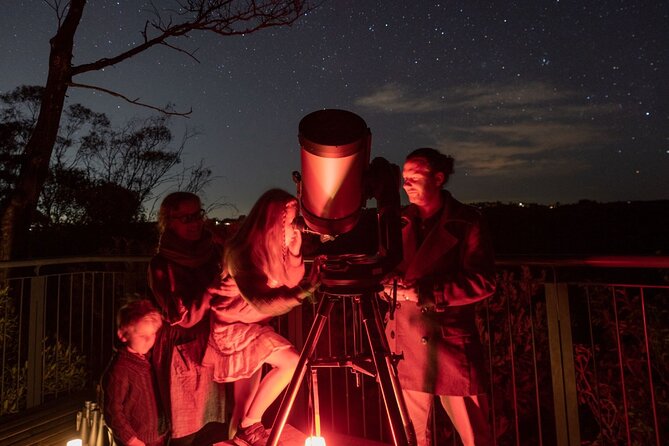
The strongest part is the guide-led transition from a familiar sunset to an unfamiliar southern sky. You learn where to look, why the stars matter, and how the telescope changes what your eyes can see.
Nathan, Tom, and Alka are associated with the sessions described here, and the most consistent praise is for clear explanations, enthusiasm, and friendly answers. Hot chocolate helps, but it is not the reason to book. The real draw is having an astrophysicist make the sky feel readable.
The weak point is outside anyone’s control. A windy or cloudy night may force a change of location or an indoor plan. You should book this as a flexible astronomy evening, not as a guaranteed Saturn or galaxy viewing.
Should you book it?
Book this experience if you want a guided introduction to the Southern Hemisphere sky, especially if seeing the Southern Cross would be new for you. The telescope, 20-person maximum, 90-minute length, and question period give it good value for curious visitors.
Skip it if you need certainty about the weather, a private group, or a specific planet. For everyone else, it is a thoughtful Blue Mountains evening activity, with real science, a strong local setting, and enough warmth from the guides and hot chocolate to make the night comfortable when the sky cooperates.
FAQ
Where does the stargazing tour start?
It starts at Wentworth Falls Lookout Track in New South Wales, Australia. The activity ends back at the meeting point.
How long does the experience last?
The stargazing session lasts approximately 90 minutes.
What can I see through the telescope?
Depending on the season and conditions, you might see the Moon, Mars, Venus, Saturn’s rings, Jupiter’s moons, the Orion Nebula, star clusters, double or triple stars, galaxies, and parts of the Milky Way.
Is the experience suitable for wheelchair and stroller users?
Yes. The activity is described as wheelchair and stroller accessible. Service animals are also allowed.
What happens if the weather is bad?
At 1 pm on the day, you may be offered a transferable credit to reschedule or an indoor 90-minute planetarium astronomy tour. The indoor option requires a minimum of eight people to run.
Is the tour offered in languages other than English?
Yes. English and French are available.
How many people can join the tour?
The maximum group size is 20 travelers.
Fresh listings near Australia
- Brisbane: Glow Worms, Sunset, Star Gazing & BBQ★ 4.4 · 26 reviews
- Perth: Pinnacles Stargazing, Sandboarding & Beach Kangaroos★ 5.0 · 3 reviews
- Kalbarri Skywalk: Sundowner and Stargazing Tour★ 4.9 · 9 reviews
- Kalbarri Stargazing Tour★ 5.0 · 2 reviews
- Kalbarri Skywalk Sundowner and Stargazing Tour★ 5.0 · 6 reviews
- Kalbarri Stargazing Tour★ 5.0 · 7 reviews
- Small-Group River Murray Dark Sky and Sunset Tour with Dinner★ 5.0 · 70 reviews
- Pinnacle Desert Sunset and Night-time Stargazing Tour from Perth★ 4.5 · 120 reviews
Australia Stargazing, side by side.
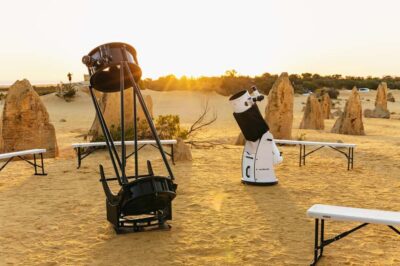
Pinnacles Desert: Sunset BBQ & Stargazing Tour +Sandboarding
Read our review →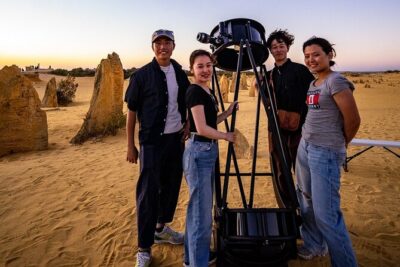
Pinnacles Desert Sunset Dinner and Stargazing Tour
Read our review →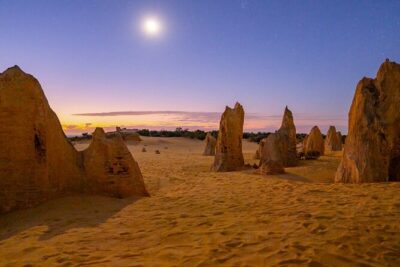
Pinnacles Sunset Stargazing Dinner Experience Small Group Tour
Read our review →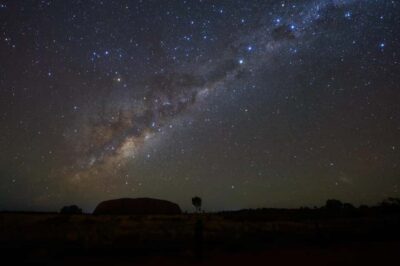
National Park Astronomy Tour with Telescope and Photo
Read our review →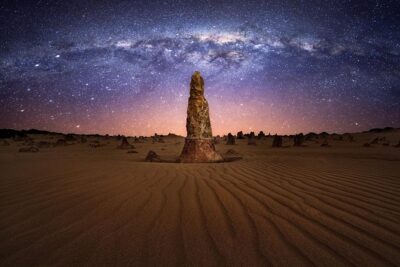
Pinnacle Desert Sunset and Night-time Stargazing Tour from Perth
Read our review →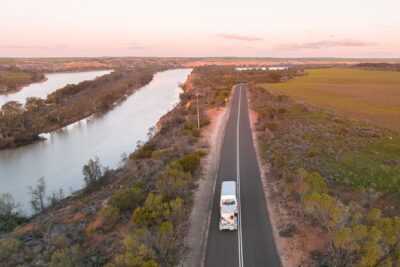
Small-Group River Murray Dark Sky and Sunset Tour with Dinner
Read our review →
Brisbane: Glow Worms, Sunset, Star Gazing & BBQ
Read our review →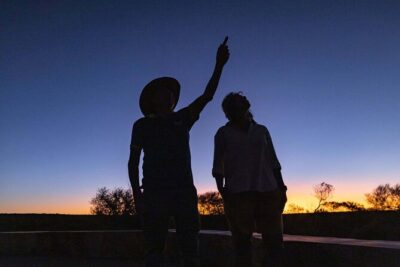
Lists this night appears in