
REVIEW · DESERT STARGAZING SAFARIS
Stargazing Night in the Tabernas Desert
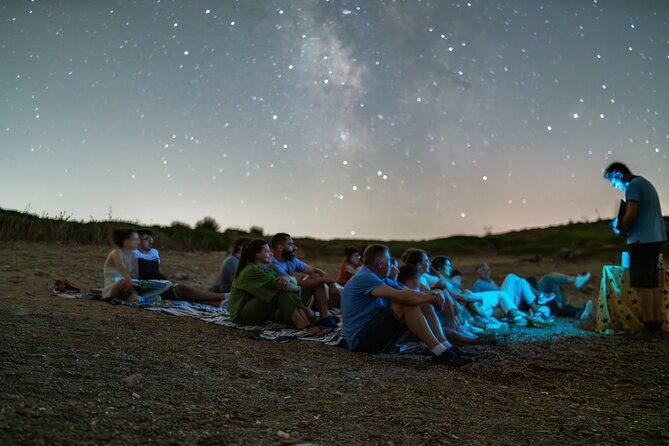
The best part of this night in the Tabernas Desert is the setting: far from city lights, you get a clear view of the sky above one of Spain’s driest regions. The guide, Gonzo, or Gonzalo, mixes astronomy with mythology, science, and the story of the Western films made here. I especially like the professional telescopes and the way the session teaches you how to find stars without equipment. The included blankets also matter, since desert nights can feel cold even after a warm day.
The main drawback is that this is an outdoor activity ruled by the weather and the Moon. Clouds can cancel the session, and a bright Moon may reduce the number of faint stars you see, though it gives you a fine look at lunar craters. You also need to arrange your own way to the meeting point unless you reserve the optional transfer.
Key points before you book
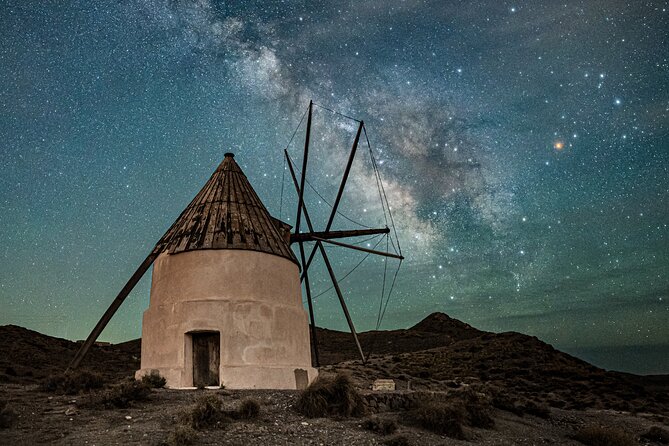
- A truly dark setting: The viewing point lies away from city light in the Tabernas Desert, near the Sierra Alhamilla Natural Area.
- Gonzo leads the night: Expect a lively English-language guide who explains constellations, planets, myths, and basic astronomy in an easy way.
- Five-minute walk: You walk from the meeting point to the observation area, so sensible shoes help.
- Professional equipment included: Telescopes may reveal the Moon, Jupiter, Saturn, star clusters, binary stars, galaxies, and other deep-sky objects visible that night.
- Small group format: The maximum group size is 15 people, giving you a better chance to ask questions.
- Plan for cold and transport: Blankets are provided, but a warm coat is wise. Transfers from Almeria City or Retamar cost extra and must be requested in advance.
Why the Tabernas Desert works so well after dark
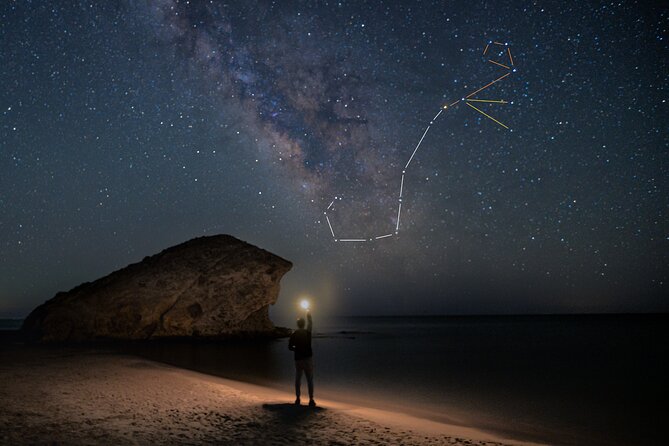
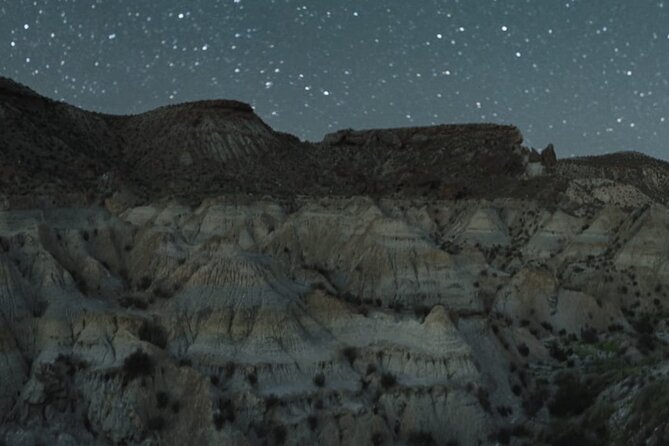
The Tabernas Desert is famous in daylight for its dry hills and Western-film settings. At night, the appeal changes completely. The lack of nearby artificial light lets the sky take over, and the quiet helps you notice details that are easy to miss from a city balcony.
The meeting point is at a marked esplanade near MiniHollywood, at the location code 2H9F+RQ, Tabernas. Your guide waits with a soft red light. That small detail is useful rather than decorative: red light helps preserve your night vision as you get ready to look upward.
You begin with a short introduction to the dark sky and the area. The session also connects the stars with the Western movies filmed around Tabernas, giving the evening a local thread instead of making it feel like a generic astronomy lecture in a random field.
I like that combination. You get science, place, and film history without needing a separate daytime tour. If you have already visited the movie sets, this gives the area a fresh second act. If you have not, the setting still works on its own.
More Desert Stargazing Safaris in Spain:
- Tabernas Desert: Stargazing with Telescopes
★ 5.0 · 19 reviews - Dubai Red Dunes ATV, Camels, Stargazing & 5* BBQ Al Khayma Camp
★ 5.0 · 21,620 reviews - Dubai: Sunset Camel Trek, Al Khayma Camp, Stargazing & BBQ
★ 4.8 · 2,588 reviews
The five-minute walk to Sierra Alhamilla
From the esplanade, you walk for about five minutes toward the viewing point. During this short walk, the guide introduces the Sierra Alhamilla Natural Area and helps the group get settled.
This is not a strenuous hike. Still, you are walking outside at night, so closed shoes are a sensible choice. The supplied details do not describe a paved path or seating at the site, so you should be ready to stand, sit on a blanket, or request a camping chair in advance if one is available.
The chair costs €3 per person and is not automatic. That is worth considering if you have back or mobility concerns, or if you simply do not want to sit on the ground. Service animals are allowed, and most people can take part.
Once you reach the viewing point, the group spends roughly one hour and 40 minutes looking at the sky and working through the evening’s objects. The exact program changes with the season, the Moon, and the weather.
What you learn during the telescope session
The astronomy lesson begins with the main constellations visible on the night of your visit. You learn how to recognize them and how to use positional astronomy to orient yourself. In plain terms, the guide helps you understand where to look instead of simply pointing at a bright object and naming it.
That skill is one of the strongest reasons to choose this activity. A telescope can show you an impressive object, but learning how to locate the Big Bear, the North Star, or another constellation gives you something to use later. You can take that knowledge back to your hotel terrace or a dark beach and try finding the patterns again.
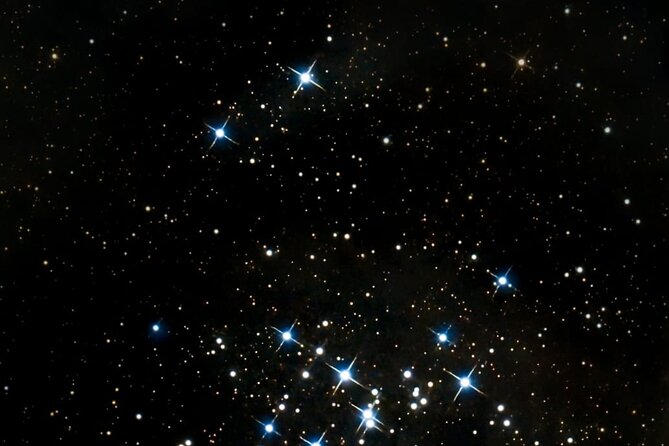
The telescope portion may include open clusters, globular clusters, binary stars, planets, the Moon, and distant galaxies. No single list can be guaranteed because the sky changes each night. Still, the examples from past sessions give you a useful idea of the range.
The Moon can be a star of its own. If it is visible, you may see its craters in close detail and learn how they formed. A bright Moon can wash out some faint stars, so there is a tradeoff: a moonlit night may be less ideal for seeing the dimmest objects, but it can produce the most immediate and impressive telescope view.
Past sessions have included Jupiter and its moons, Saturn and its rings, a comet, star clusters, and a galaxy. These sightings depend on timing and conditions, so treat them as possible highlights, not promises. Even when a particular planet is not visible, the guide can work with the objects available that night.
Gonzo’s teaching style and the family appeal
Gonzo is the personality at the center of the experience. He presents astronomy with energy and humor, and his explanations move between physical facts and the old stories attached to constellations.
That mix suits people who want more than a silent telescope queue. You may hear why a constellation received its name, then shift to an explanation of stars, the Big Bang, or the way planets appear through the telescope. The teaching style is designed to keep beginners involved, while curious children and teenagers have enough visual material to stay interested.
I would consider this a strong choice for families. A 12-year-old can enjoy the planets and Moon, while an adult may appreciate the clearer explanation of how to orient yourself in the sky. The small maximum group of 15 also helps keep the session personal. You are not being moved through a large crowd with only a few seconds at the eyepiece.
The activity is offered in English. The information provided does not list other languages, so English should be comfortable for the main explanations and questions.
More Stargazing Tours in Spain:
- Tenerife: Teide National Park Sunset & Stargazing Tour
★ 4.2 · 3,812 reviews - Tenerife: Sunset and Stargazing at Teide National Park
★ 4.7 · 2,826 reviews - Teide National Park Sunset & Stargazing with Dinner (Star Safari)
★ 5.0 · 2,601 reviews - Teide National Park: Sunset & Stargazing Safari with Dinner
★ 4.6 · 2,115 reviews
What the two-hour format feels like
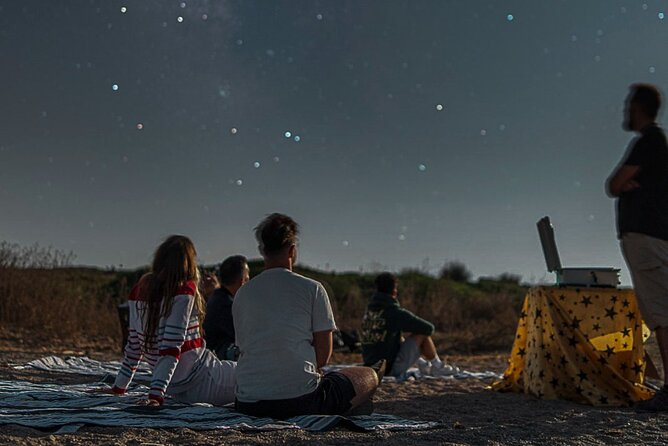
Two hours is a sensible length for this kind of night. It gives the guide time to explain the sky, let people view several objects, answer questions, and adjust to changing conditions without turning the outing into an all-night commitment.
The first five minutes are spent walking and hearing about Sierra Alhamilla. The remaining time centers on the observation point. The pace can change as the guide waits for a planet or star to appear in a good position, or as the group takes turns with the telescope.
You should not expect a fixed theater-style show. Stargazing has built-in pauses, and the night’s best sights depend on conditions. That is part of the appeal, but it also means the experience may feel less predictable than a museum visit.
Blankets are included for sitting or lying on the ground. Bring extra warm clothing in winter. The desert may be hot in the afternoon and chilly after sunset, and a blanket is helpful but does not replace a coat.
A personalized picture with the starry night is available for €12 per booking. It is optional, so the core activity remains focused on the sky rather than add-ons.
Is $30.07 good value?
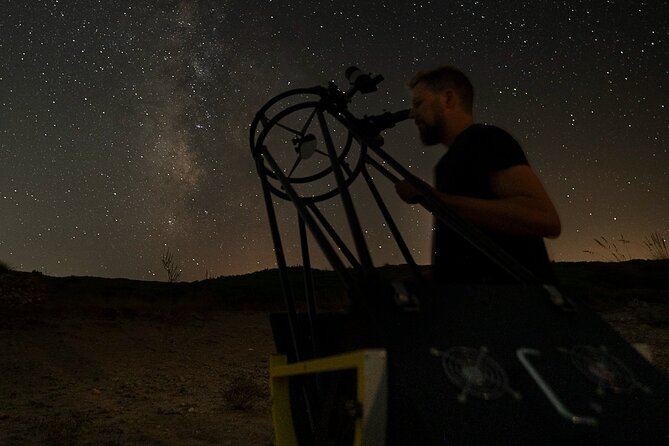
At $30.07 per person, the price is reasonable for a two-hour guided astronomy session with professional telescopes and a certified astronomical monitor. The value comes from more than the equipment. You are also paying for access to a dark viewing location, help identifying what you see, and an organized experience that would be difficult to reproduce on your own.
The included blankets are a practical touch. If you had to rent equipment, find a safe dark spot, learn the sky, and work out what the telescope was showing, the cost and effort would rise quickly. The guide’s role matters most for beginners, since an expert can turn a bright point into a meaningful sight.
The optional extras change the final cost. A camping chair adds €3 per person. A transfer from Retamar or Almeria City costs €25 per person, subject to advance request and availability. That transfer can make the tour much easier if you do not have a car, but it also brings the total well above the advertised base price.
The activity does not list food or drinks as standard inclusions. Some past arrangements included hospitality from hosts Jackie and Charlie, but you should not assume refreshments are part of every booking. Bring what you need for a two-hour outdoor session unless the provider confirms otherwise.
Getting to the meeting point without stress
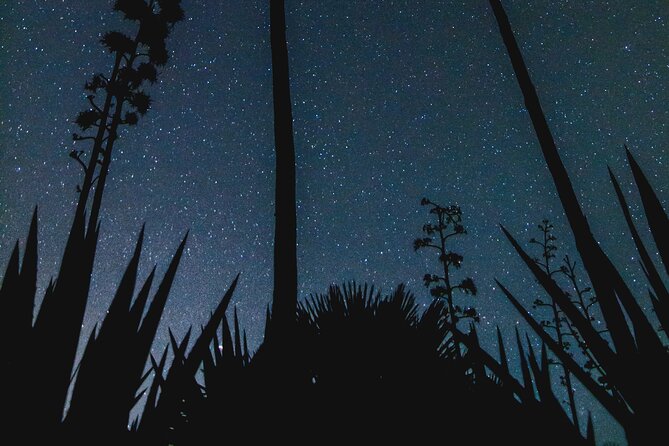
You meet at the marked esplanade near MiniHollywood, not at the city center. The route information says you pass by or drive past MiniHollywood before arriving at the red-pin meeting location.
This is the part of the outing that deserves your attention before booking. Exact directions are provided, and parking is available right at the meeting point according to the supplied information. Still, the desert setting can make a night arrival feel less obvious than reaching a busy attraction.
Give yourself time to find the location. If you become lost, the hosts have been able to help people reach the meeting point, but it is better to arrive early than to spend the first part of the session searching for the group.
The activity returns to the same meeting point at the end. There is no separate finish location, and the standard booking does not include transport from Almeria City or Retamar.
Who should book this night
I would choose this for you if you want a clear introduction to astronomy rather than a specialist observatory program. The explanations cover basic orientation, constellations, mythology, and visible objects, so you do not need prior knowledge.
Families should find the format useful, especially with older children and teenagers who can appreciate the Moon, Jupiter, Saturn, and the stories behind the constellations. Couples and solo visitors who enjoy quiet outdoor settings should also find the desert atmosphere rewarding.
It may not suit you if you dislike sitting or lying on the ground, feel uncomfortable driving to an isolated meeting point, or want a guaranteed list of planets. Astronomy cannot offer that promise. The tour also depends on a minimum number of people, and poor weather can lead to a cancellation or a new date.
You can cancel for a full refund up to 24 hours before the start time. Changes or cancellations inside that window are not accepted for a refund. If bad weather cancels the experience, or the minimum group size is not reached, you are offered another date or experience, or a full refund.
What to bring for a better night
Keep your packing simple but practical:
- A warm coat, especially in winter
- Closed shoes for the short walk
- Water for the outdoor session
- Patience for pauses between telescope views
- A camping chair only if you request one ahead of time and availability is confirmed
The provider supplies professional telescopes and blankets. You do not need to bring astronomy equipment. A phone may be useful for directions, but avoid using a bright screen near the viewing area since it can interfere with night vision.
Should you book the Tabernas stargazing night?
Book it if you want to see the Tabernas Desert from a quieter, more unusual angle. The strongest reasons are the dark location, Gonzo’s lively teaching, the chance to view planets and deep-sky objects through professional telescopes, and the practical small-group limit.
I would be cautious only if transport is a problem or you need a guaranteed clear sky and fixed list of sights. For everyone else, $30.07 is a fair price for a two-hour introduction that combines astronomy with the local film setting. Request the transfer or chair early, dress warmer than you think necessary, and check the weather before setting out.
FAQ
Where does the stargazing activity meet?
The meeting point is at 2H9F+RQ, Tabernas, Spain, on a marked esplanade near MiniHollywood. The guide waits with a soft red light.
How long does the experience last?
The activity lasts about two hours. You walk for roughly five minutes to the viewing point, then spend about one hour and 40 minutes observing the sky and learning about astronomy.
Is the tour offered in English?
Yes. The activity is offered in English.
What equipment is included?
Professional telescopes, blankets for lying or sitting on the ground, and a certified astronomical monitor from the Starlight Foundation of the Canary Islands Astrophysics Institute are included.
Can I reserve a camping chair?
You can request a camping chair in advance, subject to availability. The cost is €3 per person.
Is transport from Almeria City or Retamar included?
No. Transport from Retamar or Almeria City costs €25 per person and must be requested in advance, subject to availability.
What can I see through the telescopes?
Depending on the night, you may see the Moon and its craters, planets such as Jupiter or Saturn, star clusters, binary stars, galaxies, and other deep-sky objects. The exact sights depend on weather, timing, and visibility.
How many people can join the activity?
The maximum group size is 15 people.
What happens if the weather is poor?
The experience requires good weather. If it is canceled because of poor conditions, you are offered another date or experience, or a full refund. You can also cancel up to 24 hours before the start time for a full refund.
Fresh listings near Spain
- Small Group Teide Stargazing Tour with Picnic at Sunset★ 5.0 · 3 reviews
- VIP Sunset & Stargazing experience★ 4.5 · 44 reviews
- Sunset and stargazing from Teide★ 3.5 · 51 reviews
- Tenerife Exclusive & Private Gastronomic, Sunset-Stargazing★ 5.0 · 3 reviews
- “Stargate” Tenerife stargazing★ 5.0 · 13 reviews
- Skip the Line: Teide Observatory Entrance Ticket★ 3.0 · 33 reviews
- Sunset & Stargazing Experience from Teide★ 4.0 · 31 reviews
- TEIDE NIGHT Astronomy Stargazing Bus Tour, Meal & Drinks included!★ 4.0 · 15 reviews
Desert Stargazing Safaris, side by side.
Dubai Red Dunes ATV, Camels, Stargazing & 5* BBQ Al Khayma Camp
Read our review →
Sunset Camel Trek, Al Khayma Camp, Stargazing & BBQ
Read our review →
Overnight Safari, Dinner, Stargazing & Al Khayma Camp
Read our review →
Dubai Overnight Desert Safari, BBQ & Stargazing at Al Khayma Camp
Read our review →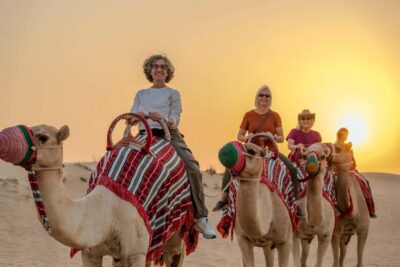
Evening Desert Safari with Camel Ride & Stargazing
Read our review →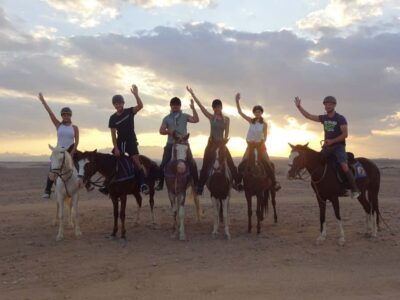
Sea & Desert Horse Tour, Stargazing, Dinner & Show
Read our review →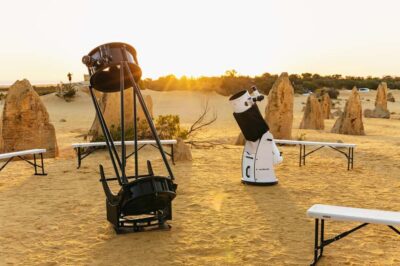
Pinnacles Desert: Sunset BBQ & Stargazing Tour +Sandboarding
Read our review →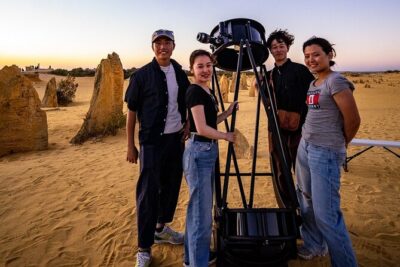
Pinnacles Desert Sunset Dinner and Stargazing Tour
Read our review →Lists this night appears in