
REVIEW · NATIONAL PARK STARGAZING
Sequoia National Park: Group Stargazing Program
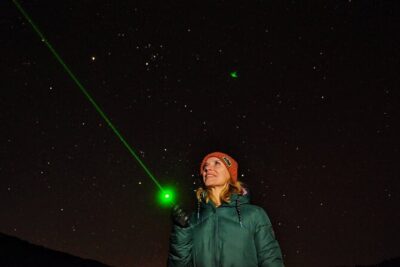
The best part of this Sequoia program is simple: you can spend an hour under a dark mountain sky without hiking or making a long drive back to your lodging. Scott uses a laser pointer to trace constellations, then connects them to science, mythology, and living traditions from cultures around the world.
I like the easy access and the mix of topics. You can learn why stars behave as they do, hear how different cultures read the sky, and still enjoy a calm evening outdoors. The Potwisha location is only about 10 minutes inside the park, while the General Sherman Tree meeting point is about 10 minutes from Wuksachi Lodge or Lodgepole Campground.
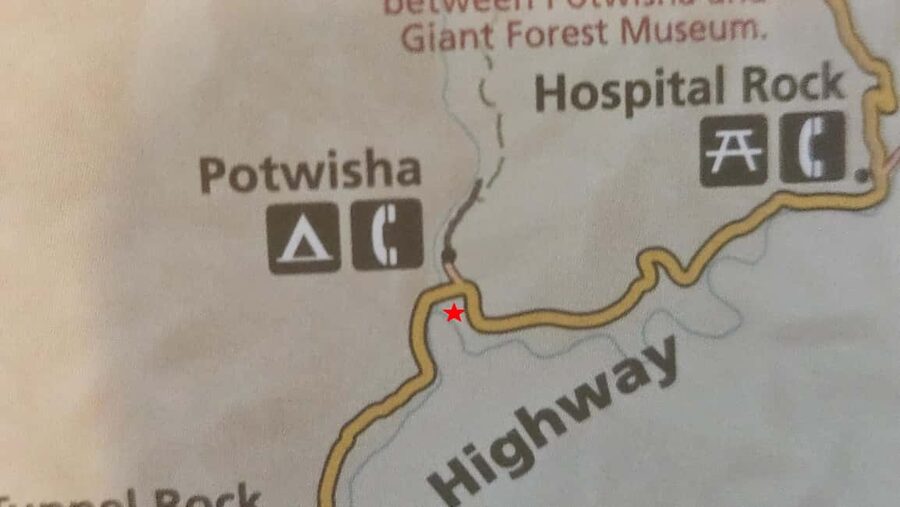
The main drawback is the setting itself. In full darkness, the meeting area can feel spooky, and there is no cell coverage at Potwisha. You need warm clothing, a flashlight, and a clear plan for finding the red lights across the road from the campground.
Key things to know
- Scott brings more than a laser pointer: Star maps, a 3D solar system model, a Saturn model, hand warmers on cold nights, and current astronomy topics make the hour useful for beginners and space fans.
- Potwisha keeps the drive short: The overflow lot is about 10 minutes from the Three Rivers entrance station, so you do not need to climb deep into the park for a night program.
- The General Sherman option suits park lodgers: The parking area is about 10 minutes from Wuksachi Lodge or Lodgepole Campground.
- Stories are part of the program: You will hear constellation myths and cultural traditions alongside explanations of modern space science.
- No hiking is required: You can sit or stand while looking up, and seating is available by request for ADA needs.
- Bring the right gear: Nights can be cold, and a flashlight matters because the Potwisha meeting point has no cell service.
Why this one-hour sky program works
Sequoia National Park is famous for giant trees, but night changes the experience completely. Once the sun goes down, the focus shifts from trunks and trails to stars, planets, constellations, and the scale of space. This program gives you a simple way to make that change without committing to a late hike or a long drive.
The session lasts one hour. That is long enough to learn a useful set of constellations and ask questions, but short enough to fit into a busy park visit. I see this as a good evening add-on after a day among the sequoias, especially if you are staying nearby and do not want to spend the rest of the night behind the wheel.
Scott has led stargazing programs in Sequoia for 11 years. His role is more than pointing at stars. He explains the science behind what you see, tells stories connected to the night sky, and makes room for questions from different age groups. The program has worked well for children, first-time stargazers, couples, and adults who already know a bit about astronomy.
The tone is relaxed. You may sit or stand, and the supplied materials give you something concrete to follow. The star maps, also called planispheres, can help you understand how the sky changes by season. The 3D models of the solar system and Saturn add a hands-on element, especially useful if you are traveling with children who may find a long spoken explanation hard to follow.
More National Park Stargazing in the USA
- Stargazing in Zion National Park’s International Dark Sky
★ 5.0 · 73 reviews - Astro-Photo, Hiking and Stargazing Tour in Arches National Park
★ 5.0 · 63 reviews - Private Stargazing – Sequoia National Park
★ 4.5 · 14 reviews
Choosing between Potwisha and General Sherman
You meet at one of two locations inside Sequoia National Park. The right choice depends mainly on where you are staying and how much driving you want to do after dark.
Potwisha Overflow Lot is across the Generals Highway from Potwisha Campground. It is about 10 minutes inside the park from the Three Rivers entrance station, which makes it the more convenient option if you are lodging in Three Rivers or near the lower park entrance. The meeting area is not inside the campground. It is in the overflow parking lot on the opposite side of the road.
This detail matters. The campground entrance is on one side of the highway, but the program meets across the road. Scott sets up red lights to mark the spot. There is no Google Maps location for the exact meeting area, so study the provided meeting photos before you arrive and do not rely on mobile navigation at the last minute.
Potwisha has an additional benefit in winter, when more starting times may be available there. You still need to check the schedule for your date, but the location can make a night program easier to fit into a lower-elevation park visit.
The General Sherman Tree parking area is the better choice if you are staying at Wuksachi Lodge or Lodgepole Campground. It is an easy 10-minute drive from either location, which is a real advantage after a dark program. You can return to your lodging without making the long descent toward Three Rivers.
The exact sky conditions can change from night to night, and special astronomical events happen only when nature allows. You might see an unusual event such as a passing comet or nova, but these are not promised. The dependable part is the guided explanation of the visible sky, not a rare event on a fixed schedule.
What happens during the hour
The program begins at the meeting point, where Scott gets the group settled. You can sit or stand as you look overhead. Seating is available upon request for mobility needs, so contact the provider before the session if you need a chair.
The first part usually centers on orientation. Scott uses a laser pointer to identify stars and constellations, helping you connect individual points of light into recognizable patterns. For a beginner, this is valuable because the night sky can seem like a random field of stars at first.
From there, the hour moves between astronomy and cultural stories. You may learn how a constellation received its familiar name, then compare that story with how another culture understood the same stars. This approach gives the sky a human meaning without leaving science behind.
The cultural material can include traditions from around the world. One family from Hawaii specifically appreciated learning about Māori and Hawaiian connections to the sky. That kind of discussion is useful if you want more than a list of constellation names. It shows that people have used the stars for memory, navigation, storytelling, identity, and ideas about the future.
Scott also discusses current scientific findings and space missions. The content is not limited to old mythology or basic star facts. If someone in your group is interested in planets, spacecraft, or future astronauts, there is room for more technical questions.
The supplied solar system model and Saturn model support those explanations. You will not take the models home, and they are not a replacement for a telescope, but they can make scale and planetary features easier to picture. The program is designed around naked-eye stargazing rather than telescope viewing.
What you can see, and what you cannot expect
This is a guided naked-eye program, not a telescope session. A laser pointer helps Scott direct your attention, but you should not expect close-up views of planets or detailed views of distant objects through an eyepiece.
That may sound limiting, but it keeps the program accessible. You do not need to know how to operate equipment or wait your turn at a telescope. You simply look up while Scott explains what is visible and why it matters.
The experience also depends on the sky that night. Clouds, seasonal changes, and natural conditions affect what can be seen. Rare events such as a comet or nova may appear on special nights, but they occur on nature’s timetable and are not part of the guaranteed program.
One memorable possibility is seeing the Milky Way. A 10-year-old and his parents attended one evening, and the father said it was his first time seeing the Milky Way clearly. That is a useful reminder that this can be a first-time sky experience even for adults who have spent years visiting national parks.
The park’s darkness can also make the session feel slightly eerie. You are outdoors at night, and one participant found the thought of wildlife nearby unsettling. Scott reassured the group and helped everyone feel safe, but you should still treat the setting with respect. Stay with the group, bring a flashlight, and follow the guide’s directions.
Same sky over the USA, a different way to watch it:
- Small Group Big Island Twilight Volcano and Stargazing Tour
★ 5.0 · 1,619 reviews - Griffith Observatory Hike: Guided Tour through Griffith Park
★ 5.0 · 1,020 reviews - Sedona Stargazing Tours LLC
★ 4.5 · 881 reviews - Miami: Frost Museum of Science and Planetarium Entry Ticket
★ 4.5 · 429 reviews
The value of $25 per person
At $25 per person, this is a modest-cost activity compared with many guided national park outings. The value comes from the guide’s time, the interpretation, the star maps and models, and the convenience of meeting close to park lodging or the Three Rivers entrance.
You are not paying for transportation, a telescope, or a long excursion. That is important when comparing it with other astronomy programs. The fee buys a focused hour with Scott, who has spent 11 years showing people the Sequoia sky, plus practical teaching tools and the chance to ask questions.
For a couple, the total cost remains reasonable for a distinctive evening activity. For a family, the amount rises with each person, but children who are curious about space may get lasting value from the session. Parents have found that the astronomy facts can stay with children after the trip, which is often more useful than a quick photo stop.
The program is also a good value for people who want to avoid extra driving. A free or cheaper stargazing spot would not necessarily provide the same explanations, cultural context, or clear structure. The short duration keeps the cost and time commitment manageable.
Who should book this program
I would recommend it most strongly to first-time stargazers, families with school-age children, couples seeking a quiet evening, and adults who enjoy science but do not want a technical lecture. The range of material lets Scott adjust from basic constellation spotting to questions about space missions and astronomy.
It also suits people staying in or near the park. If you are based at Wuksachi Lodge or Lodgepole Campground, the General Sherman location keeps the return trip short. If you are staying in Three Rivers, Potwisha is convenient and avoids a long drive farther into the park.
The activity is not suitable for children under 2. Unaccompanied minors are not allowed. The program is offered in English, and the stated suitability information excludes people with visual or hearing impairments. Visual aids for people with visual impairments are not provided.
This is not the right pick if you want a private telescope session, a long astronomy workshop, or a program built around photography. Private tours, telescope stargazing, and topic-specific programs are available through Big Trees Tours, but they are separate options.
Practical preparation for a dark park evening
Dress more warmly than you think you need. Even if the afternoon was pleasant, night temperatures can feel much colder when you are sitting or standing still. Hand warmers are available on cold nights, but warm layers remain your responsibility.
Bring a flashlight for safety. At Potwisha, there is no cell coverage at the meeting point, so download or review directions before leaving your lodging. Look for the red lights across the highway from Potwisha Campground, not at the campground entrance itself.
Arrive with enough time to identify the correct side of the road. Since the precise Potwisha location is not listed on Google Maps, the meeting photos are especially important. If you have questions, message Scott before the tour rather than waiting until you are at the park with no signal.
You do not need hiking gear, and there is no trail portion to prepare for. Comfortable clothing and shoes are enough, though bare feet, drones, fireworks, and unaccompanied minors are not allowed.
The activity is wheelchair accessible, with seating available by request for ADA needs. Ask ahead of time so the seating can be arranged.
A thoughtful extra from the guide
One small benefit is easy to overlook: Scott offers hike recommendations for your next day in Sequoia and Kings Canyon National Parks. That can be handy if you are still shaping your park plans. You may arrive for the stars and leave with a better idea of where to walk the following morning.
The program also includes a guide who is First Aid and CPR certified. That does not turn the activity into a wilderness expedition, but it adds a practical layer of preparation to a night program in a national park.
And yes, expect some solid puns and dad jokes. They fit the relaxed style and can help keep a family engaged during a technical explanation.
Should you book it?
Book this if you want an easy, low-cost night activity with real interpretation, especially if you are staying near Potwisha, Wuksachi Lodge, or Lodgepole Campground. Scott’s long experience, clear storytelling, cultural material, and up-to-date science give the hour more substance than simply pointing at a few stars.
Skip it if you need a telescope, a private outing, or a fully adapted program for visual or hearing impairments. For everyone else, the main question is practical: are you ready for a cold, dark hour outdoors? If you bring warm layers and a flashlight, this is a smart way to see Sequoia after sunset without adding a long drive or a difficult hike.
FAQ
How long does the Sequoia stargazing program last?
The guided stargazing session lasts one hour.
How much does the program cost?
The price is $25 per person.
Where does the program meet?
You can meet at the Potwisha Overflow Lot or at the parking area for the General Sherman Tree, depending on the scheduled option.
Is the Potwisha meeting point inside the campground?
No. The meeting point is across the Generals Highway from Potwisha Campground, in an overflow parking lot.
How will I find the Potwisha meeting area?
Scott sets up red lights at the meeting area. There is no Google Maps location for the exact spot, so check the meeting photos and review directions before arriving.
Is there cell service at the Potwisha meeting point?
There is no cell coverage at the Potwisha meeting location.
Do I need to hike during the program?
No. You can sit or stand while looking at the sky, and no hiking is required.
Is seating available?
Seating can be provided upon request for people who need ADA accommodations.
Is the program suitable for children?
Children under 2 are not permitted, and unaccompanied minors are not allowed. The program can suit older children, particularly those interested in astronomy.
What should I bring?
Dress warmly and bring a flashlight. The program provider also recommends preparing for cold nighttime conditions.
Fresh listings near the USA
- Stargazing and Milky Way Portrait in Capitol Reef National Park★ 4.5 · 13 reviews
- Temecula Wine Country Stargazing Tour★ 5.0 · 2 reviews
- Astronomy and Stargazing Tour in Utah★ 5.0 · 8 reviews
- Sunset Sedona Sacred Places -gourmet picnic dinner and stargazing★ 5.0 · 12 reviews
- Stargazing Tour with Telescopes and Video Astronomy in Sedona★ 5.0 · 40 reviews
- Sedona UFO/Stargazing Tour (price per goggle not per person)★ 4.5 · 47 reviews
- Sedona Night Hike and Stargazing★ 5.0 · 7 reviews
- PRIVATE Sedona Jeep Tour 4X4 Stargazing Tour at Night★ 4.5 · 11 reviews
National Park Stargazing, side by side.
Teide National Park Sunset & Stargazing with Dinner (Star Safari)
Read our review →
National Park Astronomy Tour with Telescope and Photo
Read our review →
Teide National Park: Guided Large Telescope Stargazing Tour
Read our review →
Self Drive Sunset & Stargazing in Teide National Park – No Dinner
Read our review →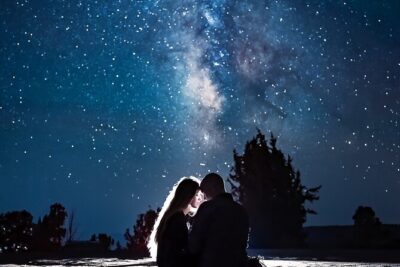
Stargazing in Zion National Park’s International Dark Sky
Read our review →Lists this night appears in