
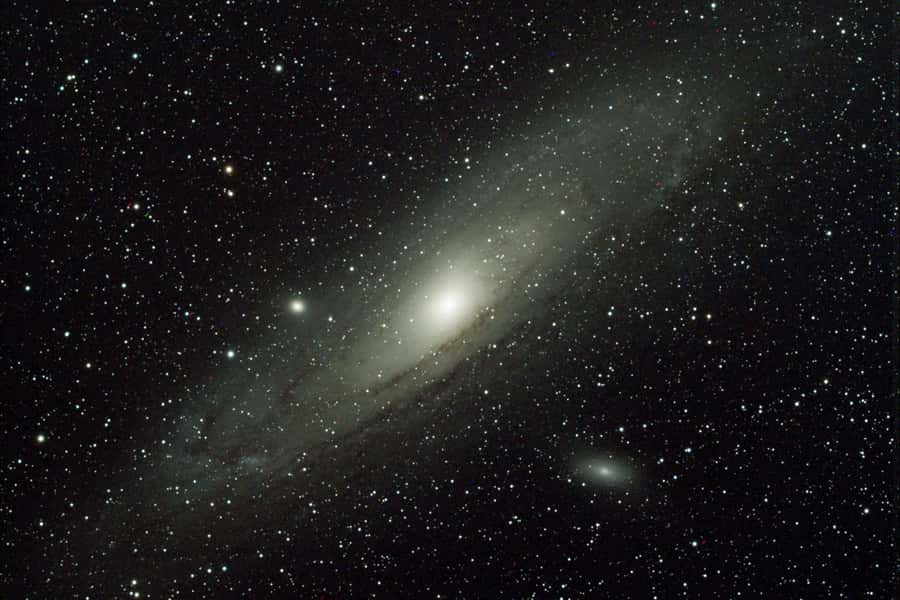
REVIEW · TELESCOPE STARGAZING
Sedona: Stargazing Tour with Telescopes and Video Astronomy
Sedona’s red rocks are famous by day, but the real show begins after sunset. This 90-minute tour pairs large-aperture telescopes with live 4K video astronomy, so you can see both the crisp details of planets and the soft color hidden in distant nebulae and galaxies.
I like the clear mix of sky stories and serious equipment. I also like the small comforts: padded chairs and blankets matter when you are sitting still in a cold desert night. The main drawback is practical: you must drive or arrange a ride to the dark-sky site, and GPS can be unreliable near the final turn.
Guide Chris keeps the science friendly, with constellation myths, dry humor, and room for questions. This is not just a quick look through a telescope. It is a guided tour of the sky, with live camera views that reveal objects your eyes alone may barely see.
Key points to know before booking
- Live 4K views reveal faint space objects: Special astronomy cameras show nebulae, galaxies, dust lanes, and star-forming regions on an OLED screen.
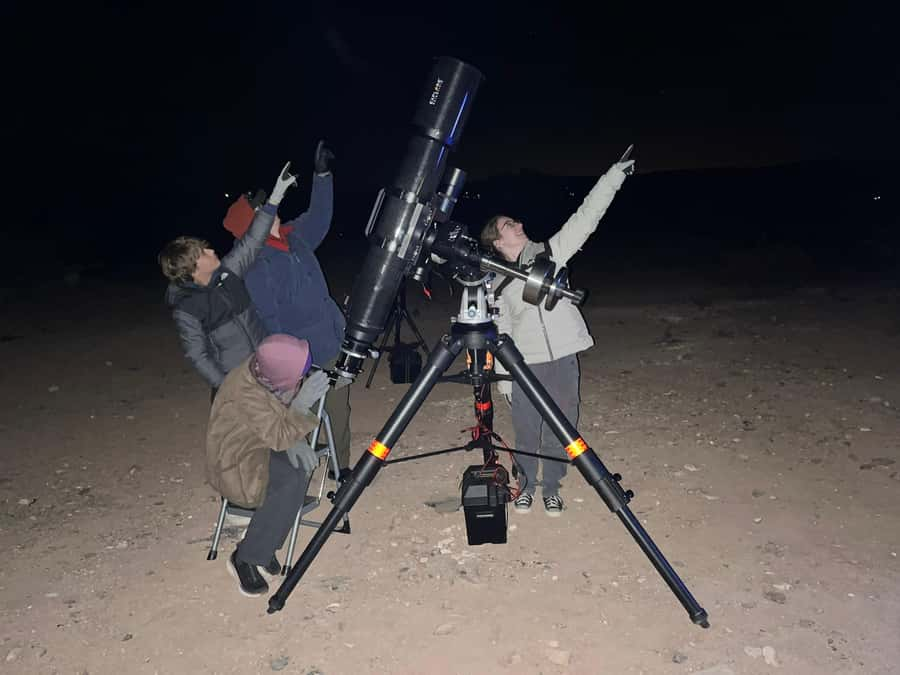
- Chris guides the full sky tour: Expect constellation stories, Zodiac signs, planets, satellites, meteors, and practical explanations of what is visible that night.
- Two telescope styles add variety: You will look through premium eyepieces for the Moon, planets, double stars, and brighter objects, then switch to video astronomy for faint targets.
- The site is close to Sedona but not in town: Forest locations are within 30 minutes of Uptown, with the exact meeting point sent after booking.
- Cold-weather planning matters: Bring layers, long pants, closed-toe shoes, and warm footwear. Chairs and blankets are supplied.
- This suits curious first-timers: You do not need prior astronomy experience, but children under seven, wheelchair users, and people with limited mobility should choose another activity.
Why this Sedona stargazing tour feels different
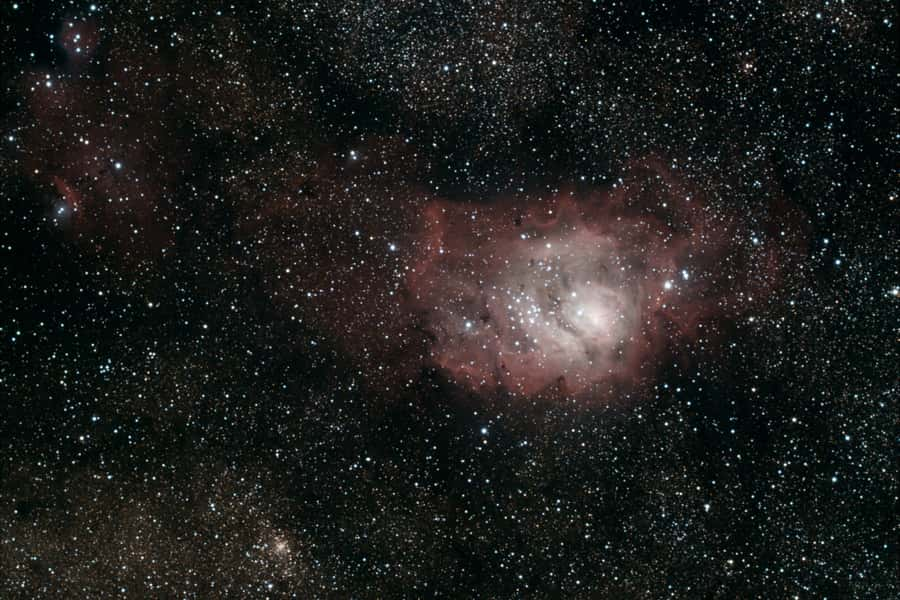
Many stargazing outings amount to a dark field, a laser pointer, and a quick turn at a telescope. This experience goes further by showing you the sky in two distinct ways.
First, you use your own eyes through high-quality astronomy eyepieces. That is the traditional telescope experience. The Moon can show sharp craters and ridges, while planets may reveal recognizable features. Double stars and brighter deep-sky objects also work well in this format.
Then the equipment changes. The eyepiece is replaced by a sensitive astronomy camera, and the image appears live on a 4K OLED television. This is called electronically assisted astronomy, or video astronomy. It helps reveal faint light that the human eye has trouble collecting, even through a large telescope.
That difference matters. A human eye may see a distant galaxy as a pale smudge. The camera can show its shape and dust lanes. A nebula may look gray or nearly invisible through an eyepiece, while the screen can bring out the pink-red glow of hydrogen. The result is closer to watching astronomy unfold than simply checking objects off a list.
More Telescope Stargazing in Sedona:
- Stargazing Tour with Telescopes and Video Astronomy in Sedona
★ 5.0 · 40 reviews - Teide by Night: Sunset & Stargazing with Telescopes Experience
★ 4.5 · 1,492 reviews - Uluru: National Park Astronomy Tour with Telescope and Photo
★ 4.4 · 357 reviews
Meeting Chris under Sedona’s dark sky
Your astronomer is Chris, also identified as Christopher in the tour information. He leads the evening in English and handles both the teaching and the equipment.
The first part is a guided tour of the constellations. Chris uses a laser to trace star patterns across the sky, making it easier to connect separate points of light into familiar shapes. He explains the names, the myths, and the stories tied to each constellation, including the signs of the Zodiac.
This gives you a useful starting point. Instead of staring upward at a field of unrelated stars, you learn how to orient yourself. The exact lineup changes with the season, but you may look for visible planets, the Milky Way, meteors, and passing artificial satellites.
Chris’s approach appears to suit people who want real information without a classroom tone. He is comfortable answering obscure questions and uses humor while changing eyepieces and camera equipment. That matters during a 90-minute outdoor activity, because a guide who can explain clearly and keep the mood relaxed makes the waiting between views much easier.
The night sky itself does part of the work. If you come from a large city, the absence of light pollution can be startling. More stars become visible, and the Milky Way may be easier to pick out. Still, the quality of the experience depends on the conditions that evening, so no guide can promise a fixed list of planets or galaxies.
The telescope portion: planets, stars, and familiar targets
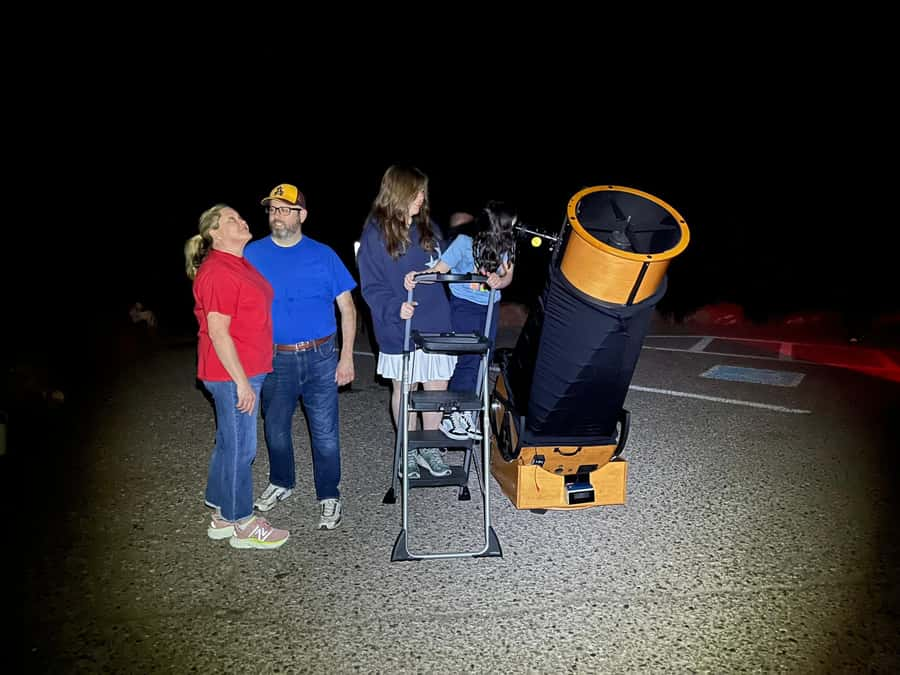
After the constellation lesson, the focus shifts to the telescopes. The visual equipment is best for objects that offer useful detail when viewed directly.
The Moon is a natural highlight when it is visible. Its surface has enough contrast to reward a close look, and its changing phase affects what you can see. A telescope can turn a familiar bright disk into a textured world of craters and shadows.
Planets are another strong target. The tour can include visible planets, and one evening may offer views of two planets, Saturn, or other bright objects depending on timing and seasonal position. You should treat this as a possibility rather than a guarantee. Astronomy is governed by the sky, not a fixed show schedule.
Double stars are especially good for visual viewing. Two stars that look like one point to the naked eye can separate through a telescope, sometimes with contrasting colors. Brighter star clusters and other visible objects can also work well through the eyepieces.
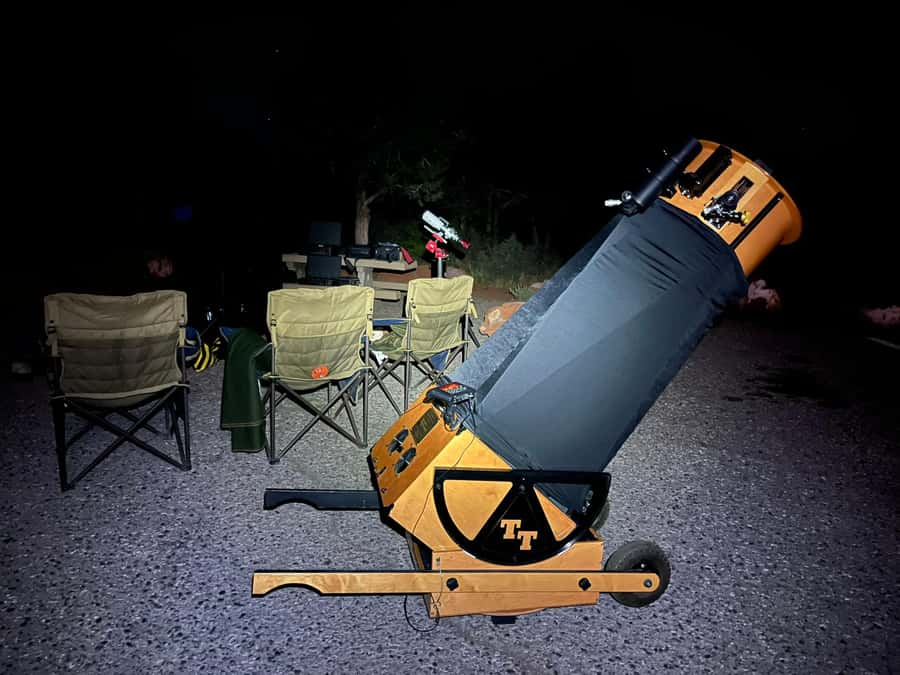
The quality of the gear matters here. The tour uses custom, large-aperture telescopes and high-quality astronomy eyepieces. That does not remove every challenge. You still need to take your turn, focus carefully, and allow your eyes time to adjust. But the equipment gives the guide a strong platform for showing detail.
Video astronomy brings out the color
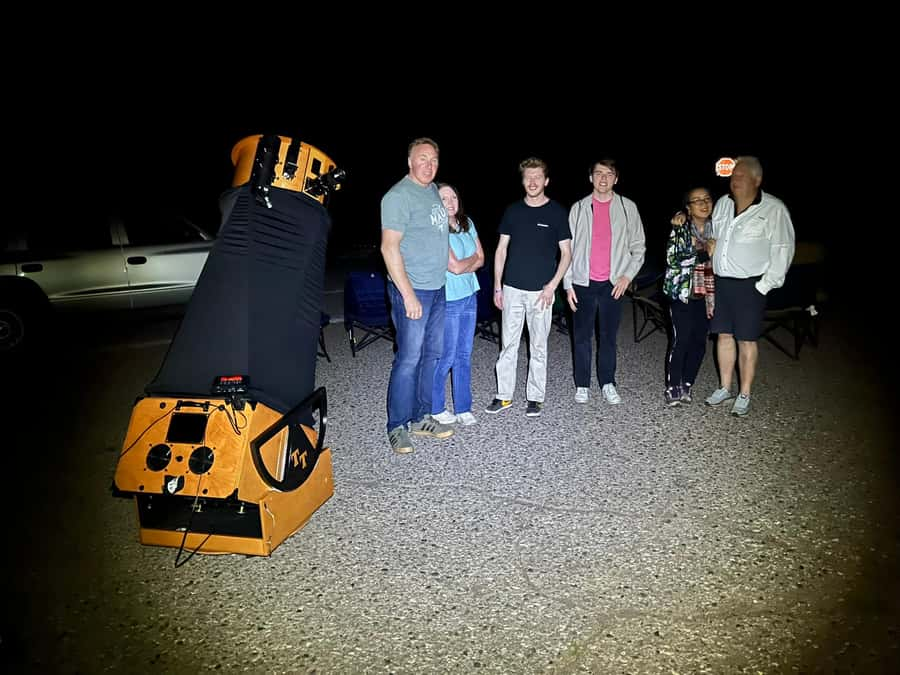
The most unusual part of the evening is the switch to live imaging. The astronomy cameras collect more light than your eyes can, then send the image directly to the 4K screen.
This is where faint deep-sky objects become more accessible. You might see the reddish hydrogen glow in a stellar nursery, the remains of a dead star, the bluish dust around the Pleiades, or dark dust lanes crossing a remote galaxy.
The screen also changes the social side of the activity. With a normal telescope, one person looks through the eyepiece at a time. A shared screen lets everyone study the same image together. Chris can point out a feature, explain how it formed, and answer questions while the image remains visible to the group.
The views are not the same as a glossy space-agency photograph. They are live views gathered during your session, which is precisely the appeal. You are seeing an object through the equipment at that moment, rather than being handed a prepared image with no connection to the night outside.
A useful bonus is that you can request a photo of something you viewed afterward. That gives you a way to remember the object and share it later, though the supplied information does not promise a photo of every target or specify how each image is delivered.
More Stargazing Tours in Sedona:
- Sedona Stargazing Tours LLC
★ 4.5 · 881 reviews - The Original Sedona UFO and Stargazing Night Tour
★ 4.5 · 269 reviews - The Night Sky Star Story, Galaxy, and Sedona Story Tour
★ 4.5 · 243 reviews - Sedona: Nighttime UFO & Stargazing Tour
★ 4.4 · 148 reviews
What the 90-minute schedule means for you
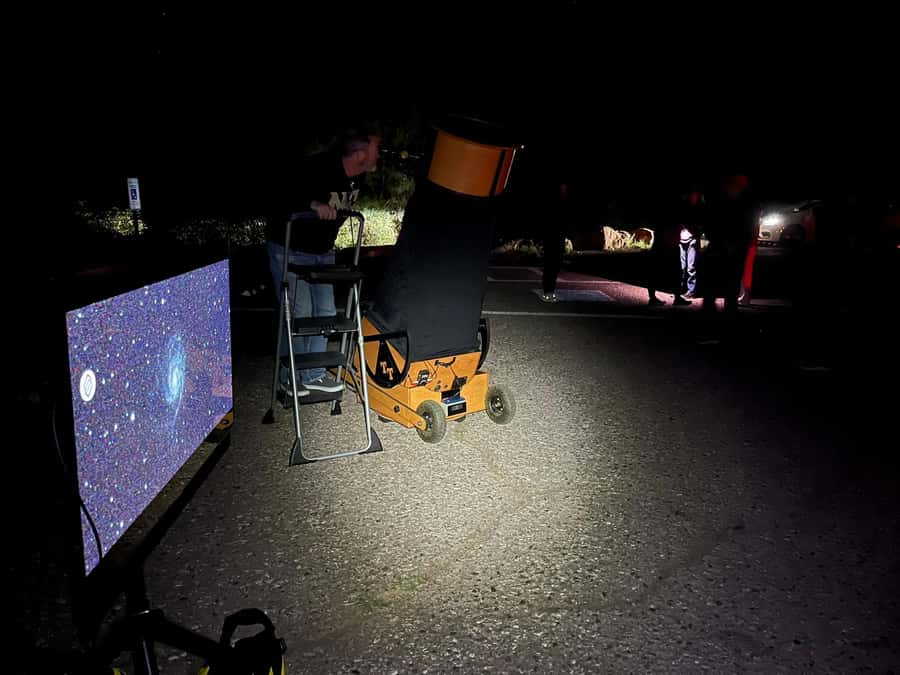
Ninety minutes is long enough for a real introduction to the sky, but short enough to fit into an evening in Sedona. You should expect the time to move between constellation instruction, visual telescope viewing, video astronomy, and conversation with Chris.
It is not a private lesson in advanced astrophysics. It is also not a rushed roadside stop. The format gives you a practical look at how astronomers identify objects and how different tools reveal different kinds of detail.
The exact order and targets may change. Clouds, seasonal access, the Moon’s position, and the visibility of planets all affect the program. If you arrive expecting one specific object, you may be disappointed. If you arrive ready to see what is available that night, the format works better.
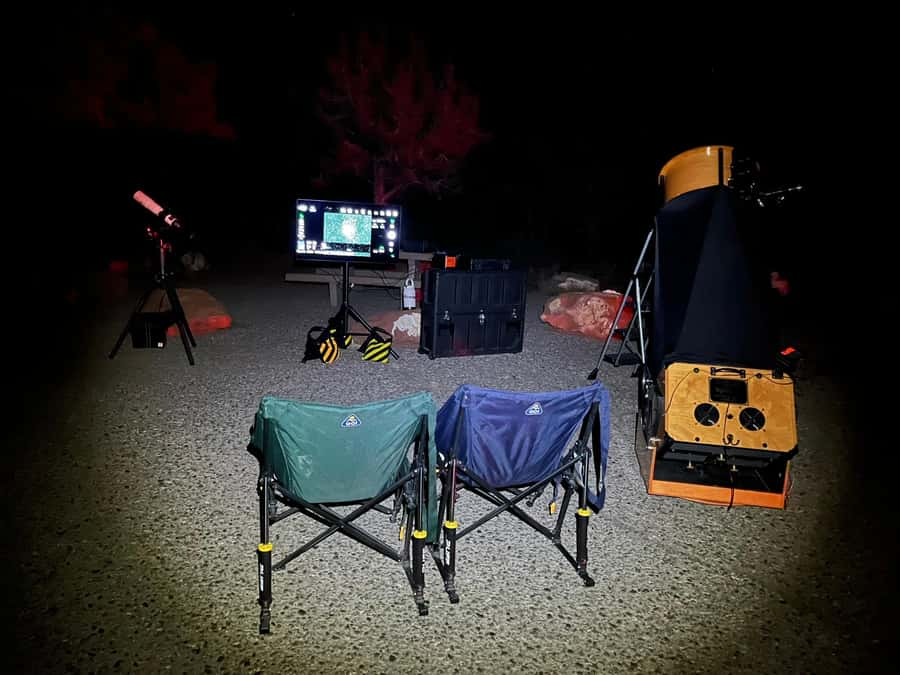
Padded chairs and blankets make a real difference. You are outdoors after dark, often sitting still while waiting for your turn or listening to an explanation. Even on an otherwise pleasant Sedona evening, temperatures can drop. Bring your own warm clothing rather than relying only on the supplied blankets.
A jacket, long-sleeved shirt, long pants, closed-toe shoes, and warm shoes are specifically recommended. A thermos of hot chocolate would fit the mood, but it is not provided. Smoking, vaping, alcohol, and drugs are not allowed.
Getting to the dark-sky site
The meeting point is not one permanent address. The tour operates on protected forest lands under a USFS permit, and the sites available to the operator change with the season.
After your booking is confirmed, you receive the exact directions. Every permitted site is within a half-hour drive of Uptown Sedona, but you are responsible for getting there and returning afterward.
Build in time for navigation. GPS can be spotty in the area, and an unclear final turn can cause needless stress. Read the directions before leaving town, keep them available offline if possible, and do not assume that your phone will guide you perfectly once you are away from the main roads.
Ride-share users need extra planning. A late-night pickup may be difficult to find from a dark forest site, so reserve a driver for the return trip ahead of time. If you have a rental car or another vehicle, the logistics are simpler.
The outdoor setting is part of the value. You are away from the bright signs and streetlights of Uptown, which helps the sky come through. It also means uneven ground, darkness, and less convenient transport. This is not a good choice for wheelchair users or anyone who has trouble walking on uneven terrain at night.
Weather can change the plan
Stargazing needs clear conditions. The tour can be canceled for cloud cover or dangerous weather, including storms, flood warnings, and dangerously high winds.
That policy is sensible, but it means you should keep some flexibility in your evening plans. A cloudy night may still be pleasant outdoors, yet it would defeat the main purpose of the tour. Check the cancellation terms when booking: you can cancel up to 24 hours ahead for a full refund, and the reserve-now, pay-later option helps keep your schedule flexible.
Do not dress for the daytime forecast alone. Sedona can feel warm while the sun is up and cold after sunset, especially when you are seated for much of the activity. Layers are the simplest answer.
Is $125 a good value?
At $125 per person, this is not the cheapest way to spend an evening in Sedona. The price makes more sense if you value the equipment, the instruction, and the chance to view faint objects on a shared 4K screen.
You are paying for more than access to a telescope. The experience includes a trained astronomy guide, large-aperture equipment, premium eyepieces, video astronomy cameras, a 4K OLED display, chairs, and blankets. The guide also interprets what you see, which is important for first-time telescope users.
The value is strongest for people who want to understand the sky rather than simply take a quick look at Saturn or the Moon. It is also a better fit for couples and families who enjoy a quiet, unusual evening and do not mind bundling up.
The value is weaker if you dislike sitting outdoors at night, have no easy way to reach the site, or want a guaranteed list of objects. Weather and seasonal visibility control the final program. You are buying a well-equipped opportunity to observe the sky, not a fixed planetarium performance.
Who should book this experience?
This tour works especially well for first-time telescope users. You can ask basic questions, learn the major constellations, and see how astronomers use both eyepieces and cameras.
Families can enjoy it too, provided all children are at least seven years old and comfortable being outside after dark. The chairs and blankets help, but this is still a quiet nighttime activity, not a hands-on attraction with constant movement.
Couples may like the calm setting and shared screen. It has a romantic feel without being built around a staged dinner or formal entertainment. You can spend the evening looking at stars, planets, and distant galaxies while Chris explains what is in view.
Experienced amateur astronomers may also find value in the equipment and live imaging, especially if they want to see how electronically assisted astronomy presents faint objects. Still, anyone expecting a highly technical observing session should confirm that the tour’s introductory style matches their interests.
Children under seven are not permitted. The experience is also unsuitable for people with mobility impairments, wheelchair users, and people over 300 pounds, according to the stated restrictions.
Should you book the Sedona Stargazing Tour?
Book it if you want a guided introduction to Sedona’s night sky with equipment that goes beyond a basic telescope setup. The combination of laser-led constellation stories, direct eyepiece views, and live 4K images gives the 90 minutes a good range.
I would give extra weight to the video astronomy. It helps you see color and structure in faint objects that can be difficult for beginners to spot. Chris’s friendly explanations and humor add value, especially if you have never used a telescope.
Skip it if transportation to a remote evening meeting point is a problem, if you need flat accessible ground, or if cold outdoor conditions sound unpleasant. Also keep your expectations flexible: clouds, wind, and the season decide what appears in the sky.
For a curious adult, couple, or family with older children, this is a strong use of an evening in Sedona. Bring layers, confirm the route, arrange your return ride early, and arrive ready to look at whatever the universe offers that night.
FAQ
Where does the Sedona stargazing tour meet?
The meeting point is at a dark-sky site near Sedona. The exact site varies seasonally under the operator’s USFS permit, and full directions are sent after booking. All permitted sites are within a half-hour drive of Uptown Sedona.
How long does the stargazing experience last?
The tour lasts 90 minutes.
Is transportation included?
No. You are responsible for transportation to and from the dark-sky site. You need access to a vehicle or must arrange a taxi or ride-share service.
What can I see through the telescopes?
Depending on the night, you may view the Moon, planets, stars, double stars, brighter deep-sky objects, the Milky Way, meteors, and artificial satellites. The exact objects depend on weather and seasonal visibility.
What is video astronomy?
Video astronomy uses sensitive astronomy cameras instead of regular eyepieces. The cameras send live views to a 4K OLED television, making faint objects such as galaxies, nebulae, stellar nurseries, and dust lanes easier to see.
What should I wear?
Bring warm clothing, a jacket, a long-sleeved shirt, long pants, closed-toe shoes, and warm shoes. Padded chairs and blankets are provided.
Can I cancel if my plans change?
You can cancel up to 24 hours in advance for a full refund. The tour may also be canceled because of clouds or dangerous weather such as storms, flood warnings, or high winds.
Fresh listings near Sedona
- Sunset Sedona Sacred Places -gourmet picnic dinner and stargazing★ 5.0 · 12 reviews
- Sedona Night Hike and Stargazing★ 5.0 · 7 reviews
- Stargazing Tour with Telescopes and Video Astronomy in Sedona★ 5.0 · 40 reviews
- Sedona UFO/Stargazing Tour (price per goggle not per person)★ 4.5 · 47 reviews
- PRIVATE Sedona Jeep Tour 4X4 Stargazing Tour at Night★ 4.5 · 11 reviews
- Sedona: Private Stargazing Tour with a Local Guide★ 4.8 · 8 reviews
- Sedona Night Hike and Stargazing Tour★ 5.0 · 4 reviews
- Sedona Dark Sky Sunset & Night Hike With a Private Guide★ 5.0 · 86 reviews
Telescope Stargazing, side by side.
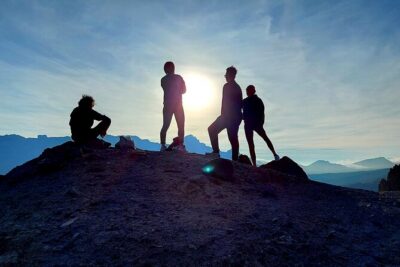
Teide by Night: Sunset & Stargazing with Telescopes Experience
Read our review →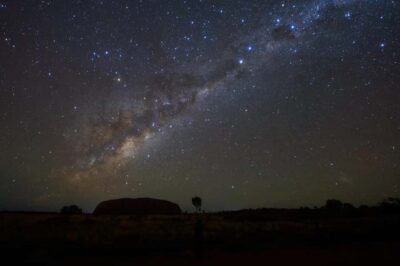
National Park Astronomy Tour with Telescope and Photo
Read our review →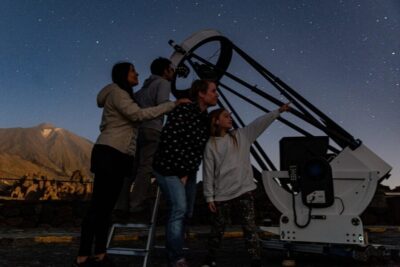
Teide National Park: Guided Large Telescope Stargazing Tour
Read our review →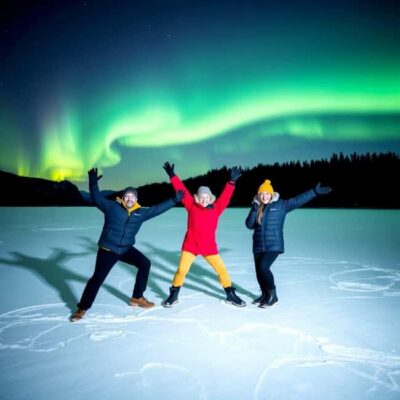
Northern Lights Tour and Stargazing by Telescope
Read our review →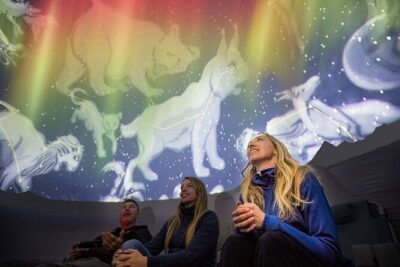
Jasper Planetarium and Telescope Combo Tour Tickets
Read our review →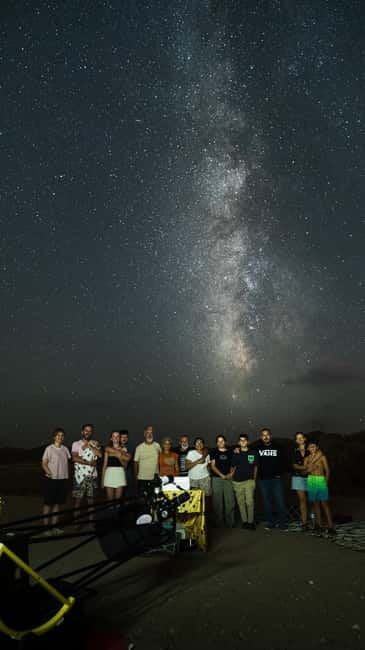
Cavalleria: Guided Stargazing at the Beach with Telescope
Read our review →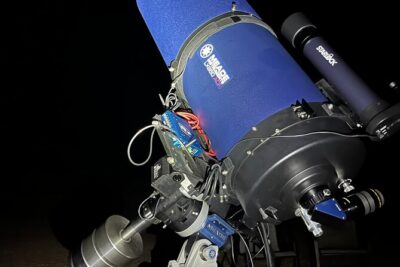
Stargazing Tour with Telescopes and Video Astronomy in Sedona
Read our review →Lists this night appears in