
REVIEW · LA PALMA STARGAZING
La Palma: Roque de los Muchachos Stargazing Tour with Wine
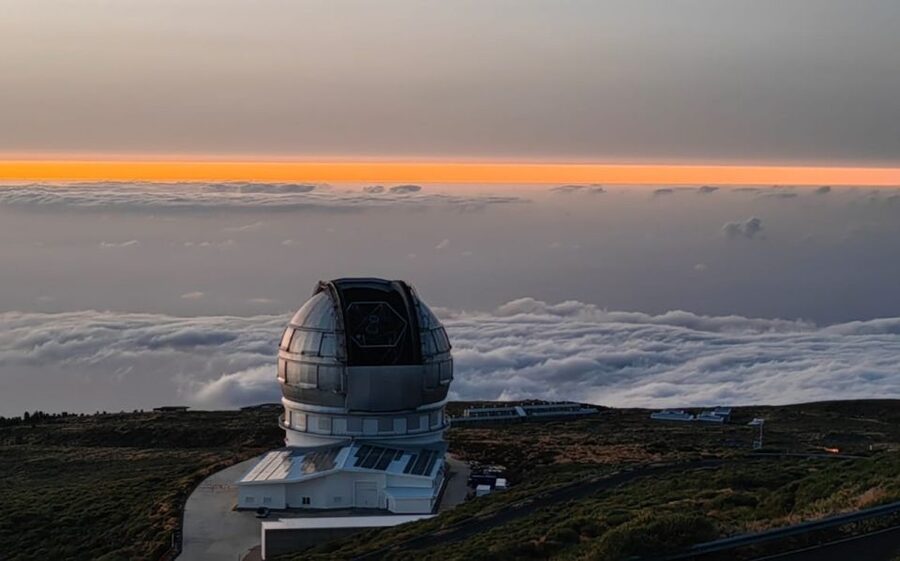
At 2,426 meters above sea level, Roque de los Muchachos gives you two great shows in one evening: sunset above the clouds, followed by a sky bright with stars. The telescope viewing can reveal planets, galaxies, nebulae, and star clusters, while the Milky Way may be visible without optical help.
I like the hotel pickup and return, since driving La Palma’s steep mountain roads after dark is no small chore. I also like the mix of astronomy and simple pleasure: a glass of wine at sunset, a guide explaining the observatories, then time at a telescope with the night sky overhead.
The main drawback is the long evening and the lack of open toilet facilities in the mountain area. It can also be bitterly cold, even in summer, so warm clothing is not optional. The observatory buildings are not open at night, and weather or a full moon can cancel or limit the experience.
Key Points Before You Book
- The summit reaches 2,426 meters: Roque de los Muchachos is the highest point on La Palma and a remarkable place to learn why astronomers chose the island.
- The telescope session comes after sunset: You first see the observatory area and watch the sun go down with a glass of wine, then move to a darker viewpoint.
- You will not enter the observatories: The buildings are closed at night, but the guide explains the telescopes from outside.
- Transport is part of the value: Pickup and drop-off are available from Fuencaliente, Los Cancajos, Santa Cruz de La Palma, and Los Llanos, depending on the option booked.
- Bring serious cold-weather clothing: Mountain temperatures can be very low after dark, and the tour lasts six to seven hours.
- The moon matters: A full moon makes faint stars harder to see, so the activity does not run during full-moon conditions.
Why Roque de los Muchachos Is Worth the Long Ride
La Palma is known for clear, dark skies, and Roque de los Muchachos is the island’s great vantage point for astronomy. The summit rises high above the coast and sits far from the strongest sources of artificial light. That combination helps you see far more than the handful of bright stars visible from a city.
The trip up is not quick. Pickup times vary with the season because the tour is timed around sunset, and the full outing lasts roughly six to seven hours. You may return to your hotel between 10 p.m. and 1 a.m., depending on the time of year and your pickup location.
That schedule is worth knowing before you reserve. This is not a short sunset stop with a quick look through a telescope. It is a full evening, and the return drive adds time. The payoff is that you reach a place where the darkness itself becomes part of the experience.
You also avoid driving the mountain roads at night. A driver handles the steep route while you look out at the views, rest after the cold, or simply enjoy not having to focus on the road. One particularly enthusiastic account praised the driver’s handling of the difficult ascent, which tells you something useful: this is a job best left to someone who knows the route.
Other dark-sky nights travellers book near Spain:
- Tenerife: Teide National Park Sunset & Stargazing Tour
★ 4.2 · 3,812 reviews - Tenerife: Sunset and Stargazing at Teide National Park
★ 4.7 · 2,826 reviews - Teide National Park Sunset & Stargazing with Dinner (Star Safari)
★ 5.0 · 2,601 reviews
Reaching the Observatory Area at 2,426 Meters
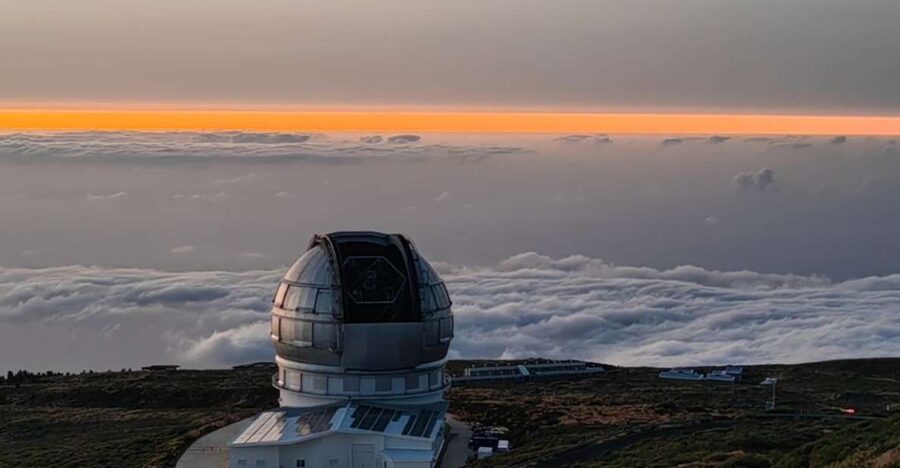
The first major stop is the Roque de los Muchachos viewpoint and the road around the observatory complex. Telescopes sit on both sides of the road, and your guide explains what they do and why this high point was selected for astronomy.
You do not go inside the observatories. They are closed at night, so expect an outdoor visit rather than an observatory tour. Still, seeing the domes and instruments in their mountain setting gives useful context before the telescope session later in the evening.
This part of the tour is especially good for anyone who wants more than a pretty sky. The guide connects the location, altitude, darkness, and scientific work carried out here. Guides such as Stefanie have led explanations in English, Spanish, and German, and some departures divide the astronomy portion into language groups.
Keep your expectations practical. The observatory area may close at a set time, and your time there can be shorter than you hope. A departure in February, for example, moved on after the observatory area closed around 7 p.m. The next stop was less polished, but the evening still continued as planned.
Sunset, Wine, and a Change of Viewpoint
After the observatory stop, the vehicle takes you to another viewpoint for sunset. You receive one glass of wine, giving the break a relaxed feel without turning the tour into a wine tasting.
The exact sunset viewpoint can depend on the weather and the operating plan for the evening. This flexibility makes sense on a high mountain, where clouds, wind, and visibility can change quickly. It also means the sequence may not feel identical on every departure.
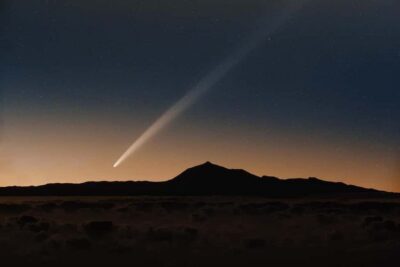
The sunset is more than a pause before the main event. It gives you time to see La Palma in daylight, understand the height of the summit, and watch the sky shift from warm color to darkness. Bring your camera, but do not spend the whole stop looking at a screen. The views are one of the best reasons to make the climb.
The wine is a modest extra rather than the reason to book. If you do not want alcohol, or if the cold makes you prefer a hot drink, the larger value is the setting and the chance to settle in before the stars appear.
What You See Through the Telescope
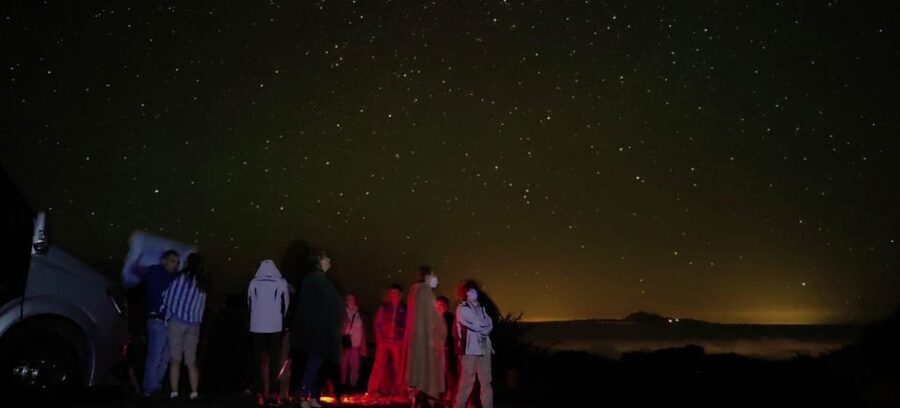
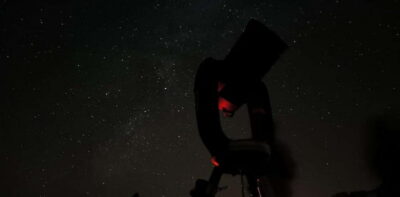
Once it is fully dark, the group moves to another viewpoint for telescope observation. The guide helps you find objects that would be difficult to identify on your own.
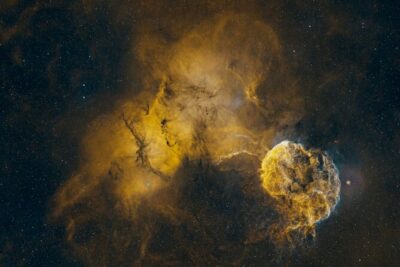
Depending on the conditions, you may see planets, galaxies, nebulae, and star clusters. Saturn is a memorable possibility. One evening produced a clear view of Saturn’s rings and three of its moons, which is the sort of sight that can make the long drive feel entirely worthwhile.
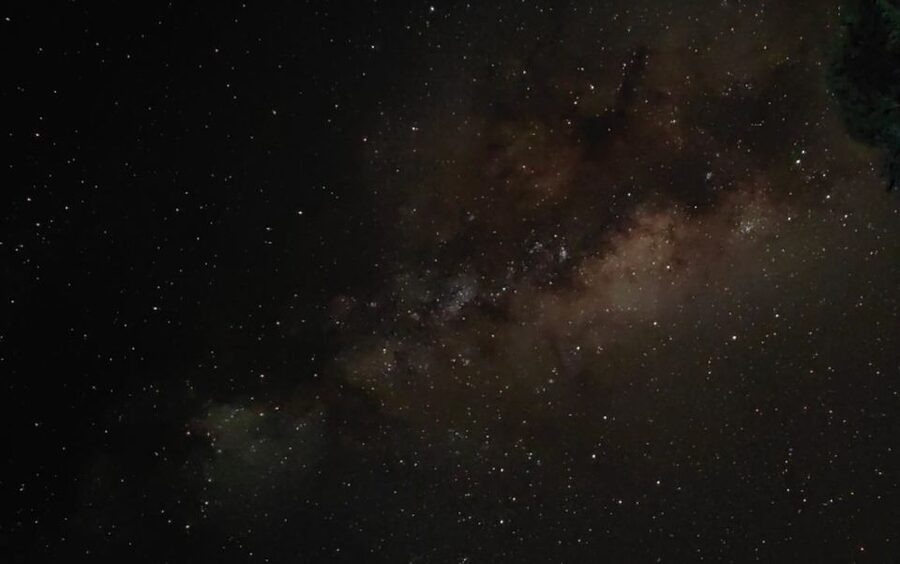
The telescope is only part of the experience. Look up between turns at the eyepiece. The Milky Way may be visible to the naked eye, and the difference between this sky and an urban sky can be startling. You may also bring binoculars if you have them, as they can show star clusters and add another way to explore the sky.
Your guide’s role matters here. Finding an object is not always easy, especially when you are cold, unfamiliar with the sky, and sharing an observing session with other people. A guide can point out what you are seeing, explain the object in plain language, and help turn a bright point of light into something with meaning.
The guides are a strong part of the experience. Stefanie has been singled out for clear explanations and genuine interest in astronomy, and the tour can provide separate guides for different language groups. English, Spanish, and German are offered.
More Stargazing Tours in Spain:
- Teide National Park: Sunset & Stargazing Safari with Dinner
★ 4.6 · 2,115 reviews - Teide by Night: Sunset & Stargazing with Telescopes Experience
★ 4.5 · 1,492 reviews - Teide: Guided Sunset & Stargazing Tour by Night with Dinner
★ 4.7 · 1,339 reviews - Sunset & Stargazing Experience From Teide
★ 4.5 · 1,129 reviews
The Cold, the Dark, and the Missing Toilets
The warning about warm clothing deserves bold type in your packing list. Bring more layers than you think you need, even if the coast feels mild when you leave your hotel.
At the summit, you are high in the mountains and spending time outside after sunset. A jacket, warm sweater, long trousers, and sturdy shoes are sensible choices based on the conditions described for the tour. A hat and gloves may also be useful, though the listed requirements specifically call for warm clothing.
The cold can affect your enjoyment more than the astronomy. You may spend time waiting for your turn at the telescope, listening to an explanation, or walking between viewpoints. If you are warm, those pauses feel peaceful. If you are not, the evening becomes a test of endurance.
Toilets are another practical concern. There are no open toilet facilities for the whole mountain portion of the trip, and the lack of access can make a six-to-seven-hour evening uncomfortable. Plan around that before departure, and be cautious with the wine if you know you will need regular facilities.
The dark also affects the route. You are not expected to drive yourself back, which is a major benefit. The transfer vehicle has a sign for La Palma Transfer & Tours, but pickup instructions can vary, so check the exact meeting point and keep your phone charged.
Weather, Moonlight, and Other Limits
Astronomy depends on conditions you cannot control. The route may be canceled because of bad weather. If that happens during your stay, you can usually change the date or receive a full refund, according to the booking terms.
Cloud cover is the obvious concern, but the moon matters too. The activity does not operate during a full moon because strong moonlight reduces visibility of the fainter stars. If your main goal is a dark sky, check the lunar phase before you choose your date.
The start time changes with sunset. A summer departure may begin later than a winter one, and the return can be as late as 1 a.m. This is a useful reminder to avoid scheduling an early morning activity the next day.
The weather policy reduces the financial risk, but it cannot remove the risk of disappointment. Even on a scheduled evening, the final telescope session depends on what the sky is doing. The guides may adjust the viewpoints or timing, yet no astronomy tour can promise Saturn, a galaxy, or a cloud-free Milky Way on demand.
Is $65 a Good Price?
At $65 per person, the tour is good value if you would otherwise need to hire a car, drive mountain roads at night, and arrange your own astronomy experience. The price includes the tour, guide, hotel pickup and drop-off, and one glass of wine.
The transport is the key saving. A self-drive plan would require confidence on steep roads, careful timing around sunset, and a safe way back after midnight. Here, a driver handles the route, and you can focus on the view.
You are also paying for interpretation, not just access to a viewpoint. The guide explains the observatory complex, helps you use the telescope, and identifies celestial objects. For a first-time stargazer, that guidance is far more useful than arriving at a dark mountain with no idea where to look.
There are limits to the value. You do not enter the observatories, the wine is only one glass, and the group may move on sooner than you would like at the summit. If you already own good astronomy equipment and feel comfortable driving at night, you may prefer to plan independently. For most visitors staying in the listed pickup areas, the transport and telescope guidance make the price reasonable.
Who Will Enjoy This La Palma Evening?
I would recommend this tour to anyone who wants a structured introduction to La Palma’s night sky. You do not need prior astronomy experience, and the guide handles the difficult work of locating objects and explaining what you see.
It suits couples, families with older children, and solo visitors who want an evening activity without renting a car. It is also a strong choice for anyone who does not want to drive after wine, darkness, and a long day on the island.
You should think twice if you dislike cold, long transfers, or late returns. The evening can feel tiring, especially if you are picked up far from the mountain route. The lack of toilets is a real issue, not a minor footnote.
Pack a camera and a charged smartphone, but use your phone mainly for directions, pickup details, and photos before darkness. Once the stars appear, your eyes will do a better job than most phone cameras.
Booking Details and Practical Advice
Pickup is available from Fuencaliente, Los Cancajos, Santa Cruz de La Palma, or Los Llanos, depending on the option you select. The meeting point can vary, and the transfer bus carries a La Palma Transfer & Tours sign.
The tour is offered in English, Spanish, and German. Confirm your preferred language when booking, especially if the group is divided for the telescope session.
You can reserve now and pay later, which helps if your island schedule is still changing. Free cancellation is available up to 24 hours in advance for a full refund. Weather cancellations offer the option of changing dates during your stay or receiving a full refund.
Do not book it simply because the evening sounds romantic. Book it because you want a real night-sky outing and are ready for mountain cold, a late return, and several hours outdoors.
Should You Book the Roque de los Muchachos Stargazing Tour?
Yes, if you want safe evening transport, a strong mountain viewpoint, and guided telescope viewing in one package. The chance to see Saturn’s rings, the Milky Way, or a star cluster is special, and the guides add much more than directions to a dark patch of ground.
I would skip it if you need regular toilet access, dislike cold weather, or have only a short window in La Palma. Also check the moon phase and weather before committing.
For most visitors, the tour offers a sensible way to experience one of La Palma’s best natural advantages without driving the mountain roads after dark. Just wear warm clothes, plan for a long night, and keep your expectations tied to the sky’s conditions.
FAQ
Where does the tour pick me up?
Pickup options include Fuencaliente, Los Cancajos, Santa Cruz de La Palma, and Los Llanos, depending on the option booked. The exact meeting point may vary.
How long does the tour last?
The tour lasts about six to seven hours. Return times are generally between 10 p.m. and 1 a.m., depending on sunset and the time of year.
Will I enter the Roque de los Muchachos observatories?
No. The observatories are closed at night, so you view the telescopes from outside and learn about them from the guide.
What can I see through the telescope?
Depending on the weather and sky conditions, you may see stars, galaxies, planets, nebulae, and star clusters. The exact objects visible cannot be guaranteed.
Is the tour available in English?
Yes. Live guides are available in English, Spanish, and German.
What should I bring?
Bring warm clothing, a camera, and a charged smartphone. Warm clothing is especially important because the mountain becomes very cold after sunset.
Can the tour be canceled because of weather or the moon?
Yes. Bad weather can lead to cancellation, with the option to change the date during your stay or receive a full refund. The activity does not take place during a full moon because moonlight reduces visibility of the stars.
Fresh listings near Spain
- Cabo de Gata: Guided Night Walk with Stargazing★ 4.7 · 36 reviews
- Cabo de Gata: Stargazing Experience★ 4.5 · 7 reviews
- Magic Stargazing & Sunset in Teide with Dinner + Telescopes★ 3.5 · 20 reviews
- La Palma: Premium Stargazing Tour for 10★ 4.3 · 51 reviews
- Stargazing Private Tour at Roque De Los Muchachos in La Palma★ 5.0 · 43 reviews
- Private astronomy tour with sunset toast, picnic, and astrophotography★ 4.8 · 83 reviews
- Mount Teide Night Tour: Stargazing, Dinner and Hotel Pick up★ 3.5 · 86 reviews
- Tenerife: Stargazing at Mt. Teide★ 4.2 · 72 reviews
La Palma Stargazing, side by side.
Stargazing Private Tour at Roque De Los Muchachos in La Palma
Read our review →Lists this night appears in