REVIEW · TOURS
Stroll among the stars : Stargazing and Astronomy Tour
The best part of this evening is the way it links science with old sky stories. You begin as daylight fades, then follow the guide through constellations, planets, Greek legends, and ideas from other cultures before using a modern digital telescope to view the deep sky.
I like the mix of astronomy and storytelling, and I like that the small-group format is meant to keep the session personal. The chance to ask questions in French or English is another plus. The main concern is value: at $76 per person, the experience needs clear skies, a good viewing spot, and a properly limited group to feel worthwhile.
- Sunset starts the evening: Take in the changing light before the stars appear.
- Greek myths meet world astronomy: Hear stories linked to constellations from several cultures.
- A digital telescope adds detail: The second part focuses on deep-sky viewing.
- Two languages are offered: The guide speaks French and English.
- The advertised group limit is eight: Confirm the actual group size, as one August 2025 outing had more than 20 people.
- Warm clothes matter: The session is outdoors at night, and weather can change the date.
From Sunset at Lans-en-Vercors to the First Stars
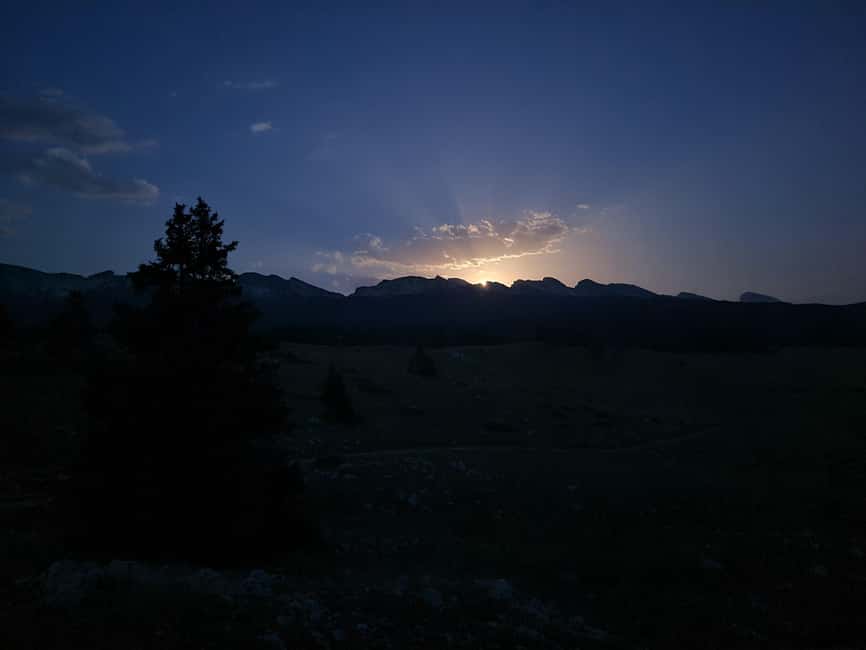
This is not simply a quick look through a telescope. The two-hour evening begins around sunset, giving you a gentle transition from the familiar world of daylight to the night sky. That opening matters because it lets you get settled before the main viewing begins.
You meet at the Lans-en-Vercors Tourism information office. From there, the activity moves into an outdoor viewing area. Exact starting times depend on availability and the season, so check the time carefully when booking. A late summer session and a winter session will feel very different, especially once you are standing still under the open sky.
The sunset portion is also a useful reminder that astronomy starts before full darkness. You may watch the last light fade, then gradually pick out the brighter stars and planets. The guide uses this change in light to help you understand what you are seeing rather than presenting a dark sky all at once.
One practical issue deserves attention. A previous outing had a viewing place partly blocked by trees on both sides. That does not make the sky invisible, but it can limit the broad, open view you want for finding constellations. Parking and access were also described as somewhat difficult, with little signage at the site. If you are driving, allow extra time to locate the meeting point and ask for clear instructions before the evening begins.
Finding Constellations Through Greek Stories
Once the sky darkens, the guide introduces stars, planets, and constellations. The Greek stories give the session a familiar starting point, since many constellation names and tales used in European astronomy come from Greek mythology.
This storytelling is useful for more than entertainment. A story gives you a way to remember a pattern of stars, even if you are not used to reading the sky. Instead of hearing a list of names and facts, you get a mental map. You can then look up on later nights and try to recognize the same shapes.
The guide also takes the discussion beyond Greece. Myths and sky stories from other civilizations show that people in different places looked at the same stars and gave them different meanings. That wider view is one of the more interesting features of the tour, particularly if you want cultural context along with basic astronomy.
The supplied information does not name the astronomer, so do not book this expecting a particular guide. You can expect a live guide in French or English, with time for questions about the universe and its mysteries. The quality of the evening will depend heavily on how clearly the guide handles both the scientific material and the stories. One account of the experience found the explanations friendly but hesitant in places, so this is best approached as an accessible introduction rather than an advanced astronomy class.
More Stargazing Tours in the world:
- Dubai Red Dunes ATV, Camels, Stargazing & 5* BBQ Al Khayma Camp
★ 5.0 · 21,620 reviews - Sharm El-Sheikh: Ultimate ATV Quad, Stargazing & BBQ Dinner
★ 4.7 · 4,084 reviews - Tenerife: Teide National Park Sunset & Stargazing Tour
★ 4.2 · 3,812 reviews
What the Digital Telescope Adds
The second part uses one of the newer digital telescopes to view the deep sky. This is the point at which the tour moves beyond simply spotting bright stars with the naked eye.
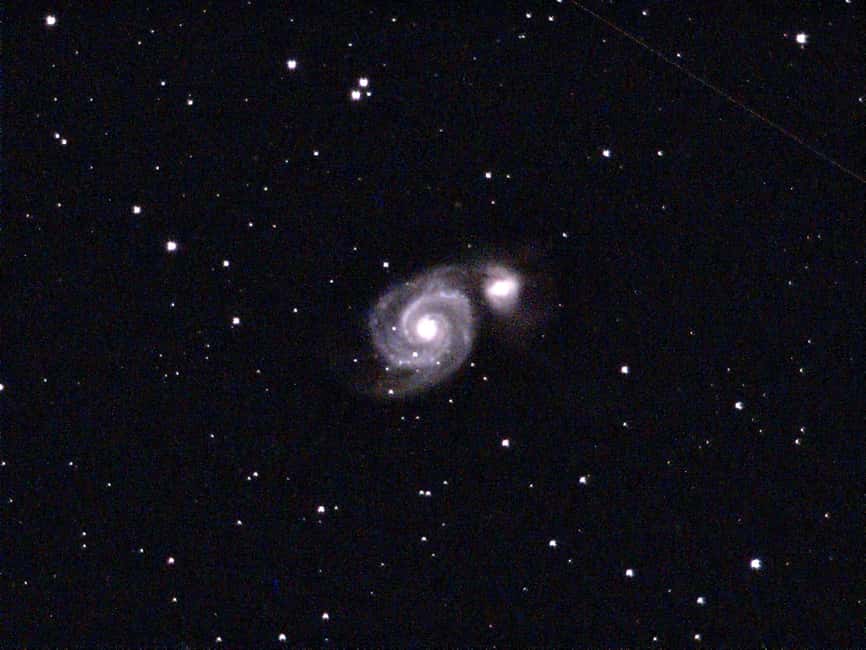
A digital telescope can make it easier for a group to see objects that would otherwise be faint or hard to identify. It also gives the guide something concrete to explain. You can ask what you are looking at, how far away it is, and why it appears as it does. The activity promises scientific information about astronomy and astrophysics, but it also keeps the tone suitable for young and older participants alike.
The telescope is most useful when the group remains small. With eight people, you have a fair chance to get close, ask a question, and follow the guide’s explanation. One reported August 25, 2025 session had more than 20 people, despite the advertised limit of eight. In that setting, access to the tablet or telescope display became less convenient, and the guide had difficulty knowing exactly who was meant to be in the group.
That mismatch is the biggest practical warning attached to this activity. Before paying $76, I would confirm the expected group size and ask where the actual viewing will take place. A small group can make this feel like a personal astronomy lesson. A crowd can turn it into a general talk with limited time at the equipment.
Is $76 a Fair Price for Two Hours?
At $76 per person, this is not a cheap evening activity. The price can make sense if you value the live astronomer, the bilingual guidance, the cultural stories, and the use of a digital telescope. It is less attractive if you mainly want to look at stars for a short time.
There is a useful comparison from Lans-en-Vercors itself. One participant had joined a free local outing the night before and felt that it offered a similar level of viewing. The free event had more people, which made the tablet harder to access, but the comparison still raises a fair question: what are you paying extra for here?
The answer should be the smaller group, more organized instruction, and better access to the equipment. Those advantages only hold if the group stays close to the stated limit. If the paid session also becomes crowded, the price is harder to defend.
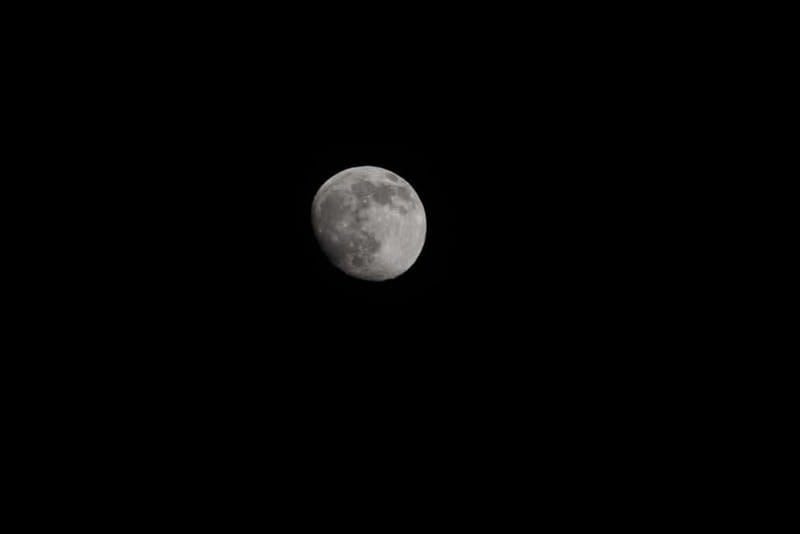
The result will also depend on conditions. Stargazing is not like visiting a museum, where the main attraction remains available in rain or cloud. Trees, moonlight, haze, and bad weather can all affect what you see. The date may be changed because of poor weather, which protects you from spending an evening under unusable skies, but it may also affect your travel plans.
I would consider the price reasonable for someone who already values guided astronomy and wants an organized, bilingual lesson. I would hesitate if you are comparing it with free local events or if your main goal is simply to see a few shooting stars.
Group Size, Access, and the Nighttime Setup
The activity is advertised as a small group limited to eight participants. That number matters more here than it would on a standard walking tour. At night, people need room around the telescope, a clear view of the guide’s screen, and enough time to ask questions.
Because one session reportedly exceeded 20 people, I would not treat the eight-person limit as automatic without checking. A simple message to the provider before booking can clarify how many people are expected for your date. Nature Vercors operates the experience, and the listed languages are French and English.
The meeting point is the Lans-en-Vercors Tourism information office. Hotel pickup and drop-off are not included, so you need to arrange your own way there and back. Food and drinks are also not included, and the experience lasts about two hours, so plan an evening meal separately.
Access can be awkward at the actual viewing place. Parking was described as complicated, and there was little indication at the site. I would avoid arriving at the last minute, especially after dark. High-heeled shoes are not allowed, which makes sense for uneven outdoor access, though the more useful choice is sturdy, comfortable footwear.
Same sky over the world, a different way to watch it:
- Tenerife: Sunset and Stargazing at Teide National Park
★ 4.7 · 2,826 reviews - Teide National Park Sunset & Stargazing with Dinner (Star Safari)
★ 5.0 · 2,601 reviews - Dubai: Sunset Camel Trek, Al Khayma Camp, Stargazing & BBQ
★ 4.8 · 2,588 reviews - Dubai: Overnight Safari, Dinner, Stargazing & Al Khayma Camp
★ 4.8 · 2,562 reviews
What to Wear for a Clear Night
Bring warm clothing even if the afternoon feels mild. You may spend much of the session standing outside, and the temperature can drop quickly once the sun goes down.
A warm jacket is the basic requirement. Add layers so you can adjust as the evening progresses. The supplied instructions specifically call for warm clothing, and the outdoor setting means you should take that advice seriously.
Do not wear high heels. They are not permitted, and they are a poor match for an outdoor viewing area in any case. Choose shoes that give you stable footing and let you stand comfortably.
The activity is not suitable for children under seven. Older children may enjoy the myths and the excitement of seeing the sky through a telescope, but the two-hour length and late timing may still be tiring for younger participants. The session is likely best for families with school-age children, couples, and adults who enjoy asking questions.
When the Sky Cooperates
The strongest parts of this experience depend on the weather. A clear evening can give you the full sequence: sunset, the first bright stars, recognizable constellations, stories from Greece and other cultures, and digital telescope viewing.
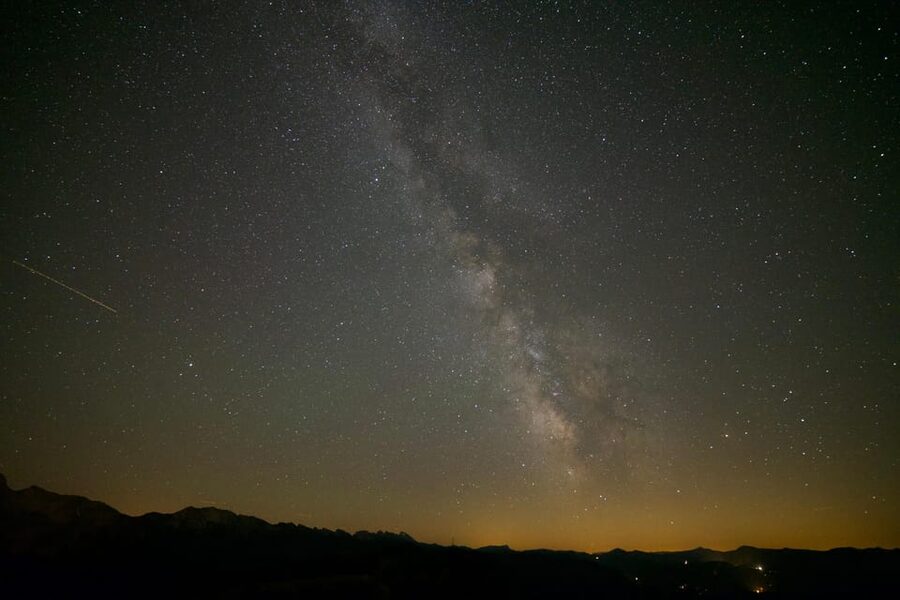
You may also see an unexpected event. One outing included several shooting stars, which added a memorable touch to the evening. Meteor sightings are never guaranteed, so treat them as luck rather than part of the promised program.
Cloud or poor weather can change the date. That policy is sensible, but it means you should keep some flexibility in your schedule. If this is your only free evening in the Vercors area, the risk matters more than it would for someone staying several nights.
The tree cover at one reported viewing site is another condition to consider. A partly obstructed horizon may affect some low-position objects or make it harder to see wide star patterns. Ask the provider about the viewing location for your date if the exact sky view is important to you.
Who Will Get the Most From This Tour?
I would choose this experience if you want a structured introduction to astronomy rather than an unplanned night of star watching. The guide gives you a way to connect what you see with science, mythology, and questions about the universe.
It suits adults and children over seven who enjoy stories. The Greek constellation myths give the evening a clear thread, while the references to other civilizations add variety. You do not need an astronomy background to take part.
It also works well for visitors who prefer a bilingual activity. The guide speaks French and English, so you can ask questions in either language. Still, this is not presented as a technical observatory program. If you already know the major constellations and want detailed astrophysics, the session may feel basic.
I would be cautious if you dislike waiting your turn or standing outside in the cold. I would also be cautious if the group size is not confirmed. The difference between eight participants and more than 20 is significant when a telescope and tablet are central to the experience.
Booking Advice and Cancellation Flexibility
You can cancel up to 24 hours in advance for a full refund. You can also reserve now and pay later, which is useful if you are arranging several activities around uncertain mountain weather.
Those policies reduce the financial risk, but they do not remove the need to plan. Check the starting time, the weather forecast, the meeting point, and the expected group size. Ask about the exact parking area if you are driving.
You should also remember that the price does not include transport, meals, or drinks. Bring what you need for the evening, and do not assume that the tourism office or viewing site will provide refreshments.
Should You Book the Lans-en-Vercors Stargazing Tour?
Book it if you want a guided, story-led introduction to the night sky, especially if you value the mix of Greek mythology, other cultural traditions, and telescope viewing. A clear night and a genuinely small group could make the $76 worthwhile.
I would wait or ask questions first if the price feels high, if you have access to a free local stargazing event, or if the provider cannot confirm a group of around eight. The experience has real appeal, but the value depends on access to the telescope and a good viewing position.
For the best chance of enjoying it, bring warm layers, arrive early, wear practical shoes, and keep your evening flexible in case of bad weather. Treat shooting stars as a lucky bonus, not a promise. If those conditions suit you, this can be a pleasant way to look up with more understanding than you had before.
FAQ
Where does the stargazing tour meet?
The meeting point is at the Lans-en-Vercors Tourism information office.
How long does the activity last?
The tour lasts around two hours.
What languages does the guide speak?
The live guide speaks French and English.
What happens during the tour?
You begin by watching the sunset, then learn about stars, planets, and constellations. The guide explains Greek myths and stories from other civilizations, followed by deep-sky viewing with a digital telescope.
Is the tour suitable for young children?
The activity is not suitable for children under seven years old.
What should I bring?
Bring warm clothing because the activity takes place outdoors at night.
Are high-heeled shoes allowed?
No. High-heeled shoes are not allowed.
Are hotel transfers included?
No. Hotel pickup and drop-off are not included.
Can I cancel the booking?
Yes. You can cancel up to 24 hours in advance for a full refund. You can also reserve now and pay later.
Fresh listings near the world
- Cabo de Gata: Guided Night Walk with Stargazing★ 4.7 · 36 reviews
- Brisbane: Glow Worms, Sunset, Star Gazing & BBQ★ 4.4 · 26 reviews
- Cabo de Gata: Stargazing Experience★ 4.5 · 7 reviews
- Antofagasta: Astronomical Tour with a Guide★ 3.7 · 4 reviews
- Boulder: Guided Astronomy Tour★ 4.7 · 11 reviews
- 1-Day Grand Canyon Tour from Las Vegas: Stargazing & Sunrise★ 3.6 · 3 reviews
- Astronomical Tour: San Pedro de Atacama – Chile★ 4.5 · 3 reviews
- Perth: Pinnacles Stargazing, Sandboarding & Beach Kangaroos★ 5.0 · 3 reviews
Tours, side by side.
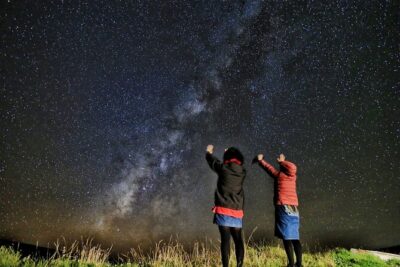
Small Group Big Island Twilight Volcano and Stargazing Tour
Read our review →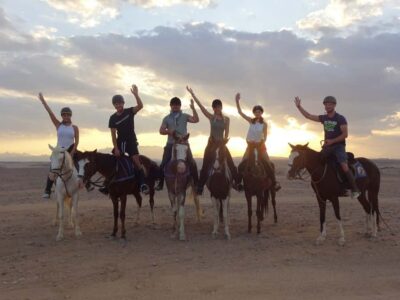
Sea & Desert Horse Tour, Stargazing, Dinner & Show
Read our review →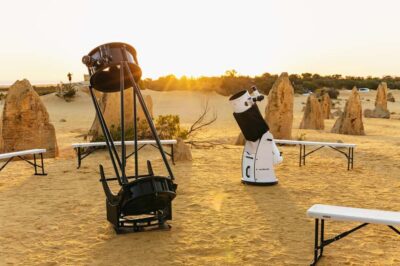
Pinnacles Desert: Sunset BBQ & Stargazing Tour +Sandboarding
Read our review →
Teide: Guided Sunset & Stargazing Tour by Night with Dinner
Read our review →
Pinnacles Desert Sunset Dinner and Stargazing Tour
Read our review →
Griffith Observatory Hike: Guided Tour through Griffith Park
Read our review →