
REVIEW · SEDONA STARGAZING
Sedona Stargazing Tours LLC
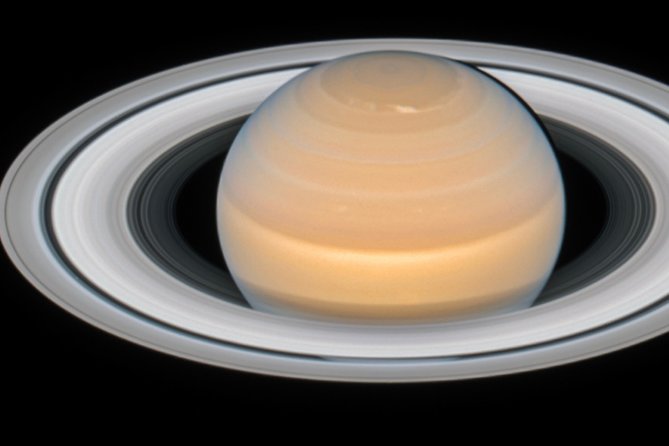
Sedona’s red rocks fade into darkness at night, and the real show shifts overhead. This private stargazing tour takes you near Oak Creek, where astronomers use laser pointers and powerful, GPS-guided telescopes to bring planets, galaxies, and nebulae into view. Saturn’s rings are often the star of the evening.
I like two things in particular: you get your own comfortable chair and wide-view binoculars between telescope turns, and the guides make time for questions instead of rushing through a script. Wes, Dave, Richard, and Mr. Sanders are among the guides praised for clear explanations and good storytelling.
The main catch is the sky itself. A full moon, clouds, or light cloud cover can reduce the number of stars you see, and $89 for about 75 minutes may feel high if conditions are poor. Dress warmly, and check your messages carefully for any updated arrival time.
Key points at a glance
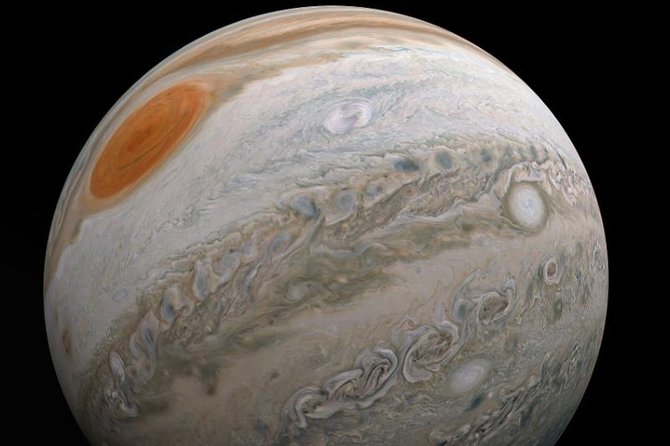
- GPS-guided telescopes: Large automated scopes make it easier to locate planets, stars, galaxies, nebulae, and star clusters.
- Oak Creek dark skies: You leave Sedona’s brighter streets for a designated observing site near Verde Valley School.
- Astronomy with personality: Guides such as Wes, Dave, Richard, and Mr. Sanders explain constellations, zodiac names, and the science behind what you see.
- Comfort between views: A chair, wide-view binoculars, blankets, and, in cold weather, parkas help you stay outside longer.
- Private format: Only your group is scheduled to participate, according to the tour details.
- Weather matters: Cloudy skies can lead to cancellation, with a different date or full refund offered.
Why Sedona is a fine place to look up

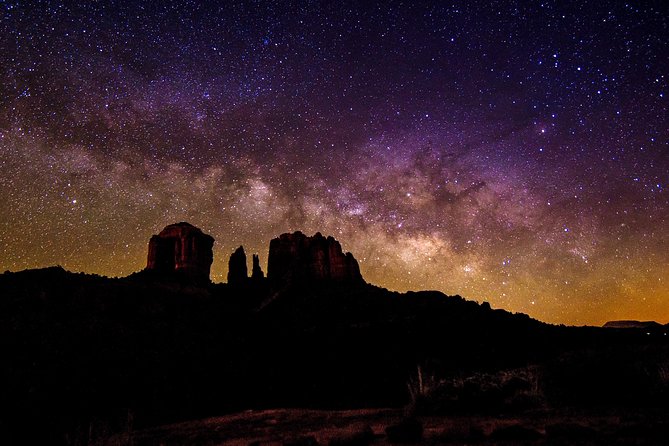
Sedona is famous for its red rock formations, but its night sky is just as important to the sense of place. Once you are away from the strongest local lights, the sky becomes the main attraction. This tour uses an observing site near Oak Creek, reached from the meeting point at 3511 Verde Valley School Road.
You are not simply handed a telescope and left to guess what you are seeing. The evening begins with an explanation of the constellations, using a laser pointer to connect individual stars into recognizable shapes. That matters because the night sky can feel confusing at first. A guide gives you a frame of reference, then points out zodiac names and explains where objects sit overhead.
I especially like this approach for first-time stargazers. You get both the broad view of the sky and the close-up view through the telescope. The two experiences work together. The laser pointer helps you understand the pattern, while the telescope shows you what those distant points of light really are.
More Stargazing Tours in the USA:
- Small Group Big Island Twilight Volcano and Stargazing Tour
★ 5.0 · 1,619 reviews - Griffith Observatory Hike: Guided Tour through Griffith Park
★ 5.0 · 1,020 reviews - Miami: Frost Museum of Science and Planetarium Entry Ticket
★ 4.5 · 429 reviews
Arriving near Verde Valley School
The listed meeting point is 3511 Verde Valley School Road, with the tour ending at the same location. You should allow enough time to find the site and arrive ready to walk to the observing area. The exact departure time can shift from the default booking time because sunset, moon phase, and viewing conditions affect the evening schedule.
One important practical detail: check your email and phone messages on the day of the tour. Updated arrival instructions may ask you to come earlier than the time first shown at booking. A recent start time listed as 8 p.m. was adjusted with an earlier arrival request, so do not rely only on the original confirmation.
The observing area has been described as a short walk to a sitting area, with chairs and blankets waiting. The setting is simple rather than polished, which suits the activity. You are there for the sky, not for a visitor center or elaborate stage set.
The first look: laser-guided constellations
The opening presentation gives you a map of the sky. A guide points out constellations with a laser and explains how to recognize them. This is one of the most useful parts of the experience because it turns stargazing into something active.
You can ask questions as the guide works through the sky. The strongest evenings seem to depend heavily on the guide’s ability to explain rather than simply operate equipment. Wes has been praised for storytelling, while Dave and Mr. Sanders are also noted for clear, engaging presentations. Richard is described as a charming guide with strong local and outdoor knowledge, as well as photography skills.
That range of personalities is worth noting. This is not a silent telescope viewing. You are paying for interpretation as well as equipment, so a guide who can explain the science in plain language makes a real difference.
There is one small concern: sound can be uneven in an open outdoor area. If the guide is speaking while people are moving between scopes, you may not catch every word. Stay close during the main explanations and ask for a point to be repeated if needed.
Taking turns at the powerful telescopes
The central part of the evening uses large telescopes with GPS auto-positioning. The system helps the guide find selected objects quickly, which is especially helpful during a short tour. Instead of spending most of the session searching for a target, you can spend more time looking at it.
Depending on the night, you might see planets, stars, galaxies, nebulae, or star clusters. The exact menu changes with the season, the moon, cloud cover, and the time of night. Saturn, its rings, and even one of its moons have been memorable sights for several people, while the Moon can offer detailed views of its craters when it is bright.
The telescope experience is shared in turns. That means you may need to wait briefly before looking through a scope. This is where the binoculars and chairs become more than a nice extra. You can continue scanning the sky instead of standing around with nothing to do.
The telescopes are advanced enough to produce impressive views, but you should keep expectations sensible. A telescope does not make every object appear like a colorful photograph from a space agency. Some galaxies and nebulae may look faint or soft. The reward is seeing distant objects with your own eyes and understanding what you are looking at.
Same sky over the USA, a different way to watch it:
- Griffith Observatory Insider Tour
★ 4.5 · 306 reviews - LA: Griffith Observatory Insider Tour
★ 4.5 · 287 reviews - The Original Sedona UFO and Stargazing Night Tour
★ 4.5 · 269 reviews - Mauna Kea Stargazing Experience + Photos
★ 5.0 · 261 reviews
Wide-view binoculars and a chair between turns
The binoculars add a useful second layer to the evening. They give you a wider view than the telescope and help you follow the constellations after the guide identifies them. You can also use them while another person is at the telescope.
The chair matters more than it might sound. Stargazing requires looking upward for long stretches, and standing on uneven ground can become tiring. Sitting down makes it easier to stay focused on the sky and listen to the guide.
Cold weather is the bigger comfort issue. December and winter sessions can be very cold, and several people specifically advise bringing plenty of layers. The company has supplied blankets and parkas on cold nights, which is thoughtful, but I would still arrive dressed for extended time outdoors. Warm clothing is more reliable than hoping a provided blanket will be enough.
A hat, gloves, and covered shoes are sensible choices, although only blankets and parkas are specifically confirmed as available. The tour is short, but 75 minutes in the open air can feel long when the temperature drops.
What the $89 price buys you
At $89 per person, this is not the cheapest evening activity in Sedona. The value depends on what you want from the night.
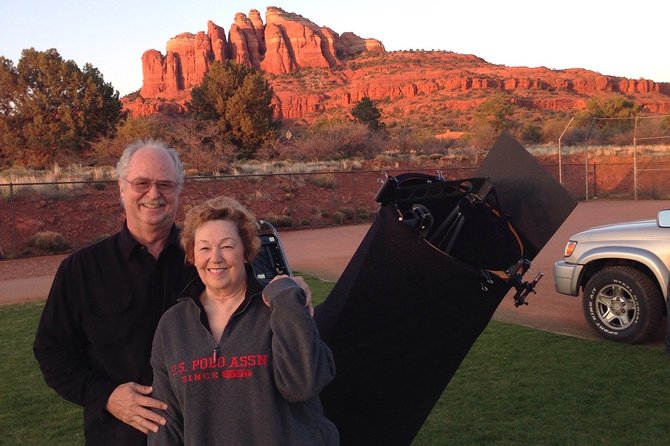
You are paying for a private experience, professional astronomy instruction, large GPS-guided telescopes, binoculars, a chair, and a planned session away from the town’s brighter lights. If you are curious about space and want an expert to explain the sky, the cost is easier to justify. The equipment also saves you from buying or carrying your own telescope.
The value drops if you expect a long session or guaranteed views of a particular planet. The listed duration is about one hour and 15 minutes, although some descriptions refer to roughly one hour. At that length, timing and organization matter. A late arrival, a long equipment setup, or poor sky conditions can make the evening feel brief.
I would book this for someone who sees astronomy as a main activity, not as a quick add-on after dinner. Families, couples, solo visitors, and friends can all fit the format. Children who already love space may get a lot from the telescope views, but younger children may find the cold and waiting between turns challenging.
Moon phase and clouds can change the whole night
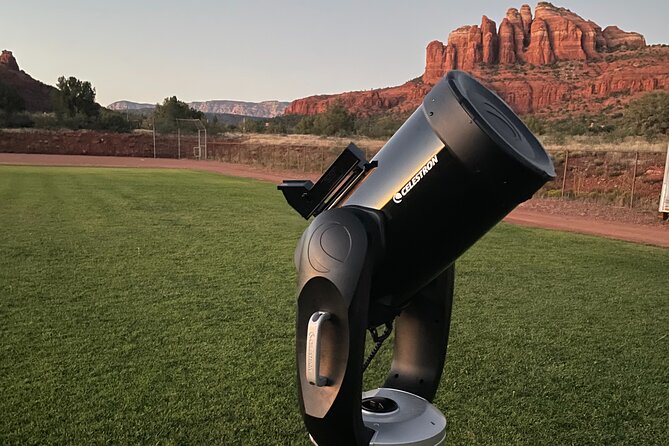
Stargazing is controlled by conditions you cannot manage. Cloud cover can block telescope targets, while a full or near-full moon brightens the sky and hides many fainter stars. A bright moon is not useless, since it can be a superb telescope target, but it is not ideal if your dream is a dark view of the Milky Way.
The company may cancel when clouds make the program unlikely to deliver good views. That can be frustrating, especially if you have driven out or rearranged your plans, but it is better than running a telescope tour under a closed sky. If poor weather causes the cancellation, you are offered another date or a full refund.
You should also understand the cancellation rule for your own plans. Cancel at least 24 hours before the start time for a full refund. Cancellations or changes inside 24 hours are not refunded, except when the operator cancels because of weather or because the minimum number of participants is not met.
For the best chance of a satisfying night, build some flexibility into your Sedona schedule. If your first date is cancelled, a later clear night may be worth the adjustment.
A private tour with a few timing details to watch
The activity is described as private, with only your group participating. That makes it a good choice if you want to ask many questions or prefer not to share the evening with a large crowd. It also means the guide can adjust the discussion toward planets, constellations, photography, or general astronomy, depending on your interests.
The timing deserves a close look. The standard details describe a 75-minute experience, but updated arrival instructions may move the check-in earlier. One evening began ahead of the original listed time after the operator asked people to arrive earlier and waited briefly for the group to assemble.
That kind of adjustment is tied to sunset and the night sky, but it can still catch you off guard. Read every message after booking, confirm the address, and keep your phone available on the afternoon of the tour.
Most people can participate, and the company has provided helpful assistance to a visitor with a mobility limitation. Still, the activity includes reaching the observing area from the meeting point, so contact the operator ahead of time if your group needs specific mobility support.
Who will enjoy this most
I would choose this tour for:
- Families with children who are excited by planets and space.
- Couples looking for a quiet evening activity outside Sedona’s usual sightseeing circuit.
- First-time stargazers who want the sky explained in plain terms.
- Amateur photographers who want to learn what is overhead, though the focus is viewing rather than a dedicated photography session.
- Anyone who prefers a small, private format with time for questions.
I would hesitate if you want guaranteed clear skies, a long astronomy lecture, or a low-cost activity. I would also think twice if you dislike cold weather or have only one free evening in Sedona and cannot adjust your plans after a weather cancellation.
The tour has earned an overall rating of 4.3 from 881 ratings, which suggests a strong experience with some real limits. The praise centers on the guides, telescope views, equipment, and thoughtful cold-weather supplies. The lower ratings focus on cost, cloud cover, full moon conditions, communication around cancellations, and one report of not receiving the cancellation notice in time.
Should you book Sedona Stargazing Tours?
Book it if you want more than a pretty night sky. The guides, especially names such as Wes, Dave, Richard, and Mr. Sanders, are a major part of the value. Their explanations help you understand what you are seeing, while the telescopes provide the memorable close views of Saturn, the Moon, planets, and distant objects.
Before you reserve, check the moon phase if that matters to you, keep your schedule flexible, and dress for winter temperatures. If the sky is clear and you arrive ready to spend an hour outside, this is a thoughtful way to add astronomy to a Sedona visit. If the forecast looks uncertain or the moon is bright, book only if you are comfortable with a more limited view.
FAQ
Where does the stargazing tour meet?
The meeting point is 3511 Verde Valley School Road, Sedona, Arizona 86351. The activity ends back at the meeting point.
How long does the tour last?
The experience lasts approximately one hour and 15 minutes. Some tour information describes the active stargazing period as about one hour.
What can I see through the telescopes?
Depending on the conditions and what is visible that night, you may see planets, stars, galaxies, nebulae, and star clusters. The Moon and Saturn have also been viewed through the telescopes.
Are telescopes provided?
Yes. The tour uses large telescopes with GPS auto-positioning. Wide-view binoculars are also provided for use between telescope turns.
Is this a private activity?
Yes. The tour is described as a private activity in which only your group participates.
Is the tour offered in English?
Yes. The experience is offered in English.
What should I wear?
Bring warm layers, especially during the colder months. Blankets and parkas have been provided on cold nights, but you should still dress for extended outdoor viewing.
What happens if the weather is bad?
If poor weather causes the tour to be cancelled, you will be offered a different date or a full refund. You can also cancel for a full refund if you do so at least 24 hours before the start time.
Fresh listings near the USA
- Boulder: Guided Astronomy Tour★ 4.7 · 11 reviews
- 1-Day Grand Canyon Tour from Las Vegas: Stargazing & Sunrise★ 3.6 · 3 reviews
- Private Stargazing – Sequoia National Park★ 4.5 · 14 reviews
- Private Tour of Griffith Observatory★ 4.5 · 58 reviews
- Milky Way Photography in Arches National Park★ 4.0 · 4 reviews
- Professional Stargazing in Moab★ 3.5 · 3 reviews
- Haleakala Sunset and Astronomy Tour★ 5.0 · 33 reviews
- Haleakala Sunset and Stargazing Audio Tour★ 4.0 · 10 reviews
Sedona Stargazing, side by side.

The Original Sedona UFO and Stargazing Night Tour
Read our review →
The Night Sky Star Story, Galaxy, and Sedona Story Tour
Read our review →
Sedona Dark Sky Sunset & Night Hike With a Private Guide
Read our review →Lists this night appears in