
REVIEW · USA STARGAZING
Stargazing and UFO Tour
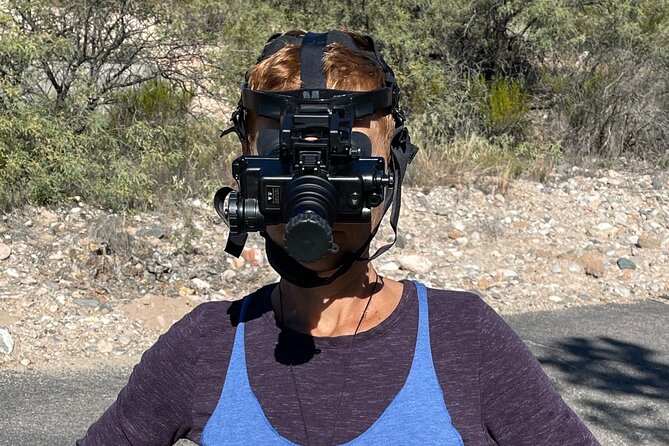
The most striking part of this Joshua Tree night tour is the Gen 3 military night vision equipment. Under a truly dark sky, ordinary stargazing becomes something more unusual: you can scan above the horizon for stars and planets, then use the goggles to see parts of the desert that disappear in the dark. Tony adds stories about the sky from Maori, Apache, and other traditions, giving the session more shape than a simple look through a telescope.
I like two things here. First, the viewing spot is chosen according to conditions rather than fixed in advance, which gives the guide room to avoid poor visibility. Second, this is a private outing for your group of up to eight, so you have time to ask questions and control the pace. The main drawback is the price: $1,500 per group is a serious cost for about 90 minutes, especially for two people. There are also no bathrooms at the site, and desert nights can be very cold.
Key points to know before booking
- Gen 3 night vision goggles: See stars and distant objects in a way ordinary binoculars cannot provide.
- A secret viewing site: You receive the exact location 24 hours before departure, then travel from the West Entrance Station with your guide.
- Tony’s sky stories: The program connects stars with Maori, Apache, and other cultural traditions.
- Private group format: Only your party participates, with a maximum of eight people.
- Cold-weather planning matters: Bring serious layers. Heated blankets have been offered on some outings, but dress as if you will need your own warmth.
- No bathroom stop: The secluded setting comes with a basic limitation that should not be overlooked.
From the West Entrance Station to a darker Joshua Tree sky
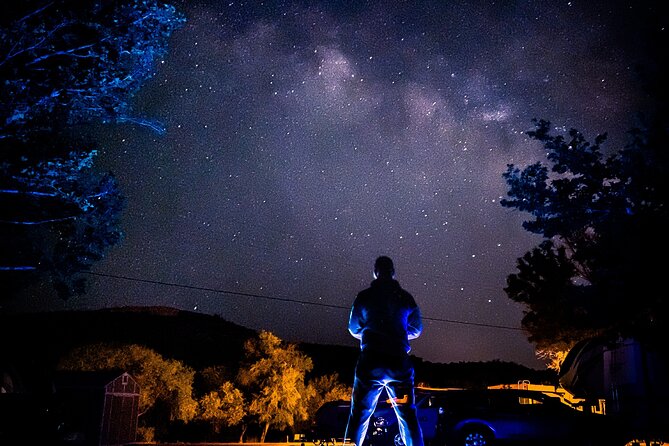
You begin at the West Entrance Station in Joshua Tree, California. This is a meeting point, not the final viewing area. The exact location is sent to you 24 hours before the tour, and from there your guide takes the group to a secluded site selected for the night’s viewing conditions.
That flexible location is useful. Cloud, wind, moonlight, and local visibility can change the quality of a sky show. A fixed platform may be convenient, but a guide who can choose among nearby spots has a better chance of finding a darker or clearer patch of sky.
The drive is part of the setup rather than a sightseeing stop. You should make your own way to the meeting point, then follow the guide to the chosen location. The activity ends back at the meeting point, so plan your evening around that return.
Because the exact site is not supplied until the day before, keep your phone available and read the instructions carefully. The tour is offered in English, and confirmation arrives when you book.
More Stargazing Tours in the USA:
- Small Group Big Island Twilight Volcano and Stargazing Tour
★ 5.0 · 1,619 reviews - Griffith Observatory Hike: Guided Tour through Griffith Park
★ 5.0 · 1,020 reviews - Sedona Stargazing Tours LLC
★ 4.5 · 881 reviews
Why the night vision gear changes the experience
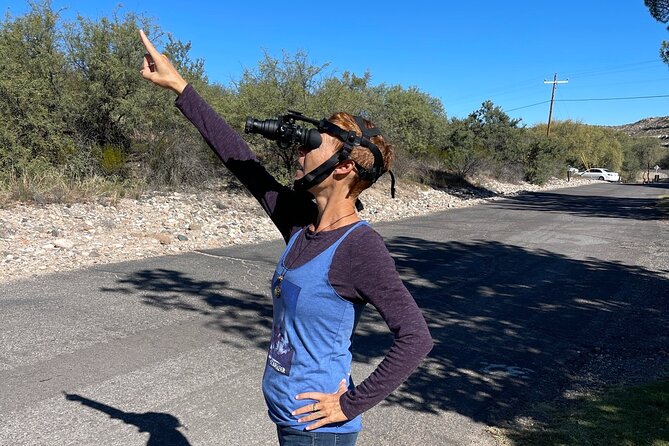
Most stargazing depends on your eyes adjusting to darkness. That takes patience, and even then you may see fewer stars than expected. Joshua Tree is far from major city lights, but the Gen 3 AN/PVS-7 night vision goggles give the session another tool.
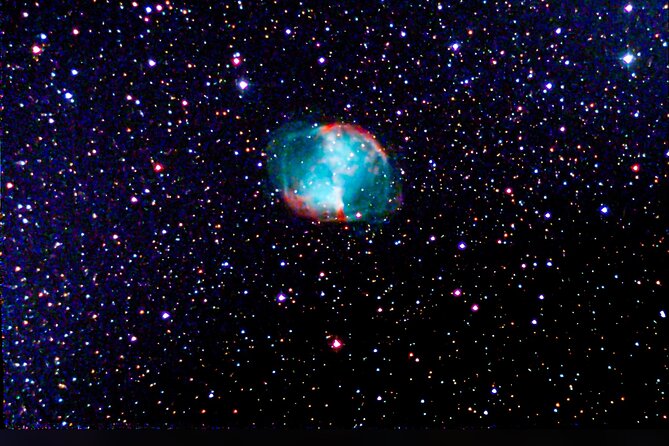
The goggles are not just a fancy extra. They amplify available light and let you scan the sky in a different way from normal binoculars. You may use them to follow stars, planets, and objects that are hard to pick out with the naked eye. The equipment also points toward the desert around you, giving you a sense of the terrain after sunset.
The tour supplies night vision goggles, laser pointers, binoculars, and chairs. Laser pointers help the guide direct your attention without leaving you guessing at a tiny point of light. The chairs matter more than they may sound, since reclining and looking upward is easier than standing with your neck tilted back for 90 minutes.
Some sessions have also included a telescope, augmented reality headsets, snacks, heated blankets, and a keepsake picture. These additions appear to vary, so I would treat them as possible extras rather than guaranteed inclusions. The listed equipment is the safer basis for your decision.
Tony’s stories give the sky a human meaning
Tony is the guide most often associated with this experience, and his strength is not limited to naming objects overhead. He connects stars with stories and ideas from several cultures, including Maori and Apache traditions. That approach helps you see the sky as something people have used for navigation, seasons, memory, and meaning for thousands of years.
I like this part because it keeps the tour from becoming a string of technical facts. You are not simply told what a star is called. You hear how different peoples read patterns in the heavens, then look up and find those patterns for yourself.
The cultural material is also why this tour may appeal to people who are not serious amateur astronomers. Children can enjoy the equipment and shooting stars. Adults may appreciate the connection between science, folklore, and the human need to make sense of a dark sky.
Tony has been praised for enthusiasm, good stories, and a hospitable manner. That energy helps at night, when cold and fatigue can make a long explanation harder to follow. Still, one point is worth noting: the storytelling can run long. One session lasted about half an hour beyond the expected time, and the guide sometimes wandered from one topic to another. If you want a tightly timed astronomy lesson, this may feel loose. If you like conversation and extra questions, it may be a plus.
What the 90-minute schedule feels like
The advertised duration is about one hour and 30 minutes. The evening begins with the meeting and drive to the selected site. Once there, the guide sets up chairs and viewing tools, explains how to use the equipment, and begins identifying objects in the sky.
The central portion alternates between looking and listening. You may move from naked-eye viewing to binoculars, then to the night vision goggles. The guide uses a laser pointer to indicate stars or planets, while stories place those sights in a wider cultural setting.
You should allow some flexibility around the stated length. One outing ran longer than expected, and the guide may spend extra time answering questions. That can be welcome when the sky is active, but it is worth remembering if you have a late dinner reservation or another fixed plan.
The return is to the original meeting point. Since the activity is private, your group does not have to share the chairs or ask questions in a large crowd. A family can pause for a child, and a couple can focus on the sights that interest them most.
Same sky over the USA, a different way to watch it:
- Miami: Frost Museum of Science and Planetarium Entry Ticket
★ 4.5 · 429 reviews - Griffith Observatory Insider Tour
★ 4.5 · 306 reviews - LA: Griffith Observatory Insider Tour
★ 4.5 · 287 reviews - The Original Sedona UFO and Stargazing Night Tour
★ 4.5 · 269 reviews
The price makes more sense for a full group
The cost is $1,500 per group of up to eight, not per person. For eight people, that works out to $187.50 each. For four, it becomes $375 per person. For two, the figure is $750 each, which is difficult to justify unless this is a major highlight of your Joshua Tree visit.
The private format is the reason the price can work for a larger party. Your group receives the guide’s attention, has room to ask questions, and does not need to share the session with strangers. Families and groups of friends can split the cost while keeping the experience personal.
The value also comes from the specialized gear and the chosen viewing location. A standard self-guided night in the park costs far less, of course. But you would need to find your own dark area, bring chairs, understand the equipment, and identify what you are seeing. This tour packages those tasks with interpretation and cultural storytelling.
I would book it for a group of six to eight, especially if someone in the party has a strong interest in astronomy or unusual night experiences. For a couple, I would compare the cost with the rest of your Joshua Tree budget and book only if the private setting and night vision technology are central to your plans.
Prepare for cold, darkness, and a bathroom-free site
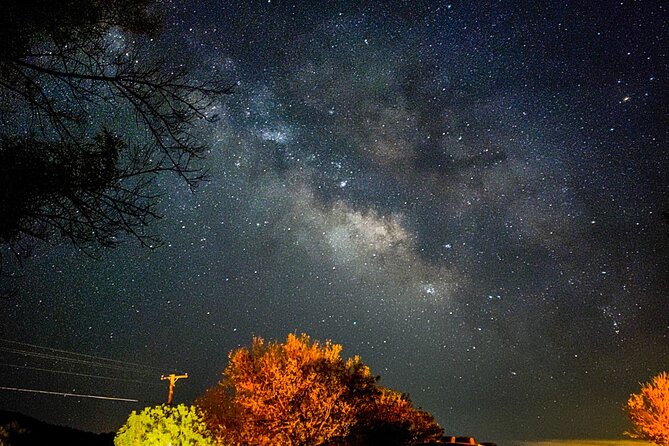
The desert can feel surprisingly cold after sunset. Wind makes it worse. Bring a warm jacket, hat, gloves, and extra layers, even if the afternoon in Palm Springs is mild. Reviews of the experience repeatedly stress bundling up, and one evening included heated blankets. Do not rely on that possibility. Dress for the cold you may encounter.
There are no bathrooms at the viewing location. Use facilities before meeting the guide and keep that limitation in mind if you are traveling with young children or anyone who needs regular access to a restroom.
The tour supplies hand sanitizer, but you should still arrive prepared for a basic outdoor setting. Chairs are included, which helps, but this is not a visitor center with lighting, paved paths, or indoor shelter.
Service animals are allowed, and most people can participate. The experience is conducted in English. Since conditions matter, poor weather can lead to a different date or a full refund.
Who will get the most from this night out
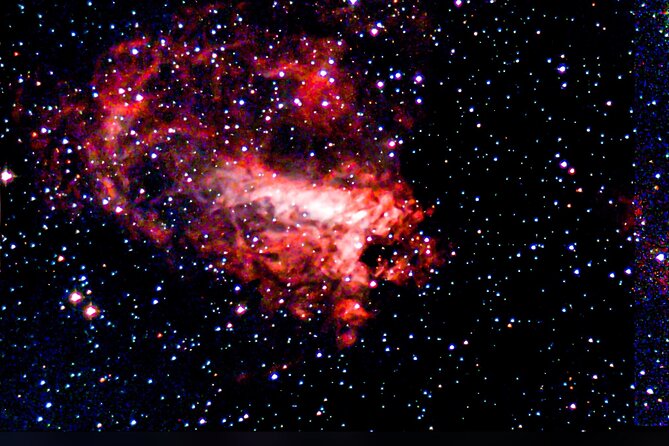
This is a strong choice for families with children old enough to stay outside after dark. The equipment adds a sense of discovery, while the stories keep the evening from feeling like a lesson. An eight-year-old has reportedly found the sights just as exciting as the adults, which fits the hands-on nature of the program.
Couples can enjoy the quiet and private setting, but they should be comfortable with the high group price. The session is also a good match for solo visitors who want a guide rather than a self-guided night in the park.
You will get less from it if you want a short, tightly scripted presentation or guaranteed telescope viewing. The core promise is the dark sky, night vision goggles, binoculars, laser pointers, chairs, and storytelling. Extras such as a telescope, snacks, heated blankets, or a keepsake photo may not be part of every outing.
Booking, timing, and cancellation details
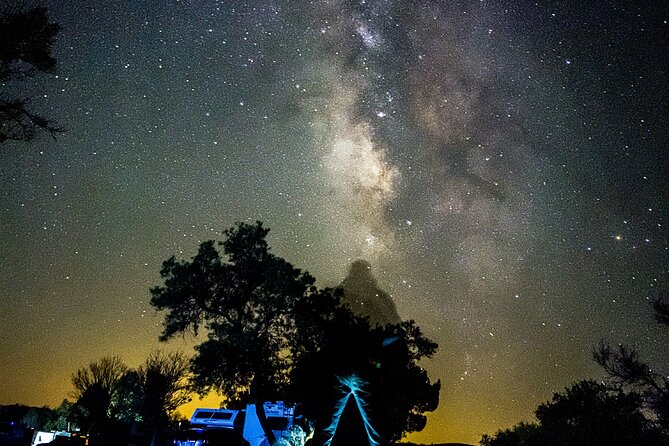
This experience is commonly reserved about 28 days ahead, so I would not leave it until the last evening of your trip. Book early if your Joshua Tree dates are fixed, while keeping the weather policy in mind.
You can cancel for a full refund up to 24 hours before the start time. Cancellations or changes inside that 24-hour window are not refunded or accepted. If bad weather prevents the tour, you are offered another date or a full refund. The same applies if the minimum number of participants is not met.
Mobile tickets are available. The exact meeting information arrives 24 hours before the tour, so check your email and phone before setting out.
Should you book the Joshua Tree UFO and stargazing tour?
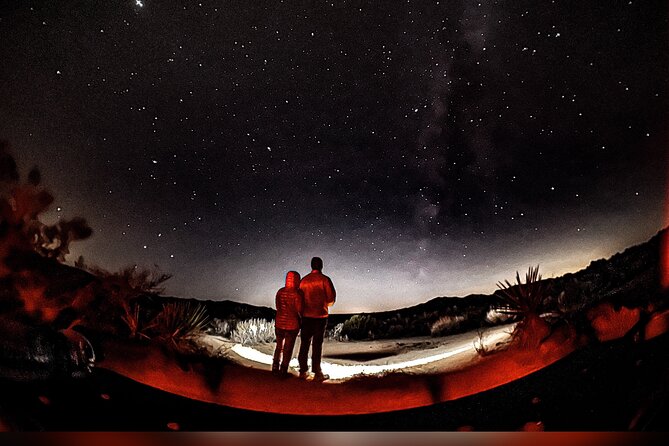
Book it if you want more than a pretty sky. The night vision goggles, private format, and cross-cultural stories make this feel different from simply pulling over in the desert and looking up. A larger group can spread out the price, making the experience much easier to recommend.
Think twice if your party is small, your budget is tight, or you need a firm 90-minute schedule. The guide may talk longer than planned, the location has no bathroom, and cold weather is part of the deal.
For a group that values unusual technology, thoughtful storytelling, and a close look at Joshua Tree after sunset, I would book it. Go warmly dressed, arrive ready for a basic outdoor setting, and treat the sky itself as the main event.
FAQ
Where does the tour begin?
The tour begins at the West Entrance Station in Joshua Tree, California. The exact secluded viewing location is provided 24 hours before the tour.
How long does the experience last?
The stated duration is approximately one hour and 30 minutes. The session may run longer, depending on the guide and the evening.
What equipment is included?
The tour includes Gen 3 AN/PVS-7 night vision goggles, laser pointers, binoculars, chairs, and hand sanitizer.
Is this a private tour?
Yes. Only your group participates, with up to eight people per booking.
Are bathrooms available?
No. There are no bathrooms at the viewing location, so plan to use facilities before meeting the guide.
What happens if weather cancels the tour?
You can choose another date or receive a full refund if poor weather cancels the experience. A full refund is also offered if the minimum number of participants is not met.
Fresh listings near the USA
- Boulder: Guided Astronomy Tour★ 4.7 · 11 reviews
- 1-Day Grand Canyon Tour from Las Vegas: Stargazing & Sunrise★ 3.6 · 3 reviews
- Private Tour of Griffith Observatory★ 4.5 · 58 reviews
- Milky Way Photography in Arches National Park★ 4.0 · 4 reviews
- Professional Stargazing in Moab★ 3.5 · 3 reviews
- Private Stargazing – Sequoia National Park★ 4.5 · 14 reviews
- Haleakala Sunset and Astronomy Tour★ 5.0 · 33 reviews
- Haleakala Sunset and Stargazing Audio Tour★ 4.0 · 10 reviews
USA Stargazing, side by side.
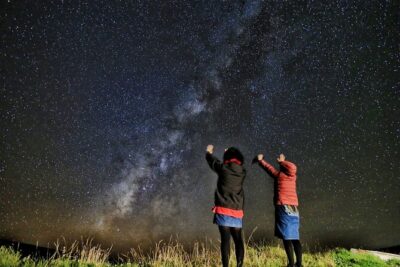
Small Group Big Island Twilight Volcano and Stargazing Tour
Read our review →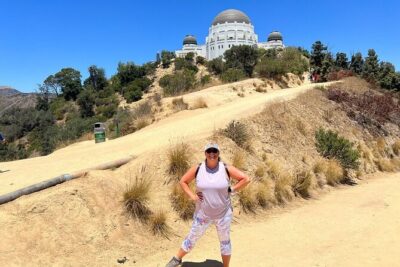
Griffith Observatory Hike: Guided Tour through Griffith Park
Read our review →
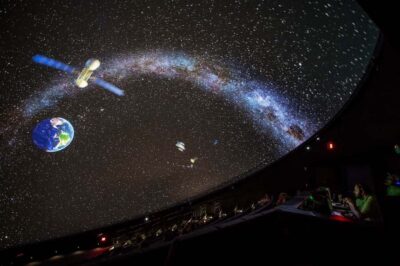
Frost Museum of Science and Planetarium Entry Ticket
Read our review →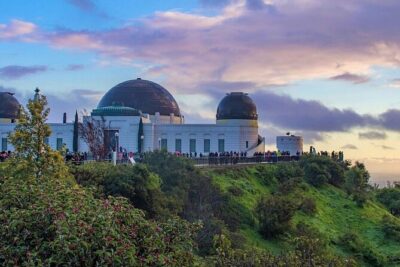
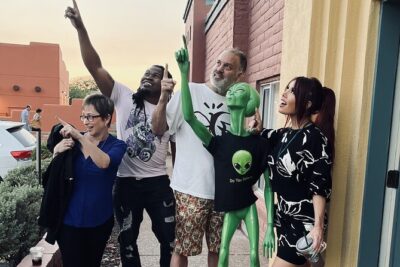
The Original Sedona UFO and Stargazing Night Tour
Read our review →
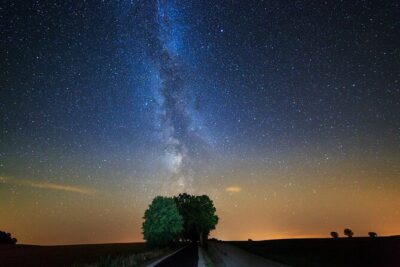
The Night Sky Star Story, Galaxy, and Sedona Story Tour
Read our review →Lists this night appears in