
REVIEW · SAN PEDRO DE ATACAMA STARGAZING
San Pedro de Atacama: Etno-Stargazing Tour with Transfer
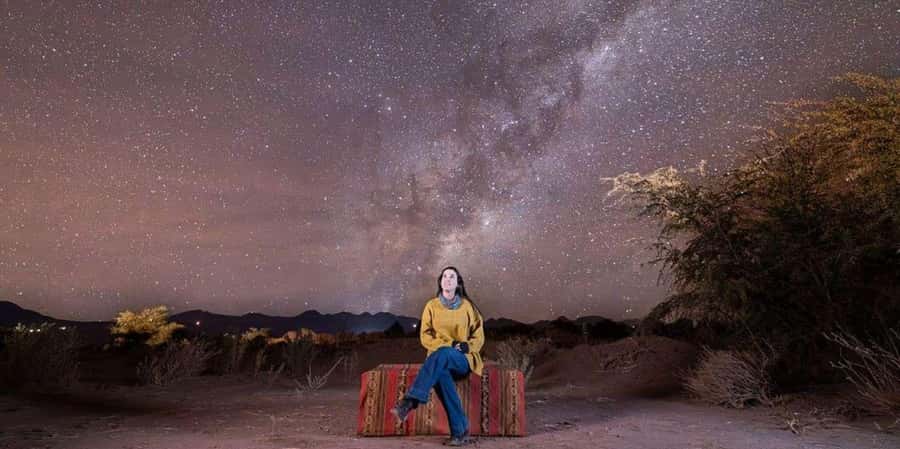
The Atacama Desert gives this evening its main gift: a remarkably dark sky where the Southern Cross, planets, star clusters, and distant galaxies become easier to find and understand. Your astronomy guide connects modern science with the Andean reading of the Milky Way, so you are not just staring upward and guessing at bright dots.
I like the hands-on telescope time, with the guide focusing each object and explaining what you are seeing. I also like the human touches: ponchos or blankets against the cold, hot drinks or wine, and a courtesy photo beneath the stars. The main catch is the weather and moonlight. A bright moon can wash out faint stars, while clouds may push the start time later or cancel the outing.
Key points to know before booking
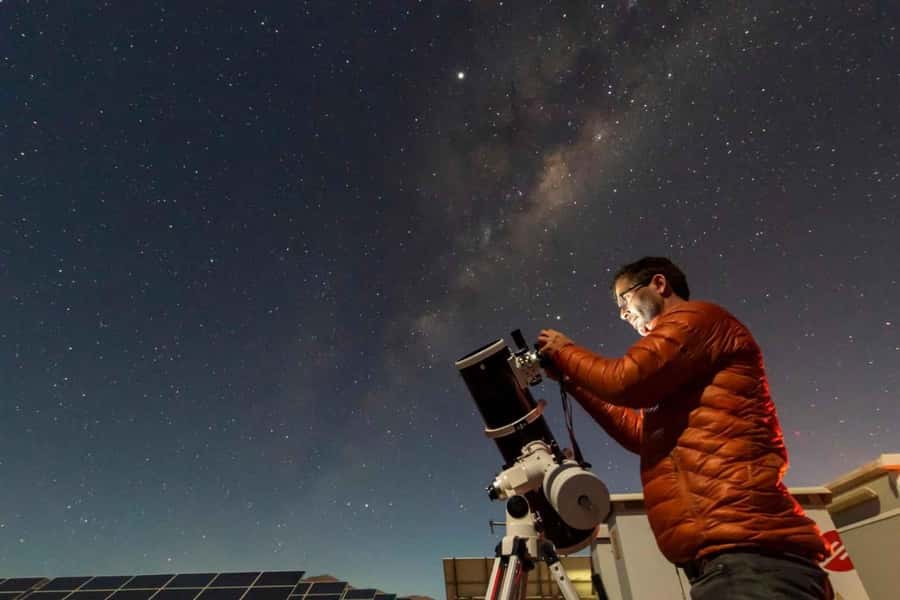
- Look through large telescopes: Depending on the season and conditions, you might see planets, binary stars, nebulae, galaxies, and clusters.
- Hear two sky stories: The first section follows Western astronomy, then turns to Andean ideas about animals, rivers, water, time, and life after death.
- Expect a cold night: Bring serious layers. The desert cools quickly after sunset, and provided ponchos may not replace a warm jacket.
- Allow 150 minutes: The outing includes a short van ride each way, a guided astronomy session, telescope viewing, and the final photo.
- Moonlight matters: Check the lunar calendar before booking. A full or bright moon makes the sky less dark and can limit the included photo.
- Good value at $41: Transport, an astronomy guide, telescope equipment, drinks, and a digital photo are included.
Why San Pedro is a fine place to study the stars
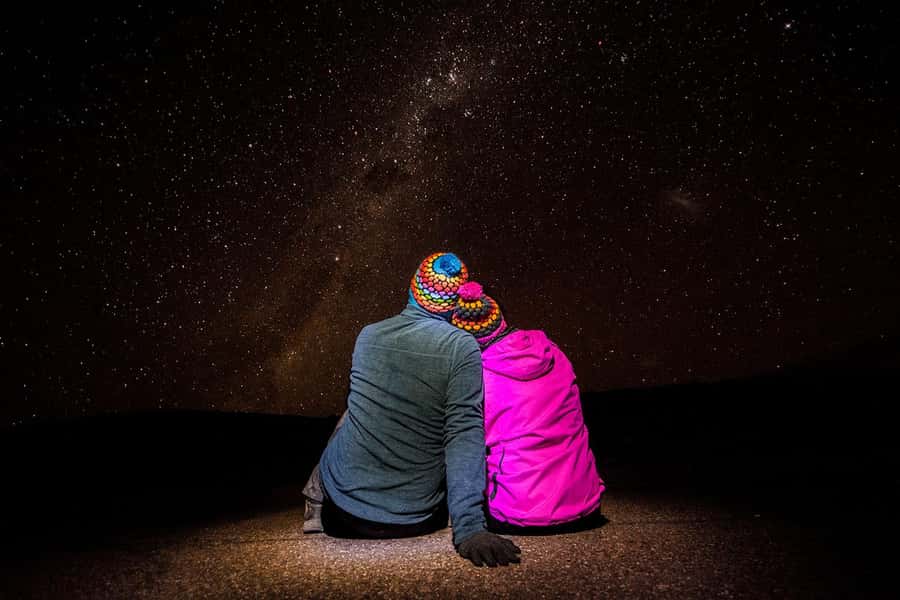
San Pedro de Atacama sits in northern Chile’s Atacama Desert, far from the bright streets and heavy night lighting of major cities. That makes the sky the real setting for this tour. You are not visiting a planetarium with a painted ceiling. You are outside, looking at the same sky that Andean communities watched for centuries.
The experience begins with a short ride from town. Pickup and drop-off are included in San Pedro, but not in the outlying ayllus. The stated meeting point is Restaurant Tara at Licancabur 10, so I would confirm the exact pickup instructions before the evening begins. One person had trouble finding the meeting place, and the guide had to come looking, so this is a small detail worth handling in daylight.
The van ride takes about 15 minutes. That is long enough to leave much of the town glow behind, but short enough that you are not spending the evening in a vehicle. The return ride is listed at about 25 minutes, though weather and the final timing can affect the schedule.
More Stargazing Tours in the world:
- Dubai Red Dunes ATV, Camels, Stargazing & 5* BBQ Al Khayma Camp
★ 5.0 · 21,620 reviews - Sharm El-Sheikh: Ultimate ATV Quad, Stargazing & BBQ Dinner
★ 4.7 · 4,084 reviews - Tenerife: Teide National Park Sunset & Stargazing Tour
★ 4.2 · 3,812 reviews
The first hour: learning how the Western sky works
The astronomy session begins with the modern Western view of the universe. Your guide explains stars, brightness, planets, and the formation of the cosmos, using the actual sky above you rather than treating the subject as a classroom lecture.
Guides including Felipe, Claudio, Salvador, and Yvonne have led departures, with English and Spanish available. The strongest part of this format is the chance to ask questions while looking at the object being discussed. Felipe, in particular, has been praised for handling difficult questions and linking current research with older ways of understanding the sky. Claudio has also been noted for keeping explanations clear and engaging for families.
You learn why stars appear brighter or dimmer, how planets differ from stars, and how constellations are identified. A laser pointer may be used to help you follow the guide’s explanation, though the exact equipment and guide can vary.
This is a good setup for beginners. You do not need to arrive knowing the names of constellations. The guide gives you a way to get your bearings fast, then sends you to the telescope with a better idea of what you are looking at.
The Andean sky: animals, rivers, and daily life
The second part changes the viewpoint. Instead of focusing only on bright stars and familiar Western constellations, the guide explains how ancient Andean communities interpreted the dark spaces between the stars.
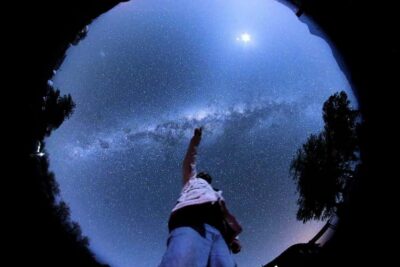
That difference is important. In many Western traditions, the visible points of light form pictures. In Andean traditions described on this tour, the darker parts of the Milky Way could suggest animals and other forms. The sky also helped people think about water, rivers, schedules, daily work, and life after death.
This section gives the night a stronger local connection. The Southern Cross is not simply another constellation to tick off a list. It becomes part of a wider story about how people in the Andes read time and place from above.
The tour’s reference to ancient Greece adds another layer. You travel, in a sense, from Greek and Western ways of naming the sky to indigenous Andean interpretations. The comparison is more useful than a standard constellation talk because it shows that astronomy is both a science and a human way of making sense of the world.
Telescope time with planets and deep space
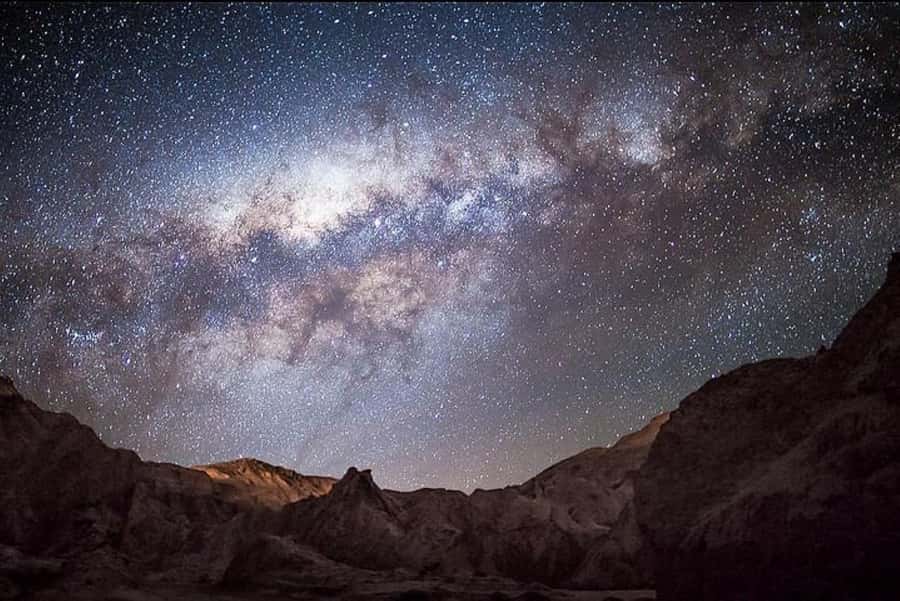
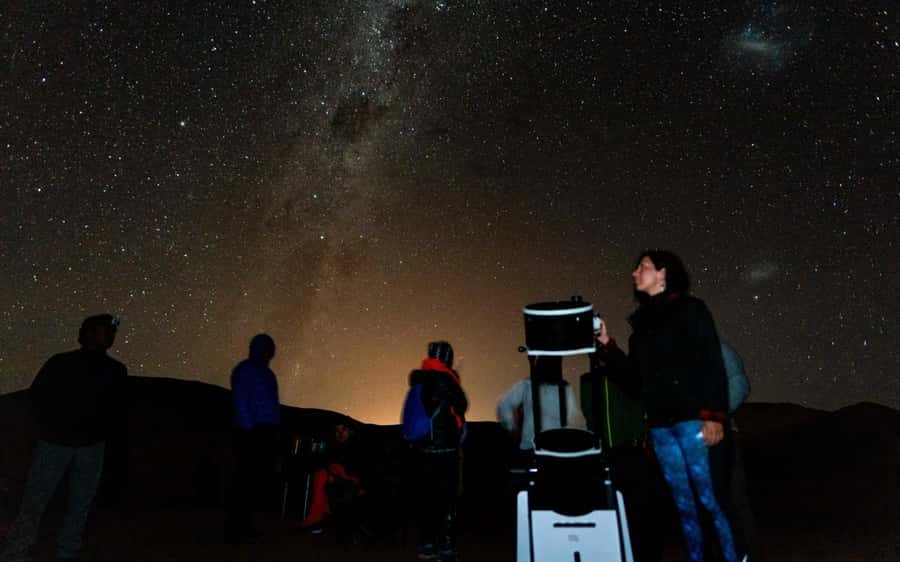
After the explanations, you take turns using the telescope with help from the guide. The guide focuses the instrument and tells you where to look, which is especially useful if this is your first telescope experience. You may see planets, stars, binary stars, star clusters, nebulae, or galaxies, depending on the season, visibility, and the guide’s choices that evening.
Saturn has been a highlight on some departures. Seeing its shape through a telescope is very different from seeing it as a bright point in the sky. The crescent moon, Antares, and star clusters have also been observed on different nights.
Do not arrive with a fixed checklist. Astronomy depends on the date and conditions. The object you hoped to see may be below the horizon, hidden by cloud, too close to the moon’s glare, or simply not suitable at that moment. A good guide adjusts the program, and this tour has a strong record of doing that.
The telescope equipment is included, and the guided approach means you are not left trying to find objects on your own. Families should find this part manageable because children can look at something specific rather than listening to an abstract talk for the full evening. The English explanations have also been clear enough for international visitors, though the level of detail may vary by guide.
Same sky over the world, a different way to watch it:
- Tenerife: Sunset and Stargazing at Teide National Park
★ 4.7 · 2,826 reviews - Teide National Park Sunset & Stargazing with Dinner (Star Safari)
★ 5.0 · 2,601 reviews - Dubai: Sunset Camel Trek, Al Khayma Camp, Stargazing & BBQ
★ 4.8 · 2,588 reviews - Dubai: Overnight Safari, Dinner, Stargazing & Al Khayma Camp
★ 4.8 · 2,562 reviews
The moon is the biggest variable
The lunar calendar deserves attention before you pay. A dark or lightly lit moon generally gives you a better chance of seeing faint stars, the Milky Way, and dim objects. A bright moon can still make for good telescope viewing, especially for the moon itself and bright planets, but it reduces the blackness that makes the Atacama sky so striking.
The included photo also changes in bright moonlight. During periods of high moonlight, the photo is taken only through the telescope eyepiece, rather than as a standard portrait with a broad star-filled sky behind you.
Clouds and bad weather create a second concern. The operator may shift the tour to later the same night or to the following night. On one difficult evening, the start was moved to 11 p.m., and the clear conditions made the delay worthwhile. You should keep the following morning flexible if possible, especially if you have an early excursion or airport transfer.
If conditions force a cancellation, other options are offered. Free cancellation is available up to 24 hours before the activity, and the reserve-now, pay-later option gives you some flexibility while you arrange your Atacama plans.
Warm drinks, a fire, and the final photograph
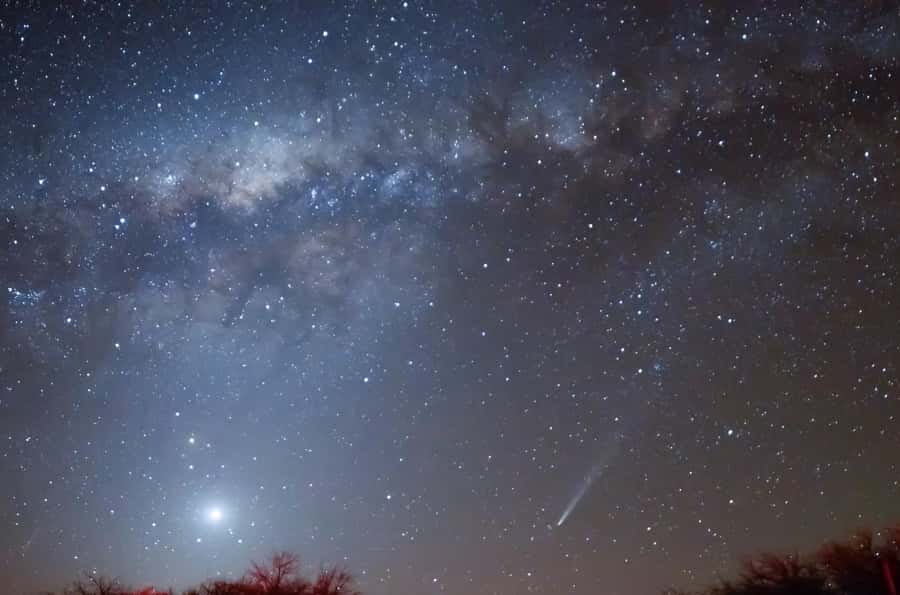
The desert can feel surprisingly cold at night. This is not the dry daytime heat of a valley walk. Bring warm clothing, comfortable shoes, and layers you can add while standing still. Ponchos have been provided on some departures, and blankets may be available, but I would not rely on those alone.
Coffee, tea, or red wine are included. Some departures have also ended with a fire, snacks, and a more substantial picnic-style spread. The exact refreshments can vary, so book this for the astronomy rather than for a meal. Still, a hot drink or glass of wine is welcome after time spent outside beside the telescopes.
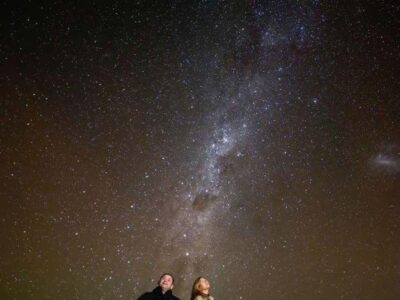
The final photo is a thoughtful extra. You are guided into position beneath the sky, and the image is sent by email. Professional photos have been taken during the session, sometimes with several poses or group arrangements. The result depends on the moon, clouds, camera conditions, and the photographer, but it gives you something more lasting than a phone image of a few bright dots.
The photo is also a practical memory of scale. A camera can show you standing under the Atacama sky, while your eye alone usually cannot capture both a person and faint stars at the same time.
Timing, pickup, and comfort
The total duration is 150 minutes. Pickup is listed at 7 p.m. from April through August, and around 9 to 9:20 p.m. during Chile’s summer schedule. Confirm the exact time for your date because the activity can shift with weather and seasonal daylight.
Pickup and return are available in San Pedro, excluding the ayllus. The van ride is brief, but the route matters because the darker site is part of the experience. You leave town, reduce the effects of street lighting, and spend the main session outdoors.
The tour is wheelchair accessible according to the activity information. Still, outdoor astronomy sites can involve uneven ground or a different surface, so I would confirm the exact setup in advance if you need specific mobility assistance.
Bring your passport or identity card, although the main comfort items are more important: a warm jacket, extra layers, and shoes you can stand in. Binoculars are listed as useful, but the included telescope is the main viewing tool. Smoking, alcohol beyond the provided drink, and drugs are not allowed.
Is $41 a fair price?
At $41 per person, this is a strong-value evening if you want more than a simple drive outside town to look at stars. The fee covers San Pedro pickup and return, a specialist astronomy guide, telescope equipment, the astronomy lesson, a drink, and a digital photo.
The value rises if you would otherwise need to arrange a taxi, find a dark location, and rent or borrow equipment. You also benefit from someone who can focus the telescope, explain the objects, and connect them to Andean culture.
The price is less compelling if you mainly want a quiet, private night under the stars. The activity is guided and shared, and telescope viewing means taking turns. The listing does not give a fixed group size, so do not assume a private experience or guaranteed uninterrupted time at the eyepiece.
You are paying for interpretation as much as equipment. That is the right reason to book it. Without the guide, you may see a spectacular sky but miss the links between stars, planets, seasonal movement, Andean life, and the ancient stories attached to the darkness between the stars.
Who will enjoy this most?
I would choose this for first-time stargazers, curious families, couples, and anyone who wants cultural context along with astronomy. The format works well if you like asking questions, trying equipment, and moving between a talk and practical viewing.
It is also a good choice for people who have already visited an observatory but want a more informal night. The Andean astronomy section gives the experience a local identity rather than making it a standard lecture that could happen anywhere.
Families with children from about school age upward can get a lot from it, provided everyone is prepared for the cold and late timing. One family with children aged 10, 13, and 15 found the explanations engaging, with the guide adjusting the facts to keep younger listeners involved.
You may want to skip it if you have a strict early-morning schedule, dislike schedule changes, or expect perfect views of a particular planet. You may also be disappointed if you book during a bright full moon and expect a completely dark sky. The tour can still be worthwhile, but the visual result will not be the same as on a moonless night.
Should you book the Etno-Stargazing Tour?
I would book it if your Atacama trip has one open evening and you want a well-priced mix of science, Andean sky traditions, telescope viewing, and a small amount of comfort afterward. The guides, especially Felipe and Claudio on different departures, have been praised for clear explanations, patience, and real enthusiasm for the subject.
Book with the moon phase in mind, keep your next morning flexible, and bring warmer clothing than you think you need. Confirm the pickup point at Licancabur 10, and treat the fire, snacks, and drinks as welcome extras rather than the main event.
For $41, the tour gives you a structured way to understand one of the world’s finest night skies. If you want the best chance of seeing faint stars, aim for a darker moon period. If you mainly want to see a planet through a telescope and hear the Southern Hemisphere explained well, even a moonlit night can work.
FAQ
How long does the stargazing tour last?
The activity lasts 150 minutes, including transportation, the guided astronomy session, telescope viewing, and the final photo.
Where does pickup take place?
Pickup is available in San Pedro de Atacama, with Restaurant Tara at Licancabur 10 listed as the meeting point. Pickup and drop-off do not include the ayllus.
What time does pickup begin?
Pickup is listed at 7 p.m. from April through August. During Chile’s summer schedule, pickup is listed between 9 and 9:20 p.m. Check the confirmed time for your date because weather can change the schedule.
Is the tour available in English?
Yes. Live guiding is offered in English and Spanish.
What can I see through the telescope?
Depending on the season and conditions, you may see planets, stars, binary stars, star clusters, nebulae, galaxies, and other solar system or deep-space objects.
Does the tour include a telescope?
Yes. Telescope equipment is included, and the guide helps you use it and focuses the objects for viewing.
Is food or a drink included?
Coffee, tea, or red wine are included. Some departures have also included snacks or a fire-side picnic, but the exact refreshments can vary.
Will I receive a photo?
Yes. A courtesy photo with the sky is included and is sent by email. During periods of high moonlight, the photo is taken only through the telescope eyepiece.
What should I wear?
Bring warm clothing, comfortable clothes, and comfortable shoes. The desert can become very cold at night. Binoculars are also listed as a useful item to bring.
What happens if the weather is bad?
The tour may be moved to a later time the same night or to the following night. If it must be canceled, other options are offered, and you are notified about the change.
Fresh listings near the world
- Cabo de Gata: Guided Night Walk with Stargazing★ 4.7 · 36 reviews
- Brisbane: Glow Worms, Sunset, Star Gazing & BBQ★ 4.4 · 26 reviews
- Cabo de Gata: Stargazing Experience★ 4.5 · 7 reviews
- Antofagasta: Astronomical Tour with a Guide★ 3.7 · 4 reviews
- Boulder: Guided Astronomy Tour★ 4.7 · 11 reviews
- 1-Day Grand Canyon Tour from Las Vegas: Stargazing & Sunrise★ 3.6 · 3 reviews
- Astronomical Tour: San Pedro de Atacama – Chile★ 4.5 · 3 reviews
- Perth: Pinnacles Stargazing, Sandboarding & Beach Kangaroos★ 5.0 · 3 reviews
San Pedro de Atacama Stargazing, side by side.
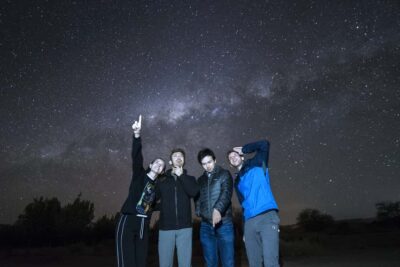
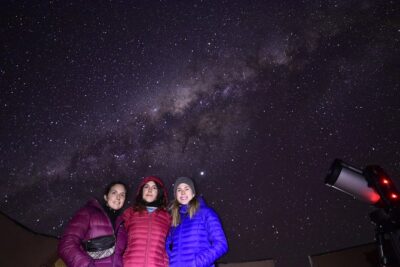
Astronomical Tour with Guide and Pick Up San Pedro de Atacama
Read our review →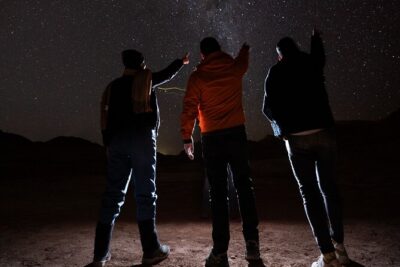
“Astronomical Adventure in San Pedro de Atacama”
Read our review →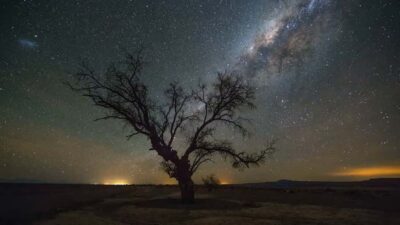
Lists this night appears in