
REVIEW · DESERT STARGAZING SAFARIS
Marsa Alam SPACE OBSERVERS ( Desert Stargazing )
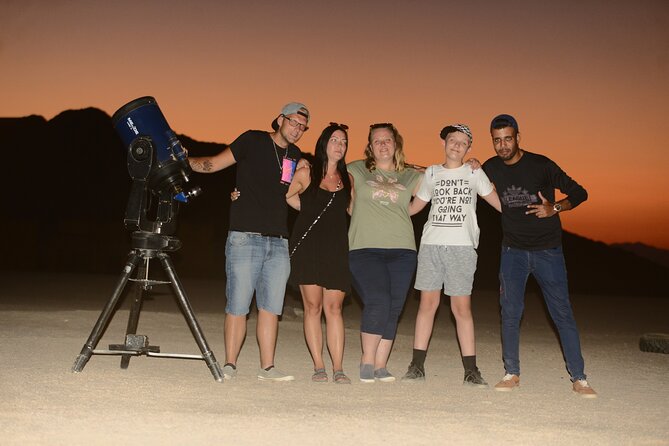
Marsa Alam’s best show begins after sunset, when a 15-inch GPS-directed Meade telescope turns a quiet desert evening into a lesson in planets, stars, and far-off space. Before that, you visit an Ababda camp in Padi Valley, watch bread baked over a fire, ride a camel for 30 minutes, and eat a Bedouin-style dinner.
I like the small maximum group of 12 and the mix of simple local life with serious astronomy. I also like the timing: pickup around 4:00 pm gives you a sunset view before the sky turns dark enough for the telescope. The main consideration is that the camp is basic, and the $85 price does not include the listed $5 government fee or a possible $10 transport charge from hotels south of Marsa Alam.
Key points to know
- A 15-inch Meade telescope gives the astronomy portion more substance than a casual look at the stars.
- Padi Valley’s Ababda camp adds tea, bread making, a camel ride, dinner, and a sunset walk to the evening.
- The group is capped at 12 people, which helps keep the astronomy talk and telescope viewing manageable.
- Pickup runs around 4:00 pm, with a return planned for about 8:30 pm.
- The desert sky is the main attraction, with Saturn, the Milky Way, and deep-space objects among the sights reported during the evening.
- Guides may speak several languages, and Harabi is one guide praised for French, German, and English service.
From Marsa Alam to Padi Valley at 4:00 pm
The trip starts with hotel pickup in an air-conditioned vehicle at about 4:00 pm. The drive to the Ababda camp in Padi Valley takes roughly an hour, so you spend the first part of the outing leaving the resort area and heading into the desert.
That transfer matters. This is not a quick telescope session beside a hotel. You are going to a darker, quieter place, where the absence of city lights helps the stars show themselves later. The ride also gives the evening a clear rhythm: travel before sunset, camp activities in the fading light, dinner after dusk, then astronomy.
Some descriptions of the experience refer to an adventurous Jeep ride, while the listed transport is an air-conditioned vehicle. Your exact vehicle may depend on the departure arrangements. Either way, you should expect a desert transfer rather than a polished sightseeing coach route.
The small group limit of 12 is useful here. A minibus full of people would make the camp feel crowded and would slow down access to the telescope. With fewer people, you have a better chance to hear the astronomer and get a proper look when the telescope is pointed at a planet or distant object.
More Desert Stargazing Safaris in Egypt
- Hurghada: Sea & Desert Horse Tour, Stargazing, Dinner & Show
★ 4.5 · 1,592 reviews - Hurghada: Star Stargazing Desert Adventure by Jeep & Dinner
★ 4.7 · 694 reviews - Hurghada: Sea & Desert Camel Ride w/Dinner, Show, Stargazing
★ 4.3 · 634 reviews
A simple Ababda camp before dark
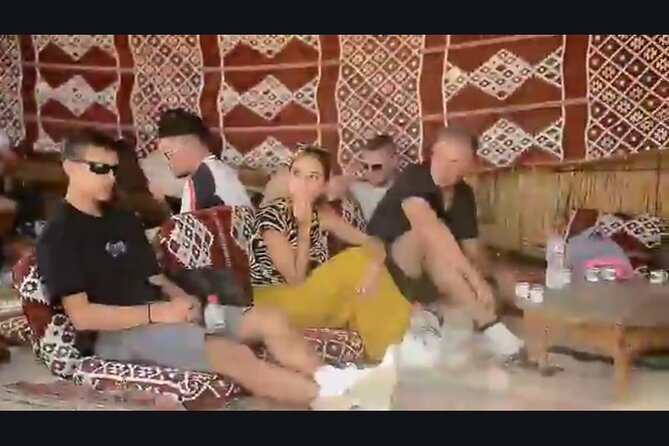
The camp is described as an Ababda Bedouin camp, sometimes called Ababda village in the tour information. Do not expect a recreated historical site or a large cultural show. The appeal is its plain setting and the chance to see a few everyday details presented in a relaxed way.
You receive Bedouin tea and an explanation of simple desert life from a professional guide. The Ababda people are associated with the Eastern Desert, and this stop gives the evening a human side before the focus shifts to astronomy. The camp is intentionally modest, so keep your expectations practical.
One of the more appealing activities is watching bread made over a campfire. It is a small moment, but it gives you something real to observe rather than another staged performance. You can see the cooking process, enjoy the smell of the fire, and understand how food preparation fits into a desert camp setting.
The guides are an important part of this stop. Harabi is one named guide connected with the experience, and he has been praised for explaining Bedouin life in a clear way. Another guide, Moussa, is noted for taking care of people during the evening. Guide assignments can vary, but the company says it has professional astronomy guides who speak different languages.
A 30-minute camel ride and a small cliff at sunset
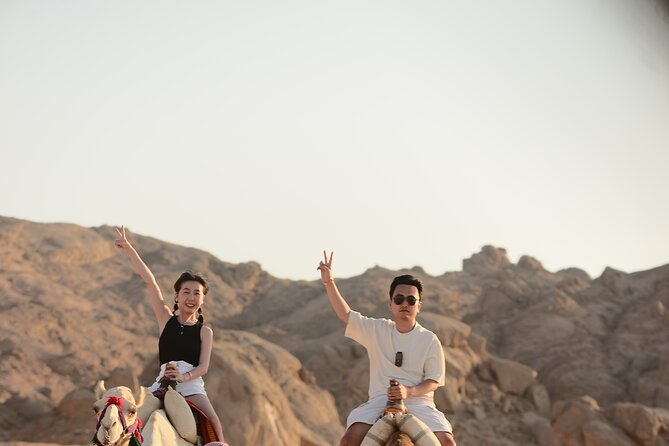
The camel ride lasts about 30 minutes. That is long enough to try the experience without making the whole evening about riding. If you have never been on a camel, the short duration is welcome because the motion can feel unfamiliar, especially when the animal stands up or sits down.
The ride is included, as is the time to rest in the Bedouin tent. The schedule does not suggest a long trek across the desert. Think of it as a brief camp activity, followed by time to settle in before dinner and the night-sky session.
You also climb a small cliff to watch the sunset. The wording matters: this is a small rise, not a demanding mountain walk. You still need sensible footwear because desert ground can be uneven, and anyone who dislikes climbing should know that the sunset viewpoint involves a short ascent.
Sunset is one of the strongest parts of the timing. The desert changes quickly as the sun drops, and the open view gives you a good reason to be outside before the stars appear. Bring a phone or camera if you want pictures, but remember that sunset photographs and astronomy require different settings. A camera that captures a bright horizon may not capture faint stars later.
Dinner by the fire at the Ababda camp
After the sunset stop, you return to the camp for a freshly prepared Bedouin dinner. The inclusions describe a barbecue, an open buffet, bottled water, and a soft drink with dinner. Coffee and tea are also included.
This is not presented as a restaurant meal with a wide menu. It is a camp dinner, and its value comes from the setting and the sequence of the evening. You have already seen the bread made over the fire, so the meal feels connected to the place rather than added as a separate buffet stop.
Dinner also creates a useful pause between the active first half and the astronomy session. The schedule gives about two hours to the welcome, camp explanation, bread making, sunset, and meal. That is a generous block, so the outing should not feel like a rushed checklist if the timing stays on track.
The food is described as delicious in the supplied material, but tastes and expectations differ. If you need a particular diet, the information provided does not confirm special meals. Ask before booking if that is important to you. Bottled water and soft drinks are included during dinner, which is helpful in a dry desert setting.
The camp also has a Bedouin pharmacy and handmade shop, but those purchases are not included. Treat this as optional browsing, not part of the value you are paying for.
Same sky over Egypt, a different way to watch it:
- Sharm El-Sheikh: Ultimate ATV Quad, Stargazing & BBQ Dinner
★ 4.7 · 4,084 reviews - Hurghada: Sunset Quad Bike, Camel w/ Opt Stargazing and BBQ
★ 4.2 · 1,705 reviews - Hurghada: Quad Bike, Sea, Camel, Safari, Stargazing & Dinner
★ 4.2 · 1,454 reviews - Makadi Bay: ATV, Sea View, Camel, Stargazing, Dinner & Show
★ 4.3 · 1,368 reviews
The real event begins when the lights fade
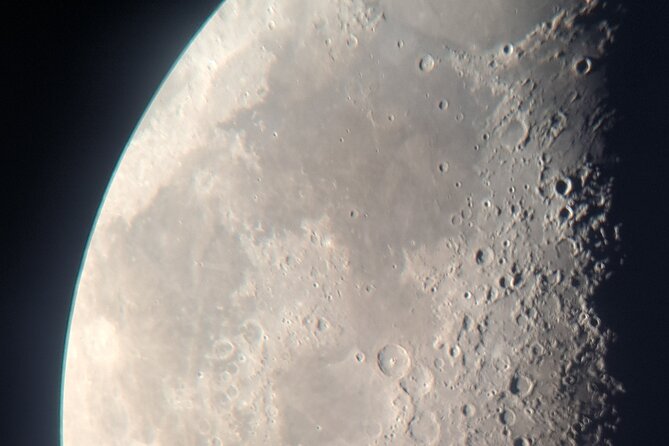
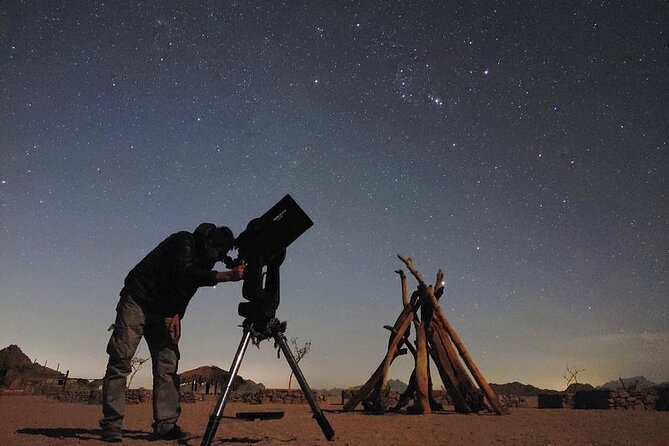
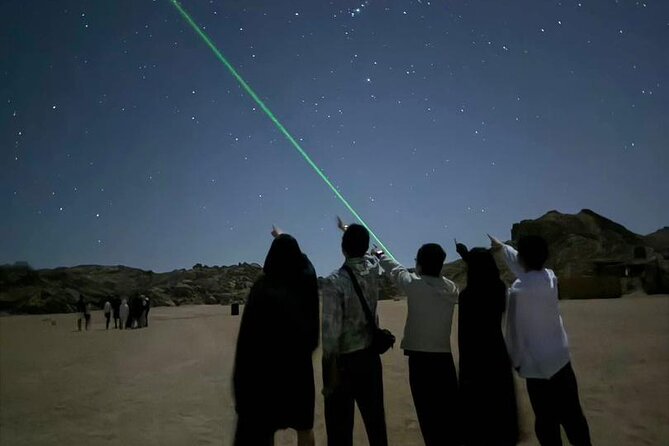
The astronomy session lasts about one hour. A professional astronomer explains the night sky and uses the large Meade telescope to show planets, stars, and deep-space objects. The telescope is GPS-directed, which helps the guide locate targets with greater accuracy than a simple handheld telescope.
The 15-inch size is worth noting. It is a substantial instrument for a public evening program and should give you a more detailed look than naked-eye stargazing alone. The actual view depends on the date, weather, visibility, and what the guide chooses to show, so no telescope can promise a fixed list of objects.
Still, the experience has a clear strength: it combines explanation with viewing. You are not just pointed toward a random patch of sky. The astronomer can give context about what you are seeing, then let you look through the eyepiece yourself.
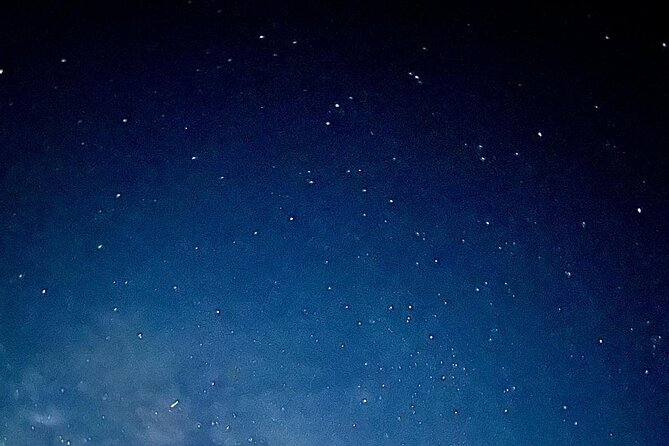
The supplied details specifically refer to viewing Saturn and seeing the Milky Way. Those are possible highlights, but your session may feature different objects. The company also describes views of deep-space objects, which may include distant star clusters or other faint targets, depending on conditions. You should regard the night sky as the star of the show, not a guaranteed planet-by-planet program.
The darker desert setting is crucial. Resort lighting can wash out many faint stars, while an open desert site gives your eyes a better chance to adjust. Give yourself time to look up without the telescope, too. The Milky Way can be impressive on its own, and the guide’s explanations may help you understand the patterns and scale above you.
What the guides add to the evening
The company says it has 10 professional astronomy-specialized guides and more than 15 years of tour-operating experience. The astronomy staff are described as multilingual, which can make a big difference when technical explanations need to be clear.
Harabi is specifically associated with explanations about Bedouin life and with driving guests to the camp. He is noted as speaking French, German, and English. Moussa is also named in connection with attentive care during the evening. These names give you useful reference points, but guide assignments are not guaranteed.
I would pay attention to the guide’s role during the telescope session. A good astronomy guide does more than identify Saturn. You want someone who explains what you are looking at, answers basic questions without making you feel out of place, and gives each person a fair chance at the eyepiece.
This outing is designed for all ages, but children may enjoy the camel ride, fire, and telescope in different ways. Younger children may find the five-and-a-half-hour schedule long, especially if they are tired after a day at the beach. Families should consider the late return and the amount of time spent waiting between telescope views.
Is $85 a fair price for the Marsa Alam experience?
At $85 per person, the price covers more than a star chart and a short ride. You get hotel pickup and return, an air-conditioned transfer, a guide, camel riding, tea, the camp program, dinner, drinks during dinner, and use of the professional telescope.
The value is strongest if you want a full evening rather than a single activity. The camel ride and dinner would not be enough reason for me to book this on their own, but they frame the astronomy session in a way that makes the outing feel complete.
The price needs a little adjustment in your budget. A $5 government fee per person is listed separately. Hotels south of Marsa Alam may also incur an extra $10 transport charge. The handmade shop and Bedouin pharmacy are optional expenses, not part of the included program.
The small group size helps justify the cost. A maximum of 12 people is far more appealing for a telescope session than a large coach group. You are paying for access to a specialized setup, a guide, transport, food, and a desert location, not just for a few minutes at an eyepiece.
The return to Marsa Alam around 8:30 pm
The planned return begins around 8:30 pm after the astronomy session. The total duration is approximately five hours and 30 minutes, including transfers. That makes it easy to fit into a Marsa Alam holiday without giving up an entire day.
The schedule is fairly precise, but desert outings can run late if transport, dinner, or telescope viewing takes longer than planned. If you have a fixed evening reservation, leave extra time. The advertised return is a useful guide, not a reason to schedule another activity immediately afterward.
The air-conditioned vehicle is important after sitting outside at the camp. You may be tired by the return, especially if you have spent the day swimming or taking another excursion. The evening is moderate in length, but it is still a full outing.
Who will enjoy this most?
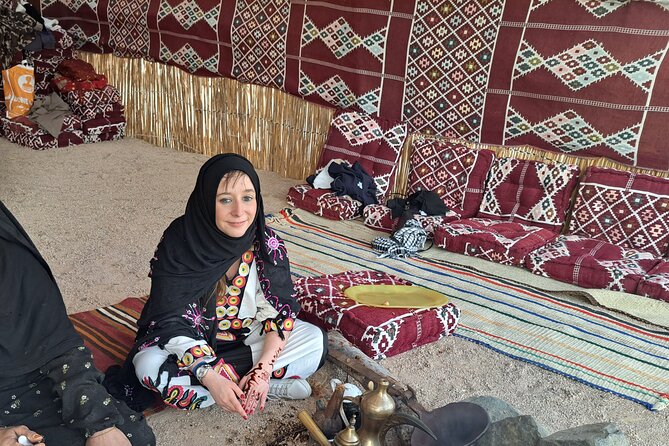
I would recommend this for families, couples, and friends who want a slower evening with several different elements. You get a modest cultural stop, a short camel ride, a sunset viewpoint, dinner, and a serious astronomy component.
It is also a good fit if you have never used a telescope. The guide can give you an introduction without assuming you already know astronomy. People who already follow the night sky may appreciate the 15-inch Meade instrument, though the hour-long viewing period may feel short to an experienced amateur astronomer.
You may want to skip it if you dislike basic camp settings, group meals, camel riding, or scheduled transfers. The experience is not built around luxury. Its charm comes from getting away from resort lights and spending the evening outdoors.
Weather and visibility also matter. Astronomy cannot be controlled like a museum exhibit. Clouds, haze, or poor visibility could reduce what you see through the telescope. The supplied information does not give a weather alternative or guarantee a particular planet, so book this for the whole desert evening, not only for one hoped-for view.
Practical details before you book
Pickup is offered from Marsa Alam hotels, with the listed departure around 4:00 pm. Confirmation is provided at booking, and the activity is described as suitable for most people. The group maximum is 12.
Wear comfortable clothing and shoes for the short climb to the sunset viewpoint and the desert ground. The provided details do not specify equipment or clothing requirements, so you should ask the operator if you have a mobility concern or need special arrangements.
Bring patience for the telescope. Each person may need to wait briefly while the guide adjusts the instrument and moves from one object to another. A small group improves the process, but it does not turn the session into private viewing.
The cancellation terms are simple: cancel at least 24 hours before the local start time for a full refund. Within 24 hours, no refund is provided, and changes are not accepted. That policy is worth noting because the evening depends on conditions and transport.
Should you book Marsa Alam Space Observers?
Book it if you want to see Marsa Alam beyond the beach and prefer a complete evening to a single-purpose stargazing session. The combination of Padi Valley, Ababda camp life, sunset, dinner, and a 15-inch telescope gives the outing real variety.
The strongest reason to choose it is the astronomy setup, especially if Saturn, the Milky Way, and distant space objects are high on your list. The strongest practical benefit is the small group limit, followed by hotel pickup and the included meal.
Skip it if you want a polished resort dinner, a long camel trek, or a guaranteed list of planets. The camp is simple, the extra fees raise the final cost, and the sky cannot be promised. For the right kind of visitor, though, this is a thoughtful way to spend a Marsa Alam evening, with enough local detail to make the stargazing feel connected to the desert around you.
FAQ
Where does the tour take place?
The experience begins with hotel pickup in Marsa Alam and continues to an Ababda Bedouin camp in Padi Valley, where the sunset and astronomy activities take place.
What time does pickup usually start?
Pickup is scheduled for around 4:00 pm.
How long does the experience last?
The total duration is approximately five hours and 30 minutes.
What time do you return to the hotel?
The planned return is around 8:30 pm after the astronomy session.
How many people can join?
The activity has a maximum group size of 12 people.
Is camel riding included?
Yes. A 30-minute camel ride is included.
What food and drinks are included?
The inclusions list a Bedouin barbecue dinner, open buffet, bottled water, soft drinks during dinner, coffee, and tea.
What telescope is used?
The astronomy session uses a GPS-directed Meade telescope with a 15-inch aperture.
Are extra charges listed?
Yes. A $5 government fee per person is listed separately. Hotels south of Marsa Alam may also have a $10 extra transportation charge.
Can I cancel for a full refund?
Yes, if you cancel at least 24 hours before the local start time. Cancellations within 24 hours are not refunded, and changes made within that period are not accepted.
Fresh listings near Egypt
- Sunset, Candle Light Dinner & Star Gazing from Hurghada★ 5.0 · 30 reviews
- Marsa Alam: Sunset Horseback with Dinner, Show & Stargazing★ 4.9 · 11 reviews
- Marsa Alam Bedouin Nights: Jeep Safari, Dinner & Stargazing★ 4.8 · 59 reviews
- Camel Ride, Bedouin Dinner and Star Gazing in Marsa Alam★ 4.5 · 28 reviews
- Makadi Bay: 2H Quad Bike, Camel, Stargazing, Dinner & Show★ 4.1 · 85 reviews
- Hurghada: Stargazing, Camel Ride, Quad Bike, Bedouin Dinner, Show★ 4.0 · 90 reviews
- Sharm El-Sheikh: Camel Riding, Stargazing, BBQ Dinner & Show★ 4.3 · 124 reviews
- Sharm El Sheikh Super Safari 5*1 ATV Quad, Stargazing,Camel Ride,Dinner, Shows★ 4.5 · 119 reviews
Desert Stargazing Safaris, side by side.
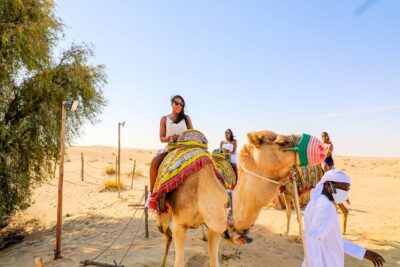
Dubai Red Dunes ATV, Camels, Stargazing & 5* BBQ Al Khayma Camp
Read our review →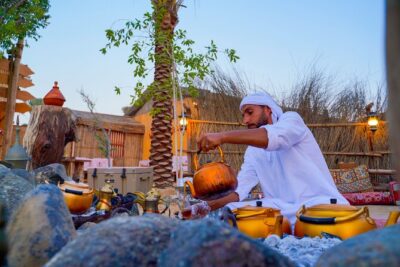
Sunset Camel Trek, Al Khayma Camp, Stargazing & BBQ
Read our review →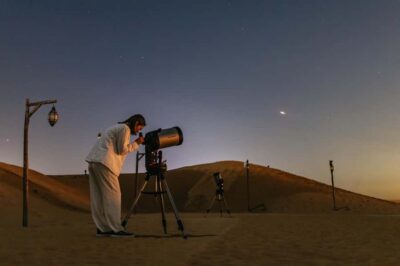
Overnight Safari, Dinner, Stargazing & Al Khayma Camp
Read our review →
Dubai Overnight Desert Safari, BBQ & Stargazing at Al Khayma Camp
Read our review →
Evening Desert Safari with Camel Ride & Stargazing
Read our review →
Sea & Desert Horse Tour, Stargazing, Dinner & Show
Read our review →
Pinnacles Desert: Sunset BBQ & Stargazing Tour +Sandboarding
Read our review →
Pinnacles Desert Sunset Dinner and Stargazing Tour
Read our review →Lists this night appears in