
REVIEW · USA STARGAZING
Temecula Wine Country Stargazing Tour
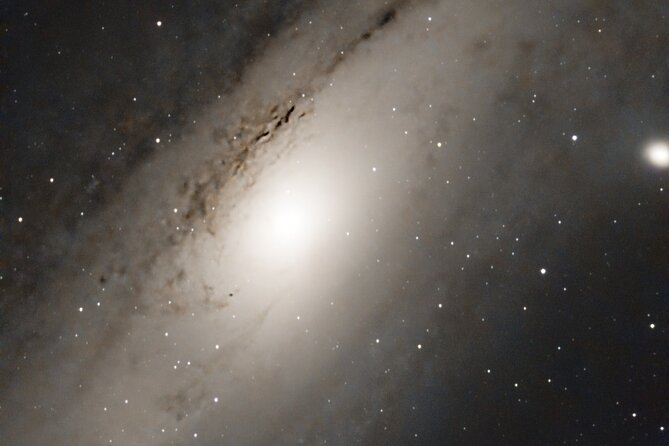
The best part of this Temecula outing is its simple progression through space: you begin with the Moon, move to planets, then reach for nebulae, star clusters, and galaxies. A visual telescope gives you the direct view, while a smart telescope shows how modern equipment creates detailed astro-photography images.
I like the small six-person limit, which gives everyone a fair chance to look through the equipment and ask questions. I also like the patient, personal teaching style associated with Mike, the named guide, especially for first-time stargazers. The main drawback is the short one-hour format. With changing skies, a lunar cycle, and weather to manage, the exact sights can vary.
Key points to know before booking
- The route through the sky changes by season and lunar cycle, so no two outings need to show exactly the same objects.
- Mike provides a friendly, question-friendly introduction and makes room for hands-on viewing.
- Two types of telescopes are included, one for direct viewing and one for electronic images.
- The group is capped at six people, a useful size for a personal astronomy lesson.
- Start times follow sunset, usually around 6:30 p.m. in winter, 7:30 p.m. in spring and fall, and 8:30 p.m. in summer.
- You must arrange your own transportation, and some walking over uneven ground is required.
Starting near Rancho California Road after sunset
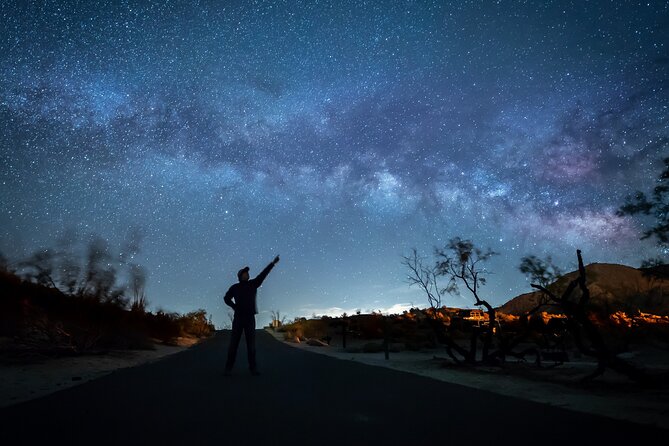
This is a focused night activity, not a full evening of wine tasting, dining, and astronomy. You meet near Rancho California Road in Temecula, then return to that same meeting point when the hour is over. Since private transportation is not included, you need to get yourself there and plan your ride home.
The start time changes with the season because the tour normally begins about one hour after sunset. In winter, that usually means around 6:30 p.m. Spring and fall commonly begin near 7:30 p.m., while summer starts closer to 8:30 p.m.
That timing matters. You are not squeezing this into a bright afternoon between winery visits. The session takes place after darkness has arrived, when the guide can work through the night sky properly. Check the exact time for your date before making dinner or transportation plans.
The activity lasts about one hour. Camp chairs are provided, which is a small but useful touch. You will not need to stand for the whole lesson, although some walking over uneven terrain is part of the experience. Wear shoes suited to that ground, and remember that an outdoor evening can feel different from the temperature earlier in the day.
More Wine Stops in the USA:
- La Palma: Roque de los Muchachos Stargazing Tour with Wine
★ 4.4 · 624 reviews
First stop: the Moon, close enough to study
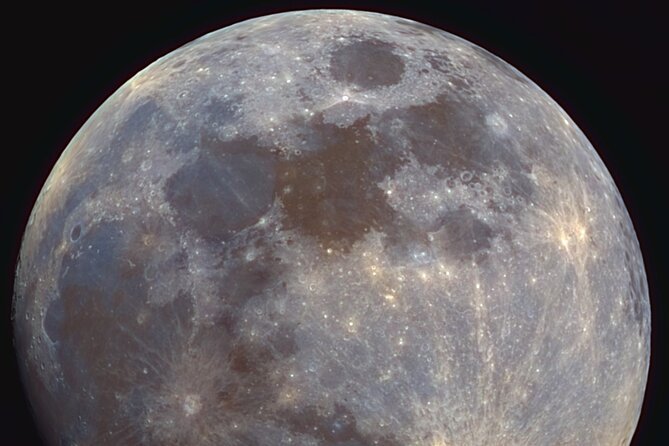
The Moon is the natural opening act because it is Earth’s closest celestial neighbor and one of the easiest objects to appreciate through a telescope. The guide begins near to far, giving you a clear sense of scale before moving beyond our own neighborhood in space.
You can view the Moon in two ways. The visual telescope gives you a direct look through the eyepiece. The smart telescope offers an electronic view and introduces you to the way modern instruments gather and display celestial detail.
The lunar cycle affects this part of the program. A full or nearly full Moon presents a bright, obvious target, while a thinner Moon can make surface shadows and edges more noticeable. The exact presentation depends on the date, so you should not book expecting one fixed lunar display.
The hands-on element is important. In a large public astronomy event, you might spend much of your time waiting for a turn. With a maximum of six people, the arrangement is more personal, and everyone can have time with the equipment. That makes this a good choice if you have questions or want more than a quick look.
Moving through the solar system to available planets
After the Moon, the guide moves farther into the solar system and looks for whatever planets are available that night. This is where the tour’s flexible format helps. Planet visibility changes with the season, date, and time of evening, so the guide has to respond to the actual sky rather than follow a rigid checklist.
That also means you should keep your expectations sensible. The experience does not promise a specific planet on every date. Instead, you get a night-sky program built around what is visible during your visit.
For a first-time observer, this near-to-far order makes sense. You start with an object you can place in the night sky, then move outward to other members of the solar system. The guide can connect what you are seeing to the wider picture without forcing you into a technical astronomy lecture.
Mike’s style, as reflected in the available feedback, is patient with questions. That matters here because the difference between seeing a bright point and understanding what it is can come down to a single clear explanation. If you are attending with family or friends who have never used a telescope, this personal attention may be one of the strongest reasons to choose the tour.
Nebulae, star clusters, and galaxies farther out
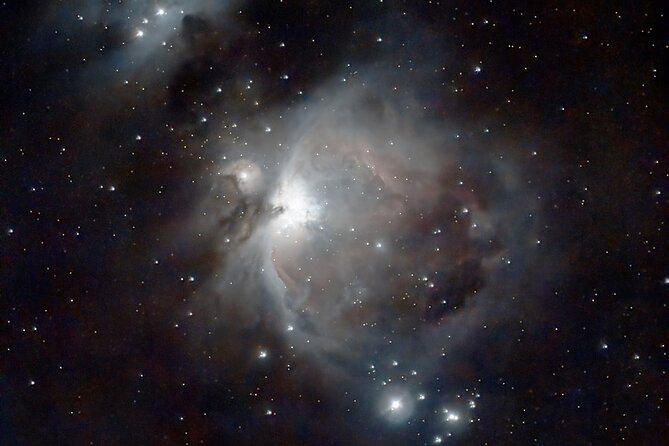
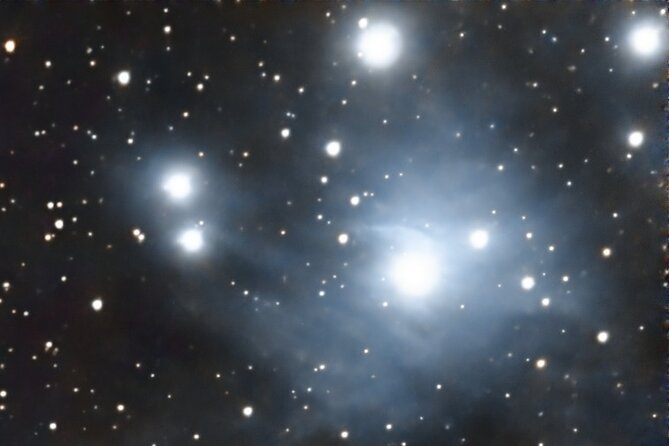
The final stage moves beyond the solar system to deep-sky objects. The program may include nebulae, star clusters, and galaxies, depending on what the sky offers during your visit.
These objects give the hour a sense of distance and scale. The Moon and planets are nearby members of our solar system. Nebulae, clusters, and galaxies take you much farther out, so the evening builds from a familiar starting point toward more distant sights.
The exact viewing list is not fixed, and that is worth understanding before you book. The lunar cycle and the time of year affect what can be seen. Weather can also cancel the activity. The value is not in checking off a guaranteed list of objects, but in receiving a guided look at the sky available on your particular night.
The supplied equipment gives the viewing two different moods. The visual telescope is about looking directly through the instrument. The smart telescope adds an introduction to astro-photography, showing how world-class telescopes produce detailed images from faint objects.
You should not confuse the smart telescope demonstration with a separate photography workshop. It is an introduction built into the stargazing session. Still, it adds useful context. You see not only what an object looks like through the telescope, but also how electronic tools can gather and present information that the human eye cannot easily capture in the same way.
More Stargazing Tours in the USA:
- Small Group Big Island Twilight Volcano and Stargazing Tour
★ 5.0 · 1,619 reviews - Griffith Observatory Hike: Guided Tour through Griffith Park
★ 5.0 · 1,020 reviews - Sedona Stargazing Tours LLC
★ 4.5 · 881 reviews - Miami: Frost Museum of Science and Planetarium Entry Ticket
★ 4.5 · 429 reviews
Why the smart telescope adds value
At $75 per person, this is not the cheapest one-hour activity in Temecula. You are paying for a small group, a guide-led astronomy lesson, two forms of telescope viewing, chairs, and the chance to ask questions without being part of a large crowd.
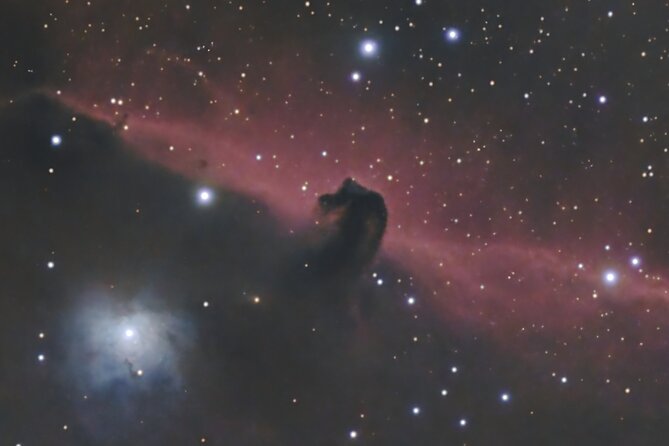
The smart telescope helps explain what that price buys. It turns the hour from a simple look through an eyepiece into a short tour of how astronomical viewing works. You get the direct visual experience, then a clearer idea of how advanced instruments produce striking images of distant objects.
For someone already deeply involved in astronomy, one hour and a basic introduction may feel limited. For you if you are curious but inexperienced, the mix is better suited. You can see several types of celestial objects and get an accessible explanation without committing to a long class or a full night in the field.
The small group also improves the value. With no more than six people, the equipment is not being shared among a huge audience. That does not guarantee a completely private session, but it does make a personal exchange with the guide more realistic.
Mike’s patient, question-friendly approach
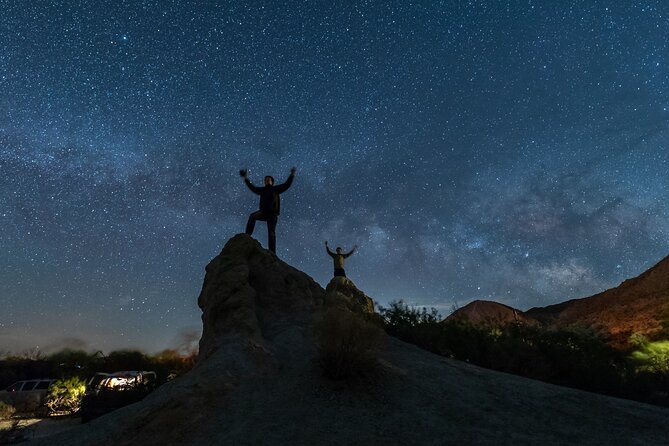
The guide can make or break a short astronomy experience. There is not enough time for a slow start, so you want someone who can explain unfamiliar sights in plain language and respond to questions without rushing.
Mike is the guide named in the supplied experience details, and the strongest praise centers on two traits: he accommodates the group and remains patient with questions. That suggests a session shaped by the people present rather than a speech delivered at a fixed pace.
If you have a basic question, ask it. You do not need to arrive knowing star names or telescope terms. The experience is built for most participants, and the guide’s role is to help you make sense of what you are viewing.
Families and mixed-interest groups may find this especially useful. One person can focus on the Moon, another can ask about planets, and someone else can be curious about the smart telescope. The six-person limit gives the guide a better chance to keep those different interests in play.
What the one-hour limit means
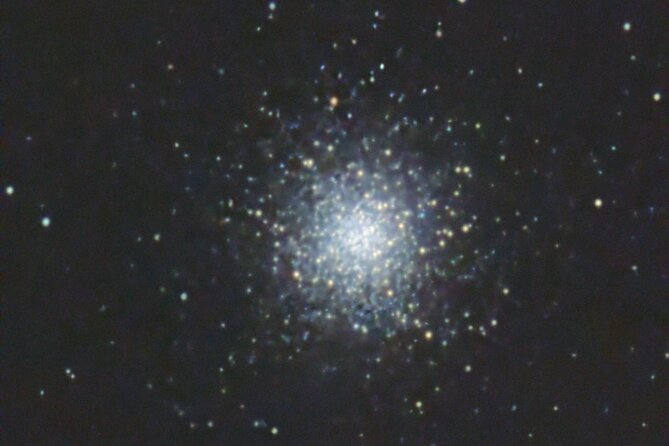
An hour is enough for a clear introduction, but it is not an all-night astronomy session. The guide must set up the sequence, give everyone time at the instruments, explain the smart telescope, and move from nearby objects to deep-sky targets.
The changing sky can make the schedule feel fuller or leaner. A strong night may offer the Moon, one or more planets, and several deep-sky objects. Another date may have fewer obvious targets. The guide will work with the conditions, but no short outdoor tour can control the Moon, clouds, or the seasonal sky.
I see the short length as a benefit if you are fitting astronomy into a larger Temecula stay. You can attend after dinner or another evening plan without giving up the entire night. It is less suitable if your main goal is extended telescope time or detailed astrophotography instruction.
Weather, uneven ground, and practical comfort
This experience depends on good weather. If conditions make the outing impossible, you can receive a different date or a full refund. The same options apply if the required minimum number of participants is not met.
You should also expect some walking over uneven terrain. The tour is not described as fully accessible across every surface, so choose footwear with stability in mind. Service animals are allowed, and most people can participate.
Camp chairs are included, which helps during explanations and waiting between telescope views. You still need to plan for an outdoor evening. The provided details do not specify clothing, lighting, restroom access, or refreshments, so do not assume those are part of the tour.
The meeting point is on Rancho California Road, and the activity ends there. Since transportation is not included, this is easiest for you if you already have a car or a dependable way to reach the meeting point and leave afterward.
Who will get the most from this Temecula stargazing tour
I would recommend this outing to first-time telescope users, couples looking for a quiet evening activity, families with curious older children, and small groups who prefer personal attention. It also suits anyone who wants a short introduction to astro-photography without signing up for a technical course.
The experience works best when you are open to a changing program. You may see different planets or deep-sky objects depending on the date, and the Moon will not look the same throughout its cycle. That variety is part of the appeal, but it means you should not treat the tour as a fixed show.
I would be more cautious if you need guaranteed views of a named planet, want a long session, or expect private transportation. The hour passes quickly, and the tour’s purpose is guided discovery rather than an exhaustive astronomy lesson.
Booking, cancellation, and timing advice
This activity is commonly booked about seven days in advance, so planning a week ahead is sensible, especially if your dates are fixed. You receive confirmation at booking, and the experience is offered in English with a mobile ticket.
You can cancel for a full refund up to 24 hours before the start time. Inside that 24-hour window, cancellations and changes are not accepted for a refund. Cutoff times use local Temecula time, so check the clock carefully if your plans change.
Because weather matters, keep your schedule flexible if possible. A cancellation caused by poor weather can lead to a new date or a full refund. The same applies if the minimum group size is not reached.
Should you book this tour?
Book it if you want a small, friendly introduction to the night sky with a real guide, two kinds of telescope viewing, and a short lesson in astro-photography. The $75 price is easiest to justify when you value the six-person limit and the chance to ask questions directly.
Skip it if you need a guaranteed list of planets, a long observing session, or included transportation. For everyone else, this is a well-focused way to add astronomy to a Temecula visit, especially when you want something more personal than a large public viewing event.
FAQ
Where does the Temecula stargazing tour meet?
The meeting point is near Rancho California Road in Temecula, California. The activity ends back at the same meeting point.
How long does the tour last?
The experience lasts approximately one hour.
What time does the tour begin?
The start time is normally about one hour after sunset. Typical start times are around 6:30 p.m. in winter, 7:30 p.m. in spring, 8:30 p.m. in summer, and 7:30 p.m. in fall.
What can I see through the telescopes?
The guide begins with the Moon, then looks at any available planets before moving to deep-sky objects such as nebulae, star clusters, and galaxies. The exact sights vary with the season and lunar cycle.
What equipment is included?
A visual telescope, a smart telescope, and camp chairs are included.
How many people can join the tour?
The activity has a maximum of six participants.
Is transportation included?
No. Private transportation is not included, so you must arrange your own way to and from the meeting point.
What happens if the weather is poor?
If poor weather forces a cancellation, you can choose a different date or receive a full refund. You can also receive a new date, a different experience, or a full refund if the minimum number of participants is not met.
Fresh listings near the USA
- Stargazing and Milky Way Portrait in Capitol Reef National Park★ 4.5 · 13 reviews
- Astronomy and Stargazing Tour in Utah★ 5.0 · 8 reviews
- Sunset Sedona Sacred Places -gourmet picnic dinner and stargazing★ 5.0 · 12 reviews
- Sedona UFO/Stargazing Tour (price per goggle not per person)★ 4.5 · 47 reviews
- Sedona Night Hike and Stargazing★ 5.0 · 7 reviews
- Stargazing Tour with Telescopes and Video Astronomy in Sedona★ 5.0 · 40 reviews
- PRIVATE Sedona Jeep Tour 4X4 Stargazing Tour at Night★ 4.5 · 11 reviews
- After Dark Desert Tour and Navigating the Night Sky★ 5.0 · 20 reviews
USA Stargazing, side by side.
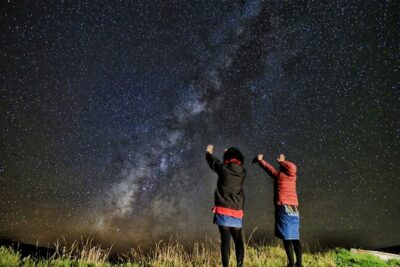
Small Group Big Island Twilight Volcano and Stargazing Tour
Read our review →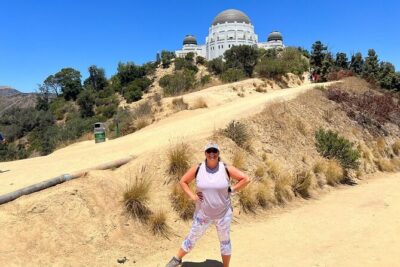
Griffith Observatory Hike: Guided Tour through Griffith Park
Read our review →
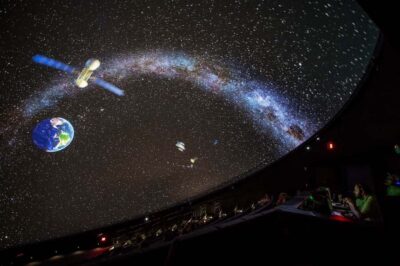
Frost Museum of Science and Planetarium Entry Ticket
Read our review →

The Original Sedona UFO and Stargazing Night Tour
Read our review →
The Night Sky Star Story, Galaxy, and Sedona Story Tour
Read our review →Lists this night appears in