
REVIEW · USA STARGAZING
Professional Stargazing Tour in Joshua Tree
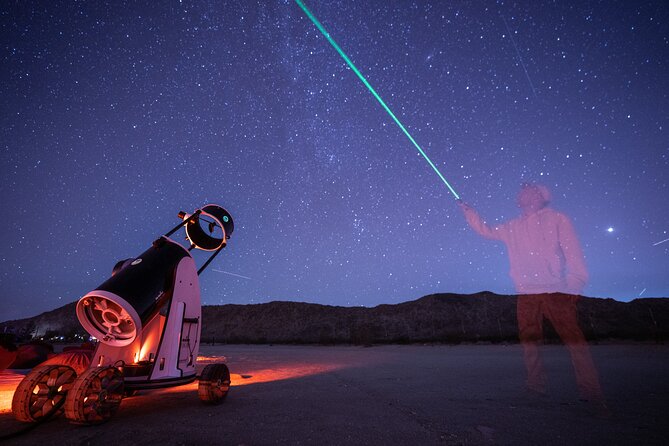
Joshua Tree’s dark desert sky is the main event here. After a short walk through a scale model of the solar system, you settle into a Yogibo lounger while an astronomer uses laser pointers, astro-binoculars, and several telescopes to bring planets, star clusters, nebulae, and galaxies into view. Guides including Matt, Chris, Devon, Ben, and Amanda have led sessions, with a friendly style that works for first-time sky watchers.
I especially like the comfortable seating and the practical care taken with blankets, hot drinks, hand warmers, and red flashlights. I also like the mix of storytelling and optical viewing, since you learn what you are seeing instead of simply peering through a telescope. The main drawback is simple: desert nights get cold fast, clouds can end the program early, and transportation is not provided.
Key points to know before booking
- The meeting point is outside Yucca Valley: You drive yourself to 54490 Skyline Ranch Road, and the activity ends there.
- The program lasts about two hours: It begins with a solar-system model, then moves to guided constellation viewing and telescopes.
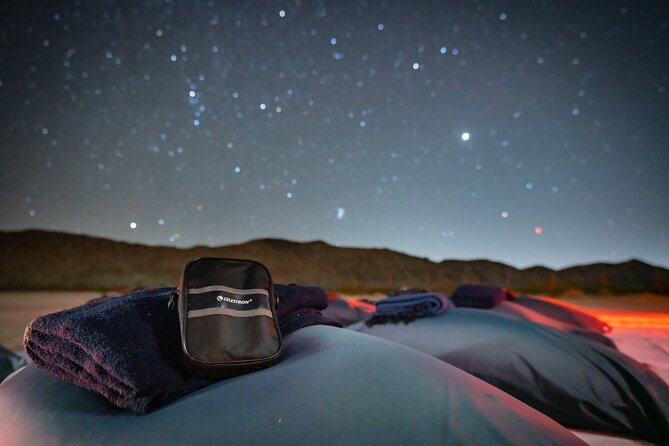
- You get a proper seat: Each person has a Yogibo lounger, with blankets supplied for the cold.
- The equipment is a major part of the value: Telescopes and astro-binoculars show objects that are difficult to see from town.
- The group is capped at 18 people: That keeps the session more personal than a large coach-style outing.
- Weather controls the evening: The operator tries to reschedule or offers a full refund if conditions prevent the activity.
Why Joshua Tree is such a good place to watch the sky
This experience works because it gets you away from the glow of Palm Springs and nearby towns. Joshua Tree is known for dark skies, and the difference becomes obvious once you look upward. Instead of picking out a few bright stars, you can see a much fuller spread of stars and constellations.
The setting also gives the evening a sense of occasion. You are not sitting indoors with a screen or watching a short planetarium show. You are outside, under the actual sky, with the darkness changing as twilight fades. On some nights, a bright shooting star may cross the sky. A moonrise over the mountains can also become part of the show, although that timing depends on the lunar cycle.
That uncertainty is part of the appeal, but it also requires realistic expectations. Astronomy is not a fixed performance. Clouds, rain, wind, or poor visibility can change the program, and sometimes the session may end early. The operator has rescheduled an evening when conditions improved later, and a full refund is available if the weather prevents the experience from going ahead.
More Stargazing Tours in the USA:
- Small Group Big Island Twilight Volcano and Stargazing Tour
★ 5.0 · 1,619 reviews - Griffith Observatory Hike: Guided Tour through Griffith Park
★ 5.0 · 1,020 reviews - Sedona Stargazing Tours LLC
★ 4.5 · 881 reviews
Arriving at 54490 Skyline Ranch Road
You meet at 54490 Skyline Ranch Road in Yucca Valley. Since transportation is not included, you need your own car or another way to reach the site from Palm Springs or elsewhere in the area. The directions and on-site signs are designed to make the final approach clear, but it is wise to arrive while there is still some daylight.
That last point matters. The location is intentionally away from city lights, which helps the astronomy but can make the drive feel remote after dark. Some people have found that cell service is limited or unavailable near the site, so download directions before leaving and avoid relying on a last-minute phone signal.
There is no restroom listed at the meeting point. Plan ahead before you arrive. You should also bring anything you may need for two hours outside, especially warm layers, water, and personal medication.
The walk itself is not strenuous. The route uses flat ground, but you should be comfortable standing for around 30 minutes. The activity is not recommended for anyone who cannot stand that long, and a moderate level of physical fitness is advised.
The solar-system walk sets the tone
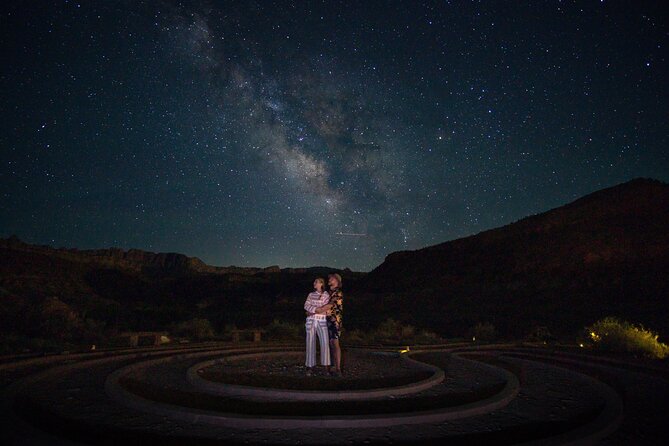
The evening begins with a short walk through a scale model of the solar system. This is a smart opening because it gives you a sense of distance before you start looking at the sky.
A model can make the order of the planets easier to grasp than a quick spoken explanation. It also gives children and adults a shared starting point. You do not need an astronomy background, and the guides explain the subject in everyday terms rather than assuming you already know the names of stars or constellations.
As astronomical twilight begins, the focus shifts from the model to the real sky. This change is one of the nicest parts of the evening. You begin with a visible teaching tool, then watch the actual stars appear overhead.
Guides such as Matt and Devon have been praised for mixing facts, humor, and stories. That matters because a technical explanation can lose people quickly when they are standing outside in the cold. The best parts of this experience feel like a conversation, with time to ask questions rather than a lecture that races through a script.
Lounging beneath the constellations
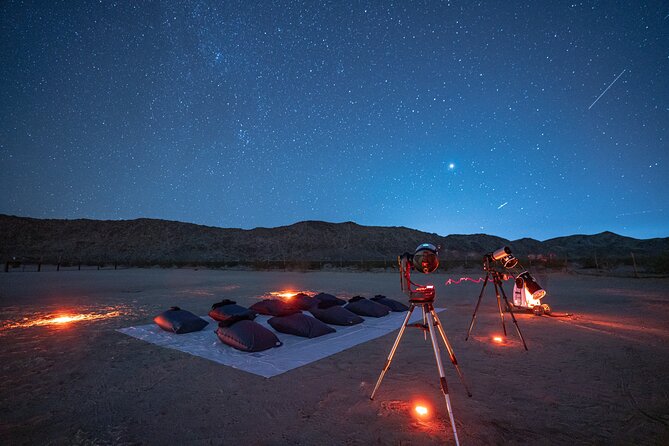
Once the sky darkens, you settle into your own Yogibo lounger. These large beanbag-style seats shape themselves around your body and reduce pressure points, which makes it much easier to tilt your head back for long periods.
This is more than a cute extra. Ordinary outdoor chairs can leave you craning your neck, while standing for two hours becomes tiring. The lounger lets you watch the sky in a relaxed position, and blankets help take the edge off the desert chill.
Still, do not treat the provided blanket as a substitute for warm clothing. Several sessions have felt cold enough to distract from the astronomy, especially in winter. Wear a proper jacket, long pants, and warm shoes. Extra layers are more useful than trying to tough it out. Hand warmers have also been provided on some evenings.
Hot chocolate, coffee, and tea are available at a beverage station. A warm drink is particularly welcome once the temperature drops. Chocolates and other small comfort items have also been part of the setup at times, though the formal inclusions specifically list the hot beverage station, blankets, and loungers.
Same sky over the USA, a different way to watch it:
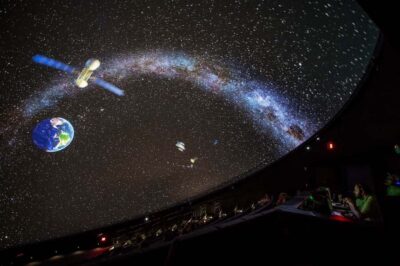
- Miami: Frost Museum of Science and Planetarium Entry Ticket
★ 4.5 · 429 reviews - Griffith Observatory Insider Tour
★ 4.5 · 306 reviews - LA: Griffith Observatory Insider Tour
★ 4.5 · 287 reviews - The Original Sedona UFO and Stargazing Night Tour
★ 4.5 · 269 reviews
Laser pointers make the sky easier to read
A clear desert sky can be overwhelming. You may see more stars than you can identify, and without help, constellations can blur into one another.
The astronomer uses laser pointers to trace patterns and guide your eye. This turns the sky into something you can follow rather than a random field of lights. You learn where to look, what shapes to notice, and how different objects relate to one another.
The guides also explain planets, stars, constellations, galaxies, nebulae, and clusters. The tone is accessible, so you can ask basic questions without feeling out of place. If you already know some astronomy, there is still room to ask more detailed questions. Matt has been singled out for handling questions well, and other guides have used stories to keep the subject lively for mixed-age groups.
The program is especially good for families with children who may not have the patience for a long technical talk. It is also a comfortable choice for a solo visitor. The setup makes it easy to listen, ask questions, and look through the equipment without needing to arrive with a group.
Telescopes and astro-binoculars provide the close views
The telescopes are the strongest reason to book a guided session rather than simply drive into the desert and look up on your own. The astronomers point the equipment toward selected objects, then help you understand what you are seeing.
Depending on the night, you may view planets, the moon, star clusters, nebulae, and galaxies. The exact lineup is not guaranteed because the sky changes with the season, moon phase, and weather. That variety is part of the fun. An evening under one phase of the moon can feel different from a return visit later in the year.
Astro-binoculars add another useful view. They are easier for some people than a narrow telescope eyepiece, especially children or anyone who has trouble lining up their eye. The combination of digital and optical equipment has also helped make the views accessible to people with different levels of experience.
The number of telescopes can vary, but sessions have included more than half a dozen instruments aimed at different stars and nebulae. You should expect to share viewing time rather than have a telescope to yourself. The group limit of 18 keeps the arrangement manageable, though you may still need patience while others take their turn.
Some photographs from the telescopes may be sent afterward. If you book through a third party, the operator may need to contact you separately for your email address because it may not receive that information automatically. If the photos matter to you, confirm your contact details before leaving.
What the $200 price really buys you
At $200 per person, this is not a casual after-dinner activity. The value comes from the specialist equipment, the astronomer-led explanation, the dark-sky location, and the comfort setup. You are paying for access to a planned astronomy program, not simply admission to a viewpoint.
The price makes the most sense if you have a real interest in the night sky or want a memorable evening that feels different from the usual Joshua Tree sightseeing. It is also a strong choice for a family group because the guides keep the material understandable, and the loungers, blankets, and drinks remove some of the discomfort that can make children lose interest.
The value is less certain if you only want a quick look at the stars. The session lasts about two hours, and you need to drive yourself to the meeting point. You also accept the risk that clouds may shorten the program or that the cold may affect your enjoyment.
The 96 percent recommendation rate and 4.8 rating from 119 ratings suggest a consistently strong experience, but the occasional four-star feedback points to the practical weak spots: cold temperatures and delays in receiving promised photographs. The weather policy helps protect your money if the sky does not cooperate, but it cannot compensate for time spent driving to the site or other plans arranged around the booking.
Weather, clothing, and timing
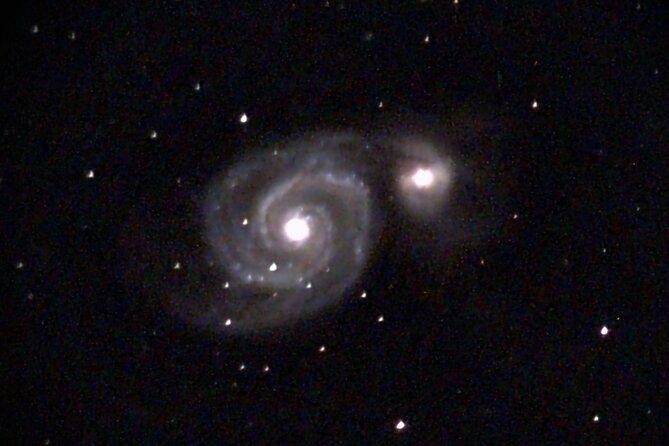
Weather is the one factor the operator cannot control. If the forecast looks uncertain, the team may wait until the afternoon before making a final decision. A session can also start later if conditions improve.
That flexibility is useful, but keep your schedule loose. Do not place a strict dinner reservation or another timed activity immediately afterward. If the weather prevents the program, the operator will try to reschedule or issue a 100 percent refund. Expenses outside the tour, such as meals, lodging, or separate transportation, are not covered.
Plan to arrive before full darkness. It makes the rural drive easier and gives you time to find the meeting point without rushing. Once the program begins, the darkness is an advantage, so avoid using bright phone screens. A red flashlight is kinder to your own night vision and to everyone sitting nearby.
Your clothing checklist should include:
- Warm jacket and extra layers
- Long pants and closed shoes
- Hat or gloves in cooler months
- Water and any personal medication
- Downloaded directions, since cell service may be limited
Service animals are allowed. The group maximum is 18 people, and the activity ends back at the same meeting point.
Who will enjoy this most
I would choose this tour if you want help making sense of the sky. You do not need to know the constellations in advance, and the guides explain the subject in a way that works for beginners.
It suits couples looking for a quiet evening, families with curious children, solo visitors who want a structured activity, and small groups that enjoy science and storytelling. A company team could also use it as a calm evening activity, provided everyone dresses for the cold.
I would hesitate if you dislike sitting outside at night, cannot stand for 30 minutes, or expect guaranteed views of a specific planet or galaxy. I would also think twice if you are unwilling to drive to a remote meeting point without relying on mobile service.
Should you book the Joshua Tree stargazing tour?
Book it if you want more than a pretty night sky. The value is in learning how to read the stars, seeing celestial objects through serious equipment, and doing it from a comfortable lounger with an astronomer nearby.
Go prepared for cold, darkness, a self-drive meeting point, and weather changes. If you dress warmly and keep your schedule flexible, this is one of the more unusual evening activities around Palm Springs. If clouds threaten, use the flexible rescheduling or refund policy rather than forcing a poor-weather outing.
FAQ
Where does the stargazing tour meet?
The meeting point is 54490 Skyline Ranch Road, Yucca Valley, California 92284. The activity ends at the same location.
Is transportation included?
No. You transport yourself to and from the meeting point.
How long does the experience last?
The astronomy program lasts about two hours.
What equipment is provided?
The experience includes telescopes, astro-binoculars, laser-guided constellation viewing, an astronomer, and Yogibo loungers. Blankets and a hot beverage station with coffee, tea, and hot chocolate are also included.
Is there a restroom at the meeting point?
No restroom is listed as part of the experience, so plan ahead before arriving.
What happens if the weather is bad?
The activity is weather dependent. The operator will try to reschedule the experience or provide a 100 percent refund if conditions do not allow the program to go ahead. Expenses outside the tour are not covered.
Can I cancel my booking?
You can cancel up to 24 hours before the experience for a full refund.
Fresh listings near the USA
- Boulder: Guided Astronomy Tour★ 4.7 · 11 reviews
- 1-Day Grand Canyon Tour from Las Vegas: Stargazing & Sunrise★ 3.6 · 3 reviews
- Private Tour of Griffith Observatory★ 4.5 · 58 reviews
- Milky Way Photography in Arches National Park★ 4.0 · 4 reviews
- Professional Stargazing in Moab★ 3.5 · 3 reviews
- Private Stargazing – Sequoia National Park★ 4.5 · 14 reviews
- Haleakala Sunset and Astronomy Tour★ 5.0 · 33 reviews
- Haleakala Sunset and Stargazing Audio Tour★ 4.0 · 10 reviews
USA Stargazing, side by side.
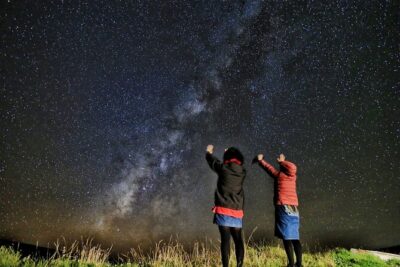
Small Group Big Island Twilight Volcano and Stargazing Tour
Read our review →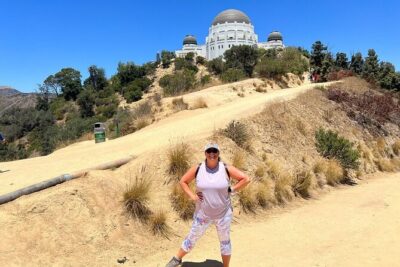
Griffith Observatory Hike: Guided Tour through Griffith Park
Read our review →
Frost Museum of Science and Planetarium Entry Ticket
Read our review →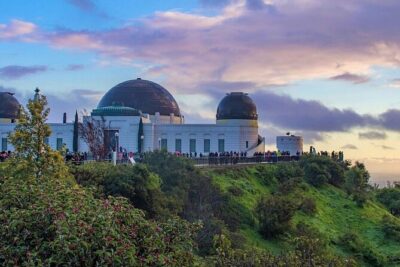

The Original Sedona UFO and Stargazing Night Tour
Read our review →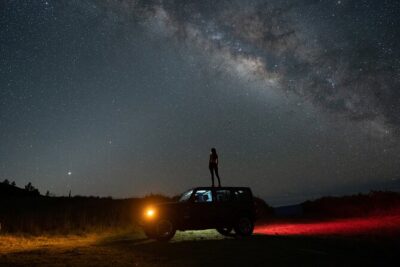
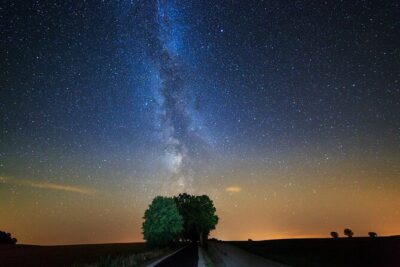
The Night Sky Star Story, Galaxy, and Sedona Story Tour
Read our review →Lists this night appears in