
REVIEW · USA STARGAZING
Night Sky Stargazing Tour in Punta Gorda Florida
A large Celestron telescope, a dark Florida park, and a guide who can point out everything from Saturn’s rings to the Andromeda Galaxy make this more than a quick look at the stars. Jason leads the evening with a laser-guided introduction, then helps you find objects with binoculars before giving you plenty of telescope time.
I like the small group of no more than 10 people, which gives you a fair chance at the telescope. I also like the themed snacks and refreshments, a thoughtful touch during a 2.5-hour outdoor activity. The main consideration is the weather: clouds can change the night, and seasonal conditions may affect what you see.
Key points
- See the sky through a large Celestron Schmidt-Cassegrain telescope, with views that can include planets, galaxies, nebulae, and star clusters.
- Learn the constellations with a laser-guided introduction, including Greek mythology and practical tips for finding objects.
- Use provided binoculars, which can reveal far more detail than you might expect.
- Join a maximum of 10 people at a Charlotte County dark-sky site near Punta Gorda.
- Expect seasonal viewing, so Saturn, Jupiter, Mars, the Orion Nebula, or the Milky Way may depend on your date.
- Enjoy snacks and refreshments during the evening, with chairs provided at the viewing area.
A dark-sky night near Punta Gorda
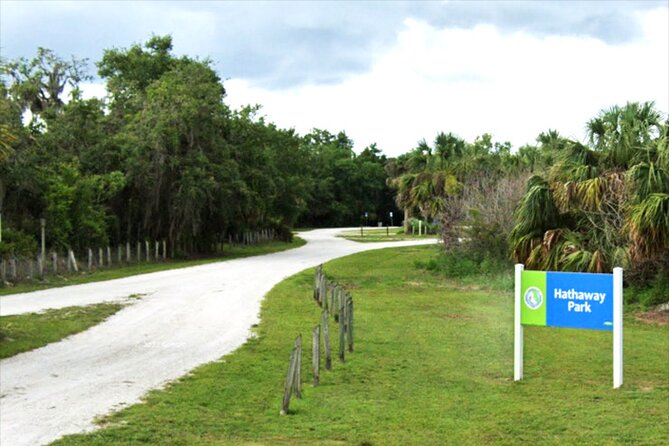
This tour takes you away from the usual restaurant-and-waterfront evening and into the open night sky. The meeting point is 35461 Washington Loop Road in Punta Gorda, at Hathaway Park, within the Charlotte County parks system.
The experience is listed in the Fort Myers area, but the actual meeting point is in Punta Gorda. Check your route carefully before setting out. You will return to the same meeting point at the end, so there is no separate drop-off location to arrange.
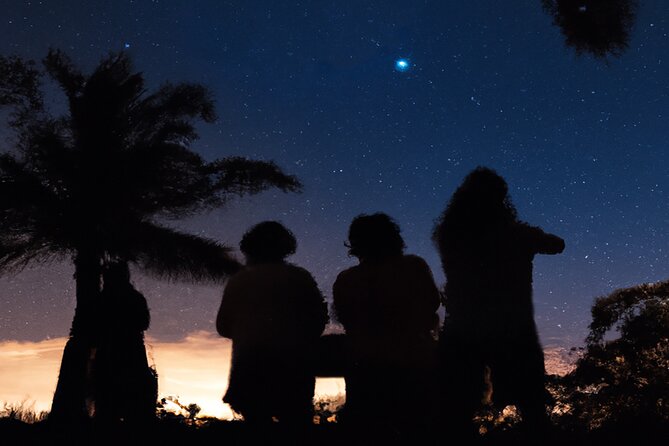
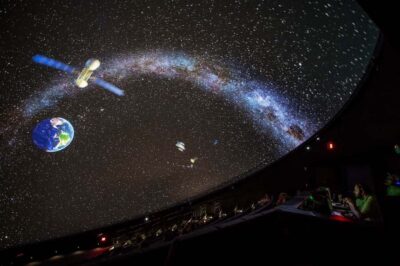
The setting matters. A darker park gives your eyes a better chance to pick out faint stars, the Milky Way, and distant objects. You will still be looking at the real sky, not a staged planetarium display. Clouds, haze, and moonlight can affect the view, so the date you choose plays a real part in the experience.
More Stargazing Tours in the USA:
- Small Group Big Island Twilight Volcano and Stargazing Tour
★ 5.0 · 1,619 reviews - Griffith Observatory Hike: Guided Tour through Griffith Park
★ 5.0 · 1,020 reviews - Sedona Stargazing Tours LLC
★ 4.5 · 881 reviews
How the 2.5-hour evening unfolds
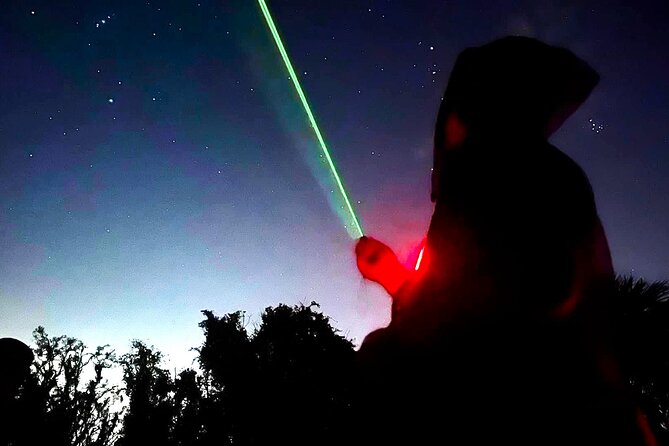
The night begins with a seat in a circle and an introduction to the sky overhead. Jason uses a laser to identify stars and constellations, helping you get your bearings instead of simply handing you a telescope and expecting you to know where to point it.
This opening is useful even if you already know a few bright stars. The sky can feel confusing at first, especially when many points of light look alike. A laser-guided explanation gives you a reference system, so you can begin connecting bright stars, constellations, planets, and stories from Greek mythology.
After the introduction, binoculars are provided. This is one of the nicest parts of the evening because binoculars are easy to use and give you a more personal way to explore. You are not only waiting for your turn at the main telescope. You can scan the sky yourself and compare what you see with the objects Jason identifies.
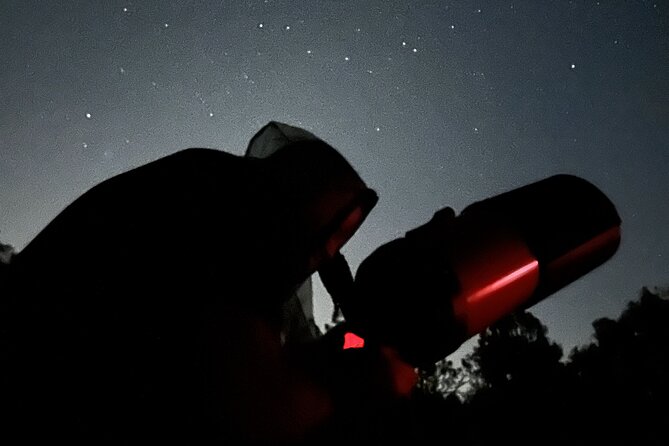
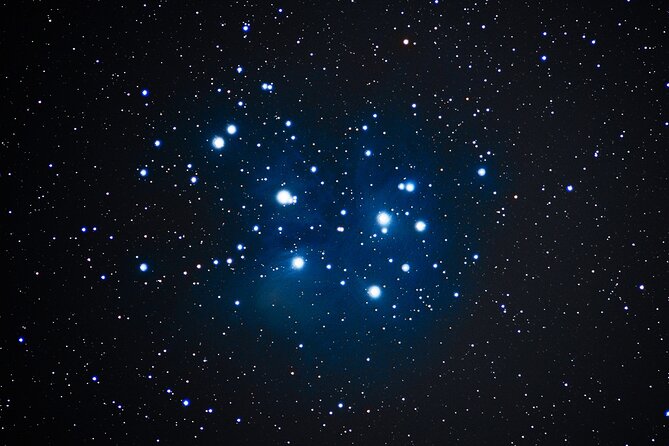
The telescope portion forms the heart of the tour. The large Celestron Schmidt-Cassegrain telescope is built for serious viewing, and the schedule includes plenty of time at the eyepiece. Depending on the season and conditions, you might see planets such as Venus, Mars, Jupiter, Saturn, or Uranus. You might also look at the Andromeda Galaxy, the Orion Nebula, the Pleiades, or other star fields.
The exact list is never fixed. That is normal for astronomy, not a weakness in the tour. Some objects appear only during certain months, while others are better placed at particular times of night. Ask what is likely to be visible on your date before booking if one specific planet or nebula is your main goal.
Jason’s teaching style and the value of a small group
Jason is the guide named for this experience, and the strongest part of his role is the way he connects basic instruction with real objects in the sky. You can ask questions about planets, stars, constellations, and mythology rather than simply listening to a set speech.
The group limit is 10 people. That is small enough to keep the evening personal, but you should still expect to share the telescope. Each person may need a little patience while others take their turn. In return, you get a more relaxed setting than a large public observing session.
This format suits curious beginners particularly well. You do not need to arrive with a working knowledge of astronomy. At the same time, an amateur star watcher can find plenty to enjoy, especially when the telescope reveals details that are difficult to see with the naked eye.
The guide also helps explain why binoculars matter. You might assume that the telescope is the only equipment worth using, but binoculars provide a wider view and let you move around the sky at your own pace. That contrast between the two tools gives the evening more substance.
What you might see in different seasons
The sky changes throughout the year, so this is not one identical tour repeated every night. A summer date may bring a different selection of planets, star clusters, and nebulae than a winter visit.
On one clear evening, the sky may include Saturn and its rings, the Andromeda Galaxy, Vega, the Pleiades, and shooting stars. Another date may offer Venus, Mars, Jupiter, Uranus, or the Orion Nebula. You may also get a broad view of the Milky Way or notice clouds of star dust that are difficult to appreciate from a brightly lit town.
This makes a repeat visit worthwhile. A summer return can show you a different section of the sky, rather than simply repeating the same objects. If you are planning around a particular target, contact the provider or check the expected seasonal sky before committing to a date.
Keep your expectations sensible. A telescope view is not the same as a high-resolution space photograph. The reward is seeing a distant object with your own eyes, through equipment set up for the evening, while learning how to find it again.
Same sky over the USA, a different way to watch it:
- Miami: Frost Museum of Science and Planetarium Entry Ticket
★ 4.5 · 429 reviews - Griffith Observatory Insider Tour
★ 4.5 · 306 reviews - LA: Griffith Observatory Insider Tour
★ 4.5 · 287 reviews - The Original Sedona UFO and Stargazing Night Tour
★ 4.5 · 269 reviews
Snacks, chairs, and practical comfort
Snacks and refreshments are included, and some evenings feature treats linked to the night’s theme. That small detail helps because two and a half hours outside can feel long if you are standing the entire time or worrying about food and drinks.
Chairs are provided, and the dark-sky site is described as fully accessible. Service animals are allowed, and most people can take part. Those details make this easier for families and mixed-age groups than an activity that requires hiking or extended walking.
You should still dress for an outdoor night. Bring a light jacket, even in Florida, since temperatures can drop after sunset. Mosquito spray is also a sensible addition. These are not unusual obstacles, but they can make a clear night less comfortable if you ignore them.
The tour is offered in English. Your ticket is mobile, and confirmation arrives when you book. The activity begins and ends at the same Punta Gorda meeting point, so plan your own route there and back.
Is $59 a fair price?
At $59 per person, this is not the cheapest way to spend an evening outdoors. The value comes from the equipment, instruction, group size, and length of the session rather than from transportation or a long list of stops.
You receive about 2.5 hours with an experienced astronomy guide, a laser-guided sky lesson, binoculars, access to a large Celestron telescope, chairs, snacks, and refreshments. Buying or renting comparable equipment would cost far more, and using it well requires practice. For a first-time observer, the guide is as important as the telescope.
The small group also improves the value. With a maximum of 10 people, you are less likely to spend the whole evening waiting behind a crowd. You should not expect private use of the telescope, but you should get repeated turns and time to ask questions.
I would consider the price reasonable for families, couples, and curious adults who want an organized astronomy evening. It may feel less worthwhile if you already own strong equipment, know the sky well, and prefer to observe alone. In that case, the social instruction and guided structure are the main benefits.
Who will enjoy this Punta Gorda activity?
This is a good pick for families looking for something different from beaches, shopping, and standard evening entertainment. Children who can stay up for the schedule may enjoy seeing planets and learning the stories behind constellations, though the supplied information does not give a minimum age.
It also suits couples and friends who want a calm shared activity. The circle seating, snacks, and slow pace create room for conversation between telescope turns without turning the night into a formal class.
Amateur astronomers should find enough detail to make the session worthwhile. You can use the binoculars, ask about seasonal objects, and compare the unaided sky with the telescope view. If your main interest is photography, however, the available details do not promise an astrophotography setup or camera access. Do not book expecting that unless the provider confirms it.
The tour is less suited to anyone who dislikes outdoor conditions or needs a guaranteed list of objects. Astronomy depends on cloud cover, visibility, season, and timing. The provider requires good weather and may offer a different date or a full refund if poor weather cancels the outing.
Booking and cancellation advice
The experience is commonly booked about 17 days ahead, so reserving early is sensible if your Florida trip has fixed dates. The group is small, and the tour requires a minimum number of participants.
You can cancel for a full refund up to 24 hours before the local start time. Cancellations or changes made within 24 hours are not refunded or accepted. If the provider cancels because of weather or because the minimum group size is not reached, you can choose another date or receive a full refund.
The weather policy is worth taking seriously. A cloudy evening can reduce the value of the telescope session, so keep some flexibility in your schedule if stargazing is important to you.
Should you book the night sky tour?
Book it if you want a guided, hands-on astronomy evening rather than a quick look at a few stars. The combination of Jason’s explanations, binoculars, a large telescope, a maximum group of 10, and seasonal targets gives you a solid experience for $59.
I would especially recommend it to first-time observers, families, and anyone who has seen the Florida night sky only from a hotel or busy town. Bring a jacket and mosquito spray, check the likely objects for your date, and remember that weather controls the final show.
Skip it if you need indoor comfort, private telescope use, or a guaranteed list of planets. For everyone else, this is a thoughtful way to spend one clear night near Punta Gorda, with enough instruction to keep you looking upward long after the tour ends.
FAQ
Where does the stargazing tour meet?
Meet at 35461 Washington Loop Road, Punta Gorda, Florida 33982. The activity is held at Hathaway Park and ends back at the same meeting point.
How long does the experience last?
The tour lasts approximately 2 hours and 30 minutes.
How many people can join the tour?
The maximum group size is 10 people.
What equipment is provided?
Binoculars are provided, and the tour includes telescope time with a large Celestron Schmidt-Cassegrain telescope.
Is the tour accessible and are service animals allowed?
The dark-sky site is fully accessible, and service animals are allowed. Most people can participate.
What happens if the weather is poor?
The tour requires good weather. If it is canceled because of poor weather, you will be offered a different date or a full refund.
Fresh listings near the USA
- Stargazing and Milky Way Portrait in Capitol Reef National Park★ 4.5 · 13 reviews
- Temecula Wine Country Stargazing Tour★ 5.0 · 2 reviews
- Astronomy and Stargazing Tour in Utah★ 5.0 · 8 reviews
- Sunset Sedona Sacred Places -gourmet picnic dinner and stargazing★ 5.0 · 12 reviews
- Sedona UFO/Stargazing Tour (price per goggle not per person)★ 4.5 · 47 reviews
- Sedona Night Hike and Stargazing★ 5.0 · 7 reviews
- Stargazing Tour with Telescopes and Video Astronomy in Sedona★ 5.0 · 40 reviews
- PRIVATE Sedona Jeep Tour 4X4 Stargazing Tour at Night★ 4.5 · 11 reviews
USA Stargazing, side by side.
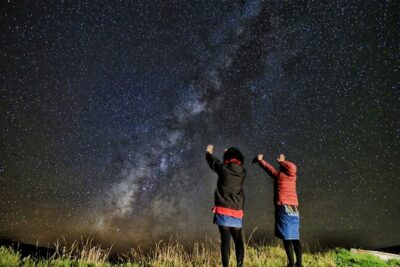
Small Group Big Island Twilight Volcano and Stargazing Tour
Read our review →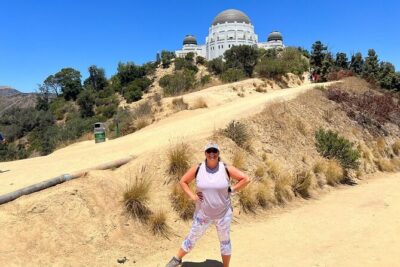
Griffith Observatory Hike: Guided Tour through Griffith Park
Read our review →
Frost Museum of Science and Planetarium Entry Ticket
Read our review →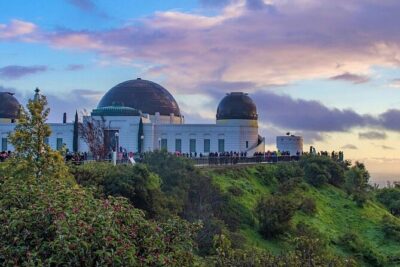

The Original Sedona UFO and Stargazing Night Tour
Read our review →
The Night Sky Star Story, Galaxy, and Sedona Story Tour
Read our review →Lists this night appears in