
REVIEW · USA STARGAZING
Astronomy Tour
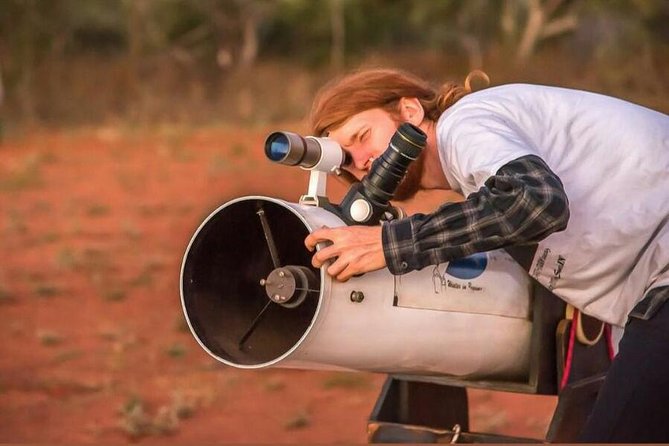
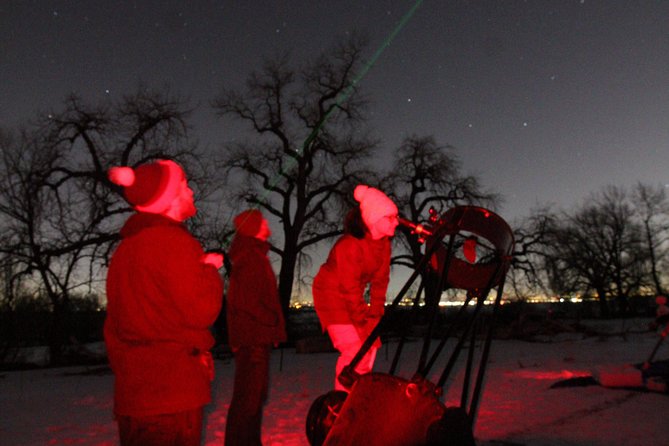
The best part of this Boulder astronomy tour is how little effort it takes to reach the stars. You meet at Boulder Valley Ranch Trailhead, walk no farther than needed, and spend about two hours moving between telescopes while a professional astronomer explains what you are seeing. I like the easy car access and the chance to view Saturn, Venus, galaxies, nebulas, and star clusters through several different instruments.
I also like the open Q&A and the option to remain after the formal session while the crew packs up. Guides including Luke and Coda have earned praise for clear, enthusiastic explanations. The main caution is light and traffic from Boulder: the town can be visible from the site, and passing cars or people may interrupt the view. Bring serious warm clothing, even if the afternoon felt hot.
Key points to know before booking
- No hiking required: Drive, take a taxi, Lyft, or Uber directly to the trailhead.
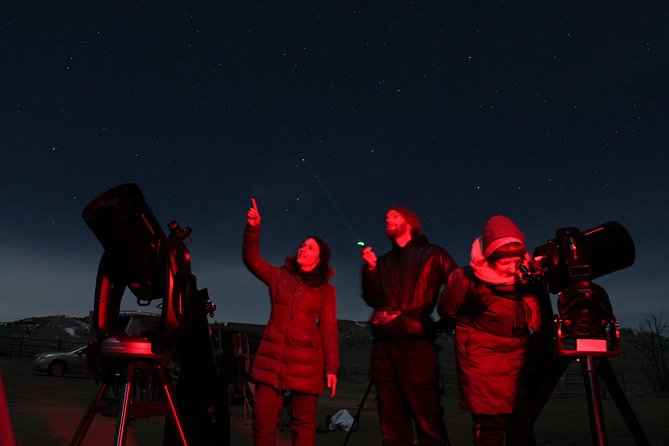
- Several telescopes are used: Different instruments can show planets, galaxies, nebulas, and star clusters in different ways.
- Luke and Coda lead the sessions: Expect astronomy talks, telescope guidance, and time for questions.
- The group can reach 22 people: This is a small enough setting for questions, but telescope viewing may still involve waiting.
- Bring winter-level layers: Jackets, blankets, and warm clothes are not provided, and the temperature drops after sunset.
- The sky is not perfectly dark: Boulder is visible, and nearby foot and vehicle traffic can affect the view.
A simple route from twilight to starlight
This is a focused evening activity, not a long outing in the hills. You meet at Boulder Valley Ranch Trailhead at 3900 Longhorn Road, north of Boulder, and the same location is used at the end. The site is reachable by car, taxi, Lyft, or Uber, which makes it useful if you want an astronomy experience without arranging a remote mountain drive.
The session begins around twilight. That timing matters because the sky changes in stages. You may start with some daylight still present, then watch the first stars appear as the session moves into darkness. The guide uses this transition to talk about the night sky and prepare the telescopes for viewing.
You do not need to hike to a distant viewpoint. That is a real advantage for families, older visitors, anyone with limited mobility, or anyone who simply wants to keep the evening easy. Service animals are allowed, and most people can take part.
More Stargazing Tours in the USA:
- Small Group Big Island Twilight Volcano and Stargazing Tour
★ 5.0 · 1,619 reviews - Griffith Observatory Hike: Guided Tour through Griffith Park
★ 5.0 · 1,020 reviews - Sedona Stargazing Tours LLC
★ 4.5 · 881 reviews
The telescopes are the main event
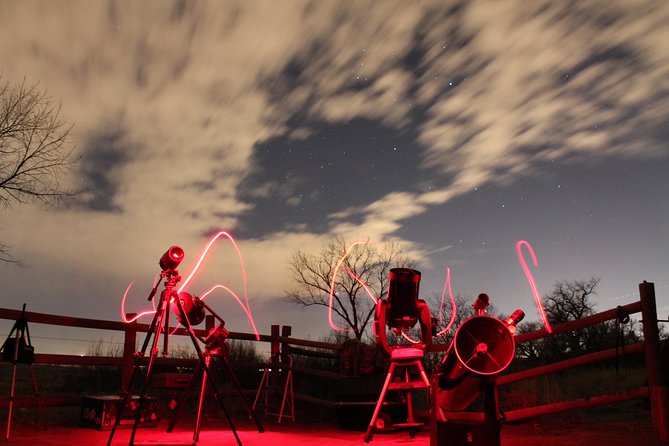
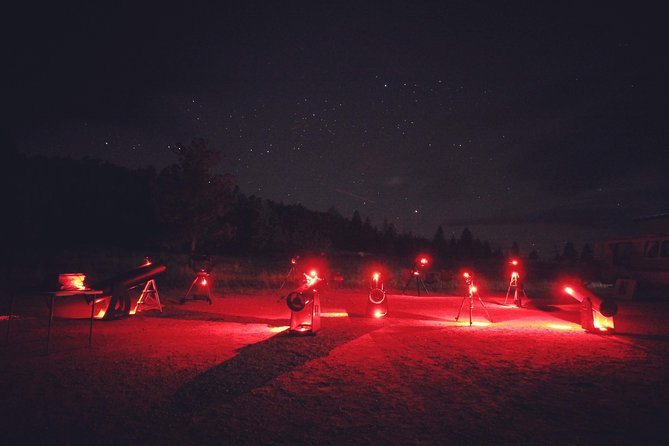
The telescopes give this outing its value. Several instruments are set up and adjusted during the session, with reports of three or four telescopes and a pair of binoculars serving a group of roughly 17 people on one evening. The exact equipment can vary, but the point is that you are not limited to a single eyepiece and a single target.
Different telescopes may be suited to different kinds of objects. One can provide a strong look at a planet, while another may be used for a star cluster, galaxy, or nebula. You might see Venus, Saturn, the rings of Saturn, moons near Jupiter, star clusters, and distant galaxies, depending on the date, weather, and what is visible that night.
That variety keeps the session moving. You are not simply looking at one object and then going home. The guide changes and refocuses the equipment as the sky shifts, giving you several chances to compare what you see.
Telescope viewing also rewards patience. Groups can include as many as 22 people, so you may wait briefly for your turn. The benefit is that the guide has time to explain each object and answer questions instead of rushing everyone through a line.
Luke, Coda, and the human side of astronomy
The guide makes a major difference here. Luke is praised for his strong command of astronomy and his willingness to keep talking after the scheduled session. Coda is also associated with the tour, and one account uses the spelling Koda. Expect a guide who explains the sky in plain language, points out what you are seeing, and takes questions from beginners as well as serious space fans.
The formal talks cover the universe, stars, planets, galaxies, and nebulas. You do not need to know the difference between a cluster and a galaxy before arriving. The session is built to give you enough background to make the telescope views meaningful.
I especially like the dedicated question period. Astronomy can raise oddly specific questions fast: how far away is that object, why does it appear that color, and what exactly am I seeing through the eyepiece? A clear answer can turn a quick look at a bright point into a memorable lesson.
The guide also helps with naked-eye viewing. The sky itself can be impressive before you use a telescope, and you may notice far more stars than you would from a city center. Still, keep expectations grounded. This is near Boulder, not an isolated desert observatory. The town is visible, and the darkness is not absolute.
What you might see through the eyepiece
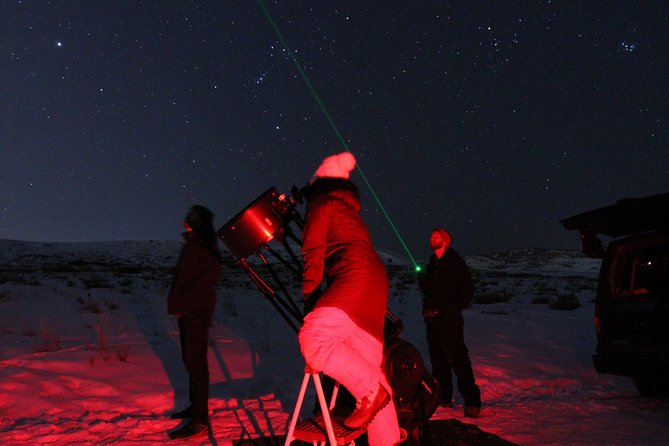
The exact targets depend on the night. No astronomy tour can promise Saturn, a particular galaxy, or a perfectly clear view, because the schedule of the sky and local weather both matter. Still, the range of objects previously seen gives you a good sense of the session.
Planets: Venus, Saturn, and Jupiter are among the most rewarding targets when they are in a favorable position. Saturn is especially memorable because its rings can become visible through a good telescope. Jupiter may show nearby moons, turning a bright point into a small planetary system.
Star clusters: These can look different from a single star. Through a telescope, a cluster may resolve into many separate points, giving you a better sense of how stars are grouped in space.
Nebulas: A nebula may appear as a soft patch or cloudy shape rather than a crisp object. The guide’s explanation helps you understand what you are viewing, since the naked-eye appearance can be subtle.
Galaxies: A distant galaxy may not look like a colorful photograph. You might see a faint, smudged shape, but knowing that the light has traveled across enormous distances gives the sight real impact.
Conditions can change the result. One evening was partly cloudy, yet some stars remained visible. If clouds cover the main targets, the guide may have fewer objects to show, and the tour may feel less full. The operator offers another date or a full refund if poor weather forces cancellation.
Same sky over the USA, a different way to watch it:
- Miami: Frost Museum of Science and Planetarium Entry Ticket
★ 4.5 · 429 reviews - Griffith Observatory Insider Tour
★ 4.5 · 306 reviews - LA: Griffith Observatory Insider Tour
★ 4.5 · 287 reviews - The Original Sedona UFO and Stargazing Night Tour
★ 4.5 · 269 reviews
Why the no-hike setup matters
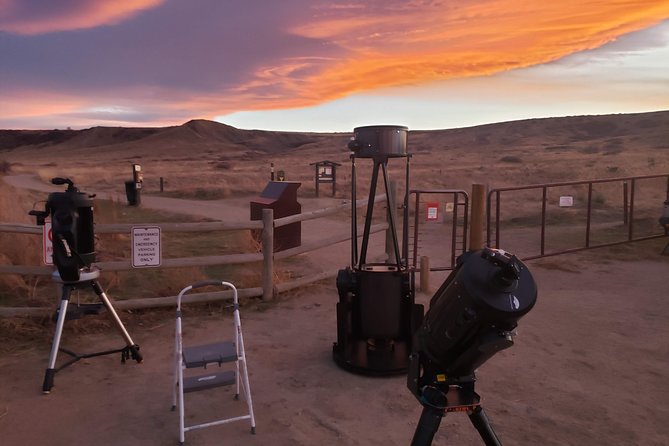
Many stargazing outings sound simple until you factor in the approach. A dark-sky site may require a long drive, a rough road, or a walk after sunset. This one keeps the arrival straightforward.
At Boulder Valley Ranch Trailhead, you can arrive by private car or ride service. The meeting point is also the end point, so you do not need to find a second pickup location in the dark. That simplicity is useful if you are fitting the tour into a wider Boulder or Denver evening.
The tradeoff is that convenience often comes with some nearby activity. Foot traffic and cars may pass through the area, and headlights can make it harder to keep your eyes adjusted to the dark. Boulder is visible from the site, so this is not the right pick if your top priority is the darkest possible sky.
I would choose this tour for easy access and expert guidance, not for a remote wilderness setting. If you want to try astronomy without committing to a long nighttime drive, that is a fair exchange.
Dress for the temperature after sunset
The most practical advice is also the easiest to ignore: bring warm layers. The tour does not provide jackets, blankets, or other cold-weather clothing, and the temperature can fall sharply after dark even when the day was warm.
Wear more than you think you need. A jacket, warm shirt, hat, and extra layer are sensible choices. A blanket can help if you plan to remain after the scheduled portion. Since you will spend time standing near the telescopes, warmth matters more than it would on a short walk.
Comfort affects what you see. If you are cold, you will hurry through the eyepiece and pay less attention to the guide. If you are warm, you can stay for the questions, compare telescope views, and continue watching the sky as the equipment is packed away.
The site has no hiking requirement, but that does not mean it is an indoor activity. You are outside for the entire session. Treat the evening like a cool-weather outing, regardless of the afternoon forecast.
Snacks, timing, and the small details
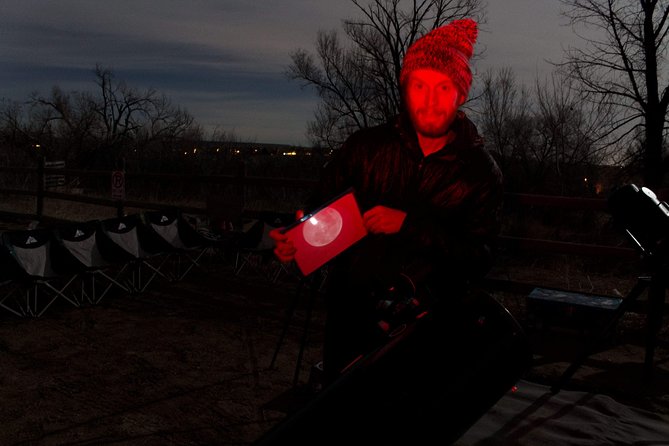
Cookies and other snacks are listed as included. That is a pleasant touch during a two-hour outdoor session, but do not count on a hot drink. One account reported that snacks were not offered, so I would confirm the current snack arrangement when you book or arrive.
The activity lasts about two hours. You can also stay a little longer while the crew packs up and continue looking at the sky. That extra time is not presented as a separate formal session, but it gives curious visitors a chance to ask more questions and enjoy the night without being rushed away.
The tour is offered in English. Confirmation arrives at booking, and mobile tickets make the meeting process simple. The group limit is 22 people, which keeps the event from feeling like a huge bus excursion, though you should still expect some waiting at the telescopes.
The tour ends back at the trailhead. Plan your ride accordingly if you use a taxi, Lyft, or Uber, especially since the activity finishes after dark.
Is $45 a good value?
At $45 per person, this is a reasonable price for a guided astronomy evening with multiple telescopes and an experienced astronomer. You are paying for the equipment, setup, explanations, telescope adjustments, and the chance to ask questions. Buying or transporting comparable equipment yourself would be impractical for a short visit.
The value is strongest if you are new to astronomy. A telescope on its own can show you something bright, but it cannot explain why the object matters or help you find the next target. The guide turns the equipment into a structured lesson.
The price is less compelling if you already own good astronomy equipment or mainly want silent, uninterrupted stargazing. Nearby lights, cars, and people can reduce the sense of isolation. You may prefer a darker site if your goal is long-exposure photography or a perfectly black sky.
For a family, couple, or small group looking for a memorable evening outside Boulder, $45 is fair. The experience works best when you value guidance and access over total darkness.
Who should book this Boulder astronomy tour?
I would recommend it to first-time stargazers, families with older children, casual space fans, and anyone staying in Boulder or Denver who wants a low-effort evening activity. The no-hike arrangement makes it more accessible than many night-sky outings, and the question period helps keep the experience engaging.
It also suits people who like learning as much as looking. Guides such as Luke and Coda bring the science into the evening, and the several telescope setup gives you more than one kind of view.
I would hesitate if you dislike cold, standing outdoors, or waiting your turn. I would also think twice if you need complete darkness. The Boulder glow and passing traffic are not minor details for serious stargazers.
Should you book it?
Book this tour if you want an approachable introduction to astronomy, quality telescope time, and a simple meeting point outside Boulder. The strongest reasons are the professional guides, several instruments, no required hiking, and the chance to continue watching the sky after the two-hour session.
Skip it if a remote dark-sky setting matters more than convenience, or if you are not prepared for cold weather. Check the forecast, bring heavy layers, and confirm the snack arrangements. With those expectations in place, this is a practical and enjoyable way to spend an evening looking well beyond Colorado.
FAQ
How long does the Boulder Astronomy Tour last?
The tour lasts approximately two hours. You may stay a little longer to watch the sky while the crew packs up.
Where does the tour meet?
The meeting point is Boulder Valley Ranch Trailhead at 3900 Longhorn Road, Boulder, Colorado 80302.
Is hiking required?
No. The trailhead is easy to access, and no hiking is involved in the activity.
Can I reach the meeting point without driving?
Yes. The location can be reached by car, taxi, Lyft, or Uber.
What is included in the tour?
The tour includes use of telescopes and related lights or equipment, along with cookies and other snacks as listed for the activity.
What should I bring?
Bring warm clothes, a jacket, layers, or a blanket. These items are not provided, and it can become cold at night even after a warm day.
What happens if the weather is poor?
The experience requires good weather. If it is canceled because of poor conditions, you will be offered another date or a full refund. You can also cancel for a full refund if you do so at least 24 hours before the start time.
Fresh listings near the USA
- Stargazing and Milky Way Portrait in Capitol Reef National Park★ 4.5 · 13 reviews
- Temecula Wine Country Stargazing Tour★ 5.0 · 2 reviews
- Astronomy and Stargazing Tour in Utah★ 5.0 · 8 reviews
- Sunset Sedona Sacred Places -gourmet picnic dinner and stargazing★ 5.0 · 12 reviews
- Sedona UFO/Stargazing Tour (price per goggle not per person)★ 4.5 · 47 reviews
- Sedona Night Hike and Stargazing★ 5.0 · 7 reviews
- Stargazing Tour with Telescopes and Video Astronomy in Sedona★ 5.0 · 40 reviews
- PRIVATE Sedona Jeep Tour 4X4 Stargazing Tour at Night★ 4.5 · 11 reviews
USA Stargazing, side by side.
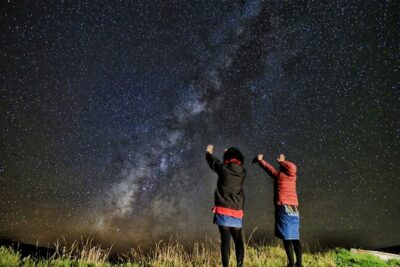
Small Group Big Island Twilight Volcano and Stargazing Tour
Read our review →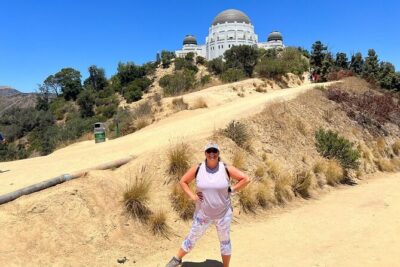
Griffith Observatory Hike: Guided Tour through Griffith Park
Read our review →
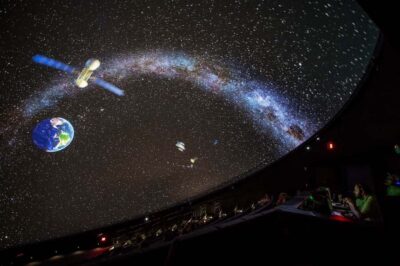
Frost Museum of Science and Planetarium Entry Ticket
Read our review →

The Original Sedona UFO and Stargazing Night Tour
Read our review →
The Night Sky Star Story, Galaxy, and Sedona Story Tour
Read our review →Lists this night appears in